_1745823981883.webp)

Reverse Osmosis Desalination: How It Works & Its Benefits
Reverse osmosis desalination plants are a game-changing way for businesses that are having trouble getting enough water. Through semi-permeable barriers, these systems remove dissolved salts, minerals, and contaminants from ocean and brackish water, leaving behind high-purity freshwater. RO technology provides stable water quality that meets strict production standards for many industries, including manufacturing, pharmaceuticals, food preparation, and city government. As the world's need for water grows, more and more companies depend on membrane-based desalination to make sure they have a steady supply of water while keeping costs low and protecting the environment. Procurement pros can make choices that are in line with sustainability goals and long-term operational resilience when they know how these systems work and what strategic benefits they offer.
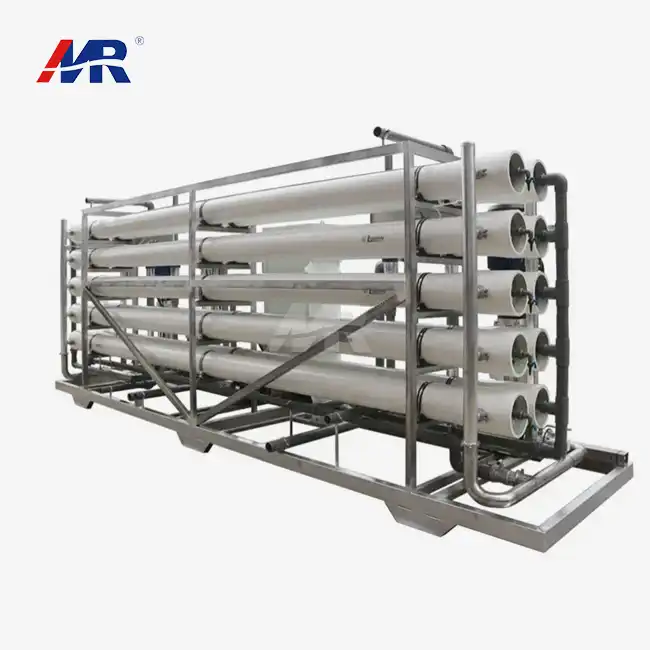
Understanding Reverse Osmosis Desalination: The Process Explained
In reverse osmosis desalination, natural osmotic forces are pushed against by hydraulic pressure. This forces salty water through special membrane barriers that catch impurities while letting molecules of clean water pass. This high-tech filter method makes water that can be used for drinking, manufacturing, making medicines, and precise cleaning in many different fields.
Pre-Treatment Stage Essentials
Pre-treatment gets rid of dissolved solids, organic matter, and chemicals that form scales in the feedwater before it hits the ro membranes. These could damage the membranes' delicate surfaces. Filtration media, chemical treatment systems, and clarity units get incoming water ready so that membranes last longer and systems work more efficiently. Multimedia filters and cartridge filters are often used in plants that process seawater. Systems that process salty groundwater may also remove iron and manganese. Effective pre-treatment has a direct effect on how well the membrane works, how much energy it uses, and how often it needs to be maintained. This stage is therefore very important for the success of the operation.
Membrane Technology and High-Pressure Pumping
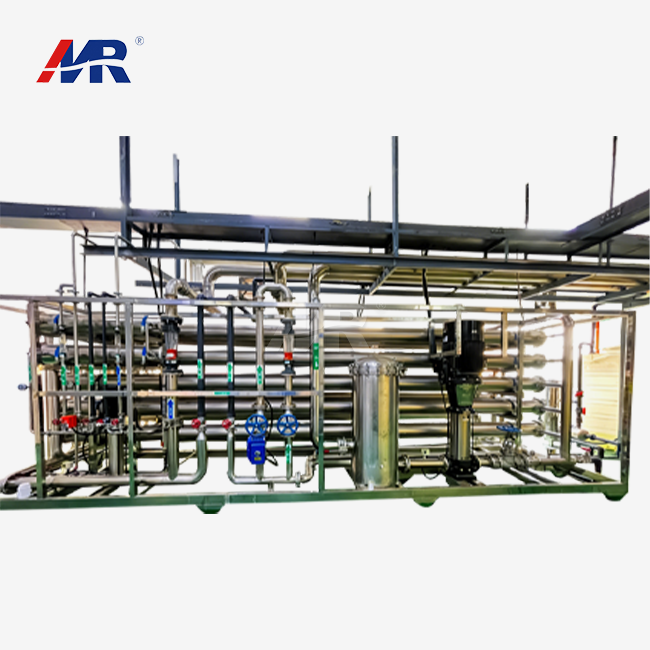
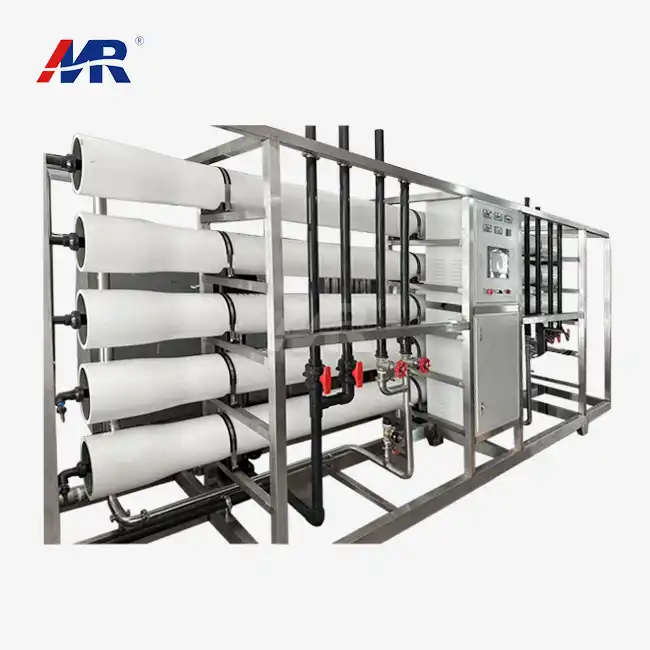
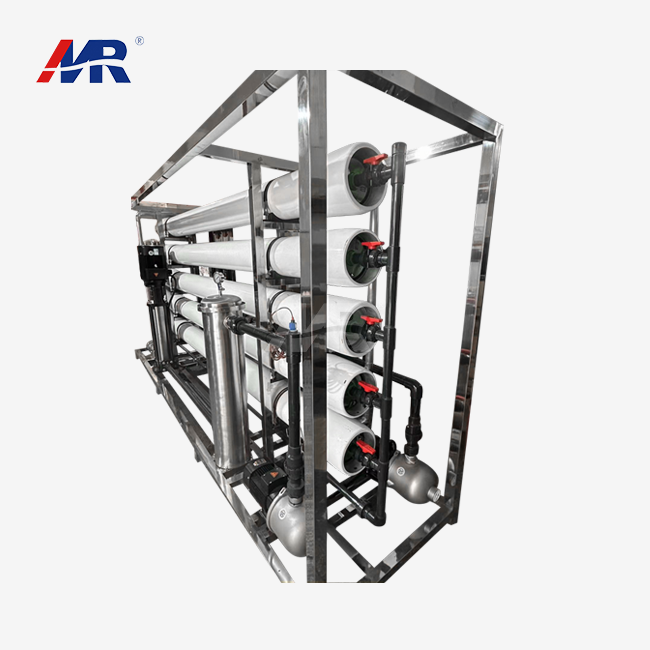
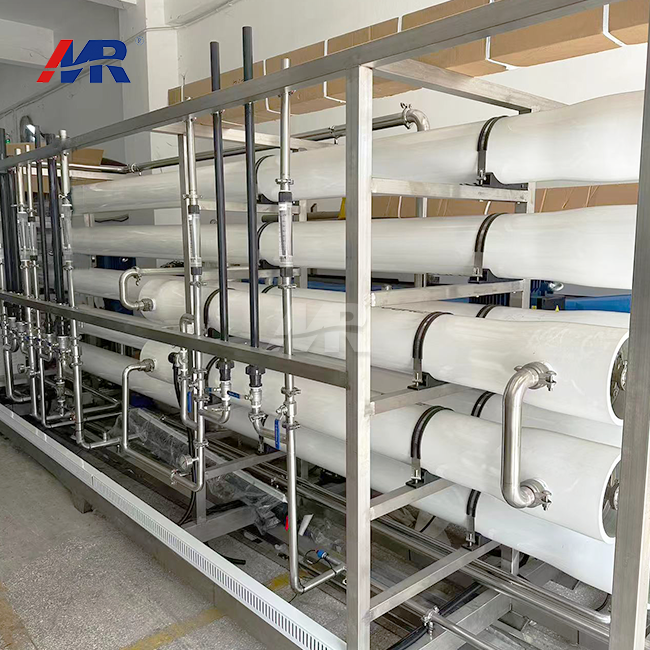
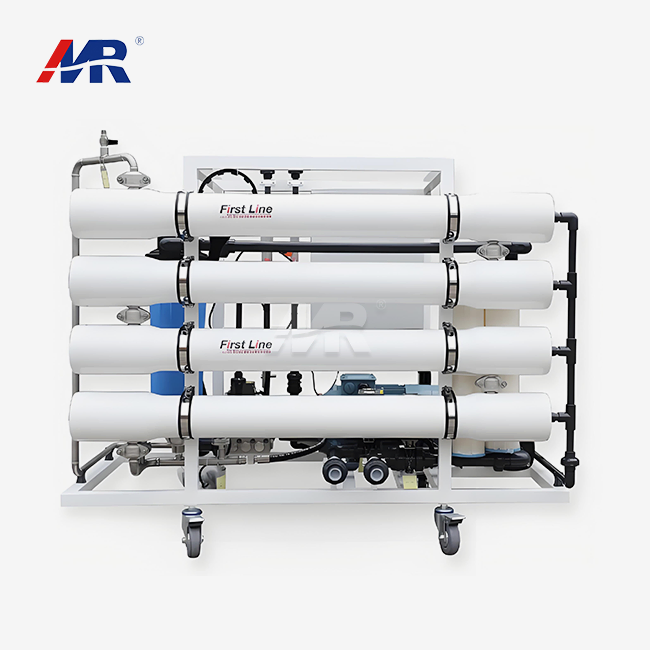
The membrane units and high-pressure pumping systems are what make a desalination plant work. Thin-film composite membranes let water pass through at pressures between 600 and 1,200 psi, based on the saltiness of the feedwater. They block 99.5% of the dissolved salts. The filter surface area needed for large-scale production is made up of spiral-wound membrane elements set up in pressure tanks. Energy recovery devices take in pressure from concentrate streams, which means they use up to 60% less power total than older methods. New membrane technologies have better resistance to fouling, higher flow rates, and better chlorine tolerance. This lets plants lower their production costs while still getting better output quality.
Post-Treatment and Quality Optimization
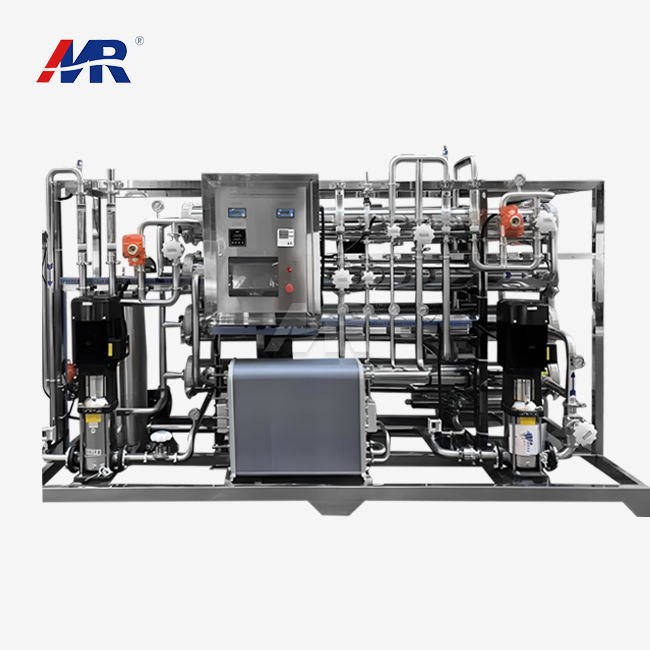
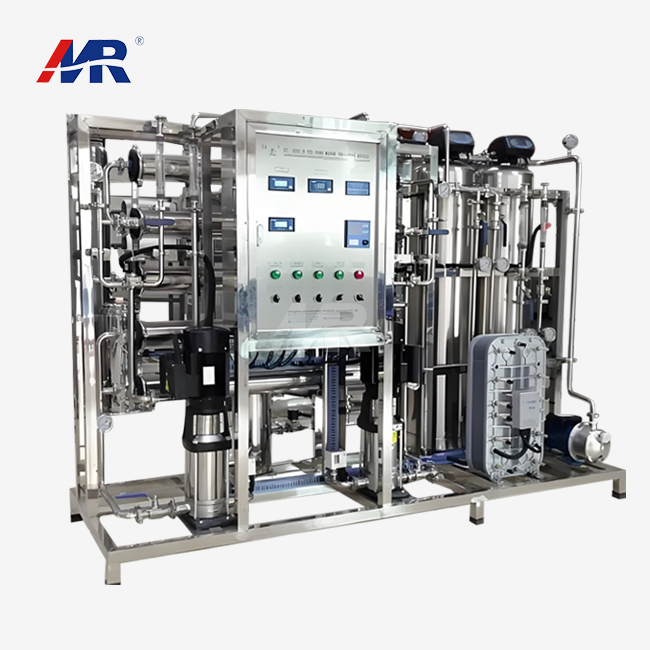
The water that comes out of RO filters needs to be treated before it can be used in industry or distributed. To make sure the water meets the needs of a certain application, post-treatment usually includes adjusting the pH, remineralizing, and disinfecting it. In pharmaceutical operations, extra cleaning steps like electrodeionization or ultrafiltration may be added. In city systems, corrosion inhibitors and residue disinfectants may be added. The system is finished off with storage tanks and circulation pumps that send finished water at the right pressures and amounts. Continuous tracking equipment keeps an eye on factors like conductivity, pH, and bacterial activity. This gives real-time quality assurance that protects both the equipment and the finished goods.
Benefits of Reverse Osmosis Desalination for B2B Procurement
Getting water for industry requires methods that combine the cost of capital, the cost of running the system, and how well it works. Reverse osmosis technology meets these needs and also helps with sustainability efforts that are becoming more important to business clients, and follows the rules.
Superior Water Quality Standards
Water produced by reverse osmosis desalination plants typically contains less than 10 parts per million of total dissolved solids, satisfying the requirements of pharmaceutical, semiconductor, and food manufacturing industries. This level of purity prevents product quality degradation and protects sensitive equipment. Beverage manufacturers benefit from stable mineral content to maintain flavor profiles, while electroplating operations rely on deionized water to avoid contamination during finishing processes. The technology also removes microorganisms, viruses, and endocrine disruptors that conventional filters may miss, providing an extra layer of safety for applications where human contact or consumption is involved.
Energy Efficiency and Cost Optimization
Modern RO plants use only 3 to 4 kilowatt-hours per cubic meter of freshwater made from saltwater. This is a big improvement over other methods, like steam distillation, which needs 10 to 15 kWh per cubic meter. This level of efficiency immediately leads to lower running costs and lower carbon pollution. Energy recovery devices take back hydraulic pressure from salt streams. This lowers the amount of net energy that is needed to desalinate water. Variable frequency drives make sure that pumps work at their best when demand changes, and control systems stop them from running when demand is low. These factors work together to make life-cycle cost profiles that are good for buying teams that are watching their budgets and looking at long-term building investments.
Scalability and Operational Flexibility
RO technology's flexible design lets capacity grow by adding more membrane trains without having to rethink the whole system. As demand rises, small businesses can start with 100 liters per hour units and grow to thousands of cubic meters per day. This freedom is helpful for businesses that have to deal with changes in the seasons or slow but steady production increases. Mobile desalination units are useful for short-term needs at rural places, offshore bases, or during emergencies. RO designs can easily change to different salinity levels and quality requirements, whether they are treating city water supplies, industrial process streams, or farm irrigation sources.
Addressing Common Challenges & Maintenance in RO Desalination Systems
Even though membrane systems have benefits, they need to be managed proactively to keep working at their best. Knowing about common operating problems and putting preventative measures in place saves equipment investments and increases system uptime.
Membrane Fouling Prevention
Fouling happens when organic matter, biological growth, or particle layers build up on the sides of membranes, making it harder for water to flow and requiring more pressure. These deposits are removed by regular chemical cleaning with special soaps, which makes the barrier permeable again. How bad the fouling is depends on the quality of the feedwater. Usually, public water sources are worse than deep underground sources. Using strong pre-treatment, making sure the right amount of chemicals is used, and checking the membranes often can reduce the effects of fouling. Plants with mechanical cleaning systems can go longer periods of time without needing to be cleaned by hand, which cuts down on worker needs and production delays.
Scaling Control Strategies
When concentrate streams go over the limits of how well minerals can dissolve, solid layers form on the membrane surfaces, damaging them permanently. Scaling agents like calcium carbonate, calcium sulfate, barium sulfate, and silica are often used in desalination processes. Antiscalant chemicals break up minerals that make scale so that they stay in solution instead of sticking to membranes. When the system is set up correctly, the rate of concentrate recovery stays within safe limits for the feedwater chemistry. Monitoring scaling indices online lets workers know early on when conditions are right for precipitation, so they can change the amount of chemicals used or the rate of bleed before damage happens.
Comprehensive Maintenance Programs
Scheduled repair procedures make sure that the system works the same way throughout the life of the equipment. Pressure differences, flow rates, and water quality factors are checked every day. Every week, the pump seals, valves, and control system are checked to make sure they work properly. Maintenance is done every three months, and it includes checking the membrane's performance, calibrating the chemical pumping system, and replacing the pre-treatment media. Every year, the system is completely tested, the membrane is carefully inspected, and any worn-out O-rings are replaced. Working with service providers with a lot of experience ensures access to real replacement parts, professional know-how, and help with fixing when problems come up out of the blue.
Comparing Reverse Osmosis with Other Desalination Technologies
To choose the right desalination technology, you need to know how the different methods stack up against each other in terms of performance measures that are important for your unique needs and working conditions.
Thermal Desalination Alternatives
Before membrane-based systems became common, multistage flash (MSF) and multi-effect distillation (MED) were the primary ways to remove salt from water. These thermal processes evaporate saltwater and condense the vapor, leaving salts behind. While thermal plants can handle high-salinity feedwater effectively, they consume significantly more energy, require larger footprints, and have higher capital costs than membrane-based options. Thermal systems remain practical in locations where waste heat from power plants is readily available, such as in certain Gulf countries. However, most new installations globally now favor reverse osmosis desalination plants due to their lower energy consumption, cost efficiency, and reduced environmental impact.
Financial Considerations and Investment Options
RO plants can cost anywhere from $500 to $2,000 to build, based on the size of the system, the quality of the feedwater, and other factors unique to the spot. Usually, $0.50 to $1.50 per cubic meter created goes toward operating costs like energy, chemicals, replacing membranes, and staff. These numbers are better than heating options while providing the same or better water quality. Direct purchase, lease agreements, build-operate-transfer contracts, and design-build-operate agreements are some ways to get things. These agreements put the financial load on specialized water service companies. Each method has its own benefits when it comes to cash flow, managerial duty, and dividing up technical risk.
Why Choose Our Reverse Osmosis Desalination Solutions?
We at Guangdong Morui Environmental Technology have been providing complete water treatment solutions to the industrial, food processing, pharmaceutical, and local sectors for more than ten years. Our complete method includes providing tools, engineering design, installation services, and assistance throughout the product's life. All of these services are backed by a single point of responsibility.
Manufacturing Excellence and Technical Capabilities
Along with our own membrane production plant, our group runs several sites that make tools. This makes sure that quality control is maintained throughout the supply chain. With more than 500 workers, including 20 expert engineers, we have the technical depth to deal with difficult application needs and site-specific problems. We are approved dealers for top component makers like Shimge Water Pumps, Runxin Valves, and Createc Instruments. We use the best components to make sure that our system designs are reliable. With standardized goods, this vertical merger makes customization impossible while keeping prices low by running operations efficiently.
Turnkey Project Implementation
We are in charge of the whole project lifecycle, from the original feasibility studies to operator training and completion. Our 14 branch sites in China give us the ability to provide local help and act quickly. Site survey services look at the characteristics of the feedwater, the access to utilities, and the physical limitations that affect how the system is set up. Process flow plans, equipment specs, electrical designs, and structural needs are all part of detailed engineering packages. Factory acceptance testing makes sure the product works well before it is shipped, and field installation teams make sure it fits in properly with other facilities. Comprehensive training programs teach client employees how to use systems correctly, which increases the return on investment.
Ongoing Service and Technical Support
The long-term success of a system rests on regular maintenance and getting expert help when it's needed. As part of our service programs, we do regular inspections, clean membranes, provide extra parts, and fix problems in an emergency. Performance improvement reviews look for ways to lower the amount of energy used, make membranes last longer, or increase the rate at which water is recovered. Our expert teams can find problems before they affect production thanks to remote tracking. This cuts down on unplanned downtime. Because they care about their customers' success, they have made long-lasting relationships with clients ranging from small businesses to multinational companies with installations in multiple countries.
Conclusion
For corporate and municipal water needs, reverse osmosis desalination plants are a proven solution that delivers high-quality water while remaining environmentally responsible and energy-efficient. Procurement specialists can make informed decisions when they understand system components, operational requirements, and the differences between technologies. Modern reverse osmosis desalination plants address previous challenges through advanced membrane materials, energy recovery systems, and digital control platforms. These membrane-based systems are highly scalable, accommodating projects ranging from small business installations to large municipal operations. Partnering with experienced providers ensures seamless implementation and sustained performance throughout the system’s operational lifespan.
Frequently Asked Questions
1. What is the typical membrane lifespan in desalination applications?
Commercial RO membranes usually last between three and seven years, but this depends on the quality of the feedwater, how they are used, and how often they are maintained. When used in seawater, membranes usually last for five years if they are properly pre-treated and cleaned with chemicals. Because of lower salt stress, brackish water systems often last longer than seven years. Monitoring the system's performance on a regular basis lets you know when membranes need to be replaced before the system's general efficiency drops significantly.
2. How much energy do modern RO desalination plants consume?
At the moment, seawater RO plants that use energy recovery devices use about 3 to 4 kWh for every cubic meter of freshwater they make. Because the working pressures are lower, brackish water systems need a lot less energy—usually between 0.5 and 1.5 kWh per cubic meter. Energy economy keeps getting better thanks to new technologies that improve pump design, membrane permeability, and process optimization.
3. Can RO systems treat highly saline industrial wastewater?
RO technology can clean up wastewater streams with up to 45,000 mg/L of total dissolved solids, which is high enough for most commercial and farming uses. Specialized high-pressure screens can handle concentrate streams that are getting close to the saltiness of seawater. When environmental rules or water saving goals call for it, multistage RO setups can achieve zero liquid discharge.
Partner with Morui for Advanced Desalination Technology
Guangdong Morui Environmental Technology is ready to design and build unique water treatment systems that meet the needs of your business, government, or industry. As an established reverse osmosis desalination plants manufacturer, we use tried-and-true technology and thorough project management to make sure that the installation goes smoothly. Our Team looks at the characteristics of your feedwater, your output needs, and the conditions of the spot to come up with the best systems that will work well and save you money. Get in touch with our technical experts at benson@guangdongmorui.com to talk about your unique problems and find out how our desalination solutions can help you protect your water source while also meeting your operational and environmental goals.
References
1. Elimelech, M., & Phillip, W. A. (2011). The Future of Seawater Desalination: Energy, Technology, and the Environment. Science, 333(6043), 712-717.
2. Ghaffour, N., Missimer, T. M., & Amy, G. L. (2013). Technical Review and Evaluation of the Economics of Water Desalination: Current and Future Challenges for Better Water Supply Sustainability. Desalination, 309, 197-207.
3. National Research Council. (2008). Desalination: A National Perspective. Washington, DC: The National Academies Press.
4. Greenlee, L. F., Lawler, D. F., Freeman, B. D., Marrot, B., & Moulin, P. (2009). Reverse Osmosis Desalination: Water Sources, Technology, and Today's Challenges. Water Research, 43(9), 2317-2348.
5. Fritzmann, C., Löwenberg, J., Wintgens, T., & Melin, T. (2007). State-of-the-Art of Reverse Osmosis Desalination. Desalination, 216(1-3), 1-76.
6. Amy, G., Ghaffour, N., Li, Z., Francis, L., Linares, R. V., Missimer, T., & Lattemann, S. (2017). Membrane-Based Seawater Desalination: Present and Future Prospects. Desalination, 401, 16-21.