

_1745823981883.webp)

Tankless Reverse Osmosis Systems: A Complete Guide for Your Home
Understanding the workings and advantages of a tankless ro water system becomes crucial when looking at water purification technologies for home or business use. Traditional models need big storage tanks to keep water clean. A tankless RO water system, on the other hand, uses modern membrane filtration and pressure optimization to give clean water on demand. This gets rid of problems with standing water, saves space, and ensures uniform output quality. This makes them very appealing to facilities managers, procurement engineers, and homeowners looking for effective, scalable water treatment options that are in line with today's sustainability goals.
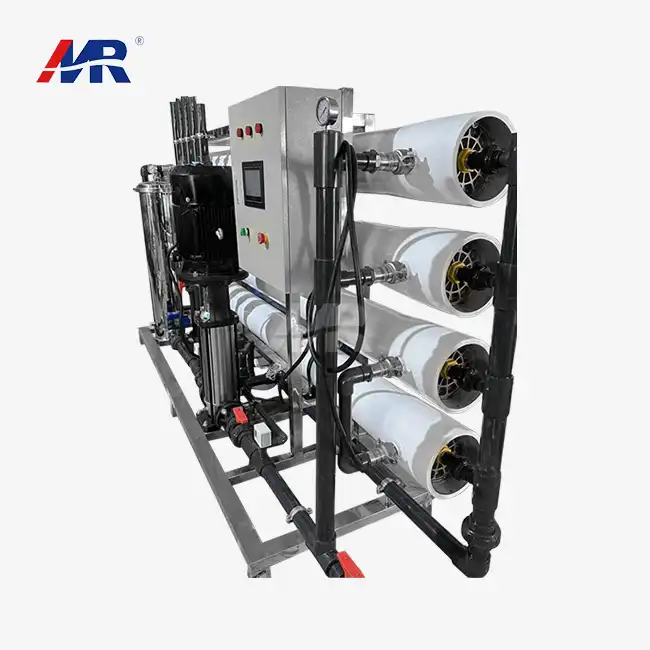
Understanding Tankless Reverse Osmosis Systems
A tankless RO water system represents a big step forward in purifying water at the point of use. Instead of keeping filtered water in a pressurized tank, these units use high-efficiency pumps and multiple stages of filtering to make clean water as soon as you turn on the faucet. The main process is still reverse osmosis, which pushes water through a partially permeable membrane under pressure to get rid of dissolved solids, contaminants, and impurities as small as 0.0001 microns.
How Tankless RO Technology Works
The practical design includes a number of important parts that work together. The water first goes through pre-filtration steps that get rid of grit, chlorine, and bigger particles. Next, a turbo pump raises the pressure so that water molecules can pass through the RO barrier while contaminants are pushed out. Modern models have real-time monitors that change the speed of the pump based on demand. This saves energy without lowering the flow rate. This smart design constantly sends out 0.4 to 0.8 gallons of clean water, which is enough for most home and light business uses.
Key Components Driving Performance
Composite thin-film membranes are used in modern tankless ro water systems. These membranes have rejection rates of over 95% for total dissolved solids. High-quality pumps keep the pressure steady between 60 and 80 PSI, which keeps the quality of the permeate fixed even when the municipal source changes. Integrated electrical controllers keep an eye on the health of the membrane, keep track of how long the filter lasts, and let users know when performance starts to drop. These improvements in technology have fixed problems with dependability that had been a problem with older designs. This makes the new units a good option over traditional ones.
Addressing Common Misconceptions
A lot of people who work in buying aren't sure if a tankless ro water system can produce the same amount of volume instantly as tank-based units. New developments in technology have mostly closed this gap. A 3-gallon holding tank can temporarily hold more water, but a tankless ro water system keeps a steady flow of water that can be used to fill containers, cook food, and meet continuous drinking water needs. The trade-off is a little longer wait times when filling big vessels, but this is balanced by the fact that standard tanks need to be refilled every 12 to 18 hours.
Tankless RO Systems vs. Traditional RO Systems: Making the Right Choice
To choose between a tankless RO water system and a standard reverse osmosis setup, you need to know more about how they work than just what the marketing says. Both technologies use the same cleaning principles, but they are very different in how they are installed, how they are maintained, and how much they cost to own overall.
Operational Performance Metrics
Most traditional tank-based systems can only collect 25–35% of the water that goes into them. This means that 65–75% of the water that goes in is wasted as salt. Through better membrane design and the ability to recirculate, a tankless RO water system can often raise this number to 40–50% recovery. Flow rate studies show that storage tanks have a peak capacity of 1.2 to 1.5 GPM, but this benefit decreases when the tanks are being refilled. Tankless RO water systems consistently give 0.5 to 0.8 GPM of water, making them better for situations that need a steady supply rather than high-volume draws that happen at random.
Installation Flexibility and Space Considerations
During site inspections, the change in the physical footprint is clear right away. Standard RO tanks take up 12 to 18 inches of vertical space in an under-sink cabinet and need room to be replaced in the future. Tankless RO water system enclosures are about 16x6x18 inches, which frees up important storage room. This is a big plus in places like business restaurants, medical facilities, and labs where space is valuable. The level of difficulty in installing them is about the same, but a tankless ro water system needs enough electricity access for the pump and processor to work.
Maintenance and Lifecycle Analysis
Depending on the quality of the feed water and the amount of use, both types of systems need to have their filters changed every 6 to 12 months. The main difference is how long the membrane lasts. A tankless RO water system can often increase membrane service life by 20–30% by reducing staling and biofilm formation. When traditional tanks aren't being used, dirt and bacteria grow, which speeds up membrane fouling. When considering choices, procurement managers should add up all the costs over the next five years, such as replacement membranes, filter cartridges, and possible service calls.
Limitation Transparency
When there is a lot of demand and multiple points need to be dispensed at the same time, tankless RO water systems have problems. During peak times, 0.6 GPM might not be enough for a busy restaurant or beverage production center, so they may need hybrid setups or tank additions. If the water flow is less than 50 PSI, you may need to update the booster pump, which will cost an extra $150 to $300. These limits don't mean that tankless residential water system technology isn't useful; they just mean that applications need to be carefully considered during the design process.
Installation, Maintenance, and Lifespan: Maximizing ROI
The operational effectiveness and return on investment of water treatment facilities are directly affected by how well it is set up and maintained. When installing a tankless ro water system, you need to pay attention to some details that are different from normal setups.
Installation Best Practices
Check the incoming water pressure first. If it's less than 50 PSI, you will need to add a pressure tank or pump. Electrical lines must be able to handle 1.5 to 2 amp loads on GFCI-protected outlets that are at least 3 feet away from the machine. Instead of compression joints, quarter-turn ball valves are better for plumbing lines because they lower the risk of leaks and make service easier in the future. Some common installation mistakes are not raising the drain line properly, which leads to backpressure, not filtering the water well enough before it reaches the ro membrane, and skipping the system cleaning steps that clean and protect new membranes.
Maintenance Protocols Optimizing Uptime
Scheduled maintenance helps keep things running smoothly and avoids expensive fixes in an emergency. In city water systems, pre-filters need to be replaced every six months. In well water systems with high turbidity, they may need to be replaced every three months. The time between carbon block filters that deal with chlorine and organics is about the same. If you take care of the RO membrane correctly, it should last between 24 and 36 months. You can check its performance with TDS meters to see if it starts to break down early. Using food-grade hydrogen peroxide to clean every three months stops biofilm from building up without hurting the structure of the membrane.
Factors Influencing System Durability
The feed water chemistry has the most significant effect on how long a component lasts. Even after pre-filtration, membrane scaling happens faster when the hardness is above 10 grains per gallon. When chlorine levels go above 0.5 PPM, thin-film composite membranes break down very quickly. Iron and manganese cause fouling that can't be fixed. A full study of the water before specification allows for tailored pre-treatment, which could double the membrane's life. The operating temperature is also important. Exposure above 77°F for a long time lowers rejection rates gradually. Because of these factors, warranty terms change a lot between makers. For example, to get premium coverage, you have to show proof that you follow the rules for water quality and upkeep.
Procurement Insights for B2B Clients: Selecting and Buying Tankless RO Systems
For industrial and business water treatment purchases, you need to do a lot more research than you would for a household purchase. The right technology is chosen based on volume needs, purity standards related to the product, and total cost modeling.
Selection Criteria Aligned With Industrial Needs
Finding out how much water you use each day is the first step in choosing the right size. A medicine compounding center that needs 50 gallons per day has different needs than a coffee shop that only needs 15 gallons per day. Peak demand times are important. For example, healthcare facilities may need a steady flow over 16-hour operating windows, while food plants have heavy use during production shifts. Purity requirements are very different. For example, 50–100 PPM TDS is fine for making drinks, but below 10 PPM is needed for cleaning electronics, which might mean extra steps like EDI grinding on top of basic RO. Instead of choosing a general product, the application setting determines the technology.
Evaluating Manufacturers and Technology Differentiators
On the global market, there are well-known brands that offer a range of benefits. European names charge more because they focus on precise engineering and flexible serviceability. North American makers focus on making tracking systems that work together and making replacement parts available quickly. Asian manufacturers offer options that are both cost-effective and of higher quality. Key differences include how clear the membrane sourcing is, how long the pump guarantee lasts, how complex the controller interface is, and how many units have been put in similar situations. Instead of depending only on marketing promises, procurement teams should ask for third-party NSF/ANSI 58 certification proof.
Pricing Structures and Bulk Purchasing Advantages
Tankless RO water systems for light business use start at about $800 to $1,200, while more advanced models with smart tracking and longer guarantees cost between $1,800 and $3,500. When you buy in bulk, you can usually get discounts of 15 to 25 percent on orders of five or more units. You can save even more by shipping them together and buying new filters in bulk. The total cost should include the work to install the unit ($200 to $400 per unit), the consumables ($150 to $250 per year), and the repair of the membrane ($180 to $300 every two to three years). Warranty terms range from basic coverage for one year to complete coverage for five years. For longer terms, you must show proof that you have kept up with upkeep.
Supplier Evaluation and Reliable Sourcing
To find reliable partners, you need to make sure they can provide expert help after the sale is complete. Check the reaction times for help with troubleshooting, the speed with which new parts are delivered, and the availability of approved service techs in your area. Ask for client references from people in your industry and then call those people personally to ask about their experience after the sale. Check to see if the seller is financially stable. New names may have good prices, but they might not have parts available for a long time. Established wholesalers add value by keeping an eye on supplies, offering emergency shipping options, and offering application engineering advice during the development of specifications.
Conclusion
Tankless RO water systems have a lot of benefits for both home and business use, especially when space savings, consistent water quality, and long-term operating sustainability are important. The technology has grown past the problems that came with early adoption and can now work reliably in a wide range of settings, from home kitchens to specialized industrial processes. To make implementation work, we need to be honest about the patterns of demand, the properties of the feed water, and our ability to do upkeep, instead of thinking that the solution will work for everyone. When making a choice about what to buy, it helps to do a full total cost analysis that looks at the whole project over 5 years and includes both the original cash investment and any replacement parts or services that might be needed. When set up and taken care of correctly, these systems provide reliable clean water while also lowering their impact on the environment by increasing recovery rates and getting rid of waste linked to storage.
FAQ
1. How do tankless RO systems compare in energy efficiency?
Because the pump is always running, tankless ro water systems usually use 30 to 50 percent more power when they are in use than standard systems. However, they get rid of the idle energy waste that comes with keeping the tank pressure steady and switching the pressure switches every so often. Depending on how much you use and where you live, the average annual cost of energy is $25 to $45. When looking at better water recovery ratios, the environmental case favors a tankless RO water system—wasting 50% less feed water often outweighs small increases in electricity use in terms of overall resource effect.
2. What maintenance schedule sustains optimal performance?
In city water systems, sediment and carbon pre-filters should be replaced every six months. In well water systems, they should be replaced every three months. Use food-grade hydrogen peroxide solutions to check and clean the device once a year. Check the output TDS once a month with mobile meters. Readings rising above 10% of baseline mean the membrane is breaking down and needs to be replaced. To keep scaling from happening, flush concentrate lines once a week in low-use areas. Keep track of all service activities to keep your guarantee valid and figure out when to repair things based on the chemistry of your water.
3. Can tankless systems accommodate large-scale industrial water treatment?
A standard residential tankless ro water system can handle the small business needs of up to 50 gallons per day. Commercial-grade configurations that can produce 200 to 500 gallons of water per day or integrated multi-unit systems are better for industrial businesses that need to handle larger amounts. In order to make semiconductors or medicines, facilities that need ultrapure water should look for RO EDI water systems that combine reverse osmosis with electrodeionization cleaning. These systems can continuously achieve resistivity levels above 15 megohm-cm without the need for chemical renewal.
Partner With Morui for Your Tankless RO Water System Needs
We at Guangdong Morui Environmental Technology are experts at creating water treatment solutions that meet the needs of demanding industrial, business, and municipal uses in a wide range of fields. Our Team of 20 experienced engineers and 500 committed professionals works out of 14 regional branches and offers full support from the first meeting to installation, commissioning, and ongoing service. We provide full turnkey solutions that combine cutting-edge membrane technology, smart tracking systems, and strong after-sales support as a reputable tankless RO water system maker and provider.
Our integrated capabilities include in-house membrane production, ensuring quality control, partnerships with premium component brands like Shimge Water Pumps and Runxin Valves, and extensive equipment processing facilities enabling customization for unique applications. Our engineering team creates systems that are perfect for your needs, whether you need ultrapure water for making electronics, pharmaceutical-grade cleaned water that meets GMP standards, or cost-effective ways to make drinks.
For in-depth advice, buying managers, building engineers, and business owners are welcome to get in touch with our technical experts. You can email us at benson@guangdongmorui.com to talk about your water treatment problems, get personalized quotes, or learn about the benefits of buying in bulk. Our helpful support team is ready to help you turn your goals for water quality into reliable, effective operations.
References
1. American Water Works Association. (2022). Reverse Osmosis and Nanofiltration: Manual of Water Supply Practices M46, 3rd Edition. Denver: AWWA Publications.
2. Greenlee, L.F., Lawler, D.F., Freeman, B.D., Marrot, B., & Moulin, P. (2020). Reverse osmosis desalination: Water sources, technology, and today's challenges. Water Research, 43(9), 2317-2348.
3. National Sanitation Foundation International. (2023). NSF/ANSI Standard 58: Reverse Osmosis Drinking Water Treatment Systems - Certification Requirements. Ann Arbor: NSF International.
4. Qasim, M., Badrelzaman, M., Darwish, N.N., Darwish, N.A., & Hilal, N. (2021). Reverse osmosis desalination: A state-of-the-art review. Desalination, 459, 59-104.
5. U.S. Environmental Protection Agency. (2023). Point-of-Use or Point-of-Entry Treatment Options for Small Drinking Water Systems. EPA 815-R-06-010. Washington: EPA Office of Water.
6. World Health Organization. (2022). Guidelines for Drinking-water Quality: Fourth Edition Incorporating the First and Second Addenda. Geneva: WHO Press.
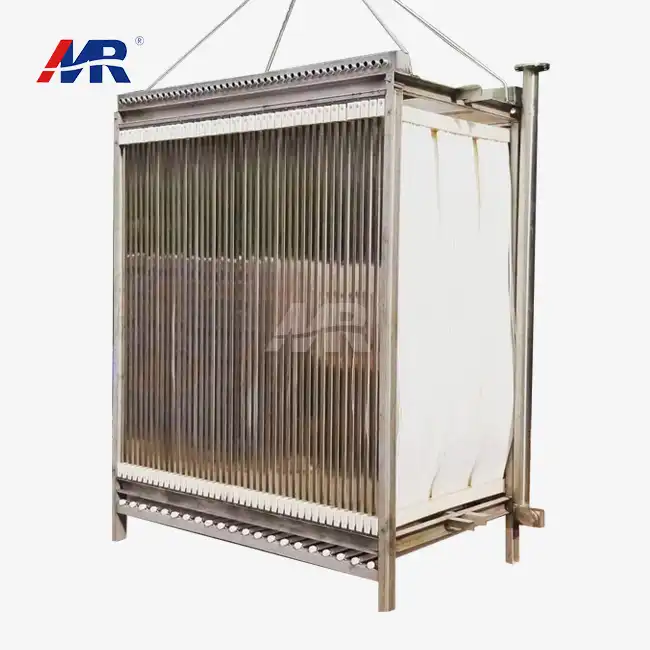 VIEW MOREmembrane bioreactor
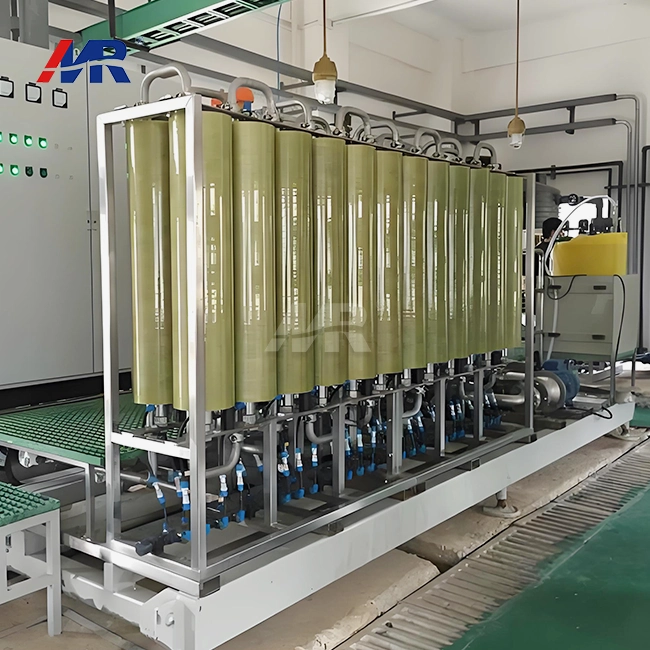 VIEW MOREDisc Tube Reverse Osmosis
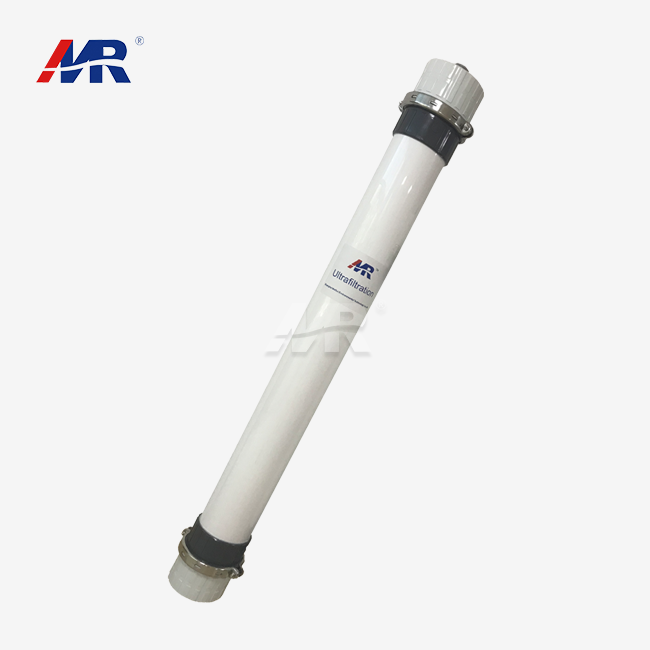 VIEW MOREultrafiltration membrane for wastewater treatment
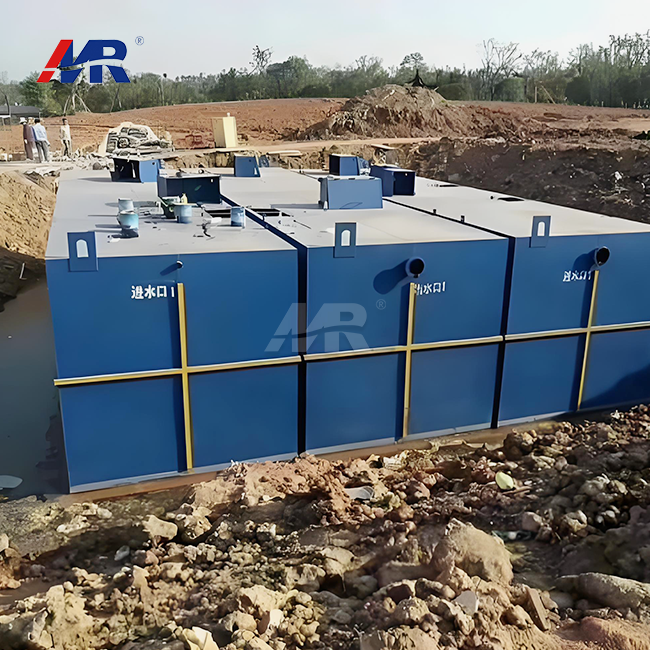 VIEW MOREwastewater treatment plant units
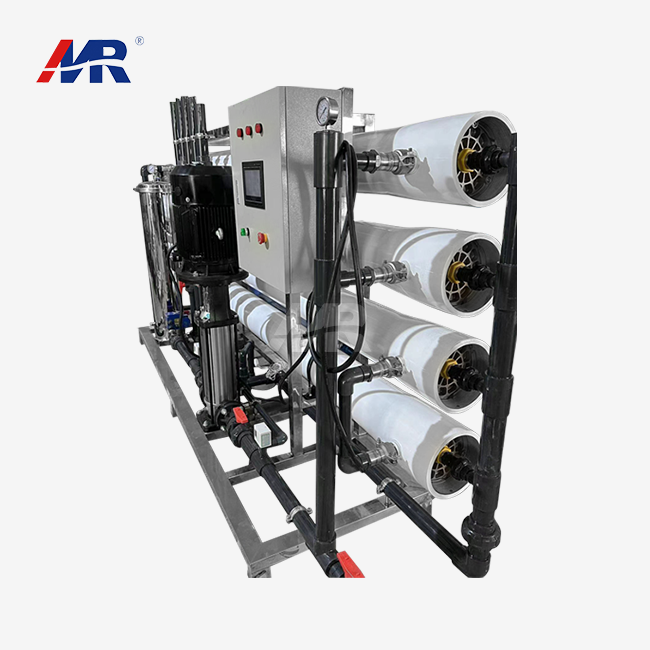 VIEW MOREunder counter reverse osmosis water system
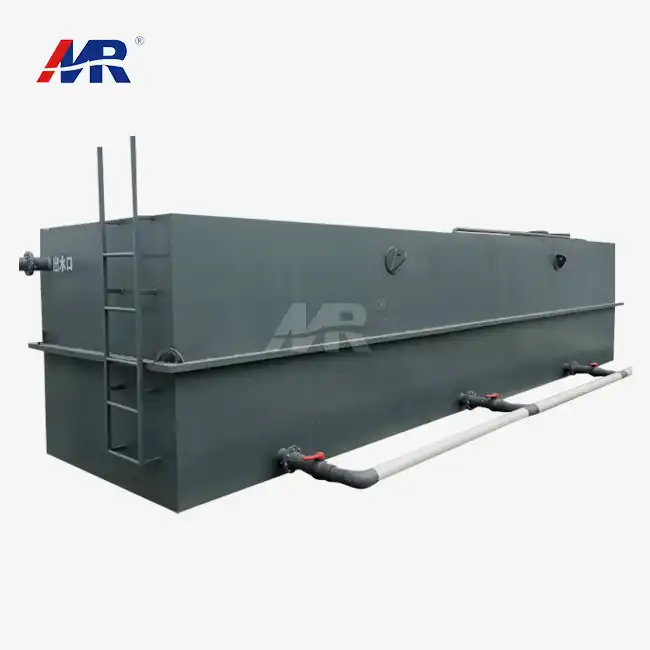 VIEW MOREportable wastewater treatment plant
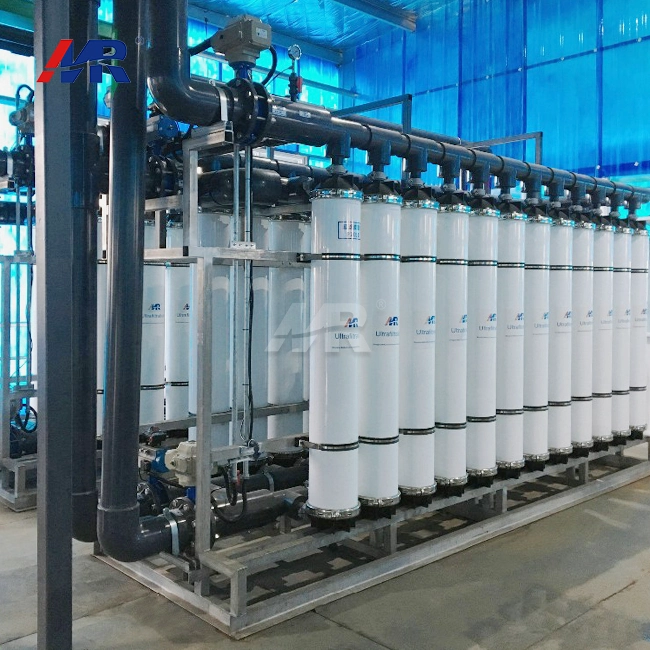 VIEW MOREultrafiltration equipment
 VIEW MOREindustrial ultrafiltration systems
