_1745823981883.webp)

How Ultrafiltration Technology Reduces Water Treatment Costs
Ultrafiltration cost optimization begins with understanding how membrane technology eliminates traditional treatment expenses. Modern ultrafiltration systems reduce water treatment budgets by minimizing chemical consumption, lowering energy requirements, and extending equipment lifespans. These systems deliver consistent water quality while cutting operational expenses by 30-40% compared to conventional filtration methods, making them increasingly attractive to pharmaceutical manufacturers, food processors, and municipal water facilities seeking long-term savings without sacrificing performance standards.
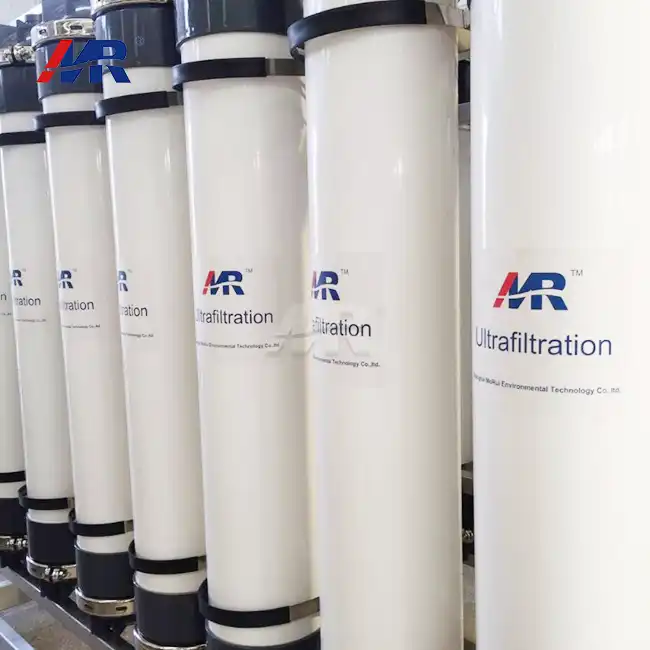
Understanding Ultrafiltration Cost Components
To figure out how much ultrafiltration costs represent, you have to look at both the obvious and the less obvious costs that affect your bottom line.
Capital Expenditure Breakdown
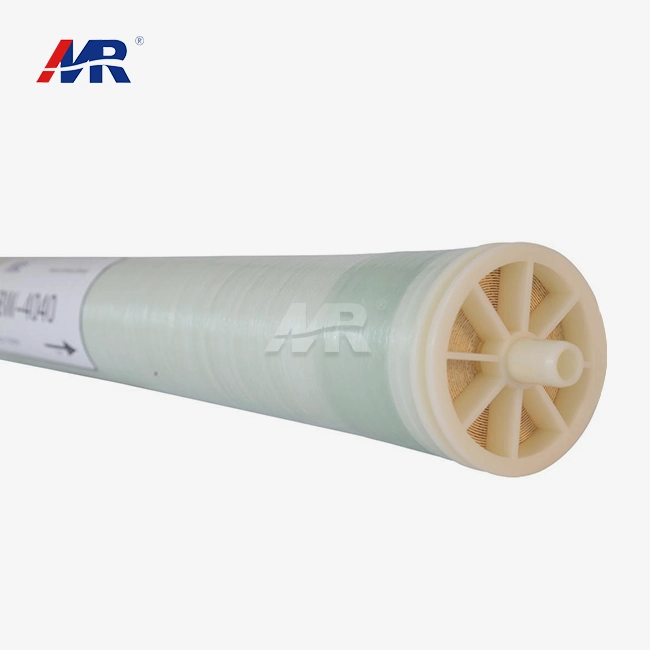
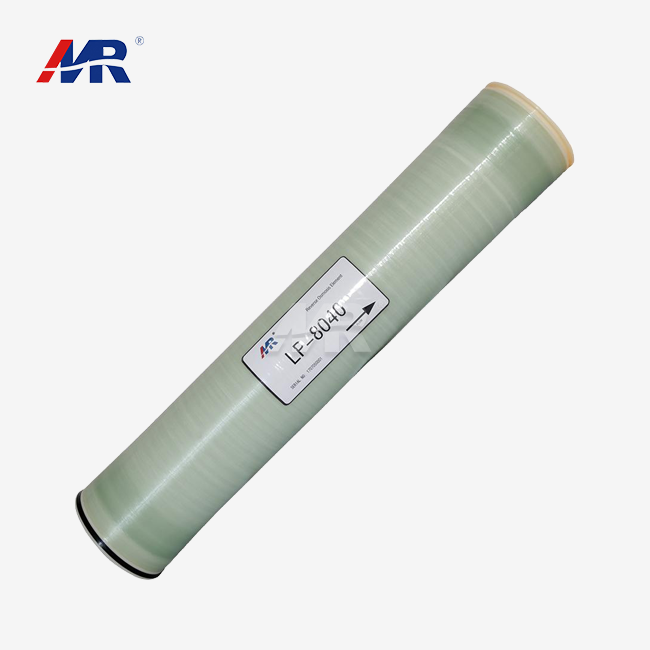
The initial cost includes membrane modules, housing assemblies, feed pumps, control screens, and workers to set up the system. Polyvinylidene fluoride (PVDF) membranes are the best because they are very resistant to chemicals and easy to clean in both out-to-in and in-to-out forms. Initially, these materials cost more, but their long-lasting nature makes them worth the money because they need less maintenance and replacement more often in commercial settings.
Operating Expense Analysis
The daily operating costs include the energy used by pumping systems, cleaning chemicals, membrane replacement cycles, and the time spent on tracking. Ultrafiltration systems usually work at 2 to 5 bar pressure, which is a lot less than reverse osmosis units, which need 15 to 25 bar. This difference in pressure means big savings on energy, especially for places that process millions of gallons of water every year. Because uf membranes can handle a wider range of pH levels and are better at stopping bacterial fouling than standard media filters, a lot less chemical is needed.
Hidden Cost Factors
Depending on the quality of the feed water, different pre-treatment systems may be needed, such as coarse filters or pH control systems. Post-treatment needs rely on what comes next, like boiler feed water in power plants or GMP-compliant water in biotech facilities. As technology has improved, the amount of work that goes into tracking systems has gone down. However, skilled workers are still needed for troubleshooting and improving performance. Small ultrafiltration skids are cheaper to build than large clarifier basins and multi-media filter stacks, which means that space limits can also cost money.
Ultrafiltration vs Traditional and Alternative Filtration Costs
When you compare different types of filtering, you can see why the ultrafiltration cost value is the best choice for many treatment situations.
UF Compared to Reverse Osmosis Systems
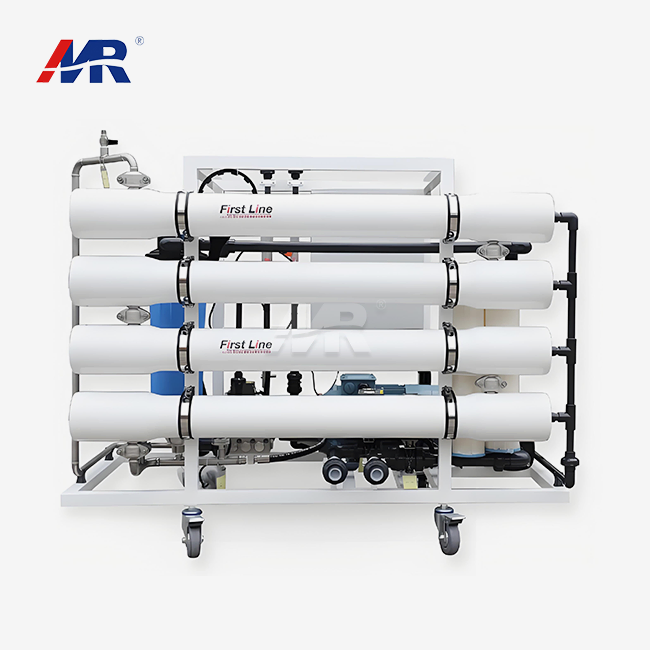
Reverse osmosis is very good at getting rid of dissolved solids, but it needs more energy and cash. From working with electronics companies, we know that RO systems use 4 to 6 kWh per cubic meter, while UF systems only use 0.2 to 0.8 kWh. Using UF as a preparation, on the other hand, keeps ro membranes from getting clogged with particles, which increases their useful life from 3 to 5 years. This protective feature lowers the cost of replacing RO membranes by a large amount. This shows how combined methods reduce total costs instead of just lowering the prices of individual parts.
UF Versus Conventional Media Filtration
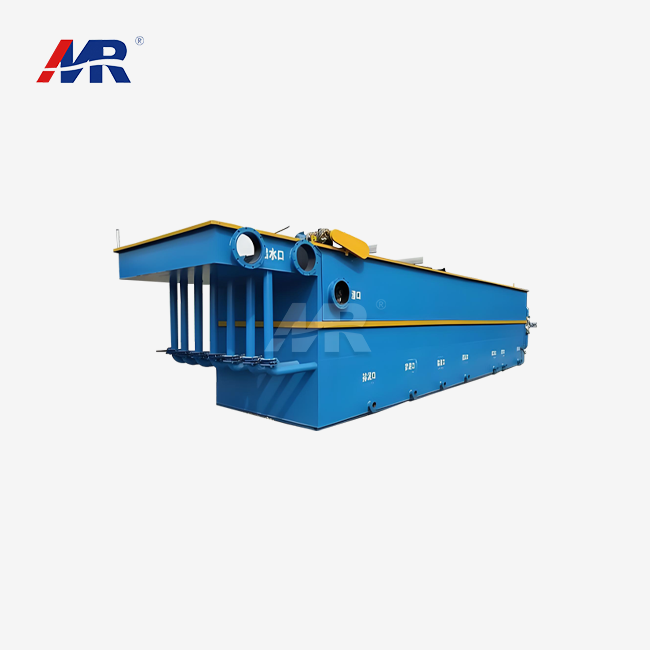
Sand screens and multimedia beds need bigger spaces, more backwashing processes that use treated water, and media replacements at some point. A beverage processing plant we worked with got rid of old sand filters and replaced them with a small ultrafiltration skid. This cut the size of their treatment plant by 60% and increased the amount of turbidity that was removed from 2 NTU to 0.05 NTU. Getting rid of the need to buy filter media and waste backwash water paid for itself in just 24 months, even though the starting tools cost more.
Lifecycle Cost Comparison
Longevity of membranes has a direct effect on long-term economics. Under normal conditions, good PVDF membranes keep flux rates for 7–10 years, but microfiltration membranes usually need to be replaced every 3–5 years. Ultrafiltration is also better because it produces less waste, as concentrated reject streams only make up 2-5% of the feed volume, while in RO, reject rates are 15-25%. The costs of disposal go down in proportion, which is especially important for manufacturing sites that deal with hazardous garbage sources.
How Ultrafiltration Technology Lowers Total Water Treatment Costs
Smart design elements and operating traits ensure that ultrafiltration cost systems save you money over the course of their useful life.
Modular Scalability Advantages
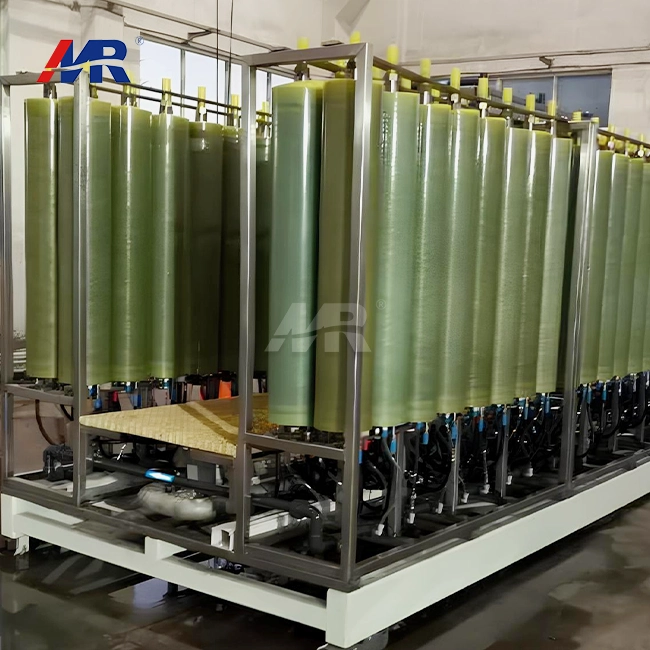
Starting with systems that are the right size keeps you from having to spend too much money and lets you gradually add more capability. A pharmaceutical client first put in three ultrafiltration units to meet their current GMP water needs. As production grew, they added two more modules. This staged method kept money for the company's main operations instead of locking it up in equipment that was too big. Modular design also keeps production going during maintenance because different parts can be cleaned while others keep running.
Energy Efficiency Engineering
Cross-flow membrane designs get rid of particles best while keeping the pressure drop across the membrane surface to a minimum. Low-pressure function cuts down on pump size and electricity use by a large amount. Automatic control systems change flow rates based on how clogged the membranes are in real time. This keeps energy from being wasted by pumping against clogged membranes when it's not needed. By replacing old clarifiers with ultrafiltration technology, a local water plant cut its annual power costs by $47,000. This shows that savings at the utility level are possible.
Maintenance Cost Control
Easy-to-reach capsule designs let membranes be replaced quickly, without the need for special tools or a lot of downtime. Chemical cleaning processes are automated by clean-in-place systems, which cut down on work needs while still making sure that cleaning is always effective. As transmembrane pressure and permeate flow are monitored by predictive maintenance algorithms, actions are planned to be taken before performance declines. All of these features work together to cut down on unplanned shutdowns, which cost a lot of money in settings with ongoing manufacturing.
Industry Application Results
When dairy makers concentrate whey proteins, they can get 10–30x concentration ratios in a single pass. This means that they can get more useful goods and less waste. Aquaculture sites that reuse cleaned water cut the cost of water for cities by 70% while keeping the water quality at its best. Power companies that make boiler feed water were able to remove 99.9% of the silica in it. This stopped expensive tube fouling and shortened the time between repair visits. These real-life results show that there are measured returns in a range of settings and uses.
Procurement Insights: Selecting Cost-Effective Ultrafiltration Solutions
For smart buying choices, you need to look at more than just the price quotes from sellers to get an idea of the total ultrafiltration cost of ownership.
Evaluating System Pricing Transparency
Reliable sellers break down the costs of membrane modules, structure frames, automation packages, and other parts in great detail. Because everything is clear, it's possible to compare different plans in a sensible way instead of just looking at the bottom line. Ask for cost estimates over the whole life of the system, including when the membranes will need to be replaced, how much chemical will be used normally, and how much energy will be needed in your individual working conditions. Suppliers who don't want to give this information often hide low-quality parts or high prices on consumables.
Bulk Purchasing and Partnership Benefits
When you build long-term ties with membrane providers, you can get savings on cleaning chemicals and replacement cartridges. We keep working relationships with top makers like Shimge Water Pumps and Runxin Valves. By offering low prices on complete systems, we pass on cost savings to our clients. Multi-site companies can arrange enterprise deals that cover all of their facilities. This way, they can get better terms and make sure that all of their locations have the same tools. These ways of buying things save money over the course of an entire year's budget.
Turnkey Solution Advantages
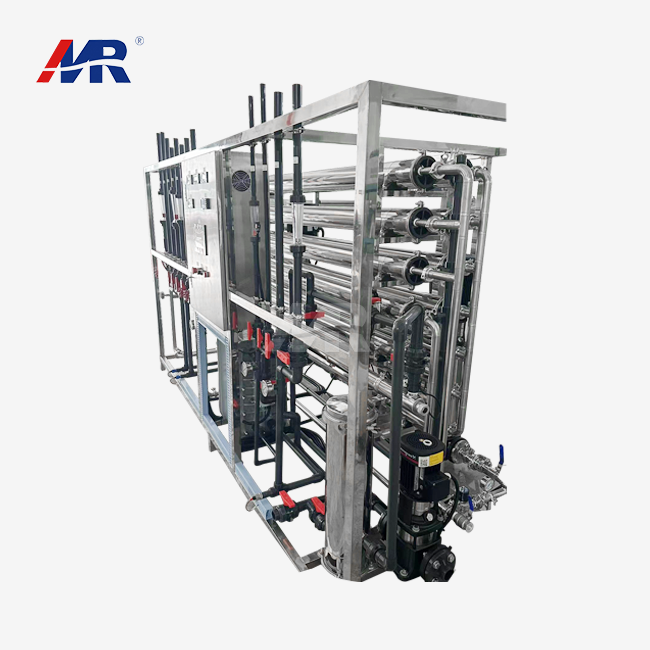
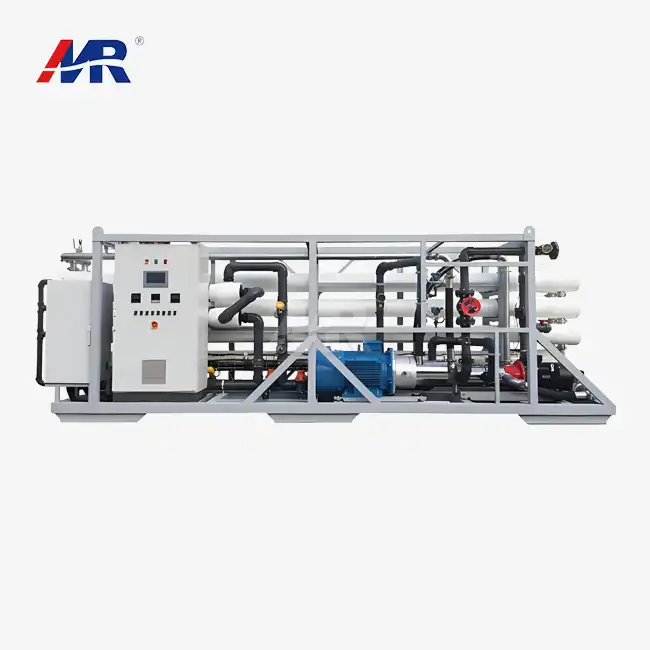
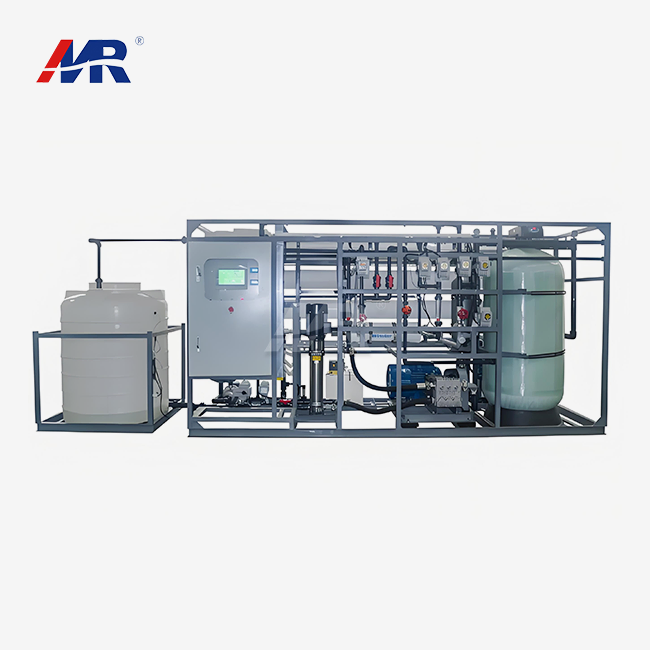
Fully integrated ultrafiltration skids come with membranes, pumps, valves, instruments, and control screens already fixed on frames that hold them together. This combination gets rid of the need for field pipe workers, cuts installation times from weeks to days, and gives equipment makers the job of commissioning. A recent chemical plant put in place a complete skid in just 72 hours, compared to the 6 weeks that were expected for custom-built systems. This avoided production delays that were worth a lot more than the extra cost of the equipment. An installation that is easy to do is especially helpful in remote areas that don't have access to expert workers.
Supplier Selection Criteria
Competent suppliers are different from simple resellers because they have technical knowledge. Check to see if the seller has in-house engineering teams, membrane production facilities, and full networks for help after the sale. Our 14 branch offices and 20 engineers are ready to help with problems and suggestions for making systems work better for as long as they are in use. Companies that offer their own membrane technology often offer better performance thanks to improvements in materials science that generic providers don't have access to. When making a final choice about what to buy, weigh the price against these changes in capability.
Future Cost Trends and Strategic Considerations in Ultrafiltration Procurement
Organizations can take advantage of new ultrafiltration cost-cutting possibilities when they can predict how technology and rules will change.
Emerging Membrane Technologies
New hybrid materials offer better resistance to fouling and chemical tolerance, which will make membranes last longer than the current 7–10 year standards. Surface change methods cut down on how often things need to be cleaned, which saves time and money on chemicals. Using IoT devices and machine learning techniques to automate processes lets them be optimized in real time, making them more efficient without any help from a person. Adopting these new ideas early on gives you a competitive edge as the technology costs go down as the market matures.
Regulatory Impact on Treatment Economics
Stricter rules on the release of industrial wastewater make it more expensive for traditional treatment methods to meet the standards. Ultrafiltration gets rid of bacteria four logs away and keeps the quality of the sewage stable, which makes following the permit easier and lowers the cost of tracking. Concerns about the byProducts of chemical disinfection are making drinking water rules support membrane barriers over chemical treatment more and more. These changes in regulations make it more cost-effective to use ultrafiltration even when standard ways look cheaper at first glance.
Total Cost of Ownership Frameworks
Smart buying teams look at the costs of ownership over the next 10 to 15 years instead of just focusing on minimizing the original capital costs. TCO research takes into account predictions for rising energy costs, membrane repair cycles, rising labor costs, and disposal cost trends. This all-around method often makes it worth it to buy more expensive tools that have better lifecycle economics. Financial modeling shows that a 20% increase in capital investment often leads to 40–60% practical savings over the life of the equipment, which makes estimates of return on investment much more accurate.
Conclusion
With ultrafiltration cost technology, the price of treating water can be lowered by using less energy, making membranes last longer, using fewer chemicals, and making systems smaller. Understanding the full cost structure, from the initial purchase to decades of use, helps organizations make smart purchasing choices that are in line with their financial goals. When you compare ultrafiltration to other filtration methods, you can see that ultrafiltration saves you a lot of money over its lifetime, even though it might cost more at first. Choosing qualified providers with clear pricing, technical know-how, and full support guarantees a smooth application and long-term performance. As membrane technology keeps getting better and rules get stricter, ultrafiltration becomes a more appealing option for businesses and cities that want to handle water in a way that doesn't harm the environment.
FAQ
1. What factors most significantly impact ultrafiltration system costs?
Feed water quality is the main factor that affects ultrafiltration cost, since high turbidity or organic loads call for more cleaning processes and faster membrane replacement. The size of the system has a direct effect on the cost of capital, with economies of scale helping bigger setups. The choice of membrane material strikes a balance between the initial cost, the membrane's useful life, and its interaction with chemicals. The operating pressure affects the size of the pump and how much energy it uses over the life of the machine.
2. How does ultrafiltration cost compare to reverse osmosis for pretreatment applications?
For tasks that only need to remove particles and not reduce dissolved solids, ultrafiltration is 40–60% cheaper than reverse osmosis. But using UF preparation with RO systems lowers the total cost of ownership because it keeps expensive RO membranes from getting clogged. This combined method increases the life of the RO membrane by 50–100% while lowering the number of times it needs to be cleaned. This saves a lot of money, even though it costs more than RO alone.
3. What operational practices minimize ultrafiltration treatment costs?
Regularly checking the feed water lets you make changes that stop membranes from getting fouled. When cleaning plans are optimized, chemical costs are balanced against steady flux rates. This way, neither too little cleaning, which hurts performance, nor too much cleaning, which loses chemicals, happens. Keeping the suggested working pressures and temperatures in check stops membrane degradation before it happens. Maintaining a regular supply of extra parts stops long periods of downtime that cost more in lost production than the cost of the parts themselves.
Partner with a Trusted Ultrafiltration Cost Manufacturer
Choose a reliable ultrafiltration cost manufacturer to work with. Every time Guangdong Morui Environmental Technology Co., Ltd. works with a client, they bring 14 offices, 500 workers, and their own unique ways of making membranes. Our vertically integrated operations, which include making membranes and installing complete systems, save us money in ways that equipment dealers can't. We offer custom ultrafiltration systems that meet the exact needs of our clients in the pharmaceutical, food and beverage, semiconductor, power generation, and public markets all over the United States. Our engineering team gives you clear price breaks, lifetime cost estimates, and ongoing optimization help to make sure you get the most out of your water treatment investment. Get in touch with benson@guangdongmorui.com to talk about your unique needs with experienced ultrafiltration cost sources who are dedicated to the success of your business.
References
1. Membrane Technology and Applications, Richard W. Baker, John Wiley & Sons, 3rd Edition, 2012.
2. Water Treatment Membrane Processes, American Water Works Association, McGraw-Hill Professional, 1996.
3. Cost Estimation and Economic Analysis of Membrane Technologies for Water Treatment, Journal of Environmental Engineering, Vol. 145, Issue 8, 2019.
4. Ultrafiltration Membranes for Wastewater and Water Process Engineering, Alpha Mekonnen Tesfaye et al., IntechOpen, 2020.
5. Economic Analysis of Integrated Membrane Systems in Industrial Water Treatment, Desalination Journal, Vol. 432, 2018.
6. Lifecycle Cost Assessment of Municipal Water Treatment Technologies, Water Research Foundation Report, 2021.