

_1745823981883.webp)

How to Choose the Best Reverse Osmosis System for Well Water?
To pick the best reverse osmosis system for well water, you need to carefully consider the specific contaminants in your groundwater, the system's capacity needs, and how reliable it is to work. A high-quality well water Reverse Osmosis system usually has built-in extra pumps to deal with low well pressure; high-rejection thin-film composite membranes that can remove 97–99% of salt, and specialized pre-filtration steps to get rid of sediment and iron. We've found that successful solutions balance technical requirements like GPD output (50–100 GPD for household apps, 500 GPD or more for business ones) with the need for long-term upkeep and following the rules.
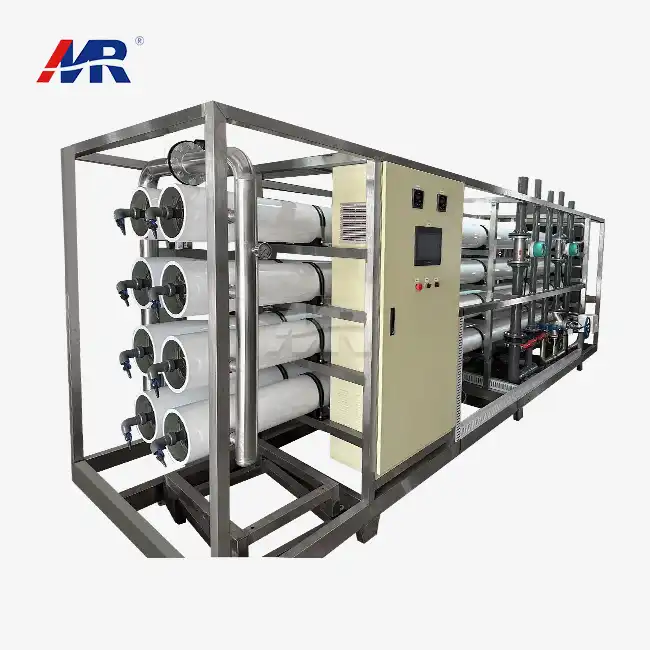
Understanding Well Water Challenges and Why Reverse Osmosis is Essential
When compared to public water sources, private well water has its own set of problems. Without centralized treatment control, the risks of groundwater contamination rise sharply, which affects the quality of production and the safety of workers in labs, food processing facilities, and factories.
Common Contaminants in Well Water
Nitrates from farming waste, arsenic from rock formations, and heavy metals like lead and mercury are often found in well water. We often come across bacterial pollution like E. coli in wells that haven't been cleaned, especially after floods or changes in the water table during the winter. In places with mineralized aquifers, total dissolved solids levels can go above 1,000 ppm, which causes scaling problems that regular filtering can't fix. Minerals in hard water, like calcium and magnesium, clog up equipment used to make drugs and electronics. In rural areas, volatile organic chemicals from industrial activities get into groundwater sources.
How Reverse Osmosis Technology Works
Under 50–150 psi pressure, reverse osmosis uses semi-permeable membranes with pores about 0.0001 microns in size to push water molecules through while stopping the passage of contaminants. Up to 99% of liquid solids, heavy metals, and germs are removed at the molecular level. Unlike activated carbon, which works by adsorption, or UV systems that only kill bacteria, RO cleans all of the toxins in well water. The technology is especially useful in places where groundwater chemistry changes with the seasons because it cleans water consistently no matter how the source water changes.
When Well Water Testing Indicates RO Treatment
Before choosing a system, we suggest doing a full water study. The TDS, pH, hardness, iron/manganese content, nitrate levels, and bacteria activity should all be checked. Findings that show TDS above 500 ppm, nitrates above 10 ppm, or any arsenic at all suggest that RO is needed right away. Variations in the source water cannot be tolerated by manufacturing processes that need ultrapure water for making drugs, semiconductors, or precise electronics. Facilities that get their water from wells close to farms should check for chemical residues every three months and use RO as a defense against changing patterns of poisoning.
Key Criteria to Consider When Choosing a Reverse Osmosis System for Well Water
When choosing the right RO equipment for the best reverse osmosis system for well water, you need to carefully look at a lot of technical and operational factors to make sure it will work with your facility's needs.
Water Quality Analysis and System Matching
Start by making sure that the membrane's specs match the profile of contaminants in your well water. High iron levels (above 0.3 ppm) need to be treated with oxidation before ro membranes can be used. High hardness levels need to be treated with a water softener or anti-scalant injection. Systems made for well water use strong sediment pre-filters with a rating of 5 microns or less to protect parts further down the line. We've seen that businesses that don't pay attention to this matching process have membrane fouling happen too soon, which cuts the working lifespan from five years to less than eighteen months. The TDS level determines the membrane rejection rates that are needed. For 1,000–10,000 ppm, brackish water membranes are enough, but for higher amounts, you need special high-rejection elements.
Capacity Requirements and Flow Rate Considerations
Figure out how much water is needed every day for all jobs, including cleaning cycles for tools and quality control checks. Commercial RO systems range from 500 GPD for small bottle shops to 50,000 GPD or more for large factories that make a lot of things. Peak flow needs are usually higher than normal usage, so storage tanks or variable-frequency drive pumps are needed. We suggest that systems be sized at 120–130% of the expected demand to allow for future growth and keep the membranes working at their best. When setting capacity limits, pharmaceutical facilities need to take validation water volumes and routine cleaning processes into account.
System Configuration and Filtration Stages
Most well water RO systems have between 4 and 7 stages of filtration. Some basic designs are sediment pre-filtration, adsorption by carbon blocks, separation by RO membranes, and cleaning after carbon. Iron reduction screens, UV sterilization, and remineralization steps are added to more advanced systems to stop corrosion. Dual carbon steps help systems that make food and drinks get rid of chlorine, organic chemicals, and substances that change the taste. Electronics companies often put electrodeionization (EDI) units after RO membranes to get the 18.2 megohm-cm resistivity needed for handling semiconductors.
Maintenance Accessibility and Compliance Standards
When choosing tools, you should think about how easy it is to get to the filters, how to change the membranes, and how to keep things clean. Systems that need special tools or a lot of teardown cost more to maintain and have more downtime. Applications used in pharmaceuticals and food preparation must be certified by FDA, GMP, or NSF/ANSI 58. We've learned that businesses that are regulated need to be able to keep records for validation and audit trails. Equipment with automatic cleaning processes, pressure tracking, and conductivity alarms cuts down on the amount of work that needs to be done by hand while still meeting strict quality standards.
Comparing Leading Reverse Osmosis Solutions for Well Water Applications
There are many different RO technologies on the market, and each one works best in a certain set of operating situations and budgetary limits that B2B buyers must carefully consider.
Knowing what other choices are available helps buying teams find the best value solutions. Well-known companies have improved their Products by using decades of field performance data from many different industries. Aquasana business systems work really well in places like hotels and small factories where room is limited, and output quality needs to be high. Their multistage designs work well with moderate TDS amounts that are typical in wells in rural areas. Pharmaceutical and lab uses need validated performance data and pharmaceutical-grade materials all along the flow path. This is what APEC industrial units are made for. These systems have housings made of 316 stainless steel and tubes that are FDA-compliant, so they can handle strict cleaning procedures. Culligan's industrial platforms are good for bigger businesses because they can handle anywhere from 1,000 to 100,000 GPD and can be monitored from afar, which is useful for building managers who run businesses with more than one location.
To allocate a budget for the best reverse osmosis system for well water, you have to find a balance between spending on cash and saving money on running the business. Commercial systems for 500 to 1,000 GPD start at around $3,000 to $8,000 and are good for cafeterias, small bottling businesses, or research labs. For plants that process 5,000 to 20,000 GPD, mid-range industrial setups that cost between $15,000 and $50,000 include automatic controls, variable-frequency drives, and full pre-treatment. Large setups that cost more than $100,000 can give 50,000 GPD or more with redundant membrane arrays that keep the system running during repair periods. We've seen that high-efficiency membranes that produce only one gallon of trash for every gallon of purified water have much lower operating costs over five years than cheaper options that make three to four gallons of concentrate for every gallon of purified water.
Hybrid methods that combine RO with technologies that work well together are helpful in some situations. When placed after RO membranes, UV treatment adds another protection against microbes for hospitals and food processing plants. Activated carbon barrels put further downstream get rid of any leftover tastes and smells and protect against possible membrane problems. We suggest combined systems for businesses where water quality has a direct effect on the safety of the product, since having two sets of treatment steps lowers risk enough to be worth the extra money.
Installation, Maintenance, and Troubleshooting Tips for Reliable RO Operation
Long-term performance relies on both good installation methods and disciplined repair schedules that stop common operating problems.
Installation Planning and Cost Factors
Professional installation, which includes pipe integration, electrical connections, drain line design, and pressure optimization, usually costs between 15% and 25% of the total cost of the system. For commercial installations, there needs to be enough floor space for accessing the equipment, putting the storage tanks where needed, and making sure that the path for concentrating trash discharge follows the rules in the area. Having building maintenance teams help with installation speeds up getting used to troubleshooting and cuts down on the time it takes to respond to regular service needs. For smaller under-sink units, you can still install them yourself, but it's risky to do so for commercial-scale equipment because wrong pressure settings or plumbing mistakes can damage the membrane and void maker guarantees.
Preventive Maintenance Protocols
Membrane repair times depend on the quality of the source water and the amount of water that is being used. For well water systems, membranes need to be changed every 24 to 36 months but every 48 to 60 months for city water systems. In places with a lot of silt, pre-filter tubes need to be changed every three months to keep the pressure from dropping, which lowers the system's output. Chemical cleaning with citric acid or special membrane cleaners can recover flow rates when scaling happens, which makes membranes last a lot longer. Monitoring the TDS levels in the product water lets you know early on when the membrane is breaking down—readings above 10% of the baseline values mean that the membrane needs to be replaced soon.
Common Operational Issues and Solutions
One of the most common problems is low water pressure, which is usually caused by pre-filters that are stuck, membranes that are fouled, or not enough supply pressure. Well pressure problems below 40 psi can be fixed by installing extra pumps, and systems that haven't been maintained in a while can get their flow rates back to normal by replacing their filters. Back-pressure from blocked concentrate discharge lines harms membranes, so drain lines need to be checked regularly. We usually fix taste problems by adding remineralization capsules or replacing post-carbon filters that are worn out. These add back the good minerals that were taken away during RO processing. Finding leaks should focus on house O-rings, connection fittings, and the ability of the automatic shut-off valve to work. Leaks that aren't found waste water and could damage the building's structure.
Procurement Strategies for Sourcing Industrial RO Equipment
Strategic buying is more than just comparing prices. It also looks at the skills of the suppliers, their technology support infrastructure, and the possibility of forming long-term partnerships.
To find the best reverse osmosis system for well water suppliers, you need to make sure that the maker is authorized, that the certification is real, and that service is available in your area. Authentic wholesalers keep essential spare parts in stock, so there is no long downtime when membranes or valves stop working. We give more weight to providers who offer factory-trained technicians, especially for complicated setups that serve pharmaceutical or electronics manufacturing and need system validation documentation. Online industrial markets make prices clear, but they might not offer the expert advice that projects with a lot of specifics need.
Volume buying deals save a lot of money for businesses with multiple locations or distributors that serve area markets. When buying tools, negotiating maintenance contracts can often get you better rates than ad hoc service calls. There are a lot of different types of warranties. Standard warranties cover parts for one to two years, while special warranties cover membranes for five to ten years, as long as proper upkeep records are kept. We've learned that the true economic value can be found by looking at the total cost of ownership instead of just the purchase price. This includes things like how much energy the system uses, how often the membrane needs to be replaced, and how quickly technical help can respond over a normal 10-15 year system lifecycle.
The infrastructure for after-sales help decides how long operations can continue when something goes wrong. Check how quickly the provider responds to calls for emergency service, whether loaner equipment is available during big repairs, and how easy it is to reach the technical hotline. Long periods of downtime are not acceptable for factories that have continuous production plans. This means that the ability of suppliers to provide service is just as important as the specs of the equipment. Asking for customer references from companies in the same industry can give you information about real-life help situations that you can't get from specification sheets.
Conclusion
Picking the best reverse osmosis system for well water uses means finding a balance between technical performance, operating reliability, and total ownership costs over the life of your building. We've stressed how important it is to do a full study of the water quality, plan for capacity based on production needs, and make sure that repair workers can get to the system quickly so that downtime is kept to a minimum. Instead of choosing based on price, the best Reverse Osmosis system for well water is found through a thorough evaluation process. This way, you can be sure that your investment will consistently clean water while also meeting the legal standards that protect product quality and business compliance.
FAQ
1. Do all well water applications require reverse osmosis treatment?
No, not everywhere, but RO offers the most complete security. Wells that produce water with a Total Dissolved Solids (TDS) level below 250 ppm, no heavy metals that can be found, and passing microbial tests may work well with a carbon filter and UV treatment. But factories that need constant water chemistry, drug companies that have to follow Good Manufacturing Practices (GMPs), or places where groundwater pollution is known to happen should use RO as their main treatment barrier.
2. How long do RO membranes last in well water applications?
Due to higher chemical and sediment loads, membranes in well water usually last 24 to 36 months, while those in city water last 48 to 60 months. Membrane service life is increased by strict pre-treatment, regular chemical cleaning, and keeping an eye on working factors. We have records of situations where the best upkeep procedures allowed 48-month intervals to be reached, even in difficult well-water settings.
3. Can reverse osmosis remove all well water contaminants?
RO is the best single technology because it gets rid of 95–99% of suspended solids, heavy metals, nitrates, and bacteria. Some volatile organic substances with molecular weights below 200, on the other hand, may only partly pass through membranes, so activated carbon pre-treatment is needed. When you combine RO with UV treatment and carbon filtration, you get rid of all kinds of contaminants from well water.
Partner with Morui for Your Well Water RO System Needs
Guangdong Morui Environmental Technology has been treating water for more than ten years and can help you with your buying choice. As a well-known company that makes the best reverse osmosis system for well water, we offer full solutions, from the original water analysis to system commissioning and ongoing expert support. Our engineering team creates unique RO setups that meet your individual compliance standards, contaminant problems, and volume needs. We make our own membrane parts and work with top companies like Shimge Water Pumps and Runxin Valves to make sure that the parts are reliable enough for commercial use. Get in touch with our technical experts at benson@guangdongmorui.com to talk about how to treat your well water and get full details that are made to fit your needs.
References
1. American Water Works Association. (2022). "Reverse Osmosis and Nanofiltration: Manual of Water Supply Practices M46." AWWA Publishing.
2. Environmental Protection Agency. (2021). The EPA Office of Water Technical Guidelines has information on "Private Drinking Water Wells: Water Quality Concerns and Testing Procedures."
3. National Association for Groundwater. (2023). "Contaminant Occurrence in Private Wells: A Statistical Analysis." NGWA Press, Inc.
4. Water Quality Association. (2022). The WQA Technical Standards have a document called "Commercial and Industrial RO System Design and Application Guide."
5. Health Organization of the World. (2021). The WHO Press published the fourth edition of "Guidelines for Drinking Water Quality: Membrane Filtration Technologies."
6. International Association for Desalination. (2023). The IDA Technology Proceedings have an article called "Industrial RO Membrane Performance Benchmarks and Best Practices."
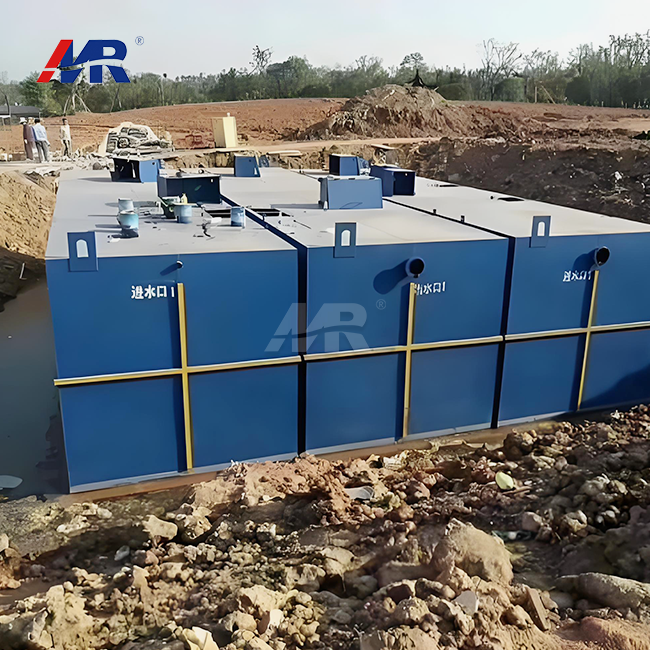 VIEW MOREwastewater treatment plant units
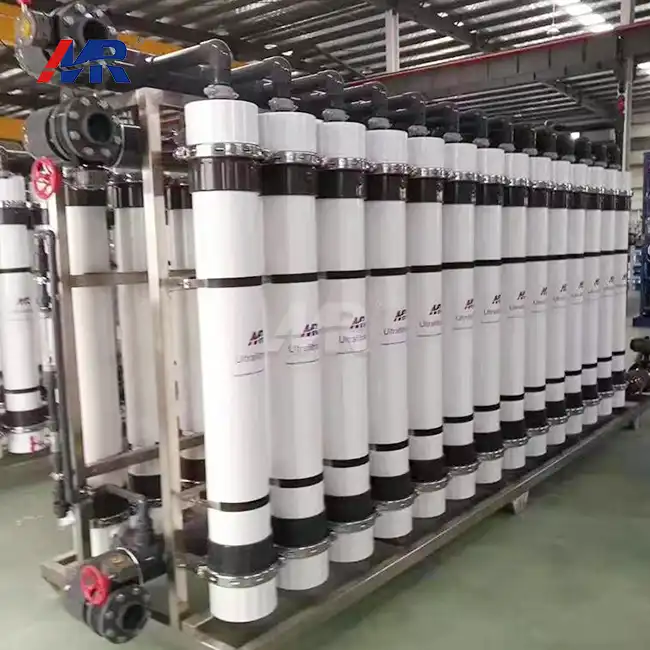 VIEW MORE70m3/hour ultrafiltration plant
 VIEW MOREro uf filter
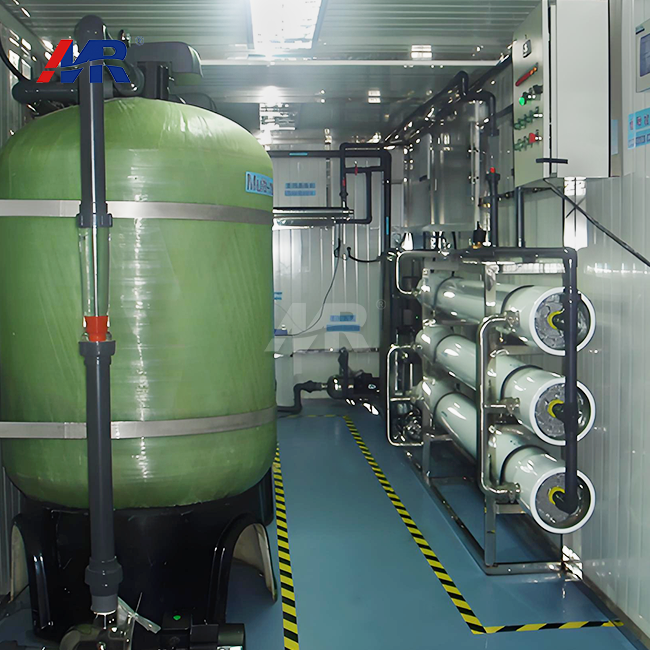 VIEW MOREContainerized Mobile Water Treatment Systems
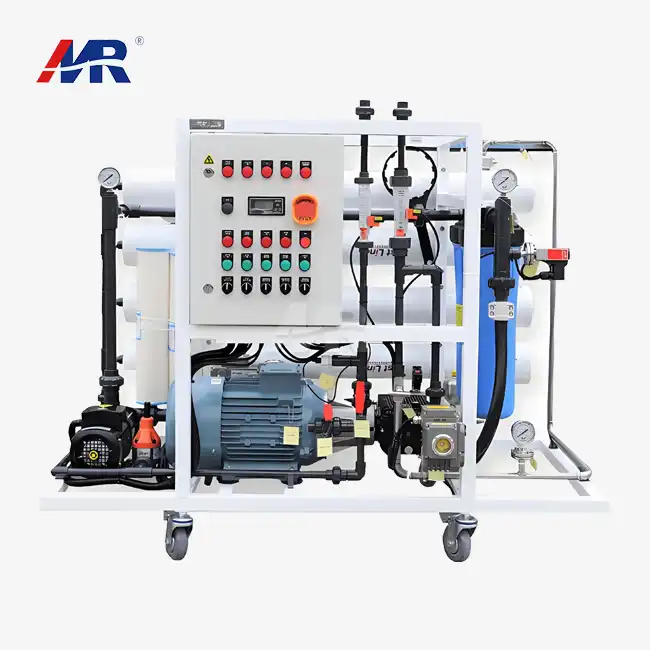 VIEW MORE2m3/hour seawater desalination equipment
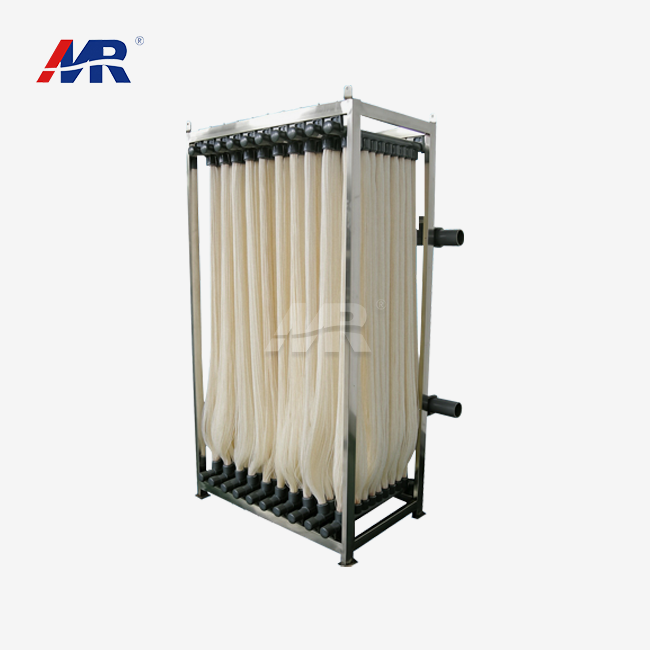 VIEW MOREbiological reactor wastewater treatment
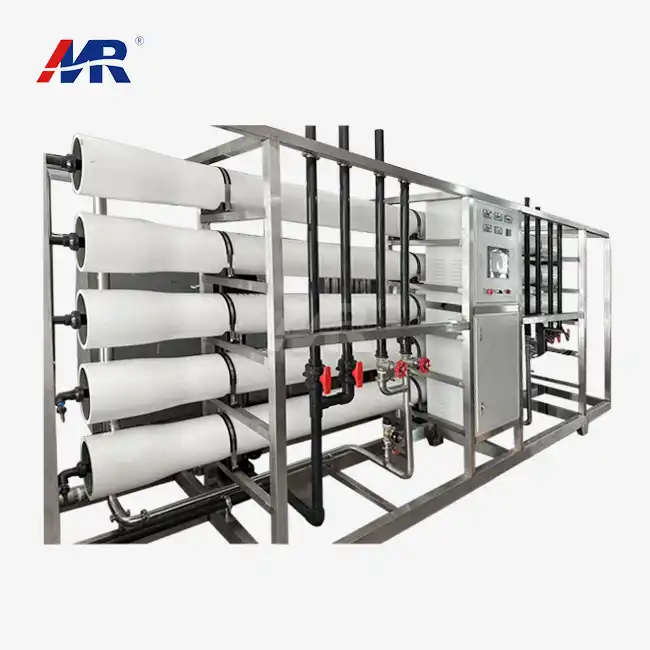 VIEW MORE25m3/hour reverse osmosis equipment
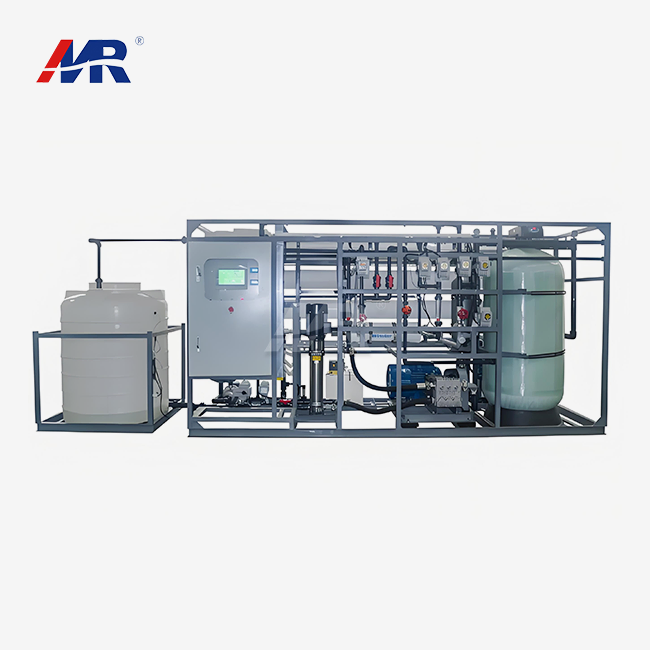 VIEW MOREseawater treatment system
