

_1745823981883.webp)

Large Reverse Osmosis System Applications in Commercial Facilities
A large reverse osmosis system is one of the most important technologies used to clean water today. It can process anywhere from 10,000 to over 500,000 gallons of water every day. Under high pressure, these complex systems use semi-permeable barriers to get rid of up to 99% of dissolved salts, organic molecules, and microbes that are harmful. Commercial sites in the pharmaceutical, food processing, and power generation industries depend on this technology to keep water quality standards high while lowering the costs of chemicals and equipment upkeep.
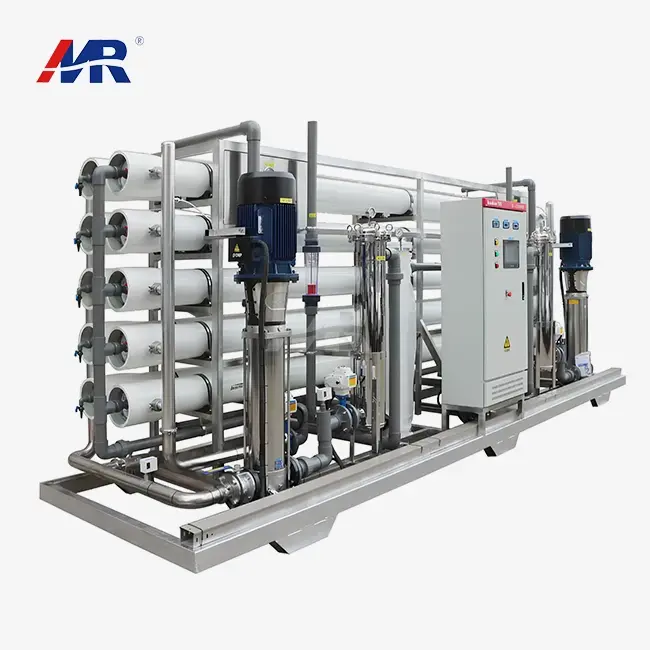
Understanding Large Reverse Osmosis Systems in Commercial Facilities
Large-scale RO systems are able to provide the accuracy, stability, and dependability that are needed for treating water in industry. These systems are very different from household or small business units because they are designed to work continuously and use multiple stages of purification.
How Large RO Systems Work
Before the cleaning process starts, steps of pre-treatment get rid of organic matter, chlorine, and suspended solids that could hurt the membranes. Activated carbon units, sediment screens, and water softeners that are made to work with the feed water chemistry are common parts of pre-treatment. High-pressure pumps push water through thin-film composite membranes set up in pressure tanks after pre-treatment. The cross-flow filter system constantly moves concentrate away from the membrane surfaces, stopping buildup while letting clean permeate flow through holes that are about 0.0001 microns wide.
Technical Advantages in Commercial Settings
Large reverse osmosis systems use programmable logic controllers and touchscreens to automate complex tasks and keep an eye on important factors. Tracking conductivity, pH, transmembrane pressure, and the Silt Density Index in real time lets workers spot changes in performance before they lead to expensive downtime. When compared to fixed-speed designs, variable frequency drives use a lot less energy because they change pump speeds to match changes in demand. Recovery rates between 50% and 80% make the best use of water while lowering the cost of getting rid of concentrate, which is very important for sites that handle thousands of gallons of water every day.
Common Operational Challenges
Membrane fouling is the main problem that comes up in large-scale processes. Mineral scaling, biological growth, and colloidal layers all slow down flux rates and salt rejection over time. Even though thorough pre-treatment planning lowers these risks, chemicals still need to be cleaned every so often. Clean-in-Place systems move acidic or basic solutions around to get rid of deposits without taking out the membrane, which keeps operations going. Monitoring and upkeep procedures that are done correctly can make membranes last from three to seven years, which protects investments and guarantees stable output quality.
Key Applications of Large Reverse Osmosis Systems in Commercial Facilities
Industrial water purification is needed by businesses in many different fields to meet output needs, government rules, and sustainable goals. Membrane technology is very flexible, so it can be used in a lot of different situations.
Industrial Process Water Treatment
Consistent water quality is needed in manufacturing to keep Products from getting contaminated and equipment from breaking. RO systems are used by companies that make bottled water and drinks to get the low TDS levels that keep the taste consistent and extend the shelf life of the products. To get conductivity below 10 microsiemens per centimeter, these systems often use more than one membrane step. Reverse osmosis is the first step in cleaning water before electrodeionization is used in pharmaceutical and biotechnology plants. This process makes water that meets US Pharmacopeia requirements for injectable preparations. For making wafers and cleaning them, the semiconductor industry needs ultrapure water with a resistivity of more than 18 megohm-cm. This can be done by mixing RO with ion exchange polishing.
HVAC and Cooling Tower Applications
The cooling systems in businesses, data centers, and factories lose a lot of performance because of mineral scaling and rust. When you use reverse osmosis to treat makeup water, the calcium, magnesium, and silica that build up on heat exchange surfaces to keep them warm are removed. After putting in RO pre-treatment, facilities say they save 15% to 30% on energy costs and use fewer chemicals for controlling pH and scale. Longer equipment life and less frequent upkeep mean a quick return on investment, usually in two to four years for middle and large installations.
Wastewater Reclamation and Reuse
Commercial buildings are moving toward closed-loop water management because of rules about the environment and a lack of water. Large reverse osmosis systems can clean up industrial wastewater so it can be used again, which cuts down on the amount of freshwater needed and the amount of wastewater that needs to be dumped. Electroplating processes get back valuable metals and make clean water for rinse tanks at the same time. To meet standards for drinkable water quality, municipal wastewater treatment plants use membrane bioreactor technology along with RO. This helps secondary potable reuse programs in areas that are short on water. The use of these technologies shows how improved purification technology can help protect the earth while keeping costs low.
How to Choose the Right Large Reverse Osmosis System for Your Facility
To choose the right solution, you need to think about both technical needs and cost. The people who work in procurement have to look at a lot of different factors to find answers that will work well for the whole time they are in use.
Assessing Water Treatment Requirements
The choosing process starts with a full water study that shows the TDS, hardness, pH, temperature, and any contaminants that need to be removed from the feed water. This sets the starting point for the cleaning task and helps choose the membrane. The large reverse osmosis system capacity is based on how much demand is expected each day. The right size takes into account peak flow times and future growth. The specs for output water come from what it will be used for. For example, cooling towers can handle higher TDS levels than pharmaceutical processes, which changes the design of the membrane and the needs for post-treatment.
System Sizing and Configuration
To figure out the system's capacity, you need to know both the immediate flow rates and the total daily production amount. Facilities that have steady demand during working hours may be able to run at modest flux rates all the time, which will extend the life of the membrane. Storage tanks and booster systems that separate production from usage trends help businesses whose demand changes over time. Staged membrane arrays provide backup and maintenance options by letting only part of the system work during cleaning processes. Finding the best recovery rate combines the production of permeate with the costs of getting rid of concentrate and the limits on what can be dumped into the environment.
Comparing Treatment Technologies
While reverse osmosis is great at getting rid of dissolved solids, other methods are better at solving certain problems in some situations. Ultrafiltration gets rid of germs, viruses, and solids in suspension but leaves behind dissolved salts. This means it can be used for clearing instead of demineralization. An ion exchange water softener is a cheap way to get rid of hard water without getting rid of other dissolved minerals, which is good when preventing scaling is the main goal. Electrodeionization softens RO permeate to a very pure level without using chemicals to make it pure again. This makes it perfect for use in semiconductors and pharmaceuticals. Knowing how these technologies work together lets you create a combined system that saves money on both capital and operating costs.
Energy Efficiency Considerations
Energy use has a direct effect on how much it costs to run a system over its lifetime, especially for setups with a lot of users. Energy recovery devices take pressure from concentrate streams, which lowers the amount of power needed by feed pumps by 30% to 60% in saltwater and brackish water situations. Instead of throttling valves, variable frequency drives change the output of the pump to match changes in demand. Choosing the right membrane affects the amount of energy needed because of how it handles flow. For example, high-permeability membranes lower the working pressure while keeping the recovery rates the same. When you look at the total cost of ownership over five to ten years, you can see that energy-efficient designs often pay for themselves through long-term cost savings.
Trusted Brands and Suppliers in Large Reverse Osmosis Systems
Working with well-known makers and installers guarantees access to tried-and-true technology, dependable support, and tools that will be available for a long time. There are both expert membrane makers and full-service system providers in the industrial water treatment market.
Leading Membrane Manufacturers
Dow FilmTec membranes have set standards for how well they reject salt and how well they fight chemicals. A lot of application data helps with design estimates. Hydranautics has a wide range of products, such as screens designed for use in areas with a lot of fouling and for desalinating seawater. Toray Industries has decades of experience in polymer science and focuses on making membranes that last in harsh chemical conditions. Vontron offers choices that are both reliable and affordable, making them perfect for industrial uses that need modest flux rates and a history of success. When choosing a membrane, you should think about not only its performance specs, but also the technical help offered by the maker and its availability in your area.
Comprehensive System Integrators
Well-known system makers offer complete packages that include planning, production, installation, and start-up. These companies offer optimized configurations by combining application building with finding parts. When looking at possible partners, you need to look at their project files to see if they have experience with similar uses and building sizes. Customization is very important. Facilities with unique space issues, harsh feedwater conditions, or specific purity needs benefit from providers who give engineered-to-order options instead of standard packages. Support after the sale, such as operator training, preventative maintenance programs, and emergency service response, keeps system investments safe and cuts down on unexpected downtime as much as possible.
Procurement Considerations
The cost of the whole project and its long-term value are part of commercial buying, not just the price of the tools. Request thorough quotes that list all the parts, such as pre-treatment tools, instruments, control systems, and other materials that aren't directly related to the main project. Make sure you understand the warranty terms for both parts and work, paying special attention to the performance promises for large reverse osmosis systems. Negotiating bulk purchases for multi-site operations or phased growth can save you a lot of money. Look at how shipping operations and import issues affect project schedules. Payment terms, financing choices, and performance bonds are some of the other things that can be negotiated that affect how feasible a project is and how risk is distributed.
Maximizing Performance and Longevity of Large RO Systems in Your Facility
If large reverse osmosis systems work well, they should provide the value that was intended for the whole time they are supposed to last. Capital investments are protected by proactive management, which also meets water quality standards.
Monitoring and Preventive Maintenance
Key performance factors that show problems before they cause failures are tracked by continuous tracking systems. A drop in the quality of the permeate suggests that the membrane is breaking down or leaking, while a rise in the difference pressure suggests that the membrane is fouling. Normalized flux estimates take changes in temperature and pressure into account, which lets you get a good picture of how things are going. Setting up preventive maintenance plans based on what the maker says and what you've learned from using the system stops catastrophic breakdowns. Checking seals and O-rings, calibrating instruments, testing high-pressure pumps, and checking control system settings are all normal jobs. Keeping detailed repair logs builds institutional knowledge that helps with efficiency and troubleshooting.
Membrane Cleaning Protocols
Even well-designed pre-treatment can't get rid of all membrane fouling, so cleaning is needed on a regular basis. Keeping an eye on the normalized pressure drop and salt flow lets you know when cleaning is needed, which is usually every three to twelve months based on the feed water and the way the system is being used. To get rid of deposits, clean-in-place methods move specially made chemical liquids around at low pressure and high temperature. Mineral scales can be removed by acidic cleaners, and organic and bacterial fouling can be removed by alkaline and surfactant mixes. Following the manufacturer's instructions will keep the membrane from getting damaged and make the cleaning work better. Recording how often and what happens during cleaning helps improve pre-treatment and guess when the membrane will need to be replaced.
Energy Optimization Strategies
Aside from the tools themselves, how it is used has a big effect on how much energy Large reverse osmosis systems are used. Maintaining optimal recovery rates balances the production of permeate with the costs and energy needs of removing concentrates. Too much recovery raises the working pressure dramatically. Managing temperature changes the porosity of membranes by about 3% for every degree Celsius. Facilities with waste heat sources can warm up feed water ahead of time to lower the pressure needs. When membranes are cleaned regularly, flux rates stay the same at lower pressures, which directly cuts down on power use. Demand-responsive operation is possible with variable frequency drives. This means that machines don't have to keep running at full capacity even when production needs change.
Planning for Scalability
As businesses change, their water systems need to be able to adapt to meet their new needs. Adding parallel membrane trains instead of replacing whole setups is one way that modular system design can be used to increase throughput. Retrofitting costs are kept to a minimum by leaving room and utility lines open for future growth during the initial installation. Flexible control systems make it easier to add more capability to tracking and automation systems that are already in place. Predicting how the feed water will change or how pure it needs to be affects the choice of membrane and post-treatment options. This keeps the system from becoming outdated too quickly as building operations grow.
Conclusion
Large reverse osmosis systems are smart investments for business sites that want to be reliable, follow the rules, and take care of the environment. Procurement experts can choose solutions that offer long-term value when they understand the technology principles, application needs, and provider environment. To choose the right system, you need to look at its total cost of ownership along with its capacity, speed, and freedom. Working with trustworthy makers and installers guarantees access to tried-and-true technology and quick help. Monitoring, repair, and optimization are all parts of operational excellence. These steps help protect capital investments and keep the water quality stable enough for business processes.
FAQ
1. What capacity range qualifies as a large reverse osmosis system?
Professionals in industrial water treatment usually call setups that handle 10,000 gallons of water per day or more "large-scale installations." Multiple membrane vessels are set up in parallel in these setups, and they use advanced technology to keep running all the time. The main market group is made up of facilities that need between 50,000 and 500,000 gallons of water every day. However, desalination plants and local systems may need more than several million gallons every day. The ranking of a large reverse osmosis system is based on both its volumetric ability and its technical complexity, not just its size.
2. How often do large RO membranes require replacement?
The length of time a membrane lasts depends a lot on the features of the feed water, how well it was treated before use, and how well it was maintained. Systems that are well taken care of can last between three and five years, and some setups last longer than seven years before they need to be replaced. Monitoring performance with normalized flow and salt rejection estimates lets you know when membranes are getting close to the end of their useful life. Facilities should plan for membrane replacement as a regular running cost. Depending on the design, the cost can range from 15% to 30% of the initial system investment.
3. Can reverse osmosis remove heavy metals and emerging contaminants?
It is well known that ro membranes are very good at getting rid of dissolved metals like lead, arsenic, chromium, and mercury, usually by more than 95%. The technology also gets rid of many new contaminants, like PFAS chemicals, pharmaceuticals, and endocrine disruptors, that are hard to get rid of with traditional ways. Rejection rates depend on the size, charge, and properties of the membrane and the molecules. For example, smaller molecules that are not charged may have lower removal rates. To confirm performance for certain contaminants that are a worry, testing must be done in real working settings with feed water that is typical of the area.
Partner with Morui for Your Commercial Water Treatment Needs
Guangdong Morui Environmental Technology offers designed water cleaning solutions backed by manufacturing know-how and a wide range of service options. As a large reverse osmosis system provider with a lot of experience, we design, build, and install unique systems that meet the exact needs of facilities that make drugs, food, electronics, and electricity. Our unified method combines our own production of membranes with agreements with Shimge pumps, Runxin valves, and Createc instrumentation to provide the best performance and dependability.
Morui supports clients all over North America with over 500 trained workers, 20 committed engineers, and 14 branch sites. They take care of the whole project, from the initial water study to commissioning and operator training. Our systems use the newest technologies for energy recovery and automation to keep running costs low and make sure they meet all regulations. Email our technical team at benson@guangdongmorui.com to talk about the water treatment problems at your location and get a thorough plan that meets your budget, capacity, and purity needs. They will be amazed at how our engineering-based method creates real value for businesses that invest in water treatment.
References
1. American Water Works Association. (2021). Reverse Osmosis and Nanofiltration: Manual of Water Supply Practices M46. Denver: AWWA Press.
2. Greenlee, L.F., Lawler, D.F., Freeman, B.D., Marrot, B., & Moulin, P. (2019). Reverse osmosis desalination: Water sources, technology, and today's challenges. Water Research, 43(9), 2317-2348.
3. National Research Council. (2020). Review of the Desalination and Water Purification Technology Roadmap. Washington: The National Academies Press.
4. Wilf, M. & Bartels, C. (2018). Optimization of Seawater RO Systems Design. Desalination Publications.
5. World Health Organization. (2017). Desalination for Safe Water Supply: Guidance for the Health and Environmental Aspects Applicable to Desalination. Geneva: WHO Press.
6. Zhu, A., Christofides, P.D., & Cohen, Y. (2019). Energy consumption optimization of reverse osmosis membrane water desalination subject to feed salinity fluctuation. Industrial & Engineering Chemistry Research, 48(21), 9581-9589.
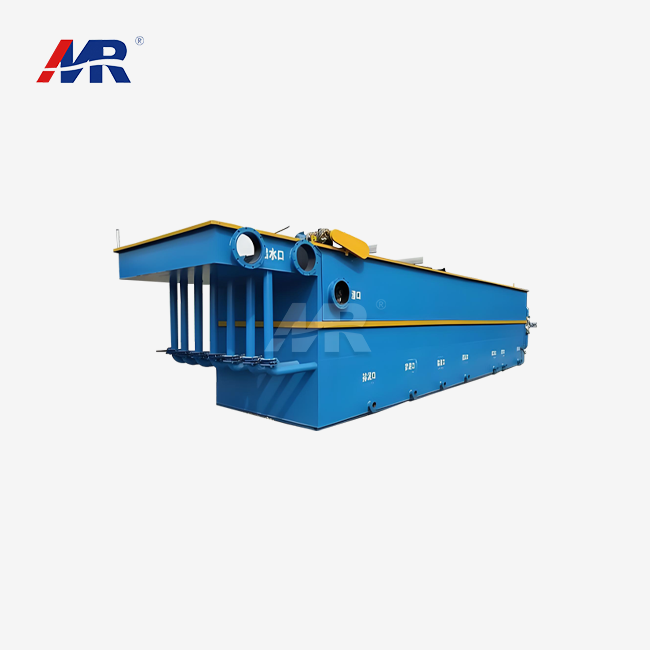 VIEW MOREadvanced wastewater treatment system
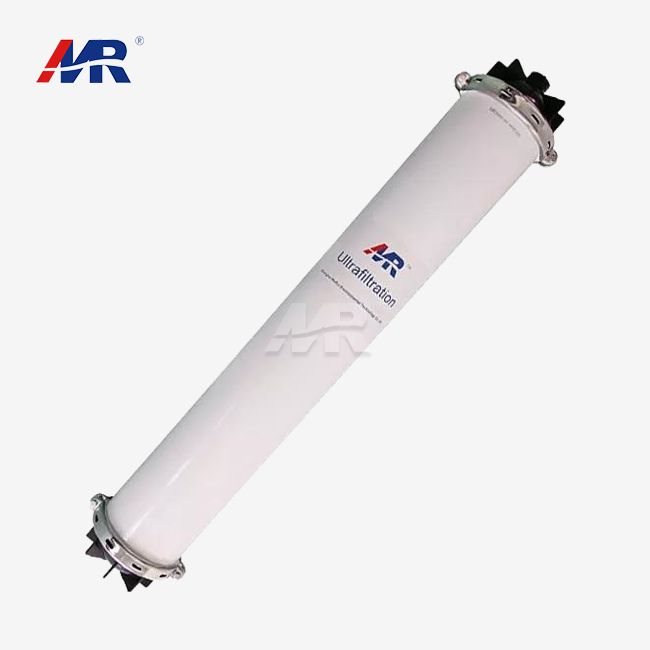 VIEW MOREultrafiltration membranes for water treatment
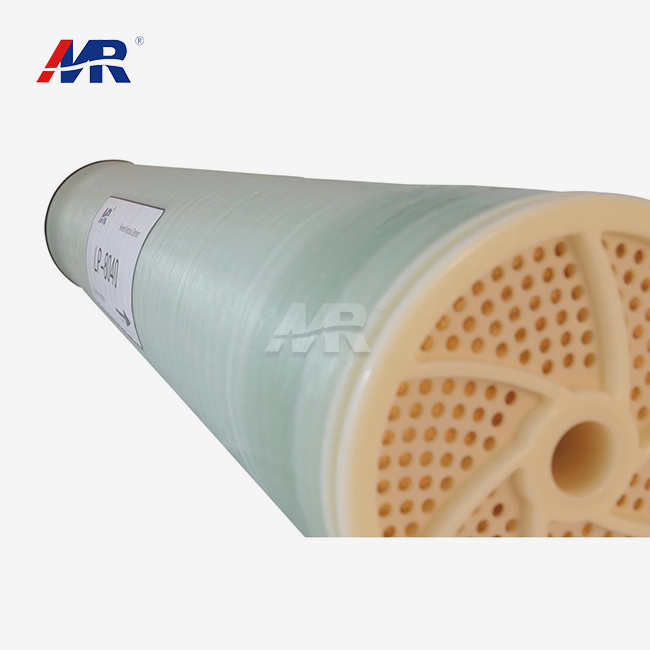 VIEW MOREmembrane used for reverse osmosis
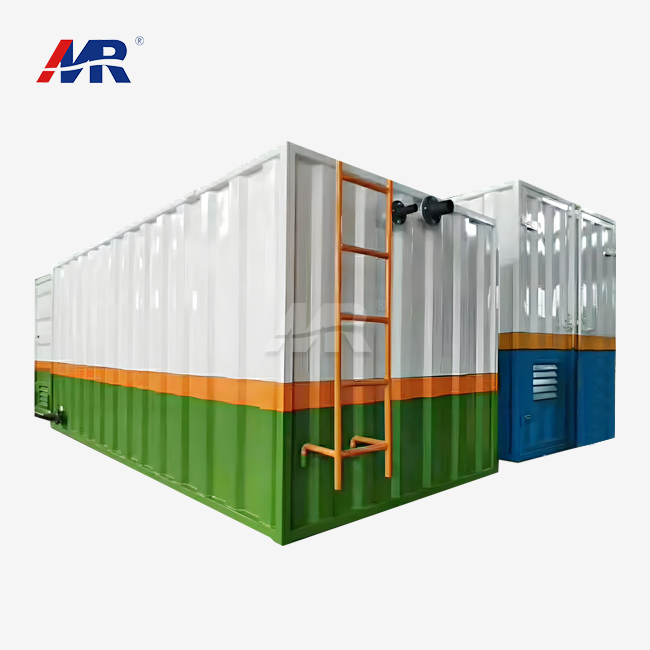 VIEW MOREindustrial sewage treatment plant
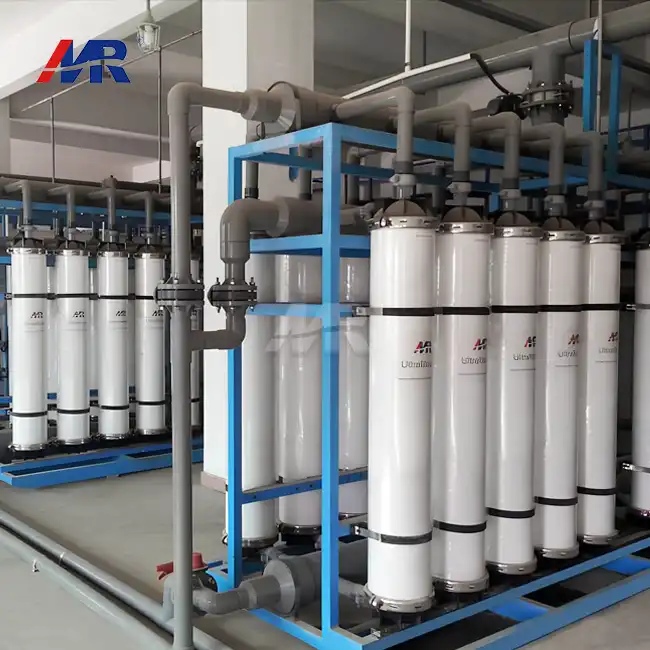 VIEW MORE20m3/hour ultrafiltration equipment
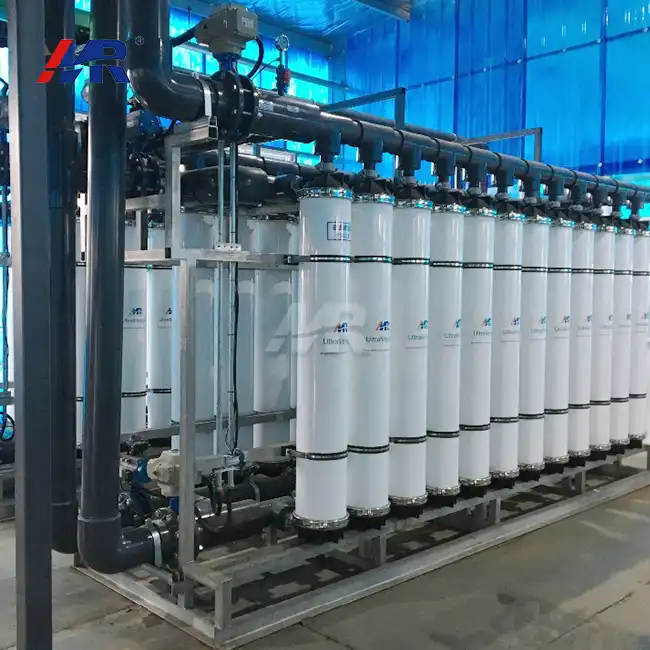 VIEW MORE50m3/hour ultrafiltration plant
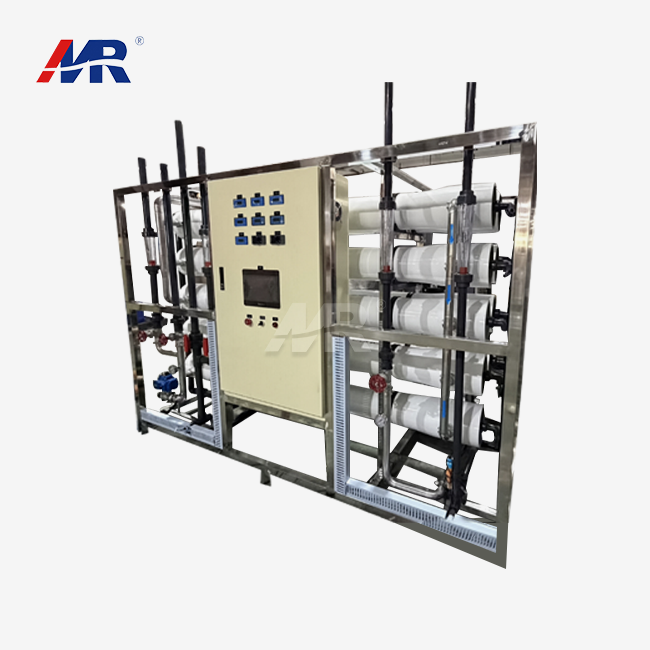 VIEW MORE8 stage reverse osmosis system
 VIEW MOREwastewater treatment plant
