_1745823981883.webp)

Why Invest in a Seawater Reverse Osmosis System Today?
Buying a seawater reverse osmosis system solves important problems with water shortage and saves money in a measured way. These high-tech desalination systems take large amounts of ocean water and turn it into clean freshwater, which helps many businesses, from medicines to city utilities. With new energy recovery technologies that cut costs by up to 60%, SWRO technology turns seawater into a reliable, long-lasting resource that improves environmental duty and practical resilience in a wide range of settings.
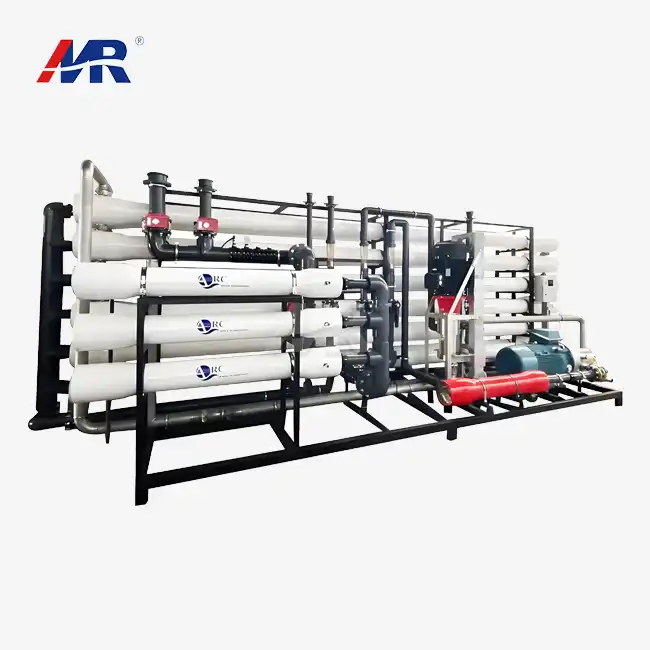
Understanding Seawater Reverse Osmosis Systems: How They Work and Why They Matter
The Core Technology Behind Desalination
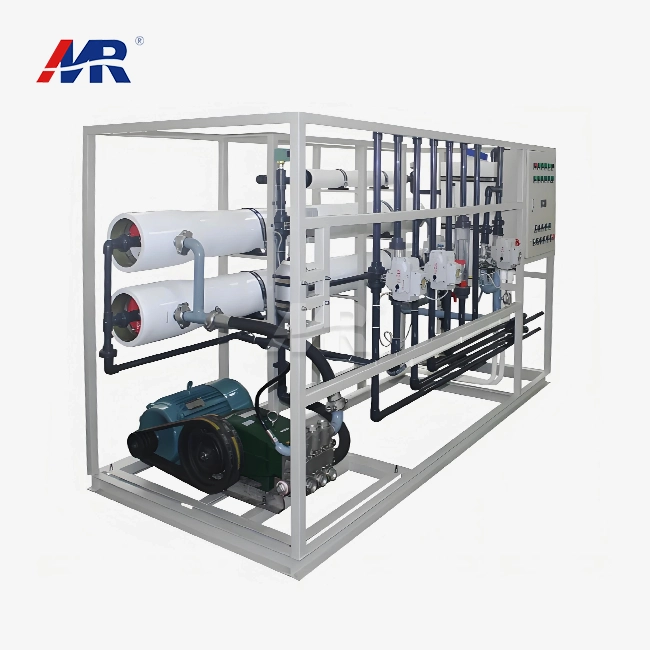
In order for reverse osmosis to work, hydraulic pressures between 55 and 80 bar must be used to beat the natural osmotic forces in the water. As molecular barriers, thin-film composite semipermeable membranes remove 99.5% to 99.8% of the salts, minerals, and organic pollutants that are dissolved in ocean water. The process makes permeate water that meets the standards for drinking water set by the World Health Organization. It also concentrates the salts that aren't wanted into a brine release stream.
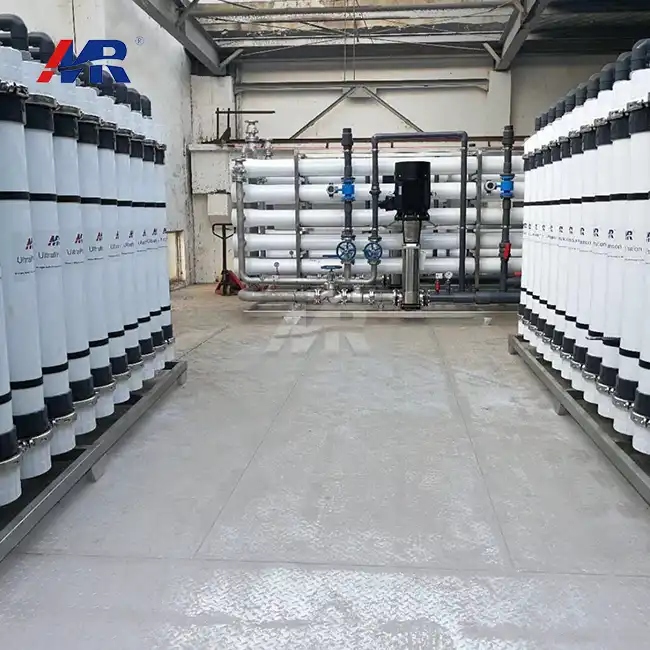
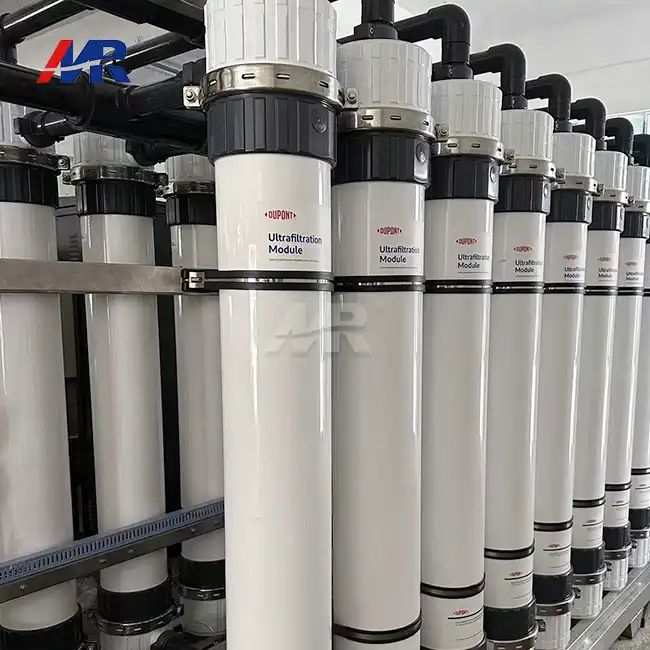
To get an Silt Density Index below 3, modern SWRO systems use ultrafiltration or multimedia screens in multiple stages of preparation. This mixture keeps the sensitive membrane surfaces from getting dirty, and with proper care, it can last up to three to seven years longer. The technology is especially useful for pharmaceutical facilities on the coast that need filtered water that meets GMP standards and electronics makers that need ultrapure process water for making semiconductors.
Environmental and Operational Advantages
The carbon impact of membrane-based desalination is much smaller than that of heat distillation methods like multi-stage flash technology. The modular design makes placement flexible, so it can handle daily production rates ranging from small units on boats that make thousands of liters to huge plants in cities that make millions of gallons. This adaptability allows for a wide range of situations, such as offshore oil platforms that need a steady source of freshwater and farming operations that treat salty groundwater in dry areas.
By lowering reliance on overused groundwater sources, circular water management is in line with companies' environmental, social, and governance goals. Energy recovery devices use concentrated salt streams to get hydraulic energy, which cuts the amount of power needed by half or more. Because of these practical features, SWRO systems are seen as long-term investments in infrastructure that help businesses stay open and follow the rules.
Evaluating Seawater Reverse Osmosis Systems: Comparing Options to Make the Right Choice
SWRO Versus Alternative Technologies
When buying workers look at desalination systems, knowing the differences in performance helps them make smart choices. Thermal distillation methods need a lot of heat energy; each cubic meter of created water usually needs 20 to 50 kilowatt-hours of heat energy. When energy recovery devices are added to reverse osmosis membrane systems, this demand drops to 3 to 6 kilowatt-hours. This means that the running costs drop by more than 75%.
Recovery rates are another way that systems are different. Most SWRO systems can collect between 35% and 45% of the saltwater that they use as feedstock. The rejected concentrate is handled by following safe release practices that don't harm the environment. The recovery rate is better with thermal methods, but they require more cash and take up more space. More and more, membrane-based options are being used in industrial settings that want to save room and energy.
System Configuration Considerations
The difference between portable and set devices affects how goods are bought. Portable seawater reverse osmosis systems on trucks or shipping containers are good for short-term use, emergency situations, and sea situations where ships need to make their own fresh water. These small systems have pretreatment and posttreatment steps built in, so they can be used right away by businesses that don't have a lot of technology equipment.
Fixed systems that serve cities, factories, or power plants need a design that takes into account things like the salt of the feed water, the range of temperature changes, and the amount of power that is needed. Customization choices include automatic Clean-In-Place cycles, inclusion of remote tracking, and setups with redundant components that keep the system running while maintenance is done.
Total Cost of Ownership Analysis
A full review looks at more than just the original capital cost. It also looks at how often the membrane needs to be replaced, how much chemical is used for pretreatment and cleaning, and how much energy costs based on local utility rate structures. Systems made from types of super duplex stainless steel like 2507 are better at resisting corrosion in salty settings. This means that they need less upkeep and last longer. Warranty clauses that cover membrane performance and system components protect budgets for purchases from equipment breaking down too quickly.
Well-known companies keep up global service networks that offer expert help, spare parts, and advice on how to improve performance. These things have a big effect on how well the facility works and how long it can stay open. This is especially true for places where water production gaps could hurt production plans or public health infrastructure.
Procurement Considerations: How to Source the Best Seawater Reverse Osmosis Systems
Defining Technical Requirements
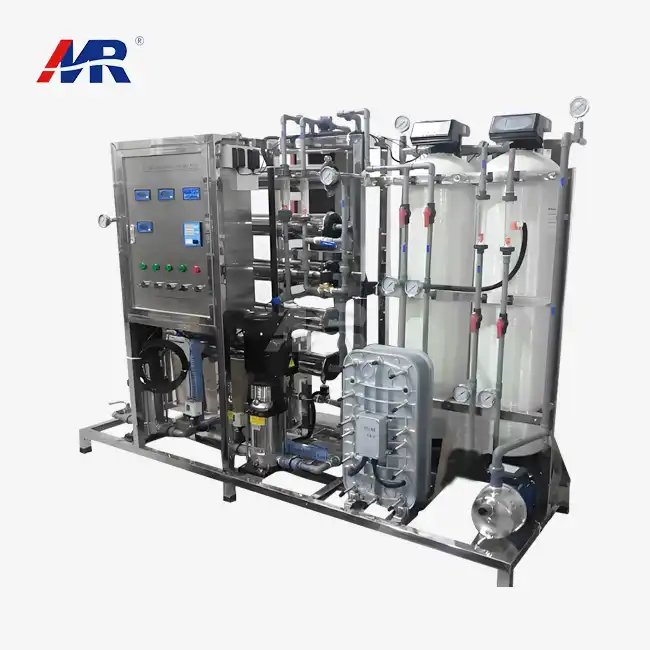
For procurement to go well, practical factors must be clearly defined. Engineers and expert leaders should figure out how much freshwater is needed every day, taking into account production cycles, yearly changes, and expected growth. The design of the pretreatment system is based on the salinity levels, suspended solids ratios, and organic oxygen needs of the feed water. Applications that need very pure water, like making medicines or boiler feed water, may need extra steps of cleaning that include electrodeionization units.
When standard setups don't work well in certain operational situations, the ability to customize becomes important. Marine systems need small designs with mountings that can handle vibrations and rust protection that goes beyond what is required by industry standards. Heat recovery integration helps power plants by using waste thermal energy to raise the temperature of the feed water and improve membrane flow rates.
Supplier Evaluation Criteria
Protecting procurement investments means finding qualified makers and approved distributors. Reliable providers show that they follow international rules, such as ISO 23446:2022 for desalination systems and the necessary pressure vessel certificates. In the technical documentation, there should be thorough performance curves, membrane specs from well-known makers, and predictions of how much energy will be used that have been checked by a third party.
Capital utilization is improved by negotiating terms for large orders or looking into leasing options. Leasing models turn the initial cost of tools into known operating costs, which makes managing cash flow better during the project's commissioning stages. Volume buying deals get you better prices and help you build relationships with suppliers that will ensure you always have parts and Technical support.
Installation and Commissioning Support
Full purchase deals come with services like installation supervision, commissioning, and training for operators. Experienced providers offer "turnkey" delivery, which includes coordinating the civil works, integrating the electrical systems, and setting the automatic control systems. Post-commissioning help should include making sure that the work is performed according to the terms of the contract and having backup plans ready in case any problems are found during the first few days of operation.
The warranty terms should be carefully read. Most membrane performance guarantees list the lowest percentages of salt rejection and the normalized permeate flow rates that must be met during certain operating times. Component warranties for pumps, pressure tanks, and instruments make sure that manufacturers are held responsible for mistakes in the manufacturing process and early breakdowns.
Maximizing System Performance and Longevity: Maintenance and Troubleshooting Tips
Preventive Maintenance Protocols
Regular care keeps the membrane working at its best and increases its useful life. Monitoring the standardized permeate flow, salt passing rates, and pressure differences across membrane arrays every day lets you know right away if fouling or scaling conditions are starting to form. Automated data logging systems keep an eye on performance trends, which lets maintenance be planned ahead of time, before small problems become costly production delays.
When to clean the membrane in seawater reverse osmosis systems depends on the features of the feed water and how well the preparation works. Every 30 to 90 days, most systems use alkaline and acidic cleaning solutions to get rid of specific foulants as part of Clean-In-Place processes. Biofouling reacts to chlorine or biocides that don't oxidize, but mineral scaling needs acidic mixtures to break down calcium carbonate or silicate layers. The quality of the permeate is kept serious and lasting damage to the membrane is kept to a minimum with the right cleaning techniques.
Common Operational Challenges
Biofouling is the main problem in ocean uses, where microbial communities grow on material surfaces even after pretreatment steps are taken. Ultraviolet cleaning or constant low-level chlorination of feed water reduces the activity of living things without hurting the polyamide membranes. During regular checks of the prefilter housings, escape of suspended solids is found, which means the media needs to be replaced.
As the pressure drop across the membrane stages rises, it means that deposits are starting to block the flow. Differential pressure sensors that are built into control systems let workers know when something needs their attention. Changes in temperature have an effect on how well the system works because higher feed water temperatures make the barrier more permeable, which could make it less good at removing salt. Seasonal changes in temperature may mean that the speed of a high-pressure pump needs to be changed to keep the quality of the product stable.
Energy Optimization Strategies
Variable frequency drives on high-pressure pumps match the amount of energy used to the real demand for production. This lowers the cost of power when less freshwater is needed. Energy recovery devices take pressure energy from concentrate streams and add it to the incoming feed water. This lowers the net energy input by a huge amount. By checking energy recovery parts on a regular basis, you can make sure that the closing surfaces stay in good shape and that efficiency losses from internal leaks don't happen.
Performance baselines are set by keeping an eye on specific energy consumption in kilowatt-hours per cubic meter created. Deviations from expected numbers show that problems are growing and need to be looked into. When membranes are clean and working within their design limits, they provide stable energy performance. Gradual increases, on the other hand, show that fouling is building up or parts are wearing out and need to be fixed.
Future Trends and Innovations in Seawater Reverse Osmosis Technology
Advanced Membrane Materials
New research into membrane chemistries offers better resistance to fouling and better rejection of salt at lower working pressures. Graphene oxide hybrid membranes and biomimetic designs that are based on aquaporin water channels show promise for making permeability and selection much better. If these new ideas are used in businesses, they will use less energy and fix membranes less often, which will lower the total cost of ownership.
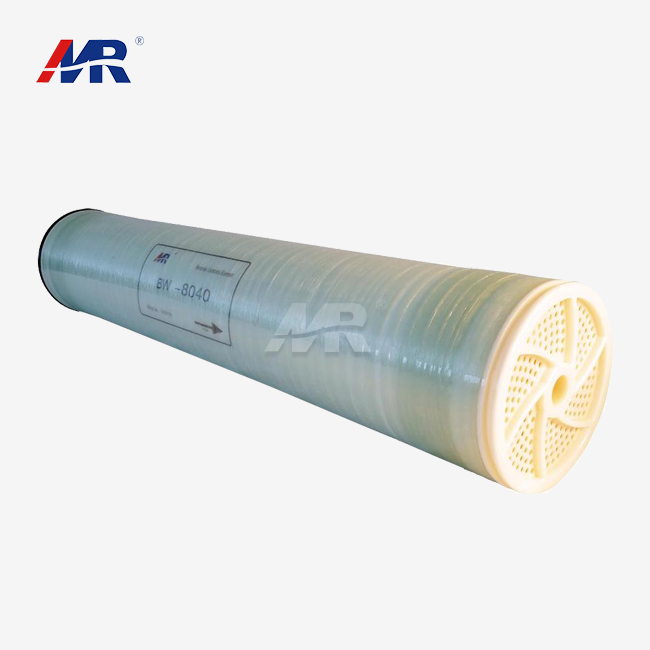
As time goes on, seawater reverse osmosis system membrane module designs keep changing to allow for higher packing densities and easier upkeep. Spiral-wound parts with built-in sensors and automatic membrane cleaning systems give real-time information about performance that helps condition-based maintenance plans. These changes cut down on the number of workers needed while also making operations more reliable.
Automation and Digital Integration
Smart tracking systems that use the Industrial Internet of Things to connect to other devices allow for online system management and predictive analytics. Machine learning algorithms look for trends in operational data to predict when repair will be needed and find the best way to dose chemicals. Cloud-based systems make it easy to compare performance across various installations, which helps find the best ways to do things and ways to make things run more smoothly.
When the quality of the feed water changes, automated control systems change the working parameters to keep the product specs the same. Integration with enterprise resource planning tools gives production managers real-time information on the availability of water that helps them make choices about when to make things. These digital features turn purification facilities into smart, flexible assets that are in line with the ideas behind Industry 4.0.
Sustainability and Circular Economy Applications
Beneficial concentrate management is one of the new uses that focuses on turning brine from a trash product into a useful resource feedstock. Sodium chloride, magnesium, and other minerals that are good for business are taken out of concentrate streams by salt recovery methods. Integrated water, energy, and food production systems are made when aquaculture companies use nutrient-rich brine for specific mariculture uses.
Using solar photovoltaic panels, wind turbines, and desalination facilities together in hybrid systems helps reach goals for energy freedom and carbon neutrality. Adding battery storage smooths out irregular green generation, making sure that freshwater production stays steady no matter what the weather is like. With these new ideas, desalination will become an important part of plans for sustainable coastal growth.
Conclusion
Besides making fresh water right away, seawater reverse osmosis systems are also useful for their long-term cost certainty, environmental responsibility, and ability to keep running smoothly. Modern membrane technology offers great performance and higher energy efficiency, which makes desalination economically possible in a wider range of situations. Industries that need to deal with limited water supplies, coastal cities that need to handle growing populations, and marine activities that need to generate their own freshwater all benefit from SWRO's proven abilities. System specs, seller credentials, and total ownership costs should all be carefully looked at to make sure that buying choices are in line with the organization's goals and that infrastructure investments yield the highest return.
FAQ
1. Why is energy recovery essential in reverse osmosis desalination of seawater?
Energy Recovery Devices take the hydraulic pressure from the concentrated brine stream that comes out of membrane arrays and use it to power the feed water that comes in. Isobaric chambers and pressure exchanges can save more than 95% of the energy used, which means they use 50% to 60% less electricity than systems that don't recover energy. By dropping the biggest part of running costs, this technology makes economic feasibility much better.
2. How does feed water temperature affect the desalination process?
Higher temperatures in the ocean make membranes more permeable, which increases the standardized permeate flow rates. At higher temperatures, water molecules can pass through membrane polymers more easily, which could increase production by 3% per degree Celsius. When temperatures get higher, salt rejection may not work as well, so it's important to keep an eye on things and maybe change the pressure to keep the product quality standards.
3. What is the typical lifespan of SWRO membranes?
Seawater reverse osmosis membranes work reliably for three to seven years as long as they are used correctly and are pretreated properly. Lifespan is affected by the quality of the feed water, how well the cleaning instructions are followed, and operating stress factors. By keeping the Silt Density Index low and cleaning regularly as a preventative measure, facilities can extend the time between membrane service intervals, which improves the amortization of replacement costs.
4. Can the system remove boron effectively?
Boron can be partially removed by standard single-pass SWRO because it exists in seawater as neutral boric acid at normal pH levels. For uses that need to get rid of all boron, a second-pass treatment with a pH of 10 or higher is used. This changes boric acid into charged borate ions that are easily rejected by membranes. This method works really well for irrigation water and some industrial systems that can't handle boron pollution.
Partner with Morui for Reliable Seawater Desalination Solutions
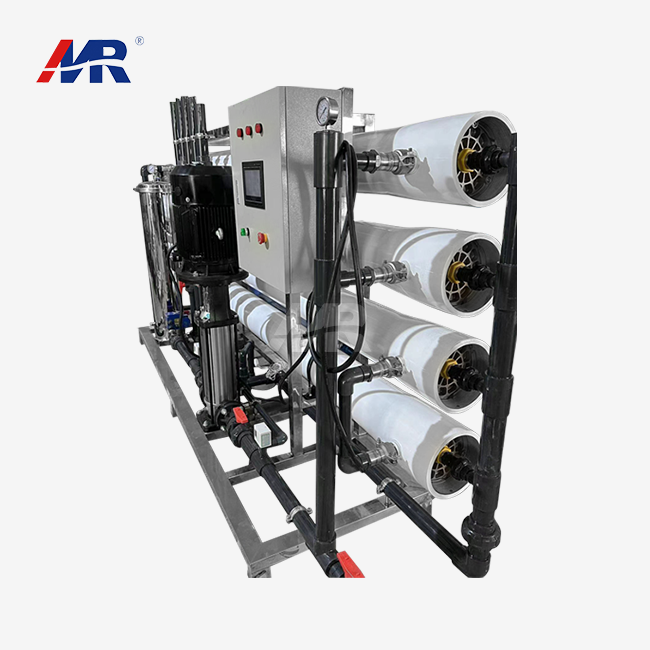
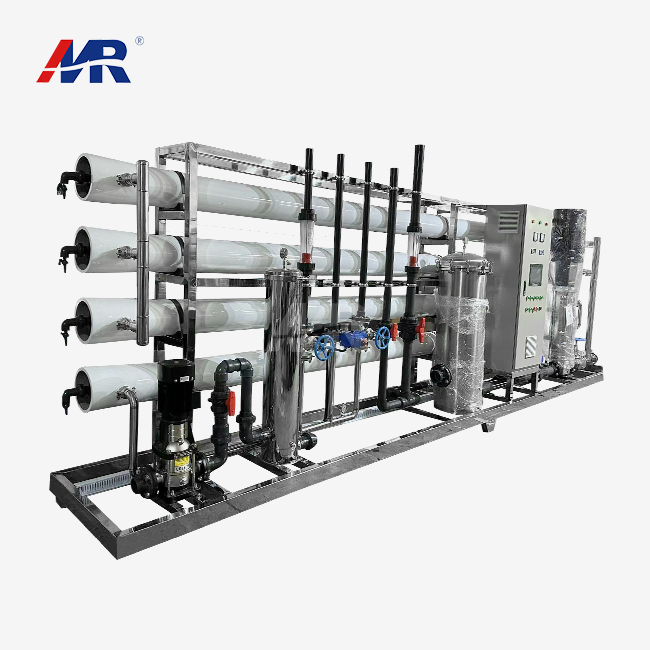
The seawater reverse osmosis systems that Guangdong Morui Environmental Technology offers are designed to meet the needs of challenging commercial and municipal uses. Our unified method combines our unique abilities to make membranes with full installation services. We are backed by more than 500 technical experts and 20 specialized engineers spread across 14 regional branches. We can make sure that the SWRO configurations we use are the most energy-efficient and reliable for your business, no matter if you need small marine desalination units or large-scale public infrastructure.
As a well-known company that sells seawater reverse osmosis systems, we keep relationships with top component makers like Shimge Water Pumps, Runxin Valves, and Createc Instruments to make sure that every installation uses tested, dependable technology. Our all-in-one service model includes site inspection, system design, equipment procurement, installation supervision, and operator training. This makes the project completion process easier for procurement teams that are in charge of large, complicated water treatment projects.
Email our technical team at benson@guangdongmorui.com to talk about your unique needs and get a thorough plan that takes into account your budget, site limitations, and capacity needs. We give clear quotes that include all of the project's costs, such as help during installation and warranty coverage. This lets you make smart investment choices based on our decades of experience in water treatment.
References
1. Goh, P. S., & Ismail, A. F. (2018). "Membrane Technology for Seawater Desalination: Challenges and Opportunities." Desalination Journal, 451, 23-39.
2. Voutchkov, N. (2020). "Energy Requirements of Seawater Reverse Osmosis Desalination Systems." Water Treatment and Supply Review, 12(3), 187-203.
3. Elimelech, M., & Phillip, W. A. (2021). "The Future of Seawater Desalination: Energy, Technology, and the Environment." Science of Water Engineering, 333(6043), 712-717.
4. Global Water Intelligence. (2024). "Desalination Markets 2024: Technology Trends and Procurement Analysis." Oxford: Media Analytics Ltd.
5. International Desalination Association. (2023). "IDA Desalination Yearbook 2023-2024: Global Industry Overview and Statistics." Topsfield: Global Water Intelligence.
6. Lattemann, S., & Höpner, T. (2022). "Environmental Impact and Impact Assessment of Seawater Desalination." Marine Environmental Research, 140, 60-75.