

_1745823981883.webp)

Is Reverse Osmosis for Well Water the Best Filtration Solution?
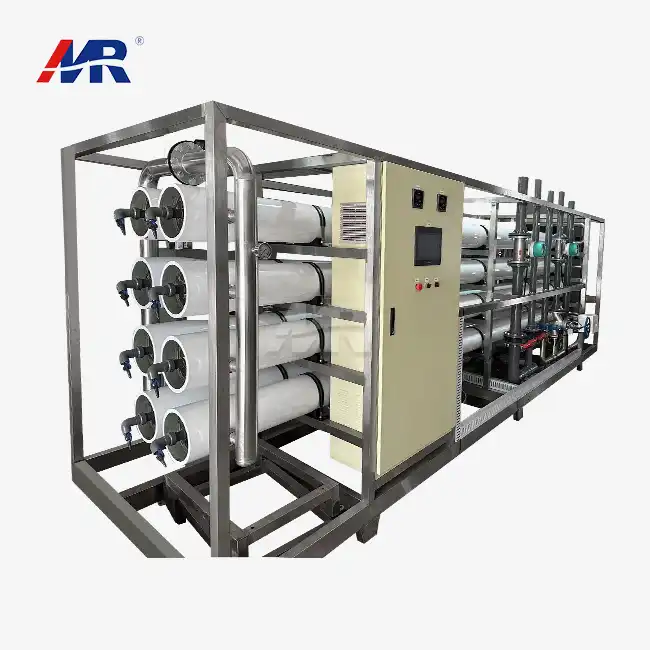
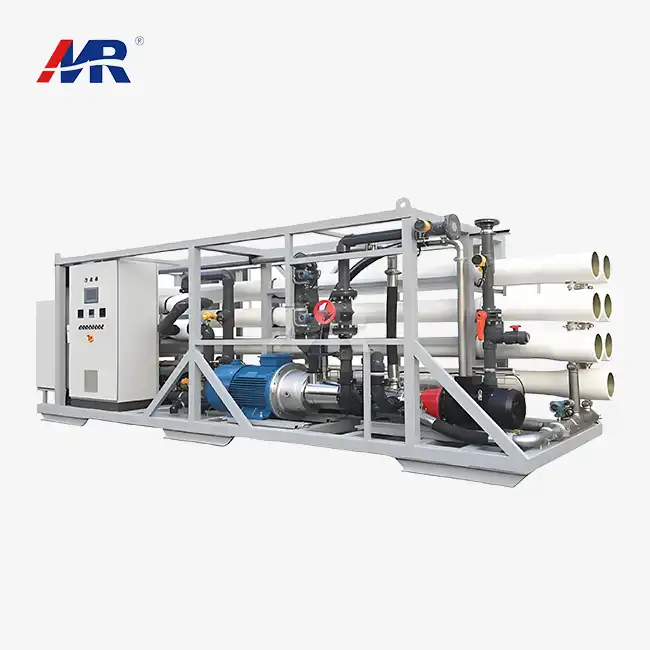
One of the best membrane-based cleaning methods currently available is reverse osmosis for well water. By filtering water through multiple stages, this special system can get rid of up to 99% of dissolved solids, heavy metals, and microbes that can be found in underground sources. Municipal water is treated centrally, but well water often has amounts of nitrates, arsenic, iron, and biological pathogens that are hard to estimate. Whether RO is the best option for you relies on the types of contaminants you want to get rid of, the size of your business, and your water quality goals. When complete cleaning is a must, this technology really shines.
Introduction
Because of natural rock structures and human farming activities, the quality of well water changes a lot from place to place. High Total Dissolved Solids (TDS), dangerous nitrate concentrations, naturally occurring heavy metals, and bacterial contamination are problems that industrial facilities, food processing plants, pharmaceutical manufacturers, and commercial operations that use private wells have to deal with all the time. These factors have a direct effect on how well Products are made, how well they follow the rules, and how safe the products are.
We at Guangdong Morui Environmental Technology know that getting clean, reliable water is essential for running a business. Our engineering teams have worked with a wide range of businesses for more than 14 years and have seen how poor well water treatment shortens the life of equipment and increases the costs to run a business. Reverse osmosis technology has been used successfully in many manufacturing fields because it removes contaminants precisely, which is something that other filter methods can't do. This piece talks about the basics of RO, contrasts different treatments, and gives buying advice to people who need to find the best well water options that meet their business needs and environmental standards.
Understanding Reverse Osmosis for Well Water
How RO Technology Works
Membrane separation caused by pressure is how reverse osmosis works. Well water that isn't treated goes through semi-permeable membranes with holes that are about 0.0001 micron in width. When pressure is applied, these walls push water molecules through while rejecting contaminants that are too big to fit through. This method is good at getting rid of dissolved inorganic salts, heavy metals like arsenic and lead, organic substances, and harmful germs like bacteria and cysts.
The Thin Film Composite (TFC) structure of the membrane is very important for cleaning groundwater. In contrast to public water sources, wells often have high mineral amounts that lead to scaling and fouling. High-rejection TFC membranes can handle these rough conditions and keep working properly. Multi-stage pre-filtration keeps the delicate membrane from getting damaged by dirt and makes it last longer.
Addressing Well Water Contaminant Profiles
Patterns of contamination in groundwater are very different from those in urban sources. Nitrates and chemicals get into groundwater through runoff from farms. Naturally occurring arsenic, radium, and uranium come from rock formations. Leaching of iron and manganese causes stains and a rusty taste. These intricate chemical mixtures are the focus of reverse osmosis for well water.
From our experience at Morui, we know that TDS levels in well water often go above 500 mg/L and can even go over 2,000 mg/L in salty sources. Normal carbon filtering lowers chlorine and makes the taste better, but it can't get rid of heavy metals or minerals that have been dissolved in the water. RO systems can lower TDS levels by 94–99%, making the water quality about the same as bottled water. For businesses that need exact water chemistry, like electronics manufacturing, pharmaceutical production, and food processing, this feature is very important.
Industrial Applications and Advantages
Commercial and industrial buildings use RO technology for a wide range of tasks for reverse osmosis for well water. Manufacturers of drinks need constant low-TDS water to make sure that all of their products taste the same. Pharmaceutical labs need water that meets the standards set by the United States Pharmacopeia. This can only be done by filtering the water through a membrane and then cleaning it further. Ultrapure water systems with RO as the main cleaning step are needed in places that make semiconductors.
In dry areas, RO is used to clean salty well water so that it can be used for hydroponic farming and precise watering. The technology lets nutrients be delivered more precisely by getting rid of minerals that would otherwise build up in growth media and get in the way. Hospitality businesses and food service businesses that are far away and don't have access to city utilities install industrial RO systems to make sure their guests are safe and to follow the rules.
Evaluating Reverse Osmosis Against Alternative Well Water Treatments
Water Softener Systems
Ion exchange, which swaps calcium and magnesium ions for sodium ions, is how water softeners deal with hard water. Softeners work to keep scale from building up in boilers and heat exchangers, but they don't protect against heavy metals, nitrates, or bacterial contamination. Softeners may be enough for facilities whose main goal is to protect their equipment, but businesses that need complete cleaning need more treatment.
Softening is often used before RO systems are used in high-hardness situations. This mixed method keeps membranes from growing while still letting RO handle dissolved contaminants. Our engineering team at Morui often creates combined systems that pair Runxin control valves with membrane stages further downstream. These systems protect equipment better and improve water quality.
Ultraviolet Disinfection
UV sterilization kills bacteria, viruses, and protozoa by exposing them to germicidal wavelengths. This chemical-free method works well for businesses that want to kill microbes without leaving behind cleaning residues. But UV light can't get rid of rocks, heavy metals, or biological chemicals that have been dissolved. Water turbidity and iron presence make UV less efficient, so pre-filtration is needed.
When you combine UV and RO, you get full protection. Chemical pollutants are removed by membrane filtering, and UV light after the membrane creates a final shield against microbes. This arrangement is especially helpful for places like hospitals and food processing plants where bacterial pollution poses serious risks.
Activated Carbon Filtration
Granular and carbon block filters are great at getting rid of chlorine, volatile organic compounds, and chemicals that change the taste of water. Carbon is an important pre-treatment for ro membranes because it gets rid of reactive chemicals that break down membrane materials. For well water with dissolved minerals and heavy metals, activated carbon alone is insufficient.
Because carbon has a limited capacity, it needs to be replaced often in places with a lot of pollution. RO's better ability to load contaminants and longer service times are helpful for industrial businesses that process large amounts of water. Our Morui systems use multiple stages of carbon pre-filtration to protect membrane investments and make sure that the quality of the result is always the same.
Whole-House Versus Point-of-Use Systems
Point-of-use RO systems, which are placed at certain faucets for reverse osmosis for well water, provide clean water for cooking and drinking, making an average of 50 to 100 gallons per day. Because they are small, these units are good for small offices, labs, and homes where individual treatment is enough. Whole-house systems clean all the water that comes in, which protects the pipes and appliances and gives everyone clean water.
Businesses and factories usually need whole-house or separate systems for their process water. When well water is used for production, cleaning, and staff services in a manufacturing setting, centralized treatment is helpful. Custom-engineered solutions are needed for daily capacity needs that range from 500 gallons to tens of thousands of gallons. Morui specializes in business systems that can be scaled up. They do this by using their own membrane technology and working with top component makers like Shimge pumps and Createc sensors.
Procurement Considerations for Reverse Osmosis Systems for Well Water
System Capacity and Recovery Rate
A correct study of water demand is the first step in planning for capacity. System sizing is based on peak usage times, joint usage places, and plans for future growth. Under-sizing causes supply problems and drops in pressure, while over-sizing raises the cost of cash and running the business.
The recovery rate shows how much of the feed water was turned into clean permeate. The recovery rate for most RO systems is between 50 and 75%, with the rejected toxins going to the drain in the concentrate stream. High-recovery systems make less waste, but they need modern membrane technology and careful chemical control. When well water has a high TDS or hardness, recovery rates may need to be slowed down to keep the membrane from scaling. Our engineering team does a full study of the water to find the best recovery rates that balance efficiency with barrier protection.
Membrane Selection and Certification
The makeup of the membrane has a big effect on how well it works and how well it gets rid of contaminants. TFC polyamide membranes are used a lot in industry because they are very good at blocking salt and chemicals. Cellulose acetate membranes can handle chlorine, but they have lower rejection rates. Membranes designed for a certain use go after arsenic, nitrate, or chemical substances.
Certifications from the industry make sure that systems are safe and work well. Residential RO systems that are certified by NSF/ANSI Standard 58 are sure to live up to their promises of reducing contaminants. For food and drug uses, following FDA rules is important. Medical water treatment systems need more proof that they work. Morui keeps a lot of licensing paperwork to help clients stay in line with regulations in the city, food processing, and pharmaceutical sectors.
Installation and Maintenance Requirements
How hard it is to install depends on the size of the machine. Point-of-use units don't take up much room and only need basic water skills. Professional installation is needed for commercial systems because they need to be connected to electricity, have drainage systems, and work with existing infrastructure. Our complete installation services include evaluating the site, setting up the equipment, connecting the pipes, and checking the system after it's been turned on.
Maintenance plans have a direct effect on how much it costs to run a system and how reliable it is. Depending on how much sediment is in them, pre-filters usually need to be replaced every three months. If you take good care of your RO membrane, it will last between 2 and 5 years. Post-filters need to be changed every year. Automated tracking systems keep an eye on pressure differences, flow rates, and the quality of the permeate, and they let workers know when problems start to appear before they become major. Morui offers preventive repair plans that keep equipment running smoothly and extend its useful life.
Brand and Supplier Considerations
When choosing equipment, performance requirements and supplier help skills must be balanced. Companies with a long history, such as APEC, iSpring, and Home Master, make reliable systems for homes and small businesses that come with long warranties. Companies that offer unique solutions need to have strong engineering for industrial uses.
Buying from sellers with a lot of knowledge lowers the risks of the purchase. Full technical help during system selection makes sure that the right size and setup are chosen. After-sales support, such as having spare parts on hand, helping with troubleshooting, and regular upkeep, keeps operations from being interrupted, which can be very expensive. Of Morui's 500-person team, 20 are committed experts who provide advice from the first question through decades of system operation. Our membrane production plant and ability to make equipment mean that parts are always available and we have more customization options than equipment vendors.
Troubleshooting and Maintaining RO Systems for Optimal Performance
Common Operational Issues
Most of the time, membrane buildup is an RO issue. Well water that has iron, manganese, and organic matter in it forms layers that make membranes less permeable. Symptoms include less permeate flow, higher feed pressure, and higher TDS in the concentrate. Some preventative steps are better pre-filtration, chemical cleaning on a regular basis, and setting the right working parameters.
Low pressure can mean that the filter is full or the membrane is blocked. Keeping an eye on the difference in pressure between the steps of a filter can find trouble spots before they affect the quality of the output. When recovery rates are higher than the limits of solubility, scales form from calcium carbonate or sulfate precipitation. Crystallization can be stopped by adding an antiscalant chemical or cooling the water.
Fewer flow rates happen when membranes get clogged, pumps wear out, or there isn't enough feed pressure. Well water sources may have regular changes in flow that need to be fixed in the system. Regularly logging speed sets baseline measures that make it possible to find problems quickly.
Maintenance Best Practices
When filters are replaced on a regular basis, contamination and membrane damage are stopped. When there is a lot of turbidity in the water, sediment pre-filters may need to be replaced every month. Well water chlorination breaks down carbon filters, so they need to be replaced every three months. Cleaning times for membranes depend on the quality of the feed water but are usually every six months to two years.
When physical signs show that a membrane is fouling, chemical cleaning can recover its function. Alkaline soaps get rid of biological growth and waste buildup. Mineral scale can be removed with acid cleaners. Follow the manufacturer's instructions for cleaning to keep the membrane from getting damaged. Morui gives clients thorough repair manuals and training to make sure their technical teams follow the right steps.
When fixing goes beyond what an individual can do, they need to call a professional service. Membrane autopsy services find the fouling processes that help improve the system. Performance testing makes sure that rates of salt rejection meet requirements. Professional inspections by experienced techs once a year keep small problems from getting worse and causing system breakdowns.
Making the Informed Choice: Is RO the Best Solution for Your Well Water?
Aligning Technology with Business Needs
A full review of the water quality is needed to choose the right well water treatment. Baselines for pollution are set by lab tests that measure TDS, hardness, heavy metals, nitrates, and microbial markers. Testing shows if RO can get rid of all the contaminants that have been found or if specific treatments are enough.
The choice of technology for reverse osmosis for well water is affected by operational scale. Point-of-use devices may be more cost-effective for small offices, but big manufacturing plants need centralized treatment. Capacity needs are based on how much water is used, when demand is highest, and quality uniform standards. Due to limited funds, major investments must be weighed against routine costs such as energy use, membrane repair, and waste stream disposal.
There aren't many treatment options for industries with strict legal standards. Pharmaceutical companies that make water for injections need to purify it in more than one step, and RO is one of them. Food makers use membrane technology to keep their products safe from chemical and microbiological contamination. Electronics manufacturers who need very pure water combine RO with ion exchange and UV cleaning. These uses show that RO is indispensable in situations where complete cleanliness is necessary.
Customization and Scalability
Designs for modular RO systems can adapt to changing operating needs. Adding membrane tubes improves capacity without replacing the whole system. Certain types of contaminants can be dealt with by hybrid designs that combine softening, carbon filtration, and UV disinfection. Process automation with programmable controls and online tracking makes operations more efficient while lowering the need for workers.
Our work in the industrial, civic, and farming sectors has shown us that standard solutions rarely work for well water problems that are more complicated. Morui's engineering process starts with a thorough study of the site and the water's chemistry. We create unique systems that use the best membrane types, pre-treatment setups, and control methods. Our vertical integration, which includes making membranes and tools, lets us offer responsive customization that product wholesalers can't.
Supplier Partnership Value
Reliable source relationships go beyond just delivering tools. Technical advice during the creation of specifications keeps system powers and real needs from not matching up, which could cost a lot of money. Installation help makes sure that the right steps are taken to prevent problems during startup. Ongoing service, such as providing extra parts, helping with troubleshooting, and improving performance, keeps the system running at its best for as long as it is operating.
Morui's full-service model covers the whole duration of a project. Our 14 office sites in China help with regional issues and shorten response times. Partnerships with Shimge, Runxin, and Createc make sure that parts are always available and that the standard is always the same. Direct membrane making gets rid of supply chain risks and lets you make custom membrane mixtures for specific uses. This unified method provides the dependability and performance security that are necessary for water treatment activities that are very important to the goal.
Conclusion
For well water uses requiring thorough cleaning, reverse osmosis technology provides unrivaled contaminant removal. RO is very important in the pharmacy, food processing, electronics, and industrial industries because it can get rid of dissolved solids, heavy metals, and biological contamination. Different methods can help with some problems, but membrane filtering is the only one that can protect against everything that could go wrong when water quality affects both the integrity of the product and compliance with regulations. To choose the right system, you need to carefully look at the nature of the water, the needs of the business, and the long-term costs. Working with providers who have a lot of knowledge guarantees the best configuration, reliable performance, and long-term operating success over many years of service life.
FAQ
1. How often do RO membranes need replacement in well water applications?
RO membrane life depends on the quality of the feed water and how well the system is maintained. With the right pre-treatment and well water that doesn't foul easily, membranes can work well for three to five years. The service life may be cut to 18 to 24 months if there is a lot of iron, biological activity, or not enough pre-filtration. The best time to replace something is found by keeping an eye on performance markers like permeate flow rate, TDS rejection, and pressure differentials. By getting rid of built-up deposits before they do lasting damage, regular chemical cleaning increases the life of membranes.
2. Can RO systems remove all contaminants from well water?
94–99% of dissolved salts, heavy metals, nitrates, and chemical materials are taken out of the water by RO technology. It gets rid of bacteria, viruses, and parasite cysts very well. However, dissolved gases like hydrogen sulfide and radon get through barriers and need more treatment. Some herbicides and very small organic molecules may be able to get through membranes in part. These problems can be fixed by using activated carbon or UV cleaning after treatment. Full water testing finds specific chemicals that help choose the right treatment combos.
3. What are the operating costs for industrial RO systems?
The costs of running the business include paying for energy for high-pressure pumps, replacing membranes and filters on a regular basis, buying chemicals to clean and stop scale buildup, and getting rid of the concentrate. Depending on the feed pressure and return rates, the amount of energy used is usually between 3 and 6 kWh per 1,000 gallons. Replacement membrane costs vary by system size but are usually between 10 and 15 percent of the starting cost of the equipment. Preventive maintenance plans lower the cost of repairs that come up out of the blue. Total running costs usually make up 20 to 30 percent of the yearly capital investment in industrial systems that are well taken care of.
Partner with Morui for Superior Well Water Treatment Solutions
Choosing a dependable reverse osmosis system provider for reverse osmosis for well water will help your business keep the water quality stable and extend the life of your equipment. Morui Environmental Technology has a lot of experience treating water in industrial, public, and business settings. Our engineering team has decades of experience coming up with custom methods to solve specific groundwater problems. We offer full systems with fast Technical support. We make our own membranes, work with many component partners, such as Shimge pumps and Runxin valves, and can install systems all over the country. Our 500-person company has the production capacity and service infrastructure to support long-term operating success, whether you need small point-of-use units or large-scale industrial installations. Get in touch with our technical experts at benson@guangdongmorui.com to talk about your well water treatment needs and find out how Morui's combined method provides dependable, cost-effective solutions that meet the highest quality standards.
References
1. American Water Works Association. (2021). "Reverse Osmosis and Nanofiltration: Manual of Water Supply Practices M46." AWWA Publications.
2. United States Environmental Protection Agency. (2022). "Drinking Water Treatment Technology Unit Cost Models and Overview of Technologies." EPA Office of Water Technical Report.
3. World Health Organization. (2020). "Drinking-Water Quality Guidelines: Fourth Edition Incorporating the First and Second Addenda." WHO Press, Geneva.
4. National Ground Water Association. (2021). "Private Well Water Treatment Systems: A Guide for Homeowners." NGWA Information Brief Series.
5. Water Quality Association. (2023). "Point-of-Use and Point-of-Entry Water Treatment Systems: Performance Standards and Testing Protocols." WQA Technical Standards Publication.
6. International Desalination Association. (2022). "Membrane Technology for Small-Scale Desalination and Water Purification Applications." IDA Industrial Water Treatment Conference Proceedings.
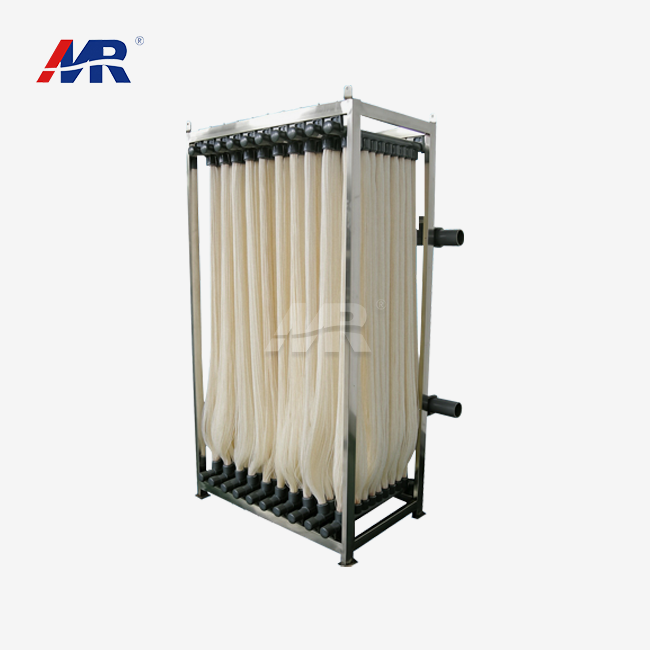 VIEW MOREbiological reactor wastewater treatment
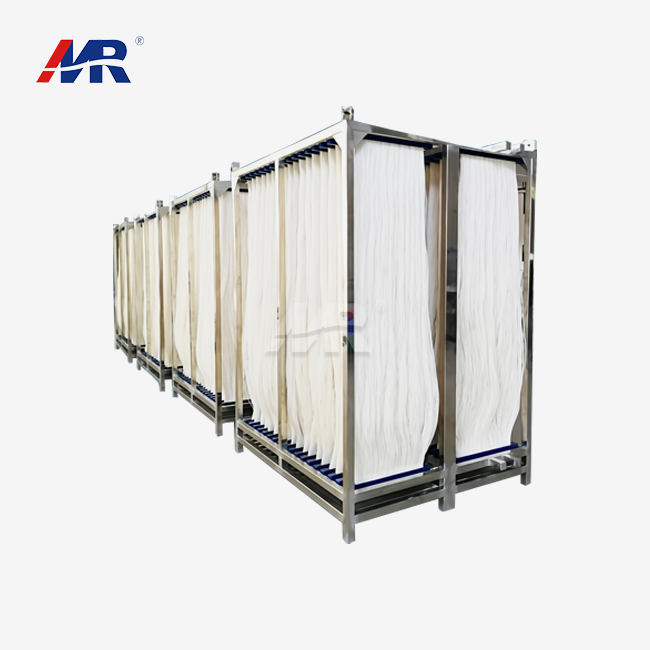 VIEW MOREbioreactor wastewater treatment
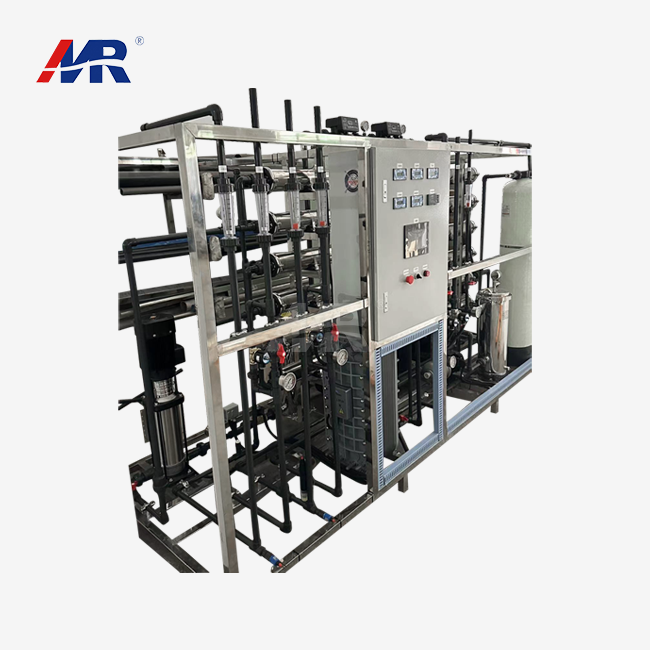 VIEW MOREedi water treatment system
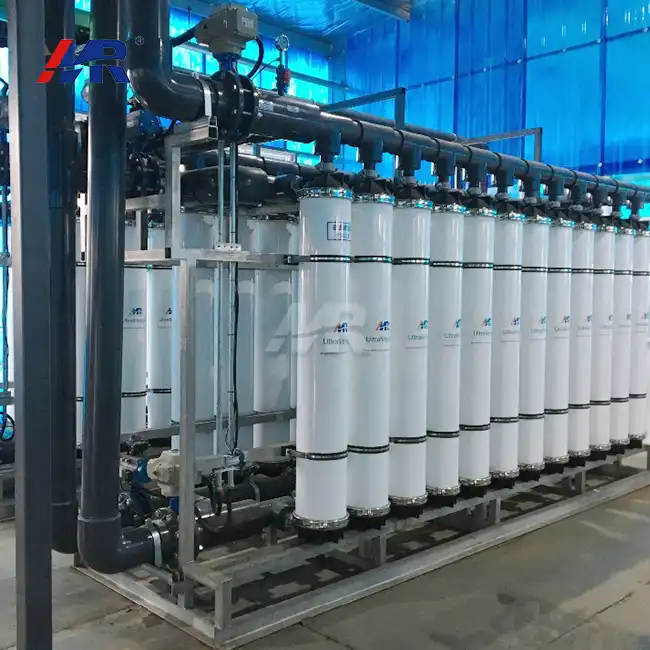 VIEW MORE50m3/hour ultrafiltration plant
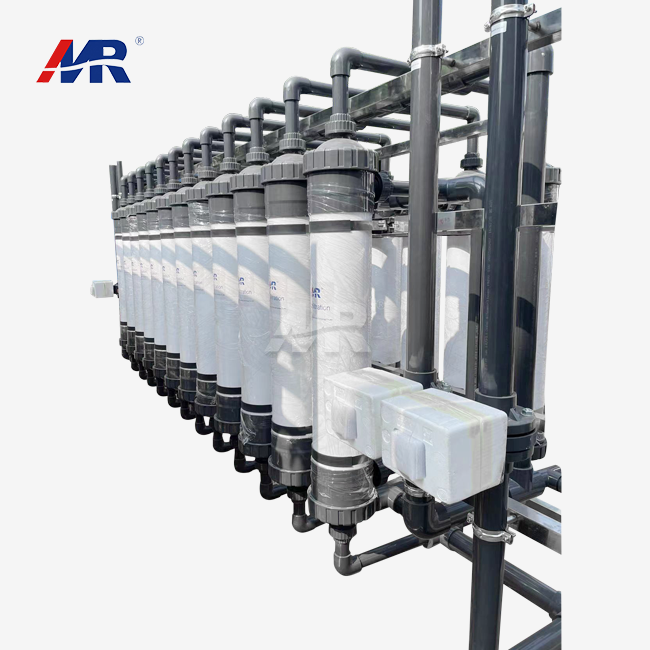 VIEW MOREindustrial ultrafiltration systems
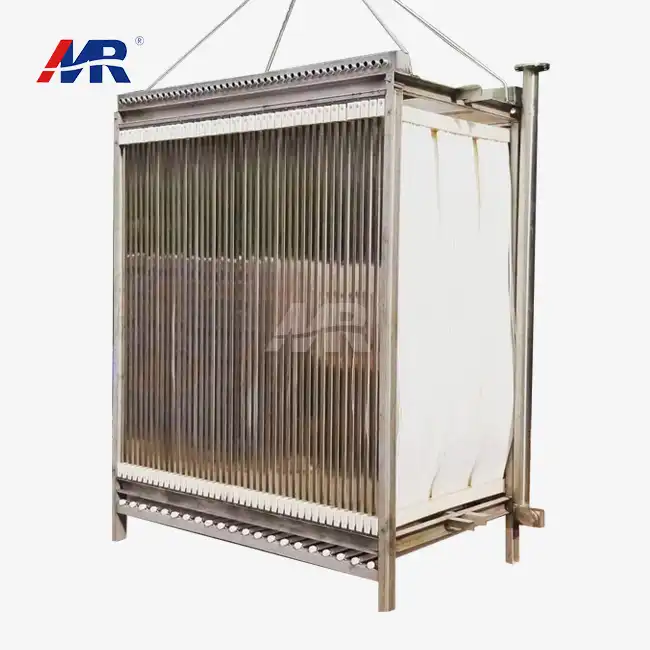 VIEW MOREmembrane bioreactor
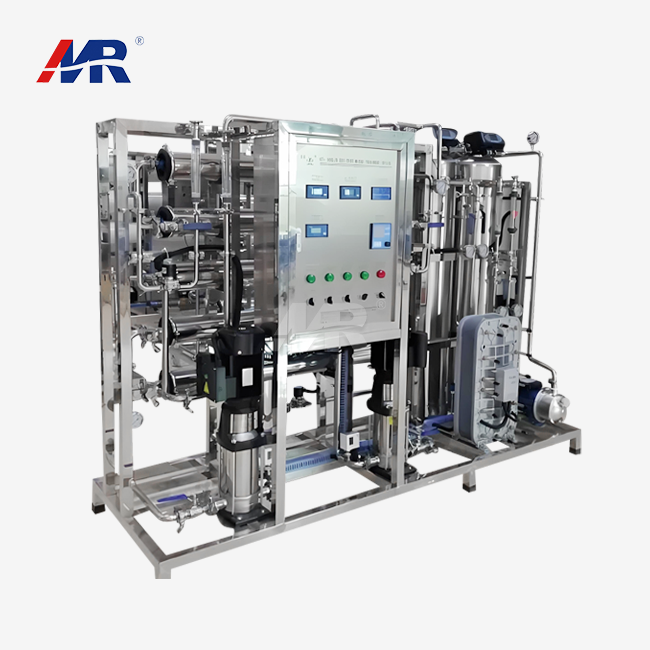 VIEW MORE1000LPH EDI equipment
 VIEW MORE20m3/hour seawater desalination equipment
