

_1745823981883.webp)

Wastewater Treatment Facility Technologies That Reduce Costs
The steady balance of performance, safety, and budget is part of running a wastewater treatment facility. When you use the right tools, you can cut your capital and operating costs by a huge amount. Modern methods for cutting costs include aeration systems that use less energy, membrane-based cleaning methods, automation driven by real-time data, and preventative maintenance schedules. These new ideas help sites deal with large amounts of organic waste while still meeting strict release standards and not spending too much on operations. Treatment plants get better wastewater quality at a fraction of the cost of standard ones by using improved membrane bioreactors, predictive tracking, and better nutrient removal.
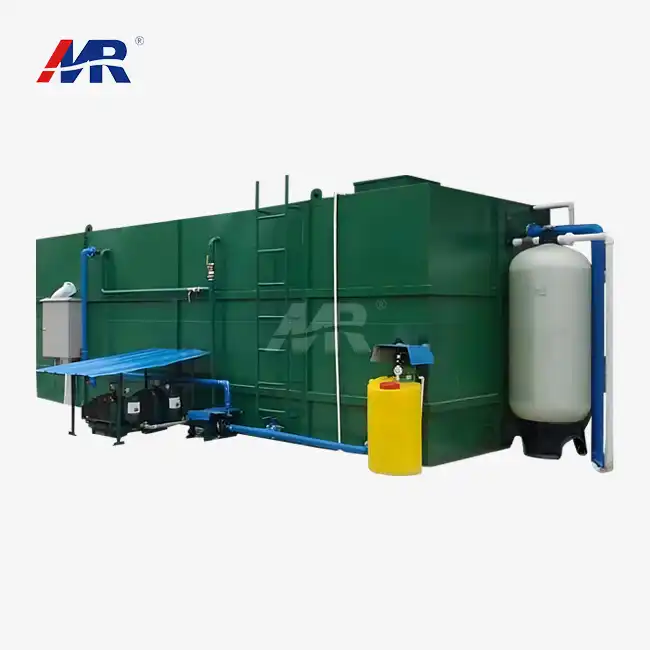
Understanding Cost Drivers in Wastewater Treatment Facilities
To run a wastewater treatment facility well, you need to be able to see where costs are building up. Both capital and routine spending need to be planned for strategically, but many leaders don't see the secret cost drivers until budgets get out of hand.
Capital Expenditure vs. Operational Expenditure
Capital expenditures (CAPEX) are the initial investments made in buying tools, building things, and setting up systems. These costs change a lot based on how much water needs to be treated, which technology is chosen, and the engineering needs of the place. OPEX includes costs that keep coming up, like the cost of energy, chemicals, labor, regular upkeep, and getting rid of sludge. While CAPEX costs a lot at first, badly handled OPEX can slowly eat away at profits over decades. To make sure of long-term value, smart procurement pros look at lifetime costs instead of just purchase prices.
Key Challenges Driving Cost Increases
Systems that were built decades ago are not as efficient as newer ones; they use too much energy and need to be fixed often. In the United States, following the rules has become a lot harder because NPDES permits set strict limits on biological oxygen demand, total suspended solids, and fertilizer ratios. When infrastructure is old and these standards need to be met, it often means expensive repairs or using too many chemicals. Unexpected slowdown adds to these problems—pump breakdowns, membrane fouling, and microbial upsets stop activities and require extra money to be spent. Knowing these pain points helps facilities focus on investments that will give them a clear return.
Balancing Quality, Compliance, and Cost-Effectiveness
When making a purchase choice, you have to weigh the performance of the equipment against the needs of the government and your cash. Although high-quality parts may cost more, they last longer and have less downtime. In contrast, equipment that isn't defined properly can lead to compliance issues and the costs of fixing them. Successful buildings look at the total cost of ownership, which includes things like how much energy they use, how often they need upkeep, and how much help they get from the seller. With this way of thinking, the focus moves from short-term savings to long-term business success.
Advanced Technologies Reducing Costs in Wastewater Treatment
Costs for wastewater treatment facilities are going down thanks to new technologies. Cost structures are changing because new medical methods are getting better results with fewer resources. These improvements take care of the most expensive parts of operation, like energy, chemicals, and labor, while keeping or even improving the quality of the waste.
Energy-Efficient Aeration Systems
In biological treatment, aeration usually uses fifty to sixty percent of all the energy that is used. Instead of fans, Membrane Aerated Biofilm Reactors use special membranes to passively move oxygen, which is a big step forward. Compared to regular fine-bubble diffusers, this design saves up to 90% of the energy that they use. Additionally, MABR devices can nitrify and denitrify at the same time, which means they don't need different anoxic zones and have smaller footprints. Plants that have upgraded to these systems say that the money they saved on energy alone paid for them in less than three years.
Membrane Bioreactor Technology
Activated sludge treatment and ultrafiltration membranes work together in MBR systems to make very high-quality wastewater that can be used again. MBR units take up half as much room as regular treatment trains because they don't need secondary clarifiers and can greatly reduce the amount of sludge they produce. This small form lowers the cost of buying land and makes MBR perfect for urban sites with limited room or industrial growth. Less sludge means less money spent on dumping, which is a big plus since landfill fees are going up and biosolids rules are getting tighter.
Automated Monitoring and Control Systems
IoT devices and SCADA integration make it possible to track amounts of dissolved oxygen, pH, turbidity, and nutrients in real time during the treatment process. Automatic control algorithms change the rates of air, chemical doses, and hydraulic retention times on the fly, so performance is always at its best without any help from a person. Predictive maintenance platforms look at vibration, temperature, and electrical signatures of equipment to predict problems weeks in advance. This lets fixes be planned for planned breaks. When these systems are put in place, facilities use 15 to 25 percent less chemicals and save money on labor because they don't have to do as much measuring and adjusting by hand.
Enhanced Biological Phosphorus Removal
EBPR uses bacteria that are already in the environment to store phosphorus organically, instead of using expensive chemicals to do it. EBPR devices get rid of phosphorus below 0.5 mg/L without using ferric chloride or alum by moving waste through anaerobic, anoxic, and aerobic zones. This gets rid of the costs of buying, storing, and handling chemicals while making less sludge that is full of chemicals. When emission limits are strict and chemical prices change a lot, EBPR is especially useful.
Designing Cost-Effective Wastewater Treatment Facilities
Operational economics are set by careful design choices made during the planning stage and last for decades. By using modular methods, streamlining processes, and choosing vendors strategically, wastewater treatment facilities can change to meet new needs while keeping costs low.
Modular and Decentralized Systems
Modular treatment units come already built and tested, which cuts down on the time and money needed for building on-site. Because these systems can grow in small steps, facilities can match investments in capacity to real demand growth instead of adding too much. Smaller treatment units are placed closer to pollution sources in decentralized designs. This lowers the cost of the collection system and lets water be reused in specific areas. As an example, factories can treat their own wastewater and reuse it for cooling or cleaning, which cuts down on both the cost of disposal fees and the cost of buying new water.
Optimizing Process Flows
Sequencing multiple stages of treatment makes things more efficient by making sure that each unit action fits with the specific goals for removing contaminants. Screening and adjustment tanks keep biological processes further down the line safe from shock loads, which increases the life of the equipment. Putting anoxic and aerobic zones together in one reactor basin gets rid of the need for extra pumps and pipes, which saves energy and lowers the cost of building. Sequencing batch reactors and other designs that don't take up much space can handle variable flows without the need for big clarifiers. This makes them a cost-effective choice for smaller cities and industrial uses.
Strategic Equipment Selection
When you evaluate tools, you have to look at its performance specs, how much energy it uses, how often it needs to be serviced, and how well the seller supports them. To avoid expensive breakdowns, pumps should give the right flows while using the least amount of power. Because chemical cleaning takes time and resources, membrane units must find a balance between leakage and fouling resistance. By building ties with reputable makers, you can be sure of getting real spare parts and professional help when you're having problems. From what we've seen, long-term value is higher when you work with well-known names than when you buy something at the lowest price.
Maintenance Strategies and Their Role in Cost Reduction
Without proper care, even the most powerful equipment breaks down. Changing from reactive defense to proactive care changes how reliable things are and how much they cost for a wastewater treatment facility.
Predictive vs. Reactive Maintenance
Reactive maintenance waits for equipment to break down and then rushes to fix it, which increases the amount of downtime and the cost of emergency labor. Predictive maintenance uses data from sensors and analytics to find early signs of wear and tear and schedule repairs for times when the system is supposed to be shut down. Vibration research on pumps and blowers finds worn bearings before they break down completely. Tracking the performance of the membrane shows patterns of fouling, which allows chemicals to be cleaned in time before the flow goes too low. Companies that use prediction protocols say their repair costs go down by 40% and their uptime goes up by a lot.
Spare Parts Management
Keeping enough extra parts on hand can help you avoid long power blackouts and keep your capital from getting stuck in parts that aren't being used. Important parts can be found when they're needed, but less important ones, like pump impellers, diffuser membranes, and control valves, should be kept on hand. Setting up deals with vendors for faster shipping strikes a balance between operations security and inventory costs. Using the same types of equipment throughout the building makes it easier to handle extra parts and train technicians.
Workforce Training and Continuous Improvement
Skilled workers can spot problems with the process quickly, make the right changes to the settings, and do regular maintenance properly. Training programs that teach biological principles, computer systems, and how to fix problems cut down on the need for expensive outside experts. By encouraging employees to suggest ways to make processes better, you can create an environment where efficiency gains happen all the time. Operators who know how to control dissolved oxygen, deal with sludge age, and take care of membranes can avoid problems that would need expensive fixes otherwise.
Regulatory Compliance and Environmental Benefits That Tie Into Cost Savings
Environmental rules that are very strict may seem like a burden, but new tools that make sure they are followed also lower running costs for wastewater treatment facilities. This agreement makes it financially appealing to invest in government projects.
Meeting Stringent Discharge Standards
In the United States, NPDES licenses set stricter limits on nutrients, suspended solids, and viruses. Conventional treatment has a hard time meeting these standards without using too many chemicals or secondary filtering, which uses a lot of energy. By getting rid of contaminants better, MBR and MABR technologies ensure constant compliance and keep you from having to pay fines that can reach tens of thousands of dollars per event. Reliable obedience also keeps sites out of trouble with the law and with the public.
Environmental Benefits Translating to Cost Savings
Getting rid of sludge is much cheaper when less of it is made. Modern MBR systems make 30 to 50 percent less biosolids than traditional activated sludge. Lowering energy use lowers electricity bills and lowers carbon footprints, which puts facilities in a good situation for when carbon is priced in the future. High-quality effluent makes it possible to reuse water, which cuts down on the need to buy new water and lowers the amount of wastewater that needs to be dumped. This lowers both the costs of supply and removal.
Green Financing and Market Reputation
Facilities that show leadership in protecting the environment can get lower-interest loans and green bonds that help them get the money they need. Reports on corporate sustainability that focus on water management and lowering emissions improve a brand's image and attract investors and customers who care about the environment. These non-tangible benefits go along with direct cost savings, which is why investments in the environment are strategically useful beyond just following the rules.
Conclusion
To lower the cost of a wastewater treatment facility, you need to use a wide range of methods, including new technologies, strategy planning, preventative upkeep, and making sure that all the rules are followed. Aeration systems that use less energy, membrane-based systems, and automatic settings all help save money while making the effluent better. Modularity and process efficiency help make the most of these benefits in well-thought-out building design. Predictive maintenance keeps things running smoothly and makes them last longer. These methods work together to turn treatment operations from cost centers into assets that help businesses reach their long-term goals by being efficient, legal, and good for the environment.
FAQ
1. How do facilities handle hydraulic surges during storm events?
Professional setups have equalization tanks that smooth out sudden changes in the flow of water, which keeps the hydraulic retention times in biological reactors fixed. Peak-shaving methods briefly redirect high flows while protecting the integrity of the biomass. This stops washout that would hurt the treatment's effectiveness for days afterward.
2. What distinguishes MBR from SBR configurations?
Physical ultrafiltration is used in membrane bioreactors to separate cleaned water from biomass. This makes better runoff that can be used again. Sequencing batch reactors work in timed cycles inside a single tank. They can handle changing amounts and have smaller areas, but their effluent quality is not as high.
3. Can existing plants upgrade for phosphorus removal without reconstruction?
Of course. Chemical precipitation devices can be added to existing facilities with only minor changes to the pipes and storage space. Instead, you can use easy baffle setups to turn current tanks into EBPR systems that remove biological phosphorus at lower ongoing costs.
4. What signs show that the bacterial communities are healthy?
High-quality operations keep an eye on the ratios of volatile suspended solids in mixed drinks and do microscopic examinations. When stalked ciliates and rotifers are present, it means that the biomass is developed and solid, with good settling properties and strong treatment capacity.
Partner with Morui for Advanced Wastewater Treatment Facility Solutions
Join forces with Morui for cutting-edge solutions for wastewater treatment facilities. Guangdong Morui Environmental Technology has a lot of experience with treating garbage from factories, cities, and the sea, as well as making filtered water. Our integrated method includes both providing the equipment and fully installing and commissioning it. This takes away the planning problems that come up when you have to work with more than one provider. We offer options that can be scaled up or down, from small industrial systems to big municipal plants. We have 14 branches, 500 committed workers, and 20 specialized engineers. Making membranes in-house gives us control over quality and cost savings that you can't get from common sources. We sell well-known names like Shimge Water Pumps, Runxin Valves, and Createc Instruments, so we can take care of all of your wastewater treatment facility needs in one place. Our focus on engineering makes us a good choice for people who need to find trusted producers who understand lifetime costs and regulatory requirements. You can email Benson at benson@guangdongmorui.com to talk about your unique needs and find out how our custom plans can help you save money on both capital and operating costs.
References
1. Water Environment Federation (2021). Energy Conservation in Water and Wastewater Facilities: Manual of Practice No. 32, WEF Press, Alexandria, VA.
2. Metcalf & Eddy, Inc., Tchobanoglous, G., Stensel, H.D., Tsuchihashi, R., and Burton, F. (2022). Wastewater Engineering: Treatment and Resource Recovery, 6th Edition, McGraw-Hill Education, New York.
3. United States Environmental Protection Agency (2020). Emerging Technologies for Wastewater Treatment and In-Plant Wet Weather Management, EPA Publication 832-R-20-003, Washington, DC.
4. Judd, S. and Judd, C. (2023). The MBR Book: Principles and Applications of Membrane Bioreactors for Water and Wastewater Treatment, 3rd Edition, Elsevier, Oxford.
5. American Society of Civil Engineers (2017). Design of Water Resource Recovery Facilities: ASCE Manual and Report on Engineering Practice No. 76, ASCE Press, Reston, VA.
6. International Water Association (2019). Instrumentation, Control and Automation in Wastewater Systems, IWA Publishing, London.
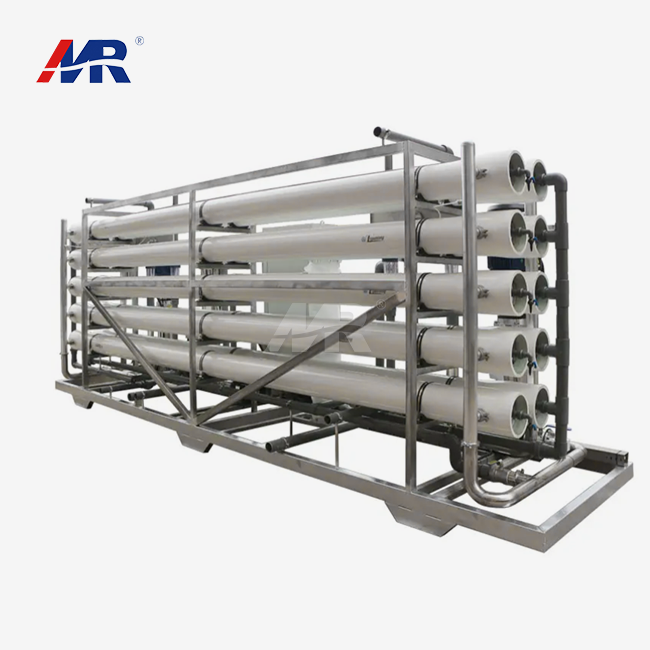 VIEW MOREbrackish water reverse osmosis systems
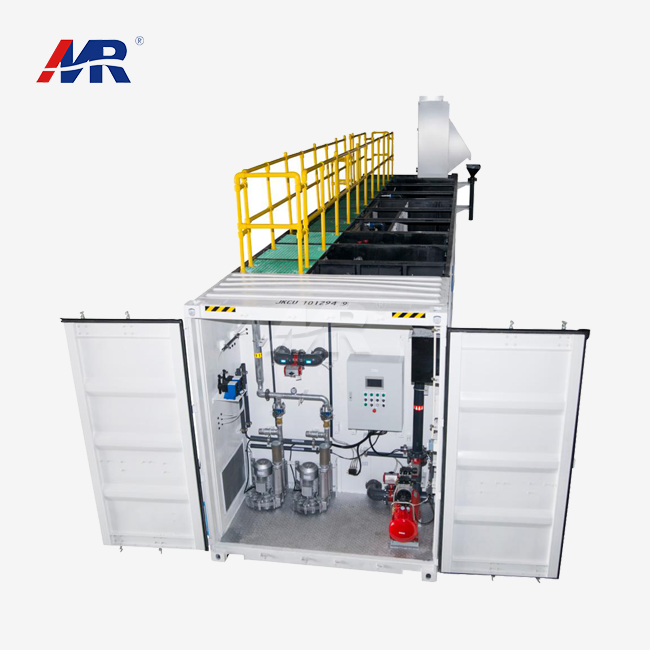 VIEW MOREhome sewage treatment plant
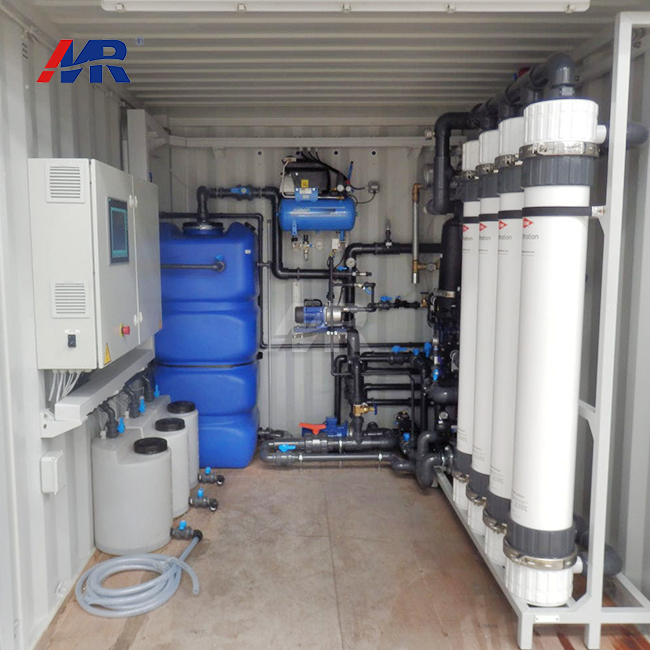 VIEW MOREcontainerized ultrafiltration equipment
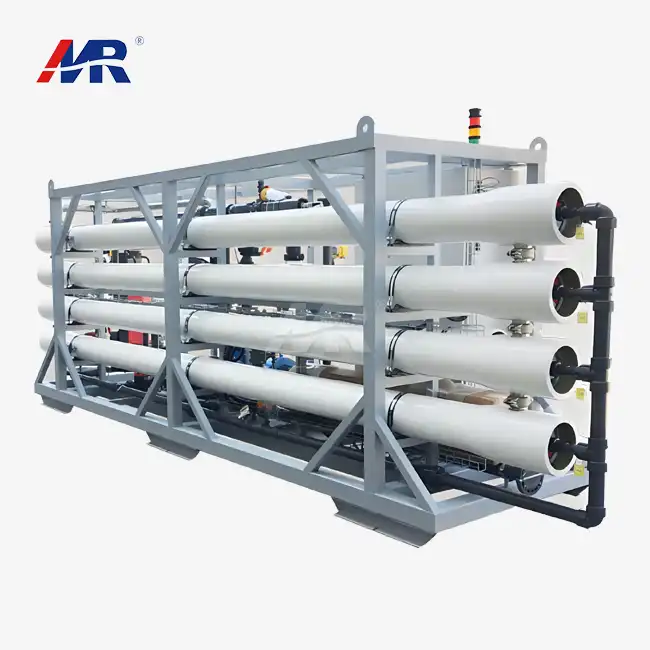 VIEW MORE12m3/hour seawater desalination equipment
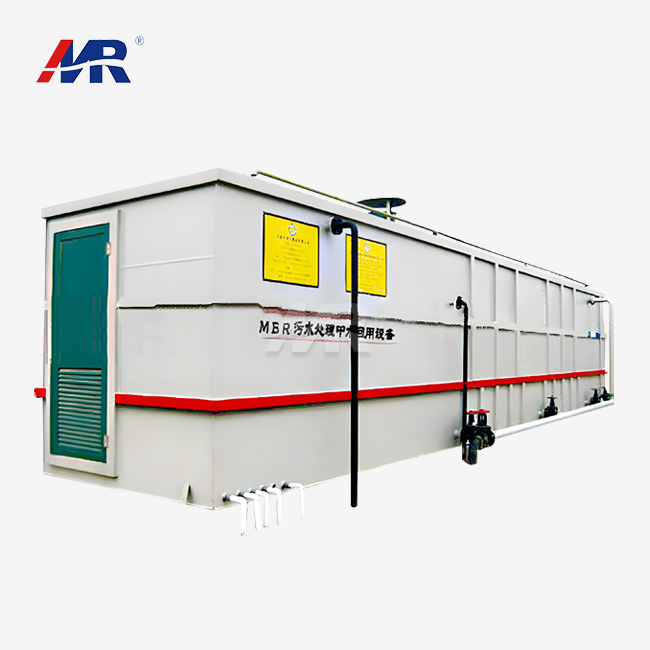 VIEW MOREsewage treatment plant MBR system
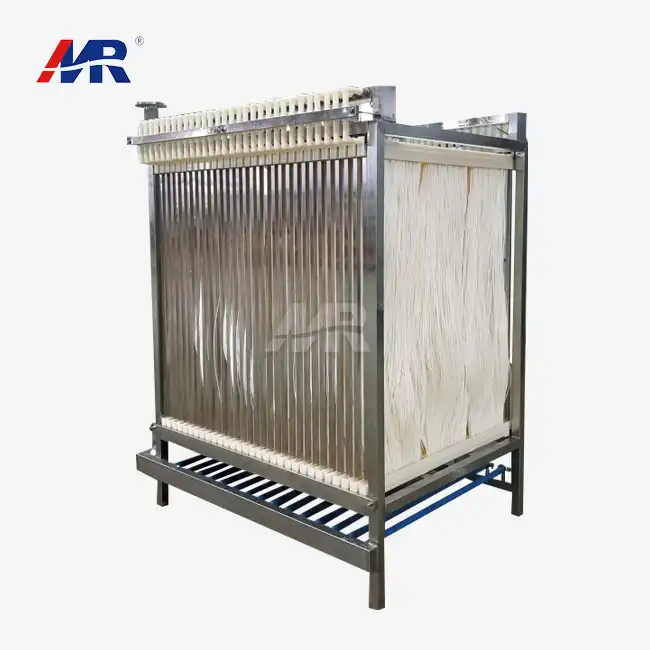 VIEW MOREmembrane mbr
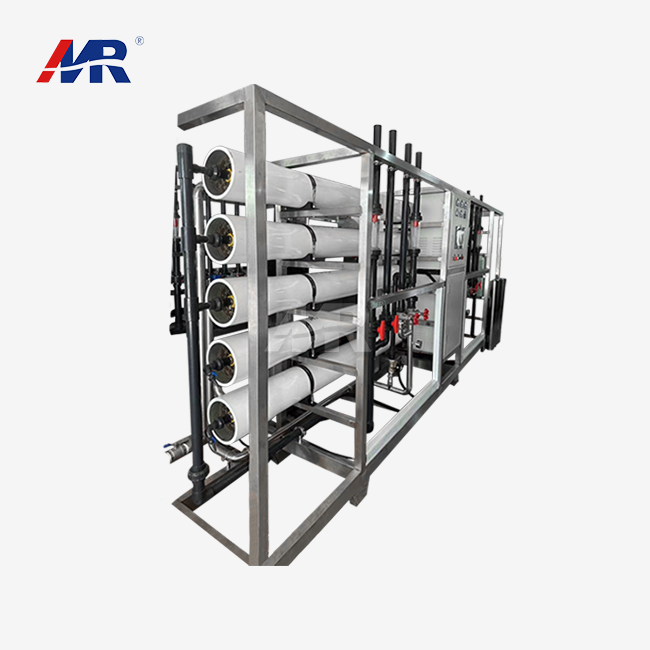 VIEW MOREhighest rated reverse osmosis system
 VIEW MORE8040 reverse osmosis membrane
