_1745823981883.webp)

UF ultrafiltration Supplier Guide for Large Projects
For big membrane filtration jobs, it takes more than just checking prices to find the right seller. When you buy UF ultrafiltration systems for treating industrial water, building up cities, or making medicines, the choice you make affects how well they work, how well they meet regulations, and how much money you make in the long run. This guide explains the basic science behind membrane-based separation, how to choose a seller, and how to make purchases that are safe and get you the best return on your investment. Whether you're a technical decision-maker at a power plant, a financial controller looking at treatment options for a beverage facility, or a plant manager looking for reliable water purification equipment, knowing how to choose a qualified supplier will keep your project from being held up or failing to perform as planned, which can cost a lot of money.
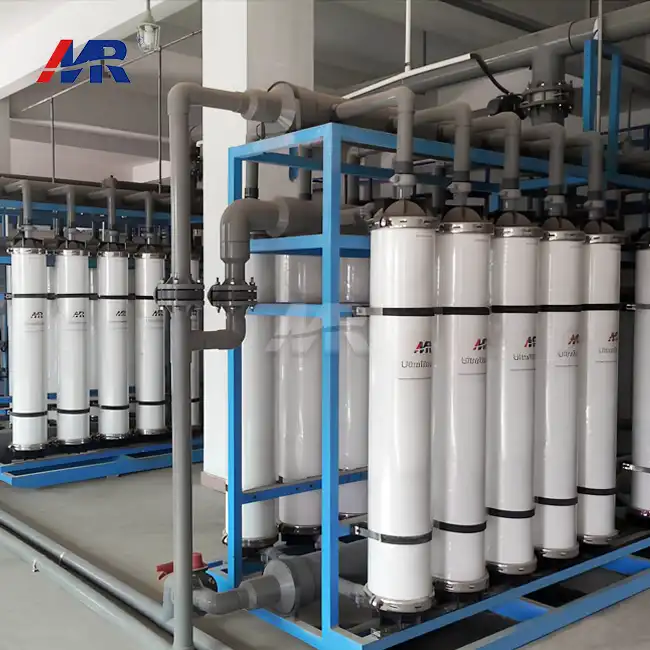
Understanding UF Ultrafiltration Technology and Its Applications
Technologies like membrane separation have changed how businesses clean water. Through semipermeable membranes with pores that range in size from 0.001 to 0.1 microns, UF ultrafiltration systems remove contaminants through processes that are driven by pressure. These membranes are different from other media filters because they have a physical barrier that keeps out bacteria, viruses, floating solids, and proteins while letting water and dissolved salts pass through.
How Membrane Filtration Differs from Conventional Treatment
Traditional sand and multimedia filters work by filtering water at a depth, which isn't always accurate when the quality of the feed water changes. No matter how the turbidity changes, membrane systems always work the same way. This technology is in the middle of microfiltration, which works with bigger particles, and nanofiltration, which works with molecules that are much smaller. Reverse osmosis gets rid of dissolved salts, but it needs higher working pressures and membrane replacements more often than ultrafiltration units.
Key Advantages for Industrial Operations
One of the biggest benefits is that it saves energy. Most systems work at 10 to 100 psi, which is a lot less than the 150 to 1,200 psi that reverse osmosis needs. This means less power use and lower costs to run the business. The small size makes installation possible in places with limited room. Automated backwashing processes keep flux rates steady without a lot of human work, which cuts down on the amount of work that needs to be done. The process is better for the environment because it reduces or eliminates the need for chemical coagulants and flocculants that are used in regular clearing.
Large-Scale Applications Across Industries
To meet drinking water standards, municipal water treatment plants use hollow fiber membrane modules, which get rid of pathogens at a level 4 to 6 (Log 4 to Log 6). Companies that make food and drinks use these systems to clarify juice, concentrate dairy proteins, and make bottled water, all of which require keeping the purity of the product. GMP standards must be met by pharmaceutical and biotechnology centers that use uniform permeate quality. When wastewater from factories is treated in a Membrane Bioreactor, the water can be used again in cooling towers and other process uses. To make electronics, you need to make ultrapure water. Ultrafiltration is used as a first step before ion exchange or reverse osmosis cleaning.
Comparing Ultrafiltration Solutions for Informed Procurement Decisions
Knowing the technical details of an item helps you match its skills to the needs of your project. The efficiency and total cost of ownership of a UF ultrafiltration system are directly affected by the membrane materials, module configurations, and operating factors.
Membrane Material Quality and Configuration Options
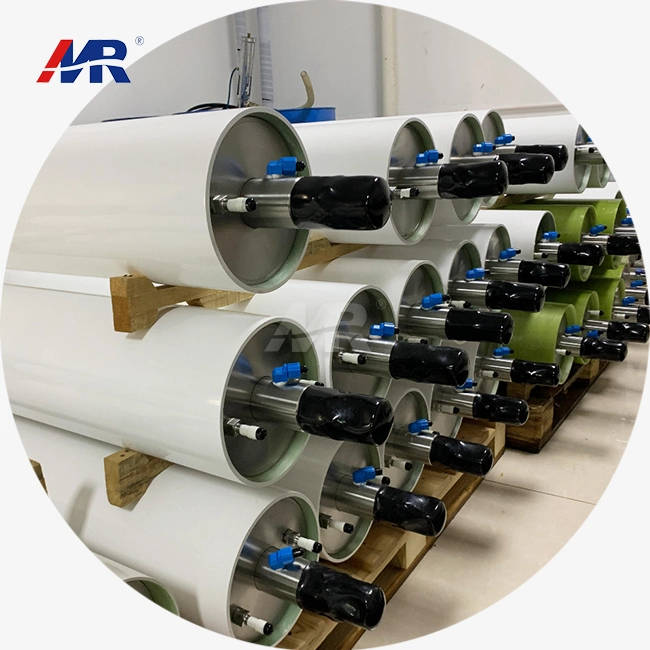
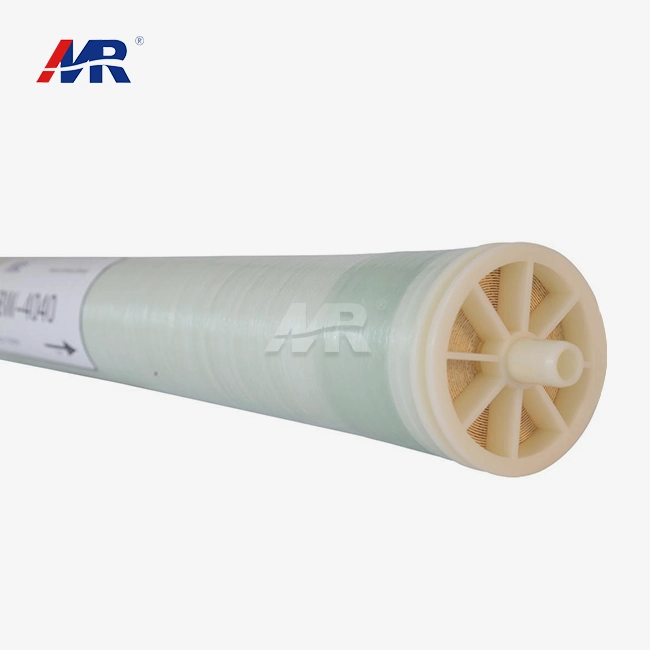
Polyvinylidene fluoride films are used a lot in industry because they are strong and don't react with chemicals. During cleaning processes, these polymeric materials can handle pH levels from 2 to 12 and are better able to fight oxidation from chlorine than polyethersulfone alternatives. There are different types of module layouts, such as hollow fiber, spiral wound, and cylindrical. Hollow fiber modules have a lot of surface area packed into small vessels, which makes them good for use in both public and private settings. The choice of inside-out or outside-in flow routes changes the ability to handle objects. Outside-in designs can handle higher loads of suspended solids because air scouring can clean the outside of the fibers well.
Critical Performance Parameters
Which chemicals the membrane doesn't accept are determined by molecular weight cut-off scores between 1,000 and 500,000 Daltons. Lower MWCO values make filtering tighter, but they might need higher transmembrane pressure. Productivity can be seen in flux rates, which are recorded in gallons per square foot per day. Temperature changes viscosity and flow. For example, cold water needs more pressure, while warm water makes the output better. The amount of silt in the feed water affects how fast fouling happens. Systems made for SDI values below 5 reduce the number of times the membrane needs to be cleaned and increase its usefulness.
Total Cost of Ownership Framework
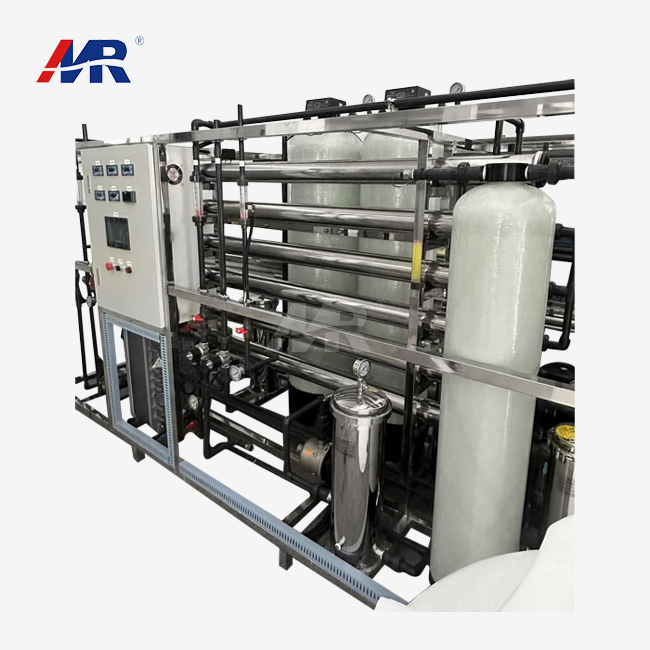
Membrane modules, pressure tanks, pumps, sensors, and controls are all part of the initial capital investment. Costs that keep coming up include labor, chemical cleaners, energy use, and membrane repair. These things are taken into account in a full TCO study over the expected system life. In city settings, high-quality PVDF membranes usually last 5 to 7 years. In harsh industrial settings, they only last 3 to 5 years. Budget shocks can be avoided by including replacement plans in financial models. The amount of energy used depends on the working pressure and the rate of fluid recovery. How often chemicals are cleaned depends on the features of the feed water and how well the preparation works.
Leading Ultrafiltration Membrane Suppliers and Brands for Large Projects
Choosing a UF ultrafiltration supplier is more than just picking a product. Your project's ability to stay on plan and on budget depends on its production capacity, Technical support infrastructure, and the dependability of its supply chain.
Global and Regional Supplier Landscape
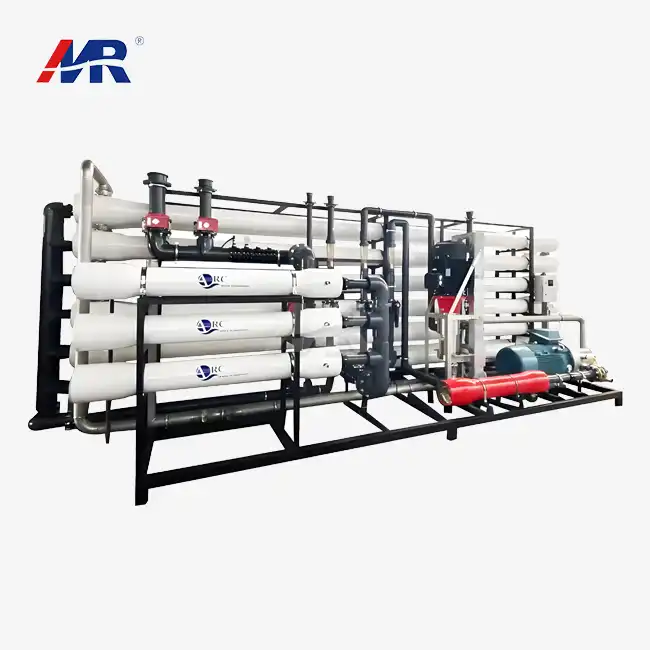
Well-known global companies have a lot of resources for research and development and a history of success in a wide range of uses. In cities, factories, and saltwater desalination projects around the world, their membrane systems have been put through a lot of tests. Regional providers often offer low prices and quick local support, which is especially helpful for installations that need to be done quickly or projects that need help on-site a lot. Integrated water treatment companies that make filters and whole system parts make buying easier by letting you deal with just one supplier.
Critical Evaluation Criteria
Certifications prove the quality of a product and the uniformity of its production. The NSF/ANSI 61 approval shows that the Products meet the safety standards for drinking water. Structured production rules are shown by ISO 9001 quality management systems. Quality assurance rules can be seen in the documents for membrane integrity testing, which include bubble point tests and pressure decay tests. The infrastructure for after-sales help is just as important as the quality of the goods. Suppliers should keep a stockpile of extra parts, train operating staff in technical matters, and respond quickly to problems with performance. Logistics for delivery affect project timelines; sellers with factories in more than one area can fill big orders without having to wait for longer lead times.
Real-World Performance Benchmarks
Case studies show how well systems work in real-world situations. In the southwest of the United States, a city's water treatment plant switched from regular media filters to hollow fiber ultrafiltration. This cut chemical costs by 60% while better removing pathogens. By choosing membranes that have been shown to be thermally stable, a pharmaceutical company was able to keep the quality of its USP-grade water uniform across all four seasons. These Cases show how important it is to match the skills of the supplier to the needs of the project, instead of just choosing the cheapest option.
Procurement Strategies for Ultrafiltration Systems in Large Projects
Structured buying methods keep your business safe from mismatched specifications, late deliveries, and costs you didn't expect. Clear contact with possible UF ultrafiltration suppliers sets reasonable goals and allows for accurate planning of the project.
Developing a Comprehensive Request for Quotations
In-depth RFQs should list the quality factors of the feed water, such as its turbidity, temperature range, pH, TSS, and microbial content. Make a list of the fluid quality, flow rates, and recovery rates that are needed. Include how much room is available, what utilities are available, and what the environment is like at the installation spot. Set clear standards for the warranty, the need for spare parts, and the amount of expert help. Ask for procedures for checking the integrity of the membrane and suggestions for cleaning chemicals. Clear specifications let providers suggest systems that are the right size and help find problems before the contract is signed.
Negotiation Tactics and Contract Strategies
Buying in bulk during different stages of a project can lower the cost per unit while still allowing for budget freedom. Set clear arrival dates and penalties for shipments that are late and cause building delays. If there are problems with the production of the membrane, the warranty should cover replacement, not just partial credits that leave you paying for most of the replacement costs. Include performance promises based on certain feed water conditions. This will protect against systems that are too small and cannot handle the design capacity. Suppliers are more likely to meet targets when their payments are tied to project milestones.
Pilot Testing and Supplier Collaboration
How membranes foul depends on the chemistry of the water. Before committing to a full-scale purchase, pilot testing with real feed water shows how often to clean, what chemicals are needed, and how fast the flow really is. Suppliers with a good reputation offer test units and professional help to improve the design of the system. Together, they're figuring out what kind of preparation is needed to protect membrane assets. Installation help, training for operators, and help with starting up make sure that systems work as designed from the start. Suppliers who take part in contracting show that they care about the success of the project in more ways than just delivering tools.
Ensuring Long-Term Success With Ultrafiltration Technology
The longevity of a UF ultrafiltration system relies on how well it is maintained and how up-to-date it is with changes in the business. Your investment is safe if you plan for practical difficulties and new technologies.
Preventive Maintenance Strategies
Backwashing with hydraulics changes the flow direction to remove solids that have built up on membrane surfaces. Depending on how cloudy the feed water is, the frequency is usually between 15 and 60 minutes. Every 24 to 48 hours, chemically enhanced backwash processes use citric acid to get rid of metal scale and sodium hypochlorite to kill bacteria. Clean-in-Place methods get rid of fouling that can't be fixed by backwashing. By following changes in transmembrane pressure, you can tell when cleaning is needed before the flow gets really bad. Testing for membrane stability finds fiber breaks that let bacteria through, and bubble point tests and particle counts make sure the barrier works.
Common Operational Challenges
When organic matter, colloidal silica, or biological growth clogs the membrane, it lowers output and uses more energy. Foulants are removed before they reach membranes by effective preparation, such as coagulation or activated carbon. Damage is done by abrasive particles, but strands are protected from loss by upstream screening. Too much chlorine breaks down polymeric materials; dechlorination may be needed to treat water that has a lot of chlorine in it. Changes in temperature have an effect on viscosity and flow rates. To keep capacity during cold-weather operation, systems must be built with temperature adjustment factors.
Emerging Trends and Future-Proofing Investments
New membrane materials that are better at resisting fouling cut down on how often they need to be cleaned and how much fluid is used. Changes to the surface make hydrophilic layers that make it harder for organic matter to stick to the surface. Predictive maintenance is possible with automation and remote tracking. Sensors measure pressure, flow, and water quality in real time, letting workers know about problems before they cause shutdowns. Sustainability rules encourage the use of membrane technology as an alternative to traditional cleaning methods that use a lot of chemicals. Low-pressure membrane materials and energy return devices make carbon emissions even smaller. By working with suppliers to stay up to date on these changes, you can put your business in a position to gain from technological advances.
Conclusion
When choosing a provider for large-scale ultrafiltration projects, you need to think about their technical skills, their pricing, and their long-term support system. In urban, industrial, and business settings, membrane technology reliably gets rid of pathogens, maintains water quality, and makes operations more efficient. A thorough evaluation of suppliers based on their certifications, output capacity, and success in the field lowers the project's risks. Your investment is safe with structured procurement methods that include clear contracts, thorough specs, and pilot testing. Systems meet operational goals throughout their service life, providing clean water where it's needed most, thanks to proactive maintenance plans and a knowledge of technology trends.
FAQ
1. How are inside-out and outside-in membrane designs different in terms of how they work?
Inside-out filtration moves water through the fiber canal, which has great hydrodynamics but can't handle a lot of solids in the water. When set up outside-in, water is fed to the shell side, which can handle higher solids loads well. Outside-in designs are great for wastewater uses and Membrane Bioreactor setups, where organic content can be hard on membrane surfaces because they clean the outside of the fibers.
2. How do changes in temperature affect how well a machine works?
As the temperature rises, the viscosity of water drops, which makes the flow rates higher. A rise of 10°C in temperature can make people 25% more productive. When systems are designed, they need to include temperature adjustment factors to make sure they have enough capacity for winter use, when the thickness of cold water requires more pressure. To keep from breaking down, membrane materials must stay solid over the expected temperature range.
3. Can ultrafiltration membranes remove dissolved salts or reduce Total Dissolved Solids?
Ions that are 0.0003 to 0.0006 microns in size are too big for membrane pores that are about 0.01 microns in size to block. Ultrafiltration gets rid of particles, colloids, bacteria, and large molecules, but it lets salts that have been dissolved through. Nanofiltration or reverse osmosis is needed downstream for applications that need to lower the TDS. This makes ultrafiltration a great step before treatment that keeps salt-rejecting membranes from getting clogged.
4. What factors shorten membrane lifespan?
Erosion is caused by mechanical action between abrasive particles. Too much free chlorine breaks down polymer chains, which weakens the structure of fibers. Forces that rise quickly during water hammer events can damage fibers. If you don't clean well enough, fouling can happen and forever lower the flow. In urban settings, membranes can last up to five to seven years with the right pretreatment, controlled chemical exposure, and regular upkeep.
Partner With Morui for Your Large-Scale Ultrafiltration Projects
Guangdong Morui Environmental Technology delivers comprehensive UF ultrafiltration water treatment solutions backed by in-house membrane manufacturing and a network of over 14 branches across key industrial regions. Our Team of 20 experienced engineers supports projects from initial feasibility studies through installation, commissioning, and ongoing optimization. We manufacture high-performance ultrafiltration membranes in our dedicated production facility, ensuring quality control and supply reliability for demanding industrial, municipal, and commercial applications. As an authorized supplier of premium components, including Shimge pumps, Runxin valves, and Createc instruments, we integrate proven technologies into turnkey systems tailored to your specifications. Contact our technical team at benson@guangdongmorui.com to discuss your project requirements and receive detailed proposals from a trusted ultrafiltration supplier committed to your operational success.
References
1. American Water Works Association. (2021). Membrane Filtration Guidance Manual. Denver: AWWA Publications.
2. Singh, R. (2020). Membrane Technology and Engineering for Water Purification: Application, Systems Design and Operation. Oxford: Butterworth-Heinemann.
3. Judd, S., & Judd, C. (2019). The MBR Book: Principles and Applications of Membrane Bioreactors for Water and Wastewater Treatment. Oxford: Elsevier Science.
4. Water Environment Federation. (2022). Industrial Wastewater Treatment: Advanced Membrane Processes. Alexandria: WEF Press.
5. Crittenden, J.C., Trussell, R.R., Hand, D.W., Howe, K.J., & Tchobanoglous, G. (2020). MWH's Water Treatment: Principles and Design. Hoboken: John Wiley & Sons.
6. National Research Council. (2019). Review of the Desalination and Water Purification Technology Roadmap. Washington: National Academies Press.