

_1745823981883.webp)

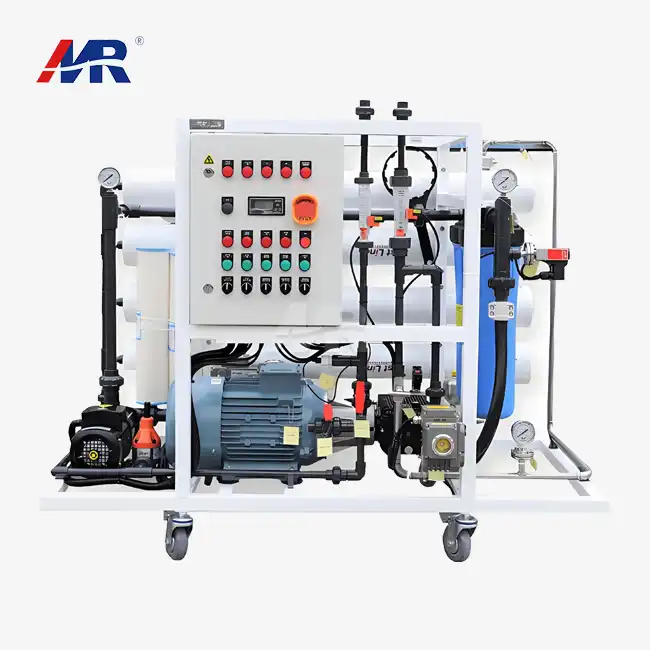
Ultrafiltration water system for the Food and Beverage Industry
The quality of the water has a direct effect on the taste, safety, and shelf life of all food and drinks. In order to remove bacteria, viruses, and dissolved solids from water without removing any beneficial minerals, an ultrafiltration water system uses screens. Because of this, people who need to follow strict cleanliness rules must have it. Microbiologically safe water is made with this technology, which is a mix of standard filtration and reverse osmosis. The natural qualities that make drinks and meals special are kept. We will look at how an ultrafiltration water system can help solve important production issues and keep things running easily and cheaply in this guide.
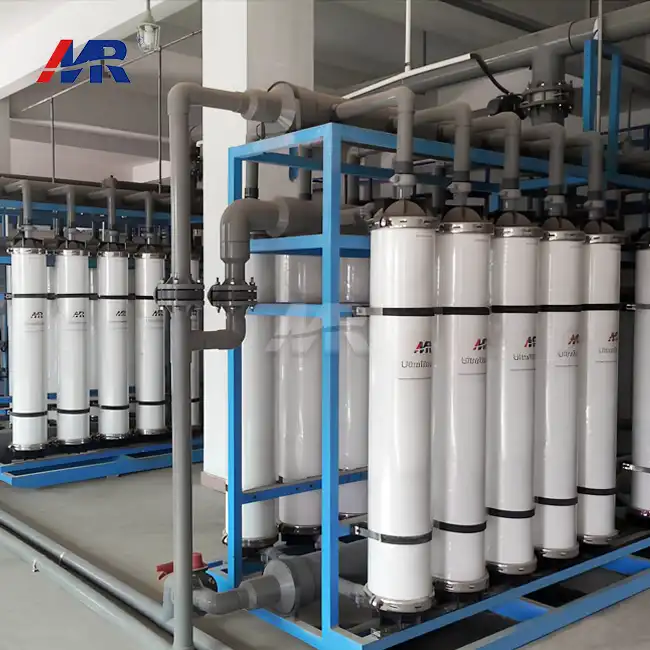
Understanding Ultrafiltration Water Systems in the Food and Beverage Industry
How Membrane Technology Works
For ultrafiltration, hollow fiber membranes are used. These membranes are only partly clear and have holes that are between 0.01 and 0.1 microns across. When the pressure on these membranes is low, normally between 0.1 and 0.3 MPa, water can pass through them, but things that are bigger than the pores get stuck. This separation by pressure gets rid of germs and large molecules without changing the minerals in the water. This is very helpful when making drinks where the taste needs to stay the same.
Distinct Advantages Over Other Filtration Methods
Ultrafiltration is better at separating things than microfiltration. It can get rid of viruses and endotoxins. Only 0.1 to 0.3 kWh per cubic meter is used for ultrafiltration, which keeps the minerals in their natural balance. Reverse osmosis, on the other hand, uses higher pressures to get rid of minerals that have been dissolved. Nanofiltration is in the middle of these two technologies. However, it makes things more difficult when minerals need to be kept. Microbes are not killed by activated carbon screens, but chemicals are. Ultrafiltration, on the other hand, gets rid of all germs. For bacteria, it can do up to 6 log reduction, and for viruses, it can do up to 4 log reduction.
Key Components and Operating Parameters
Modern methods remove silt and large fragments using pre-treatment instruments. This prevents downstream membranes from clogging. In ultrafiltration, polyethersulfone or polyvinylidene fluoride membranes are utilised. Chemicals between 2 and 11 pH can't flow through these membranes. To remove solids, automatic backwashing machines alter the flow direction periodically. Chemically upgraded backwash procedures restore flow rates. UV cleaning or finishing may be required following treatment, depending on the product. Clean water is supplied to production or storage networks.
This is why membrane filter systems function best in industries with often-changing water. Flexible architecture lets facilities produce 1,000 to 100,000 cubic meters per day. This lets them expand without updating the system.
Comparison and Selection Criteria for Ultrafiltration Systems in Food & Beverage
Performance Benchmarks Across Technologies
It takes a lot more energy and minerals that are good for you, but reverse osmosis is better at getting rid of solids that mix with water. Nanofiltration can specifically get rid of ions, but it makes things harder to do. Sand and multimedia filters can get rid of a lot of solids, but they can't be sure they'll get rid of germs as well. An ultrafiltration water system is the best method because it protects against bacteria without using too many minerals or energy.
The removal rate is the most important thing to look at when judging how well screening works. Standards say that water can be used for food if it gets rid of more than 99.9% of germs and particles. Flow rates are recorded in liters per square meter per hour. Low-pressure ultrafiltration water systems are cheaper than high-pressure reverse osmosis systems because they use less energy, which directly affects running costs.
Critical Decision Factors for Procurement
System size and configuration depend on flow rate. Drink canning lines that process thousands of litres per hour must be robust. However, speciality food manufacturers may employ smaller batches. Membrane lifespan influences long-term cost. They can be cleaned several times and don't break down when exposed to chemicals, so they can last three to five years properly cared for.
Premium approaches are easier to maintain. Automation reduces labour expenses and errors by reducing effort. Small designs conserve floor space in full factories, while a flexible structure enables organisations to develop by steadily increasing space.
Product standards for food usage must be satisfied. Systems must be NSF/ANSI 53-approved and follow local laws. Consider how much support, replacement parts, and warranty they provide when picking a supplier. Pentair, GE, Dow, Toray, and SUEZ have built their reputations on innovation and quality. Local water treatment experts like Guangdong Morui Environmental Technology Co., Ltd. manufacture filters and tools. They provide entire solutions from planning to commissioning.
Maintenance and Lifespan of Ultrafiltration Membranes in Food & Beverage Plants
Expected Service Life and Performance Indicators
When used properly in the food business and after the right pre-treatment, ultrafiltration screens will last for three to five years. Service life is based on how well it is kept, how long it is used, and how good the feed water is. Transmembrane pressure, permeate flow rate, and measures of water quality are some of the most important signs of success. When transmembrane pressure goes up, the membrane gets clogged and needs to be cleaned. When flux rates go down, the separation doesn't work as well.
Routine Maintenance Protocols
Pressure variations and flow rates must be monitored constantly to detect fouling. Backwashing machines always remove raised solids every 30–60 minutes. Weekly chemically enhanced backwashes remove organic debris and mineral layers with alkaline or acidic solutions. The monthly clean-in-place operation pumps cleaning solutions through the system to improve performance.
Food safety follows cleaning regulations for an ultrafiltration water system. Regular hot water or steam cleaning prevents microbial growth. This cleans the system between output rounds. To solve frequent difficulties like persistent fouling or a decline in flow, you must investigate the feed water, cleaning, and membrane strength.
Cost-Effective Replacement Strategies
The amount of downtime can be cut down by having a smart stock of extra membranes and making plans for when to replace them. If you buy membranes from the company that made them or an approved dealer, you know that the parts are original and up to code. Getting a lot of new units at once can often get you better deals, which lowers your long-term costs. Switching membranes is easy when you work with companies that offer installation and testing services. This is because the system will still work as it should.
Industrial Applications and Case Studies of Ultrafiltration in Food & Beverage
Diverse Production Applications
Filtration plants that bottle water use ultrafiltration to get rid of dirt and germs from the water before it is cleaned or packaged. The technology clears up the dust enough for people to see, but it still keeps germs safe. When dairy plants use membrane filters to make milk more consistent and concentrate whey protein, it's important to keep the protein's value while it's being separated. People who make juice use ultrafiltration to clear the juice without using heat. Heat would ruin the vitamins and tastes, but this saves them.
One way that ultrafiltration helps the environment is by cleaning rainwater so that it can be used again. Biological treatment and ultrafiltration are both parts of membrane bioreactor systems that make wastewater that can be used for things other than drinking, like washing machines or watering plants. The amount of freshwater used and trash dumped is cut down by this closed-loop method. This is good for the environment and saves money on energy bills.
Real-World Performance Examples
Bottled water is ultrafiltered by a local firm. This extended ro membrane life from 18 to 36 months and reduced fouling by 60%. It filtered multimedia using 40% less power than conventional systems and achieved SDI values below 3, meeting tight pre-treatment norms.
A medium-sized brewery began employing membrane filters to purify tap water for business. The approach kept chemical profiles constant regardless of season or source water quality. This prevented batch-to-batch flavour differences. Cryptosporidium and Giardia were permanently eliminated by microbial tests. This reduced the risk of illness without introducing chlorine, which would ruin the food.
Ultrafiltration recovered valuable proteins from whey and reduced wastewater organic matter by 75% for an industrial dairy manufacturer. Concentrated protein streams earned more money, and cleansed water was reused. This benefited the business and the environment. This shows that membrane technology can be easily added to existing systems to make goods always the same, raise prices, and make sure that water quality is better. When you save water, use fewer chemicals, and get better crop returns, you usually get your money back in 18 to 30 months.
Procurement Guide: Buying Ultrafiltration Systems for the Food & Beverage Industry
Investment and Operating Cost Analysis
It costs a lot of money to set up ultrafiltration units on an industrial scale. For small makers, small investments are needed for small installations. For big companies with a lot of capacity, large investments are needed for large installations. Prices vary depending on the type of membrane used, how much technology there is, how well the brand is positioned, and how much the system can handle in cubic meters per day. More chemical resistance makes polyethersulfone membranes more expensive. On the other hand, better mechanical strength makes polyvinylidene fluoride membranes less expensive.
Some of the things that go into operating prices for an ultrafiltration water system are staff, cleaning supplies, energy use, and new membranes. These systems only use 0.1 to 0.3 kWh per cubic meter, which is much less than reverse osmosis systems that need two to four times as much power. This means that energy costs are more manageable. Chemical costs depend on what kind of water is used and how often it needs to be cleaned. Most of the time, they make up 5–10% of all costs. Because membranes usually last between three and five years, it's easy to plan ahead for this big product.
Evaluating Suppliers and Equipment
Trusted multinational food-grade tool firms make compliance feasible. Pentair has extensive food and drink expertise and several water-cleaning methods. GE Water & Process Technologies has global service networks and has improved membranes for decades. Many equipment integrators employ Dow Chemical's high-performance membranes. Toray Industries sells effective hollow fibre membranes. In addition to providing complete solutions, SUEZ Water Technologies & Solutions knows how to apply them.
Legitimate, legal, and NSF/ANSI-certified solutions don't alarm regulators. The best firms provide complete support after the sale. Support from technical experts, spare parts, and fast servicing helps manufacturing run smoothly. Installation services ensure the machinery is properly set up and workers are educated. Warranties prevent early capital acquisition failure.
Food and drink firms may benefit from Guangdong Morui Environmental Technology Co., Ltd. employees. The firm has membrane and tool manufacturing. They provide initial advice and continuous water maintenance. Over 500 individuals work at Morui's 14 regional offices, including 20 professional engineers. They know their Products well. Strategic agreements with Shimge Water Pumps, Runxin Valves, and Createc Instruments make system integration easy. This all-around method simplifies purchases and ensures system compatibility.
Risk Mitigation in Procurement Decisions
Instead of picking systems that are too big and waste time and money, tech should be picked based on what the business needs. Pilot testing with a normal feed water proves what was thought about the system's performance and finds any possible problems with how it works before it is fully put into use. You can learn a lot about how stable and well-supported something is in the real world by looking at how it is set up in similar programs.
When you sign a contract, it should be clear what you plan to do, when you need to pay, and what the standards are for acceptance. Staged payments based on project goals keep the supplier's cash flow steady and protect the buyer's interests. Procedures for performance testing set concrete standards for what is acceptable. As part of these guidelines, the water quality, flow rate, and energy use are generally checked.
Conclusion
Ultrafiltration technology gives modern food and drink companies the best of all worlds when it comes to microbiological safety, speed of operation, and product quality. By getting rid of bacteria while keeping helpful minerals, these systems help keep production fixed without using too much energy or chemicals. When makers choose sources carefully, taking into account how much power they need, how long the membranes need to last, and how well they work with sources, they can meet current standards and plan for future growth. Since it works well and can be changed easily, membrane filtration is an important part of current water treatment systems. It has worked well for bottling, cheese, brewing, and making juice.
FAQ
1. What distinguishes ultrafiltration from reverse osmosis in food processing?
Less pressure is used for ultrafiltration, which saves the good minerals but gets rid of the bad bacteria and viruses. The natural traits of the water make the product better, so this is the best way to use it. It takes a lot more energy, but reverse osmosis is good when you need demineralized water because it gets rid of minerals that are dissolved in water.
2. How often should membranes be replaced?
If you clean and take care of your ultrafiltration membranes the right way, they should last between three and five years. You can tell when performance is going down by regularly checking transmembrane pressure and flux rates. This way, you can replace it when it's scheduled for repair, instead of having to shut down in an emergency.
3. Can ultrafiltration treat wastewater for reuse?
The membrane technology cleans wastewater from food preparation well when it is mixed with biological treatment in membrane bioreactor designs. With this mix, sewage is made that can be used again for things other than drinking. This cuts down on the use and release of freshwater while still meeting sustainability goals.
Partner with a Trusted Ultrafiltration Water System Manufacturer
Food and drink companies that need ultrafiltration water systems that work and follow the rules can get all the water treatment services they need from Guangdong Morui Environmental Technology Co., Ltd. As part of our fully integrated business, we have plants that make tools and plants that make membranes. At every step of the supply line, this makes sure that quality control takes place. Our systems are very adaptable and can handle between 1,000 and 100,000 cubic meters of material per day. This means that they are easy to change to fit your production needs. We help customers all over the country with 20 skilled workers and 14 area branches who can do full installation and testing. Send an email to benson@guangdongmorui.com to talk to Our Team about your specific application needs and get full technical quotes. Learn more about how our approved membrane filter systems can help you save money and make your water better.
References
1. World Health Organization. (2017). Guidelines for Drinking-Water Quality: Fourth Edition, Incorporating the First Addendum. Geneva: WHO Press.
2. American Water Works Association. (2019). Microfiltration and Ultrafiltration Membranes for Drinking Water. Manual of Water Supply Practices M53. Denver: AWWA.
3. Singh, R. (2015). Membrane Technology and Engineering for Water Purification: Application, Systems Design and Operation. Oxford: Butterworth-Heinemann.
4. Cheryan, M. (1998). Ultrafiltration and Microfiltration Handbook. Lancaster: Technomic Publishing Company.
5. National Sanitation Foundation International. (2020). NSF/ANSI Standard 61: Drinking Water System Components - Health Effects. Ann Arbor: NSF International.
6. Li, N.N., Fane, A.G., Ho, W.S., & Matsuura, T. (2008). Advanced Membrane Technology and Applications. Hoboken: John Wiley & Sons.
 VIEW MOREindustrial ultrafiltration systems
 VIEW MOREnew ro system
 VIEW MOREcontainer reverse osmosis equipment
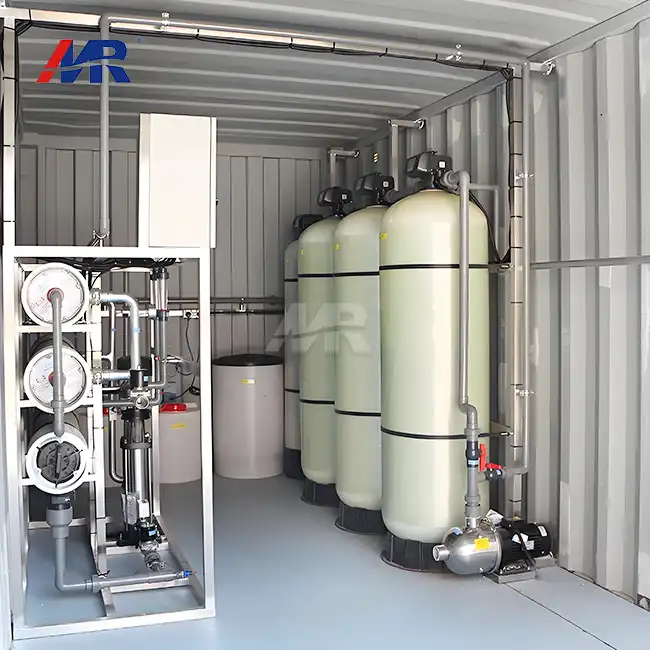 VIEW MOREcontainer type 3m3/hour RO equipment
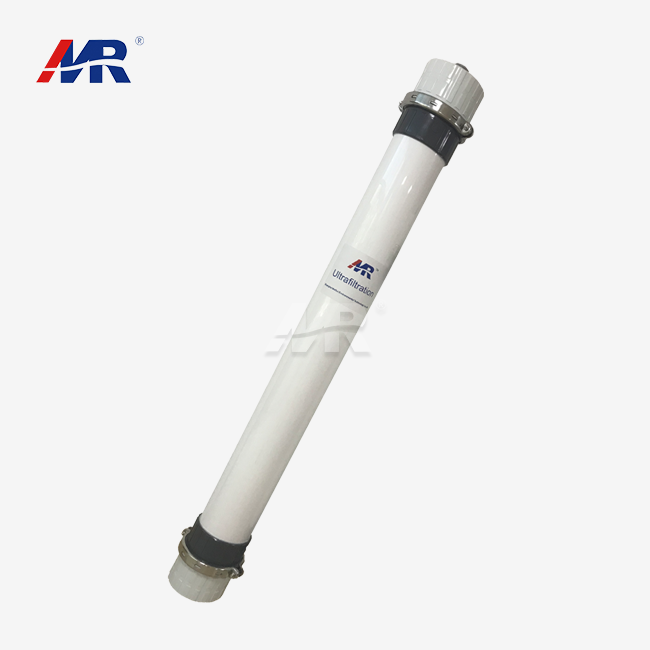 VIEW MOREultrafiltration membrane for wastewater treatment
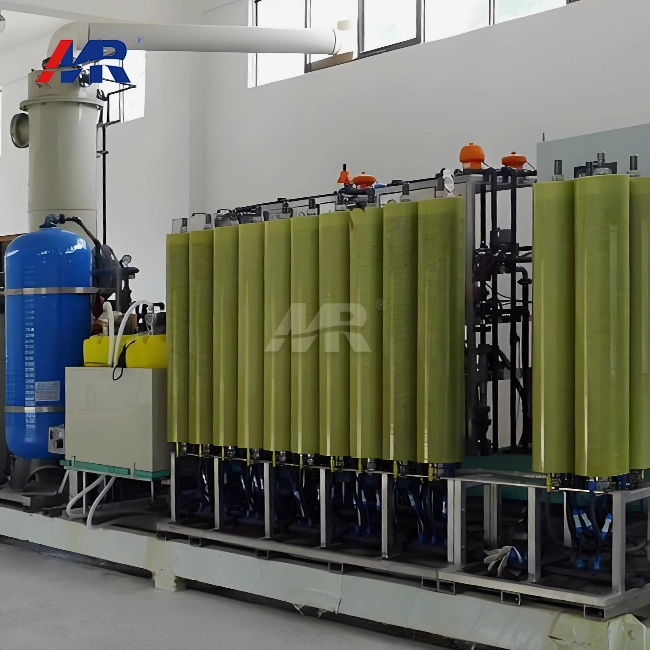 VIEW MOREDTRO membrane
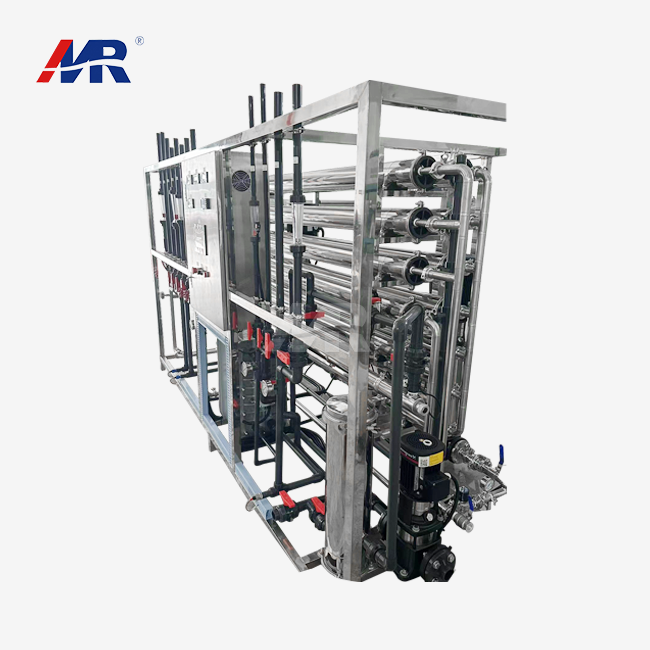 VIEW MOREedi water plant
 VIEW MORE2m3/hour seawater desalination equipment
