_1745823981883.webp)

Why Use an Electrodeionization Module in RO-EDI Systems?
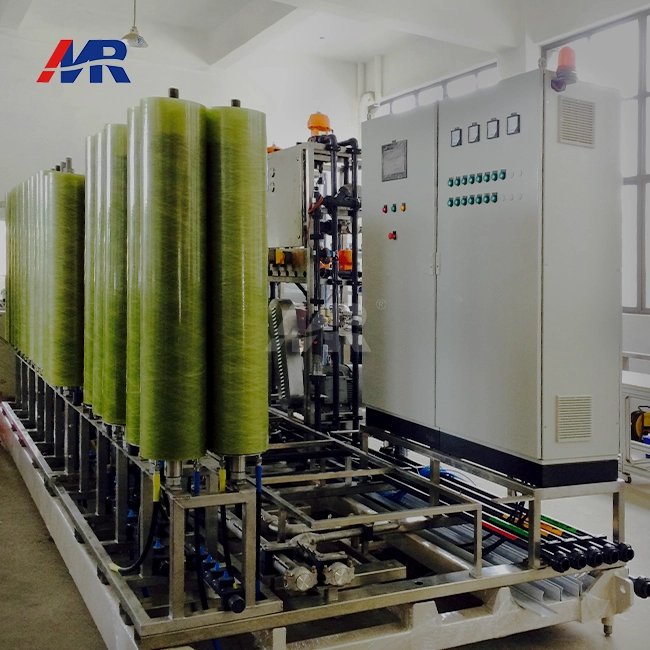
When we talk about making ultrapure water, the electrodeionization module is a huge step forward in treating industrial water. This technique uses ion exchange resins, specific membranes, and a direct current electrical field to remove ionized contaminants over and over again without using harsh chemicals. EDI units offer consistent, high-purity water without the need for operating downtime or dangerous chemical handling, unlike standard mixed-bed deionization that needs acid and alkali regeneration. Because of this, they are necessary in industries like power generation, making drugs, making semiconductors, and others, where the quality of the water directly affects the purity of the product and the speed of the process.
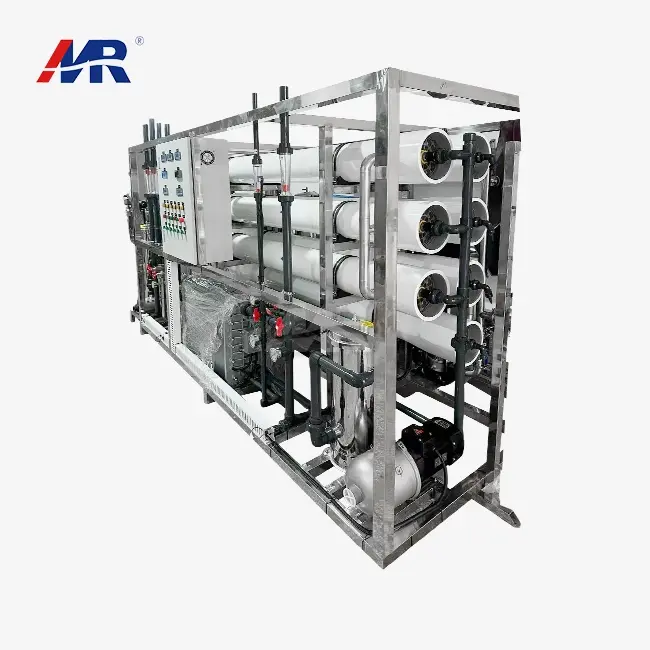
Understanding Electrodeionization Modules in Water Treatment
The Core Operating Principle Behind EDI Technology
Three main parts make up an electrodeionization module: ion exchange resins pressed between ion-selective membranes in dilute and concentrate tanks. All are DC-connected. As feed water passes through the dilute chambers, an electric field moves cations and anions toward the cathode and anode. These ions enter the concentrate stream via their membranes. Resins bind them. The resins regenerate themselves in real time when the electrical current splits water molecules into hydrogen and hydroxyl ions. This self-sustaining recycling eliminates chemical backwashing. This enables continuous ultrapure water production with 18.2 MΩ·cm resistance.
It's nice that this procedure uses no chemicals. Regular regeneration of traditional ion exchange systems with sulphuric acid and caustic soda produces toxic waste streams and inhibits production for extended durations. EDI technology eliminates these issues, providing power plants, electronics industries, and pharmaceutical facilities with cleaner, more dependable water.
Environmental and Economic Advantages
Working with manufacturing clients in a wide range of industries has shown us that there are strong economic benefits. In the polishing stage, edi systems usually use no chemicals at all, which lowers the yearly running costs by 30 to 45 percent compared to regular mixed-bed systems. The compact modular form takes up 60–80% less floor space, which is a huge benefit for buildings that can't grow or have limited space.
In addition to saving money, it becomes a lot easier to follow environmental rules. If you don't use chemical regeneration, you won't need to neutralize acids or caustics, get permits for toxic trash, or be as responsible for accidents. As regulators become stricter on chemical discharge and environmental practices, pharmaceutical and food industry businesses value this benefit the most.
Primary Industrial Applications Driving EDI Adoption
In many high-stakes situations, EDI modules are the last and most important step in the process. They make Purified Water and Water for Injection that meet USP and EP pharmacopeia standards for pharmaceutical production. Often, they work in hot-water sanitizable setups to keep microbes from getting into the water. Semiconductor factories depend on EDI systems to keep the quality of the ultrapure water stable, even when the feed conditions change. This keeps sensitive chip processing safe from ionic contamination that could ruin yields.
Power plants use EDI technology to clean the high-pressure water that goes into boilers. The very low amounts of silica and salt in the water keep turbines from rusting and extend the life of the equipment. Because of how hard these uses are, more and more businesses that can't stand changes in water quality choose EDI as their best option.
Comparing Electrodeionization Modules to Other Water Purification Technologies
How RO and EDI Work in Synergy
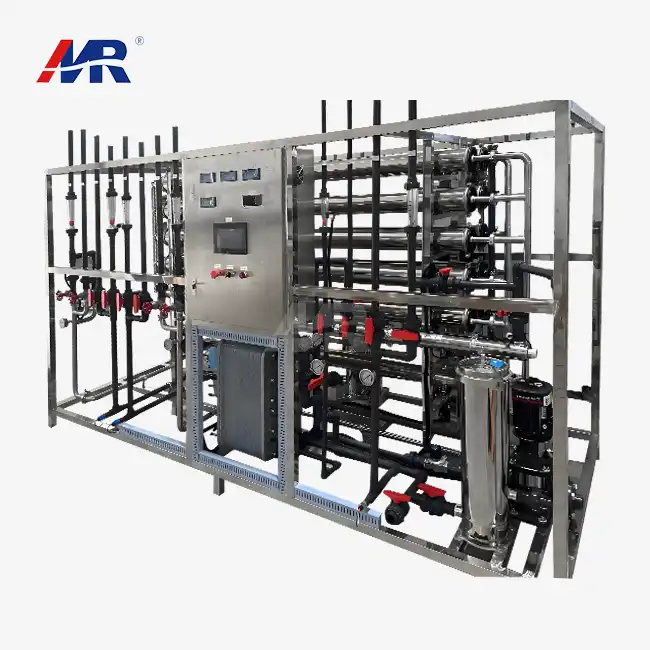
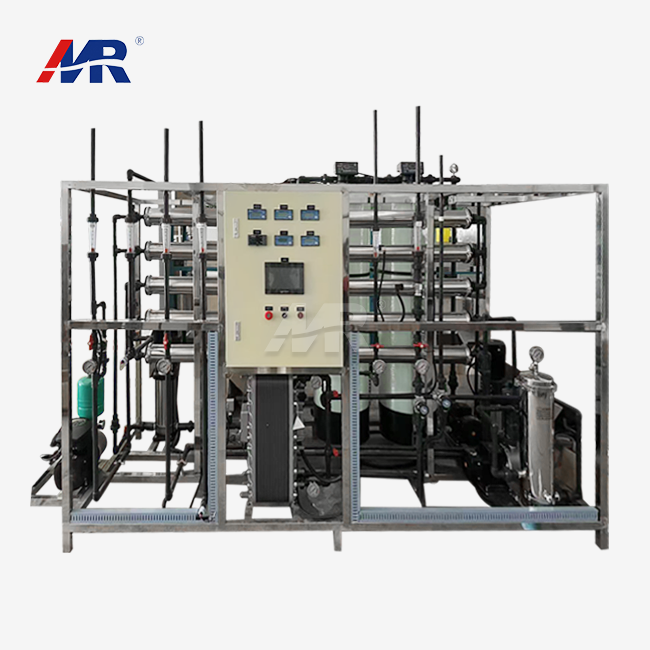
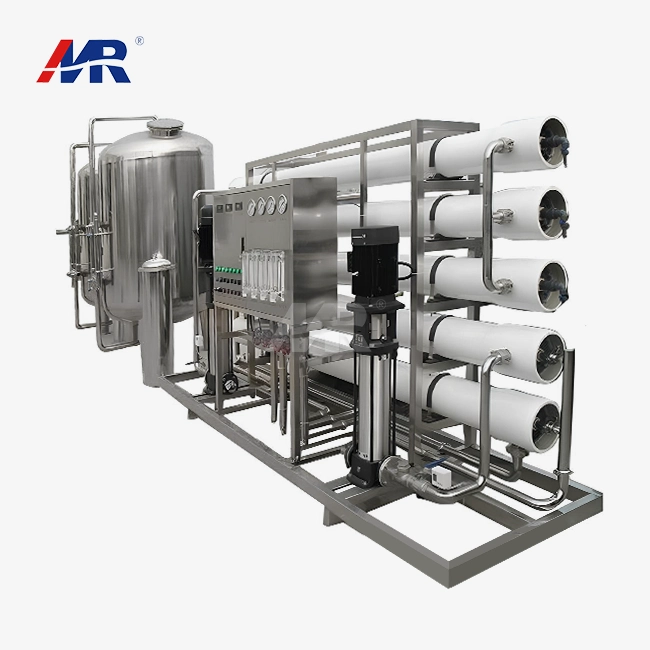
Before water goes into the electrodeionization module, reverse osmosis usually gets rid of 95–98% of the total dissolved solids. This is an important step in EDI systems. This partnership works really well because RO gets rid of most of the impurities with very little energy use, and EDI does the final cleaning to meet ultrapure standards. The water that goes into EDI modules should usually have a conductivity of less than 40 μS/cm and a hardness of less than 1 ppm as calcium carbonate to keep the modules from scaling and make them last as long as possible.
We suggest this step-by-step method because using RO alone to try to reach 18.2 MΩ·cm resistance would need too many membrane steps and use too much energy. On the other hand, skipping the RO preparation would overload the EDI module, which would lead to early fouling and a shorter service life. The RO-EDI combination gives the best performance and value, which is why it is the most common way for businesses to build ultrapure water systems.
EDI Versus Traditional Ion Exchange Systems
Depending on the amount of water they process and the quality of the feed water, traditional mixed-bed deionizers need to be taken offline and regenerated every 6 to 48 hours. To keep production going, this repetitive process needs chemical storage tanks, renewal skids, neutralization systems, and backup vessels. During regeneration, facilities use about 2 to 4 pounds of acid and caustic per cubic foot of resin. This creates a lot of toxic trash that needs to be treated and thrown away.
These problems are completely taken care of by continuous electrolytic recycling within EDI modules. Modules run 24 hours a day, seven days a week, without any service breaks, chemical deliveries, or trash removal. At first glance, capital costs may seem higher, but lifecycle analysis regularly shows a 40–60% cheaper total cost of ownership when chemical costs, labor, garbage disposal, and avoided downtime are taken into account.
Long-Term Investment and ROI Considerations
When we talk to procurement managers about upgrading water treatment, the topic of return on investment comes up easily. With the right preparation, high-quality EDI modules can work reliably for 5 to 10 years. Traditional mixed beds, on the other hand, need new resin every 3 to 5 years and have ongoing chemical costs. When making ultrapure water with EDI technology instead of multiple RO passes or mixed-bed systems, 30 to 40 percent less energy is used per cubic meter.
Water recovery rates between 85 and 95% improve costs even more by lowering the amount of feed water needed and the amount of waste that needs to be thrown away. These factors work together to give payback periods of 18 to 36 months for most industry uses. This makes adopting EDI a financially smart choice in addition to its operational and environmental benefits.
Maintenance, Troubleshooting, and Longevity of Electrodeionization Modules
Routine Monitoring Parameters
Several key performance factors must be closely watched in order to keep EDI running at its best. The product water resistance tells you right away how well the ions are being removed, and the stack voltage tells you how much electricity is needed to keep the goal purity. Gradual voltage rises often show that fouling or scaling is starting to form in concentrate chambers, which means that they need to be cleaned before their performance starts to suffer.
Differential pressure across the module shows that the membrane or resin may be getting clogged, and flow rates show that the hydraulic balance is correct between the concentrate and weak streams. Installing constant monitoring equipment with warning setpoints is what we suggest so that you can fix problems before they happen. This method increases uptime and module service life by fixing small problems before they become major ones that cost a lot to fix.
Addressing Common Operational Challenges
We observe most scaling in concentrate tanks due to inadequate pretreatment that permits hardness or silica from higher RO systems to get through. Stack voltage rises, and resistance falls. Use more accurate antiscalant dosages, enhance RO rejection, or add softening pretreatment depending on input water qualities.
Bacterial or feed water-contaminated organic waste requires different treatment. Pharmaceutical-grade modules designed to withstand high temperatures operate better after hot water or chemical cleaning. Preventive maintenance programs should include three-month evaluations, six-month cleanings, and an annual performance check to keep everything operating smoothly.
The Value of Professional Installation and Support
EDI systems must be properly set up to operate. If the electrical linkages, hydraulic distribution, and pretreatment are done appropriately, the modules will fulfil design specifications or fail repeatedly. We prioritise collaborating with vendors that provide comprehensive commissioning, user training, and timely Technical support throughout the equipment's lifespan.
Good technology manufacturers provide excellent guarantees on membrane and glue stability, electrical component performance, and other parts. Maintenance, emergency response, and consumables service plans help preserve your investment for years. This support infrastructure distinguishes premium EDI suppliers from commodity providers that lack the capability to tackle complex water chemistry issues.
How to Choose and Source the Best Electrodeionization Module for Your Needs
Critical Technical Specifications to Evaluate
Before you can choose the right electrodeionization module, you need to know what your water quality needs are. Baseline requirements include product resistance goals, flow rates, and the properties of the feed water. Pharmaceutical uses may need building that can be cleaned with hot water and FDA-approved materials, while semiconductor facilities put a high value on silica and boron removal efficiency of over 95%.
With modular scaling, systems can grow with your production needs instead of having to be completely replaced when capacity grows. Check to see if the makers offer compatible modules in different sizes so that the installation can be done in stages at a low cost. The best configuration for your building and operating needs depends on a number of factors, including the recovery rate optimization, the energy efficiency per cubic meter created, and the footprint limitations.
Assessing Supplier Credentials and Capabilities
Technical knowledge is what sets trustworthy EDI providers apart from those who offer general solutions. Don't just look at the specs of the parts; also check to see how knowledgeable the suppliers are about application engineering, water chemistry, and their track record in your business. Licenses like ISO 9001 show that a company is committed to quality management, while FDA compliance or chip industry licenses show that a company has specialized skills.
When buying important water treatment tools, manufacturing openness is very important. When compared to resellers who put together third-party parts, suppliers who can make membranes themselves usually offer better quality control and faster technical support. After-sales service infrastructure, such as local technical agents, a collection of spare parts, and the ability to respond to emergencies 24 hours a day, seven days a week, keeps your business running smoothly when problems arise.
Procurement Strategy and Supply Chain Optimization
In addition to expert review, procurement workers must also think about how the project's commercial terms will affect its success. Lead times for custom-engineered EDI systems can be 12 to 16 weeks, so suppliers need to be involved early on in the planning stages of a project. Buying more than one module at once or signing a business deal that covers more than one facility can save you 15 to 25 percent on the cost compared to buying each module separately.
Working with well-known companies that make a wide range of Products, such as pumps, valves, sensors, and controls, makes purchasing easier by reducing the number of sellers that need to be dealt with. This makes it easier to handle spare parts, lowers the administrative load, and creates a single point of responsibility for the system's performance. Transactional relationships that only focus on the original purchase price don't lead to better results than strategic supplier partnerships that are based on open communication and a shared commitment to success.
Future Prospects and Innovations in Electrodeionization Technology
Next-Generation Membrane Materials
More study is being done on improved membrane materials that should make them last longer and be better at selecting certain ions. New polymer formulations are better at keeping out fouling, which means they don't need to be cleaned as often and last longer. Thinner membranes with lower electrical resistance are possible because mechanical strength has been increased. This saves energy without losing performance. With these improvements, running costs will go down, and the electrodeionization module will be able to handle more difficult water chemicals that used to need other technologies.
New developments in material science are also aimed at biological resistance. This is especially useful for medicine and food industry uses, where controlling microbes is still very important. Antimicrobial membranes or surfaces that don't let biofilm grow will make cleaning routines easier and cut down on the time needed for cleaning rounds.
Smart Monitoring and Predictive Maintenance
When IoT-enabled sensors and cloud-based analytics tools are combined, EDI operations change from reactive upkeep to proactive optimization. Real-time data collection that keeps track of dozens of running factors lets machine learning algorithms find small changes in performance that could mean problems are starting to appear. Facilities are given warnings ahead of time so that repairs can be done during set windows instead of having to be shut down during production runs.
With remote monitoring, technical experts from providers can keep an eye on how the system is running and make suggestions right away. If something goes wrong, they can quickly fix the problem. This connection cuts down on the need for technical staff on-site while increasing reliability through expert control. The small investment in smart tracking infrastructure is worth it because it saves money by reducing unexpected downtime in places like power generation, semiconductors, and pharmaceuticals.
Regulatory Drivers Accelerating Sustainable Solutions
Tougher rules about using chemicals, getting rid of trash, and carbon pollution are making chemical-free technologies like EDI more popular. Around the world, governments are putting tighter limits on industry discharge and raising the costs of getting rid of hazardous garbage. These legal forces make it very profitable to use sustainable water treatment methods, on top of the environmental benefits they already have.
EDI usage is also boosted by efforts to lower companies' carbon footprints as part of their sustainability plans. Scope 3 emissions are cut down a lot when the chemicals used in standard ion exchange renewal are not made, transported, or disposed of. Companies with big sustainability goals find that EDI technology helps them meet their environmental obligations and improves their operations at the same time.
Conclusion
The electrodeionization module uses tried-and-true technology to provide ultrapure water without the problems, costs, and damage to the environment that come with chemical renewal systems. When combined with reverse osmosis pretreatment in the right way, EDI systems give industrial sites in the pharmaceutical, semiconductor, power generation, and specialty industries dependable and inexpensive access to the water quality their processes need. As technology improves, performance keeps getting better while lifetime costs go down. This is happening in membrane materials, tracking tools, and system design. As regulations move toward more environmentally friendly ways of making things, EDI adoption becomes not only technically helpful but also more and more necessary for businesses to stay competitive.
FAQ
1. What feed water quality does an EDI module require?
Most units need reverse osmosis effluent that is less than 40 μS/cm conductive and less than 1 ppm hard as calcium carbonate. The amount of silica should stay under control, and membrane contactors may need to be used to get rid of dissolved CO2 in order to lower the electricity load on the EDI stack.
2. Can EDI modules operate continuously without shutdowns?
Yes, the ability to run continuously is a major benefit. In contrast to standard ion exchange, which needs to be done offline, EDI modules renew continuously through the electrical field that is applied, which allows production to continue without interruption.
3. What causes unexpected increases in stack voltage?
Rising voltage generally means that there is scaling or resin fouling in the concentrate chambers, which is usually caused by poor preparation. This is a regular problem that needs to be fixed right away to keep performance from going downhill. It can be caused by hardness breakthrough, silica precipitation, or organic contamination.
4. How long do high-quality EDI modules last?
Quality modules will work well for 5 to 10 years if they are properly pretreated and maintained on a regular basis. Lifespan varies a lot on the type of water used, how it is used, and how well makers' preventative maintenance plans are followed.
Partner with Morui for Advanced EDI Solutions
Guangdong Morui Environmental Technology can change the way you treat water by giving you cutting-edge RO-EDI systems that are specifically made for your business needs. With 14 locations, 500 committed professionals, and 20 specialized engineers, we offer a full range of water treatment options. We provide turnkey setups that include everything from the initial design to commissioning and ongoing support. Our own membrane production facility, electrodeionization module, and equipment processing plants are part of our integrated manufacturing capabilities. This lets us control quality and offer reasonable prices as a reliable electrodeionization module provider. Our engineering team has decades of experience improving ultrapure water systems for a wide range of uses, whether you run a pharmaceutical production line, a semiconductor fab, a power generation facility, or a specialty manufacturing plant. Get in touch with our technical experts at benson@guangdongmorui.com to talk about your unique water quality problems, system capacity needs, and goals for sustainability. We offer full consultations, detailed technical plans, and clear pricing systems that are meant to get you the best return on your investment while meeting the strictest standards for water purity that your processes require.
References
1. American Society for Testing and Materials. (2021). ASTM D5127-21: Standard Guide for Ultra-Pure Water Used in the Electronics and Semiconductor Industries. West Conshohocken, PA: ASTM International.
2. United States Pharmacopeial Convention. (2023). USP 43-NF 38: General Chapter 1231 Water for Pharmaceutical Purposes. Rockville, MD: United States Pharmacopeia.
3. Ganzi, G.C., Wood, J.H., and Griffin, J.S. (2019). "Electrodeionization: Theory and Practice of Continuous Electrodeionization." In Industrial Water Treatment Process Technology, edited by M. Kithcart and R. Schneider, 245-278. New York: Technical Publishing.
4. International Society for Pharmaceutical Engineering. (2020). ISPE Good Practice Guide: Water and Steam Systems, Second Edition. Tampa, FL: ISPE Publications.
5. Semiconductor Equipment and Materials International. (2022). SEMI F63-0218: Guide for Ultrapure Water Used in Semiconductor Processing. Milpitas, CA: SEMI Standards.
6. Wilf, M. and Bartels, C. (2018). "Optimization of Seawater RO Systems Design." Desalination Journal, 431(3), 133-141.