_1745823981883.webp)

MBR Membrane Advantages for Modern Treatment Facilities
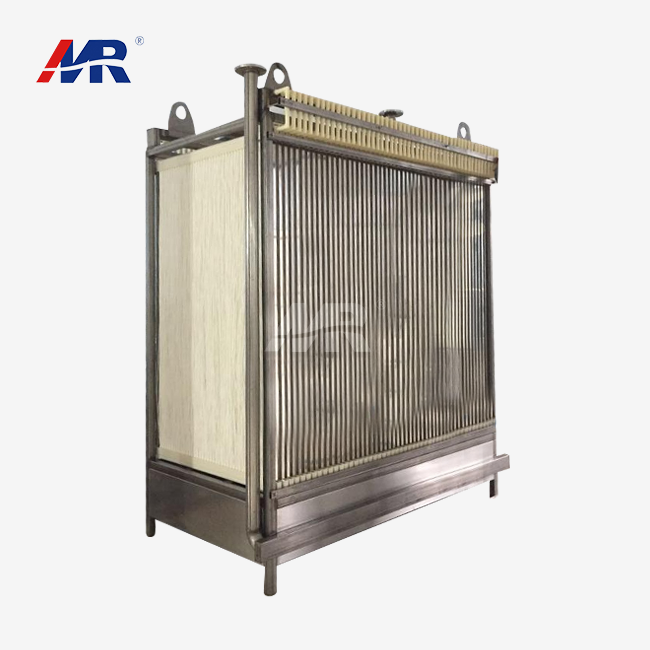
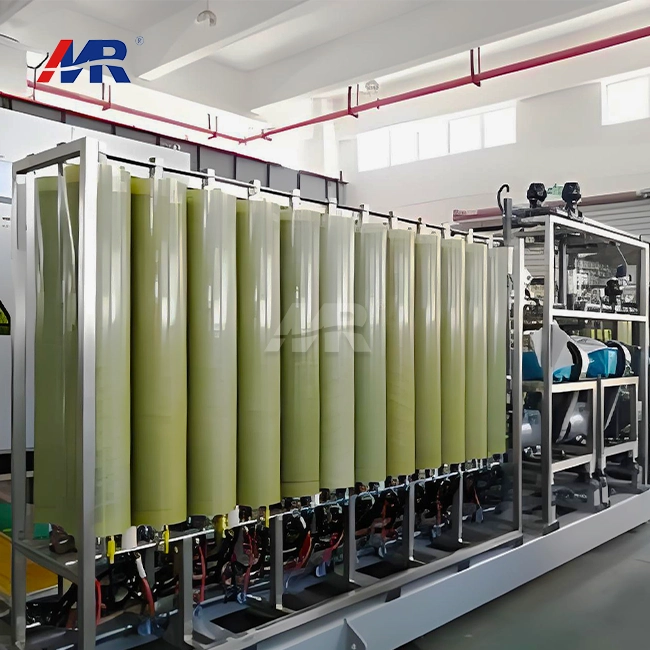
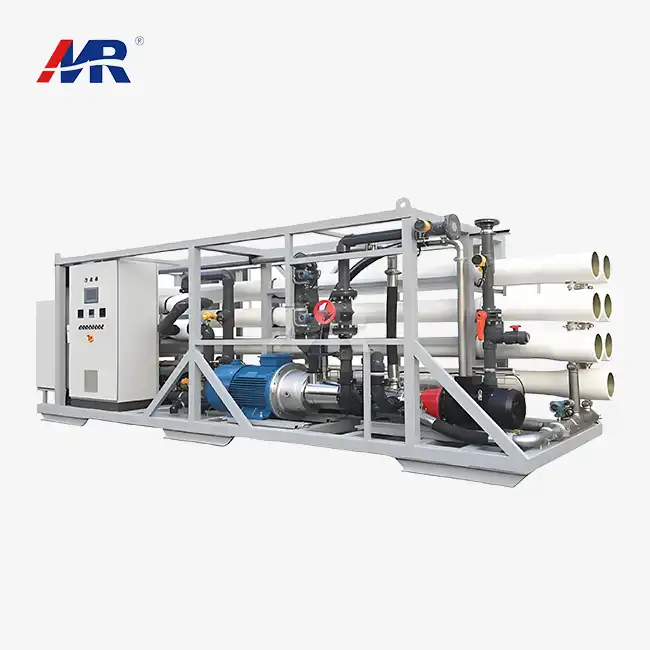
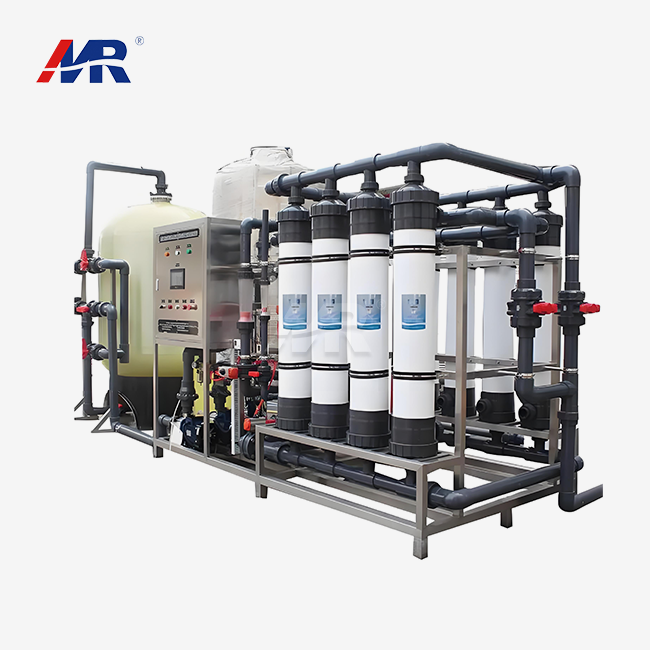
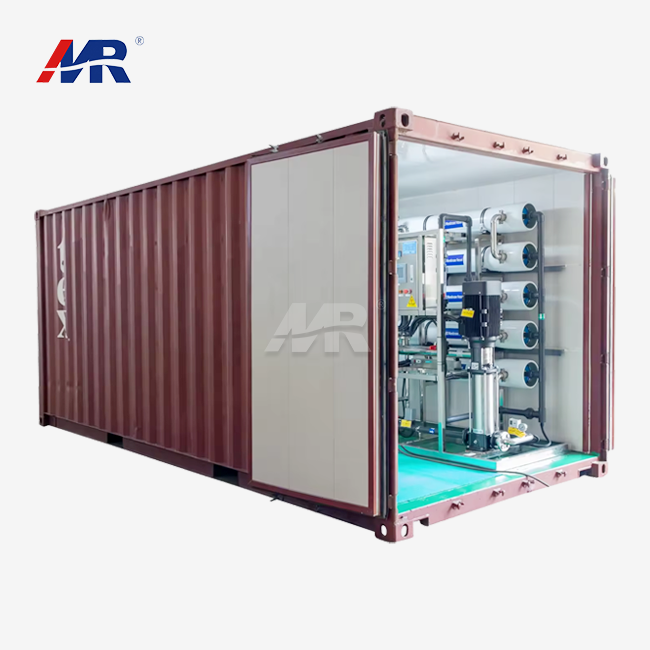
Today, treating garbage requires new ideas that are reliable, efficient, and long-lasting. membrane bioreactor technology meets these needs by combining improved membrane filtering with biological degradation. The mbr membrane acts as a physical barrier that keeps the dissolved solids and biomass in place while producing high-quality waste that can be dumped or used again. This method is being used by facilities all over the world to get around the problems that traditional clarifiers have, like limited space, uneven performance, and high running costs. This piece talks about why membrane bioreactor systems are the best way to clean wastewater in many fields, including medicines, food processing, and public utilities.
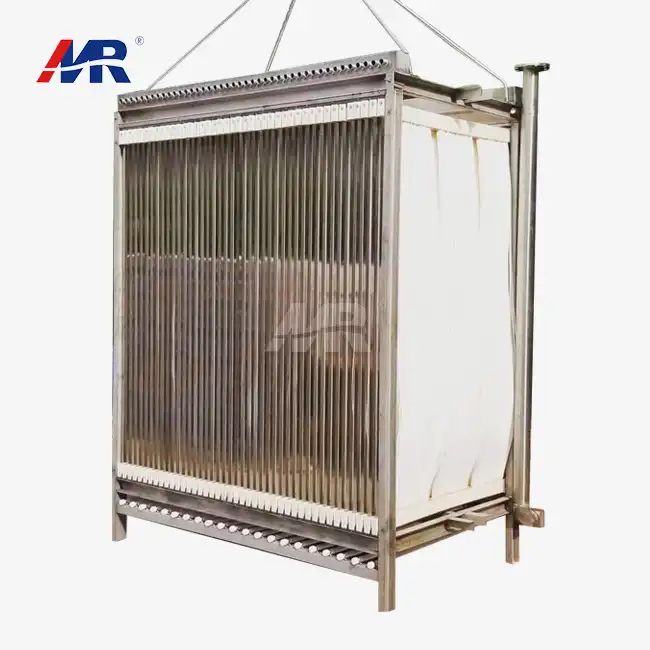
Understanding MBR Membrane Technology and Its Core Benefits
Membrane bioreactor systems change the way wastewater is treated by using perm-selective membranes instead of settling tanks. These systems combine activated sludge processes with microfiltration or ultrafiltration barriers to make a small solution that treats biologically and separates solids from liquids at the same time.
How Membrane Bioreactor Systems Work
When wastewater goes into the bioreactor tank, bacteria break down organic pollutants. This starts the working process. The mixed liquid then comes into contact with the membrane modules, which have pores that are between 0.1 and 0.4 micrometers wide. Up to 99.9% of the suspended solids, germs, and pathogens are removed by this precise filter. Clean permeate goes through the membrane, but concentrated biomass stays in the reactor. This keeps the mixed liquor suspended solids levels high, around 8,000 to 15,000 mg/L. The biological treatment goes faster in this controlled setting, which takes up a lot less floor space than other configurations.
Core Performance Advantages
Companies that use membrane bioreactor technology see huge changes in how they run their businesses. The small size means that about half as much land is needed compared to regular treatment trains. This makes these systems perfect for cities where land prices are too high. The quality of the effluent always meets or beats the standards set by the government, with turbidity readings below 1 NTU and disease removal that is almost complete. The sealed design keeps smells from spreading and lowers worries about how it looks. Accurate process management is made possible by automated control systems, which cut down on worker needs while increasing regularity. Because of these factors, membrane bioreactor systems are better options for places that need stable, high-quality treatment with little effect on space and the environment.
Material Science Behind Modern Membranes
Modern membrane modules use high-tech plastics like PVDF (polyvinylidene fluoride) and PES (polyethersulfone) because they are very resistant to chemicals and last a long time mechanically. PVDF membranes can handle chlorine amounts of up to 2,000 parts per million (ppm), which is a very high level of resistance. The material keeps its shape at pH levels between 2 and 11, so it can be cleaned thoroughly with chemicals without shortening the membrane's life. When empty fibers are reinforced, they have internal winding that keeps the fibers from breaking under hydraulic stress. The hydrophilic surface treatment lowers the tendency for fouling, which means that the machine can run for longer periods of time without needing to be cleaned. Design flow rates are usually between 10 and 25 liters per square meter per hour. This is done to balance output with transmembrane pressure levels that stay below 0.6 bar.
Comparing MBR Membranes with Conventional Treatment Alternatives
To choose the right method for treating wastewater, you need to know how performance trade-offs work in a number of different areas. When used in certain situations, membrane bioreactor systems are clearly better than standard methods, but they also come with different costs.
Performance Metrics Comparison
Gravity sedimentation in secondary clarifiers is used in traditional activated sludge processes, but these don't work well with filamentous bacteria and situations where the sludge builds up. Membrane shields get rid of these weaknesses by separating the waste physically, no matter what its properties are. Usually, traditional systems make wastewater with 20 to 30 mg/L of dissolved solids, but membrane bioreactors always get readings below 5 mg/L. This difference in quality is very important for sites that have to follow strict flow limits or want to reuse water. Pathogen removal is another important difference. Conventional treatment gets rid of 90–95% of bacteria, but membrane filtering gets rid of 99.9% of bacteria through size exclusion processes.
Economic and Operational Considerations
Because membrane modules and other specialized tools are more expensive, installing a membrane bioreactor usually costs 15 to 25 percent more than installing a standard system. The picture is more complicated when you look at operating costs. Using more energy for membrane aeration and permeate extraction makes operations more expensive, but this effect is lessened when you consider the cost savings from getting rid of clarifier equipment and dealing with sludge. Because membrane bioreactors can hold more biomass, they have smaller sizes, which means they use less energy to heat up when temperature control is needed. Maintenance plans for conventional systems and membrane systems are very different. Conventional systems need regular de-sludging of the clarifier and repair of the mechanical equipment. Membrane systems, on the other hand, need chemical cleaning every so often and module replacement every 5 to 8 years. If a facility wants to reduce its impact, improve the quality of its wastewater, or reuse water, it finds that the investment is worth it because it helps with operations and makes sure it meets regulations.
Application-Specific Technology Selection
In some business situations, membrane bioreactor technology is clearly the best choice. Pharmaceutical companies that need to treat water in a way that meets GMP standards can benefit from the proven ability to get rid of pathogens and provide reliable performance. Food processing plants that deal with strong organic waste take advantage of the higher biomass amounts to make treatment trains that are smaller. In coastal areas, public utilities make membrane bioreactor permeate that can be used as a feed for reverse osmosis programs that reuse drinkable water in an indirect way. Instead, sites that only treat simple household waste and have access to a lot of land may find that conventional activated sludge is a better financial choice. Instead of just looking at the original capital spending, the decision framework needs to take into account the amount of room available, the need for discharge, plans for future growth, and the total costs over the entire lifespan.
Optimizing Procurement: How to Choose the Right MBR Membrane Supplier
Choosing the right supplier and plan for buying things are very important for the successful application of an MBR membrane. The membrane units are the most important part of the system; they have a direct effect on its performance, dependability, and long-term costs.
Essential Procurement Criteria
Technical suitability is the main thing that is used to judge a seller. The hole size, material makeup, and module layout of a membrane must all match the specifics of the trash and the treatment goals. Chlorine-resistant PVDF membranes are needed for industrial uses with a lot of chemicals, but cheaper options may be more important to local utilities. The system's size is affected by how densely modules are packed. Hollow fiber membranes have more surface area per cubic meter than flat sheet designs. The flux rate specifies how much membrane area is needed for the desired flow rates. For long-term stability, modest designs call for 15-20 LMH, while aggressive setups aim for 25–30 LMH to keep costs low. To check if a supplier's claims match the needs of the facility, procurement teams should ask for thorough technical data sheets with transmembrane pressure curves, fouling rate studies, and chemical compatibility charts.
Evaluating Supplier Capabilities
In addition to product specs, the organizational skills of the seller have a big effect on the success of the project. Well-known companies keep strict quality control systems and give us performance data from real-world setups that we can check. Technical support resources are very helpful during setup and operational improvement. Quickly responding engineering teams speed up troubleshooting and reduce downtime. The terms of a warranty show how confident the maker is in the product. Reliable sellers offer 5-year performance guarantees with clear terms about what to do if the product fails early or the flux level drops. Location affects the supply of spare parts and the time it takes for help to arrive. When it comes to customer service, suppliers with regional distribution networks and local technical agents are better than producers that have to rely on third-party distributors. Before signing a contract, procurement workers should visit example installations, talk to current customers, and check the financial health of the provider.
Customization and Bulk Procurement Advantages
Standard membrane units can be used in a lot of different situations, but customized methods work best in certain situations. Manufacturers can change the module's size, bundle density, and fiber diameter to fit different bioreactor designs. Chemical treatment methods can be changed to fit the needs of the building in terms of how often to clean and what kind of agent to use. Buying things in bulk can save you a lot of money. For example, buying membrane material for multiple treatment trains or making framework deals for phased projects can save you more than 20% on the total cost. Strategic relationships with membrane makers give you access to new technologies, chances to do field tests, and better prices. Facilities that want to set up more than one installation or manage treatment pools for various regions should discuss long-term supply deals that protect prices and make sure Products are available during important replacement cycles.
Practical Tips for Maintaining and Troubleshooting MBR Membranes
The longevity of the MBR membrane and the reliability of the system rely on strict upkeep rules and quick problem-solving. Preventative care increases the life of equipment and reduces the number of unexpected breakdowns that stop treatment from happening.
Routine Maintenance Protocols
Continuous air washing during operation is the first step to good membrane management. At the base of the membrane, coarse bubble aeration causes shear forces that move solids around before they make layers of cake that can't be undone. The level of oxygen should be set so that the transmembrane pressure stays below 0.4 bar during regular operation. This gives you time to clean before you need to. Periodic rest cycles stop penetration for 30 to 60 seconds every 10 to 15 minutes. This lets materials that have built up dissolve back into the main liquid. These steps are the first line of defense against fouling, and they use very little energy compared to the costs of chemical cleaning or repair before it's time. Maintenance teams should set up automatic tracking systems that keep an eye on permeate quality factors, transmembrane pressure differences, and flux rates. By plotting these measures over time, you can see how performance is slowly getting worse, which lets you plan maintenance before critical levels cause problems with operations.
Chemical Cleaning Strategies
Even though precautions are taken, chemical cleaning is still needed from time to time to restore membrane permeability. Low-concentration sodium hypochlorite solutions (200–500 ppm) are pumped through membranes for 30–60 minutes as part of maintenance-enhanced backwash procedures. This gets rid of biological foulants and biofilm forms. This action is usually taken every one to two weeks, but it depends on the type of garbage. Clean-in-place procedures deal with more serious fouling by exposing the system to a lot of chemicals. Acidic liquids break down inorganic scale and metal precipitates, while alkaline cleaners with sodium hydroxide and surfactants get rid of organic waste and biological materials. Usually, the cleaning process starts with an alkaline treatment at pH 11–12, then a full rinse, and finally an acid cleaning at pH 2–3. Full cleaning processes take 4 to 6 hours and should be done once a month or whenever the transmembrane pressure goes above 0.5 bar, even if regular maintenance has been done. Recording how often and how well something is cleaned gives useful information for improving maintenance plans and finding the root of operating problems.
Troubleshooting Common Operational Issues
Rapid rises in transmembrane pressure usually mean that aeration isn't being spread out evenly or that the solids loads coming in are too high. Aeration problems can be fixed by checking air diffusers for clogs and making sure blowers are working properly. Upstream screening equipment should be checked for escape situations that let particles that are too big get into the bioreactor. If the flux goes down without the pressure going up, it means that colloidal solids or chemical precipitation are closing the membrane pores. For this situation to be cleaned effectively, harsh chemicals must be used for longer periods of time, and temperatures may need to be raised. Damage to the membrane fibers or seal failures that let mixed booze get through are signs of deteriorating permeate quality. Integrity checking with the pressure decay or bubble point methods finds parts that are broken and need to be replaced. To keep downtime to a minimum during emergency fixes, facilities should keep extra membrane units on hand. Building relationships with equipment providers guarantees quick access to technical help and new parts when internal troubleshooting skills aren't enough.
Future Prospects and Trends in MBR Membrane Technology
MBR membrane technology keeps getting better by using new materials, streamlining processes, and adding more uses. These changes look like they will lead to better results and wider use in a wider range of treatment situations.
Emerging Materials and Design Innovations
The main goal of research is to create the next generation of membrane materials that are more durable and less likely to get dirty. Surface modification methods make ultra-hydrophilic coats that stop organic matter from sticking, which means that the time between cleanings is longer. Nanoparticles added to composite membranes make them more resistant to chlorine, which means that harsher cleaning methods can be used without damaging the materials. Module configurations that make servicing easier are becoming more popular. For example, cassette designs that let you change the membrane cartridge without using any tools cut down on service time and labor costs. Energy recovery systems take in pressure from concentrating reject streams, which helps to lower the amount of energy needed for operations. Anaerobic membrane bioreactors treat waste and make biogas at the same time. This turns processes that use a lot of energy into systems that make net positive energy and can handle strong industrial waste. All of these improvements make the business case stronger while also making more uses possible.
Regulatory Drivers and Market Expansion
More strict rules about water quality are speeding up the use of membrane bioreactors around the world. Coastal areas use indirect potable reuse programs that need water sources that are free of pathogens. This makes membrane wastewater the perfect feedwater for reverse osmosis. Limits on nutrients, pathogens, and new contaminants that factories can release into the environment support technologies that provide constant, better treatment. In dry areas, reuse laws are based on the idea that water is limited. Membrane bioreactors make it possible to collect water that is suitable for cooling, watering, and process uses. As these legal and financial pressures get worse, the global membrane bioreactor market keeps growing. Early adopters get a competitive edge by lowering the risks of not following the rules, making sure their facilities will work in the future, and possibly making money by selling recycled water. These trends should be taken into account when planning strategic facilities, keeping in mind that what is new and cutting-edge today will become normal practice tomorrow as environmental protection goals change.
Conclusion
Membrane bioreactor systems are very useful for current treatment plants because they are small, produce high-quality effluent, and are reliable. Combining biological treatment with physical membrane barriers gets rid of the need for standard clarification while allowing higher biomass amounts and smaller footprints. To be successful at procurement, you need to carefully evaluate suppliers by looking at their technical specs, organizational skills, and long-term support infrastructure. Sticking to strict repair schedules makes membranes last longer while reducing downtime. New developments in materials science and process design mean that performance will keep getting better and costs will keep going down. Facilities that put regulatory compliance, water reuse, or space limits at the top of their list of priorities are finding membrane bioreactor technology more and more important for meeting their operational goals in tough treatment settings.
FAQ
1. What is the typical lifespan of an industrial membrane module?
When properly pre-treated and maintained, high-quality PVDF membrane units can work for 5 to 8 years. How long something actually lasts depends on the type of garbage, how fast it flows, and how often it is cleaned. When chemical conditions are harsh, or there isn't enough fouling control, things break down faster. On the other hand, low design flux rates and strict upkeep make things last longer than usual.
2. How do membrane bioreactor systems reduce operational costs compared to conventional treatment?
Despite using more energy, costs are going down in a number of ways. The small size lowers the cost of buying land and building. Higher amounts of wood lower the size of the reactor and the cost of heating it. Compliance dangers and possible fines are kept to a minimum when sewage quality is high. Less sludge creation means less money spent on removal. When a full lifecycle study includes future growth options and legal compliance guarantees, the total cost of ownership often favors membrane systems.
3. Can these systems handle variable wastewater loads effectively?
Using membrane barriers to separate solids and liquids consistently, even when the hydraulic conditions change, fixes a major problem with traditional clarifiers. The systems keep the quality of the wastewater while adjusting the permeate pumps to handle changes in flow. Like standard processes, changes in organic load need the right amount of bioreactor volume to cushion shock loads. When systems are properly planned and have the right safety factors, they can handle normal flow patterns in factories and cities without lowering performance or raising compliance concerns.
Partner with Morui for Advanced MBR Membrane Solutions
Guangdong Morui Environmental Technology offers complete membrane bioreactor options and has a lot of experience in both production and engineering. Our PVDF membrane modules have hole sizes between 0.1 and 0.4 micrometers and can handle up to 25 LMH of flow. They are known to be very durable and chemically resistant. We offer full turnkey systems that include design, equipment supply, installation, and testing. We have over 500 workers, 20 expert engineers, and our own membrane production facilities. Our 14 regional branches make sure that customers can get quick expert help for the whole span of a product. Pharmaceutical companies, food processors, local utilities, and industrial sites all over the world trust our skills when they need reliable wastewater treatment. Get in touch with our technical team at benson@guangdongmorui.com to talk about your unique treatment needs and get full specs from a leading MBR membrane manufacturer. We provide affordable quotes, unique solutions, and full after-sales support to make sure that your important water treatment systems work at their best.
References
1. Judd, S. (2016). The MBR Book: Principles and Applications of Membrane Bioreactors for Water and Wastewater Treatment. Butterworth-Heinemann, Oxford, UK.
2. Meng, F., Chae, S.R., Drews, A., Kraume, M., Shin, H.S., and Yang, F. (2009). Recent advances in membrane bioreactors: membrane fouling and membrane material. Water Research, 43(6), 1489-1512.
3. Le-Clech, P., Chen, V., and Fane, T.A.G. (2006). Fouling in membrane bioreactors used in wastewater treatment. Journal of Membrane Science, 284(1-2), 17-53.
4. Yang, W., Cicek, N., and Ilg, J. (2006). State-of-the-art of membrane bioreactors: Worldwide research and commercial applications in North America. Journal of Membrane Science, 270(1-2), 201-211.
5. Kraume, M., Wedi, D., Schaller, J., Iversen, V., and Drews, A. (2009). Fouling in MBR: What use are lab investigations for full scale operation? Desalination, 236(1-3), 94-103.
6. Chang, I.S., Le Clech, P., Jefferson, B., and Judd, S. (2002). Membrane fouling in membrane bioreactors for wastewater treatment. Journal of Environmental Engineering, 128(11), 1018-1029.