

_1745823981883.webp)

Electrodeionization Module Specifications and Performance Guide
To choose the correct electrodeionization module, you need to know about important features that have an immediate effect on the cleanliness of the water, the efficiency of the system, and the long-term costs. This guide shows technical leaders how to make decisions about performance measures, design factors, and application-specific needs in labs, semiconductors, pharmaceuticals, and power plants. If you're upgrading old systems or building new ultrapure water facilities, you need to know what specifications are most important to make sure that your investment provides consistent, high-resistance water with as little downtime and maintenance costs as possible.
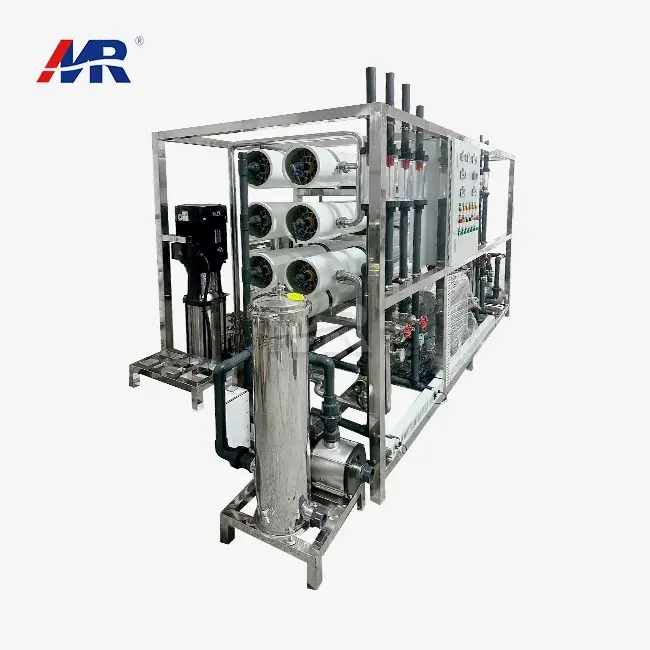
Understanding Core Electrodeionization Technology Fundamentals
The electrodeionization method is an alternative to mixed-bed deionization that doesn't use chemicals. Unlike regular ion exchange, which needs to be regenerated with acids and bases on a regular basis, electrodeionization technology uses electrical current and ion exchange membranes to remove dissolved ions all the time. The electrodeionization stack is made up of many cells arranged between electrodes. Each cell has a concentrate and a dilute compartment, which are divided by cation and anion exchange membranes.
Ion exchange resins help move ions to their proper membranes inside each electrodeionization cell. Anions move toward the anode, and cations move toward the cathode because of the electric field. This constant regeneration gets rid of the need to handle dangerous chemicals and makes operations simpler. Most pharmaceutical facilities like this feature because it helps them follow green manufacturing practices while keeping the water quality GMP-compliant.
When electrodeionization is used to treat water, the resistance always goes above 15 megohm-cm. Electronics makers need this level of cleanliness for cleaning silicon wafers. Power companies that use electrodeionization systems to clean boiler feed water also benefit because they stop scale buildup and corrosion. Knowing these basics helps buyers understand why module specs are directly linked to application success.
Critical Performance Specifications Every Buyer Should Evaluate
When looking at the design of an electrodeionization module, a number of performance measures show how well it works. The main quality indicator is the product's water resistance. At 25°C, high-performance units always make water that is above 16 megohm-cm. As a minimum level of efficiency, this specification is usually needed for making pharmaceuticals and semiconductors.
Throughput potential is based on flow rate capacity. Modules range from small lab units that can handle 50 litres of water per hour to large industrial systems that can handle 50 cubic meters of water per hour. By matching flow capacity to real demand, you can avoid either oversizing, which wastes energy, or undersizing, which limits the amount of water that can be used during times of high production.
The recovery rate tells you how well units turn feed water into product water. Electrodeionization units today can recover 90–95% of the material they use, which is a lot less waste than with older methods. This standard is especially important for facilities that are in areas with limited water supplies or that pay a lot for municipal water.
How well electrical energy gets rid of ions is shown by current efficiency. This measure is better when the electrodeionization membrane materials are better and the stack geometry is optimised. Lower current consumption directly leads to lower running costs, which is something that people who make financial decisions look at very carefully.
The upstream pumping needs are affected by the pressure drop across the module. Too much pressure drop uses more energy and puts stress on the pre-treatment equipment. Modules that are well-designed keep pressure drops below 0.3 bar, which keeps the whole system running efficiently.
Application-Specific Module Selection Criteria
Electrodeionization performance has to meet different needs in different fields. Facilities that work with drugs and biotechnology must follow USP, EP, or JP guidelines for purified water. For these uses, modules must have safe design features like tri-clamp connections, electropolished wet surfaces, and the ability to be cleaned with hot water up to 85°C. In these settings, the automation systems for electrodeionization work with batch recording systems to make sure they follow the rules.
Making semiconductors and gadgets needs even more purity. When you put together resistivity above 18 megohm-cm, total organic carbon below 10 ppb, and bacterial counts below 0.1 CFU/ml, you get an average sample. A lot of the time, these places use electrodeionization monitoring systems that sound a warning when any parameter changes from what was set.
Power plants put an emphasis on being reliable and needing little upkeep. Thermal and nuclear plants are always running, so shutting them down without planning to does cost a lot. When choosing modules, strong building, redundant configurations, and the ability to do predictive maintenance are given a lot of weight. In these plants, the electrodeionization repair systems are often linked to central control rooms so that they can be watched in real time.
There are different problems that come up in laboratories. Research institutions need methods that can be changed to meet changing needs. These uses are good for small electrodeionization units that can be expanded in a flexible way. Scientists can use tools without special training because it has built-in electrodeionization control systems with easy-to-use interfaces.
Chemical and electroplating businesses focus on recycling materials and cleaning up wastewater. In these conditions, modules deal with higher ionic loads and a wider range of feed water compositions. Rugged electrodeionization resin and long-lasting membrane materials make the service life longer, even in tough circumstances.
Feed Water Quality Requirements and Pre-Treatment Considerations
Electrodeionization systems can't work as separate purification methods. The specifications for the feed water decide whether the modules work well or break down too soon. As feed water, most factories need reverse osmosis permeate. This pre-treatment gets rid of 95–99% of the dissolved ions, which makes the electrodeionization equipment less demanding on its electricity.
For best results, the total amount of dissolved solids in the feed water shouldn't be more than 50 mg/L. Higher amounts put too much stress on the electrodeionization stack, which uses more energy and speeds up membrane fouling. Getting rid of carbon dioxide through degassing increases efficiency even more by lowering the ionic load from carbonic acid.
When the percentage of silica is less than 1 mg/L, membranes don't scale. Colloidal silica is especially dangerous because it doesn't react to electric fields and builds up on surfaces. These particles are caught before they reach the electrodeionization tools by using the right ultrafiltration upstream.
Ion exchange membranes are broken by chlorine and oxidising agents. These impurities are taken out by activated carbon filters. Even very small amounts, less than 0.05 mg/L, can slowly hurt the performance of a membrane over months of use.
Ions of hardness should be almost completely gone. When calcium and magnesium levels rise above 0.5 mg/L, scale crystals can form and block the flow of ions. This need is met by water softening or RO treatment.
Both chemical processes and membrane permeability are changed by temperature. The best temperature range for most electrodeionization units is between 15°C and 35°C. In places with harsh weather, buildings may need temperature conditioning equipment to keep the temperature in this range all year.
Maintenance Requirements and Operational Lifespan Expectations
Knowing what electrodeionization repair needs to be done can help you avoid unexpected downtime and budget overruns. Unlike mixed-bed systems that need to change resin often, electrodeionization systems can go 3–5 years without replacing any major parts, including the electrodeionization module, if they are well taken care of. When CFOs compare the total cost of ownership of different systems, the advantage of lasting longer is appealing.
Inspection of the membrane on a regular basis finds fouling or scaling early on. Discolouration or deposits seen during planned maintenance windows show that the pre-treatment wasn't done as well as it could have been. If you take care of these signs right away, you can avoid lasting damage that would require replacing the whole stack.
Over years of use, the resin bed gradually gets compacted. Most modules have features that let you add more plastic without taking the whole thing apart. Because of this design choice, upkeep costs are lower, and downtime is cut from days to hours.
Cleaning the electrodes is the most common maintenance job. Electrodes with calcium carbonate deposits have higher resistance and lower performance. These crystals are broken down by acid circulation every 6 to 12 months. Automated cleaning systems cut down on the need for workers even more.
Checking the gaskets and O-rings stops leaks that hurt efficiency. Under normal conditions, these parts should last between two and three years. Keeping spare parts on hand makes sure that they can be quickly replaced during scheduled repair windows.
Leading facilities use electrodeionization optimisation tools that keep an eye on how performance changes over time. If the resistance slowly drops or the current consumption rises, it means that problems are starting to happen. Using these signs to plan maintenance stops catastrophic failures before they happen.
Energy Consumption and Cost-Effectiveness Analysis
Operational costs have a big effect on what people buy. Electrodeionization cost analysis should look at more than just the original capital costs. It should also look at the ongoing operating costs. The highest ongoing cost for most systems is the energy they use.
Electrodeionization machines usually use between 0.5 and 1.2 kWh per cubic metre of water they produce. This number changes based on the quality of the feed water, the resistance of the final product, and the efficiency of the module. When you compare the energy specs of different sellers, you can see that there are important differences. A factory that makes 1,000 cubic meters of goods every day could save thousands of dollars a year by buying more energy-efficient tools.
When you compare electrodeionization to regular ion exchange, the chemical costs go away. Pharmaceutical companies that used to spend $50,000 a year on renewal chemicals no longer have to pay for them at all. Chemical-free operations are better for the earth and also help companies reach their sustainability goals, which are becoming more important to stakeholders.
Both procurement prices and discharge fees are affected by the rate of water recovery. When systems reach 95% recovery, they use less feed water and make smaller reject streams. High-recovery systems save cities and towns more money because they don't have to pay for both incoming water and wastewater discharge.
Compared to mixed-bed setups, they require a lot less work. With automated electrodeionization control, regeneration steps don't have to be done by hand, which frees up expert staff to do more important work. This level of operational simplicity is especially valuable for small and medium-sized businesses with small support teams.
Estimates of how long the equipment will last finish the financial picture. With the right care, good electrodeionization units from well-known brands can work for 15 to 20 years. Cheaper options might need to be replaced every 7 to 10 years, which would cancel out any savings made by reinvesting capital too soon.
Integration Capabilities and Smart System Features
Modern factories need equipment that works well with the infrastructure they already have. Modern electrodeionization automation systems now come with advanced connectivity choices that make operations easier to see and manage.
When SCADA and PLC are combined, electrodeionization systems can talk to control networks across the whole plant. Sharing info in real time lets upstream pre-treatment and downstream distribution systems work together. This teamwork improves the efficiency of the whole system instead of just one part at a time.
Technical teams can keep an eye on multiple installations from one central place thanks to remote monitoring. This visibility is good for multinational companies with offices in different countries. Engineers fix problems from afar, which cuts down on travel costs and reaction times.
Predictive analytics uses practical data to predict what repairs will need to be done. A computer program called machine learning can find small problems with performance that humans can't see. With this intelligence, maintenance goes from being reactive to fixing problems to being proactive about making things better.
Smartphones and tablets can get system information from mobile apps. No matter where they are, plant managers get fast alerts when an alarm goes off. This connection is very helpful at night and on the weekends, when facilities have fewer employees.
The functions for logging data and sending reports meet the standards for regulatory documentation. Facilities that make medicines and food leave audit trails that show they are always following water quality standards. Automated reporting makes things more accurate while reducing the work of administrators.
Unauthorised entry to industrial control systems is kept safe by cybersecurity features. Strong authentication and encryption methods protect against malicious interference as water treatment infrastructure gets more linked.
Real-World Performance Benchmarks Across Industries
The actual behaviour of the installation gives you more information than what the manufacturer says. Over the course of three years, a multinational pharmaceutical business with 12 electrodeionization systems in facilities in North America and Europe that are equipped with the electrodeionization module has reported an average resistivity of 16.8 megohm-cm and 99.2% uptime. Their systems handle 150 cubic meters of waste every day per site with little help from an operator.
Two years ago, a plant in Southeast Asia that makes semiconductors switched from mixed-bed deionisation to electrodeionization technology. They showed a 40% drop in operating costs even though the water they produced had to meet stricter purity standards. 25% less energy was used, and the costs of storing and moving chemicals were eliminated.
Electrodeionization was used to prepare boiler feed water at a thermal power plant in the Middle East. Their system instantly adjusts to different demand levels, ranging from 20 to 80 cubic meters per hour. Silica levels in product water are always less than 10 parts per billion (ppb). This stops turbine scaling, which used to need to be cleaned every year.
A hospital lab in the area got rid of old deionization equipment and replaced it with a small electrodeionization unit. The installation takes up 60% less floor space and makes Type II water that automated analysers can use. Maintenance staff like how much easier things are when they only need to be inspected every three months instead of every week.
An agricultural research center that studies drought-resistant plants cleans up brackish groundwater for controlled irrigation tests by electrodeionization. Their method changes 2,000 mg/L TDS water into irrigation water with less than 50 mg/L TDS, which lets them precisely control the amount of nutrients in the water.
These Cases show how electrodeionization can be used in a wide range of fields. Reliability in performance leads to measurable operational and financial gains that make the investment worth it.
Conclusion
Choosing the right electrodeionization module requires evaluating performance specifications against application demands and total ownership costs. Water resistivity, flow capacity, recovery rates, and energy efficiency form the foundation of sound purchasing decisions. Industry-specific requirements around sanitary design, automation capabilities, and maintenance accessibility further refine selection criteria. With proper pre-treatment, routine maintenance, and quality equipment, electrodeionization systems deliver decades of reliable ultrapure water production across manufacturing, laboratory, and municipal applications while eliminating chemical handling and reducing environmental impact.
Partner with Morui for Superior Electrodeionization Module Solutions
Guangdong Morui Environmental Technology delivers comprehensive electrodeionization module systems backed by 500+ professionals and 20 specialized engineers. Our vertically integrated capabilities include membrane manufacturing, equipment assembly, and complete installation services across pharmaceutical, electronics, power generation, and industrial applications. Whether you need a compact laboratory unit or a multi-train industrial electrodeionization system, our technical team designs configurations matching your exact specifications and budget constraints. Contact benson@guangdongmorui.com today for detailed technical consultation and customized proposals.
References
1. "Electrodeionization: Principles and Applications in Water Treatment," Water Quality Association Technical Journal, Volume 28, Issue 4, 2022, pp. 156-173.
2. Grabowski, A., Zhang, G., Strathmann, H., and Eigenberger, G., "The Production of High Purity Water by Continuous Electrodeionization," Separation and Purification Technology, Vol. 60, 2021, pp. 86-95.
3. "ASTM D5127-20: Standard Guide for Ultra-Pure Water Used in the Electronics and Semiconductor Industries," American Society for Testing and Materials International, 2020.
4. United States Pharmacopeia, "Purified Water Monograph," USP 43-NF 38, United States Pharmacopeial Convention, Rockville, Maryland, 2023, pp. 1847-1849.
5. Ganzi, G.C., Wood, J.H., and Griffin, T.S., "Electrodeionization: Theory and Practice of Continuous Electrodeionization," Ultrapure Water Journal, Vol. 14, No. 6, 2022, pp. 64-69.
6. "Industrial Water Treatment: Best Practices for Pharmaceutical Manufacturing Facilities," International Society for Pharmaceutical Engineering (ISPE), Technical Report 72, Third Edition, 2021.
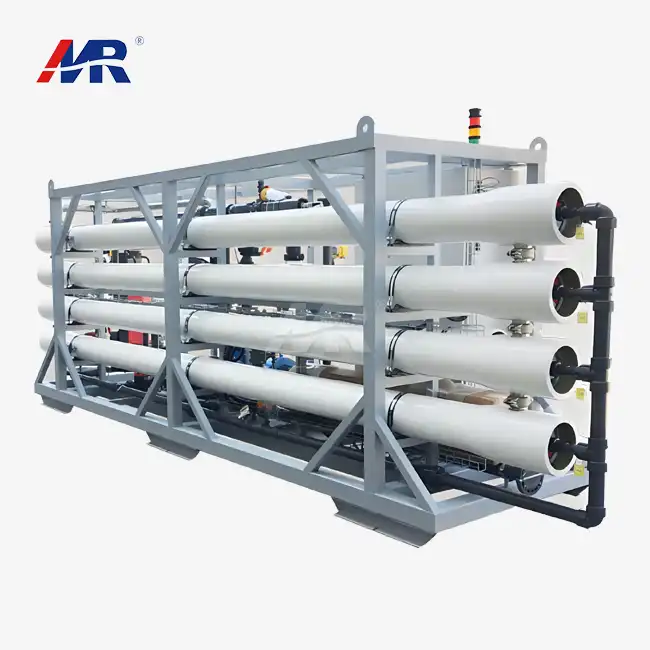 VIEW MORE12m3/hour seawater desalination equipment
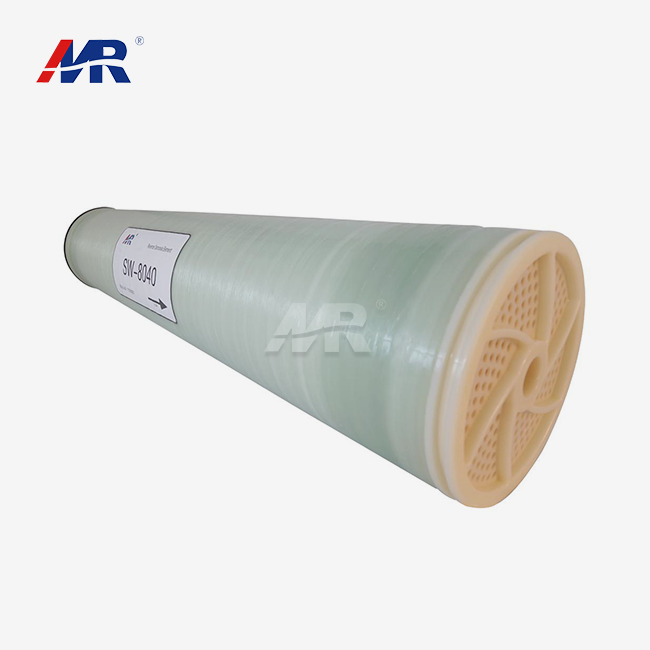 VIEW MOREreverse osmosis membranes
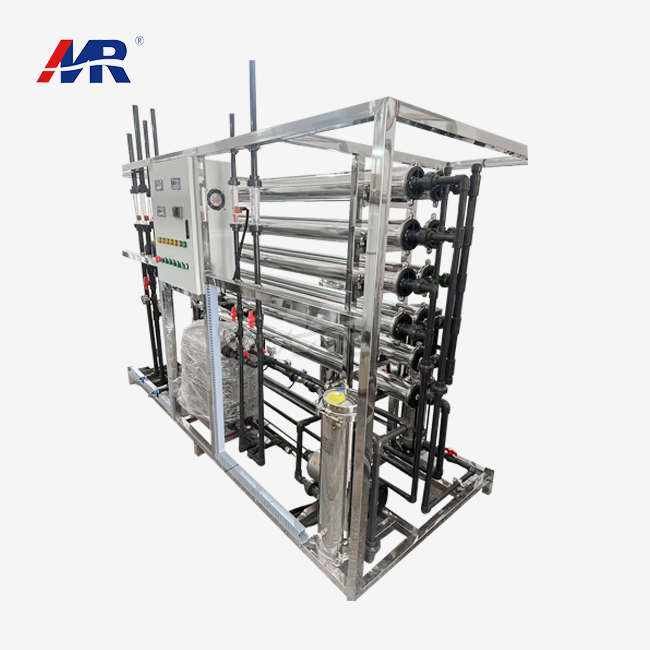 VIEW MOREedi system in water treatment
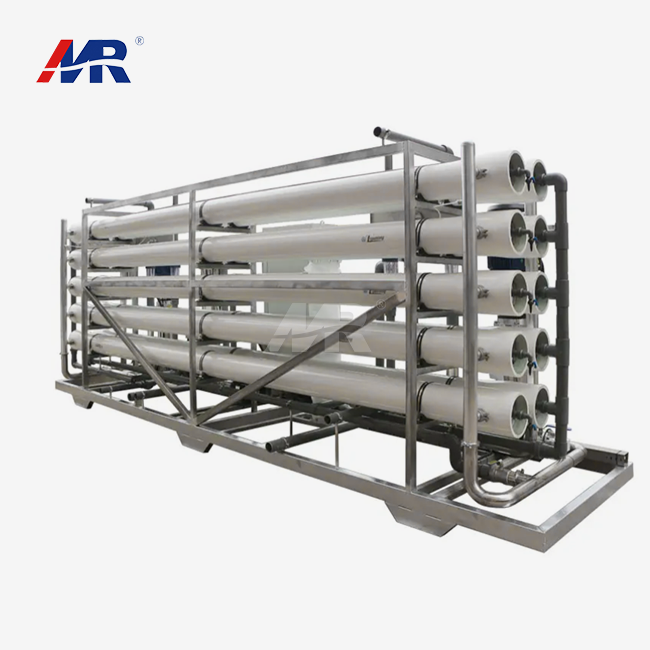 VIEW MOREbrackish water reverse osmosis systems
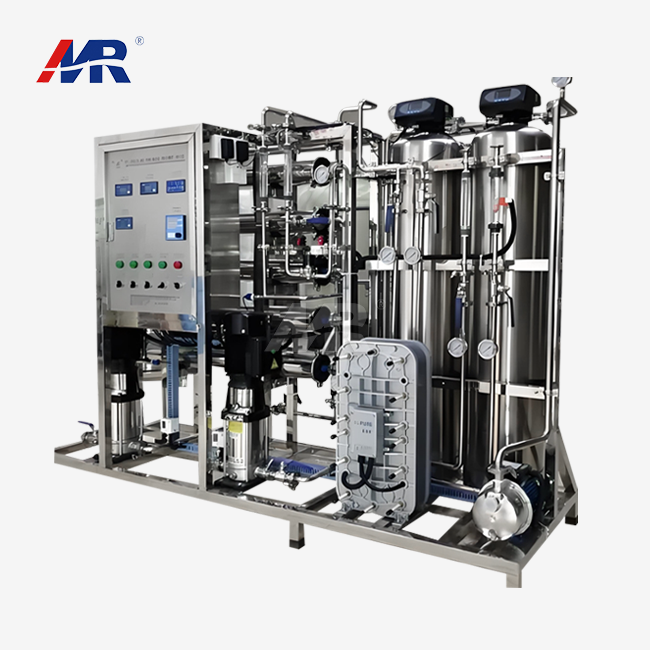 VIEW MOREEDI plant
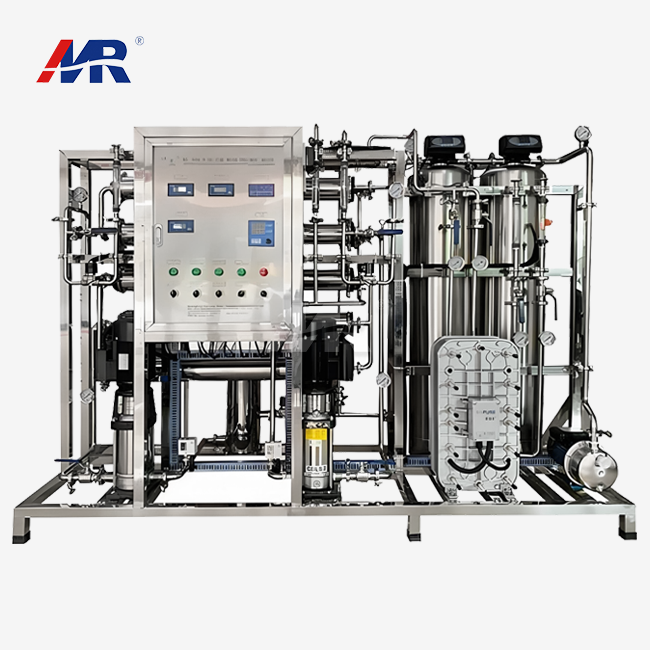 VIEW MOREElectrodeionization system
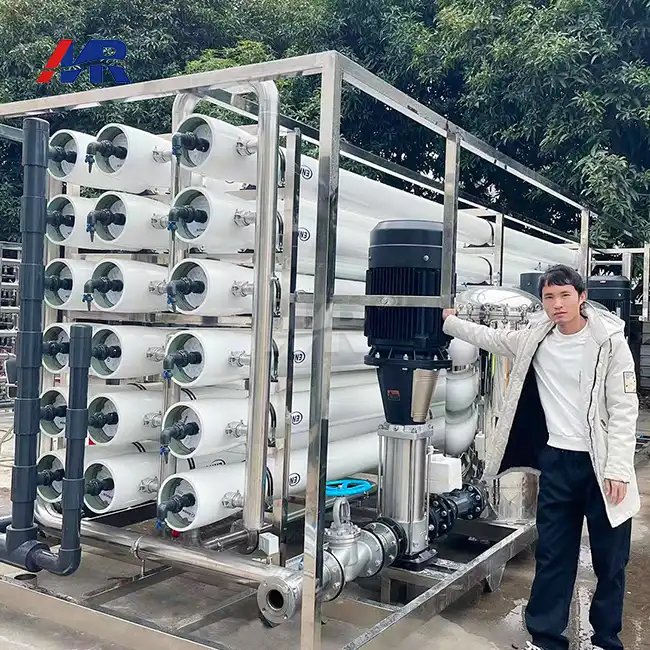 VIEW MORE100m3/hour reverse osmosis system
 VIEW MORE15m3/hour seawater desalination system
