_1745823981883.webp)

How to Desalinate Seawater using RO: An In-Depth Guide
Reverse osmosis has become a lifesaver for seaside areas that are having trouble getting enough water. Reverse osmosis desalination plants use high-tech membrane filters to get rid of salt and other impurities in ocean water, making it drinkable. High pressure is used to push saltwater through semi-permeable barriers, which separate dissolved salts from other substances. Modern RO technology has come a long way, and now there are energy-efficient options that allow businesses, cities, and marine activities all over the world to produce fresh water.
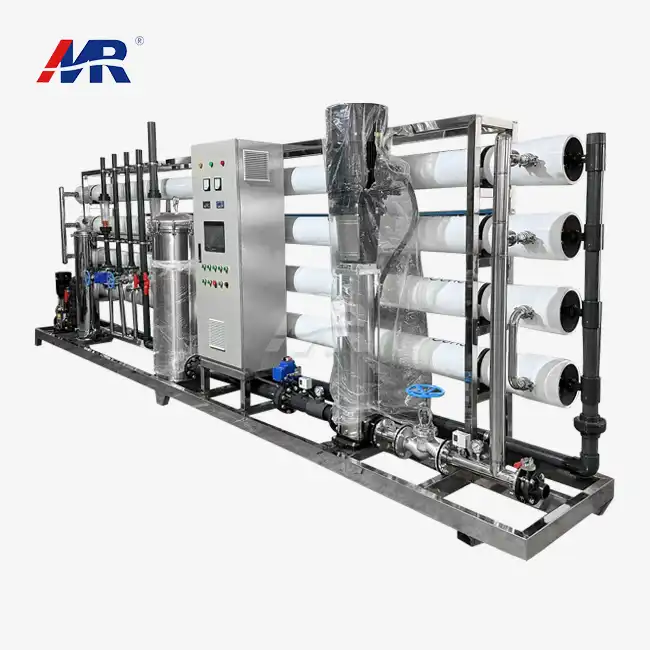
Understanding the Science Behind Reverse Osmosis for Seawater Treatment
When RO technology is used to clean water, membrane selection is the main idea behind it. Natural osmosis moves water from places with few solutes to places with many. Using a lot of pressure—usually 55 to 80 bar for seawater—overpowers osmotic pressure and pushes water molecules through special membranes. This is what reverse osmosis does.
The holes in these reverse osmosis membranes are very small, reaching about 0.0001 microns. Water droplets can pass through at this size, but 99.4–99.7% of dissolved salts, germs, and other pollutants can't. The thin-film hybrid structure of the membrane has layers of polyamide that are very good at removing salt and layers of structural support that make sure it will last.
Temperature, salt levels, and working pressure all have a big effect on how well a system works. Seawater usually has between 35,000 and 45,000 ppm of total dissolved solids, which calls for strong barrier materials and careful system design. Higher temperatures usually speed up the process of recovering water, but they may also shorten the life of the membrane, so workers have to be careful to keep the balance.
Essential Pretreatment Steps Before RO Processing
The preparation process determines how reliable and efficient the system will be in the long run. If you don't properly condition ro membranes, the organic matter, bacteria, and scale-forming substances in raw seawater can quickly damage expensive ones.
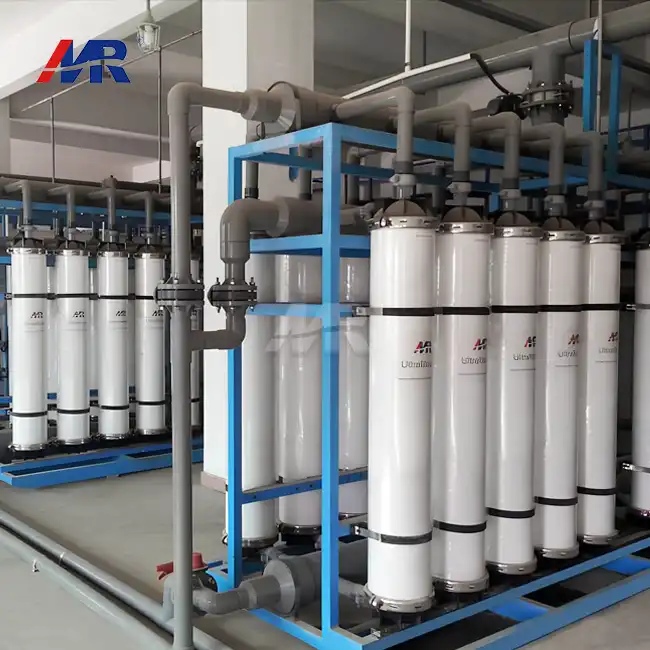
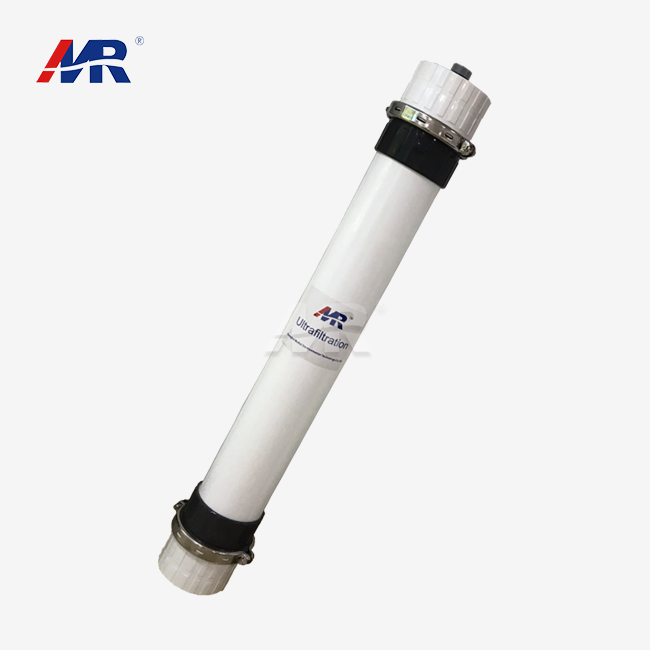
First, coarse screening gets rid of big things like seaweed and marine life. Then, fine screening gets rid of smaller things. Using sand, anthracite, and garnet layers in multimedia filtration can catch solids in the water down to 10 to 20 microns. Ultrafiltration is used by many sites as an improved cleaning method because it reduces turbidity better and keeps bacterial fouling from happening on RO membranes.
Dosing chemicals correctly is a very important part of controlling fouling. Sodium hypochlorite stops biological growth, but operators must carefully remove the chlorine before RO processes because chlorine hurts polyamide membranes. Antiscalant drugs stop the buildup of calcium carbonate, calcium sulphate, and silica, which would otherwise clog membrane surfaces. By changing the pH levels, acid injection makes antiscalants work better and reduces the chance of scaling.
Before water enters high-pressure pumps, cartridge filters provide a final polish, removing particles as small as 5 microns. This multi-barrier approach ensures membrane longevity and maintains optimal water production rates throughout the lifecycle of reverse osmosis desalination plants.
The Core RO Desalination Process Explained
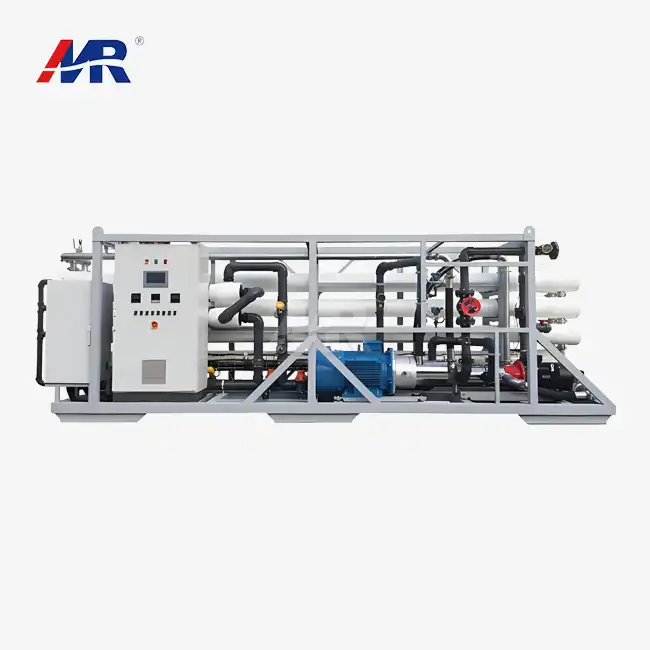
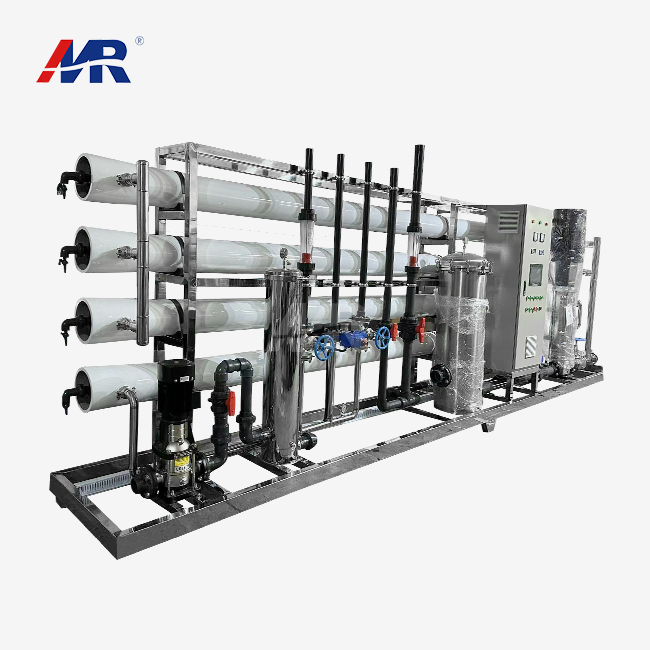
After being properly cleaned, saltwater goes into pressure tanks that have spiral-wound membrane parts. High-pressure pumps raise the pressure of the feed water to 60–70 bar, which is what moves the salt out of the water. Each pressure artery usually has six to eight membrane parts linked in a chain. This makes the treatment work better.
When saltwater under pressure runs across barrier surfaces, only pure water passes through, leaving concentrated brine on the feed side. The system keeps flushing this concentrate stream so that too much salt doesn't build up and hurt the membranes or make the system less effective.
Energy recovery devices in modern desalination technology take pressure from the concentrate stream and put 95–98% of that energy back into the feed stream. This new idea has changed the economics of desalination by lowering the amount of energy needed from over 20 kWh per cubic metre in the past to around 3–4 kWh per cubic metre in big plants now.
In ocean uses, the water recovery rate, which is the amount of feed water that is turned into product water, is usually between 35 and 50 per cent. If you push healing above these values, membrane growth and less efficiency are possible. Operators keep an eye on the quality of the permeate by measuring its conductivity to make sure it stays within the required salt rejection range. This process usually results in water with less than 500 ppm of total dissolved solids.
Post-Treatment and Remineralisation Considerations
The water that comes out of RO filters is very clean, but it needs to be adjusted before it can be distributed. Low-mineral water is harsh and can damage distribution pipes. It also lacks minerals that are good for people to drink.
Adding calcium and magnesium through remineralisation makes the water taste better, gives it more nutritional value, and keeps the pH stable. This can be done with limestone contactors or direct chemical dosing, which balances the water's chemistry. Adding lime or caustic soda to change the alkalinity stops rusting in structures further downstream.
Disinfection is the last line of defence against bacterial pollution. The most popular method is still chlorination, but UV sterilisation and ozone treatment are also options, based on the needs of the product. To meet the requirements for ultrapure water, the pharmaceutical and electronics businesses often need extra cleaning through mixed-bed ion exchange or electrodeionization.
To keep things from getting contaminated again, storage and distribution systems need to be designed with the right materials and regular checks in mind. Stainless steel tanks and pipes that don't rust keep the water clean from the time it's made until it's used.
Managing Brine Discharge and Environmental Impact
Disposing of concentrates is challenging for both the environment and plant operators. The brine stream from reverse osmosis desalination plants contains roughly twice the salt concentration of the source seawater, along with chemicals added during pretreatment and cleaning. Responsible management ensures compliance with environmental regulations and protection of marine ecosystems.
Surface water release is still most common for sites near the coast, but owners must make sure there is enough diversion to keep environmental damage to a minimum. Diffuser systems spread the concentrate over large areas, which helps it mix quickly with the seawater that is already there. Monitoring the environment keeps an eye on things like salt, temperature, and chemical amounts to make sure that release permits are being followed.
Zero liquid discharge systems are the cutting edge of sustainability. They crystallise salts so they can be thrown away or used in a useful way. These systems have much higher initial and ongoing prices, but they don't cause problems with ocean pollution. In dry areas with lots of land and high evaporation rates, evaporation ponds are a less high-tech option.
How the brine is managed has a big effect on how well the desalination plant works overall and on how well the public accepts it. Facilities that use helpful reuse, like sending concentrate to operations that make salt or to industry processes that need high-salinity water, show the circular economy principles that communities and policymakers are increasingly valuing.
System Design Considerations for Different Applications
For industrial processes to work, the water quality needs to be customised to meet production levels. For burner feed, power plants need very clean water, and ion exchange cleaning is often used together. For making semiconductors, you need ultrapure water with a resistance higher than 18 megohm-cm, which means it needs to be treated in a lot of different ways after it is made. Producers of food and drinks put taste and safety first, focusing on bacterial control and chemical balance.
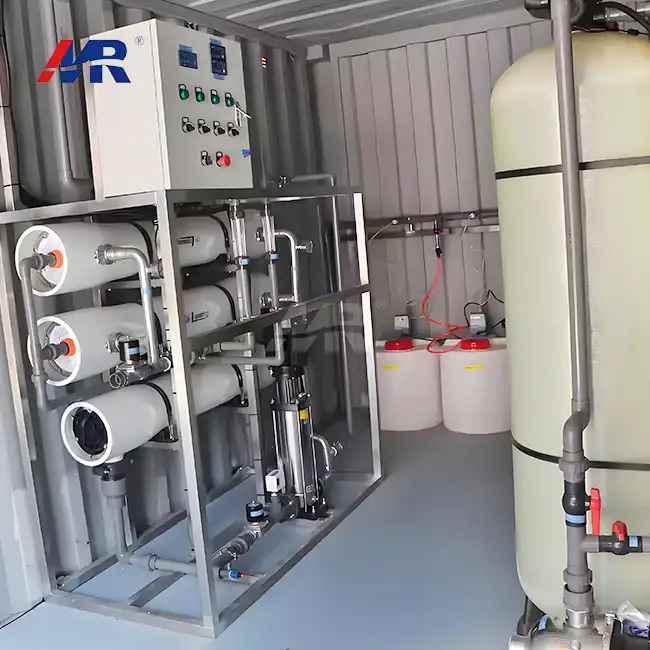
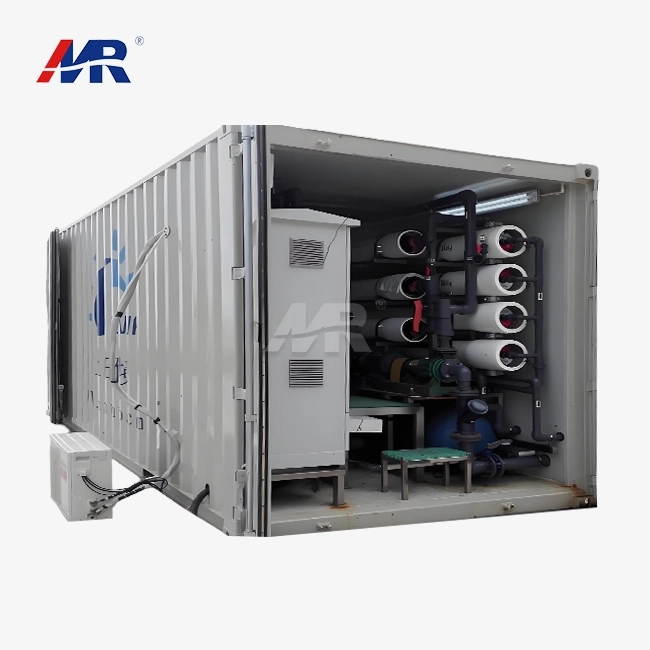
Maritime uses have special needs when it comes to movement and room. Ships and remote sites need small systems that don't need a lot of upkeep. Containerised distillation machines can be put in a variety of places, making them useful for crisis aid and short-term installs. These systems usually make 10 to 100 cubic meters of fresh water every day, combining the need for fresh water with the lack of power and deck space.
Municipal projects help whole communities, so they need strong plans that make sure they're available 95% of the time or more. With redundant cleaning trains, repair can be done without stopping service. Automated tracking systems keep an eye on performance factors and let workers know about problems before they happen. Integrating desalinated water with current water systems needs careful planning, matching it with water from regular sources to get the best value and dependability.
When choosing capacity, present demand is weighed against expected growth in the future. Modular plans let you add on in stages, so you don't have to spend too much money up front and make sure you'll have enough space in the long run. For small towns, the average plant size is 1,000 cubic meters per day. For big cities, the average plant size is 500,000 cubic meters per day.
Operational Maintenance and Performance Optimisation
Regular care keeps the membrane working well and increases the system's life span. Operators keep an eye on normalised factors like flow, pressure, and salt rejection that are changed for changes in temperature and feed water quality. This helps them spot performance problems before they get too bad.
Membrane cleaning removes accumulated foulants, restoring output capacity. For scale and biofouling, chemical cleaning cycles alternate between alkaline solutions for organic and biological deposits and acidic solutions for inorganic scaling. The frequency of cleaning depends on feedwater quality and pretreatment effectiveness, typically occurring every one to three months in reverse osmosis desalination plants.
When cleaning doesn't bring back the membrane's original performance, it needs to be replaced. Elements that let too much salt through or have low flow rates are replaced, but useful elements stay in use. The barrier should last between 3 and 7 years, but this depends on the quality of the feed water, how it is used, and how often it is maintained.
Optimising energy use cuts down on running costs by a large amount. High-pressure pumps with variable frequency drives adjust the amount of energy they use based on changes in demand. Energy recovery devices need to be carefully chosen and maintained because their efficiency has a direct effect on how much energy is used generally. Tracking exact energy use (in kilowatt-hours per cubic metre created) sets clear performance goals that allow for constant growth.
Economic Analysis and Return on Investment
Capital spending includes buying things like tools, building structures, installing electricity systems, and more. 15–25% of the total project cost goes to membrane parts and pressure tanks. Another 20 to 30 per cent comes from high-pressure pumps and energy return devices. The rest is made up of the balance of plant, which includes pipes, instruments, control systems, and buildings.
Costs of doing business include things like power, chemicals, labour, replacing membranes, and regular upkeep. Electricity costs usually make up 40 to 60 per cent of operating costs, so saving energy is very important. The next 15–25% goes to replacing the membrane, and the last 10–15% goes to drugs and labour.
The cost of desalination is going down when compared to other water sources, which shows that it is becoming more competitive. Desalination is often a good way to save money in places where water is hard to come by, even though it costs more than other options. The cost of water must be based on how much it really costs to produce. This will encourage saving while also making sure the business can stay open.
Different types of project financing exist, ranging from public funds for city services to private investment in industrial uses. Power purchase agreements and water offtake contracts help finance projects by guaranteeing a steady flow of cash. Life-cycle cost analysis that looks at 20 to 30 years of costs helps choose technologies and make designs that work best.
Future Innovations in Desalination Technology
Researchers are still working to improve barrier materials so that they can let more things through and pick fewer things. Graphene and carbon nanotube screens could greatly lower the amount of energy needed, but they are still not ready to be used in the real world. Biomimetic barriers based on aquaporin proteins are another new area that could completely change how fast water is recovered.
Using more renewable energy helps with both environmental issues and running costs. Solar-powered purification works well in rural areas that don't have access to the power grid. Coastal sites also have the choice of using wind energy. Battery storage systems smooth out irregular green energy, making sure that water output stays steady.
In some situations, hybrid systems that combine membrane methods with steam desalination or capacitive deionisation may be better. When multi-effect distillation is combined with RO, waste heat can be used, which makes the whole process more energy efficient. Forward osmosis study looks into different methods that might use less energy than the current RO standards.
Predictive repair, automatic planning, and distant tracking are some of the ways that digitalisation changes the way plants work. Algorithms that use artificial intelligence look at performance data and suggest changes that will make operations more efficient. Real-time tracking of water quality makes sure that the product is always the same and that chemicals are used as little as possible.
Conclusion
Seawater desalination through reverse osmosis technology offers proven solutions to global water scarcity challenges. Understanding the complete process—from pretreatment through post-treatment and concentrate management—enables informed decision-making about system design and operation. Success depends on matching technology to application requirements while carefully managing energy consumption, environmental impacts, and life-cycle costs. As membrane technology advances and renewable energy integration expands, desalination becomes increasingly sustainable and economically viable. Organisations facing water supply constraints should evaluate RO desalination as a reliable, scalable solution ensuring long-term water security for industrial, municipal, and specialised applications.
Partner with Guangdong Morui for Comprehensive Desalination Solutions
Guangdong Morui Environmental Technology delivers turnkey reverse osmosis desalination plants backed by deep engineering expertise and proven manufacturing capabilities. Our 500-person team includes 20 specialised engineers who design customised systems matching your exact specifications, whether you operate a coastal municipality, maritime fleet, or industrial facility. We manage everything from initial feasibility studies through equipment fabrication, installation, commissioning, and ongoing support, ensuring optimal performance throughout your system's lifespan. As an established reverse osmosis desalination plants manufacturer with proprietary membrane production and multiple equipment facilities, we provide competitive pricing without compromising quality. Contact benson@guangdongmorui.com to discuss your specific water challenges and receive a detailed technical proposal.
References
1. Greenlee, L.F., Lawler, D.F., Freeman, B.D., Marrot, B., & Moulin, P. (2009). "Reverse Osmosis Desalination: Water Sources, Technology, and Today's Challenges." Water Research, 43(9), 2317-2348.
2. Elimelech, M., & Phillip, W.A. (2011). "The Future of Seawater Desalination: Energy, Technology, and the Environment." Science, 333(6043), 712-717.
3. Voutchkov, N. (2018). "Energy Use for Membrane Seawater Desalination – Current Status and Trends." Desalination, 431, 2-14.
4. Lattemann, S., & Höpner, T. (2008). "Environmental Impact and Impact Assessment of Seawater Desalination." Desalination, 220(1-3), 1-15.
5. Ghaffour, N., Missimer, T.M., & Amy, G.L. (2013). "Technical Review and Evaluation of the Economics of Water Desalination: Current and Future Challenges for Better Water Supply Sustainability." Desalination, 309, 197-207.
6. Zarzo, D., & Prats, D. (2018). "Desalination and Energy Consumption: What Can We Expect in the Near Future?" Desalination, 427, 1-9.