

_1745823981883.webp)

How to Maintain Landfill Leachate Systems for Optimal Performance
Lines, pumps, liners, and treatment equipment in landfill leachate collection systems must be maintained to perform properly. Repairs keep surroundings clean, enforce regulations, increase tool life, and save expenses. A well-maintained landfill leachate collection system monitors, cleans, and repairs equipment to protect groundwater, reduce unexpected downtime, and enhance treatment efficiency. This strategy enables site managers, expert decision-makers, and procurement experts to find dependable, cost-effective, and environmentally compliant leachate management choices.
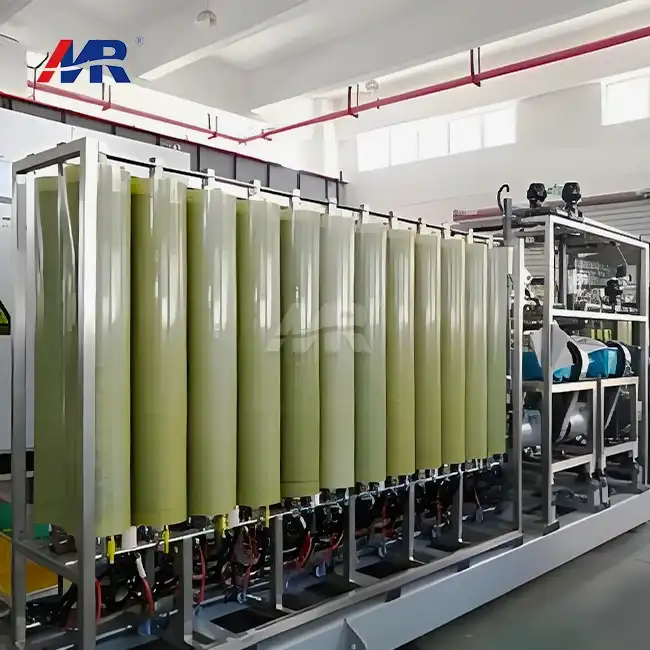
Understanding Landfill Leachate Collection System Maintenance
The Critical Infrastructure Behind Leachate Management
Leachate infrastructure is crucial. A landfill leachate collection system gathers, transports, and cleans toxic liquids from waste breakdown. This complex network has drainage lines, storage sumps, high-performance pumps, protective liners, and sophisticated treatment units. They cooperate to protect the environment. These sections prevent heavy metals, organic chemicals, and ammonia from polluting groundwater and communities.
Why Regular Maintenance Matters
When wastewater equipment malfunctions, the consequences go beyond the repair expense. Undiscovered leaks harm the environment, rule violations result in heavy sanctions, and system failures halt waste management. An industry study found that proper maintenance may extend equipment life by 40–60%. It can also reduce emergency repair costs, which are three to five times greater than scheduled maintenance.
Environmental compliance establishes maintenance goals for waste treatment, industrial landfills, and municipal facilities. Technical decision-makers realize that avoiding issues is cheaper than resolving them, so regular maintenance plans are investments, not extra expenses.
Key Maintenance Procedures for Optimal System Performance
Routine Inspection Protocols
Good maintenance for landfill leachate treatment begins with structured inspection plans that include visual checks, performance tracking, and diagnostic testing. Monthly visual assessments for landfill leachate treatment reveal surface damage, unusual scents, or vegetation changes that indicate underground leaks. Check the flow rate every three months for landfill leachate treatment to evaluate if the system's capacity is declining before it blocks.
Advanced leak detection uses pressure testing, tracer investigations, and thermal imaging to discover fractured liner portions or faulty pipe couplings. Modern automated sensors monitor flow rates, pressure variations, and liquid levels and relay data to central tracking systems. This technology enables you to swiftly repair new issues and report system performance to authorities.
Cleaning Strategies That Prevent Problems
Clean up after yourself to avoid costly mistakes. Sediments and bacterial coatings in pipes are removed before they hinder flow. Chemical treatments break down mineral layers without damaging system elements, and high-pressure water jetting removes stubborn obstructions.
Sludge management involves cleaning settling tanks and storing sumps. Regular removal maintains the hydraulic system running smoothly and prevents pump failure from solids overload. Pump stations need particular care to keep machinery running. Planned shutdowns need impeller cleaning and seal inspection.
Troubleshooting Common Issues in Landfill Leachate Systems
Identifying Blockages and Flow Restrictions
Flow rates dropping and pressure rising indicate collecting pipe blockages. Camera checks are diagnostics. Blockages are shown where and how they arise, helping determine the optimum treatment. Persistent low flow may indicate many obstructions that need scheduled cleaning.
Preventative measures reduce bottlenecks. Installation of the right-sized screens at collecting points and proper pipe slopes increases self-cleaning rates during high flow. Frequent flushing prevents gradual accumulation that restricts capacity.
Addressing Pump Failures
Pump failure prevents leachate removal, causing system spills and environmental leaks. Seal leakage, bearing wear, rotor damage, and motor burnout are typical problems. Amp-draw tracking detects motor stress from impeller jams or mechanical binding, and vibration analysis detects worn bearings before they fail.
Emergency pump repairs for landfill leachate treatment minimize downtime. Extra pumps of the proper size for key projects in landfill leachate treatment let you swiftly replace broken ones so the leachate can keep operating while repairs are made. Working with experienced service providers for landfill leachate treatment ensures you get competent support and replacement components when needed.
Innovations and Best Practices in Leachate System Maintenance
Automation and Remote Monitoring
Technology alters maintenance by constantly gathering and intelligently evaluating data. Remote monitoring systems deliver real-time data, including flow rates, tank levels, and equipment status, to remote workers. It allows people to reply swiftly even while they're away. Workers receive automatic notifications when parameters exceed allowed limits, starting an inquiry.
Data integration solutions combine data from several sources to provide an entire operating images that identify subtle trends that indicate issues. Predictive analytics employs machine learning algorithms on prior data to forecast part failures and discover the ideal time to repair for reliability and cost.
Sustainable Maintenance Approaches
Environmental awareness extends beyond wastewater treatment to maintenance. Eco-friendly cleaners, which remove deposits and biological growth, reduce chemical risks. Energy-efficient pumps reduce operational expenses and carbon emissions. This aligns repair decisions with organizational sustainability goals.
Whenever possible, use cleansed effluent to decrease freshwater use during cleaning. Waste reduction during maintenance reduces removal costs and environmental impact. This promotes the circular economy ideas that are increasingly relevant to everyone.
Building a Long-Term Maintenance Strategy for Your Leachate System
Establishing Performance Metrics
Strong maintenance plans track system health and demonstrate maintenance effectiveness using well-defined KPIs. Flow capacity maintenance, energy efficiency adjustments, machine availability percentages, and constant treatment quality are objective criteria for program success. These indicators allow you to allocate resources, invest in technology, and make data-driven changes.
Predictive KPIs spot problems early. Rising pressure differences indicate blockages, rising pump power indicates machinery wear, and declining treatment efficiency indicates membrane clogging and cleaning. These warning signals might help you avoid costly emergencies.
Workforce Development and Training
System reliability for landfill leachate treatment depends on the repair crew's technical competency. To understand the landfill leachate collection system for landfill leachate treatment, correct issues, and follow safety requirements, teams undergo extensive training. Automatic tracking platforms, sophisticated membrane systems, and better diagnostic tools for landfill leachate treatment are taught in continuing education to keep personnel up to speed.
Cross-training makes operations more reliable by giving team members support roles. This prevents knowledge gaps when important personnel depart, maintaining service quality.
Integration with Waste Management Systems
Effective waste management is integrated into facility operations. Coordinating garbage placement decreases leachate production and disposal system burden. Stormwater and leachate control prevent pure water from entering the system and boost trash processing.
Holistic environmental care includes leachate control in garbage management systems. This perspective encourages operations to maximize resource utilization by discovering synergies that improve facility performance while reducing environmental and financial impacts.
Conclusion
Managing landfill leachate collection systems well protects the environment, ensures compliance, and reduces costs. Successful programs have regular inspections, appropriate cleaning standards, timely repairs, and clever technology utilization. Facility managers can manage leachate to meet current needs and prepare for future challenges in a changing regulatory and technological landscape with structured maintenance plans, performance metrics, employee training, and alignment with waste management goals.
FAQ
1. How often should landfill leachate collection systems be inspected?
Visual inspections every month detect obvious issues, while complete evaluations every three months with flow testing, pressure measurements, and equipment health checks detect emerging issues. Trained techs inspect the landfill leachate collection system, pump, and piping system annually. Facilities that manage a lot of wastewater or use harsh chemicals may need additional expert checks to stay reliable.
2. What are the signs that a leachate system needs immediate maintenance?
Sudden dips in flow rate, unexplained pressure surges, leaks around pipes or tanks, peculiar odors that might indicate a system breach, and a drop in treatment quality need immediate attention. Equipment alarms, unusual pump sounds, and rising liquid levels in collecting sumps are symptoms of prospective breakdowns that must be addressed swiftly to avoid environmental or system harm.
3. How does DTRO technology improve leachate treatment efficiency?
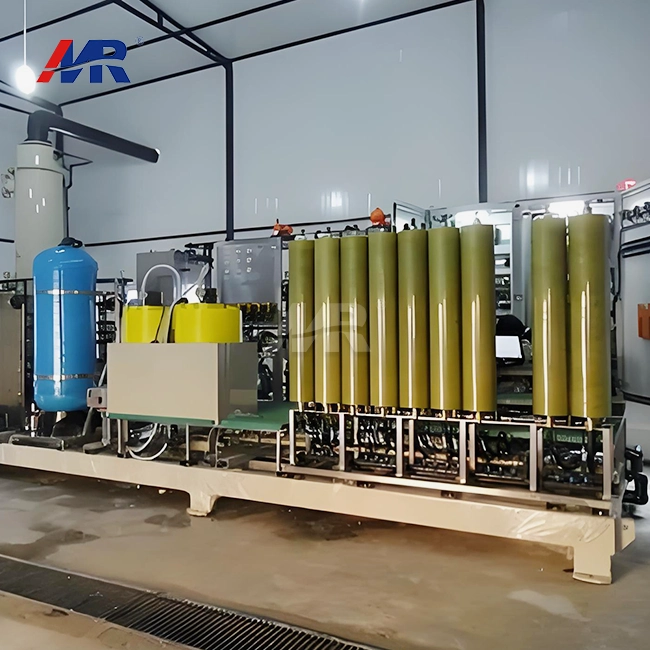
DTRO systems employ disk-tube membrane configurations to provide tiny, high-pressure treatment platforms for concentrated leachate. This process yields greater concentration multiples than reverse osmosis, reducing permeate waste by 85–90%. DTRO is excellent for severe landfill usage where traditional treatment fails since its modular architecture makes maintenance easier, allows capacity growth, and can manage varying feed quality.
Partner with Morui for Your Leachate Treatment Solutions
Morui Environmental Technology has about 500 employees, 20 engineers, and 14 offices in Guangdong that can provide comprehensive leachate management services. Our comprehensive services include system design, equipment supply, installation, and testing for landfill leachate collection systems at trash dumps and factories. We produce innovative DTro membrane systems that can reach concentration multiples of 6–8X, reducing waste and business expenses. As an official supplier for Shimge Water Pumps, Runxin Valves, and Createc Instruments, we can provide high-quality parts and fast professional assistance. Technical executives seeking tried-and-true leachate treatment alternatives from a landfill leachate collection system manufacturer may contact our engineering team at benson@guangdongmorui.com to discuss unique solutions that suit your operational demands and environmental compliance goals.
References
1. Tchobanoglous, G., & Kreith, F. (2002). Handbook of Solid Waste Management, Second Edition. McGraw-Hill Professional.
2. Rowe, R.K., & Sangam, H.P. (2002). Durability of HDPE Geomembranes. Geotextiles and Geomembranes, 20(2), 77-95.
3. Renou, S., Givaudan, J.G., Poulain, S., Dirassouyan, F., & Moulin, P. (2008). Landfill Leachate Treatment: Review and Opportunity. Journal of Hazardous Materials, 150(3), 468-493.
4. Kulikowska, D., & Klimiuk, E. (2008). The Effect of Landfill Age on Municipal Leachate Composition. Bioresource Technology, 99(13), 5981-5985.
5. Slack, R.J., Gronow, J.R., & Voulvoulis, N. (2005). Household Hazardous Waste in Municipal Landfills: Contaminants in Leachate. Science of the Total Environment, 337(1-3), 119-137.
6. Abbas, A.A., Jingsong, G., Ping, L.Z., Ya, P.Y., & Al-Rekabi, W.S. (2009). Review of Landfill Leachate Treatments. American Journal of Applied Sciences, 6(4), 672-684.
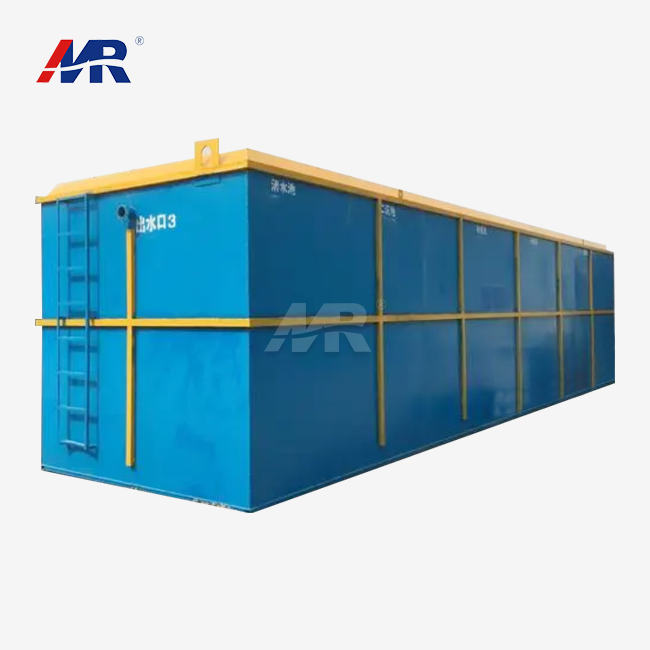 VIEW MOREwaste water treatment plant
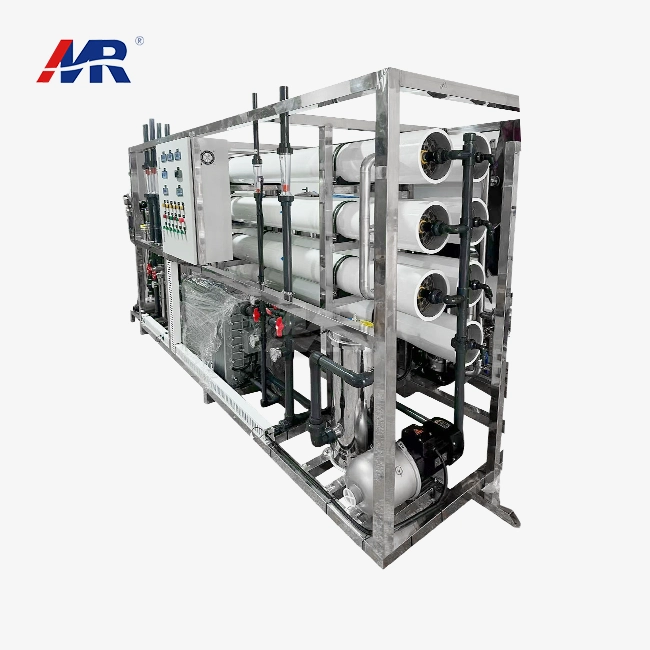 VIEW MOREedi water treatment
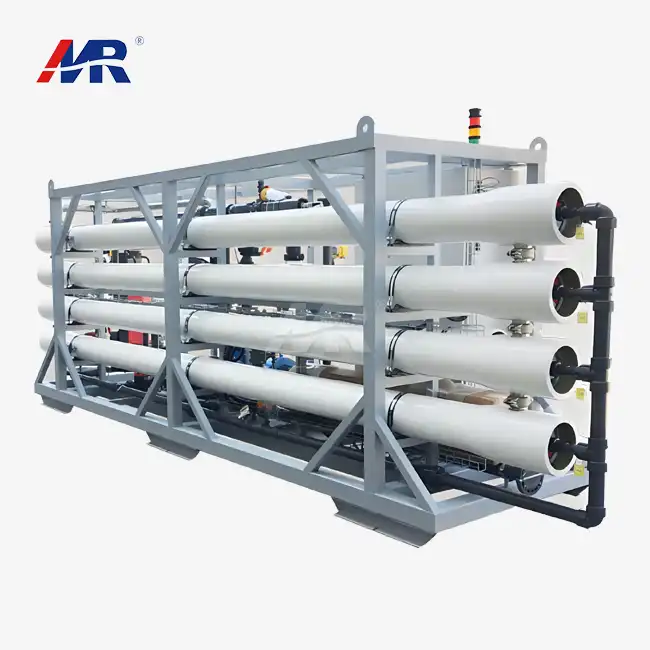 VIEW MORE12m3/hour seawater desalination equipment
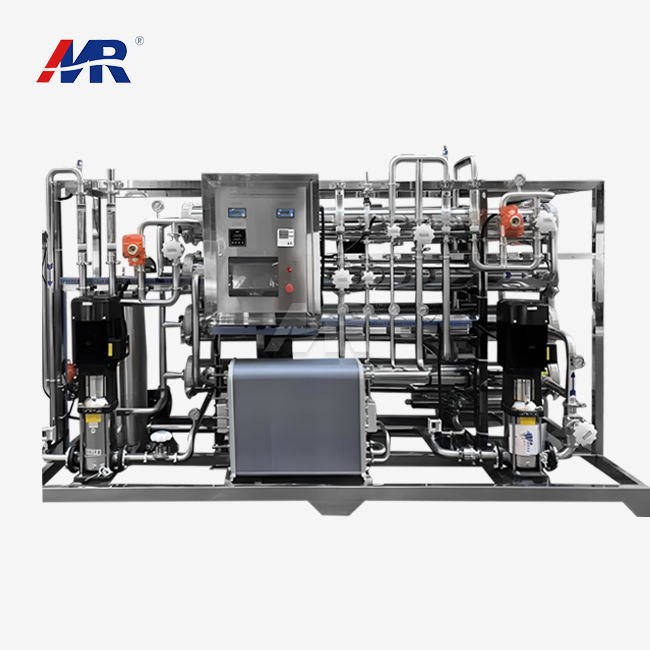 VIEW MOREelectro deionizer system
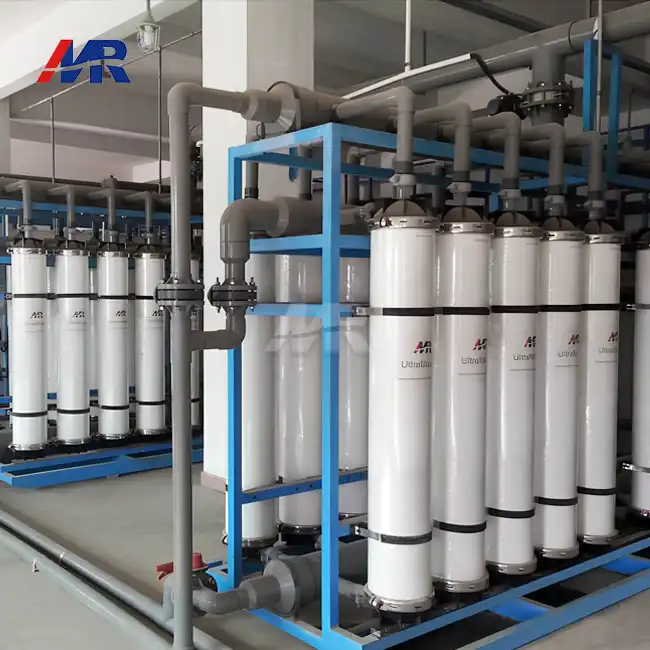 VIEW MORE200m3/hour ultrafiltration equipment
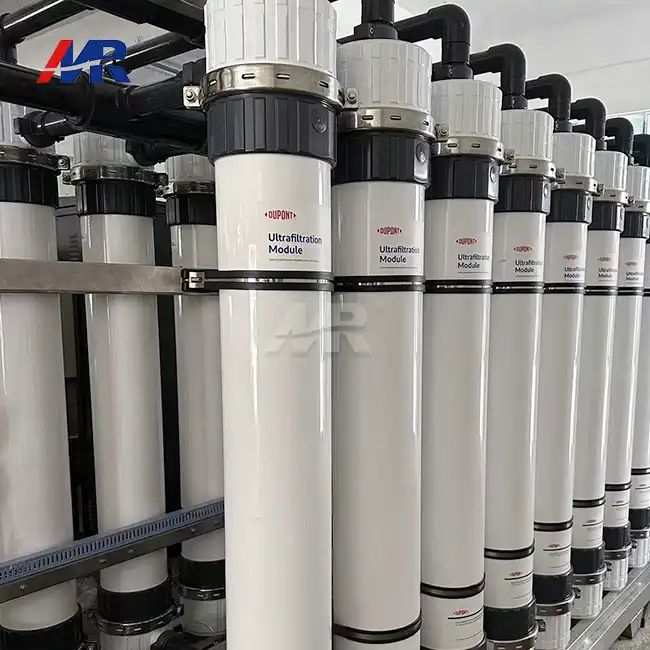 VIEW MORE100T/H ultrafiltration equipment
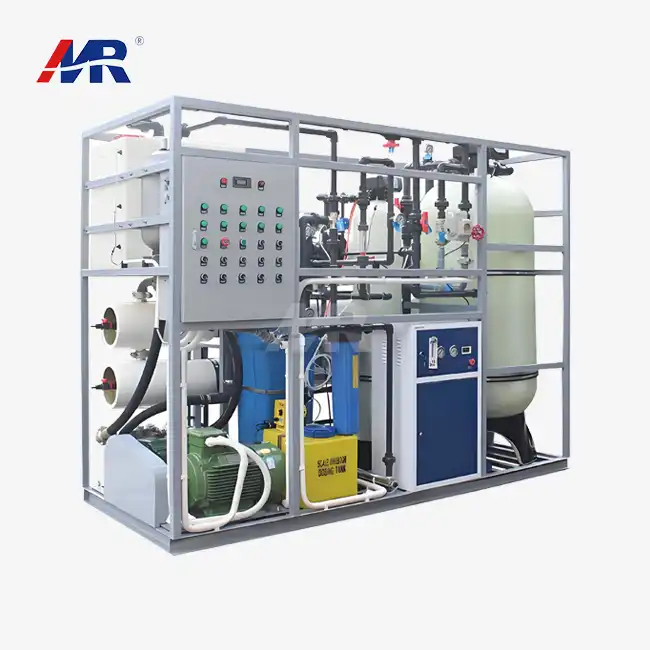 VIEW MORE2T/H seawater desalination plant
 VIEW MOREDTRO Water Treatment
