

_1745823981883.webp)

Ultrafiltration: How It Works & Its Difference from RO
Choosing the right water treatment technology can have a big effect on how well your building works, the ultrafiltration machine, and how clean the water is. In order to successfully remove suspended solids, bacteria, viruses, and proteins through a pressure-driven physical barrier process, an ultrafiltration machine uses semipermeable membranes with pores that are between 0.01 and 0.1 microns. Ultrafiltration is better for treating biological and particulate contaminants than reverse osmosis, which works on dissolved salts. This makes it perfect for use in industrial preparation and process water. When buying, workers know the difference between these two terms, and they can make choices that balance performance needs with energy economy and total cost of ownership.
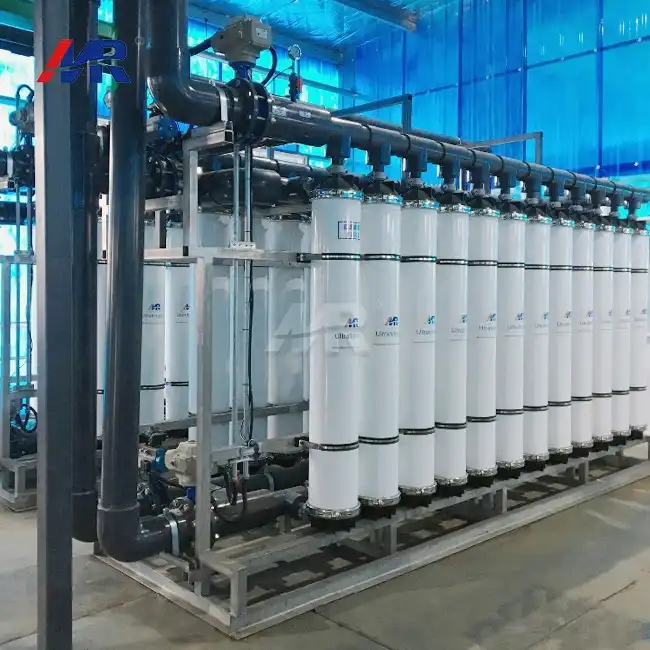
What Is Ultrafiltration and How Does It Work?
The advanced membrane separation technology known as ultrafiltration is now an important part of all industrial water treatment processes. This process is based on special semipermeable membranes that work like molecular sieves, keeping out particles, colloids, bacteria, and high-molecular-weight substances while letting water and low-molecular-weight solutes pass through.
The Science Behind Membrane Filtration
Using membrane pores that are between 0.01 and 0.1 microns in size, the ultrafiltration method works within a very narrow screening range. When feed water goes through these membranes at a fixed pressure, usually between 0.1 and 0.3 MPa, molecules of different sizes separate. On the retentate side, suspended solids, colloidal matter, harmful germs like bacteria that are reduced by 4 to 6 logarithms, viruses, and proteins stay, while clean water moves through as permeate. This physical barrier works very differently from chemical cleaning methods; it keeps working the same way even if the chemistry of the feed water changes.
Core Components of UF Systems
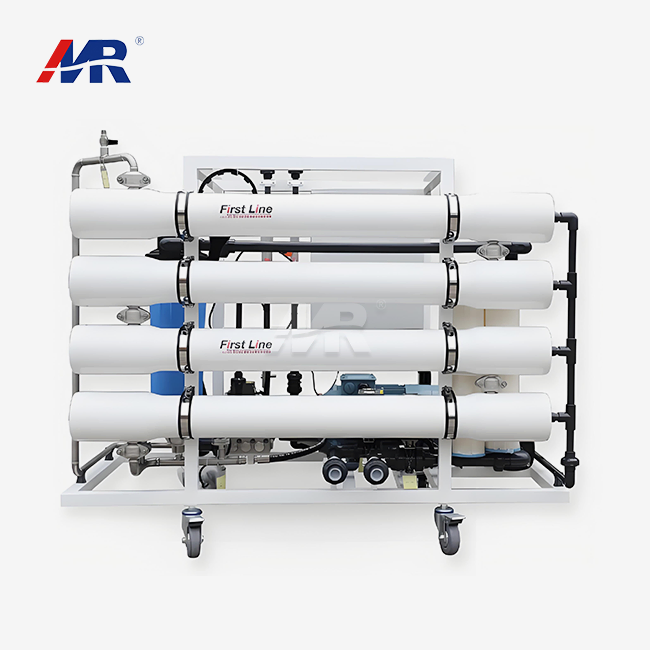
A full ultrafiltration skid incorporates an ultrafiltration machine and several important parts onto a single skeletal framework. The main part of the system is the membrane modules, which come in hollow fiber, spiral wound, or tube shapes. Feed pumps keep the transmembrane pressure at the right level to power the separation process. During the filter and backwashing processes, automated valves control the direction of the flow. PLC and HMI control panels let you watch and change working factors in real time. Clean-in-Place modules let chemicals be cleaned automatically without removing the covering. This modular integration gets rid of the need for complicated building on-site, which lets them be set up quickly in industrial settings with limited space.
Operational Workflow and Process Control
The UF process is organized into a loop that is meant to keep things running at their best. During prep, feed water goes through basic filtering to get rid of big particles that could hurt membranes. The ultrafiltration method then removes the contaminants at the molecular level, making the permeate very good. Backwashing changes the direction of flow every so often, which removes particles that have built up on barrier surfaces. When pressure differences show fouling, chemicals are used to clean the area. Some optional steps that can be done after the treatment are disinfecting or cleaning again. Modern systems with flow rates between 50 and 1000 m³/h constantly check things like pressure difference, flow rate, and permeate quality, and they change their actions automatically to keep the filter efficiency above 99.9%.
Ultrafiltration vs Reverse Osmosis: Understanding the Differences
It is important to know the difference between these two well-known membrane systems when choosing water treatment tools. Even though both use semipermeable barriers, they work in very different ways and are best used for very different things.
Membrane Structure and Separation Mechanisms
The holes in ultrafiltration membranes are pretty big, and they work mostly by blocking out things that are too big. Particles, colloids, and microbes can't get through them, but minerals that have been dissolved and smaller molecules can. On the other hand, reverse osmosis membranes have pores that are much smaller. They use pressure to drive diffusion to get rid of dissolved salts, ions, and even smaller organic molecules. Because of this major difference, UF treats water while keeping the natural minerals in it, while RO makes water that is demineralized and has 95–99% less total dissolved solids.
Energy Consumption and Operating Pressures
The operating pressure needs show that these systems are very different from one another. Ultrafiltration systems usually work at 2 to 5 bar pressure and need about 0.1 to 0.3 kWh of power per cubic meter of water that they clean. For desalination of seawater, reverse osmosis needs much higher pressures—15 to 70 bar, depending on the salt of the feed water—which means it uses more energy than 3 to 6 kWh/m³. UF uses less energy, which directly lowers running costs. This is especially important for facilities that treat large amounts all the time.
Application Suitability and System Integration
Each technology works best in certain situations that are related to how well it can separate things. Ultrafiltration is a great way to clean public drinking water, process water in factories that need to get rid of pathogens, and water that comes before RO systems to keep them from getting clogged. RO is still the best choice for desalination projects, making ultrapure water for pharmaceutical and chip manufacturing, and other uses that need to get rid of dissolved solids. Many modern water treatment plants use both technologies in a certain order. For example, UF is used to clean the feed water before RO processing. This makes the ro membrane last longer in the ultrafiltration machine and the system works better overall.
Applications of Ultrafiltration in Industrial & Commercial Procurement
Ultrafiltration technology solves important water quality problems in many different industry fields. This makes it a flexible option for procurement workers who want reliable results.
Municipal and Drinking Water Treatment
Ultrafiltration is being used more and more by water companies to improve traditional treatment methods. uf membranes get rid of bacteria that are resistant to chlorine, like Cryptosporidium and Giardia, that regular sand filters can't always catch. This feature is especially useful for public water sources that have changing turbidity. UF skid systems have a smaller size than traditional clarification and filter infrastructure, which is good for municipalities because it lets them add more capacity to facilities that are already there. The technology can regularly get Silt Density Index values below 3.0, which protects cleaning processes further down the line and increases the life of distribution system parts.
Food and Beverage Production
Ultrafiltration is used to separate lactose from whey proteins in dairy preparation. This lets whey protein concentrate and milk protein concentrate goods be made. The ability to cold-sterilize keeps essential components that would break down in heat-based processes. UF is used by beverage companies to clarify juice, keep wine and beer stable, and make bottled water. The technology gets rid of germs that cause food to go bad without using chemicals or heat, which could change the taste of the food, which supports the clean-label product positioning.
Pharmaceutical and Biotechnology Manufacturing
Ultrafiltration is used by pharmaceutical companies to make medical-grade water that meets GMP standards. UF systems are good at getting rid of germs, endotoxins, and pyrogens, which are needed to make parenteral drugs, dialysis solutions, and clean surgery instruments. Biotechnology businesses use UF to clean and concentrate proteins, get rid of viruses when making vaccines, and make cell growth conditions clearer. The technology's ability to work at room temperature protects the purity of biological Products and reduces pathogens in a way that is proven to work, which is important for regulatory compliance.
How to Choose the Right Ultrafiltration Machine for Your Business
In order to choose the right membrane filtration equipment for your building, you need to carefully look at the technical specs, working needs, and financial factors that apply.
Assessing Flow Rate and Capacity Requirements
The amount of water your building needs determines the size of the system. Figure out the peak hourly flow needs, making sure to include safety gaps for future growth. Flow rates that can be changed from 50 to 1000 m³/h make the equipment useful for a wide range of tasks. Think about whether your production plan works better with constant operation or batch processing. Modular systems are helpful for facilities with changing demand because they let them add capacity in small steps without having to update the whole system. When defining capacity, keep track of seasonal changes and growth forecasts to avoid going out of date too soon.
Evaluating Feed Water Characteristics
A thorough study of the feed water helps choose the right ultrafiltration membranes and set up the system correctly. Check the water for clarity, the amount of suspended solids, the amount of organic matter (measured by chemical oxygen demand or total organic carbon), bacterial contamination, and temperature. Water that has a lot of turbidity or solids in it may need more preparation before it can go through ultrafiltration. Temperature changes how well membranes work and how they should be cleaned. The chemistry of the feed water affects the choice of membrane material. Polyethersulfone membranes are very resistant to chemicals, while polyvinylidene fluoride membranes are stronger mechanically. Sharing detailed info on water quality with equipment makers makes sure that the right method is specified.
Comparing Technology Alternatives
Besides ultrafiltration, there are other methods that you might want to think about if your goals for water quality are different. Microfiltration with bigger pores works well in situations where getting rid of viruses isn't needed, but getting rid of germs and particles is. Nanofiltration is a type of filtration that reduces some dissolved solids while using less energy than full RO. It is a bridge between UF and RO. The best answer can be found by directly comparing the costs of capital, running costs (including energy and chemical use), maintenance needs, and environmental impact. Hybrid methods that use more than one technology at the same time are useful for many uses.
Conclusion
Industrial leaders can choose the best water treatment options if they know about ultrafiltration technology and how it differs from reverse osmosis. UF systems are very good at getting rid of particles and microbes because they use little energy and work with membranes that work at low pressures. The technology works great in many situations, from cleaning city water to making medicines, and it is often used as an important RO preparation. For implementation to go well, flow requirements, feed water features, and supplier skills need to be carefully looked at. Using the right upkeep steps will extend the life of the membrane and make the system more reliable. As standards for water quality get stricter and concerns about the environment grow, ultrafiltration keeps showing its worth in many industry areas by working well and efficiently.
FAQ
1. Can ultrafiltration completely replace reverse osmosis systems?
When it comes to treating water, ultrafiltration and reverse osmosis work best when used together. UF is good at getting rid of colloids, germs, viruses, and floating solids, but it lets dissolved salts and minerals pass through. RO gets rid of these dissolved substances that UF can't catch. UF alone is good for tasks that only need to get rid of pathogens and small particles, but RO is needed for purification and making ultrapure water. Many sites use both at the same time. UF keeps RO membranes from getting clogged up while RO meets the end water quality standards. When choosing the right technology, you should think about your unique water quality goals and the contaminants that you are worried about.
2. What is the typical lifespan of ultrafiltration membranes?
The life of a UF membrane can be anywhere from three to seven years, based on the quality of the feed water, how it is used, and how often it is maintained. Water that is aggressive and has a high fouling potential shortens the life of a membrane. Water that has been properly handled and cleaned, on the other hand, makes it last longer. Working within the pressure and temperature ranges suggested by the maker stops degradation from happening too soon. Backwashing and chemical cleaning should be done on a regular basis to keep the membrane permeable for as long as it is used. Keeping an eye on changes in the pressure difference and the quality of the permeate over time lets you know when it's time to replace the membrane. When making a budget, the total cost of ownership should include the cost of replacing the membrane at some point.
3. How does energy consumption compare between UF and RO systems?
Ultrafiltration usually uses 0.1 to 0.3 kWh per cubic meter of treated water, which is a lot less than reverse osmosis systems, which need 3 to 6 kWh/m³ for seawater and 1 to 2 kWh/m³ for brackish water. Because UF systems work with 0.1 to 0.3 MPa of pressure instead of 15 to 70 bar for RO systems, they use less energy. Facilities that process large amounts of water save a lot of money on running costs by using less energy. Concerns about energy efficiency are especially important for users who need to save money or places where power costs a lot. This makes UF an economically appealing choice when its ability to separate materials meets water quality standards.
Partner with Morui for Advanced Ultrafiltration Solutions
Guangdong Morui Environmental Technology offers complete ultrafiltration machine options backed by years of experience in the field and a wide range of manufacturing skills. Our systems use cutting-edge membrane technology and can handle flow rates of 50 to 1000 m³/h. They are very efficient at filtering (more than 99.9%) while using very little power (0.1 to 0.3 kWh/m³). With over 14 regional branches, more than 500 committed workers, 20 specialized engineers, an ultrafiltration machine, and our own membrane production facilities, we can take care of the whole project, from supplying the equipment to installing it and making sure it works.
We are an official supplier for well-known names like Shimge Water Pumps, Runxin Valves, and Createc Instruments. Our integrated solutions are perfect for making medicines, processing foods, treating water for cities, and other industry uses. Our small system designs make the best use of the room, and our easy-to-follow upkeep steps keep downtime to a minimum. Longer service life due to strong building saves your investment over many years of dependable use.
Get in touch with our expert team to talk about your unique needs for treating water. Visit moruiwater.com or email us at benson@guangdongmorui.com to learn more about our full line of ultrafiltration systems from a reputable maker. We give you full technical specifications, competitive quotes, and expert advice to help you feel confident in your purchasing choices.
References
1. American Water Works Association Research Foundation. (2020). "Membrane Filtration Guidance Manual: Second Edition." Denver: AWWA Publishing.
2. Baker, R.W. (2019). "Membrane Technology and Applications: Third Edition." Hoboken: John Wiley & Sons.
3. Crittenden, J.C., Trussell, R.R., Hand, D.W., Howe, K.J., and Tchobanoglous, G. (2018). "MWH's Water Treatment: Principles and Design: Fourth Edition." Hoboken: John Wiley & Sons.
4. Melin, T., and Rautenbach, R. (2021). "Membrane Processes in Industrial Wastewater Treatment." Water Science and Technology Journal, 84(3), pp. 612-628.
5. Singh, R. (2022). "Membrane Technology and Engineering for Water Purification: Industrial Applications and Implementation." Cambridge: Cambridge University Press.
6. World Health Organization. (2021). "Potable Reuse: Guidance for Producing Safe Drinking Water – Membrane Filtration Technologies." Geneva: WHO Press.
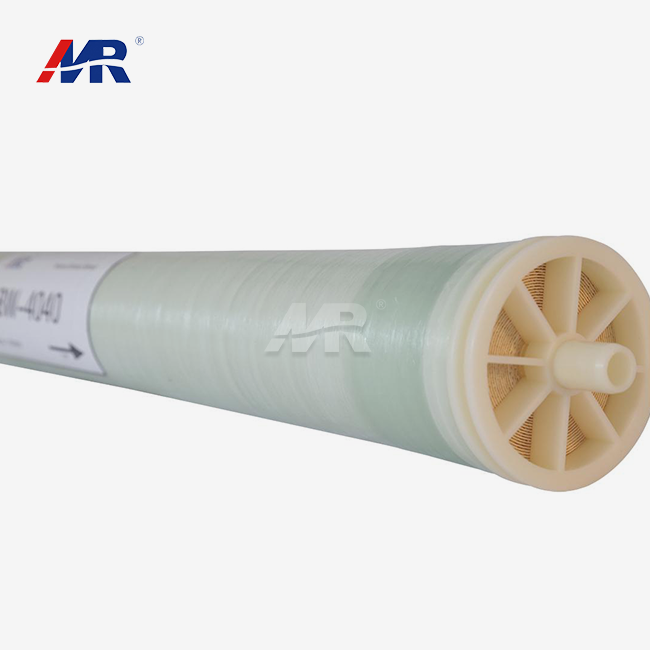 VIEW MOREindustrial reverse osmosis membrane
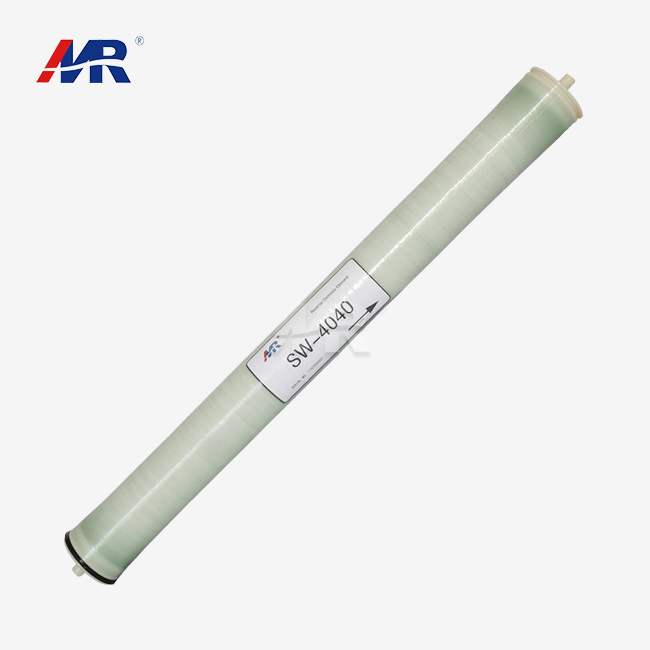 VIEW MORE4040 seawater reverse osmosis membrane
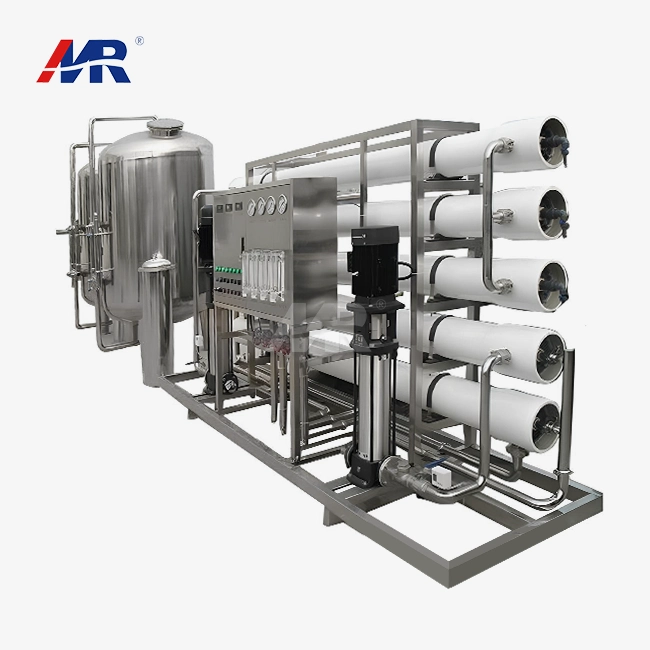 VIEW MOREbrackish water reverse osmosis
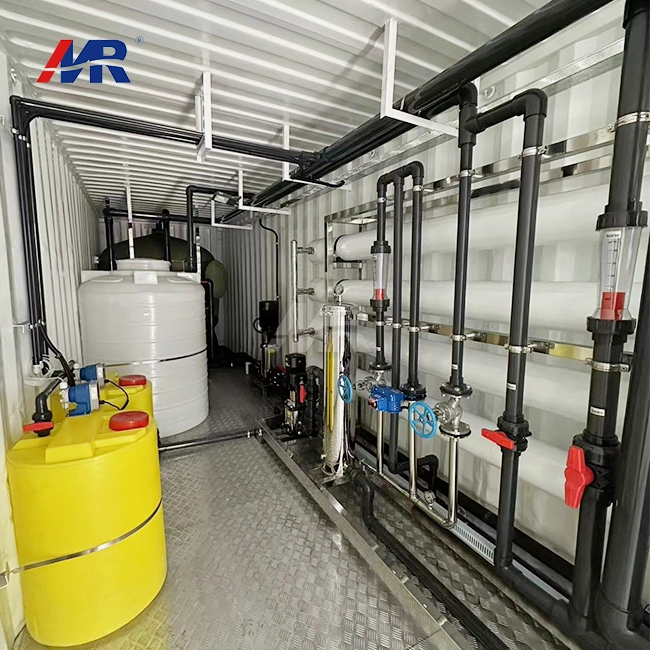 VIEW MOREcontainerized desalination plant
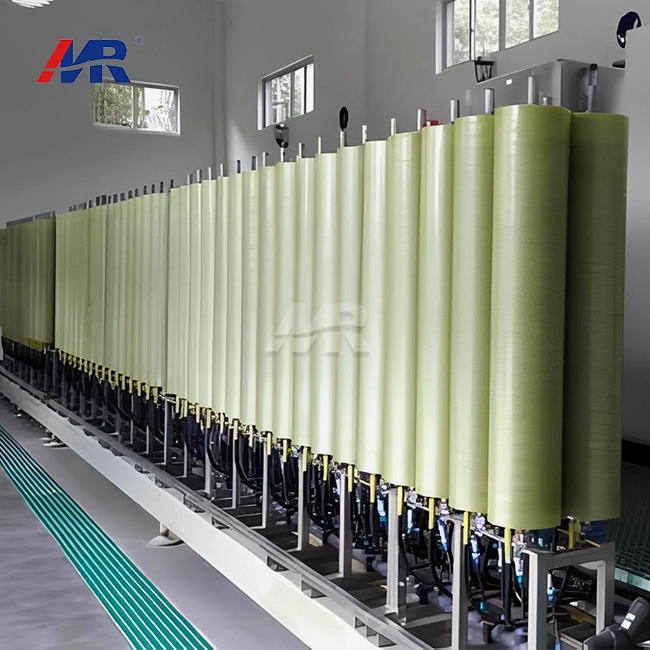 VIEW MORELeachate DTRO Treatment Equipment
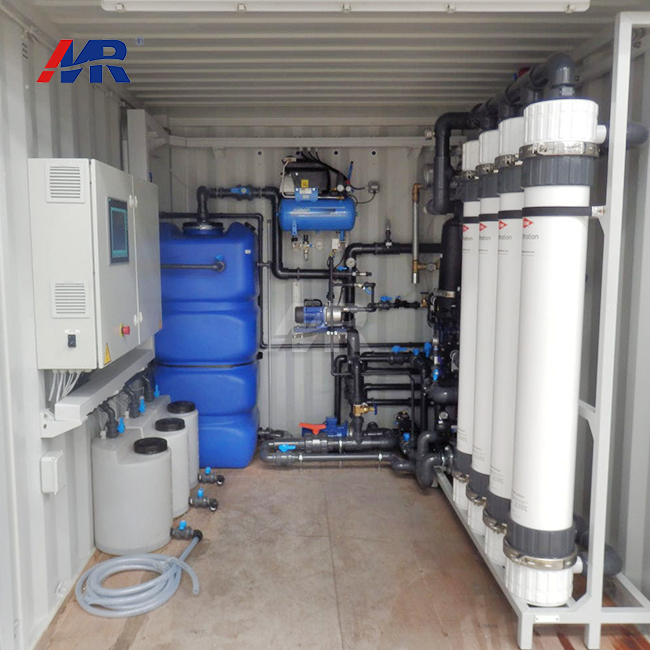 VIEW MOREcontainerized ultrafiltration equipment
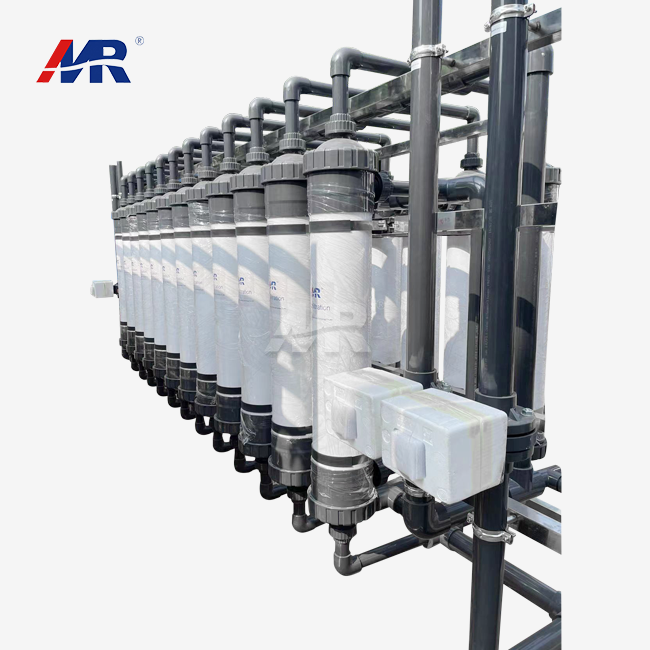 VIEW MOREindustrial ultrafiltration systems
 VIEW MOREseawater desalination system
