_1745823981883.webp)

Regulatory-Compliant Leachate Treatment: Navigating Environmental Pollution Controls
Regulatory-compliant membrane">leachate plant wastewater treatment is a key area where environmental protection and corporate duty meet. When a leachate plant is built correctly, it can turn dangerous, polluted liquid from dumps and industrial waste sites into safe effluent that meets strict standards for release. This process keeps groundwater sources safe, stops land degradation, and makes sure that new environmental rules are followed. Knowing the technical needs, treatment technologies, and buying factors helps people make choices that combine running a business efficiently with taking care of the earth in the long term.
Understanding Leachate and Its Environmental Impact
What Is Leachate and Why Does It Matter?
Leachate is created when rainwater seeps through waste, breaking it down and bringing different contaminants with it. This dark, smelly liquid has heavy metals, ammonia, bacteria, dissolved organic matter, and permanent organic pollutants in it. Most people are familiar with leachate from municipal dumps, but similar dangerous liquids with different chemical signatures are also made at industrial sites, mines, and projects to clean up polluted soil. Leachate that is not controlled has effects on the environment that go far beyond the place where it is dumped. Groundwater that is polluted can make drinking water sources useless for many years. Agricultural land that is hit by leachate flow has toxic soil that makes crop production terrible. Dissolved oxygen loss and bioaccumulation of toxins have especially bad effects on aquatic environments, upsetting whole food chains.
Regulatory Frameworks Driving Compliance
All over the United States, environmental laws require thorough leachate control plans. The Resource Conservation and Recovery Act (RCRA) sets basic standards for places that handle and dispose of trash. The National Pollutant Discharge Elimination System (NPDES) is in charge of enforcing the Clean Water Act's strict discharge limits. Facilities that release treated wastewater are required to get licenses and be inspected regularly. Regulations at the state level often add extra standards that go above and beyond the federal minimums. For example, California's strict water safety standards require facilities to use more modern treatment methods than those in states with fewer rules. When spending in treatment facilities, procurement managers need to know both the current state of compliance and the direction that regulations are likely to take in the future.
Types of Leachate Across Industries
Manufacturing plants make a leachate plant that has properties that are specific to their processes. Chemical plants make leachate, which is made up of liquids and reaction waste. Electroplating processes make wastewater that is full of chromium, nickel, and arsenic chemicals. Standard treatment methods have trouble getting rid of drug residues and chemicals that mess with hormones, which are problems for pharmaceutical companies. The yearly changes in municipal solid waste leachate are caused by changes in weather patterns and the types of trash that are dumped. Young leachate from areas that were just filled in has a low pH and a lot of volatile fatty acids. Mature leachate from earlier waste areas is more difficult to deal with because it has a lot of ammonia and organic compounds that are hard for living things to break down.
Core Principles and Processes of Regulatory-Compliant Leachate Treatment
Multi-Stage Treatment Methodology
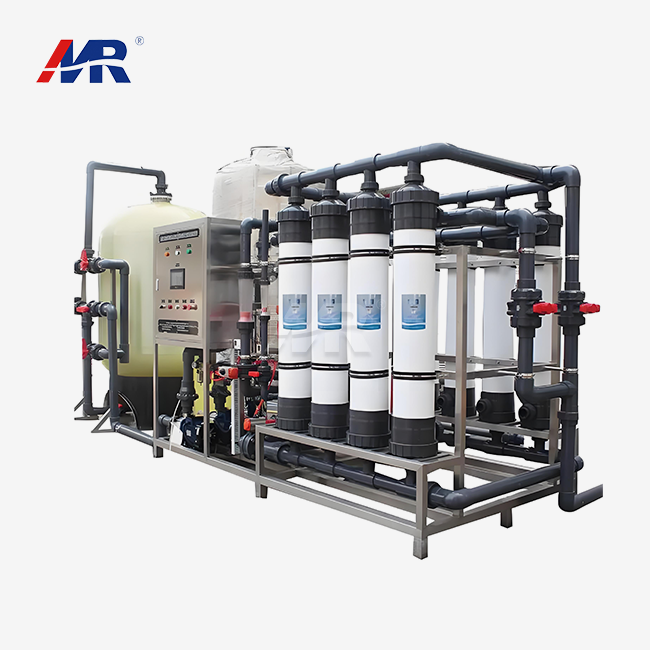
To handle leachate well, different types of contaminants must be removed in a series of cleaning steps. Screening and sedimentation are two ways that physical preparation gets rid of suspended solids and grease. This keeps equipment further down the line from getting clogged up or damaged. Before more intense treatment rounds, this first step lowers the organic load. Microbial groups break down dissolved organic waste as part of biological treatment. Activated sludge devices add air to the water to help aerobic bacteria break down organic pollutants into carbon dioxide and biomass. The effluent quality is better, and the membrane bioreactors leave smaller tracks than other systems because they mix biological treatment with ultrafiltration. Anaerobic digestion is better for high-strength leachate because it makes biogas, which is a useful waste, while lowering the organic level.
Chemical and Advanced Oxidation Processes
Chemical cleaning gets rid of toxins that can't be broken down by living things. During coagulation and flocculation, dissolved particles stick together to form bigger bodies that are easier to settle. Chemical precipitation gets rid of heavy metals by turning ions that are dissolved in water into molecules that are not soluble. Changing the pH level makes the conditions better for the next steps of cleaning and ensures that the final effluent meets the requirements for release. The most cutting-edge technique for treating wastewater is advanced oxidation methods. These ways make hydroxyl radicals that are very reactive and break down organic toxins that stick around for a long time.
Membrane Technologies and Reverse Osmosis
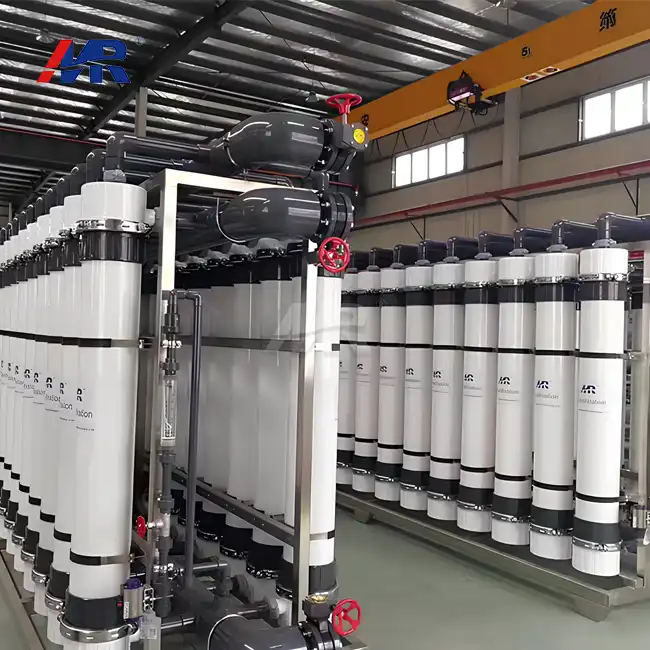
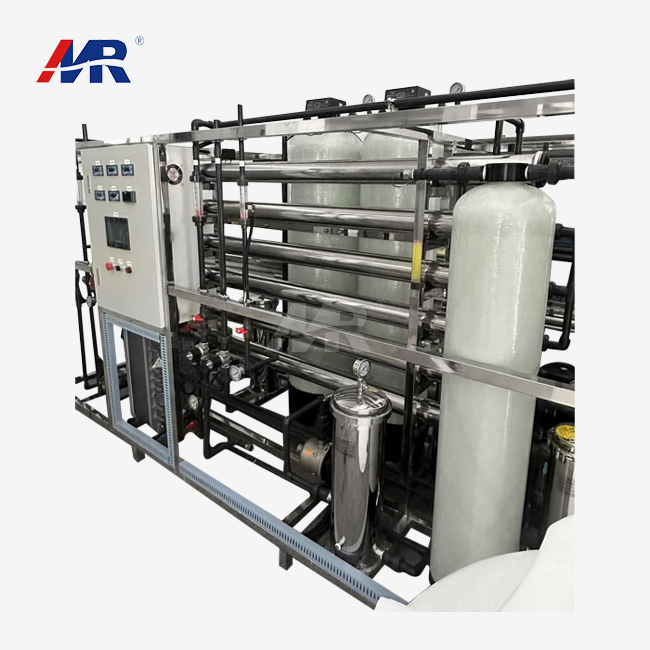
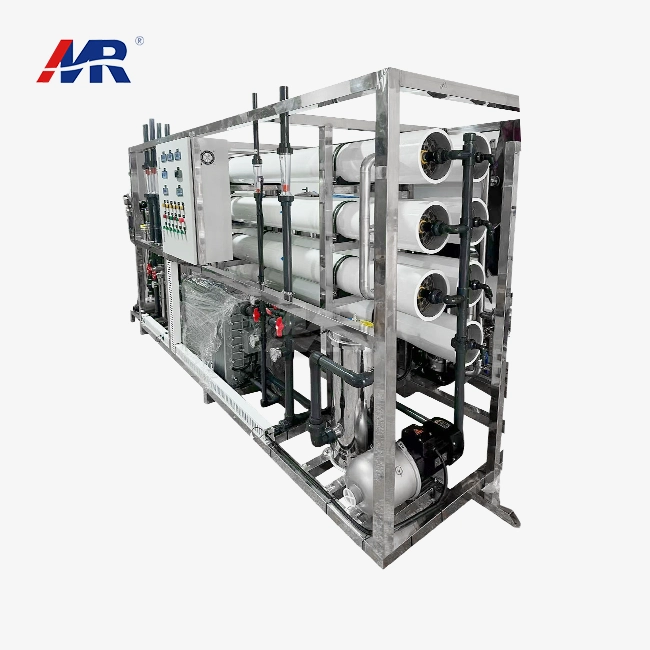
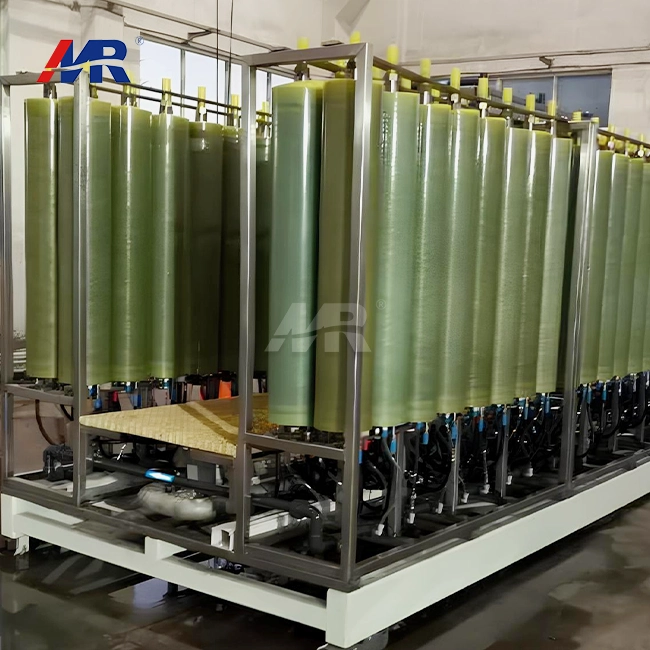
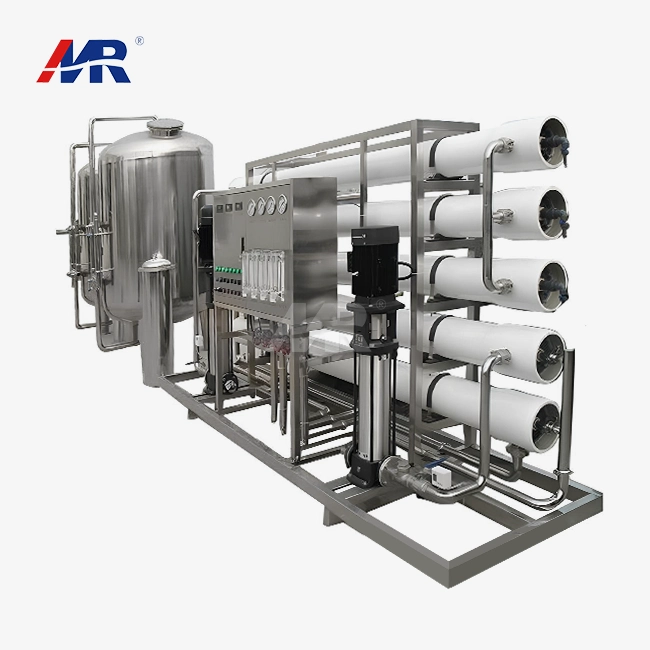
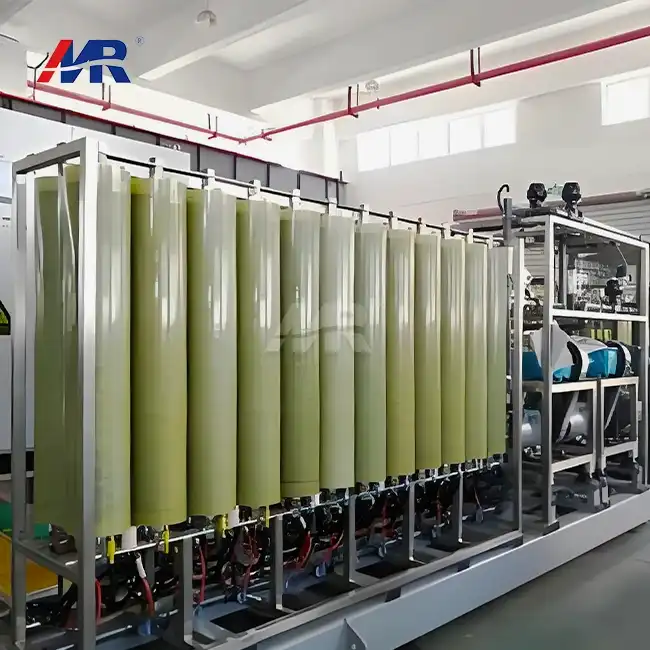
Using membrane separation methods to get rid of contaminants is very effective for many types of pollutants. Reverse osmosis systems push runoff through membranes that are only partially permeable. These membranes block dissolved salts, organic molecules, and small amounts of contaminants. The permeate that is made is almost as good as pure water, so it can be dumped into sensitive receiving waters or used again in industrial processes. Nanofiltration is a method that is between reverse osmosis and ultrafiltration. It removes divalent ions and bigger organic molecules while letting monovalent salts pass. Compared to full reverse osmosis, this selection uses less energy while still getting rid of a lot of contaminants.
Selecting and Procuring Regulatory-Compliant Leachate Treatment Systems
Critical Selection Criteria
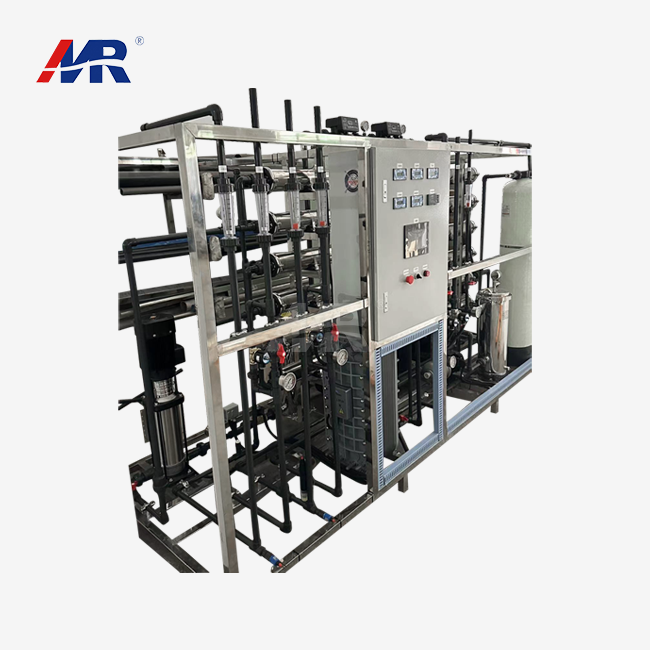
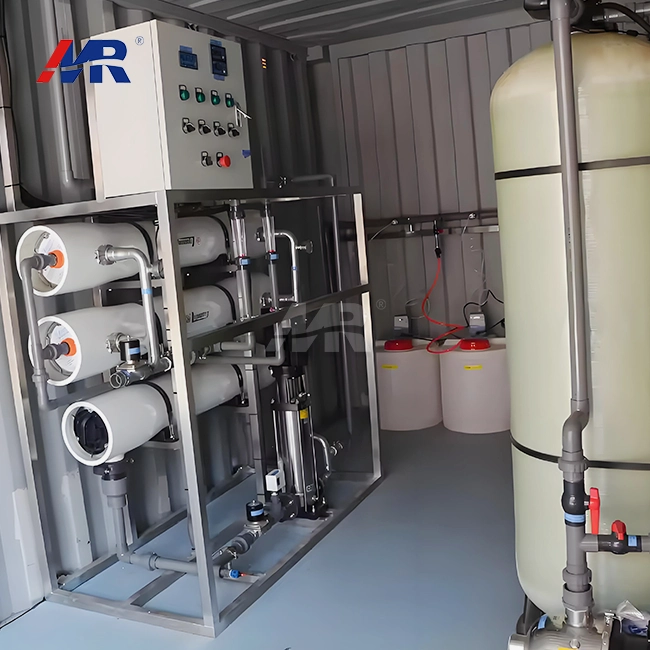
The treatment capacity needs to be able to handle both normal leachate plant flows and high discharge events without having to skip or lose performance. When the snow melts in the spring, and it rains a lot, a lot of trash flows into landfills. Manufacturing plants may release waste in large amounts at regular intervals, which can cause spikes. By planning for these worst-case scenarios, compliance issues can be avoided during key times. Automation powers improve business efficiency while lowering the need for workers. Modern treatment systems have programmable logic controls that change the process settings based on readings of the water quality taken in real time. Remote tracking tools let people keep an eye on things from afar, and alarms let operators know about problems as they start to get worse. Data logging helps with legal reporting needs and shows that regular compliance has been met.
Evaluating Suppliers and Manufacturers
Manufacturers that have been around for a while have track records that lower the chance of buying from them. Companies that have had setups running for decades show that their technologies are mature and that their designs are well-thought-out so that parts don't break down too soon. When looking at different providers of leachate plants, look at the projects they've worked on in the past in businesses and treatment situations that are similar to yours. Certification and quality assurance methods show that a company is serious about making things and meeting performance standards. Getting ISO 9001 approval shows that you handle quality in a planned way throughout the whole production process. The NSF/ANSI 61 approval makes sure that the parts of the system meet safety standards for drinking water.
Implementation and Commissioning Support
Full installation services make deployment easier and make sure that the system works well with everything else. Experienced workers who know how to use the right tools keep building on schedule and avoid making changes in the field that hurt performance. It takes careful planning and clear communication rules for the building, mechanical, electrical, and monitoring trades to work together. Commissioning is the most important step between building and running. Systematic startup processes make sure that every part works as it should before the leachate is processed. Performance testing in a range of working situations shows that the system meets the treatment goals that were promised.
Maintaining Compliance and Performance Over Time
Preventive Maintenance Strategies
Regular checks find problems before they get worse, the leachate plant and break the system, or breaks the rules. During daily walkthroughs, strange sounds, movements, or visual issues are noted while the equipment is being used. Treatment performance trends can be seen through weekly sampling at key steps of the process. These trends may show that biological activity is decreasing or that membranes are getting clogged. Every month, thorough checks are done on instruments to look at wear parts, lubrication levels, and calibration shift. Unexpected breakdowns are avoided by replacing parts on schedules based on what the maker says and what you've learned from using the system. Membrane elements need to be replaced every so often because fouling lowers the flow and raises the working pressure.
Real-Time Monitoring and Data Analytics
Monitoring the water quality all the time gives instant feedback on how well the cleaning is working. Online monitors that check for pH, dissolved oxygen, sediment, and conductivity show when there are problems in the process that need to be fixed. Total organic carbon analyzers and ion-selective probes are used in more advanced setups to measure specific contaminants and allow for exact process control. Predictive analytics uses data about past performance to guess what repairs will be needed and how to make things run more smoothly. Machine learning systems find trends that happen before equipment breaks down, which leads to proactive actions. Cloud-based platforms collect data from many sites and make it possible to compare benchmarks and find the best ways to do things across building networks.
Remote Oversight Technologies
Connecting to the internet changes how facilities are managed by letting tracking and control happen from outside the building. From central control rooms, operators check on the state of the system and oversee multiple treatment plants in different places. Mobile apps let you see important factors and warning conditions from anywhere, so operators can respond quickly no matter where they are. Integration with larger building management tools makes operations run more smoothly. Enterprise resource planning tools keep track of how much energy, chemicals, and maintenance costs are used by getting data from treatment plants.
Conclusion
To treat leachate in a way that meets regulatory standards, you need to know how environmental science, building technology, and regulatory systems all work together. The cleaning methods described here can help control pollution effectively while keeping operations running smoothly. From pharmaceuticals to power supply, each industry has its own problems that need custom answers instead of methods that work for everyone. Facilities stay in line with regulations while saving the natural resources that people depend on by carefully examining treatment technologies, choosing reliable suppliers, and putting in place strict upkeep plans.
FAQ
1. What pollutants do leachate treatment plants typically remove?
Organic substances (measured by biochemical oxygen demand and chemical oxygen demand), suspended solids, ammonia nitrogen, heavy metals like lead and mercury, and harmful bacteria are the things that treatment systems try to get rid of. Pharmaceuticals, personal care Products, and per- and polyfluoroalkyl substances are some of the new toxins that advanced systems can get rid of that are hard for traditional treatment methods to do. The specific cleaning skills depend on the technology chosen.
2. How long does a leachate treatment system installation typically require?
From the time the contract is awarded until it is commissioned, simple biological treatment systems may be up and running in six months. Installations that are very complicated, with many treatment steps, a lot of building work, and connecting to existing infrastructure usually take twelve to eighteen months. Packaged systems cut down on wait times by a lot, and some can be up and running within three months of site preparation being finished.
3. What operational expertise do facilities need for leachate treatment?
People who work with biological systems need to know about microbial ecology and be able to spot problems in the process and fix them. When installing membranes, it's important to follow cleaning and fouling protection steps. Chemical dosing systems need to be watched over to make sure they use the correct feed rates and safe handling methods. A lot of places hire qualified wastewater treatment operators, but current staff can also get the skills they need through training programs.
Partner With Morui for Comprehensive Leachate Treatment Solutions
Guangdong Morui Environmental Technology makes complete leachate treatment systems that are designed to meet government standards in both industry and urban settings. Our skills cover the whole range, from the original site assessment to system design, equipment manufacturing, installation supervision, and ongoing professional support. We have more than 500 committed professionals, including twenty expert engineers, who can give difficult environmental projects the depth of knowledge they need.
We don't just use parts from other companies; we also run our own factories to make membranes, so we can keep an eye on quality throughout the whole process. This vertical merging makes it possible to customize to meet the needs of each site while keeping prices low. Our relationships with well-known names like Shimge Water Pumps and Runxin Valves work well with our own technologies to make sure that all parts of the system work well.
Our Team works closely with procurement managers and technical decision-makers to come up with the best solutions, whether you need a small treatment solution for a new building or a full turnkey system that serves a large industrial complex. We accept questions from companies that make leachate plants, procurement teams that are looking at providers, and building owners who want tried-and-true ways to meet environmental standards. Email our expert team at benson@guangdongmorui.com to talk about your unique needs and find out how our experience can help you reach your environmental goals.
References
1. Environmental Protection Agency. (2021). "Leachate Management at Municipal Solid Waste Landfills." EPA Office of Resource Conservation and Recovery, Technical Guidance Document Series.
2. Renou, S., Givaudan, J.G., Poulain, S., Dirassouyan, F., & Moulin, P. (2008). "Landfill Leachate Treatment: Review and Opportunity." Journal of Hazardous Materials, Volume 150, Issue 3, Pages 468-493.
3. Kjeldsen, P., Barlaz, M.A., Rooker, A.P., Baun, A., Ledin, A., & Christensen, T.H. (2002). "Present and Long-Term Composition of MSW Landfill Leachate: A Review." Critical Reviews in Environmental Science and Technology, Volume 32, Issue 4.
4. American Water Works Association. (2020). "Membrane Treatment for Landfill Leachate: Design Considerations and Operational Experience." AWWA Water Science Division Technical Report.
5. National Research Council. (2019). "Emerging Contaminants in Landfill Leachate: Challenges and Treatment Technologies." National Academies Press, Environmental Engineering Committee Publication.
6. Water Environment Federation. (2022). "Industrial Wastewater Management, Treatment, and Disposal: Third Edition." WEF Manual of Practice No. 3, Leachate Treatment Systems Chapter.