_1745823981883.webp)

How to Comply with Landfill Leachate Regulations: A Practical Guide
Following the landfill leachate treatment criteria is required for efficient discharge. To protect the environment and keep the business running, use cutting-edge technologies like DTRO membrane systems, set up regular COD, BOD, ammonia, and heavy metal checks, keep detailed records, and work with solution providers who have a lot of experience and know the rules and problems at each site.
Introduction
Managing landfill leachate is one of the hardest things waste management companies can do for the environment. Rainwater seeping through decomposing rubbish creates this nasty liquid. It contains toxic heavy metals, ammonia, dissolved organic debris, and other substances that harm groundwater and surface water. Global regulators have established high release limitations. Following these restrictions is good for business and the environment.
I've worked with public and private waste management firms' procurement managers, facility engineers, and environmental compliance officers for years. I've seen how breaching the rules can bankrupt a company, ruin its reputation, and cost it a lot of money. However, investing in adequate treatment facilities and compliance management may streamline a firm and save money. It also protects the environment.
This book discusses real-life rules compliance. Whether you run a city landfill, a company waste facility, or make waste treatment equipment purchases, you can navigate this intricate environment if you grasp the compliance laws and the different treatment methods.
Understanding Landfill Leachate and Regulatory Requirements
Learn about landfill runoff and regulations.
The Composition and Environmental Impact of Leachate
Garbage leachate contaminants depend on the waste dropped, the dump's age, and the rainy season. New dumps produce leachate with high organic oxygen demand and gaseous fatty acids. Ammonia and organic compounds in old waste leachate are hard for living organisms to break down. Electronics and other industrial materials can leak lead, cadmium, and chromium. This puts everyone in danger long-term.
Without adequate waste disposal via landfill leachate treatment, subterranean systems may pollute drinking water in entire communities. Pollutants in surface water from landfill leachate treatment damage aquatic environments. This harms fish populations and renders water unusable for cultivation or recreation. Soil contamination near landfills due to inadequate landfill leachate treatment may persist for decades, making land usage difficult and landowners worried.
Consequences of Non-Compliance
Rules violations have serious implications beyond penalties. Environmental groups in different states can issue "cease and desist" orders to curb dumping. You might be penalized hundreds or millions of dollars for violating discharge laws, depending on how serious and how lengthy the rule is. A Midwest landfill was fined $800,000 for several ammonia release breaches. It spent almost $2 million updating its emergency care system.
Not obeying the guidelines costs money and damages the organization's image with the government, local organizations, and potential commercial partners. If infractions are public, citizens may protest development plans, and officials may pay greater attention to site operations. Environmental risk insurance rates might rise significantly, reducing corporate spending for a long period.
Effective Landfill Leachate Treatment Methods for Compliance
Mixed-method firms believe they can better follow the regulations, function effectively, and handle regular leachate changes. According to treatment performance data, hybrid systems remove 95% or more of important pollutants. This reduces rule-breaking by leaving large safety gaps below release limitations.
Biological Treatment Processes
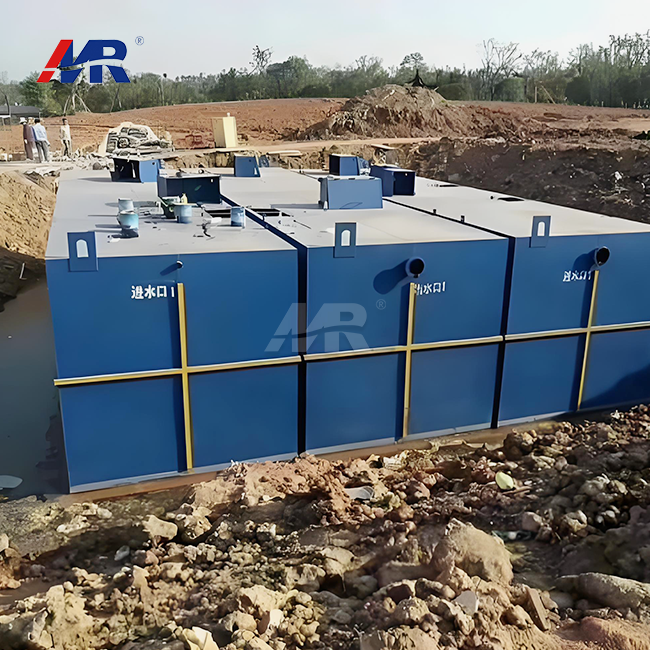
Microorganisms convert runoff chemical waste into carbon dioxide, water, and biomass. The term is biological cleansing. Activated sludge ashes, sequencing batch reactors, and moving bed biofilm reactors can minimize BOD and COD in fresh garbage with plenty of organic content that breaks down. These devices are inexpensive, and most wastewater treatment workers know how to use them.
Bacteria can only do so much to handle mature waste with hard-to-break-down compounds. Nitrification and denitrification must be regulated for pH, alkalinity, and hydraulic holding times to remove ammonia. Repairs may fail in outdoor systems as temperatures change. Winters in the north prevent living things from working.
Advanced Membrane Technologies
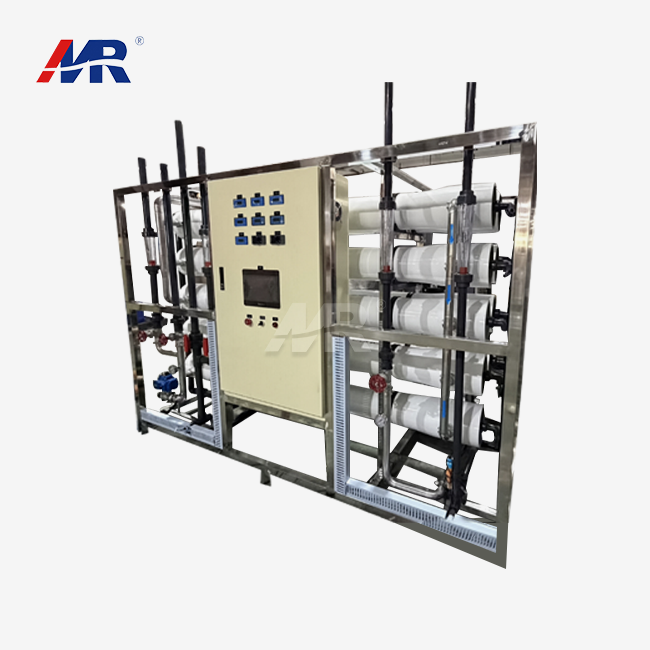
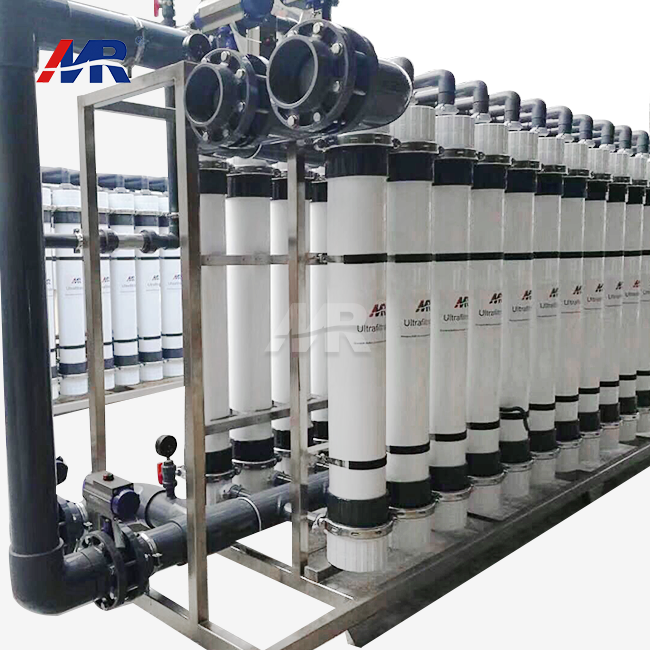
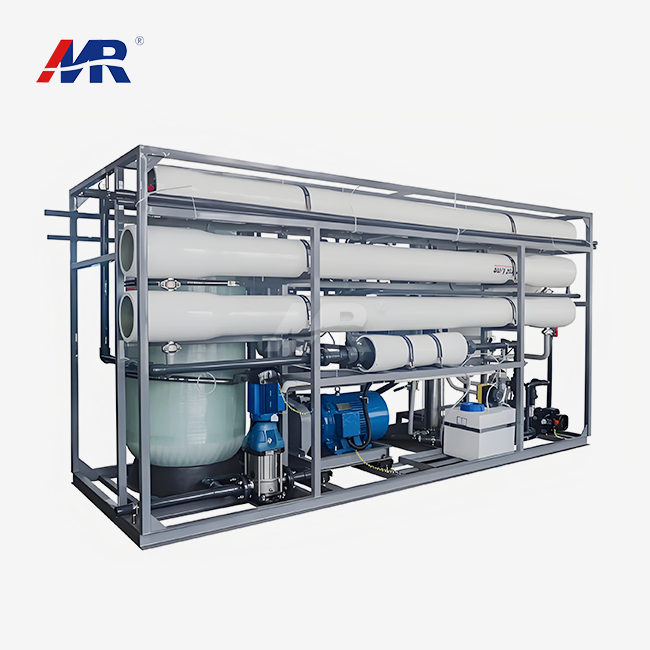
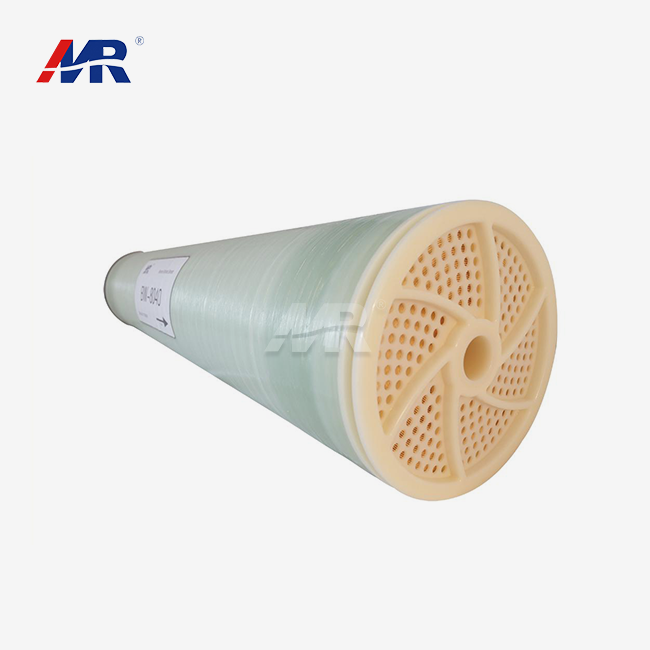
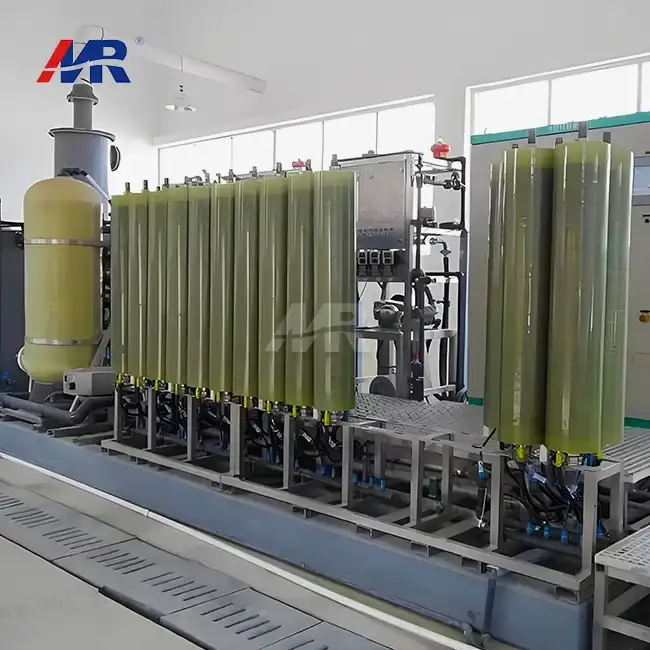
Even if the leachate varies, ultrafiltration, nanofiltration, and reverse osmosis remove pollutants. Dump systems like DTRO (Disk Tube Reverse Osmosis) function well. They increase concentration by 6–8 times and produce high-quality permeate that fulfills tight release standards. Regular spiral-wound membranes can't remove moving things as well as tiny membranes. This reduces gunk and extends cleaning intervals.
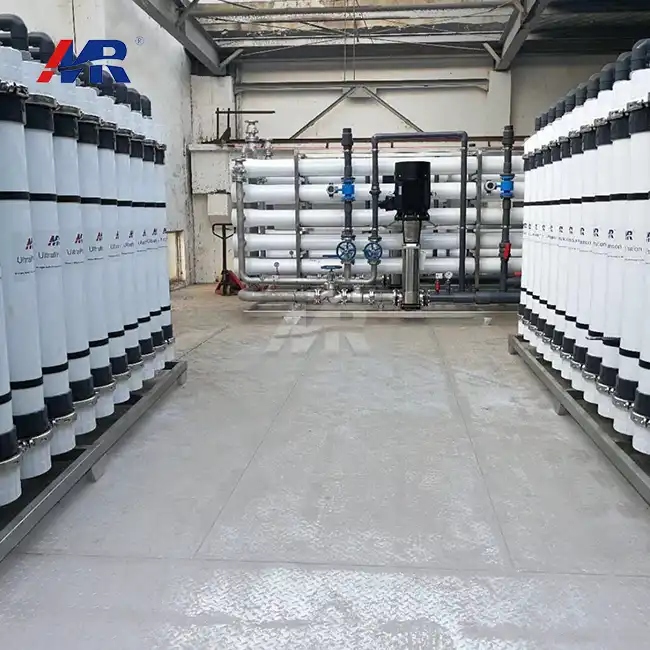
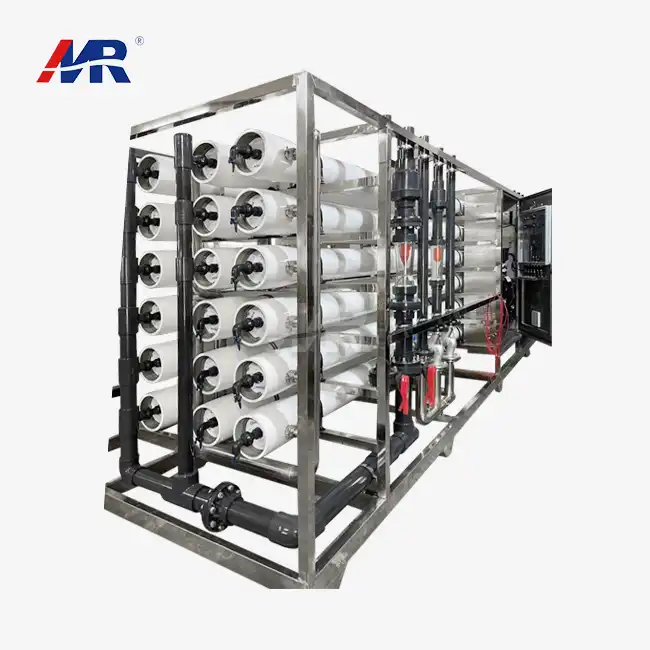
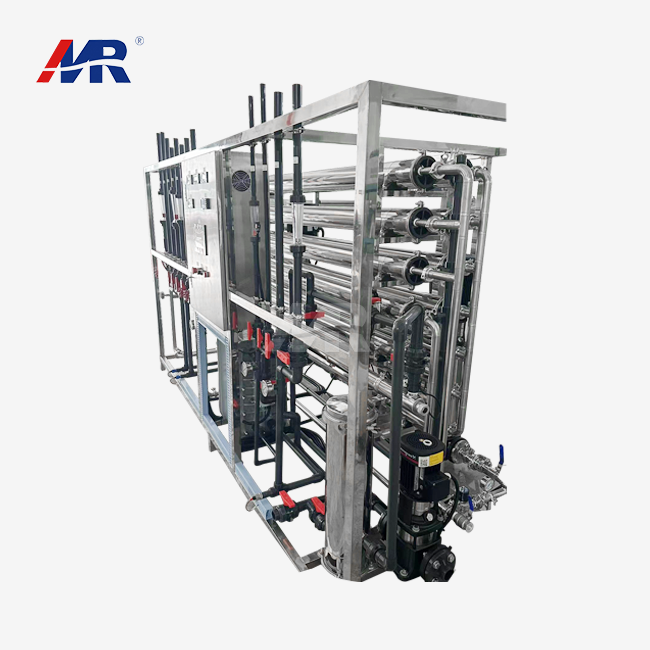
Modern facilities for landfill leachate treatment employ fully integrated membrane systems to recover the maximum water and minimize concentrate. Processes for landfill leachate treatment include preparation, initial DTRO separation, and secondary cleaning. Secondary membranes in landfill leachate treatment clean the first DTRO penetrate further. The concentration from landfill leachate treatment is stored for further treatment or disposal. Degassing towers in landfill leachate treatment remove dissolved gases from the final permeate to meet release regulations. Membrane technology for landfill leachate treatment costs more to start treating water. The benefits of constant effluent quality, little effect, and fewer chemicals for landfill leachate treatment generally outweigh the expense. Membrane systems for landfill leachate treatment are the most cost-effective option for operations that handle 50 to 200 cubic meters of leachate daily to be compliant and efficient.
Implementing a Landfill Leachate Monitoring and Reporting System
Setting up landfill leachate monitoring and reporting.
Essential Monitoring Parameters and Frequencies
Government permits specify what and how frequently to verify. COD, BOD, total dissolved solids, ammonia nitrogen, and pH should be tested weekly or monthly, and heavy metals testing should be done monthly or quarterly, depending on waste type and historical findings. Installed meters can record flow rates to monitor them.
The sample collection process must have followed the requirements for accurate data. Grab samples show how things were at particular eras. When you mix samples across 24 hours, you may observe the average release conditions. Forms called "chain of custody" ensure that samples are kept clean from collection to lab analysis. This protects data during regulator checks.
Digital Monitoring Solutions
Now you can monitor crucial metrics in real time and receive rapid notifications when numbers approach discharge restrictions. Online monitors continuously measure pH, conductivity, turbidity, and dissolved oxygen and feed data to monitoring systems. High-tech sensors can monitor COD, ammonia, and certain metals, but they need more maintenance than probes.
Data management systems collect tracking results, generate trend reports, and provide regulatory reports quickly. Because cloud-based solutions may be accessed remotely, remote workers can solve issues quickly. Old data may help you plan maintenance and improve things by showing typical patterns and long-term trends.
Practical Steps to Ensure Ongoing Regulatory Compliance
How to constantly obey real-life rules.
Developing Comprehensive Compliance Management Plans
Compliance management starts with planning jobs, steps, and results. These papers indicate who chooses samples, fixes and maintains gear, reviews tracking data, and communicates with the government. For every step of the cleaning procedure, including tool setup, chemical use, and quality control, there are written instructions.
Emergency plans encompass every possible circumstance, such as a cleaning system failure, harsh weather, or unexpected pollutants. Response plans include what should be done immediately, who should be informed, and what additional treatment choices are available if actions are taken without authorization. Reviews keep the plan current when rules and building operations change.
Training and Personnel Development
If someone breaches the rules, knowledgeable and well-trained employees are your greatest defense. Law, basic care, tool usage, problem-solving, and emergency response are taught in training programs. New hires must go through a systematic onboarding process and learn from others before starting work.
Staff get continuing training on new rules, patient treatments, and business practices. Attend professional groups, maker training, or government agency workshops to learn about operations. Cross-training personnel on key activities keeps operations operating throughout staff changes and absences.
Partnering with Trusted Landfill Leachate Treatment Solution Providers
Contacting reliable landfill leachate companies.
Evaluating Supplier Credentials and Capabilities
Which tool firm you pick for landfill leachate treatment affects how successfully you follow the guidelines over time. Trained suppliers for landfill leachate treatment demonstrate waste management skills using case studies and customer examples. Technicians should be able to explain leachate, create a cleaning strategy, choose the proper instruments, and observe local laws for landfill leachate treatment. Manufacturing capabilities, such as making membranes in-house, equipment locations, and quality control for landfill leachate treatment, reflect a company's strength and reliability.
Professional qualifications and organization memberships demonstrate dedication to professional progress. Look for ISO-certified, professional group-member service providers who undertake corporate research. Service centers and parts warehouses in different places ensure specialists can respond swiftly when issues arise. Specialized IT teams provide localized solutions rather than selling fundamental equipment.
Comparing Treatment System Options
Complete turnkey treatment facilities include parts, control systems, and performance guarantees. These systems are easier to install on-site because they were created and tested in the workshop. It includes detailed instructions on how to operate, maintain, and fix the equipment. Performance assurances describe the best wastewater. These assurances provide purchasers with formal assurance that the equipment meets government criteria.
Containerised systems can be put up more often and for less time. Self-contained units store all treatment elements under covers, so they don't need to be erected. When waste increases, adaptable designs may be expanded by adding units. Moving movable setups between buildings saves money for multi-building businesses.
Total Cost of Ownership Analysis
Original cash cost is only a minor fraction of system cost. Operating expenses include electricity, chemical treatments, membrane replacement, and maintenance, which impact long-term economics. Reliable firms base cost estimates on leachate and treatment amounts in each region to assist you in budgeting.
Duration and efficiency of equipment impact total ownership costs. Longer equipment life reduces downtime and emergency repair expenses. Strong construction, high-quality parts, and tried-and-true designs provide long-term performance. Your seller can help you preserve your investment and maintain compliance with user training, frequent maintenance, and easy part access.
Conclusion
That stated, you must plan, choose the correct technology, and manage your firm diligently to follow waste discharge standards. Know the regulations, employ DTro membrane systems, build up strict tracking systems, and engage with experienced solution providers to follow them. Not following the rules may harm the environment and your cash; invest in adequate treatment infrastructure. Organizing wastewater management helps businesses succeed in real life. They preserve the environment and community resources for future generations.
FAQ
1. What are the most common compliance challenges for landfill operators?
Waste owners generally make what mistakes when following the rules? Seasonal changes in leachate volume and composition make treatment tougher. During heavy rains, non-concentrated sewage can enter concentrated flow systems. Old dumps include ammonia and organic compounds that biological cleansing cannot break down. Leaks from unstable equipment are prohibited when backup systems are delayed. Even when their wastewater is good, many places don't keep records because they don't realize how much writing and recording they need to perform.
2. How often should leachate monitoring occur?
How frequently should leachate be checked? Monitoring occurs as needed, depending on regulatory permit regulations, which vary by emission site and location. Most licenses require weekly to monthly COD, BOD, dissolved solids, and ammonia samples. Usually, heavy metals must be tested monthly or quarterly. Real-time control requires constant flow, pH, and temperature monitoring. Facilities with a history of compliance may have lower tracking rates. However, establishments with a history of rulebreaking will be scrutinized.
3. Are combination treatment methods cost-effective?
Are alternative treatment options worth it? Biological cleaning and membrane finishing hybrid systems are usually the best method to reduce setup and operating expenses. Organic compounds that break down naturally cost less with biological treatment, while membranes always reach their discharge limitations regardless of influent. Running biological-only systems costs 20–30% more than mixed systems. Mixed systems are more stable.
Achieving Excellence with Expert Landfill Leachate Treatment Solutions from Morui
Expert landfill leachate treatment in Morui can help you achieve your goals. Rules need you to do more than buy tools. Work with established service providers who know the rules. Guangdong-based Morui Environmental Technology offers complete solutions. Their reliable DTRO membrane systems fulfill discharge criteria and simplify operations.
Our comprehensive approach includes cutting-edge treatment technology, periodic checkups, operator training, and Technical support. With our own membrane production factory and over 500 devoted people, 20 of whom are engineers, we create dependable dump equipment. Many heavy equipment firms allow site-specific adjustments. They cooperate with leading component manufacturers like Shimge Water Pumps and Runxin Valves to ensure system quality.
We can help with compliance issues because we are a well-known landfill leachate treatment supplier with locations in several regulatory nations. Our scientists discuss leachate and provide treatment methods. They also supervise setup and start-up, and train employees so they can keep up the good work. To discuss how our services can improve your compliance program and save money, email benson@guangdongmorui.com.
References
1. Renou, S., Givaudan, J.G., Poulain, S., Dirassouyan, F., & Moulin, P. (2008). "Landfill Leachate Treatment: Review and Opportunity." Journal of Hazardous Materials, Volume 150, Issue 3, Pages 468-493.
2. Kjeldsen, P., Barlaz, M.A., Rooker, A.P., Baun, A., Ledin, A., & Christensen, T.H. (2002). "Present and Long-Term Composition of MSW Landfill Leachate: A Review." Critical Reviews in Environmental Science and Technology, Volume 32, Issue 4, Pages 297-336.
3. Abbas, A.A., Jingsong, G., Ping, L.Z., Ya, P.Y., & Al-Rekabi, W.S. (2009). "Review on Landfill Leachate Treatments." American Journal of Applied Sciences, Volume 6, Issue 4, Pages 672-684.
4. U.S. Environmental Protection Agency (2021). "Municipal Solid Waste Landfills: Economic Impact Analysis for the Proposed New Subpart to the New Source Performance Standards." EPA Publication Number EPA-HQ-OAR-2003-0215.
5. Primo, O., Rivero, M.J., & Ortiz, I. (2008). "Photo-Fenton Process as an Efficient Alternative to the Treatment of Landfill Leachates." Journal of Hazardous Materials, Volume 153, Issues 1-2, Pages 834-842.
6. Wiszniowski, J., Robert, D., Surmacz-Gorska, J., Miksch, K., & Weber, J.V. (2006). "Landfill Leachate Treatment Methods: A Review." Environmental Chemistry Letters, Volume 4, Issue 1, Pages 51-61.