

_1745823981883.webp)

What are the benefits of a triple osmosis water filter?
A triple osmosis water filter cleans water more effectively than a single-stage system because it uses three steps of filtering stacked on top of each other. This method uses pre-filtration, reverse osmosis membrane separation, and post-filtration cleaning to get rid of up to 99.9% of heavy metals, bacteria, chemical pollutants, and suspended solids. This multi-barrier method is used by many industries, from making medicines to processing food, to keep the water clean, keep equipment from scaling, meet strict regulatory standards, and lower running costs.
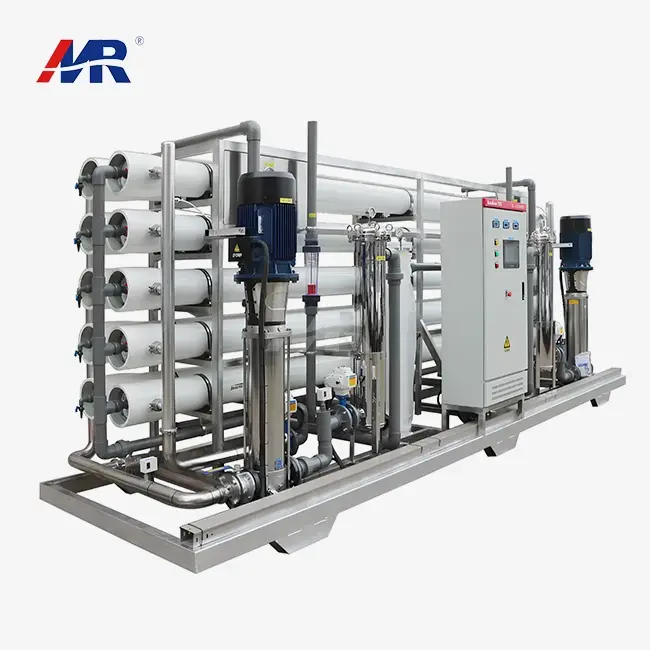
Understanding Triple Osmosis Technology and Its Core Benefits
Multistage water treatment has come a long way since the first single-pass devices. Using multiple layers of protective and refining steps, modern filter technology gets around the problems that come with standard reverse osmosis systems.
How Three-Stage Filtration Works
The method is set up so that the water cleaning process is split into several steps. First, sedimentation removes bigger particles than 5 microns, such as rust flakes, sand, and solids in suspension that would block membranes further down the line. After that, carbon block filtering is done. This method uses active surface chemistry to get rid of chlorine, volatile organic molecules, and chemicals that change the taste of the water. The system's core is a sheet with holes that are only 0.0001 microns wide. A pressure of 60 to 100 psi is used to separate water molecules from dangerous bacteria, heavy metals like arsenic and lead, and dissolved salts. It evens out the pH and puts good minerals back into the water when a final carbon stage or remineralisation filter is used to polish it after filtration.
Superior Contaminant Removal Performance
Test results from NSF/ANSI 58-approved systems show that more than 98% of total dissolved solids, such as calcium, magnesium, sodium, and sulfates, are rejected. Log-reduction values of 6+ for bacteria and 4+ for viruses mean that pharmaceutical companies that make filtered water for injection meet USP standards without having to take any extra steps to sterilize the water. The multiple layers of protection stop membrane fouling, which breaks down single-stage systems. Pre-filters increase the membrane's life from 18 months to over 36 months in high-hardness feed water.
Extended Equipment Lifespan and Reduced Maintenance
When compared to two-stage setups, industrial clients who process 5,000 to 50,000 gallons of water every day report 40% less membrane replacements. Protection systems spread hydraulic stress and pollution load across several elements, which keeps them from breaking down too soon. Cleaning with chemicals is now done every six months instead of every three months, which saves money and time. Manufacturers of beverages keep scale from building up in boilers and heat exchangers so that thermal efficiency stays above 92% during all operating processes.
Compliance with Safety and Quality Standards
Certified triple osmosis water filter systems, including NSF/ANSI 58, NSF/ANSI 61 for material safety, and FDA CFR Title 21 for food-contact applications, make regulatory compliance straightforward. Pharmaceutical companies can adhere consistently to USP 23 standards without costly batch testing. Electronics manufacturers following SEMI F63 rules achieve ultrapure water resistivity of 18.2 MΩ-cm when combining these filters with electrodeionization units. Facility checks and validation processes are simplified by documentation packages from certified providers.
Triple Osmosis vs Alternative Filtration Methods: Making an Informed Choice
When procurement teams look at investments in water treatment, they have to compare the skills of the technology to practical needs and total cost models. Different types of filtration have different performance levels that work best in certain workplace settings.
Comparison with Standard Reverse Osmosis
Traditional single-membrane systems have easier hydraulic designs, but they don't filter as deeply. Standard setups get rid of 90-95% of the dissolved solids, but they leave behind contaminants that build up in processes that are sensitive to them. Triple-stage design rejects 98-99.5% of signals while working at lower transmembrane pressure differences, which cuts energy use by 15-20%. Recovery rates go up from 50% to 65%, which lowers the amount of garbage that needs to be dumped and the costs of treating it. Triple osmosis regularly meets goals in pharmaceutical cleanrooms that need less than 10 CFU/100 mL bioburden, while single-stage systems need extra UV cleaning.
UV Sterilization and Nanofiltration Alternatives
UV decontamination is very good at killing microbes, but it can't deal with dissolving salts, heavy metals, or organic molecules. When municipal water plants use both UV and triple osmosis, they treat the water completely. The UV kills pathogens right away, and the membranes guard against chemicals for a long time. Nanofiltration membranes with bigger pores (0.001 microns) can remove divalent ions and organic compounds but let monovalent salts through. This means that they can be used to soften water but not for making very pure pharmaceutical or semiconductor water, which needs complete demineralization.
Cost-Benefit Analysis Against Bottled Water
Food processing plants that buy bottled water to prepare ingredients spend between $0.08 and $0.12 per gallon, which includes the cost of delivery. After paying off the initial costs over five years, on-site triple osmosis systems make clean water for $0.02 to $0.04 per gallon. A medium-sized brewery that uses 15,000 gallons of water every month can save $14,400 a year by getting rid of plastic waste and supply chain weaknesses. One way to help the environment is to get rid of 180,000 single-use bottles and the traffic pollution that comes with them every year.
Maintenance, Lifetime, and Troubleshooting of Triple Osmosis Water Filters
Reliability in operations relies on maintenance plans that are well-organized and fit the job cycles of industrial equipment. Unexpected failures that slow down production can be avoided with proactive repair plans.
Filter Replacement Schedules and Best Practices
Depending on the amount of silt and chlorine in the feed water, pre-filter filters need to be replaced every 6 to 9 months. Visual viewing holes let workers keep an eye on discoloration, which means the carbon is saturated. When properly treated before use, reverse osmosis membranes can keep certain rejection rates for 24 to 48 months. By comparing the current output to standard values that have been adjusted for temperature and pressure, normalized permeate flow tracking can find signs of fouling that happen slowly before the rejection performance gets worse. Post-filters that are replaced every year keep the taste consistent and stop living things from growing in the delivery lines.
Common Issues and Rapid Resolution
When the feed pressure stays the same, but the permeate flow goes down, it means that the membrane is scaling or fouling. To help with cleaning, a chemical study of autopsy membrane samples tells the difference between artificial scaling (calcium carbonate, silica) and organic fouling (biofilms, humic acids). Mineral scale is broken down by citric acid circulation, and organic layers are broken down by alkaline cleansers. Noise or shaking from a high-pressure pump can mean that the impeller is wearing out or that there is cavitation from a poor feed supply. This can be fixed by checking the strainer and the pressure in the supply line. Tank pressure tests and valve solenoid continuity checks can find broken auto shut-off valves that let water flow continuously.
Lifecycle Management for Industrial Environments
Suppliers of triple osmosis water filter systems provide comprehensive service plans, including quarterly performance checks, membrane integrity assessments via conductivity measurements, and optimization of water flow. Predictive maintenance algorithms analyze flow rates, differential pressures, and rejection trends to forecast component failures 30 to 60 days in advance, enabling repairs during planned production downtimes. Capital investments are protected with warranties—typically 3 to 5 years for membranes and 1 to 2 years for pumps and valves. Reputable manufacturers also maintain regional service centers stocked with replacement modules, available 24/7 for rapid deployment.
Procurement and Installation: Best Practices for B2B Buyers
Strategic sourcing choices weigh technical requirements against the skills of the provider and the total cost of ownership. Evaluation systems should look at both how well the equipment works and how well the seller supports it.
Key Selection Criteria for Industrial Applications
To make sure that the system's capacity matches the needs of production, you need to look at peak hourly flow rates instead of normal daily usage. A pharmaceutical company that needs 300 gallons to start up production in the morning asks for systems that can handle 500 GPD and have pressure holding tanks to handle demand spikes. Which membrane chemistry to use—thin-film hybrid polyamide or cellulose acetate—is determined by the temperature, pH range, and chlorine contact of the feed water. Automation packages with features like tracking the quality of the feed water, controlling tank levels, and connecting to a central diagnostic network make fleet management across multiple sites easier and require less labor.
Supplier Evaluation and Brand Reputation
Leading makers show compliance through third-party certificates, case studies that show how well installations worked, and Technical support teams that are quick to respond. Supplier scorecards should look at how well they can make membranes, including whether they make their own or buy them from other companies. This is important because it affects the availability of new parts and the security of long-term supplies. Rapid delivery of parts is made possible by regional distribution networks and stores that are always stocked. This is very important for keeping production running smoothly. Premium suppliers are different from commodity suppliers because they offer engineering help during system sizing, hydraulic models, and integration with current infrastructure.
Installation Planning and Commissioning
During commissioning, professional installation teams with hydraulic flow meters, pressure gauges, and conductivity testers check that the system works as planned by comparing it to the design specs. Feed water research before installation finds out what kind of pre-treatment is needed, like water softeners, iron filters, or chlorine quench systems. This keeps the membrane from getting damaged too soon. By making sure that the plumbing lines and electrical wiring meet local and national standards, you can avoid having to make expensive changes during facility reviews. Operator training that covers regular maintenance tasks, tests for fixing problems, and safety rules makes sure that internal staff can run daily operations without having to rely on outside vendors all the time.
Conclusion
Advanced multistage filtering technology addresses critical water quality challenges in industries such as pharmaceuticals, food processing, electronics manufacturing, and municipal facilities. Using a stacked defense approach—including sediment removal, membrane separation, and polishing filtration—removes more than 98% of contaminants and prolongs equipment life by providing initial protection. Compared to single-stage reverse osmosis, UV treatment, and bottled water, a triple osmosis water filter system proves more cost-effective, reliable, and environmentally sustainable.
Successful procurement requires matching system capacity to peak demand, selecting suppliers with demonstrated manufacturing expertise and regional support infrastructure, and adhering to rigorous maintenance protocols. When businesses implement appropriately sized triple osmosis water filter systems and maintain them properly, they consistently achieve regulatory compliance, reduce operating costs, and ensure uninterrupted production.
Frequently Asked Questions
1. How often should membranes be replaced in industrial settings?
The membrane needs to be replaced every 24 to 48 months, but this depends on the quality of the feed water, the number of hours it is used every day, and how well the pre-treatment works. Facilities that treat city water with less than 200 ppm of total dissolved solids usually get 36 months of membrane life. Businesses that clean well water that has a lot of iron or hardness may need to change their filters every 18 to 24 months. Instead of making up random plans for replacements, keeping an eye on normalized permeate flow and salt rejection rates gives you data-driven replacement prompts.
2. Can these systems handle varying feed water conditions?
Advanced systems can handle changes in the TDS of the feed water between 200 and 2,000 ppm without losing performance as long as they have variable frequency drive pumps that keep the transmembrane pressure at the right level. Seasonal changes in water quality, like higher turbidity during spring runoff or higher chlorine levels during summer treatment, are handled by pre-filtration cycles that can be adjusted and automatic cleaning cycles. Specialized high-pressure filters and energy return devices are needed for installations that handle brackish water with more than 5,000 ppm TDS.
3. What warranty coverage should buyers expect?
Manufacturers with a good reputation back up their reverse osmosis membranes with warranties that cover flaws in the materials and workmanship for 3 to 5 years, but not damage caused by chemicals or wrong use. Most warranties for pumps, valves, and control systems last between 12 and 24 months, and you can choose to extend them for longer service contracts. Comprehensive deals include checking the performance once a year, fixing problems right away (within 24 to 48 hours), and getting cheaper new parts.
Partner with Morui for Reliable Triple Osmosis Water Filter Solutions
Guangdong Morui Environmental Technology has been treating water for more than ten years and works with businesses that need reliable cleaning systems. When we set up our triple osmosis water filters, they use our own membrane technology, high-efficiency Shimge pumps, and automated Runxin control valves. This means that we take care of everything, from the initial inspection to installation and testing. We serve clients in North America in the pharmaceutical, food processing, electronics, and municipal industries with 14 regional offices, 20 specialized engineers, and 500 committed workers. Our all-in-one service model includes system design, equipment manufacturing, on-site installation, performance validation, and ongoing upkeep contracts. This makes sure that your investment in water treatment works well for as long as it does. As a well-known company that makes triple osmosis water filters, we keep a large stock of spare parts and offer 24-month guarantees that cover everything. We also offer factory-direct support. Email our technical team at benson@guangdongmorui.com to set up a site visit and get personalized system proposals that meet your unique production and water quality issues.
References
1. American Water Works Association. (2021). Reverse Osmosis and Nanofiltration: Manual of Water Supply Practices M46. Denver: AWWA Publications.
2. National Sanitation Foundation International. (2020). NSF/ANSI 58: Reverse Osmosis Drinking Water Treatment Systems - Certification Standards and Testing Protocols. Ann Arbor: NSF International.
3. United States Pharmacopeia Convention. (2022). USP 43-NF 38: General Chapter 1231 - Water for Pharmaceutical Purposes. Rockville: USP Convention.
4. Semiconductor Equipment and Materials International. (2019). SEMI F63-0309: Guide for Ultrapure Water Used in Semiconductor Manufacturing Processes. Milpitas: SEMI Standards.
5. Environmental Protection Agency. (2021). Membrane Filtration Guidance Manual: Technologies for Drinking Water Treatment. Washington: EPA Office of Water.
6. World Health Organization. (2020). Guidelines for Drinking-Water Quality: Fourth Edition Incorporating the First Addendum - Chemical and Microbiological Standards. Geneva: WHO Press.
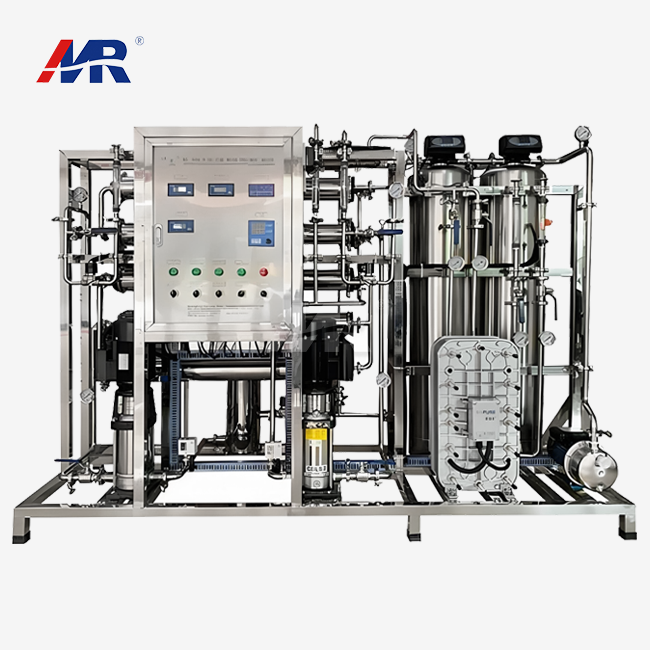 VIEW MOREElectrodeionization system
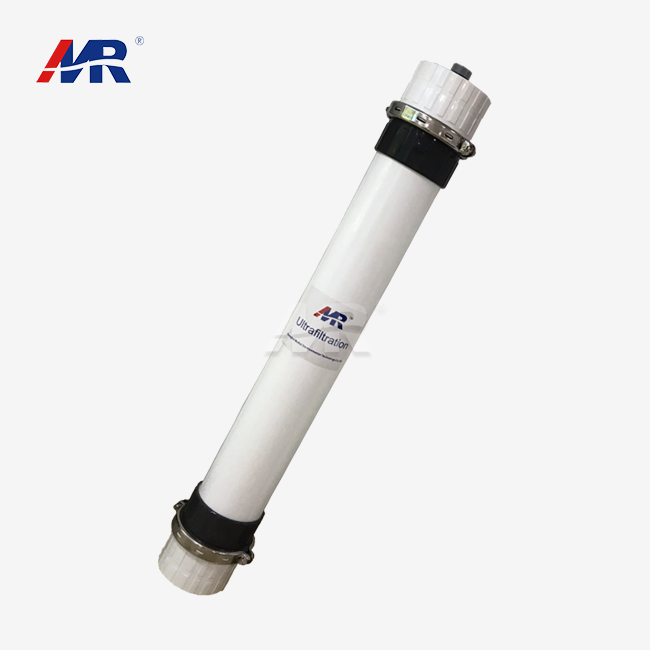 VIEW MOREultrafiltration membrane system
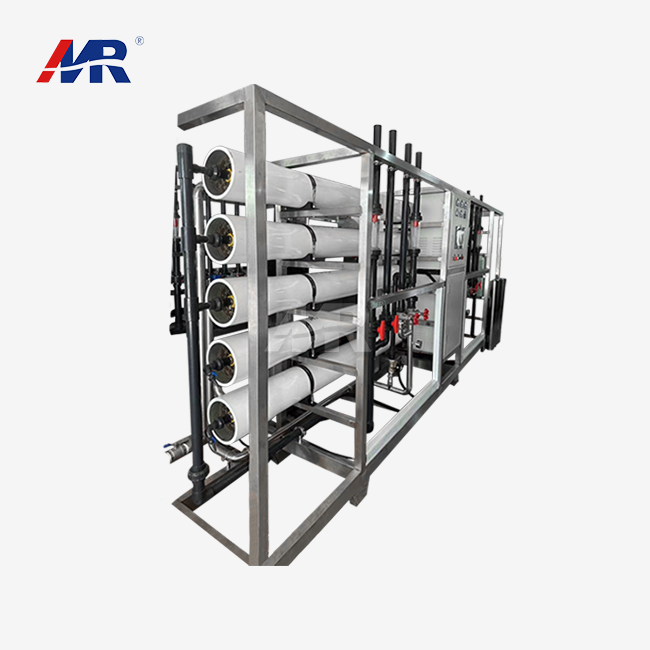 VIEW MOREhighest rated reverse osmosis system
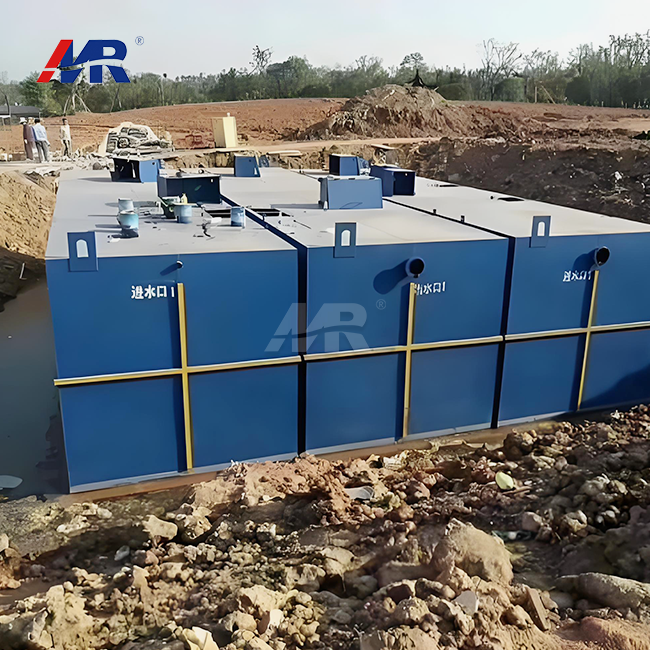 VIEW MOREwastewater treatment plant units
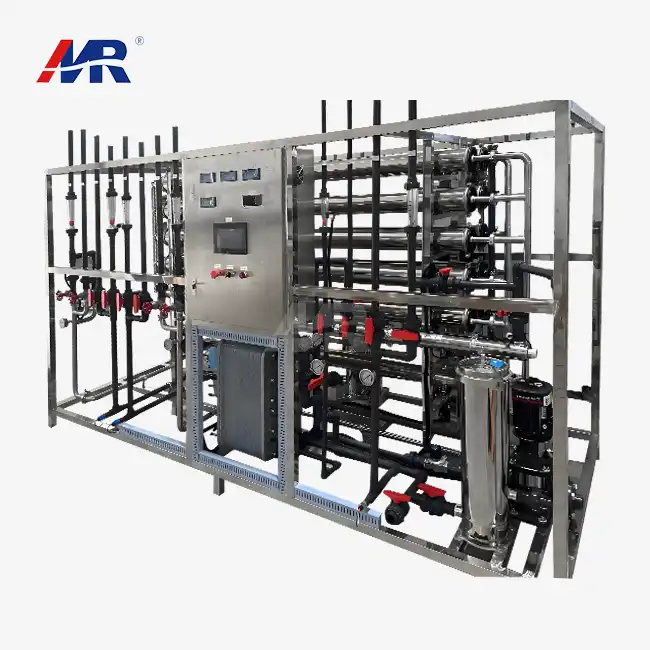 VIEW MORE2000 liters/hour EDI system
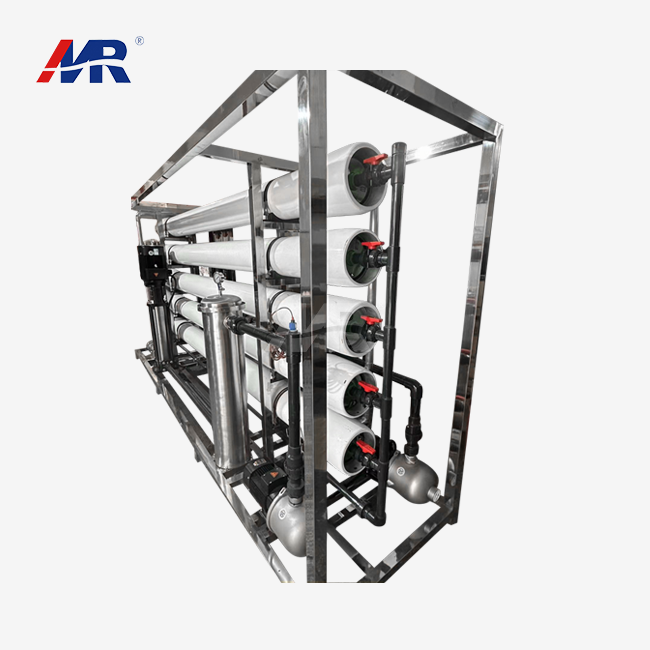 VIEW MOREreverse osmosis water treatment equipment
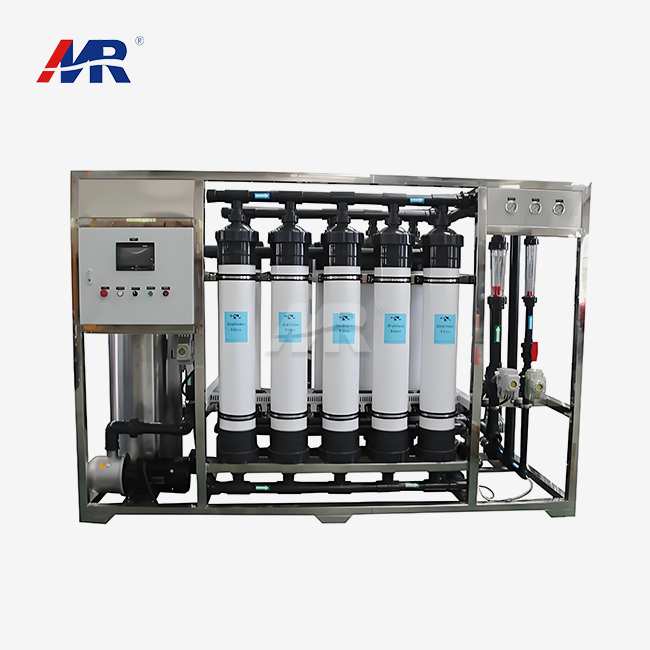 VIEW MOREultrafiltration skid
 VIEW MOREindustrial ultrafiltration systems
