

_1745823981883.webp)

The Rise of Tankless Reverse Osmosis Systems
Industrial and commercial water purification increasingly demands innovative approaches that address spatial constraints, operational continuity, and lifecycle costs. The tankless RO water system represents a pivotal shift from conventional storage-based designs, delivering on-demand filtration without bulky tanks. These systems integrate advanced membrane technology with compact engineering, enabling facilities across pharmaceuticals, electronics manufacturing, food processing, and municipal utilities to achieve consistent water purity while optimizing floor space and reducing waste. As procurement teams navigate modernization initiatives, understanding the technical and economic advantages of tankless configurations becomes essential to aligning water treatment infrastructure with operational excellence and regulatory compliance.
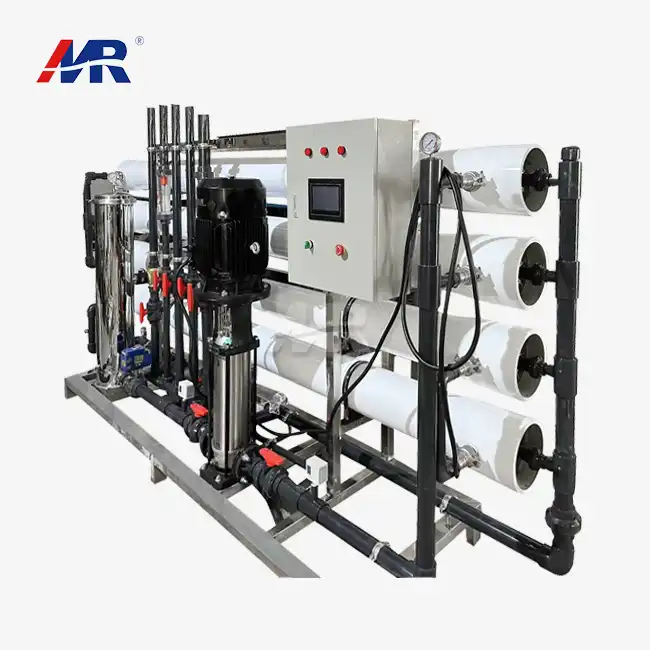
Understanding Tankless Reverse Osmosis Systems
Core Technology and Design Principles
Tankless RO water systems don't use the usual pressurized holding tank. Instead, they use direct-flow design. When you put together high-efficiency filters and booster pumps, you get clean water right where you need it. Flow restrictors keep the right pressure on the membrane surface, which makes sure that more than 95% of liquid solids, organics, and particles are rejected. Tank-based units let water sit, which can allow bacteria to grow. Tankless models, on the other hand, minimize stagnation risks to a minimum by constantly making fresh water while they are running.
Operational Mechanics Compared to Traditional Tank Systems
The cleaned water in tank-based RO systems is stored in a bladder or diaphragm tank, which reduces the flow rate and could cause quality changes over time. Tankless designs get around this problem by using multistage pump systems and inline sensors to change the flow on the fly. When purchasing these systems, teams should keep in mind that tankless models need a slightly higher starting pressure (usually 60 to 80 PSI), but they make up for it with faster recovery rates and a smaller footprint, which is very important in facilities where space constraints affect capital planning choices.
Technical Components Driving Performance
Some important parts are spiral-wound polyamide membranes that are designed to last a long time, variable-frequency drive pumps that can adapt to changes in demand, and onboard TDS monitors that give real-time feedback. These parts work together to keep the quality of the output constant while using as little energy as possible. When purchasing, workers understand these technical differences, and they can better choose equipment that meets the needs of production volumes, water quality standards, and maintenance needs in business or industry settings.
Key Benefits and Performance Metrics of Tankless RO Systems
Enhanced Efficiency and Resource Conservation
Tankless designs use less energy because they don't need to pump as often and don't lose pressure because of tanks. Studies show that compared to similar tank systems, this tankless ro water system saves between 15 and 25 percent of the energy used, which means that they use less money to run over their entire lifetimes. Ratios of water waste also get better. In optimized installations, modern tankless models can get rejection-to-product ratios as low as 1:1, while standard systems usually get 3:1 or higher. These measures have a direct effect on calculations of the total cost of ownership, which are very important for financial decision-makers looking at capital assets.
Consistent Water Quality and Continuous Supply
The tankless architecture can provide stable TDS levels without the changes that come with emptying and refilling tanks. This is helpful in production areas that need high-purity water all the time, like beverage bottling lines, pharmaceutical formulation suites, or semiconductor fabrication facilities. Inline monitoring devices let workers know when membrane performance is dropping before quality issues happen, which helps with planned maintenance. This dependability lowers the risk of not following the rules in businesses that are controlled and where water quality records are carefully checked.
Maintenance Economics and Lifecycle Advantages
Tankless systems usually don't need to be serviced as often as tank-based systems because they have fewer parts and don't need bladder replacements. Cleaning membranes follows the same CIP (clean-in-place) steps that industry workers are used to. Membrane lifespans of 3 to 5 years have been documented when pretreatment conditions are right, which supports positive ROI forecasts. When negotiating service agreements, procurement teams should give more weight to providers who offer predictive maintenance data and easily available consumables to reduce the risk of downtime.
Comparing Tankless RO Systems: Making an Informed Procurement Decision
Spatial and Installation Considerations
Tankless units take up 40–60% less floor space than tank systems of the same size, which is a big plus for retrofits or places where real estate is expensive. Different types of installations are more or less difficult. A tankless ro water system needs to have its electricity infrastructure improved to support booster pumps, while tank systems depend on the water pressure in the building. During the creation of specifications, procurement professionals must work with engineering teams to look at current utility capacities and structure accommodations.
Cost Analysis: CAPEX Versus OPEX Trade-offs
Tankless systems usually cost 20–30% more to buy up front than tank-based options because they have more advanced control systems and better pumps. A lifecycle cost study shows that this premium is paid for by using less energy, water, and labor for upkeep over time. Payback times range from 18 to 36 months for facilities that process large amounts of data every day, like medicine compounding plants or large-scale aquaculture systems. To explain budget allocations, people in charge of money should compare these factors to the organization's discount rates and sustainability goals.
Performance Differentiation Across Market Solutions
Leading makers set themselves apart by using advanced control systems, membrane science, and the ability to integrate multiple systems. Aquasana focuses on household and small business applications with tools that are easy for people to use. APEC focuses on industrial abilities in the middle range and strong preparation integration. iSpring's basic, flexible designs are aimed at groups that care about cost. To lower supply chain risks, procurement teams should look at performance standards along with guarantee structures, how quickly technical help responds, and the availability of local service networks.
Installation, Maintenance, and Lifecycle Management for Tankless RO Systems
Deployment Best Practices and Common Challenges
For works to go well, the water must first be thoroughly analyzed to see what kind of preparation is needed. If the hardness of the feedwater is more than 3 grains per gallon, it needs to be softened. If the chlorine level is more than 0.1 ppm, activated carbon filtration needs to be done before the ro membranes. When cleaning isn't done right, membrane fouling and scaling happen faster, which shortens the tankless RO water system's life by 40–60%. Third-party water tests and recorded pretreatment validation should be required by procurement standards before an installation can be accepted.
Structured Maintenance Protocols
Regular upkeep includes checking the membrane's performance every three months, sanitizing cycles every six months, and full system checks every year. Depending on the quality of the feedwater, filter cartridges need to be changed every 6 to 12 months. When standardized permeate flow drops by 10 to 15 percent, cleaning methods for membranes that use citric acid or special mixtures bring back flux rates. Facilities that don't have their own technical staff should make service deals with suppliers that offer emergency reaction and planned preventive repair.
Supplier Partnership and Lifecycle Support
Choosing providers with large inventories of parts, service techs in your area, and thorough training programs helps keep operations running smoothly as much as possible. There are big differences in the lengths of guarantees. High-end sellers cover membranes for 5 years and parts for 3 years, while budget suppliers only cover parts for 12 to 18 months. When it comes to mission-critical applications where water supply interruptions mess up production plans, procurement professionals should negotiate longer warranties and performance guarantees that are tied to recorded uptime metrics.
Procurement Guide: How to Source and Purchase Tankless RO Systems
Defining Technical and Commercial Requirements
For procurement to work well, there must be thorough design papers that include flow rates, water quality goals (written as TDS, conductivity, or resistivity standards), footprint limits, and the availability of utilities. Including production managers, maintenance supervisors, and quality inspection staff in cross-functional teams makes sure that specifications take practical facts into account. Instead of oversizing the original capacity, technical decision-makers should focus on a tankless residential water system that can be expanded in modules, which allows for scalability. This way, capital efficiency and growth flexibility can be balanced.
Evaluating Distribution Channels and Supplier Credentials
Direct connections with manufacturers give you access to engineering support and customization choices that are best for specific uses, such as ultrapure water for lab equipment or process water for electroplating. Authorized wholesalers may not let you make as many technical changes, but they do offer localized goods and faster shipping. To make sure that regulations are followed, procurement teams should check that suppliers have the right qualifications for their business. For example, ISO 9001 for quality management, NSF/ANSI 61 for potable water parts, or FDA registration for medical-grade systems.
Negotiating Terms and Securing Value
When you sign a bulk buy deal for multiple sites, you can get discounts of 10 to 20 percent off the list price. Negotiating payment terms should balance managing cash flow with the costs of borrowing from suppliers. Companies that don't have a lot of money should use extended net terms or progressive billing structures. Extensions of warranties, free setup services, and operator training packages are all good bargaining chips that can lower the overall cost of implementation without affecting the technical performance.
Conclusion
Industrial and business buyers who want reliable, space-saving, and cost-effective water purification options will love the tankless RO water system. By getting rid of storage tanks, the design needs less space, the quality is more stable, and it requires less upkeep over its lifetime compared to other designs. As companies pay more attention to being environmentally friendly and running their businesses efficiently, tankless setups fit in with strategic goals like following the rules and saving resources. If procurement workers know about membrane performance, the cost of maintenance, and how to evaluate suppliers, they can help their companies build water treatment infrastructure that will help them stay competitive and resilient in the long run.
FAQ
1. What advantages do tankless systems offer over traditional tank-based RO units?
Tankless RO water system designs don't lose quality over time because of storage, take up 40–60% less space, and provide a steady flow without the pressure changes that come with tank emptying cycles. 15–25% more energy economy and better water recovery rates are two more things that set tankless designs apart. This makes them perfect for high-demand industrial settings.
2. How frequently do membrane elements require replacement?
RO membranes in tankless systems can keep working at their best for three to five years if they are properly pretreated and maintained. How often they need to be replaced depends on the quality of the feedwater, how long they are used, and how often they are cleaned. Monitoring normalized flux and salt refusal rates on a regular basis lets you plan replacements before performance issues hurt output quality.
3. Can tankless RO systems treat challenging water sources such as brackish water or well water?
Tankless systems can clean brackish water with TDS levels up to 10,000 ppm and well water with iron, manganese, and hardness that are dissolved in it, as long as the right toxins are removed in the preparation step. Using customizable pretreatment trains that include multimedia filtration, chemical dosing, and membrane separation based on the source water features can help with things like watering crops in dry areas or aquaculture operations.
Partner with Morui for Advanced Tankless RO Water System Solutions
Guangdong Morui Environmental Technology is a leader in the design and installation of tankless ro water system setups that are specifically designed to meet the needs of various industries. Pharmaceutical-grade purified water systems, ultrapure water setups for semiconductors, and large-scale desalination projects for cities are all in our collection. With more than 500 technical workers, 20 committed engineers, and our own production skills for membranes, we offer turnkey solutions that include supplying equipment, installing it, commissioning it, and providing support throughout its lifecycle. Morui is an approved provider of high-quality parts like Shimge pumps and Runxin control valves. They make sure their Products are reliable by using the best materials and offering full warranty protection. Technical decision-makers and procurement professionals looking for a reliable manufacturer can email our engineering team at benson@guangdongmorui.com to talk about their specific needs, get detailed technical specifications, and get competitive quotes backed by our 14 regional branches' established track record.
References
1. American Water Works Association Research Foundation. Membrane Technology for Water Treatment: Design and Performance Guidelines. 2021.
2. International Desalination Association. RO System Configuration and Energy Efficiency: Comparative Analysis of Storage vs. Direct-Flow Architectures. 2022.
3. National Sanitation Foundation. NSF/ANSI Standard 58: Reverse Osmosis Drinking Water Treatment Systems – Performance and Safety Requirements. 2020.
4. Water Quality Association. Industrial and Commercial RO Systems: Maintenance Best Practices and Lifecycle Management. 2023.
5. United States Environmental Protection Agency. Drinking Water Treatment Technology Fact Sheet: Reverse Osmosis. 2021.
6. Journal of Membrane Science. Advances in Compact Reverse Osmosis System Design: Performance Metrics and Economic Implications. Volume 614, 2022.
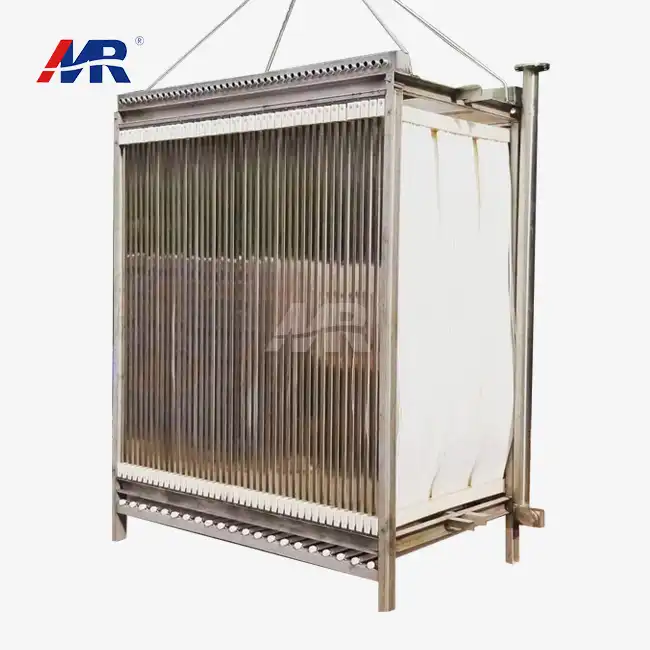 VIEW MOREmembrane bioreactor
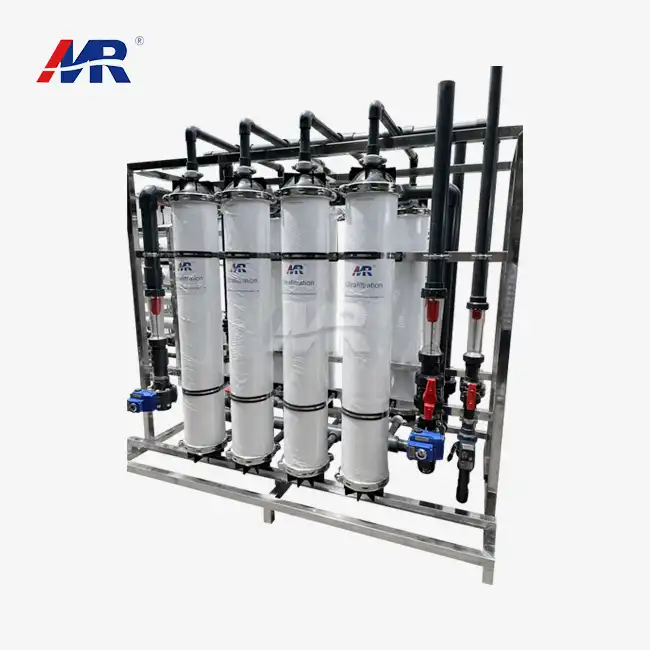 VIEW MORE15T/H ultrafiltration system
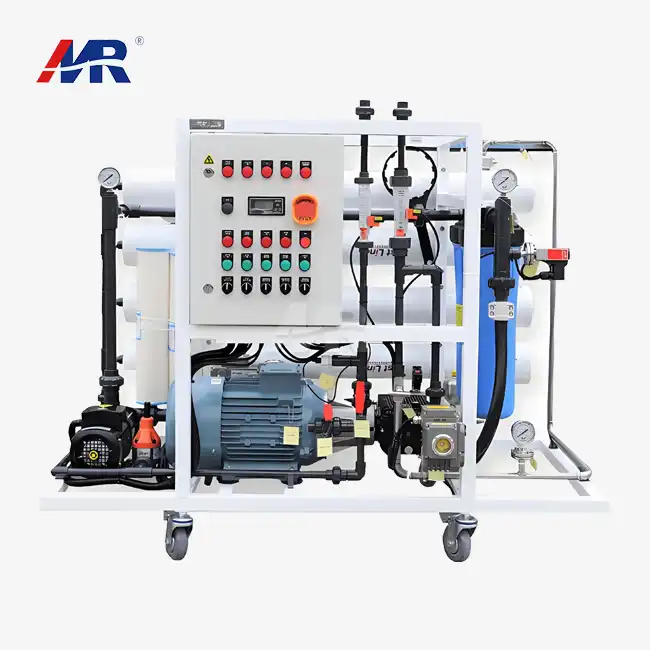 VIEW MORE2m3/hour seawater desalination equipment
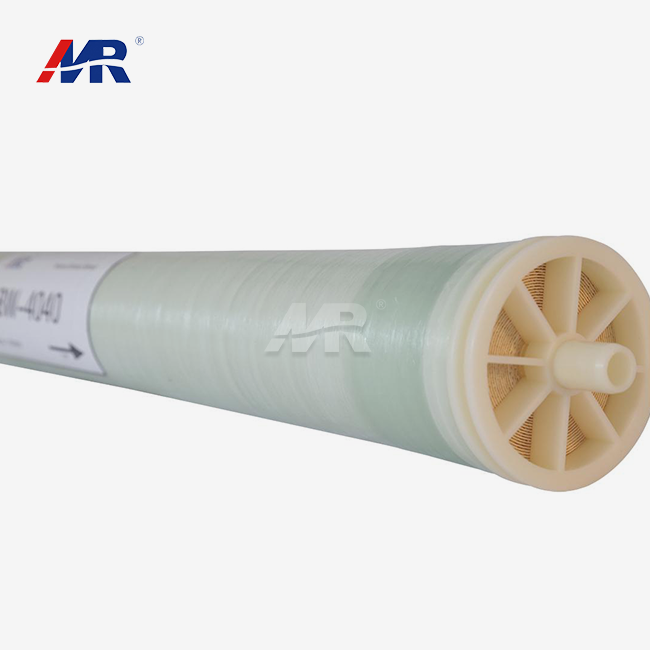 VIEW MOREindustrial reverse osmosis membrane
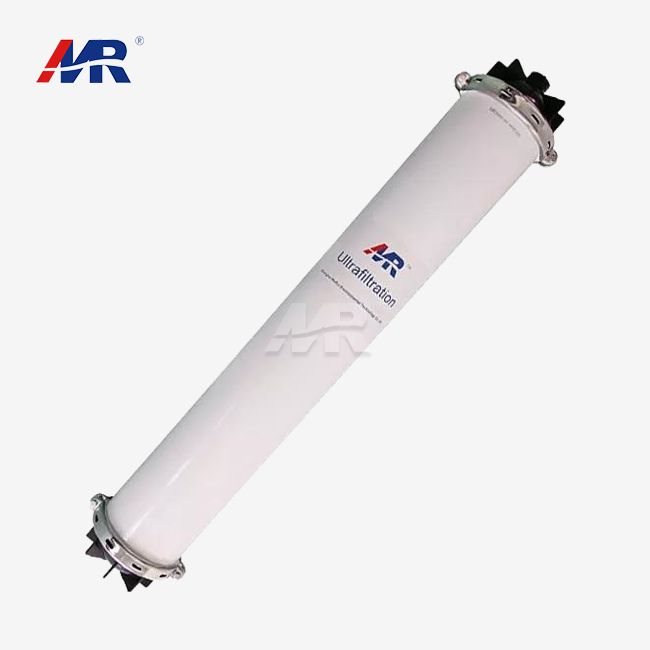 VIEW MOREultrafiltration membranes for water treatment
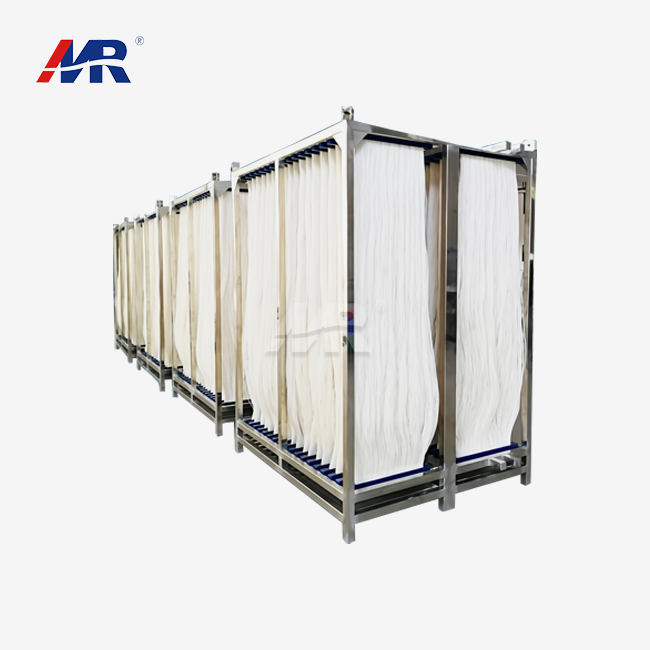 VIEW MOREbioreactor wastewater treatment
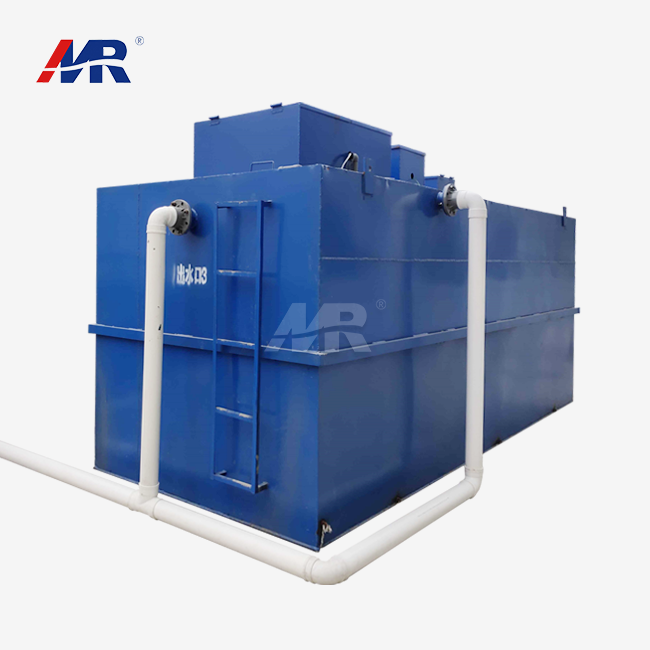 VIEW MOREMBR wastewater treatment plant
 VIEW MORE50m3/hour ultrafiltration plant
