

_1745823981883.webp)

Cost Estimate for Leachate Treatment Systems: What You Need to Know
Before buying, learn how much leachate treatment systems cost. Depending on size, technology, and demands, industrial-scale systems cost $150,000 to over $2 million. Tools, installation, chemicals, energy, and maintenance are normally required for a leachate treatment system. This extensive reference helps building owners, procurement managers, and engineers assess technologies, understand cost aspects, and acquire precise figures that match budgetary and environmental goals.
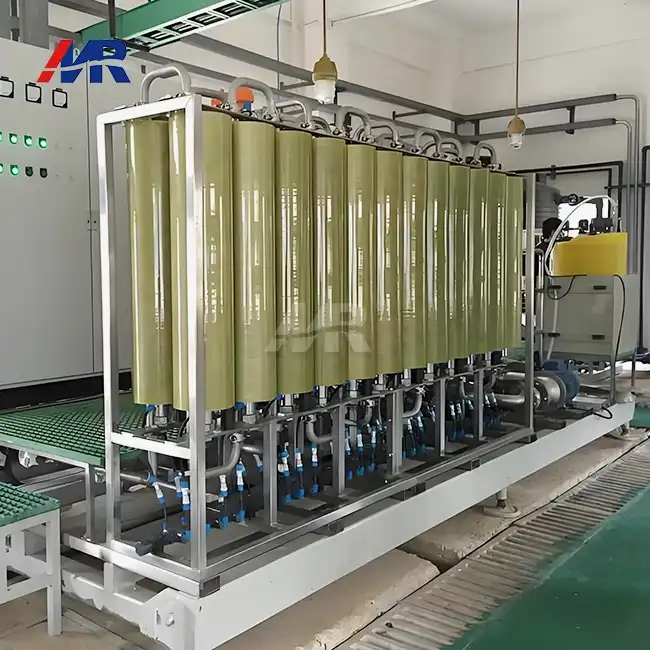
Understanding Leachate Treatment Systems and Cost Drivers
Landfills and industrial sites release contaminated leachate. Environmental safety requires particular cleaning procedures. Modern treatment methods manage a variety of contamination profiles using biological processes, chemical oxidation, physical separation, and cutting-edge membrane technology.
Core Technologies Used in Leachate Management
Treatment strategies vary by leachate type and outflow volume. Biological systems break down organic compounds using microbes, whereas chemical solutions remove pollutants by oxidation or precipitation. Physical procedures like filtration and sedimentation remove loose particles. DTRO (Disk Tube Reverse Osmosis) systems, which can handle strong leachate and produce high-quality waste that can be reused or properly discarded, are popular membrane-based solutions.
Primary Factors Influencing System Costs
Several factors determine the overall dollar amount needed. Leachate level influences system ability. A plant that processes 50,000 gallons of wastewater daily needs different equipment than one that processes 5,000. Complexity of contamination matters. Leachate with significant ammonia, heavy metals, or chronic organic contamination requires more complex treatment trains. Local rules specify treatment performance minimums. This often requires extra cleaning measures that cost more. Climate, space, and service accessibility impact system design and cost.
Breakdown of Cost Components in Leachate Treatment Systems
Financial planning requires distinguishing between one-time capital expenses and continuous operational costs. Each category has many line items that vary by technology and work size.
Capital Expenditure (CAPEX) Elements
Equipment purchase costs for leachate treatment systems are the most evident monetary expense. A combined DTRO treatment system for leachate treatment systems might cost 300,000to300,000to800,000, depending on size and automation. Pre-treatment elements for leachate treatment systems include screens, balancing tanks, and pH control systems, cost 50,000 50,000–200,000. Concrete pads, containment structures, and utility hookups for leachate treatment systems cost 100,000–100,000–400,000 for medium-sized locations. About 15–25% of tool costs for leachate treatment systems go to engineering design, permits, and project management. Installation expenses for leachate treatment systems vary by geography but are generally 20–30% of tool value. Electrical infrastructure, control systems, and sensors for leachate treatment systems can cost 75,000–75,000–250,000, depending on technology complexity.
Operational Expenditure (OPEX) Breakdown
Ongoing costs ensure financial stability. Most pressure-driven membrane system operating expenses are energy, which costs $0.50–$2.00 per thousand gallons cleaned. Chemicals to adjust pH, coagulate, and clean the membrane cost $0.30 to $1.50 per thousand gallons, depending on the leachate. Regular checks may only need 4–8 hours each week, depending on how automated a system is. However, human processes require full-time labor. The membrane must be changed every three to seven years, costing $30,000 to $150,000 depending on system size. Dumping concentrates, which is typically overlooked at the outset of preparation, can cost $50 to $200 per thousand gallons, depending on the technique and laws.
Comparing the Cost Efficiency of Different Treatment Technologies
The initial investment and lifetime expenses of a technology depend on its choice. The economic profile of each approach makes it superior for various purposes and practical aims.
Biological Treatment Systems Economics
Medium-sized aerobic and anaerobic biological processes cost $100,000–$400,000 to start up. These systems efficiently remove recyclable organic debris for $0.40 to $1.20 per thousand gallons. Biological treatment requires longer hydraulic holding durations, which requires larger areas and possibly higher land prices. Weather and harmful pollutants might affect performance, so you may need more treatment area. Biological systems are effective at treating huge volumes of uniformly contaminated leachate.
Membrane Technology Investment Profile
The DTRO leachate treatment system and related membrane procedures cost $250,000 to $900,000 for the same capacity but create superior effluent and leave smaller tracks. Energy costs $1.00 to $2.50 per thousand gallons and is the biggest company expense. Advanced DTRO systems raise concentrations 6–8 times, reducing concentrate waste. This reduces treatment costs and enhances membrane lifespan by improving working conditions. City dwellers with limited space and high land prices benefit from the tiny size.
How to Get Accurate Cost Estimates and Quotes
Accurate cost estimates for leachate treatment systems need careful planning and vendor management. Uncertain specifications for leachate treatment systems lead to scope gaps, change orders, and cost overruns, which strain buying relationships and project timetables for leachate treatment systems.
Preparing Comprehensive Project Specifications
The location must be given to receive precise data. Leachate should be tested for BOD, COD, ammonia, heavy metals, and other seasonal variables. Data from daily, monthly, and peak flows is needed to calculate volume. All regulated parameters must have discharge standard numerical limits. Service availability, room limits, soil characteristics, and climate should be included in site conditions. Environmental permits and regulatory requirements affect project scheduling and expense.
Selecting Qualified System Suppliers
Working with reputable manufacturers ensures accurate performance projections and long-term support. Check suppliers' published case studies of similar projects, quality management system Certifications, and references from sites that do business with them. Integrated manufacturers, from planning to execution, provide higher value and accountability than those that source separately. Make sure the company you're considering has enough replacement parts and a local expert assistance system.
Maintenance and Lifecycle Cost Optimization Tips
Proactive repair and operating optimization for leachate treatment systems affect firm profits over the system's 15–25 years. Small efficiency improvements in leachate treatment systems add up to large savings.
Preventive Maintenance Programs
Structured review strategies catch tiny issues before they become costly, significant issues. Monthly pressure and flow monitoring of membrane systems can detect fouling early. Chemical cleaning every three months improves flux rates and membrane longevity by 30–50% over reactive maintenance. Annual professional checkups identify wear trends and recommend repairs. Maintenance logs provide an operational history for insurance claims and troubleshooting.
Energy and Chemical Consumption Optimization
Energy is the most expensive portion of a controlled pressure-driven machine. Variable frequency drives on pumps match output to demand instead of slowing fixed-speed equipment, saving 20–40% electricity. If your rate structure offers variable scheduling, off-peak utility rates reduce energy expenditures by 15–30%. Controlling chemical dosages and pH levels reduces waste and improves treatment. We reduced chemical expenses by 25% for clients by modifying dosing pumps and automating tracking.
Implementing Smart Monitoring Technologies
Modern remote-accessible computer systems allow for pre-planning and speedy repairs. Workers can notice issues immediately using real-time pressure differential, flow rates, and conductivity data. Automatic alarms warn of problems before they escalate or destroy equipment. These systems usually pay for themselves in 18–24 months due to decreased downtime, better chemical usage, and fewer emergency service costs. Cloud-based tools show management operational data to improve.
Conclusion
When buying a leachate treatment system, consider its cost, operation, and long-term performance. When picking a technology, consider legal compliance, company needs, and budget. DTRO systems and hybrid approaches offer superior long-term value because of smaller regions, less waste, and uniform effluent quality, despite higher initial costs. You must know the site, have specific needs, and collaborate with skilled vendors that offer full solutions to acquire an accurate cost estimate. Active maintenance, operational optimization, and smart tracking save lifetime expenses and safeguard the environment.
FAQ
1. What is the typical cost range for installing a leachate treatment system?
Installation costs depend on location, technology, and skill. This ranges from $200,000 to $2 million. Small systems that treat 10,000 liters per day cost $200,000–$500,000. Large systems that treat 100,000 gallons daily might cost over $1.5 million. Tools, construction, electricity, and commissioning are included.
2. How do operational costs differ between biological and membrane treatment technologies?
On average, biological systems cost $0.40 to $1.20 per thousand gallons. They consume less energy but are bigger. Due to their energy requirements, membrane technologies like DTRO cost $1.00 to $2.50 per thousand gallons, but they produce superior effluent with less space and concentrate volume.
3. Are leasing options available for leachate treatment equipment?
Many sellers offer lease-to-own arrangements to reduce startup costs. Leasing an item for 3–7 years typically requires monthly payments of 2–4% of its value. Leasing preserves working capital and may reduce taxes, depending on where you reside and how you file.
Partner with Morui for Expert Leachate Treatment Solutions
Guangdong Morui Environmental Technology offers full leachate control treatment choices and years of expertise. Our engineers have executed successful projects in landfills, industrial garbage sites, and city buildings. We make integrated leachate treatment systems, including DTRO systems, biological reactors, and hybrids to meet your contamination limits and regulatory requirements. Our services include inspection, installation, testing, and support. Over 500 employees, 14 branches, and 20 professional engineers. Other firms can't match our membrane production quality control and supply dependability. For a customized pricing quotation, email benson@guangdongmorui.com.
References
1. Environmental Protection Agency. (2021). Landfill Leachate Management and Treatment Technologies. Washington, D.C.: EPA Office of Solid Waste.
2. Renou, S., Givaudan, J.G., Poulain, S., Dirassouyan, F., & Moulin, P. (2008). Landfill Leachate Treatment: Review and Opportunity. Journal of Hazardous Materials, 150(3), 468-493.
3. Qi, L., Wang, Y., & Zhang, L. (2019). Cost-Benefit Analysis of Membrane Technologies for Industrial Wastewater Treatment. Water Research, 145, 252-265.
4. International Solid Waste Association. (2020). Economic Evaluation of Leachate Treatment Systems: A Practical Guide for Facility Operators. Vienna: ISWA Technical Committee.
5. Tchobanoglous, G., Burton, F.L., & Stensel, H.D. (2022). Wastewater Engineering: Treatment and Resource Recovery (6th ed.). New York: McGraw-Hill Education.
6. Singh, S.K., & Tang, W.Z. (2020). Disk Tube Reverse Osmosis for Landfill Leachate Treatment: Performance Evaluation and Economic Analysis. Journal of Environmental Management, 273, 111164.
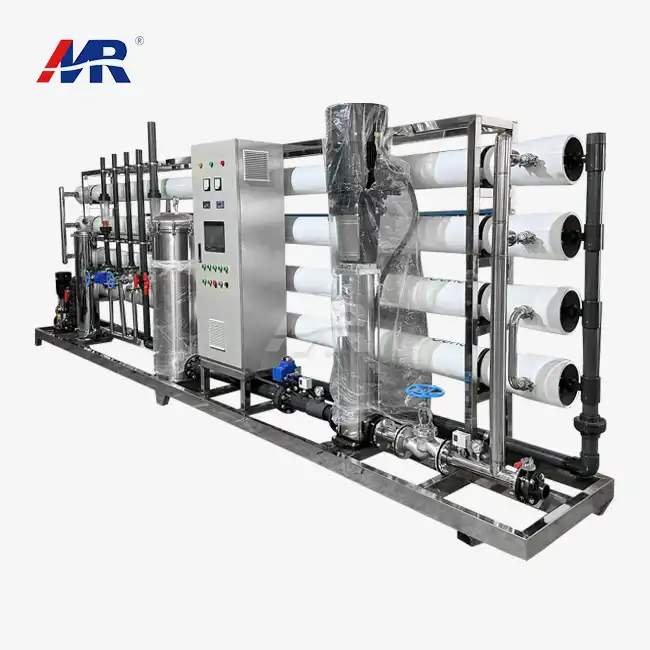 VIEW MORE500m3/day reverse osmosis RO plant
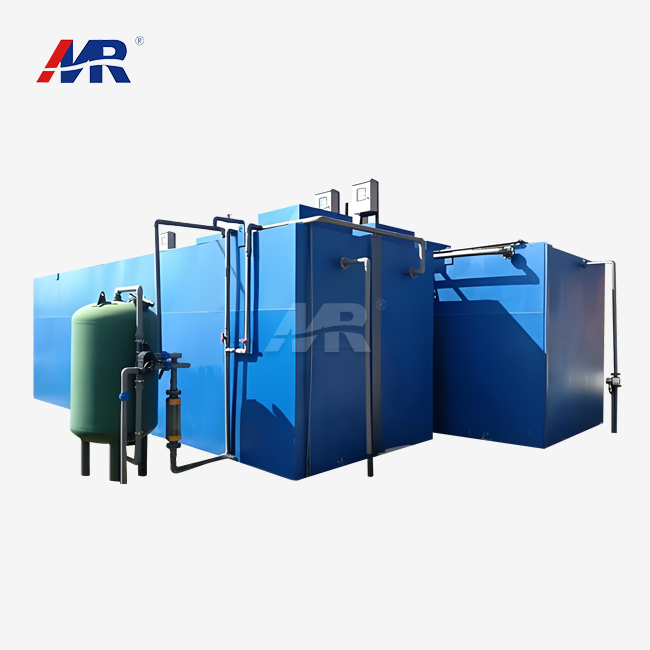 VIEW MOREsewage treatment plant
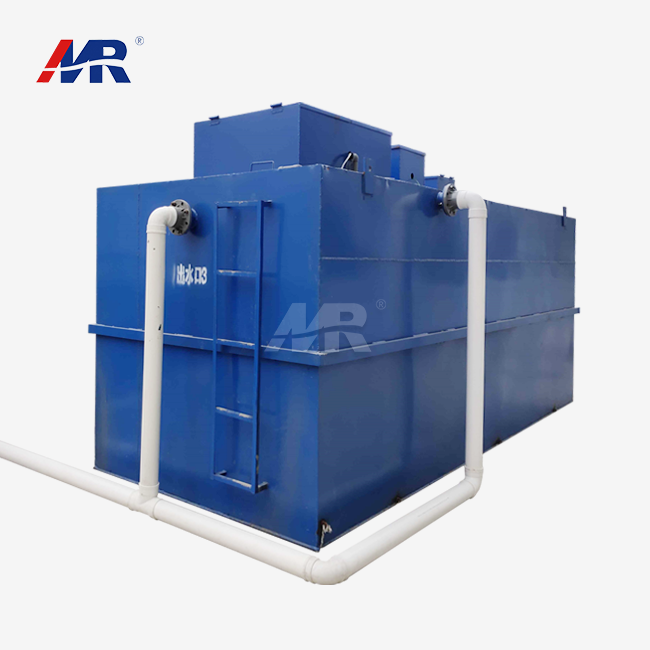 VIEW MOREMBR wastewater treatment plant
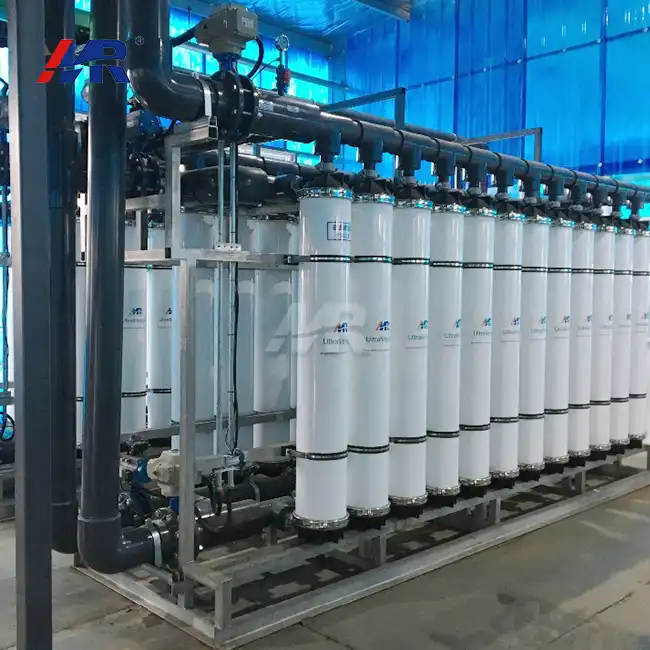 VIEW MORE50m3/hour ultrafiltration plant
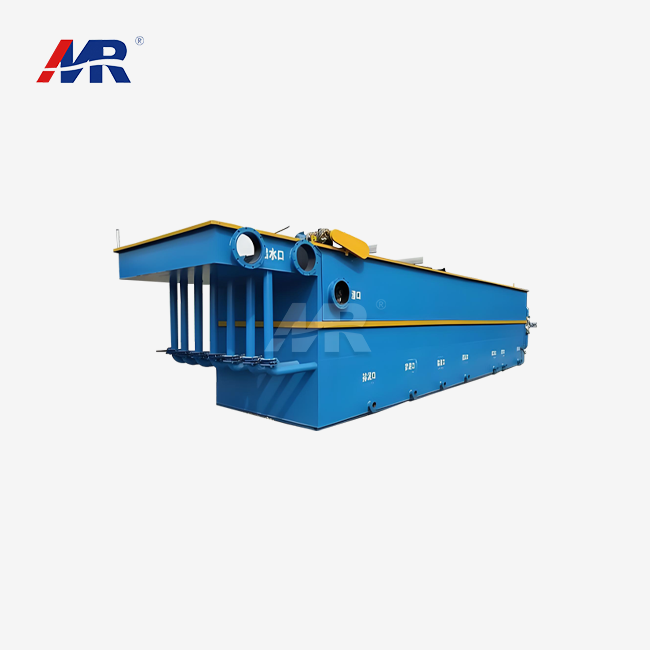 VIEW MOREadvanced wastewater treatment system
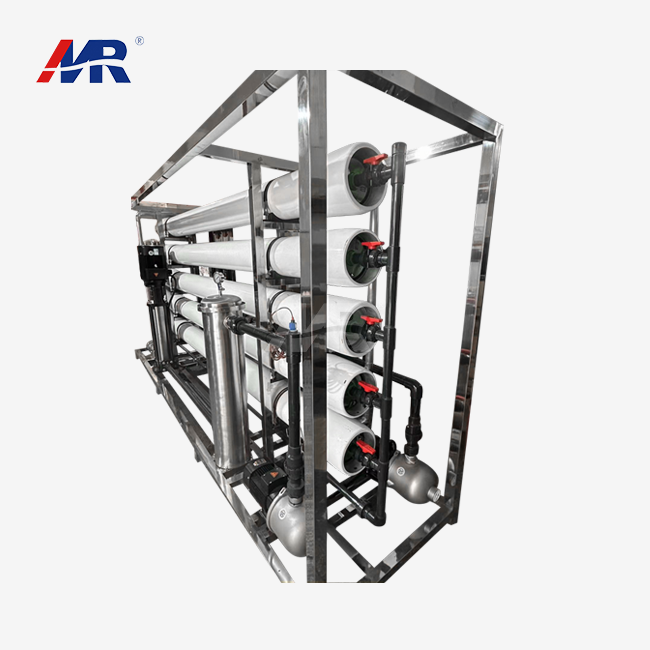 VIEW MOREreverse osmosis water treatment equipment
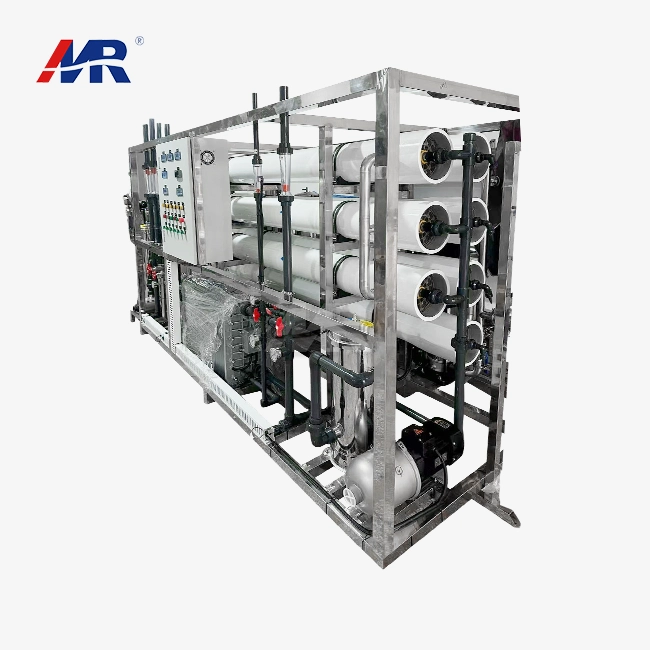 VIEW MOREedi module water treatment
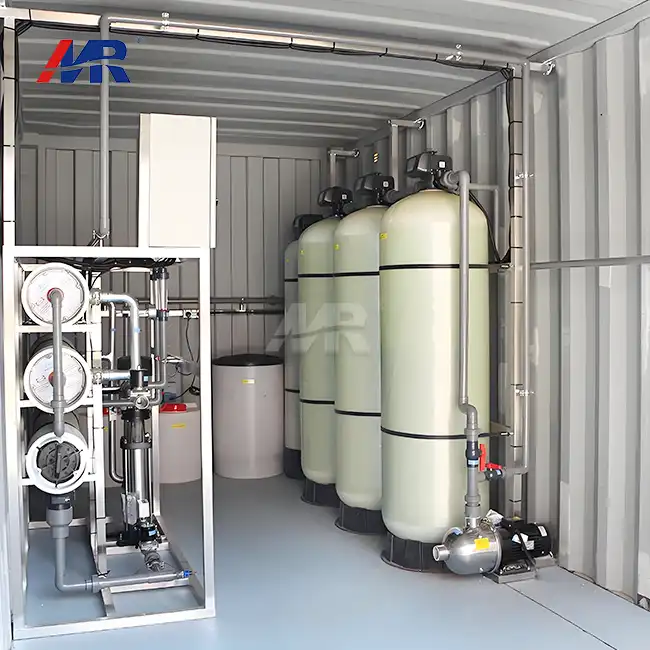 VIEW MOREcontainer ro equipment
