

_1745823981883.webp)

How Does a Leachate Treatment Plant Work? A Step-by-Step Guide
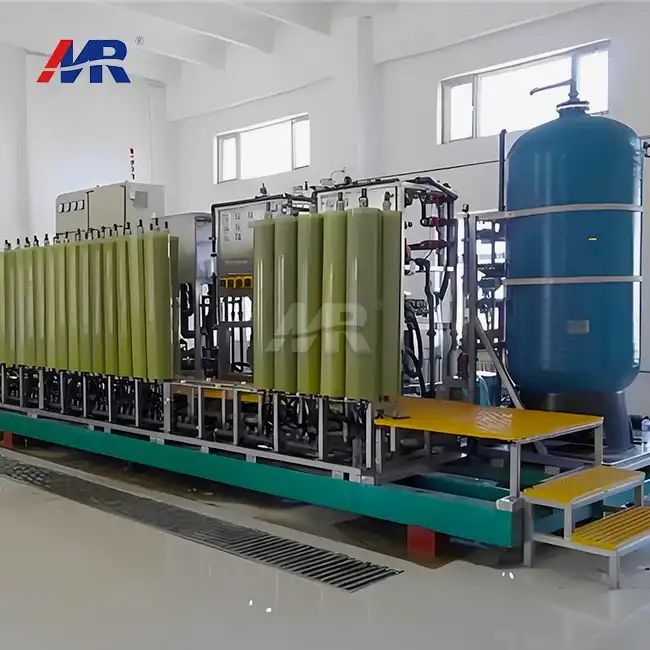
A leachate treatment plant purifies landfill fluids through various steps to remove dangerous contaminants before discharge or reuse. Organic chemicals, heavy metals, and ammonia are removed using biological degradation, chemical oxidation, and sophisticated membrane filtering methods like DTRO (Disk Tube Reverse Osmosis). Current facilities use automated monitoring, equalization tanks, and multi-barrier treatment trains to handle varying leachate compositions and comply with environmental requirements and groundwater protection.
Introduction
Each landfill produces leachate, a black, polluted liquid that may pollute groundwater and ecosystems if not adequately handled. This comprehensive reference covers procurement managers, environmental engineers, and facility owners' everyday need for effective treatment options. Liability and regulatory fines arise from heavy metals and persistent organic contaminants in untreated leachate.
The stakes are high. EPA discharge guidelines and state-specific rules apply to municipal wastewater treatment plants, hazardous waste production sites, and landfill operators nationwide. The correct treatment method influences operating budgets, energy usage, and long-term maintenance expenses beyond compliance.
Modern treatment methods, plant design basics, and sustainable procurement techniques are covered in this guide. You'll learn how DTro membrane filtering reduces trash volumes and operational costs by 6-8 times. Understanding these processes helps you make smart decisions that safeguard your investment and the environment, whether you manage a small industrial site or a regional landfill.
Understanding Leachate and Its Challenges
What Makes Leachate So Problematic
When precipitation percolates through decaying garbage, it extracts dissolved organic materials, ammonia nitrogen, heavy metals, and xenobiotic chemicals as leachate. Leachate composition is greatly affected by trash age, climate, and landfill design, unlike wastewater. Older landfills create refractory chemicals that resist treatment, whereas younger ones produce acidic leachate high in biodegradable organics.
Regulatory Compliance Pressures
The U.S. has severe discharge limitations for BOD, COD, total suspended solids, and particulate pollutants for a leachate treatment plant. The Clean Water Act and Resource Conservation and Recovery Act necessitate monitoring and fines for noncompliance at a leachate treatment plant. European regulations are generally stricter, forcing worldwide producers to use modern treatment methods for a leachate treatment plant that assure compliance regardless of influent variations.
Core Principles and Types of Leachate Treatment Plants
Design Philosophy for Effective Treatment
Three elements underpin successful landfill leachate systems. Equalization storage and process parameters provide adaptability to seasonal and waste composition variations. Multi-barrier treatment targets multiple pollutant classes using biological, chemical, and physical approaches. As landfill capacity expands, modular scalability permits progressive growth, conserving capital expenditures and treatment performance.
Biological Treatment Methods
Aerobic methods remove BOD at high rates using oxygen-dependent bacteria but require continual aeration. Without oxygen, anaerobic digestion produces methane, which can reduce energy costs. Membrane bioreactors (MBR) use ultrafiltration membranes with biological treatment to produce high-quality effluent in small spaces. MBR satisfies strict purity criteria for process water reuse, making it popular in the pharmaceutical and biotechnology industries.
DTRO Technology Advantages
DTRO landfill leachate treatment increases membrane efficiency. Even with high-strength leachate, disk tubes resist fouling better than spiral-wound membranes and sustain flux rates. According to operational statistics, facilities evaporate or dispose of 85% less concentrate volume after 6-8 times concentration multiples. Lower energy consumption, chemical usage, and membrane longevity are crucial to the total cost of ownership.
Step-by-Step Leachate Treatment Process Overview
Preliminary Screening and Equalization
Coarse screens in a leachate treatment plant remove big debris, plastics, and fibrous materials from raw leachate before it reaches the treatment plant. Pumps in a leachate treatment plant are protected from clogging by 10-25mm bar screens. Equalization tanks in a leachate treatment plant stabilize biological reactors by buffering flow and concentration spikes from filtered leachate. Septicity is prevented, and organic decomposition occurs with equalization basin aeration in a leachate treatment plant.
Primary Biological Treatment
Microbial communities metabolize organic contaminants in biological reactors with equalized leachate. Aerobic sequencing batch reactors (SBR) nitrify ammonia to nitrates by alternating fill, react, settle, and decant stages. Anaerobic reactors that produce biogas from high-strength leachate may be suitable for low-energy facilities. Choose based on influential qualities, climate, and space. For economies of scale, power plants and petrochemical refineries integrate biological treatment with their wastewater infrastructure.
Chemical Treatment and Coagulation
In chemical dosing systems, aluminum sulfate or ferric chloride destabilizes suspended particles and colloidal organics from biological effluent. Fast mixing ensures chemical dispersion, then slow mixing in flocculation chambers forms settleable flocs from tiny particles. Gravity-settling clarifiers remove these flocs from treated water. Sludge must be dewatered and disposed of, while clarified water progresses to advanced treatment.
Advanced Membrane Filtration
Membrane systems polish for regulatory compliance. Ultrafiltration membranes having 0.01-0.1 micron holes remove germs, viruses, and colloids. Permeate for discharge or industrial reuse is produced using reverse osmosis membranes that exclude dissolved salts, heavy metals, and trace organics. Due to its durability, DTRO systems can manage biological and chemical pretreatment feed water without regular cleaning shutdowns. Reusing this high-quality water for cooling towers, equipment cleaning, and process applications reduces freshwater withdrawal costs in manufacturing.
Comparing Leachate Treatment Technologies to Support Procurement Decisions
Membrane Bioreactors Versus Conventional Activated Sludge
Compared to typical activated sludge plants, MBR systems produce better effluent with 30-50% lower footprints. The integrated membrane barrier removes secondary clarifiers and maintains performance independent of sludge settling. MBR capital expenditures are 20–35% higher, and membrane replacement is costly. Food and beverage companies justify this price when plant expansion space is restricted, or treated water will offset freshwater expenses.
Aerobic Versus Anaerobic Biological Systems
Continuous aeration accounts for 40-60% of plant running expenses, but speeds response rates and manages variable loads better. Anaerobic systems provide methane gas that powers on-site generators but require longer retention durations and aerobic polishing to fulfill nitrogen limitations. Municipal landfills with biogas collecting equipment prefer anaerobic methods, whereas smaller industrial sites prefer aerobic.
Automation Levels and Control Systems
Modern PLCs with SCADA interfaces automate chemical dosing, flow balancing, and alarm management, saving 60-70% of labor. Predictive analytics software optimizes energy use and predicts maintenance needs before breakdowns. Automation investments pay off with consistent treatment performance, regulatory compliance paperwork, and cheaper personnel expenses. Small and medium firms should decide if their operational knowledge warrants simpler manual methods or if turnkey automated solutions offer superior long-term value.
How to Choose and Procure the Right Leachate Treatment Plant
Assessing Your Specific Requirements
Characterization is key to procurement success for a leachate treatment plant. Seasonally measure leachate flow rates in a leachate treatment plant, not theoretical calculations. Industrial co-disposal BOD, COD, ammonia, total nitrogen, heavy metals, and site-specific pollutants should be measured in the lab for a leachate treatment plant. Determine discharge limitations from operational permits for a leachate treatment plant, including regulator tightening. This data set design criteria for a leachate treatment plant for providers to propose acceptable technology.
Total Cost of Ownership Analysis
Purchase price is 30-40% of lifespan expenses. Energy for pumping, aeration, and membrane operation builds up over decades. Membrane replacement, chemical use, and sludge disposal costs vary widely among methods. Request site-specific operational cost predictions and discount future costs to present value for appropriate comparison. Pharmaceutical and medical establishments must consider GMP validation and documentation expenses.
Real-World Implementation Examples
A California regional municipal landfill built a DTRO system that lowered concentrate volume by 85%, eliminating weekly tanker trucks for off-site disposal. Disposal savings alone paid for the project in 3.2 years, and purified permeate currently irrigates the landfill's vegetation. Ultrapure water production and leachate treatment recovered 70% of processed water for cleanrooms at a semiconductor company. These examples show how smart technology selection improves compliance and operations.
Conclusion
Effective landfill leachate treatment preserves the environment and meets tighter regulations. Modern treatment plants connect biological, chemical, and membrane technologies to consistently manage varied waste streams. Concentration multiples from DTRO membrane filtering reduce disposal costs and energy use.
Capital investment, lifetime operating expenditures, location restrictions, and regulatory developments should be considered in procurement. Modular designs allow gradual extension to match facility development, while automated systems decrease labor and increase uniformity. Quality suppliers with industry knowledge and strong support infrastructure enable long-term success.
These methods apply to municipal utilities, manufacturing plants, pharmaceutical firms, and petrochemical refineries. Understanding these basics lets you make educated decisions that safeguard your budget and the people you serve.
FAQ
1. How often does a leachate treatment plant require maintenance?
Treating complexity and influent characteristics determines routine maintenance intervals. Chemical cleaning every 30-90 days restores flux rates, and membranes endure 3-7 years until replacement. Biological reactors need monthly microbiological health and sludge age monitoring and substantial overhauls every 5-10 years. Automated monitoring minimizes manual inspections but raises analytical instrument calibration. Preventive maintenance programs based on manufacturer guidelines and operational data enhance uptime and save expenses.
2. What are the key performance indicators for monitoring system health?
Energy consumption per cubic meter treated, membrane flux rates (showing fouling severity), permeate quality measurements (COD, ammonia, conductivity), and chemical dose efficiency are important KPIs. Biological systems measure dissolved oxygen, sludge volume index, and mixed liquid suspended solids. Compare concentrate volume to feed volume to determine recovery efficiency. Trending these data enables preemptive intervention before regulatory infractions by identifying performance decline.
3. Can treatment plants be customized for different landfill scales?
Modular designs from modern equipment manufacturers can handle 10 cubic meters per day for small industrial sites to 1,000+ for larger dumps. Transportable treatment units are ideal for remote or temporary applications. Customisation handles site-specific issues, including high altitude, harsh temperatures, and particular contaminants. Pharmaceutical labs may demand small systems with validation documentation, whereas municipal facilities value sturdy design for decades of operator independence.
Partner with Morui for Your Leachate Treatment Solution
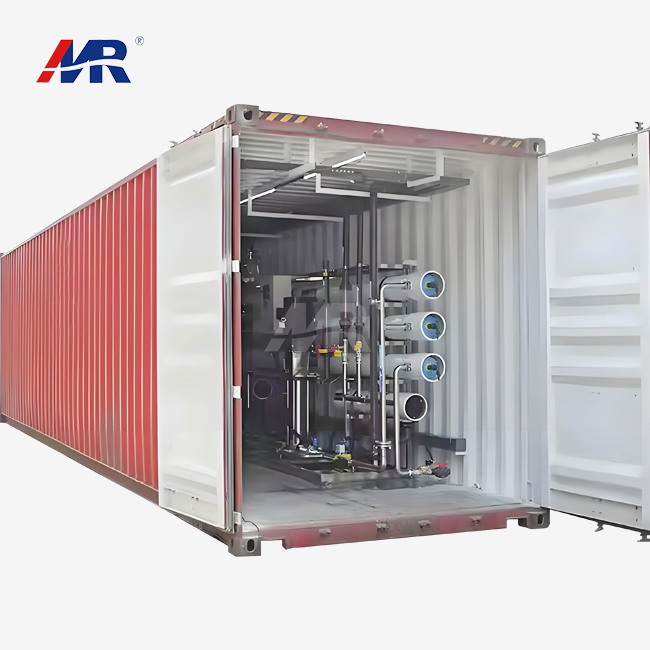
Guangdong Morui Environmental Technology has 20 professional engineers and 14 branches to provide leachate treatment plant solutions. We offer equipment manufacturing, membrane production, and full installation services to ensure project success from design to commissioning. We work with top brands like Shimge Water Pumps and Runxin Valves to provide reliable, affordable leachate treatment plant solutions.
Our DTRO systems regularly reach 6-8x concentration ratios, lowering disposal costs and environmental impact. Our Team customizes turnkey solutions for municipal landfills, industrial wastewater facilities, and specialty manufacturing operations to satisfy regulatory and budget requirements. Talk to our engineers at benson@guangdongmorui.com about your project, technical specs, or site inspection. Moruiwater.com showCases our water treatment methods and how we turn difficult leachate into compliant, reusable water.
References
1. Renou, S., Givaudan, J.G., Poulain, S., Dirassouyan, F., & Moulin, P. (2008). Landfill leachate treatment: Review and opportunity. Journal of Hazardous Materials, 150(3), 468-493.
2, Kurniawan, T.A., Lo, W., & Chan, G.Y.S. (2006). Physico-chemical treatments for the removal of recalcitrant contaminants from landfill leachate. Journal of Hazardous Materials, 129(1-3), 80-100.
3. Wijekoon, K.C., Visvanathan, C., & Abeynayaka, A. (2011). Effect of organic loading rate on VFA production, organic matter removal, and microbial activity of a two-stage thermophilic anaerobic membrane bioreactor. Bioresource Technology, 102(9), 5353-5360.
4. Amor, C., De Torres-Socías, E., Peres, J.A., Maldonado, M.I., Oller, I., Malato, S., & Lucas, M.S. (2015). Mature landfill leachate treatment by coagulation/flocculation combined with Fenton and solar photo-Fenton processes. Journal of Hazardous Materials, 286, 261-268.
5. Talalaj, I.A., Biedka, P., & Bartkowska, I. (2019). Treatment of landfill leachates with biological pretreatment and reverse osmosis. Environmental Chemistry Letters, 17(3), 1177-1193.
6. Di Iaconi, C., Ramadori, R., Lopez, A., & Passino, R. (2006). Combined biological and chemical degradation for treating a mature municipal landfill leachate. Biochemical Engineering Journal, 31(2), 118-124.
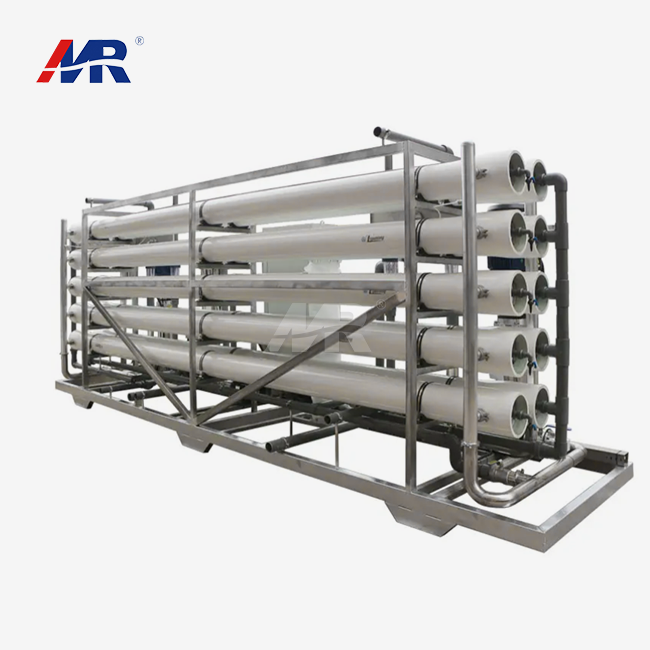 VIEW MOREbrackish water reverse osmosis systems
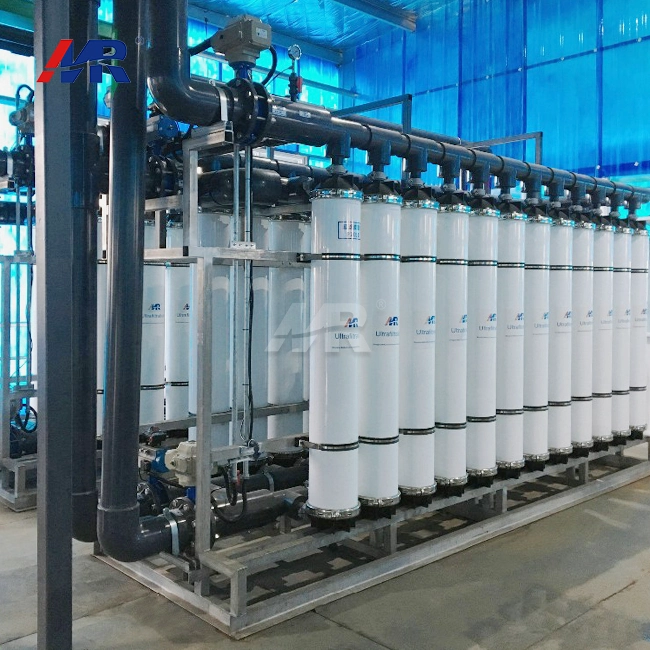 VIEW MOREultrafiltration equipment
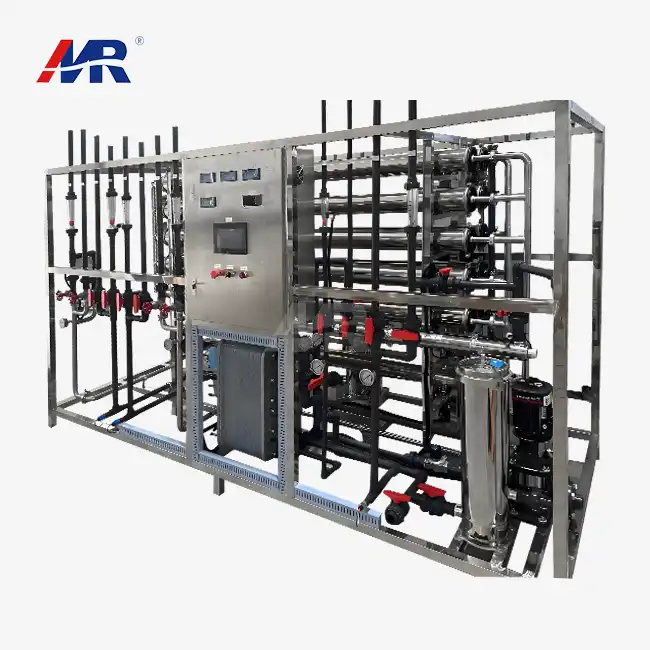 VIEW MORE2000 liters/hour EDI system
 VIEW MOREseawater treatment plant
 VIEW MORE25m3/hour seawater desalination plant
 VIEW MOREelectro deionizer system
 VIEW MOREunder counter reverse osmosis water system
 VIEW MOREContainerized Reverse Osmosis Systems
