_1745823981883.webp)

Containerized RO: A Sustainable Water Treatment Solution
Businesses may purify water in shipping containers with a transportable, extendable containerized reverse osmosis plant. These compact devices purify water as well as large-scale containerized reverse osmosis plants and can be put up fast anywhere clean water is needed. Containerized RO technology combines pretreatment, membrane filtration, and control systems into a mobile device to handle water quality issues in pharmaceutical, culinary, electronics, and public utility industries. This innovative method makes water treatment equipment purchase and setup more sustainable and adaptable for enterprises.
Understanding Containerized Reverse Osmosis Plants
What Makes Containerized RO Technology Different
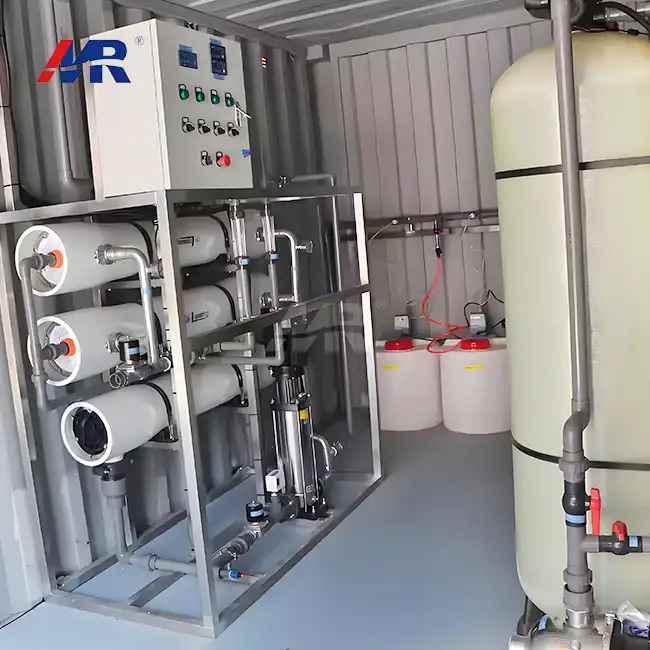
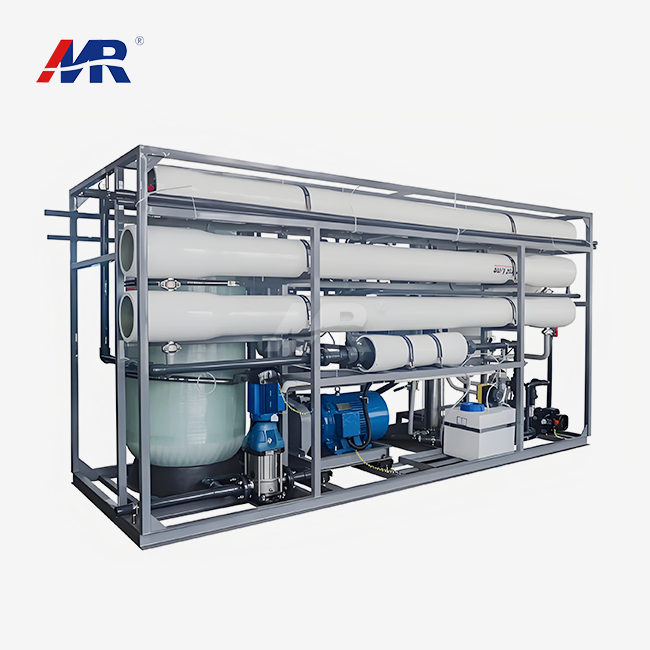
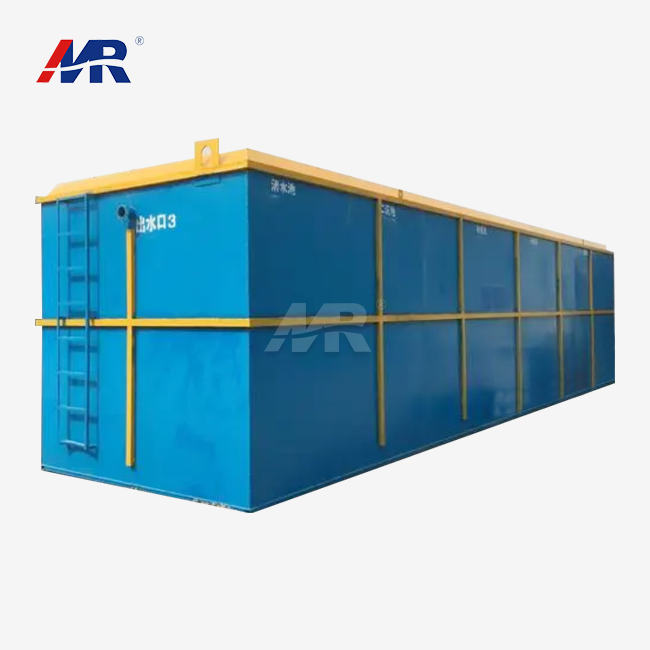
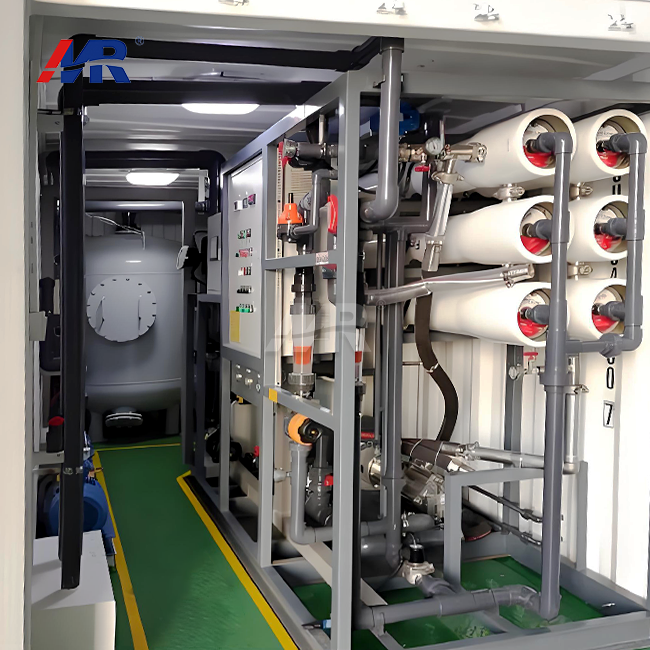
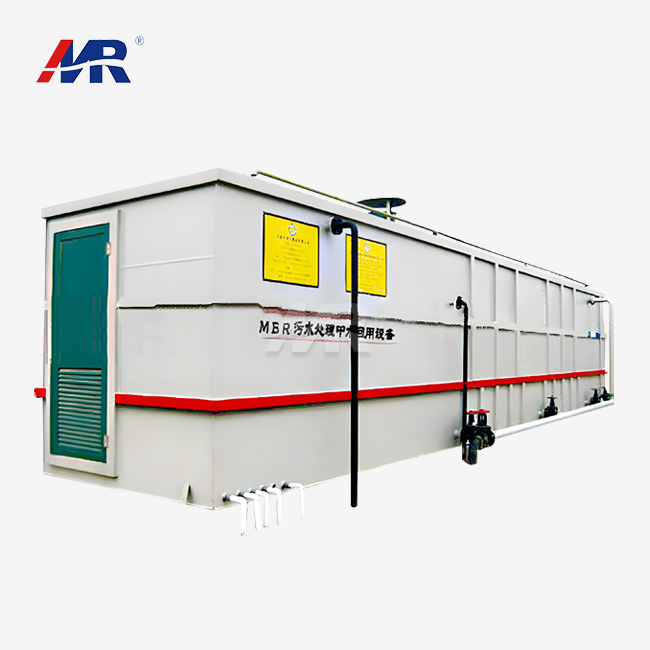
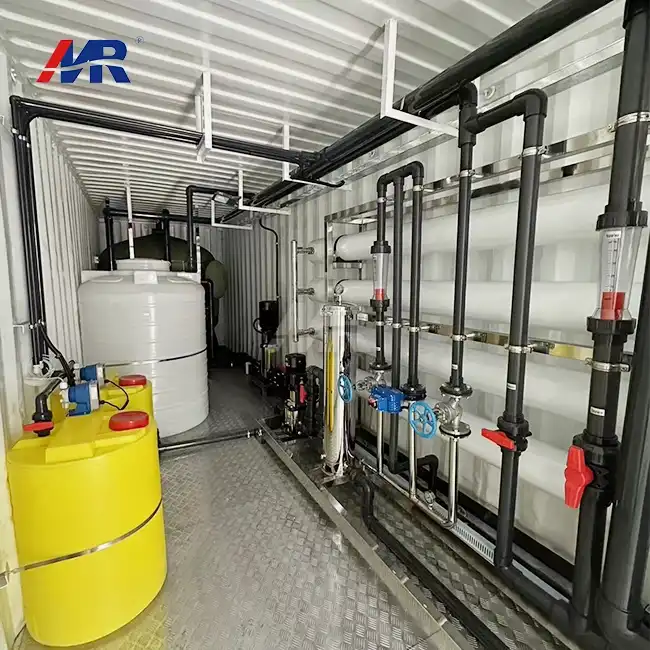
Our containerized reverse osmosis plant solutions fit completely working reverse osmosis treatment systems into 20- or 40-foot shipping containers. The design sends units that have been tested and assembled in the workshop to your location, ready to connect. These systems house pumps, pressure tanks, membrane modules, instruments, and control screens in weatherproof enclosures to protect delicate equipment from adverse weather. Traditional setups take months to install.
Core Components and Operational Flow
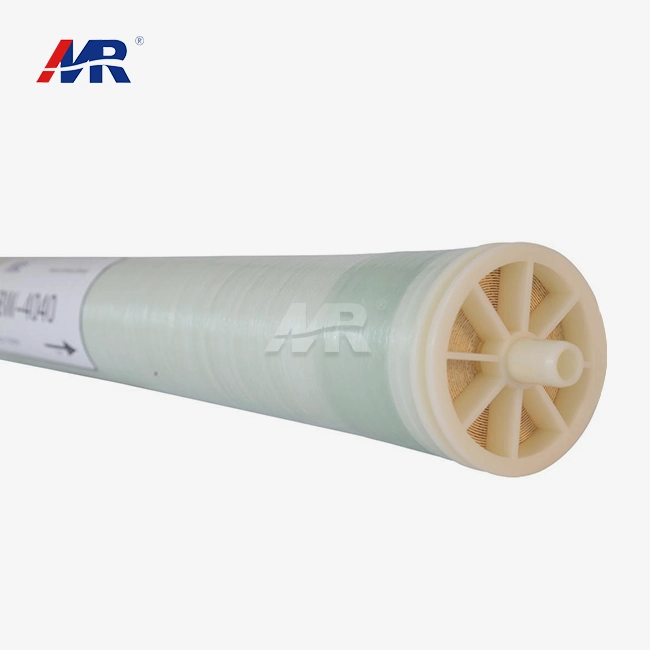
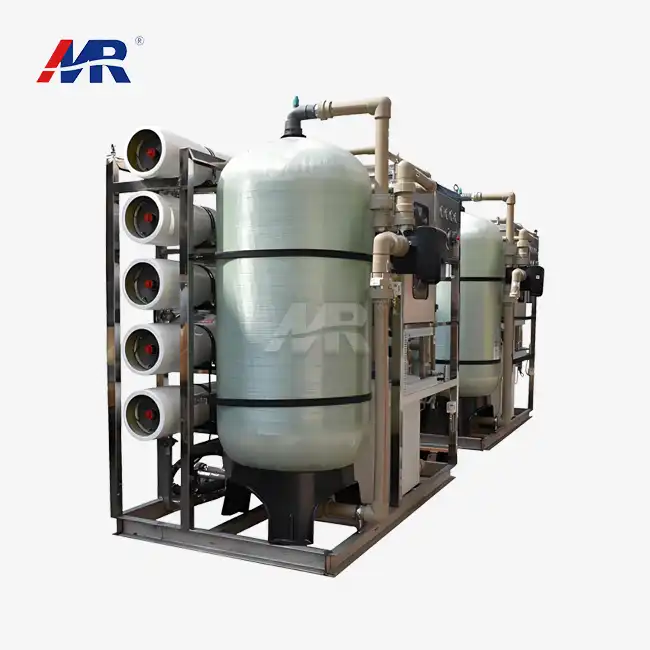
Raw water enters each container through input lines and passes through a multimedia filter to remove particles. High-pressure pumps drive water over semi-permeable barriers that molecularly block dissolved solids, heavy metals, and other pollutants. The procedure produces a cleaned permeate that fulfills your quality criteria and a concentrated reject water that may be discarded or treated. Automation, sensors, and programmable logic controls maintain optimal working conditions and performance. This integrated architecture eliminates issues with multi-provider installations.
Comparing Containerized RO Plants with Conventional Solutions
Installation Timeline and Site Requirements
A standard water treatment plant takes 12–24 months to complete, including base work, building construction, equipment installation, and system integration. We reduce this time to weeks with our containerized reverse osmosis plant solution for containerized reverse osmosis plants. Before shipment, 90% of assembly and testing for containerized reverse osmosis plants is done at the factory. Only utility connections and first procedures for containerized reverse osmosis plants are needed on-site. We've seen pharmaceutical companies attain full production capacity 45 days after the container arrives with containerized reverse osmosis plants, whereas a brick-and-mortar plant would take 18 months.
Operational Flexibility and Performance Metrics
Fixed systems work well for consistent water demands but struggle with seasonal or short-term demand swings. Containerized reverse osmosis plants function best in dynamic environments. During a five-year Nevada extraction effort, three 40-foot units were relocated twice to maintain water quality while following ore deposits. Our systems remove 98–99% of total dissolved solids and recover 75–85%, depending on source water. This implies performance is comparable to permanent configurations.
Practical Applications and Industry Use Cases
Pharmaceutical and Biotechnology Water Systems
GMP-compliant water production requires 100% dependable quality control. A Massachusetts pharmaceutical client uses our containerized reverse osmosis plant to create USP-grade filtered water for injectable drug formulation. The enclosed chamber maintains temperature and humidity, preventing microbial growth. Full documentation from daily operating logs to plant acceptance testing proves validation compliance during regulatory assessments. The system has run three product lines continuously for 38 months.
Food and Beverage Processing Applications
Because of their fixed equipment, beverage industries struggle with seasonal output peaks. Colorado artisan brewery employs our mobile reverse osmosis unit throughout the summer, when output doubles. To maintain operations, they relocate the container to their sister factory in winter. The system removes chlorine, dissolved minerals, and chemical compounds that alter water flavor. Water recovery rates of 80% reduce municipal water consumption and wastewater disposal fees significantly. Quality and long-term impacts are measured.
Emergency Response and Remote Site Solutions
We dispatched four containerized reverse osmosis plants to Puerto Rico within 72 hours after Hurricane Maria wrecked its water system to supply hospitals and emergency centers. Moving whole treatment systems using standard shipping procedures in damaged facilities was really beneficial. Offshore platform owners prefer systems that integrate with transportation and offer constant desalination for crews. Containerization allows remote water treatment, as seen in these Cases.
Installation, Operation, and Maintenance Best Practices
Site Preparation and Integration Requirements
A successful containerized reverse osmosis plant deployment starts with a comprehensive site evaluation. We recommend level, compacted locations that can hold 60,000 to 80,000 pounds for fully loaded 40-foot units. Utility designs should include water connections, drain pipes, and three-phase power (480V at 100–200 amps, dependent on capacity) for the pump. Our engineers develop site-specific drawings that illustrate where the connections are, how much door entrance space is needed, and any temperature considerations that may require extra heating or cooling.
Routine Maintenance Protocols
Regular maintenance is necessary since membrane performance influences system dependability. We instruct personnel to do daily visual checks, monitor membrane stage pressure differences, and measure standardized permeate flow rates. These signals indicate wasteful habits before they pollute water or increase energy consumption. Quarterly maintenance includes valve actuator lubrication, instrument calibration verification, and cleaning-in-place using permitted chemicals. Our remote tracking capabilities allow our technical staff to identify issues before they become costly.
Procurement Guide for Containerized Reverse Osmosis Plants
Technical Specification Evaluation
Compare containerized reverse osmosis plant vendors based on performance claims, not theoretical capability. Request test data from a third party to determine the true rejection rates for pollutants such as heavy metals for pharmaceutical usage, silica for boiler feedwater, and specific ions for farming. Membrane brand and form are crucial. Although more expensive, DuPont, Hydranautics, and Toray offer greater fouling prevention and longer service life. Pump choice affects reliability equally. Due to their high-cycle-duty performance, we propose Grundfos and Shimge units.
Supplier Support Skills and Infrastructure
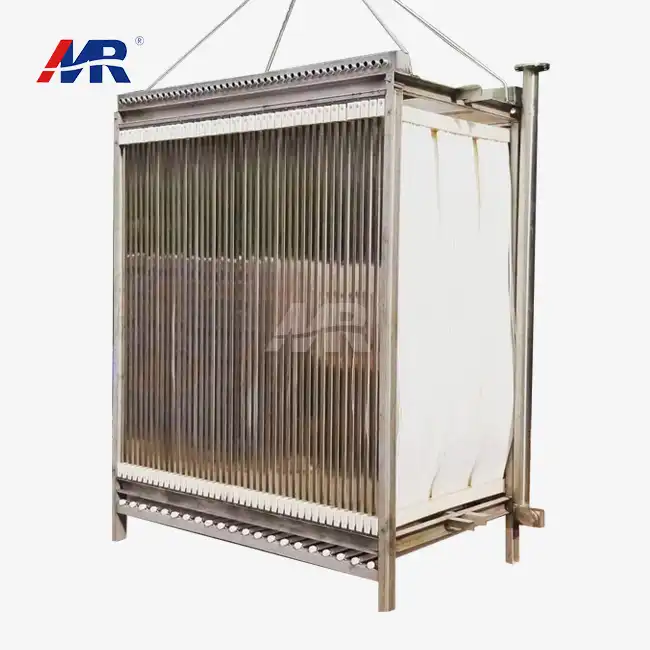
Vertical collaboration distinguishes Morui from equipment distributors. Our Guangdong facility makes membrane components. This eliminates third-party dependence and offers us full quality control. Our 20-person engineering team can customize cleaning, membrane array, and control system architectures for feed water chemistry or room size. Our 14 regional locations allow us to provide specialized Technical support in hours rather than days. Startup setup and queries about how things function depend on this system.
Money thoughts and buying models
Capital equipment usually needs a large down payment, which strains budgets and delays approvals. Lease-to-own arrangements allow you to pay for items over time and ultimately own them, while build-to-own-operate contracts let us own the equipment but promise a per-gallon water supply. These varieties are more affordable and provide us, the creators, more performance control. From purchase order to site arrival, the procedure takes 8–12 weeks. Installation and commissioning support takes 2–3 weeks.
Conclusion
Simple containerized reverse osmosis plant technology improves how firms build water treatment facilities. These systems combine proven purifying technologies with innovative packaging to deliver enterprise-level performance and rollout freedom. Pharmaceutical firms following good manufacturing procedures (GMPs), beverage companies addressing seasonal demand, cities filling infrastructural gaps, and isolated areas acquiring their own water supply are proof. As water shortages worsen and laws tighten, swiftly setting up flexible, long-lasting cleaning capacity becomes important. Companies investing in water security should view containerized reverse osmosis plant solutions as long-term alternatives to traditional facilities that function similarly but are more adaptable.
FAQ
1. How long do containerized RO systems typically last?
Well-maintained containerized reverse osmosis plants endure longer than 15 to 20 years. Membrane pieces should be replaced every 3–7 years, depending on feed water quality and cleaning frequency. Pumps and pressure vessels can survive 15 years or more with appropriate maintenance. Container form protects it for decades if corrosion-prevention techniques are maintained.
2. Can these systems handle variable water quality?
Due to superior pretreatment and adjustable controls, our containerized reverse osmosis plants can endure large feed water variations. We've used units on salty groundwater with 5,000 ppm TDS and saltwater with over 35,000 ppm. The correct system size and setup for prep are crucial. We examine your water's chemistry, including seasonal fluctuations, during the meeting to assist you in picking membranes and pretreatment components that will operate effectively in all conditions.
3. What customization options are available?
Our engineers modify stock designs to satisfy specific demands. Electrical parts that won't explode in risky spots, pharmaceutical-grade pipelines and fittings, regulatory compliance tracking systems, and plant control system connections are common customizations. We've also built up dual-train systems in single containers as backups and mixed designs that use RO and electrodeionization to generate 18-megohm ultrapure water.
Partner With Morui for Your Containerized Reverse Osmosis Plant Needs
We know water cleaning technologies beyond toolmaking. We supply containerized reverse osmosis plants that can make membranes and assemble the system, so we can help with your cleaning needs. Our 500 personnel in 14 branches provide specialized assistance with consolidated technological resources. This ensures fast service across your system. We work with Shimge Water Pumps, Runxin Valves, and Createc Instruments to provide visible steadiness.
Use our containerized reverse osmosis plant systems for any application, depending on your demands and budget. They can be utilized for emergency water, long-term production, or temporary cleansing during infrastructure upgrades. We welcome technical experts, purchasing managers, and building owners to discuss how our mobile RO system may improve water security. To schedule a meeting, request specs, or tour an installed installation, email benson@guangdongmorui.com. Let's find a water treatment solution that meets your demands and protects your investment.
References
1. American Water Works Association. (2020). Reverse Osmosis and Nanofiltration: Manual of Water Supply Practices M46. Denver: AWWA Publications.
2. Greenlee, L.F., Lawler, D.F., Freeman, B.D., Marrot, B., & Moulin, P. (2019). Reverse osmosis desalination: Water sources, technology, and today's challenges. Water Research, 43(9), 2317-2348.
3. Kucera, J. (2019). Reverse Osmosis: Design, Processes, and Applications for Engineers. Hoboken: John Wiley & Sons.
4. National Research Council. (2018). Desalination: A National Perspective. Washington, DC: The National Academies Press.
5. Voutchkov, N. (2021). Pretreatment for Reverse Osmosis Desalination. Oxford: Butterworth-Heinemann.
6. World Health Organization. (2017). Desalination for Safe Water Supply: Guidance for the Health and Environmental Aspects Applicable to Desalination. Geneva: WHO Press.