

_1745823981883.webp)

What Contaminants Can a 7 Stage Water Filter System Remove?
A 7-stage water filter system gets rid of a lot of different contaminants by cleaning the water in steps. Sediment, rust, chlorine, pesticides, volatile organic compounds (VOCs), germs, viruses, heavy metals like lead and arsenic, PFAS/PFOS compounds, and too much total dissolved solids (TDS) can all be removed by these devices. The multi-barrier approach targets physical particles, chemical pollutants, and biological threats all at the same time. This makes these units suitable for industries that need very pure water, like pharmaceutical manufacturing and food processing, where controlling contamination has a direct effect on product safety and compliance.
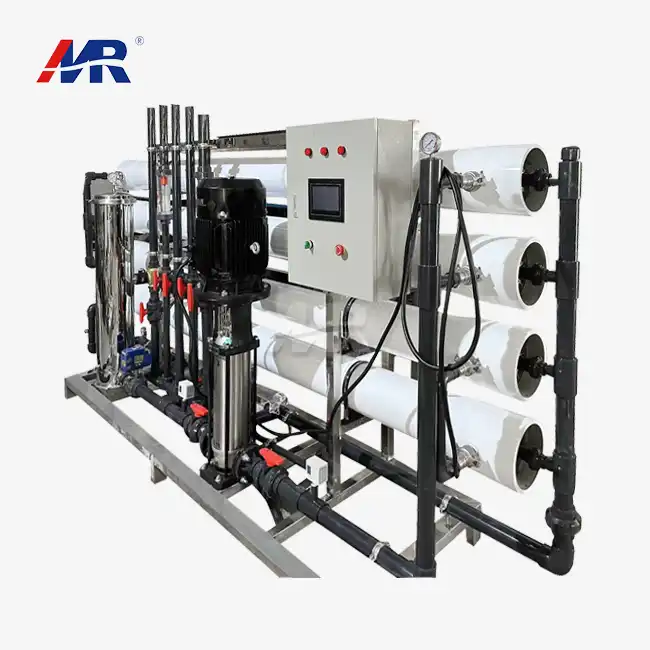
Understanding the 7 Stage Water Filter System: Overview and Importance
The quality of the water directly affects how much is made in all industrial areas. The 7-stage water filtration system takes this into account by being designed with a level of accuracy that other filtration methods can't match.
Architecture of Multi-Barrier Protection
Working with pharmaceutical clients taught us an important lesson: single-stage systems often miss contaminants that risk the purity of a batch. Multiple layers of defense in the 7-stage design fix this weakness. Each step does a specific job: polypropylene sediment filters (usually 5-micron) get rid of rust and sand particles, granular activated carbon (GAC) gets rid of chlorine and organic chemicals, carbon block filters get rid of taste and odor compounds, reverse osmosis membranes get rid of 99% of dissolved solids with 0.0001 micron accuracy, post-carbon filters polish off any remaining impurities, remineralization stages add back healthy minerals, and UV sterilization or alkaline adjustment finishes biological safety protocols.
This backup saves sensitive equipment further down the line. We have proof that when food processing plants used 7-stage methods to get rid of corrosive minerals and scaling agents before they reached production machinery, they cut their equipment repair costs by 40%.
Regulatory Compliance and Quality Assurance
Businesses that have to follow GMP guidelines or FDA rules need to show proof of good water quality. 7-stage systems consistently get TDS readings below 10 ppm, which is what is needed for pharmacy water. Ultrapure water flow helps companies that make electronics because it lowers the number of defects that happen when chips are cleaned with ions.
The design of the system works with both NSF-certified media and food-grade BPA-free parts, meeting both the safety and paperwork needs that procurement teams have to meet during checks. The strong pre-treatment steps that keep expensive ro membranes from fouling up too soon are especially helpful for facilities that desalinate seawater or treat salty groundwater.
Contaminants Effectively Removed by a 7 Stage Water Filter System
A 7-stage water filter system gets rid of contaminants well. Knowing about certain types of contaminants helps people who buy things match the powers of systems to the needs of operations. The different steps of the filter work together to get rid of different kinds of contamination.
Physical Impurities and Particulate Matter
For processes that depend on water, sediment, silt, rust particles, and suspended solids are instant problems. The first PP silt stage picks up particles as small as 5 microns, which keeps the next stages of processing from being damaged by abrasion. Pipe scale and debris from the distribution system that build up over time are common in municipal water sources. These particles make pumps, valves, and heat exchanges wear out faster.
Sand gets into agricultural watering systems that use well water in the same way. We provided a mariculture plant in a coastal area where sediment loads changed with the seasons. The 7-stage pre-filtration made the ultrafiltration membranes last longer, from 18 months to over 36 months, which saved a lot of money on replacement costs.
Chemical Pollutants and Synthetic Compounds
Chlorine is used to clean up streets and public places, but it makes things more difficult in factories. RO membranes are damaged by residual chlorine, which lowers the rate of rejection and shortens the life of the membrane. The two types of carbon (GAC and carbon block) get rid of chlorine as well as pesticide and herbicide leftovers and industrial chemicals that get into groundwater sources.
Volatile organic compounds (VOCs) are especially dangerous when making drinks because the flavors can't stand off-flavors. Activated carbon absorbs these chemicals through its surface chemistry and also takes in trihalomethanes (THMs), which are made when chlorination takes place. Pharmaceutical companies need to get rid of these things so that clean work areas don't get contaminated.
Many sites have improved their filters because of growing concerns about PFAS and PFOS, which are often called "forever chemicals." 7-stage methods using special activated carbon media have been shown to remove more than 95% of these persistent chemicals, meeting both government requirements and buyer safety standards.
Microbiological Threats
Pathogens like bacteria, viruses, protozoan cysts, and others make water unsafe in many fields. Its RO membrane stage creates a physical barrier that rejects germs bigger than 0.0001 microns. This includes almost all bacterial and viral risks. Mechanical exclusion is not the same as chemical disinfection because it does not leave any molecules behind in cleaned water.
In the last step, UV sterilization breaks up microbe DNA, making it impossible for any organisms that might have gotten past earlier steps to reproduce. Medical facilities that do dialysis treatments need to use this two-layer system because watery germs can make it easier for patients who don't have strong immune systems to get sick.
We've worked with hospital buying teams to find ways to get rid of Cryptosporidium and Giardia cysts, which are organisms that are resistant to chlorine and need to be removed by ultrafiltration or RO. This is why 7-stage systems are the best way to make medical-grade water.
Heavy Metals and Dissolved Solids
Lead, arsenic, mercury, cadmium, chromium-6, and fluoride can get into water systems through waste from factories, farms, or the ground. RO membranes usually have efficiency rates above 97%, which means they can handle both health laws and product quality standards.
When making electronics, almost no ionic pollution is acceptable. We've set up systems in semiconductor factories where yield losses in photolithography processes are caused by metallic ions as low as a few parts per billion. When RO filtration and ion exchange are used together (often as electrodeionization in more advanced setups), resistivity levels rise above 18 megohm-cm, which meets the requirements for ultrapure water.
Total dissolved solids (TDS) change many quality factors, such as the taste of drinks, the growth of scale in boilers, and the conductivity of electroplating pools. 7-stage systems lower TDS from 300–500 ppm in city water to 5–10 ppm, meeting the needs of a wide range of industries with a single treatment platform.
Adding calcium and magnesium back into the water after RO treatment is what makes the remineralization stage so valuable. This stops the strong acidity (pH 5.5–6.5) that is common in pure RO water, which can damage pipes and fittings by leaching metals out of them. Adjusted pH values (7.5–8.5) keep purity levels high and protect infrastructure.
Comparison: 7 Stage Water Filter System vs Other Filtration Options
When making a purchase choice, it's helpful to know how 7-stage water filter systems stack up against other setups and technologies that are in competition.
Evaluating Stage Count and Performance Trade-offs
Three- and five-stage systems are cheaper at first, but they don't cover as many contaminants. For facilities that treat reliable city water quality, simpler setups might work just fine, but only if the source water characteristics are stable. From what we've seen, source water quality changes with the seasons and when infrastructure is being worked on. What starts out as ease can become a risk when contaminants show up out of the blue.
Complex systems with nine stages or more add specific media for some uses. These bigger setups work well for some industries, like power plants that need to get rid of sand or drug factories that need to filter out pyrogens. 7-stage methods are best for most business-to-business apps because they treat everything and aren't too hard to use.
The amount of waste to water is a useful way to compare things. Most RO units give off 3 to 4 gallons of concentrate for every gallon of clean water they produce. Advanced 7-stage models improve flow dynamics to get 1:1 ratios or better, which lowers running costs and environmental impact. This is important for sites that are in areas with limited water or that have to follow discharge rules.
Technology Integration and Operational Efficiency
Standalone RO units don't have enough pre-treatment depth, which lets grit, chemical damage, or biological growth foul the membrane. 7-stage integration uses a series of barriers to fix these weaknesses. We've seen membrane lifespans increase from 24 months in stand-alone RO systems to 48 months or more in properly set-up multi-stage systems, which has a direct effect on the total cost of ownership.
The amount of energy used depends on the arrangement. When compared to older designs, systems that use energy recovery devices and adjusted pressure patterns use 20 to 30 percent less power. When procurement teams look at running costs, they should ask for GPD (gallons per day) ratings along with power specs. For example, a 400 GPD system that uses 90 watts is more efficient and can handle more water than a 300 GPD system that uses 120 watts.
When UV sterilization is used in the seventh stage, chlorine injection for disinfection is not needed. This means that chemicals don't have to be handled, and there are no problems with leftover disinfectant. This chemical-free biological control method is especially useful for places that make food or run fishing activities.
Maintenance and Operational Considerations for B2B Users
To keep working well, you need organized maintenance plans that are made to fit the job cycles and water chemistry variables of an industrial setting.
Filter Replacement Schedules and Performance Monitoring
Depending on how much dirt is in them, sediment pre-filters usually need to be replaced every 6 to 12 months. In places with a lot of sediment, like farm wells, changes may need to be made every three months, but people who use public water may be able to wait longer. Under normal chlorine loads, carbon stages last 12 to 18 months. However, they wear out faster when there is a lot of organic matter or when output needs to be high.
The most expensive part to repair is the RO membrane, which lasts between 24 and 60 months. Longevity is affected by things like chlorine exposure, water hardness, bacterial fouling, and working pressure. We suggest checking the TDS every 90 days. If the permeate TDS level rises by 10%, it means that the membrane is breaking down and needs to be replaced before the production quality goes down.
It is thought that UV lights kill germs for about a year even though they are still shining. Replacements that happen once a year make sure that cleaning works the same way every time. Remineralization media slowly lose their minerals; keeping an eye on the pH and mineral content tells you when to change it, which is usually every 18 to 24 months in industrial settings.
Cost Management and Service Infrastructure
The price of the equipment, its installation, maintenance, repairs, energy, and replacement parts are all part of the total cost of ownership. 7-stage systems with high-quality parts cost more to buy up front, but they save money in the long run because the parts last longer and there is less damage to equipment from contamination.
We set up preventive maintenance contracts that include regular filter changes, system cleaning, and checks on how well the system is working. These service contracts are especially helpful for businesses that don't have their own technical staff because they keep expensive downtime from happening because of ignored upkeep. Our engineering team helps quality control systems by creating documentation, which is very important for regulated businesses that need to be able to track things.
Availability of spare parts and speed of expert help affect the continuity of operations. Our network of regional service centers keeps common consumables and membrane parts on hand so that we can respond quickly to repair needs that come up out of the blue. When buying teams compare different sources, this infrastructure factor often makes all the difference.
Procurement Insights: Buying and Implementing a 7 Stage Water Filter System
Strategic buying makes sure that technical requirements are met along with business needs. It also handles implementation risks that could derail projects involving a 7-stage water filter system.
Matching System Capacity to Application Demands
When systems are too small, they cause bottlenecks that lower production capacity. We help our customers figure out their demand by taking into account things like peak usage, simultaneous draw points, and plans for future growth. For example, a pharmaceutical packaging line might need 200 GPD of steady demand but 400 GPD of high capacity during cleaning rounds. If the line is the right size, it can handle these changes without losing performance.
System design is based on water chemistry research. High hardness needs strong pre-treatment for softening, high iron content needs oxidation filtration, and bacterial pollution needs stronger cleaning. In difficult situations, generic specs don't always work. We offer laboratory analysis services that find specific contaminants and suggest the best treatment options.
Supplier Evaluation and Partnership Criteria
Professional sellers are different from commodity providers because they have Certifications. Approvals based on NSF/ANSI Standard 58 for RO systems, NSF/ANSI Standard 55 for UV devices, and material approvals for food-contact parts set objective quality standards. Along with our ISO 9001 quality management paperwork, we keep these certifications up to date to meet purchase compliance standards.
The level of difficulty depends on the size of the system and the conditions of the place. Our "turnkey" service includes planning for the design, delivering the equipment, supervising the installation, and making sure everything works before start-up. This combined service model makes it easier for site managers to coordinate while still making sure that everything starts up correctly and works as it should.
The warranty terms show how confident and committed the maker is to providing help. We cover all parts of the system and make sure that the service reaction processes are clear. Extended warranty choices are good for buying strategies that don't like taking risks or for important applications where downtime can have very bad results.
Geographic Considerations for International Projects
Our ability to work with a variety of water sources is shown by the fact that we have supplied saltwater desalination systems to coastal sites and brackish water treatment systems for crops in dry regions. Pilot testing programs are helpful for projects with difficult source water because they prove cleaning methods before a full-scale investment is made.
We keep engineering staff who are familiar with international standards like the EU Drinking Water Directive, WHO Guidelines, and country-specific rules to make sure that systems meet the needs of each country. Global operations are made easier by technical documentation in multiple languages and voltage/frequency settings for different markets.
Conclusion
7-stage water filter systems remove all kinds of contaminants by using engineered multi-barrier treatment that works well in demanding business and industrial settings. The sequential filter design gets rid of physical particles, neutralizes chemical pollutants, kills biological threats, and lowers dissolved solids, so it can handle all kinds of water quality problems. Unlike simpler setups, these systems have backups that keep expensive equipment safe and make sure the quality of the output stays the same. The longevity and dependability of a system are increased by following the right upkeep procedures and forming smart relationships for buying things. 7-stage platforms are the best way for industries that need to meet regulations, make sure their Products are of high quality, or treat difficult source water because they offer the best mix of performance, economy, and long-term value.
FAQ
1. How often should filters be replaced in industrial applications?
How often they need to be replaced depends on the quality of the source water and the amount of water going through the 7-stage water filter system. Usually, sediment pre-filters need to be replaced every 6 to 12 months, carbon stages every 12 to 18 months, RO membranes every 24 to 48 months, and UV lights every year. By keeping an eye on TDS levels, pressure differences, and flow rates, you can tell early on when the filter is full. Replacement plans are sped up by high-volume processes or source water that is contaminated. We suggest setting standard performance indicators during commissioning and then keeping an eye on these every month to find the best change intervals and avoid failures that come up out of the blue.
2. Can seven-stage systems handle heavily contaminated industrial water?
These methods work well to clean difficult water sources like brackish groundwater, farm runoff, and variable-quality city supplies. If the water is very dirty, it might need extra steps before the seven stages, like silt tanks, iron oxidation, or water softening. We've successfully put in place systems that treat water with TDS levels above 3,000 ppm and bacterial loads that need stronger treatment. Source water analysis figures out the best way to set up the system and what other treatments are needed to reach the cleanliness goals.
3. What certifications indicate reliable seven-stage filtration equipment?
The NSF/ANSI Standard 58 certification checks that the RO system works, the NSF/ANSI Standard 55 certification checks that the UV sanitizer works, and the NSF/ANSI Standard 61 certification checks that the materials meet the safety standards for drinking water. With ISO 9001 approval, you can be sure that your manufacturing processes are managed in a quality way. There may be certifications that are specific to the industry, such as FDA compliance for pharmaceutical uses or GMP paperwork for medical facilities. Reliable sellers provide certification paperwork and third-party test results that back up claims of contaminant removal and the quality of the parts.
Partner with Morui for Advanced Water Treatment Solutions
Guangdong Morui Environmental Technology provides engineered 7-stage water filter systems that are suited to your unique operating needs and water quality issues. We're a well-known company with over 500 employees and 20 dedicated engineers. We offer complete equipment processing facilities along with membrane production capabilities. This lets us provide integrated solutions that include water analysis, system design, installation, commissioning, and ongoing service support. Our services include treating wastewater from factories, desalinating seawater, making ultrapure water, and making drinking water for the pharmaceutical, food processing, electronics, and public markets.
We know that procurement teams need more than just tools; they also need expert partners who can respond quickly and help them be successful in the long run. Our 14 regional branches offer help in the areas they serve while still upholding high standards set at the central level. To find a 7-stage water filter system maker for big projects or to get treatment platforms that are specifically made for your needs, our engineering team is ready to come up with solutions that meet your technical needs and your budget. Get in touch with our business development team at benson@guangdongmorui.com to talk about your water treatment needs and get detailed technical proposals. Our track record of providing reliable filtration systems to tough industrial settings around the world will back up these proposals.
References
1. American Water Works Association (2021). "Water Quality and Treatment: A Handbook on Drinking Water," Seventh Edition, McGraw-Hill Education.
2. Environmental Protection Agency (2020). "Membrane Filtration Guidance Manual," Office of Water, EPA Document 815-R-06-009.
3. NSF International (2022). "NSF/ANSI Standard 58: Reverse Osmosis Drinking Water Treatment Systems - Performance Requirements and Test Protocols."
4. World Health Organization (2022). "Guidelines for Drinking-water Quality: Fourth Edition Incorporating the First and Second Addenda," Geneva.
5. Crittenden, J.C., et al. (2021). "MWH's Water Treatment: Principles and Design," Fourth Edition, John Wiley & Sons.
6. International Desalination Association (2023). "IDA Desalination Yearbook 2022-2023: Global Water Intelligence Market Analysis and Technology Overview."
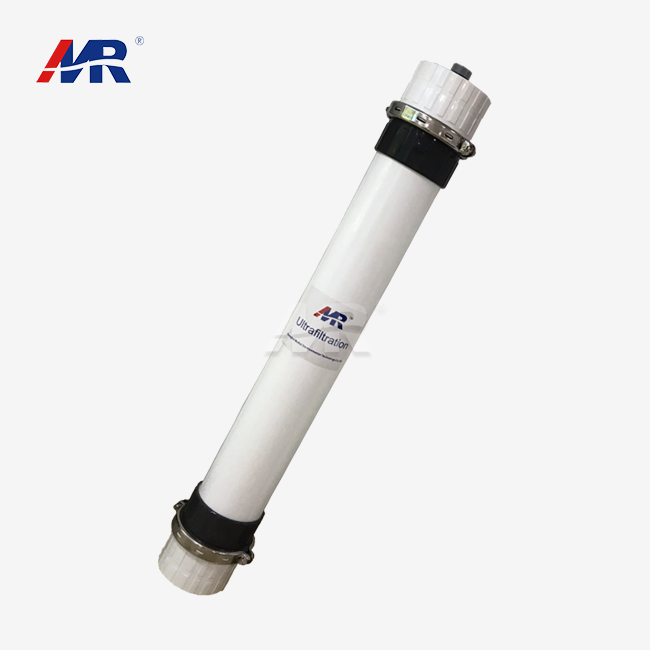 VIEW MOREultrafiltration membrane system
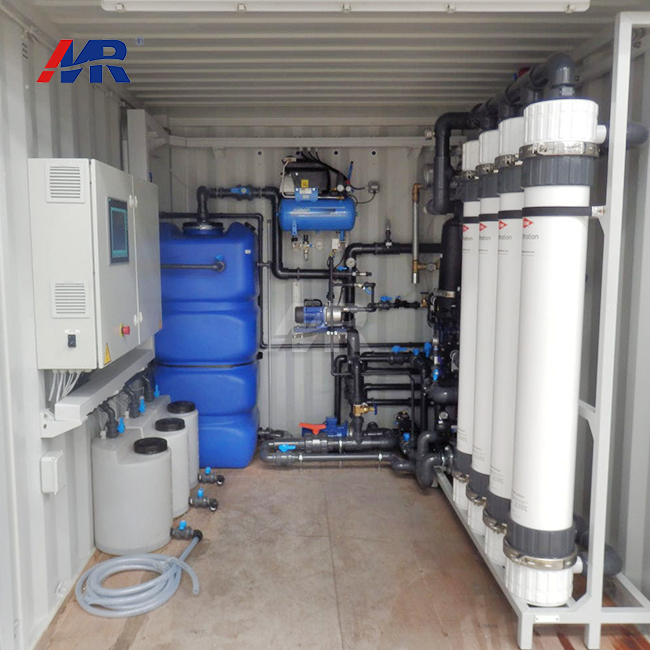 VIEW MOREcontainerized ultrafiltration equipment
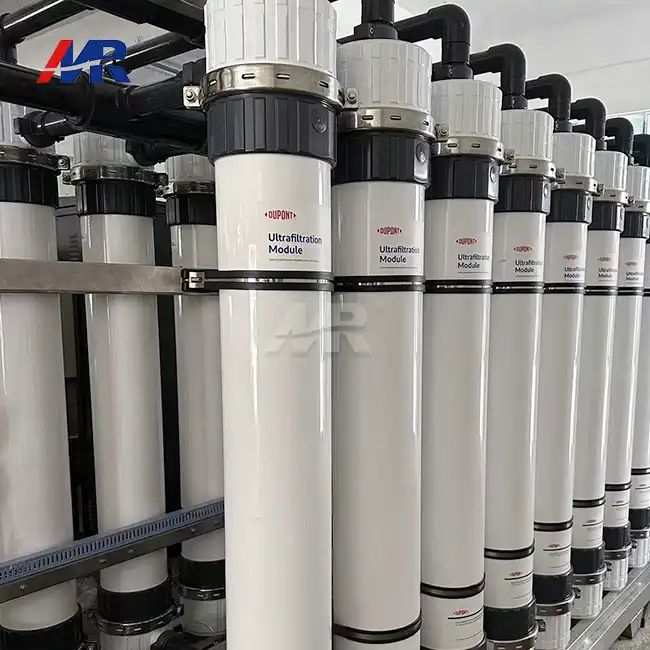 VIEW MORE100T/H ultrafiltration equipment
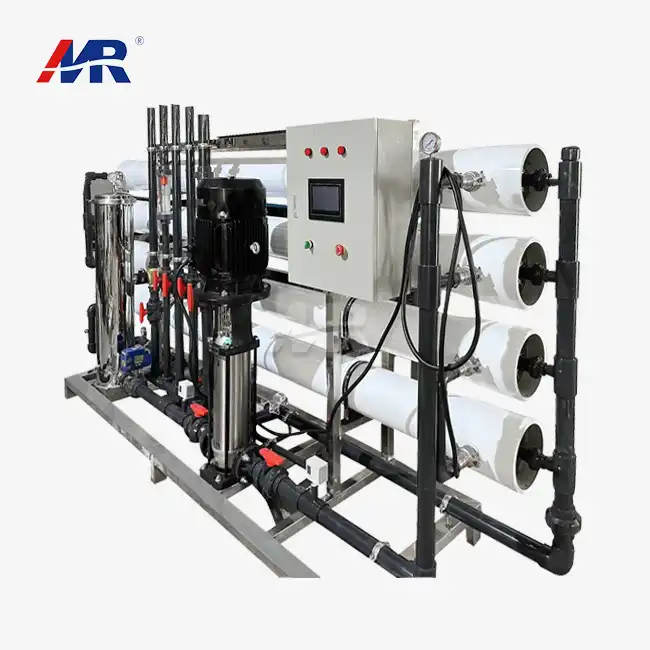 VIEW MORE12m3/hour reverse osmosis BWRO system
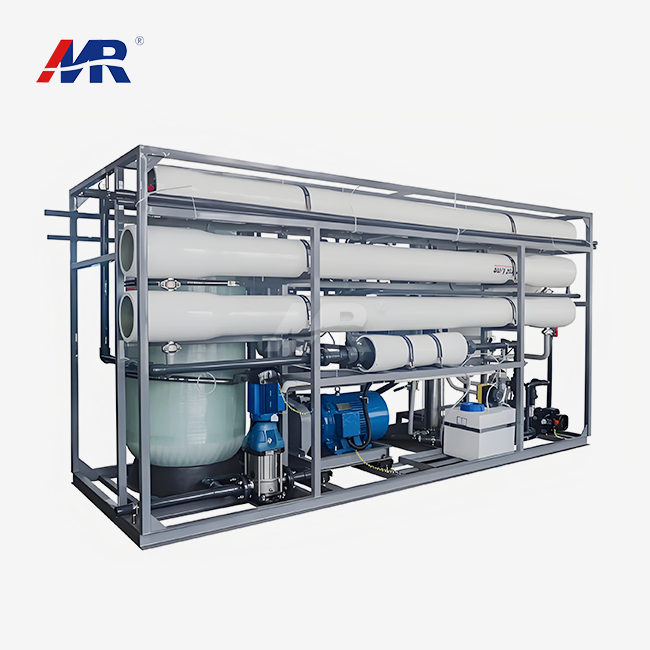 VIEW MOREseawater treatment plant
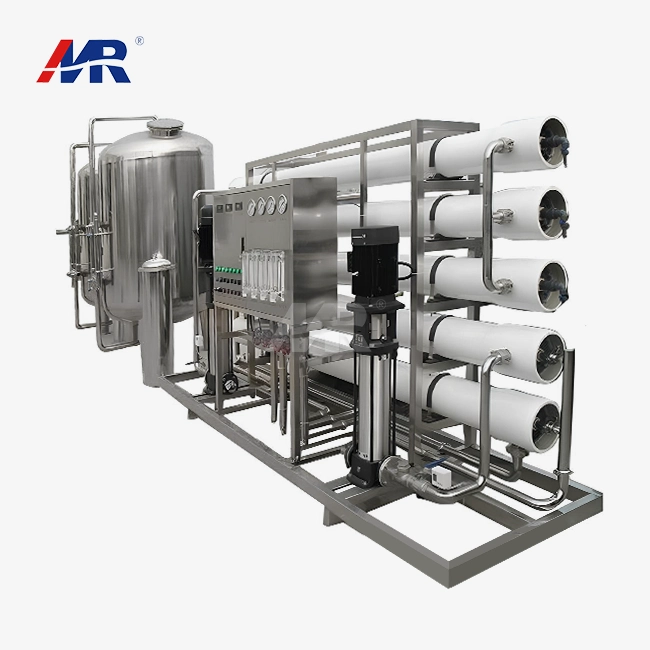 VIEW MOREbrackish water reverse osmosis
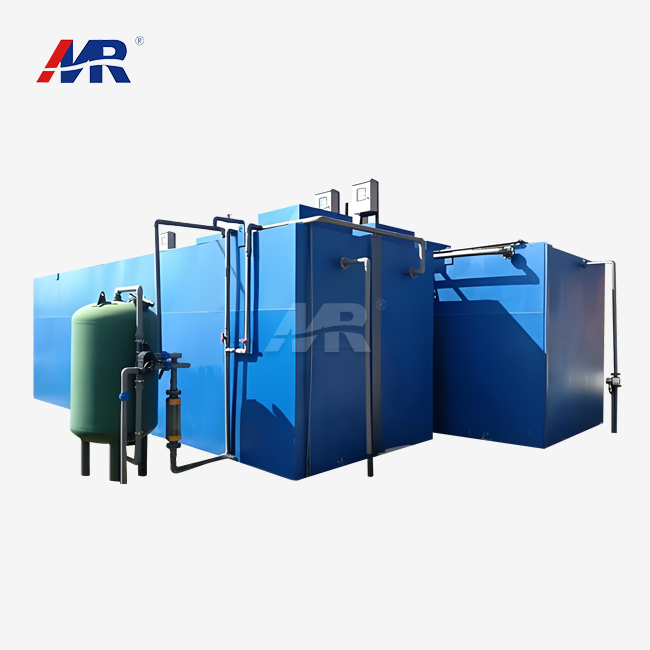 VIEW MOREsewage treatment plant
 VIEW MORE60m3/hour reverse osmosis plant
