

_1745823981883.webp)

Membrane Bioreactor Technology for High-Quality Effluent Production
By mixing biological breakdown with cutting-edge membrane filtration, membrane bioreactor technology is revolutionizing how businesses and cities clean wastewater. This new system doesn't use settling tanks like older ones do. Instead, it uses microfiltration or ultrafiltration filters to remove solids straight from treated water. This makes the effluent very good, so it can be reused or safely released into the environment. As the world's water shortage gets worse and rules get stricter, MBR systems have been shown to be a reliable way to make high-quality wastewater while requiring less space and being less unstable.
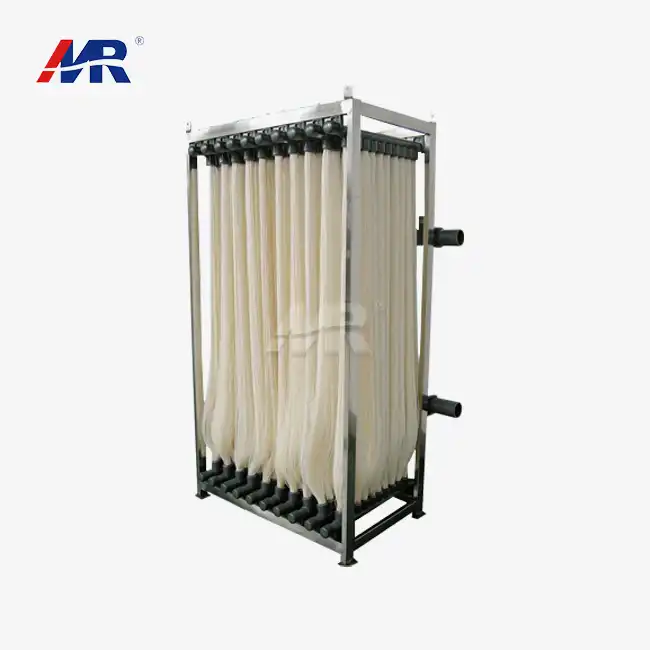
Understanding Membrane Bioreactor Technology
How MBR Systems Work
Membrane bioreactor technology combines membrane filtering units and activated sludge treatment. Microorganisms break down organic toxins in the biological reactor, which is where waste water goes. Instead of sending this mixed liquor to clarifiers, the system pumps it through membrane units that are either buried or on the outside. There are tiny holes in these membranes that stop dissolved solids, bacteria, and viruses from passing through but let clean water through. Because of this straight filtering, secondary clarifiers and sand filters are not needed. This makes the treatment train much more efficient.
Key Operational Parameters
MBR performance is affected by a number of important factors. The levels of Mixed Liquor Suspended Solids (MLSS) are usually between 8,000 and 15,000 mg/L, which is a lot more than what is found in most systems. Transmembrane Pressure (TMP) shows how healthy a membrane is; rising pressure means that the membrane is fouling. Flux rate, which is given in liters per square meter per hour (LMH), evaluates how productive a membrane is and how long it will last. Sludge Retention Time (SRT) and Hydraulic Retention Time (HRT) can be separated, which lets workers keep the right amount of waste no matter how much water is going through. To keep getting high-quality results all the time, these factors need to be carefully watched and changed.
Benefits That Matter to Your Operations
These benefits of membrane bioreactor technology are spread out in many areas. The quality of the wastewater always meets or beats strict standards, such as the EU Urban Wastewater Treatment Directive and the EPA Guidelines for Water Reuse. The turbidity falls below 0.1 NTU, and the amount of pathogen removal is high enough for non-potable return uses like watering, cooling tower makeup, and process water. Compared to regular activated sludge plants, MBR plants take up 50–75% less space. This makes them perfect for urban sites with limited land or building upgrades that don't take up too much extra space. When biological nutrient removal zones are added, the ability to remove nutrients increases by a huge amount. This successfully meets the phosphorus and nitrogen release limits.
One useful thing about the technology is that it can handle changing loads without any problems. High biomass ratios protect against organic shock loads that would damage traditional clarifiers. This keeps treatment steady even when production goes up or down during different seasons. The amount of sludge produced drops by about 30 to 50 percent, which lowers the costs and difficulties of removal. These real benefits mean that building managers and buying teams can save money on operations and be sure that they are following the rules.
Membrane Bioreactor vs Conventional Wastewater Treatment Solutions
Comparing MBR to Activated Sludge Processes
For traditional activated sludge systems to separate cleaned water from biomass, the biomass has to settle down naturally in clarifiers. This method needs a big tank and has trouble when the sludge doesn't settle well because of filamentous bacteria or changes in temperature. By using physical barriers instead of settling, membrane bioreactor technology removes this weakness and ensures constant separation of solids and liquids regardless of biological conditions. Usually, standard systems produce 20 to 30 mg/L of total suspended solids in their effluent. MBR, on the other hand, produces almost no suspended solids and turbidity that is similar to filtered drinking water.
MBR Against Alternative Advanced Systems
Moving Bed Biofilm Reactors (MBBR) connect biomass to plastic frames. This makes biological treatment more compact, but the waste still needs to be clarified or filtered afterward. Ultrafiltration is a great way to filter water, but it doesn't provide the bacterial treatment that MBR does in a single process. In membrane bioreactor technology, the seamless merging cuts down on mechanical complexity and possible failure points compared to systems with more than one step. When working in smaller sites with fewer technical tools, operational staff like having fewer unit operations to keep an eye on and fix.
Energy and Lifecycle Cost Considerations
The most common worry about MBR usage is how much energy it will use. When compared to regular aeration, membrane aeration needs more power—usually an extra 0.3 to 0.6 kWh per cubic meter handled. However, a full lifecycle study shows that MBR often has a lower total cost of ownership over a 15 to 20-year period when eliminating clarifiers, reducing the amount of sludge that needs to be hauled away, having a smaller impact on the environment, and the ability to make money from water reuse are all taken into account. When facilities are looking to grow, they often find that adding membrane bioreactor technology to existing buildings is cheaper than building new clarifier capacity on more land. Modern MBR systems are becoming more competitive in terms of running costs thanks to energy-efficient membrane materials and improved aeration methods that keep closing the power consumption gap.
Industrial Applications and Process Design Principles
Where MBR Technology Excels
Membrane bioreactor technology is used by different businesses to deal with different pollution problems. Food and drink makers deal with strong organic loads from production waste, which needs strong biological treatment, which MBR offers while also making water that can be used for cleaning. Pharmaceutical and research companies have to follow strict rules for the release of active ingredients and keep up GMP-compliant water production. This is where MBR's ability to get rid of pathogens and maintain uniform quality comes in handy. Using MBR to handle shock loads and tight solids retention, petrochemical plants can handle complex effluents with fuels and varying levels of toxicity. This keeps biomass from washing out during upsets.
Municipal uses include everything from decentralized satellite plants that serve new neighborhoods to major upgrades at regional facilities that are already crowded. Sites with limited space in crowded cities like the small footprint the most, while coastal towns use MBR as part of water reuse programs that make the most of their limited freshwater sources. The technology works well for both new building and retrofitting, which gives buying teams a lot of options when planning projects.
Critical Design Parameters
For MBR to work, the system design must match the features of the wastewater. In urban uses, flux rates are usually between 15 and 25 LMH. For industrial effluents with a higher fouling potential, flux rates may drop to 10 to 15 LMH. Aeration provides organic oxygen and cleans the membrane at the same time. The specific aeration demand for membrane modules (SADm) is usually between 0.4 and 0.6 Nm³ of air per square meter of membrane per hour. When pretreatment screening is done correctly with holes of 1-2 mm, hair, fibers, and other debris can't get to the membranes. This keeps them from getting damaged and clogging too soon.
Temperature changes cellular activity and membrane permeability, so yearly changes need to be taken into account when designing. Dosing chemicals to get rid of phosphorus or change the pH works better when they are added before the membrane zone so that the chemicals don't settle on the membrane surfaces. Redundancy planning makes sure that the system keeps running even when the membranes need to be cleaned or when modules need to be replaced. This is usually done by running multiple parallel membrane trains.
Real-World Performance Example
We recently teamed up with an area company that makes drinks and is having trouble with discharge issues and limited capacity at their 2,500-cubic-meter-per-day wastewater plant. The old activated sludge system took up 4,200 square meters and had trouble staying below 10 mg/L BOD when production was at its highest. Our engineering team made a unique membrane bioreactor system that fit inside their current biological reactor and got rid of all the clarifiers. The system that was put works at 12,000 mg/L MLSS and 18 LMH on average, always making wastewater with less than 5 mg/L BOD and 0.2 NTU turbidity. Sixty percent of the cleaned water is now recycled to clean-in-place (CIP) systems. This saves the city 1,200 cubic meters of water every month. When they stopped hauling sludge by truck and saved 18% on water use, their operational costs, which included the energy used for membrane aeration, went down by 18% compared to their old method.
Maintenance, Cleaning, and Operational Best Practices
Physical Cleaning Methods
How you handle membrane fouling determines how long an MBR lasts and how well it works economically. During filter processes, continuous air scouring moves built-up material off of membrane surfaces before it hardens into cake layers that are resistant to removal. Relaxation cycles stop permeate extraction for 30 to 90 seconds while keeping the air flow going. This lets reversible fouling come off on its own. When you backwash, you change the direction of the flow and push permeate back through membranes to remove surface layers mechanically. These steps are automatically carried out by modern systems based on TMP limits or set time intervals, so operators don't have to do much during normal operation.
Chemical Cleaning Protocols
Even though mechanical cleaning is done, chemical assistance is needed from time to time to deal with fouling caused by organic macromolecules, scaling, and biopolymers that can't be removed. Every 30 to 90 days, based on the feed water, maintenance cleans are done using 200 to 500 ppm sodium hypochlorite solutions to get rid of organic fouling and 2,000 to 3,000 ppm citric acid to get rid of artificial scales. Cleaning-in-Place (CIP) systems move these chemicals through separate membrane trains for three to six hours, which returns the permeability to levels close to what they were before. Recovery cleans, which are done once a year or when TMP levels go above critical levels, use stronger chemicals and longer contact times to get deeply dirty membranes clean again.
Performance Monitoring and Membrane Replacement
Keeping an eye on key performance markers stops problems from happening out of the blue and makes cleaning plans work better. Every day, TMP readings show patterns of fouling, and measures of permeate flow and quality show that the membrane is still intact. MLSS testing once a week checks the biological performance, and calculating the specific oxygen demand once a month checks the energy economy. If you maintain and control the feed properties, a membrane can last for 5 to 10 years longer. However, sections that get physically damaged or foul up in a way that can't be fixed need to be replaced sooner. Planning for 10 to 15 percent of extra capacity lets the business keep running while modules are being replaced without losing any capacity.
Energy Management Strategies
Aeration uses 50–70% of the energy in an MBR, so it is the main area where efficiency changes are needed. Variable frequency drives on fans change the airflow based on demand instead of set maximums. This saves 15 to 25 percent compared to running at a steady speed. By adjusting the membrane flux to the lower end of its working settings, less aeration is needed, and the membrane lasts longer, which is good for both energy use and capital costs. Newer PVDF membranes with better porosity distribution and hydrophilic coats keep working well even when aeration rates are slowed down. This saves energy during system improvements or expansions. Biological reactors can recover heat and use it to warm up influent during the winter. This keeps the treatment temperatures at the best level while cutting down on heating costs.
Procurement Guide: Choosing the Right Membrane Bioreactor Technology
Evaluating System Capacity and Scalability
To choose the right membrane bioreactor technology, you must first correctly predict the flow and load needs, as well as the growth rates over the next 10 to 15 years. Oversizing leads to extra capital costs and poor operation at only partial capacity. Undersizing, on the other hand, causes bottlenecks and higher costs for future growth. Modular membrane designs let you add capacity in stages, so you can time your investments to meet the growth in demand. Peak flow capacity should be listed separately from average flow capacity in procurement requirements. This is because conventional plants with big equalization amounts handle spike flows differently than membrane systems that handle average flows.
Customization and Integration Requirements
Because no two wastewater lines are exactly the same, the ability to customize is an important factor in choosing a provider. Standardized package plants from suppliers work well for simple tasks, but for more complicated industrial waste, you need engineering teams that can change the biological setups, membrane arrangements, and control strategies. To connect to current systems, you need to do a lot of interface work. This includes checking for electricity system compatibility, SCADA compatibility, chemical feed coordination, and structural loading assessments. Turnkey companies that install, commission, and train operators make starts go more smoothly than companies that only sell equipment. This is especially true for companies that are using membrane bioreactor technology for the first time.
Total Cost of Ownership Analysis
Upfront equipment costs only make up 40–50% of total costs, so it's important to do a full financial analysis. Long-term economics are affected by membrane replacement stocks, energy consumption forecasts, chemical costs, and the amount of maintenance work that needs to be done. When compared to vendors who only sell equipment without making any promises about results, those who offer performance pledges on effluent quality and membrane lifespan lower operating risk. Having local service support affects how quickly repair teams can respond and how easy it is to get extra parts. This has an impact on how reliable the system is and how much it costs to have unplanned downtime. Payment plans that depend on performance goals align vendor motivation with buyer success, but not all sellers offer these terms.
Supplier Reputation and Technical Support
Membrane bioreactor technology companies that have been around for a while can show their track records through installed base references, written case studies, and third-party Certifications. Certifications in ISO 9001 quality management and environmental technology show that the design and production processes are organized. Being able to get technical help during the first year of operation is especially important when workers are getting used to membrane-specific processes that are different from normal treatment procedures. Brands that have installed their Products in a lot of different industries can offer application knowledge that general sellers can't match. This means that problems can be fixed faster and optimization suggestions are more useful.
Conclusion
Membrane bioreactor technology is a stable and reliable way to make high-quality wastewater for a wide range of commercial and municipal uses. Combining biological treatment with membrane filtering consistently provides performance benefits such as better water quality, smaller footprints, and stable operation in a range of circumstances. Even though energy use and membrane upkeep need to be taken care of, MBRs are becoming more popular thanks to lifecycle analyses and new system designs. This is especially true in places with limited room, strict discharge limits, or where reusing water creates value. When procurement teams look at investments in wastewater treatment, they should compare membrane bioreactor systems to other options, keeping in mind that the overall cost of ownership and strategic benefits often outweigh the original capital fees.
FAQ
1. What types of wastewater are best suited for membrane bioreactor systems?
MBR systems are good at cleaning up sewage from cities, wastewater from food and drink factories, pharmaceutical wastewater, and many industry streams that contain recyclable organic matter. They work great with loads and rates that change, which is hard for regular clarifiers. To keep biological activity and membrane integrity, wastewater with a lot of oil, an extremely high pH, or dangerous chemicals needs to be treated first.
2. How often do membranes need cleaning, and what does it involve?
Routine physical cleaning happens several times an hour through automated backwashing and rest, and there is no need for an operator to be present. Every one to three months, chemical maintenance cleans are done, which shut down each membrane train for three to six hours. During these cleans, facilities with more than one train keep running. Recovery cleans happen once a year or more often if performance tracking shows that they are needed.
3. What energy consumption should we expect from an MBR system?
Total energy use is usually between 0.6 and 1.2 kWh per treated cubic meter, with membrane aeration making up 40 to 50 percent of this. The actual use relies on the features of the influent, the flux rates, and the biological loading. At the bottom end of this range are modern systems that use membranes that work well and have better control over air.
Partner with Morui for Advanced Membrane Bioreactor Solutions
Guangdong Morui Environmental Technology offers complete membrane bioreactor technology options that are made to fit the needs of your business or city. We have deep experience in manufacturing, food processing, medicines, public utilities, and energy. We have over 14 regional offices, 500 committed staff, and 20 specialized engineers. Our integrated services include our own factory for making membranes, as well as full system planning, equipment manufacturing, installation, and commissioning. As an official provider that works with well-known brands like Shimge Water Pumps and Runxin Valves, we can guarantee that all the parts in your system are of high quality. Whether you need a complete wastewater solution or help choosing the right membrane bioreactor technology maker, Our Team is here to help you at any time during the project's lifecycle. Email our engineers at benson@guangdongmorui.com to talk about how our unique MBR systems can help you deal with wastewater problems and reach your goals for water quality and sustainability.
References
1. Water Environment Federation (2012). "Membrane Bioreactors: WEF Manual of Practice No. 36." McGraw-Hill Professional, New York.
2. Judd, S. (2016). "The MBR Book: Principles and Applications of Membrane Bioreactors for Water and Wastewater Treatment." Butterworth-Heinemann, Oxford.
3. United States Environmental Protection Agency (2012). "Guidelines for Water Reuse." EPA/600/R-12/618, Washington, D.C.
4. Lesjean, B. and Huisjes, E.H. (2008). "Survey of the European MBR market: trends and perspectives." Desalination, 231(1-3), 71-81.
5. Meng, F., Chae, S.R., Drews, A., Kraume, M., Shin, H.S., and Yang, F. (2009). "Recent advances in membrane bioreactors: membrane fouling and membrane material." Water Research, 43(6), 1489-1512.
6. European Commission (1991). "Council Directive 91/271/EEC concerning urban waste-water treatment." Official Journal of the European Communities, L135/40-52, Brussels.
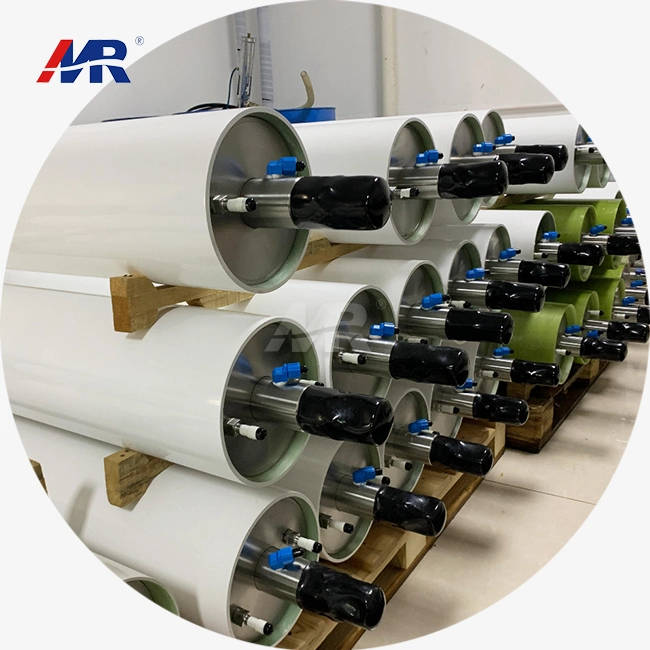 VIEW MORELandfill Leachate Treatment Plant
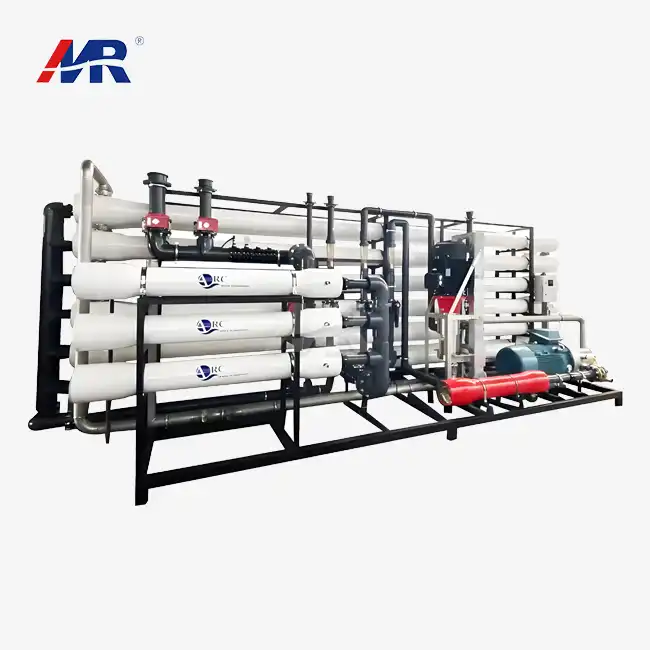 VIEW MORE25m3/hour seawater desalination plant
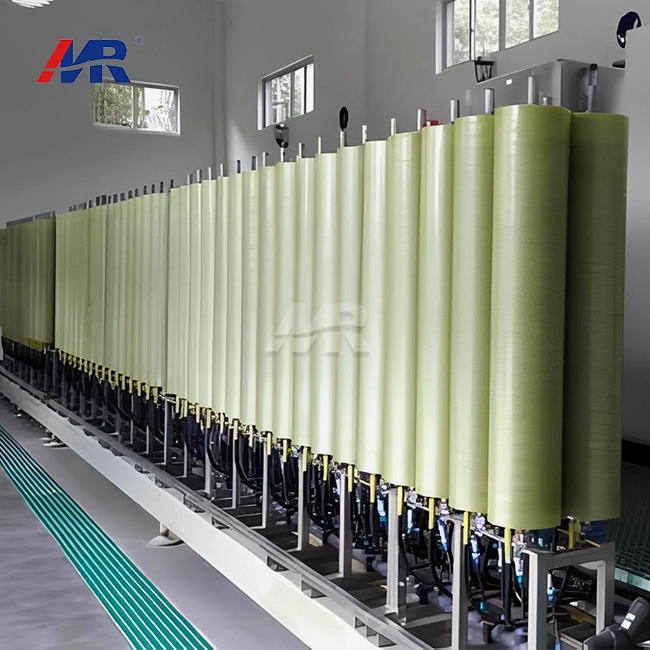 VIEW MORELeachate DTRO Treatment Equipment
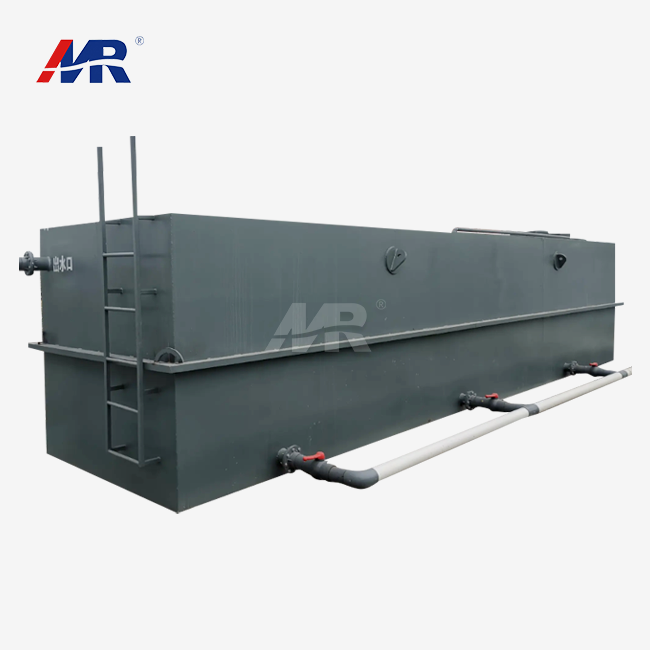 VIEW MOREdomestic wastewater treatment plant
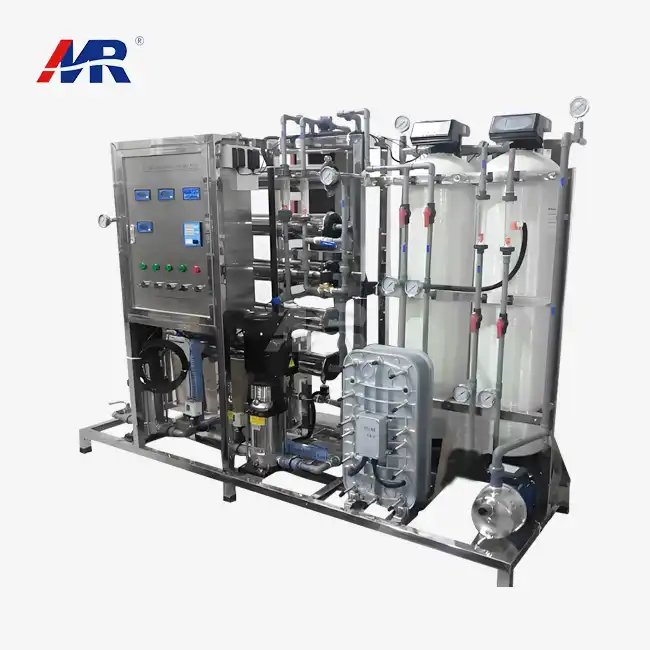 VIEW MORE1T/H EDI system
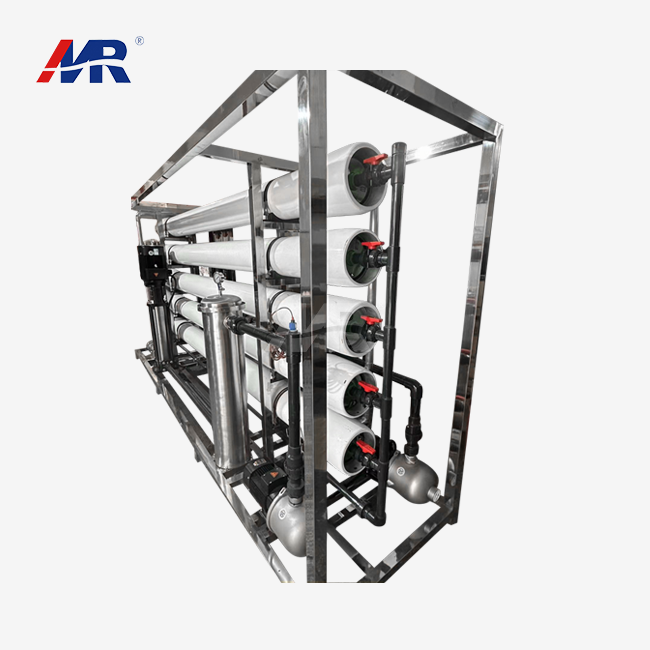 VIEW MOREreverse osmosis water treatment equipment
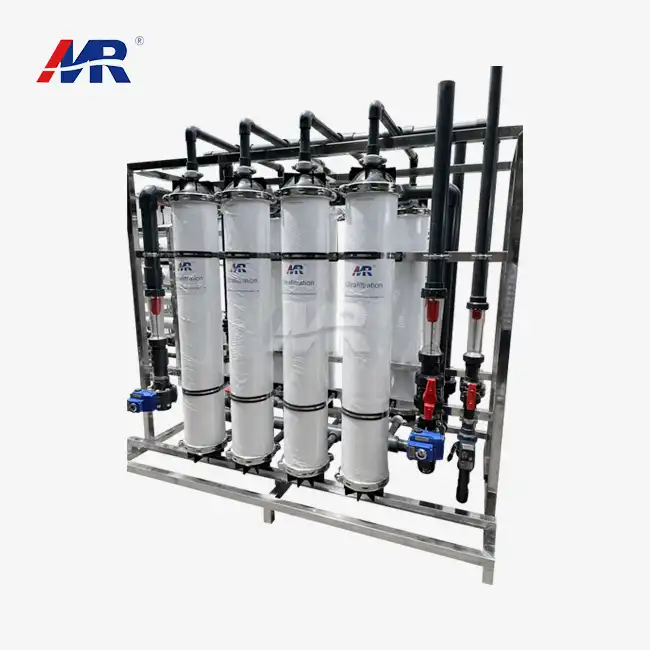 VIEW MORE15T/H ultrafiltration system
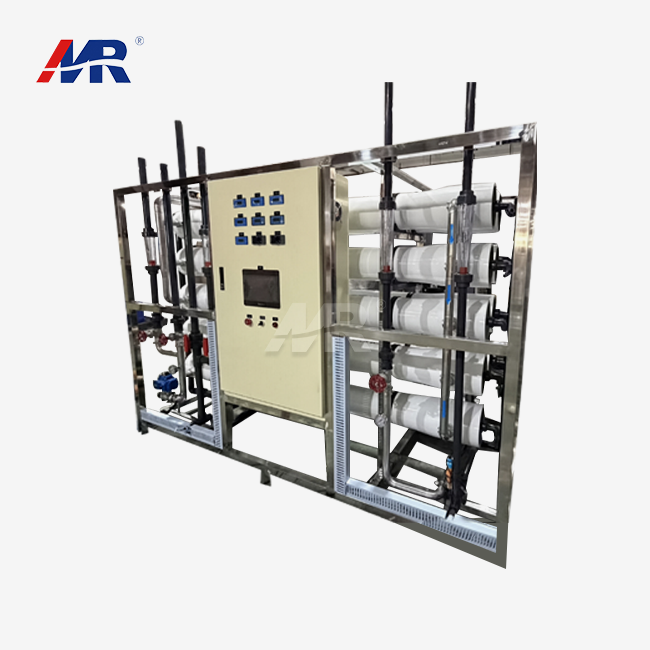 VIEW MORE8 stage reverse osmosis system
