

_1745823981883.webp)

Why Choose Reverse Osmosis RO 132 for High-Demand Water Systems?
The reverse osmosis RO 132 holding tank is designed to meet the immediate need for constant, high-purity water in commercial settings. This 3.2-gallon pressure storage solution fills the gap between slow membrane production rates and immediate consumption needs. It makes sure that supply breaks never happen in electronics plants, drug labs, or beverage factories. Its diaphragm-based design keeps the water clean while giving you instant access to filtered water, which is very helpful when you need to meet production plans or legal requirements and can't wait.
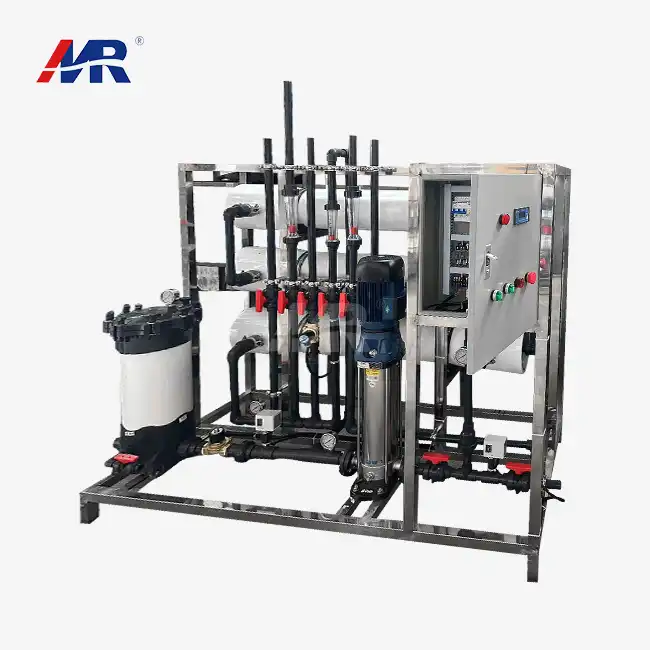
Understanding Reverse Osmosis RO 132 Technology
What Makes the RO 132 Storage Tank Essential
The reverse osmosis RO 132 serves as a hydraulic cushion and addresses basic production problems. When RO filters only make 50 to 100 gallons of clean water per day, there are gaps in the supply during times of high demand. This pressurized tank holds cleaned water under 5- 7 PSI of air pressure. When tools or people need it, the water is released right away, and the pressure stays the same without the need for electric booster pumps.
Engineering Design and Material Specifications
Quality of construction has a direct effect on the cleanliness of the water and the life of the system. A butyl rubber diaphragm separates the RO 132's stored water from pressurized air, and a post-purification polypropylene cover keeps the water from touching the steel shell. This stops the release of metals that could mess up medicine formulas or cleaning processes for semiconductors. Under normal system pressure of 60 PSI, the tank can hold a total of 12.1 liters, or about 2.8 gallons of operational flow. A 1/4-inch NPT stainless steel water hookup can handle corrosive conditions and can handle up to 100 PSI of pressure.
Compliance with Safety and Purity Standards
Following the rules is important when water quality affects the safety of consumers and the purity of Products. The RO 132 is made with FDA-approved materials and meets the standards of NSF/ANSI Standard 58. This makes sure that the water that is kept stays clean during storage times. Third-party certificates make sure that the internal parts don't give off any chemical tastes, volatile organic compounds, or endocrine disruptors. This is very important for medical, food, and drink uses where even a small amount of contamination can cause a batch to be rejected.
Performance and Maintenance Insights for RO 132
Contaminant Removal and Water Quality Achievements
While the ro membrane does most of the filtering for reverse osmosis RO 132, getting rid of salts, heavy metals, and microbes, the holding tank needs to keep the water as pure as possible. The inert polyethylene core of the RO 132 keeps the total dissolved solids levels set by membranes upstream, which are usually below 10 ppm for most commercial uses. Power companies that use the method for boiler feedwater report consistent conductivity readings. Meanwhile, labs doing precise tests find that the composition of stored water doesn't change after 72 hours.
Quality Control Procedures That Matter
Real-world dependability is based on how well something was made. Each RO 132 unit is tested for hydraulic pressure at 1.5 times its rated capacity. This makes sure that the welds are still strong under stress conditions that are higher than standard operation. For airtightness verification, all pressurized units must be submerged underwater to find tiny leaks at the Schrader valve or diaphragm seal that can't be seen during a normal eye check. In diaphragm longevity testing, 50,000 discharge cycles are simulated to make sure that the rubber stays flexible and doesn't break after years of being filled and emptied over and over again.
Practical Maintenance Protocols
Simple repair needs that cut down on downtime are good for operational teams. Every year, when the filters are changed, the pressure is checked to make sure that the air pre-charge stays within the range of 5 to 7 PSI. When tanks feel heavy but don't produce any water flow, the problem is usually a broken diaphragm. Water leaving the air valve proves that the diaphragm needs to be replaced. The flexible diaphragm design lets the pump be installed horizontally or vertically without affecting its hydraulic efficiency. This means that it can be used in tight equipment rooms or under the counter in homes.
Comparing RO 132 with Other Water Purification Solutions
RO 132 Versus Alternative Storage Capacities
Choosing the right storage amount relies on how much you use and how fast the membrane produces energy. The 3.2-gallon RO 132 is good for under-sink systems in homes and small businesses where use is only sometimes needed. When the morning rush comes around, coffee places with a lot of espresso machines like the tank keeps the inlet pressure stable when the membrane goes into recovery processes. Larger pharmaceutical companies might use more than one RO 132 unit at the same time, or they could upgrade to 20-gallon models when the needs for constant production are greater than what a single tank can handle.
Storage Tanks Versus Direct-Flow Systems
Some sites are thinking about tankless RO systems, which don't store any water at all and send water straight from membranes to where it's needed. This method lowers the amount of space needed and gets rid of the problem of water that doesn't move, but it needs bigger membranes and extra pumps to handle high flow rates, which often triples the cost of the equipment. The RO 132 makes sure that membranes of the right size work at their best, and the pressure tank handles demand spikes. This balance lowers the amount of energy needed and increases the life of the membrane by keeping it from being stressed by fast production cycles.
Integration with Multi-Stage Purification Systems
More and more, industrial water treatment uses more than one technology to deal with complicated pollution patterns. The reverse osmosis RO 132 works well in hybrid systems that combine UV sterilization, electrodeionization, or activated carbon filtering with reverse osmosis. Companies that make electronics might use sediment pre-filters, RO membranes, storage tanks, UV chambers, and finally cleaning resins in that order to clean city feed water. The pressure tank placement—usually after RO but before UV—ensures steady flow rates through downstream equipment even if the membrane output changes instantly.
Procurement and Support for Reverse Osmosis RO 132
Sourcing Options for Commercial Buyers
When looking at the RO 132, procurement teams should think about both buying a single tank and buying an entire system. Complete systems come with membranes, pre-filters, storage, and mounting tools, while stand-alone tanks are good for upgrading current RO equipment. Bulk pricing systems lower the cost per unit by 15–25% compared to single-unit orders, which is good for buyers who serve more than one building. Companies that sell water treatment equipment under their own brand names can use private labeling thanks to OEM deals.
Installation Services and Technical Support
When something is installed correctly, it doesn't break down early, and the guarantee still applies. To keep the RO 132 from moving during pressure cycling, it needs to be mounted securely, the air pre-charge needs to be adjusted correctly before it is filled for the first time, and the link to the distribution system must be made without any leaks. When a manufacturer offers installation services, they make sure that these important steps are taken by experts who are trained in system integration. Long-term maintenance plans that include yearly checks, pressure tests, and diaphragm repairs for 5 to 10 years give businesses peace of mind and budget stability.
Evaluating Manufacturer Credentials
The choice of supplier affects long-term satisfaction beyond the cost of the original buy. Vertical integration is used by manufacturers who run membrane production sites to improve quality control and the supply of replacement parts. Engineering teams with 20 or more experts show the ability to make custom changes to meet the needs of each application. Shipping times are cut down, and warranty claims are easier to make when there are multiple processing companies and delivery branches located around the world. Agency partnerships with well-known names of parts like pumps, valves, and instruments show ties in the industry that help with full system solutions.
Why RO 132 is the Preferred Choice for Corporate Water Systems
Scalability Across Production Volumes
The RO 132 can be used by a wide range of businesses, from small firms making drinks to large pharmaceutical companies for reverse osmosis RO 132. Small sites put in single tanks that can support membranes that can handle 50 gallons of water per day. This gives teams of fewer than 20 people the water and tools they need. Tank stacks holding more than 100 gallons are used by regional factories to buffer production lines that use water intermittently during shifts. This scalability lets businesses exactly match storage capacity to current needs while gradually growing as operations grow. This way, they don't have to waste money on big initial investments.
Operational Efficiency in Continuous Production
Facilities that are in business 24 hours a day, seven days a week, need water systems that always work. The pressure design of the RO 132 stops the pump from rotating, which shortens the life of parts and raises energy costs. Semiconductor factories say that their pumps run 40% less often after adding enough storage space. This is because the tanks feed cleaning stations straight from stored reserves instead of starting membrane production processes every time they draw water. In the same way, food makers save energy when their CIP systems get their water from pressure tanks instead of running RO filters during short rinse cycles.
Regulatory Compliance and Documentation Support
Pharmaceuticals, medical gadgets, and food production are just a few of the industries that need to show proof that they keep the water quality high. The RO 132's NSF approval and FDA-compliant materials meet inspector needs without the need for extra validation tests. Material certificates that keep track of the makeup of the liner allow for the tracing that GMP rules require. When regulatory officials look at how the water is stored, the tank's inert construction and pressure management design show that it is safe from contamination and follows cGMP guidelines for pharmaceutical water systems.
Real-World Implementation Success
A pharmaceutical company in the Midwest had batch failures that were linked to microbes getting into stored clean water. When holding tanks were changed from atmospheric to pressurized RO 132 units, the air contact that let bacteria grow was cut off. California beverage makers got 99.8% more uptime after adding RO 132 storage. These stopped production stops were caused by not having enough water during peak canning runs. Through less waste, higher throughput, and more consistent product quality, these recorded results show a clear return on investment.
Conclusion
The reverse osmosis ro 132 storage tank solves basic problems in high-demand water cleaning systems by using smart engineering and tried-and-true materials. Its pressurized diaphragm design keeps the purity that the membrane achieves while providing fast flow when production needs it. It meets NSF and FDA standards, goes through strict quality control tests, and has simple upkeep needs, so it can be used in controlled businesses where water quality affects the integrity of the product. Assisting with the production of medicines, electronics, or industrial food, the RO 132 gives reliable and effective results that are needed in tough situations. Because it can be scaled up or down, it can be used in everything from small labs to huge factories. This makes it a useful option in many fields.
FAQ
1. Why does water fail to flow from my RO 132 despite feeling heavy?
Why doesn't water flow from my RO 132 even though it feels heavy? This sign usually means that the diaphragm has ruptured or that all the air has been lost. The side with water has filled up the whole tank, so there is no more air to keep the supply pressure steady. If the Schrader valve lets water out instead of air when pressed, the diaphragm has failed, and the tank needs to be replaced. Tanks that are still under warranty can get a new diaphragm from the maker if it breaks during the warranty time.
2. Can I install the RO 132 horizontally in tight spaces?
The diaphragm design works the same whether it is tilted, horizontal, or vertical. There are no losses in hydraulic efficiency. No matter the direction, secure mounting stops movement during pressure cycles. Make sure the air valve can still be reached so that the pressure can be checked from time to time. This is often the best way to figure out where to put something in a small equipment room or under the table.
3. How frequently should I verify tank pressure?
How often should I check the pressure in the tank? Performance is kept at its best by checking it once a year when filters are replaced regularly. After the tank is empty, check the air pressure at the Schrader valve. It should be between 5 and 7 PSI. Use a regular tire pump to make any necessary adjustments. Tanks that lose more than 2 PSI a year may start to leak slowly, which needs to be checked by the maker.
Partner with Morui for Your Industrial Water Purification Needs
Guangdong Morui Environmental Technology has been treating water for more than ten years and uses that experience in tough industrial settings. The reverse osmosis RO 132 membranes, pre-filters, and monitoring tools are all designed into integrated systems by our engineering team of 20 experts to meet your unique output needs. We have 14 branch sites where we keep membrane production facilities and equipment processing plants. This way, we can quickly deploy our services and provide support wherever your operations are located. We provide reasonable prices for large orders, full installation services, and long-term maintenance contracts that protect your investment as an authorized reverse osmosis RO 132 provider.
Our Team offers complete solutions, from the initial system design to ongoing operating support, whether you're setting up new pharmaceutical production lines, improving the water quality in food processing facilities, or increasing the capacity of chip manufacturing. Email our technology experts at benson@guangdongmorui.com to talk about your water treatment problems and get personalized advice.
References
1. American Water Works Association. "Reverse Osmosis and Nanofiltration Manual of Water Supply Practices M46." 2nd Edition, 2007.
2. National Sanitation Foundation International. "NSF/ANSI Standard 58: Reverse Osmosis Drinking Water Treatment Systems—Performance Requirements and Test Procedures." 2019 Edition.
3. Pharmaceutical Engineering Journal. "Design and Validation of Purified Water Systems for GMP Compliance." Vol. 39, No. 3, 2019, pp. 45-58.
4. Food and Drug Administration. "Guide to Inspections of High Purity Water Systems." Office of Regulatory Affairs, 2016.
5. International Desalination Association. "Industrial Applications of Membrane Technology in Water Treatment." Technical Conference Proceedings, 2020.
6. Semiconductor Equipment and Materials International. "Ultrapure Water Specifications for Semiconductor Manufacturing." SEMI Standard C63-0301, 2018.
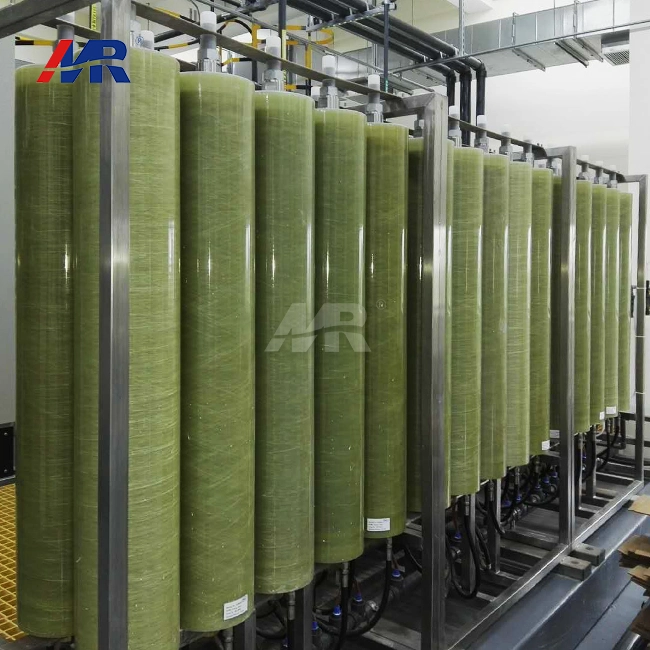 VIEW MOREDTRO Modules
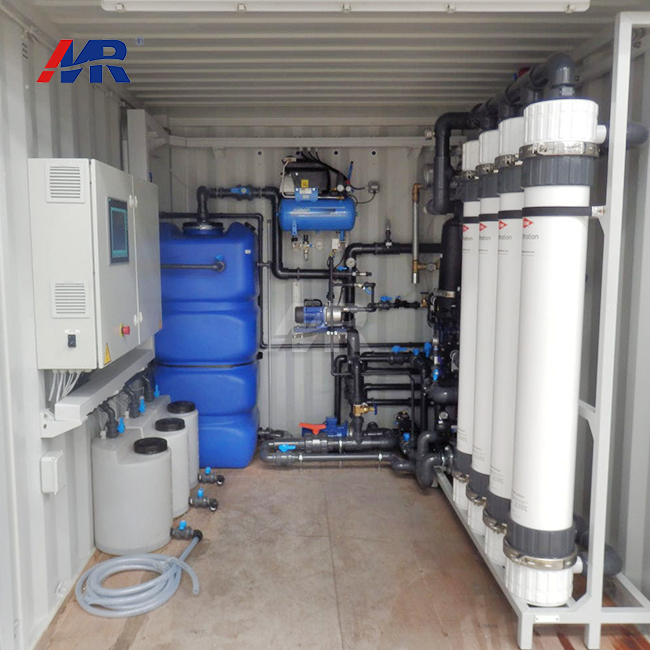 VIEW MOREcontainerized ultrafiltration equipment
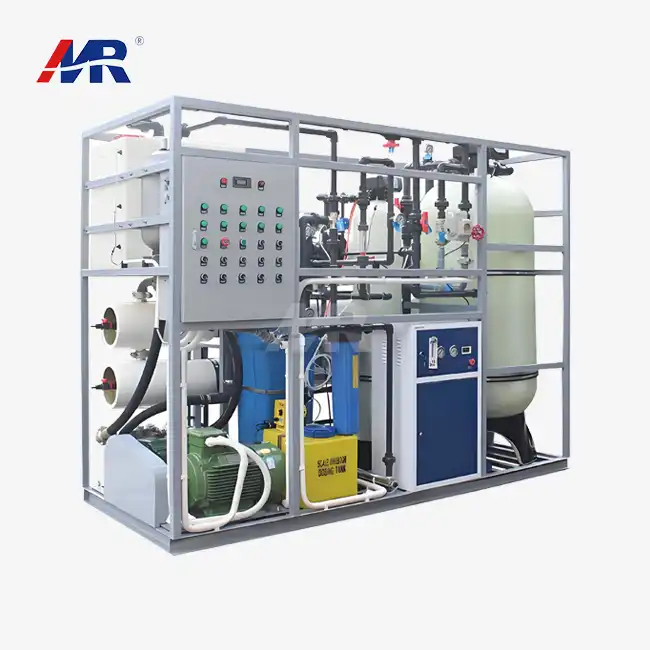 VIEW MORE2T/H seawater desalination plant
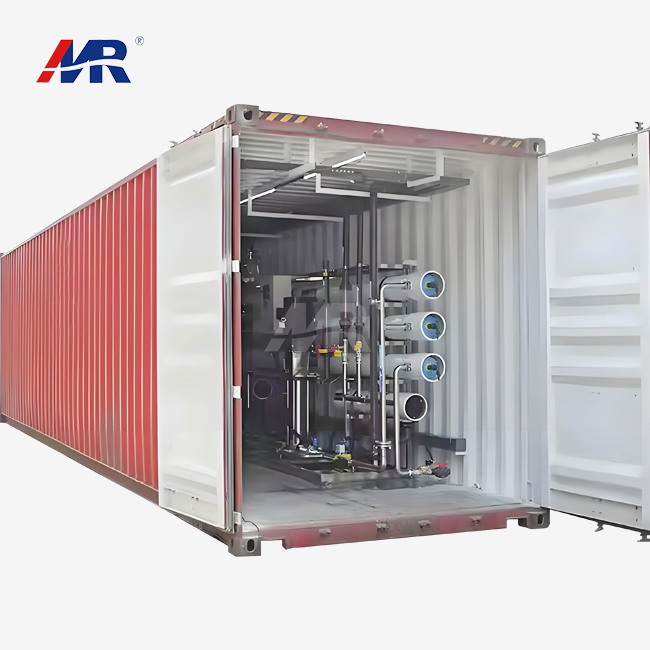 VIEW MOREContainerized Reverse Osmosis Systems
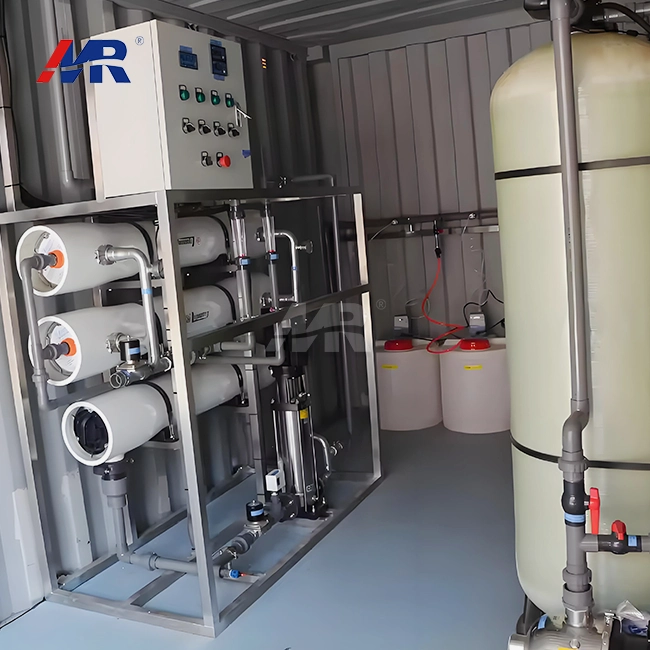 VIEW MOREcontainerized reverse osmosis system
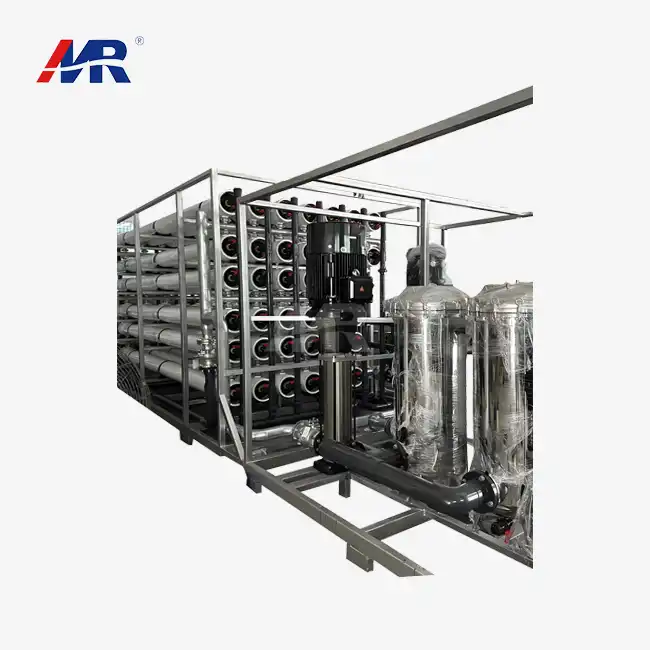 VIEW MORE150m3/hour reverse osmosis plant
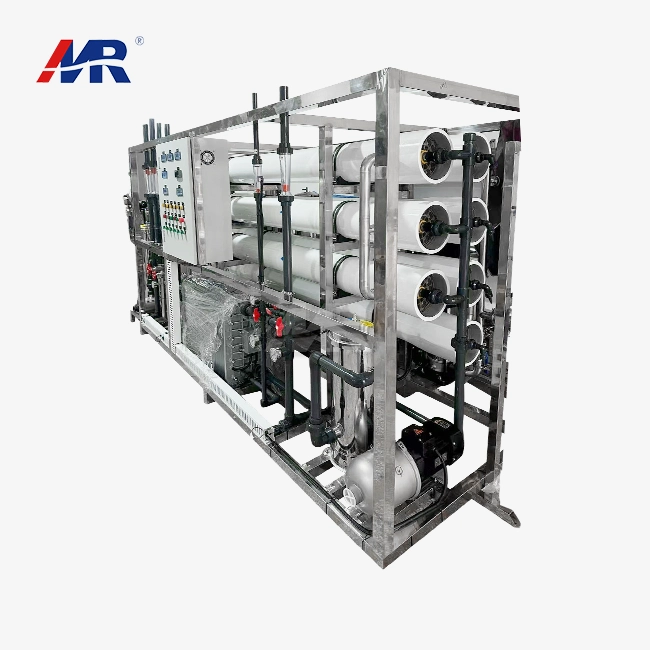 VIEW MOREedi module water treatment
 VIEW MOREcontainer reverse osmosis equipment
