_1745823981883.webp)

Why Are Companies Upgrading to Brackish Water RO Systems?
Companies all over the world are switching to brackish water RO systems because they save money, improve the water's cleanliness, and help them comply with regulations. These reverse osmosis methods work well at pressures between 150 and 400 psi to turn groundwater with Total Dissolved Solids (TDS) levels between 1,000 and 15,000 mg/L into clean water that can be used in factories, cities, and other specific situations. As water shortages get worse, environmental rules get tighter, and the economy needs to cut costs while keeping production reliable, this change is a necessary strategic reaction.
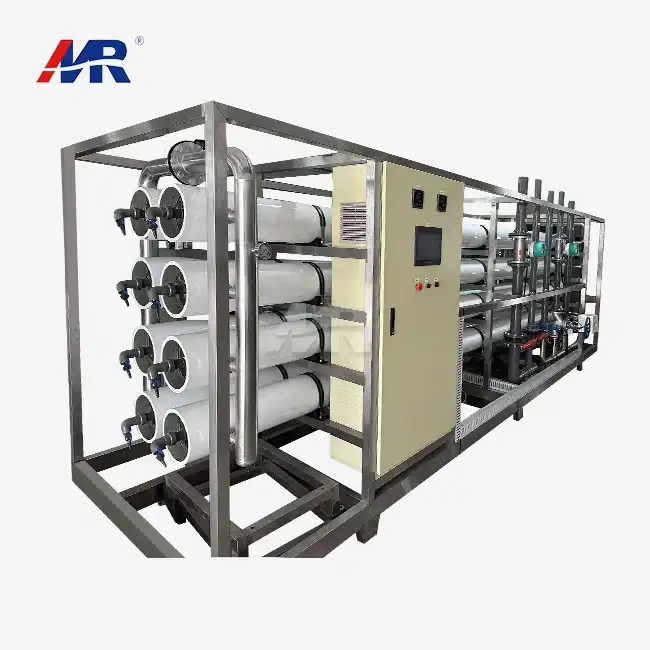
Understanding Brackish Water RO Systems: What They Are and How They Work
A big hole in industrial water treatment is filled by brackish water RO technology made just for saline water. Unlike systems designed to remove salt from seawater or just filter freshwater, these specialized units are made to deal with mild salinity levels that are common in inland aquifers, industry discharge streams, and farm runoff.
Defining Brackish Water Reverse Osmosis Technology
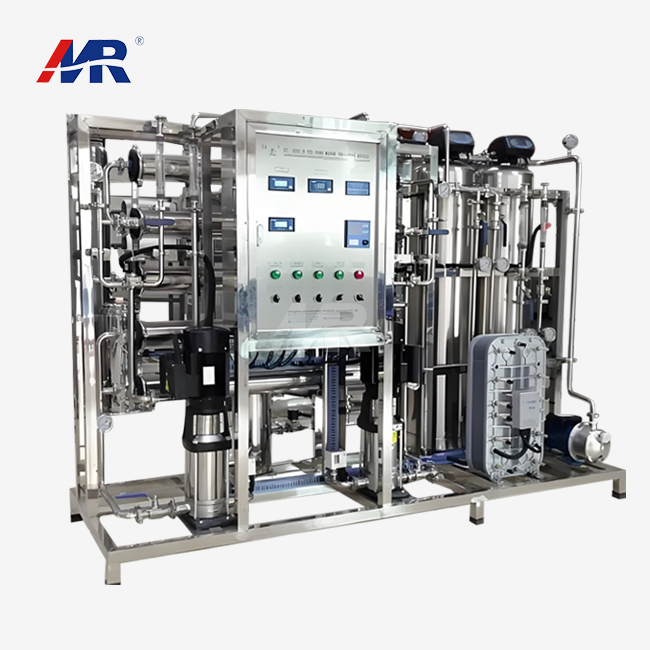
When pressure is applied to brackish water RO, semi-permeable membrane barriers remove dissolved salts, minerals, and contaminants from the feed water. The membranes have very small holes in them that let water molecules pass through but stop bigger ionic particles. Up to 99.7% of dissolved solids are removed by this selective filter mechanism, leaving behind permeate that meets strict quality standards for use in pharmaceutical manufacturing, electronics manufacturing, and food processing. This technology is especially useful in places where mineral-rich water sources make it hard to use standard ways because they scale and rust equipment.
The Step-by-Step Purification Process
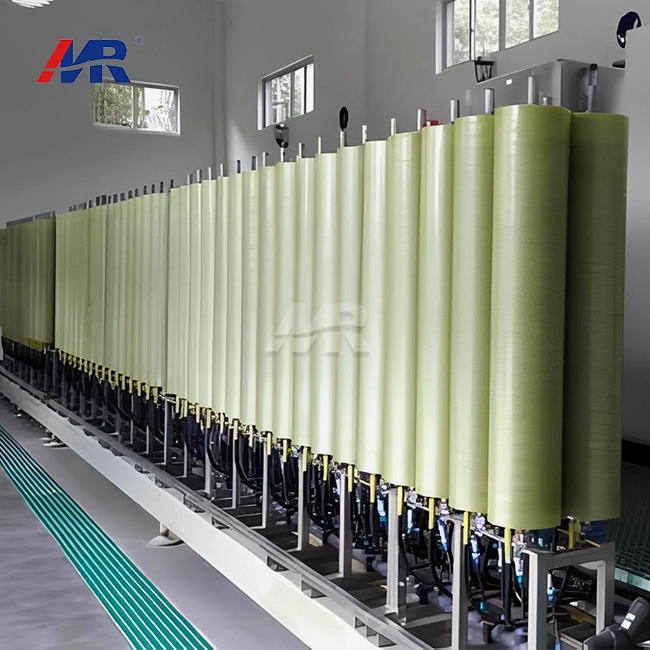
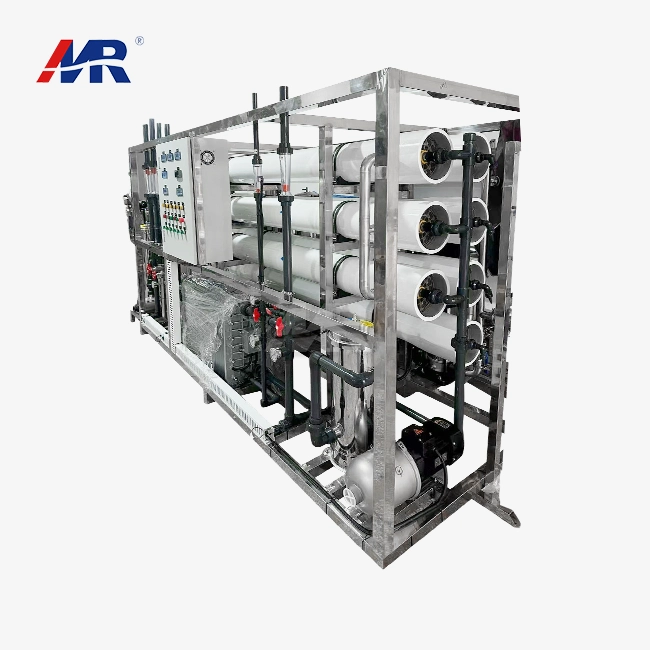
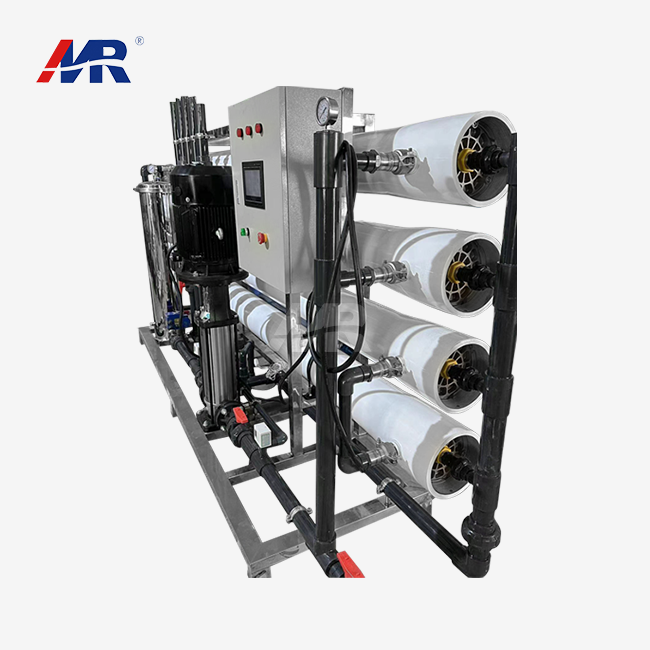
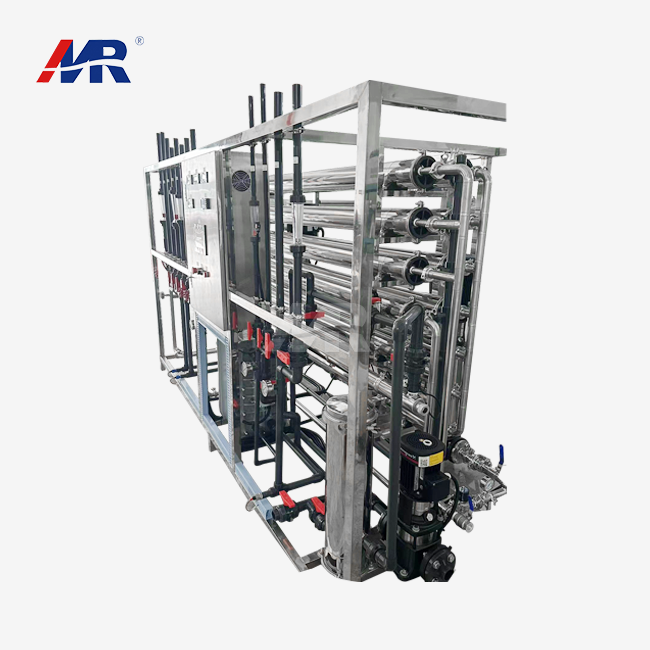
Before it gets to the membranes further downstream, feed water goes through pre-treatment steps such as sediment filters and chemical treatments to keep it clean. The pre-treated water is then pushed against thin-film composite membranes that are set up in pressure tanks by high-pressure pumps. As water molecules move across the membrane's surface, concentrated brine with rejected salts either runs to the trash or goes through more cleaning to get the resources back. Recovery rates are between 75% and 85% in multi-stage designs, which means that much less wastewater is released than in single-pass arrangements. Conductivity meters and pressure sensors are used for continuous tracking. This makes sure that performance stays the same and lets workers know when maintenance is needed before it affects production.
Membrane Types and Industrial Applications
There are two main types of membrane chemicals that are used for brackish water applications. Thin-film hybrid membranes are great for businesses like pharmaceuticals and semiconductors where clean water directly affects product quality because they are better at rejecting salt and chemicals across a pH range of 2 to 11. These membranes can handle the harsh cleaning methods needed in places with a lot of dirt. For city uses, cellulose acetate membranes are cheaper and can handle chlorine better, but they have slightly lower rejection rates and smaller pH working windows. The choice of material is based on the chemistry of the feed water, the quality of the permeate that is wanted, and the cleaning standards that are specific to each industry.
Advantages Over Alternative RO Technologies
Because the feed water is less salty, the working pressure needs to be lower to overcome osmotic resistance. This means that brackish water systems use 40% to 60% less energy than saltwater reverse osmosis systems. This directly leads to lower energy bills and smaller carbon footprints. Compared to freshwater RO, brackish setups can handle higher TDS levels without performance degradation. This means that sites in dry areas can use more water sources. With proper maintenance, the intermediate pressure process also increases the membrane's useful life to three to five years, cutting down on the cost of replacement and the time that the system is down, which can affect production plans.
Core Drivers Behind the Upgrade to Brackish Water RO Systems
More and more pressure is being put on industrial leaders to use modern water treatment, which is no longer a choice but a must for staying competitive. It's getting harder and harder for traditional methods of clarification and ion exchange to meet today's needs for speed, cost management, and legal compliance.
Overcoming Traditional Treatment Limitations
Chemical precipitation and conventional water softeners make a lot of leftover sludge that needs to be thrown away. This creates problems with regulations and costs money over time. In precision production, these methods also have trouble getting rid of dissolved organics, silica, and minor toxins that lead to product flaws. Many sites' old equipment can't adapt to changes in the quality of the feed water without major repairs. Membrane-based reverse osmosis gets rid of these problems with small, flexible designs that can be added to current treatment trains. It also keeps the quality of the output constant, even if the feed water changes with the seasons.
Energy Efficiency and Operational Cost Reduction
The pressures needed to run brackish water RO systems are usually between 150 and 400 psi, which is a lot less than the 800 to 1,200 psi needed to desalinate saltwater. This difference in pressure cuts the amount of energy used by pumps by about half. In big businesses that process thousands of gallons of water every day, this can save a lot of money on utility costs. Variable frequency drive pumps can handle changes in viscosity caused by changes in temperature, keeping the best efficiency even when the seasons change. Compared to steam distillation or multi-effect evaporation systems, this system has a lower total cost of ownership because it uses 30% to 40% fewer chemicals for cleaning the membrane and needs to be replaced less often.
Regulatory Compliance and Water Quality Standards
For injectable goods, pharmaceutical companies need water that meets the standards of the United States Pharmacopeia. For chip rinsing, semiconductor factories need water with a resistance higher than 18 megohm-cm. The Safe Drinking Water Act says that municipal utilities must meet guidelines for dozens of pollutants. These strict goals are always met by brackish water RO, which has been shown to have high rejection rates for certain chemicals. The technology gives recorded performance data needed for governmental filings and checks by a third party, which lowers the risk of not following the rules. NSF/ANSI 61 certification for membrane materials makes sure that no leachable substances damage the purity of the water. This addresses worries from health authorities that slow down project approvals.
Real-World Success in Industrial Sectors
A factory in Texas switched from buying water from the city to treating its own brackish groundwater. This cut the factory's annual water costs by $180,000 and made the processes more consistent. Recovery rate optimization cut the amount of brine that had to be thrown away by 40%, which brought down wastewater fees. A group of farmers in California used membrane systems to remove salt from irrigation water. This cut down on the amount of sodium that was absorbed and broke down the soil's structure. Within two growth seasons, crop yields went up by 15%. These written results show how strategic upgrades turn technical skills into measured business value in a wide range of settings.
Comparing Brackish Water RO with Alternative Water Treatment Solutions
When procurement teams look at different treatment methods, they have to weigh the cost of the initial investment against the costs over the product's lifetime, how well it works, and how hard it is to run. A full review of technologies shows where membrane systems are best and where other options are still competitive.
Benchmarking Against Seawater and Freshwater RO
When compared to freshwater systems, seawater reverse osmosis costs 60% to 80% more because it needs high-pressure pumps that use a lot of energy and materials that don't rust. Higher ionic strength speeds up the rate of membrane fouling, which means that the membrane needs to be cleaned more often and replaced less often. Freshwater RO works well with lower TDS, but it can't handle salty groundwater sources that are found in inland areas, which limits its use. In terms of performance, brackish water RO setups are in the middle. They work best with moderately salty sources that are easy to get and don't cost too much.
Evaluating Nanofiltration and Alternative Methods
Nanofiltration gets rid of divalent ions and bigger molecules but leaves monovalent salts behind. This means it can be used for relaxing purposes but not for completely removing minerals from boiler feedwater or pharmaceutical processing. Distillation gets very pure water, but it uses a lot of heat, which triples the cost of running the business. UV decontamination kills microbes but doesn't get rid of dissolved solids, so it needs to be used with other technologies. Ion exchange removes certain ionic species successfully, but it also creates chemical waste that needs to be cleaned up and thrown away. Membrane reverse osmosis gets rid of all contaminants in a single step, which makes operations easier and cuts down on the need to handle chemicals, which can be dangerous to people and the environment.
Total Cost of Ownership Analysis
For large-scale setups, the cost of capital for brackish systems runs from $500,000 to $2 million, based on the amount of automation and capability. Energy, membrane repair, chemicals, labor, and other annual running costs usually make up 15% to 20% of the original investment. Because they need more heat, distillation systems have 40% higher yearly running costs. Ion exchange has lower initial costs but higher costs for chemicals and getting rid of trash. If you plan ahead ten years, brackish reverse osmosis will have the lowest total ownership cost for sites that handle more than 50,000 gallons of water every day. This means that membrane technology will outperform other options in terms of cost.
Selecting and Procuring the Right Brackish Water RO System for Your Business
When you do strategic buying of brackish water RO systems, you need to carefully look at the skills, technical requirements, and long-term support systems of your suppliers. Systems that aren't properly defined don't work well, and installations that are too big waste money on capability that isn't needed.
Assessing Supplier Reliability and Reputation
Reputable makers show that they have a track record by showing work they've done in similar businesses. Guangdong Morui Environmental Technology Co., Ltd. has 14 branches and 500 workers, including 20 specialized engineers. This gives customers more technical help than companies with only one location can offer. Having the ability to make membranes in-house ensures quality control and a reliable supply chain while membranes are being replaced. Having agency relationships with well-known part names like Shimge Water Pumps and Runxin Valves shows that the maker cares about quality throughout the whole system design process. Buyers should ask for examples from past customers, check Certifications, and look at guarantee terms that show the seller is confident in the equipment's durability.
Custom-Built Versus Standard System Configurations
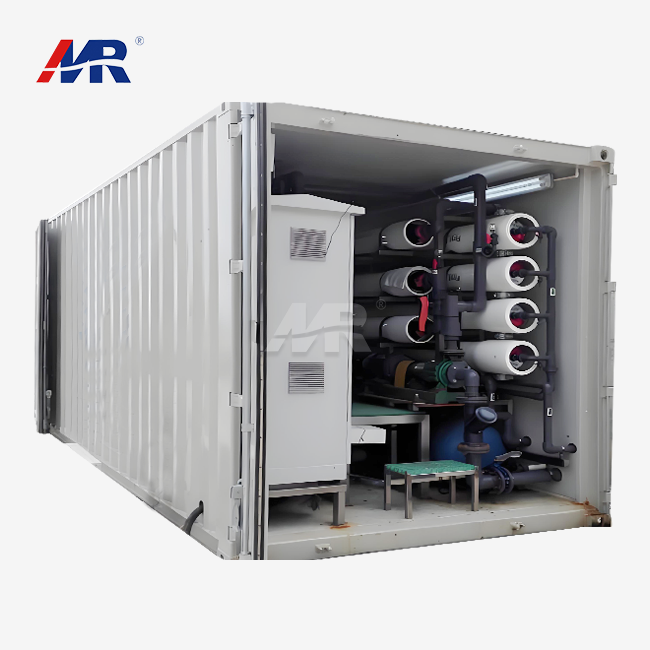
Standard packaged systems can be delivered faster and have lower building costs for simple tasks where the quality of the feed water is known ahead of time. Custom-built systems can handle complicated needs like oddly shaped spaces, changing capacity needs, or difficult feed water chemistry that needs special pre-treatment. Modular designs let you gradually increase capacity as production rises, protecting your initial cash investment while keeping the ability to improve. Specification choices that balance performance and cost are based on a thorough study of the water that includes TDS, pH, silica, hardness, and organic content. Systems that are built so that they have a 20% capacity margin above and beyond what is currently needed allow for operating freedom without being too big.
Total Cost Evaluation and ROI Calculations
When installation, commissioning, and continued upkeep are taken into account, the purchase price is only 40% to 50% of the real cost of the system. Factory acceptance testing and control of installation by skilled techs stop problems at starting that slow down production and raise costs. By teaching workers how to do proper upkeep, training programs cut down on the time needed to fix problems and increase the life of membranes. Accurate running cost forecasting is possible with energy usage estimates based on real site conditions and utility rates. When you include all of the costs in your proposal, you can compare vendors in a useful way, not just based on the price of the tools, which can hide the real value propositions.
Pre-Procurement Water Quality Testing
Accurately characterizing the feed water stops pricey design mistakes and poor performance. Silt density index testing measures the amount of particulate fouling that needs to be done before cleaning can begin. Seasonal sampling shows changes in water quality that affect the design margins of the system. Before finishing specs, jar testing with certain types of membranes confirms how well they remove important contaminants. Pilot testing for complicated applications lowers the risk of large-scale investments by proving how well the system works in real-world settings. These earlier investments in analysis usually make up 2% to 3% of the project costs, but they keep design mistakes from happening that would hurt the system's performance over its entire life.
Maintenance Best Practices to Maximize Brackish Water RO System Performance
Maintenance that is done proactively is directly linked to brackish water RO longevity, energy savings, and output reliability. Reactive methods that try to fix problems after performance has already been lost cost more and cause more problems with operations.
Routine Filtration and Pre-Treatment Maintenance
When the differential pressure rises 10 psi above baseline, which usually happens every two to four weeks depending on the quality of the feed water, the cartridge filters that cover the ro membranes need to be replaced. Scale inhibitor and pH control systems that use chemical dosing need to be calibrated and checked every month. Failures in pre-treatment cause damage to the membrane that can't be fixed, so this is the most important upkeep task. Automatic backwash filters that deal with a lot of particles need to have their control valves and spray nozzles checked on a regular basis to see how well they clean.
Membrane Care and Cleaning Protocols
When the normalized permeate flow drops by 10% or the difference pressure rises by 15%, cleaning must be done before the fouling is permanent. Alkaline detergents are used in clean-in-place processes to get rid of organic fouling, while acidic detergents break down mineral scale. If performance doesn't get better, the type of gunk found through a membrane autopsy determines which cleaning chemicals to use. Cleaning every three months usually keeps things running smoothly, but systems with a lot of dirt may need to be cleaned every month. Using the right cleaning method can extend the membrane's life to five years, compared to only two years for systems that aren't taken care of. This saves a lot of money because repair costs are put off.
Troubleshooting Common Operational Issues
A drop in pressure across membrane layers means that there is fouling that needs to be cleaned or that O-rings are broken and letting escape flow through. Permeate conductivity raises a signal of membrane breakdown or seal failure that lets salt pass. When flow rates aren't equal between parallel trains, it means that parts are clogged or valves aren't working right. Systematic repair using standardized performance data that takes into account temperature and pressure finds the root causes and stops membrane replacements that aren't needed. By keeping thorough operating logs, you can look for patterns that can help you plan repair needs before they become emergencies that stop work in the middle of production.
Leveraging Supplier Technical Support
A full-service source offers a wide range of services after the sale, such as remote tracking, performance optimization, and emergency response. This sets them apart from equipment-only sellers. At Morui, our engineering team offers technical help 24 hours a day, seven days a week. They also keep spare parts on hand and can provide mobile service. Performance tests done once a year find ways to improve performance that use less energy and make parts last longer. As membrane technology changes, workers are kept up to date on the best ways to use it through training updates. This continued partnership method raises the value of assets over the course of a system's lifecycle, making sure that investments pay off over ten to fifteen years of use.
Conclusion
Upgrading industrial water treatment systems to brackish water RO systems is a smart investment that pays off in the form of lower running costs, better product quality, and a guarantee of regulatory compliance. Advantages of the technology, such as low energy use, a small footprint, and steady performance even when the feed water conditions change, are driving up adoption rates in the industrial, municipal, pharmaceutical, and farming sectors. Whether projects deliver the expected benefits depends on how carefully suppliers are chosen, how accurately system specifications are made based on thorough water analysis, and how proactive upkeep practices are used. When businesses work with experienced providers, they get access to technical know-how, tried-and-true tools, and ongoing support. This turns water treatment from a load on operations into a competitive advantage.
FAQ
1. What distinguishes brackish water RO from seawater desalination systems?
To overcome the osmotic pressure caused by feed water with 35,000 ppm TDS or more, seawater reverse osmosis usually works at much higher pressures, around 800 to 1,200 psi. This needs pumps that use a lot of energy and materials that don't rust, which raises both the capital and running costs. When the pressure is between 150 and 400 psi and the salinity is between 1,000 and 15,000 ppm, brackish water RO systems can handle it. They use about half as much energy and get the same salt rejection rates for their target water sources.
2. How long do membranes typically last in industrial applications?
The membrane can last between three and five years if the feed water keeps the Silt Density Index below three and the workers clean it as often as the maker suggests. When there is a lot of dirt or not enough pre-treatment, the service life may be cut to two years. However, when conditions are perfect, performance can sometimes last longer than seven years. The main thing that determines how long a membrane lasts is how well it is maintained. Because of this, operating discipline is a key cost control factor.
3. Can existing treatment infrastructure integrate with new RO systems?
Most setups of brackish reverse osmosis work well with other pretreatment systems, such as multimedia filters, softeners, and chemical feed systems. Most retrofit jobs need to add permeate holding tanks and pressure pumps, but they can use the plumbing and electricity that are already there. During the planning process, compatibility assessments find any changes that need to be made. This allows for phased execution, which keeps production as smooth as possible during installation times.
Partner With Morui for Advanced Brackish Water RO Solutions
There are 14 regional offices of Guangdong Morui Environmental Technology Co., Ltd. that offer full water treatment solutions. They also make membranes in-house and offer complete installation services for businesses, cities, and farms. Our engineering team creates unique brackish water RO systems that solve your particular water quality problems while using the least amount of energy and being extremely reliable. We have more than 20 expert engineers and work with top component makers to make sure that every step of a project goes smoothly, from the initial design to years of trouble-free use. Get in touch with benson@guangdongmorui.com right away to talk about your water treatment needs with seasoned brackish water ro sellers who are aware of the technical and financial factors that will affect your purchase. Find out how our tried-and-true solutions can turn difficult water sources into useful production tools that make your business more competitive and long-lasting.
References
1. American Water Works Association. (2021). Reverse Osmosis and Nanofiltration: Manual of Water Supply Practices M46. Denver: AWWA Publications.
2. Greenlee, L.F., Lawler, D.F., Freeman, B.D., Marrot, B., & Moulin, P. (2020). Reverse osmosis desalination: Water sources, technology, and today's challenges. Water Research, 43(9), 2317-2348.
3. National Research Council. (2019). Desalination: A National Perspective. Washington, DC: The National Academies Press.
4. Qasim, M., Badrelzaman, M., Darwish, N.N., Darwish, N.A., & Hilal, N. (2019). Reverse osmosis desalination: A state-of-the-art review. Desalination, 459, 59-104.
5. Wilf, M. & Bartels, C. (2018). Optimization of Seawater RO Systems Design. Desalination, 173(1), 1-12.
6. World Health Organization. (2020). Guidelines for Drinking-Water Quality: Fourth Edition Incorporating the First Addendum. Geneva: WHO Press.