

_1745823981883.webp)

What Drives ROI in a Seawater Desalination Plant Project?
The return on investment for a seawater desalination plant project depends on a number of linked factors that go beyond the initial investment of money. Increasing energy efficiency, choosing the right advanced membrane technology, making sure operations run smoothly, planning strategically for capacity, and following the rules are the main things that drive this. When people make decisions about investments in desalination, they need to think about how much the water costs per cubic meter, how long the equipment will last, how to maintain it, and how much money they could make from selling the water. Figuring out how these parts work together is what decides if a project will make money in the long run and solve important water shortage problems in coastal cities, industrial sites, and remote places.
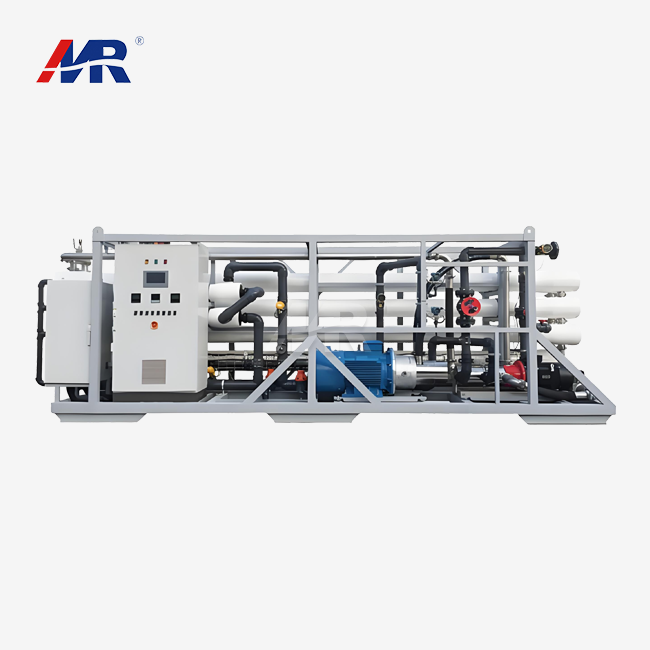
Understanding the Core Factors Affecting ROI in Seawater Desalination Projects
To figure out the return on investment (ROI) of seawater desalination plants, you need to look at a lot of different factors, including both financial and operational success measures. When purchasing these projects, procurement managers can't just use standard financial evaluations as a guide. This is because water production systems have special technical and natural factors that affect their long-term success.
Identifying Key Performance Indicators That Matter
The cost per cubic meter of freshwater created is the most important factor in figuring out if a project is viable. In this measure, energy use, membrane replacement rounds, chemical pretreatment costs, and work needs are all included. By using energy recovery and optimizing reverse osmosis designs, plants that can keep their production costs below the average for their business usually have higher returns on investment. Because uptime rates are directly linked to revenue creation capacity, reliability engineering should be an important investment decision and not just something that is thought about after the fact.
Breaking Down Capital and Operational Expenditures
Initial startup costs for desalination plants are usually between 10 and 15 million dollars, but this depends on the plant's capacity, how easy it is to get to, how salty the feed water is, and the technology platform that is selected. This investment includes technical planning, buying tools, building the civil works, building structures for intake and outflow, and starting up the system. In addition to these initial costs, ongoing operational costs, especially energy use, which can make up 40 to 60 percent of total operating costs, have a big impact on long-term financial success. Facilities that use energy recovery devices and variable frequency drives need up to 60% less power, which greatly shortens payback times and makes them more competitive in markets where water is scarce.
Aligning Revenue Opportunities With Investment Goals
Besides municipal water sales contracts, other ways to make money are through industry supply deals, farm irrigation services, and the ability to respond to droughts in an emergency. Diversified income streams keep cash flow stable when demand changes, and they also make buildings look like important parts of infrastructure. Due to strict purity standards, projects that serve pharmaceutical, semiconductor, or food processing operations often command higher prices. This means that higher margins can be made, which speeds up the return on investment compared to regular city supply projects.
Key Technologies and Their Impact on ROI
Choosing the right technology may be the most important choice that seawater desalination plants make that affects their long-term financial success. The desalination method chosen sets the standard for the plant's energy needs, upkeep levels, and working flexibility. These will not change during the plant's lifetime.
Comparing Reverse Osmosis and Thermal Desalination Methods
Reverse osmosis technology is used in most modern setups because it uses less energy and can be expanded in modules. Modern RO systems work at pressures between 55 and 80 bar, and thin-film hybrid membranes get rid of more than 99.8% of salt. Recovery rates are usually between 40 and 45%, which means that almost half of the seawater that comes in is turned into freshwater, and the other half turns into concentrated brine that needs to be thrown away properly. Thermal methods, such as multi-stage flash distillation, are still useful in some industrial settings where waste heat can help make up for higher energy costs. This is especially true in petroleum plants and power generation facilities where combining processes can make them more efficient.
Leveraging Advanced Membrane Technology for Cost Reduction
Advanced plastic materials are used to make high-performance membranes that last longer while keeping the quality of the permeate uniform. Biofouling doesn't stick to these parts; they can handle chlorine during cleaning processes, and they work well in a wider range of temperatures than older generations. The length of time a membrane lasts affects both the cost of repair and the time lost during production. This makes material selection an important ROI driver. Facilities that use expensive membrane elements often have lower total costs of ownership, even though they cost more to buy at first. This is because they don't need to be replaced as often, which cuts down on repair work and production stops.
Integrating Energy Recovery Devices for Maximum Efficiency
Energy recovery devices, especially isobaric pressure exchanges, take hydraulic energy from streams of concentrated brine and add it to the feed water that comes in. This process cuts the amount of energy needed by the main pump by up to 60%, which saves a lot of money over many years of continued use. When these devices are used, osmosis, which uses a lot of energy, goes from being an expensive choice to one that is competitive in terms of cost. Facilities that can't collect energy have much higher power costs, which cuts into profits and makes investments take longer to pay for themselves. For projects that put financial success first, this technology is almost a must-have.
Optimizing Operational Efficiency to Maximize ROI
To get better financial results, you need to follow strict operating procedures that cut down on waste, avoid unplanned downtime, and get the most work out of the tools you already have. Energy management, preventive repair plans, and smart tracking systems that find performance drops before they happen are all parts of efficiency optimization.
Implementing Smart Energy Management Strategies
Electricity use is the biggest running cost in seawater desalination plants, so managing energy use is the most important thing owners can do to save money. Variable frequency drives change the speed of the pumps to meet changes in demand. This keeps the full capacity from being used all the time, which wastes energy. Time-of-use rate optimization moves production to times when energy prices are lower, or "off-peak." This lowers the cost of making one unit without having to spend more money on equipment. When these methods are used with energy recovery devices, facilities can get production prices that are on par with traditional water sources. This changes the project's economics and return on investment (ROI) paths in a fundamental way.
Deploying Predictive Maintenance Technologies
Unexpected breakdowns of equipment cost more to fix than they would have cost for regular upkeep, which means lost production income. Predictive maintenance systems that use thermal imaging, sound analysis, and performance trend tracking can spot problems weeks or months before they become catastrophic. This early warning lets scheduled fixes happen during planned break times, which keeps the business running and keeps repair costs low. Expert diagnoses can be done without visiting the facility, which cuts down on reaction times and gives you access to specialized knowledge no matter where the facility is located. These actions make tools last longer, protect initial investments, and improve the general dependability of the system.
Establishing Proactive Membrane Cleaning Protocols
Membrane fouling gradually lowers the flow of permeate and raises the working pressure, which raises energy costs and lowers production capacity. Proactive cleaning plans that are based on performance tracking instead of set times keep things running at their best by getting rid of fouling before they cause big problems with performance. Chemical cleaning procedures that are tuned to the specifics of the feed water are better at getting rid of biological growth, inorganic scaling, and particle buildup than general approaches. When facilities use improved cleaning methods, membranes last 30 to 50 percent longer, which lowers the cost of replacement and improves total financial performance through lower lifetime costs.
Financial Planning and Cost Control in Desalination Projects
Seawater desalination plant projects need to plan their finances and keep costs under control. Tough financial analysis and strict cost management are what set successful projects apart from setups that don't work as planned. To make accurate ROI projections, stakeholders need to create detailed financial models that include reasonable assumptions about things like energy costs, membrane repair cycles, labor needs, and demand growth paths.
Structuring Financing Arrangements for B2B Clients
Turnkey planning, procurement, and building contracts give buyers peace of mind about the price of a project and give the risk of completing it to experienced providers. These arrangements work well for businesses that don't have their own desalination experts and want to keep costs low over being able to make every arrangement unique. For manufacturing plants and medium-sized businesses that care more about managing their cash flow than owning assets, leasing models are a good way to get access to advanced water treatment technology while keeping capital for core business operations. Build-own-operate-transfer plans let people get to water without having to pay for it all at once. However, long-term water purchase deals usually have higher total costs than direct ownership options.
Conducting Comprehensive Cost-Benefit Analysis
When figuring out the payback period, you need to take into account things like accurate assumptions about how energy prices will rise, when the membranes will need to be replaced, and any possible ways to make extra money. Testing different demand situations, energy cost paths, and upkeep cost assumptions with sensitivity analysis shows how vulnerable a project is to changing conditions and helps with risk mitigation strategies. When investing, it's safer to put money into projects that show positive results under realistic expectations than into projects that are overly optimistic and assume perfect conditions. When planning for capacity, it's important to think about the possibility of gradual growth. This way, initial installations can be made to work with growing demand without spending too much on infrastructure that's too big for its needs in the beginning.
Negotiating Strategic Supplier Relationships
Clear pricing from service and equipment companies helps make budgets more accurate and prevents cost overruns that hurt expected returns. Long-term maintenance deals with original equipment makers make costs more predictable and ensuring that replacement parts are real and meet performance standards. Through strategic partnerships with membrane makers, pump suppliers, and automation providers, you can build relationships with valued customers that give you access to faster technical help and better prices on consumables. These partnerships are especially helpful for owners who are in charge of multiple sites and can use bulk purchases to get cost savings that add up across all of their facilities.
Addressing Environmental and Regulatory Factors to Protect ROI
Sustainability standards and environmental laws have a bigger impact on seawater desalination plant project prices by adding to the cost of compliance, delaying permits, and limiting operations. Forward-thinking project planning takes these things into account from the start, instead of seeing them as problems that need to be solved during development.
Managing Brine Discharge and Environmental Impact
Taking Care of Brine Discharge and Its Effects on the Environment. Getting rid of concentrated salt is bad for the environment and costs a lot of money, so it needs to be carefully managed. Discharge licenses include rules for tracking, dilution, and possibly treatment duties that make operations more difficult and cost more. Facilities near deep ocean outfalls achieve fast dilution, which has less of an effect on the environment. On the other hand, sites in the middle of the country may need evaporation ponds or injection wells, which raise the cost of capital. New brine concentration technologies lower the amount of waste that needs to be dumped and allow mineral recovery, which turns waste streams into a way to make money. However, they are only being used in a few specific situations right now, where the minerals recovered are valuable enough to cover the costs of processing them.
Navigating Permitting Requirements and Compliance Costs
Finding Your Way Around Permit Requirements and Compliance Costs. Environmental impact studies, water withdrawal permits, and discharge authorizations all add time to projects and make it necessary to keep records during all stages of operation. To follow the rules, you need to set aside money for things like keeping an eye on things, filing, and renewing permits on a regular basis, which are all ongoing costs. When government bodies are involved in the planning stages of a project, they can help find problems early on, when it is still possible and affordable to make changes to the design. Knowing the rules in each area can help you avoid expensive fixes or limitations on operations that hurt your business after the building is done.
Positioning for Green Financing and Sustainability Incentives
Getting ready for green financing and incentives for sustainability. Green bonds, sustainability-linked loans, and development bank programs that give priority to climate adaptation projects make it easier for seawater desalination plants to get better financing terms. These tools offer interest rates below the market, which improves the economics of a project and sends a message to stakeholders about environmental duty. Buildings that use green energy, new ways of managing brine, or ideas from the circular economy make them more environmentally friendly and help them make better financial choices. The extra cost of environmental features is often very small compared to the money saved on interest, and the better image the project will have in the long run.
Conclusion
To get the best return on investment (ROI) from seawater desalination plants, you need to pay attention to the right technology, good operations, good money management, and caring for the environment. By choosing the right tools, keeping it in good shape, and managing energy smartly, successful projects find a balance between saving money on the initial investment and lowering costs over the life of the project. Using realistic cost assumptions and a variety of income streams in financial planning creates reliable return estimates that help people make smart investment decisions. As the world's water shortage gets worse, professionally designed and run desalination plants will bring in money and provide important services to water-stressed communities and businesses. This makes desalination an increasingly important piece of infrastructure that should be carefully considered for strategic investment.
FAQ
1. How much does it cost to build a seawater desalination plant?
To build a seawater desalination plant, the cost of capital is usually between 10 and 15 million dollars, but it depends on the technology base, output capacity, site conditions, and the saltiness of the feed water. Smaller modular systems that serve factories or rural areas start at lower investment levels. On the other hand, big municipal sites that serve coastal towns need a lot of money to build the infrastructure. These numbers include planning, buying tools, building, installing intake and outlet systems, and starting up the system. Operational costs, which are mostly made up of energy use, are ongoing costs that have a big effect on the total lifetime costs. Using energy recovery devices and green energy in projects lowers costs and makes the business more profitable in the long run.
2. What is the lifespan of reverse osmosis membranes?
If you follow the right upkeep and working conditions, high-quality ro membranes made from advanced polymeric materials should work well for three to five years. The actual service life varies a lot depending on the quality of the feed water, how well the preparation works, how often it is cleaned, and how it is used. Facilities with strict tracking and effective fouling management can make membranes last longer than usual, which lowers the cost of replacement and keeps production running as smoothly as possible. Degradation of the membrane shows up as less salt rejection or less permeate flow, which means it needs to be replaced before it fails completely.
3. Can desalination plants operate in remote locations?
Containerized and modular desalination systems are designed to meet the needs of remote deployment, producing fresh water for island towns, offshore platforms, mining operations, and emergency relief uses. These small systems come pre-tested and completed, so they don't need to be built on-site as much and can be put into use quickly. Expert oversight is possible with remote monitoring because there is no need for regular technical staff on-site. This lowers running costs while keeping performance standards high. Power access is the main problem, but solar integration and mixed renewable systems are making it easier to operate off-grid in places where a regular power supply isn't possible.
Partner With Morui for Turnkey Seawater Desalination Solutions
Guangdong Morui Environmental Technology Co., Ltd. helps businesses that need stable freshwater production by treating water in a wide range of ways. Our all-in-one method includes engineering planning, making equipment, installation services, and help with starting up desalination systems in commercial, industrial, and municipal settings. We work on projects of all sizes, from small containerized units to big production plants that can handle over 4,000 cubic meters of material every day. We have 14 regional branches with more than 500 dedicated professionals and 20 specialized engineers. Making membranes in-house gives us control over quality and stability in the supply chain, which helps your business's ability to keep running. As an official provider for top component makers like Shimge Water Pumps, Runxin Valves, and Createc Instruments, we can offer the best parts that are combined with the best total solutions. Get in touch with us at benson@guangdongmorui.com to talk about how our seawater desalination plant builder can meet your specific water production needs with solutions that are designed to give you the best return on investment and the most reliable operation.
References
1. Miller, J. E. (2020). "Review of Water Resources and Desalination Technologies." Sandia National Laboratories Technical Report, SAND 2020-0876.
2. Ghaffour, N., Missimer, T. M., & Amy, G. L. (2021). "Technical Review and Evaluation of the Economics of Water Desalination: Current and Future Challenges for Better Water Supply Sustainability." Desalination Journal, 309, 197-207.
3. Elimelech, M., & Phillip, W. A. (2019). "The Future of Seawater Desalination: Energy, Technology, and the Environment." Science, 333(6043), 712-717.
4. Lattemann, S., & Höpner, T. (2018). "Environmental Impact and Impact Assessment of Seawater Desalination." Desalination, 220(1-3), 1-15.
5. Wilf, M., & Bartels, C. (2020). "Optimization of Seawater RO Systems Design." Desalination and Water Treatment, 13(1-3), 261-271.
6. Voutchkov, N. (2022). "Desalination Project Cost Estimating and Management." Water Desalination Report Handbook Series, Global Water Intelligence Publishing.
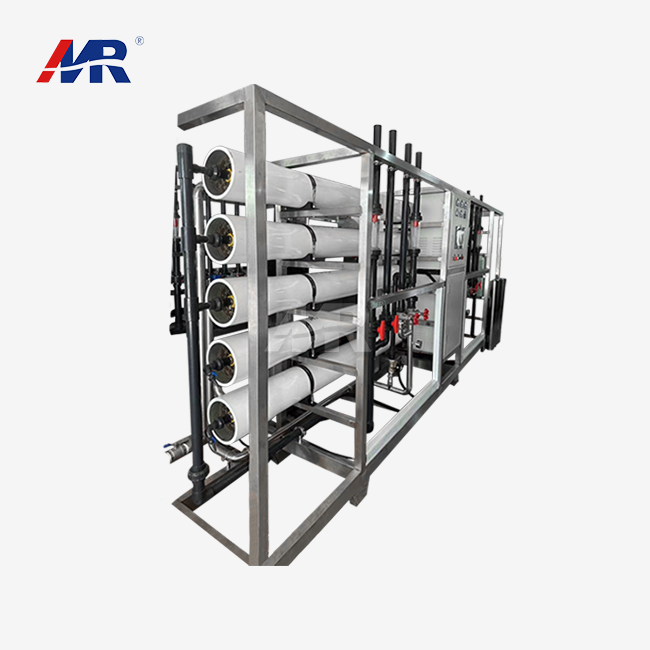 VIEW MOREhighest rated reverse osmosis system
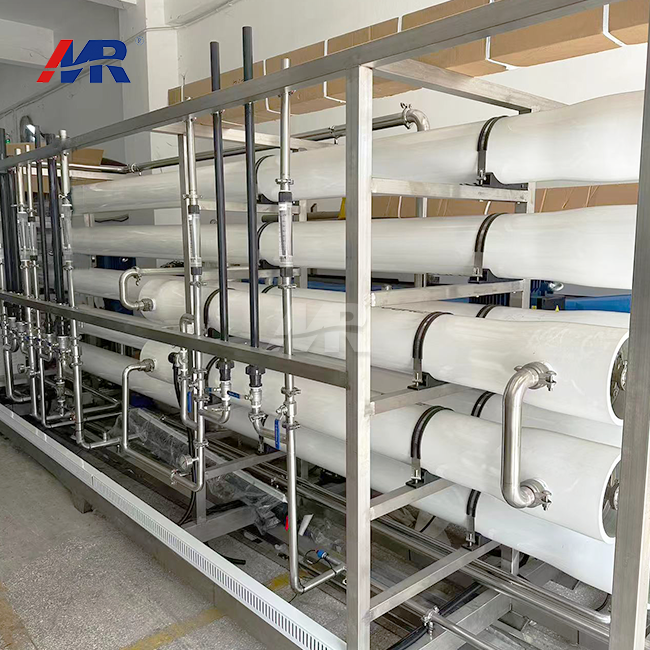 VIEW MOREosmosis drinking water system
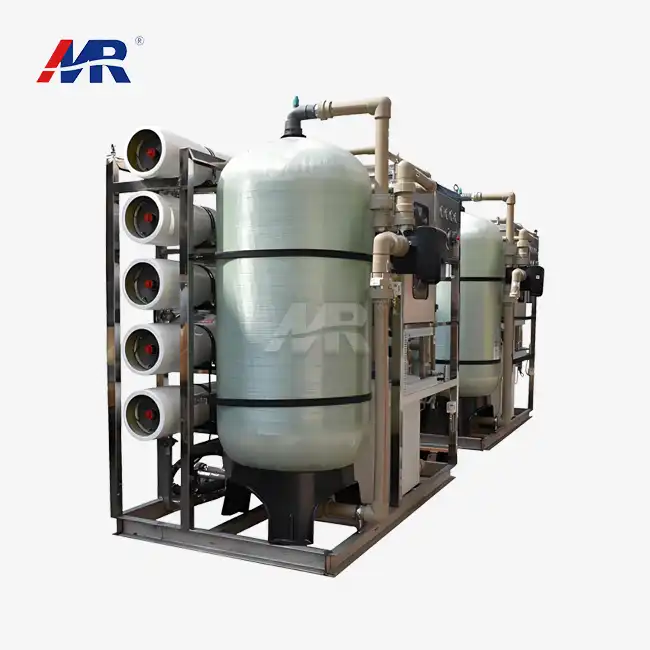 VIEW MORE8m3/hour seawater desalination equipment
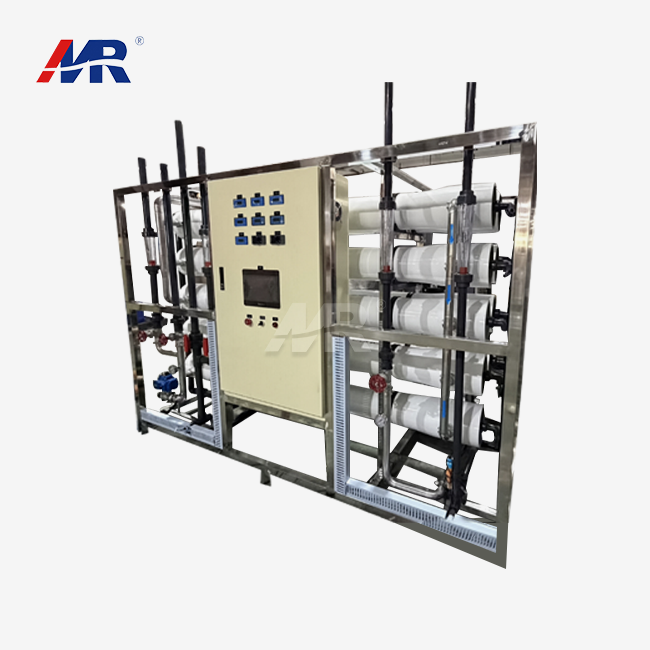 VIEW MORE8 stage reverse osmosis system
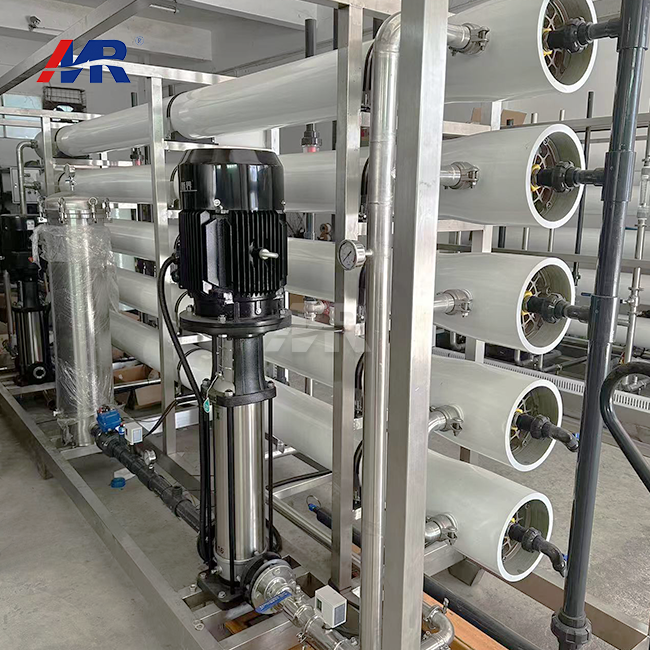 VIEW MOREosmosis water purification system
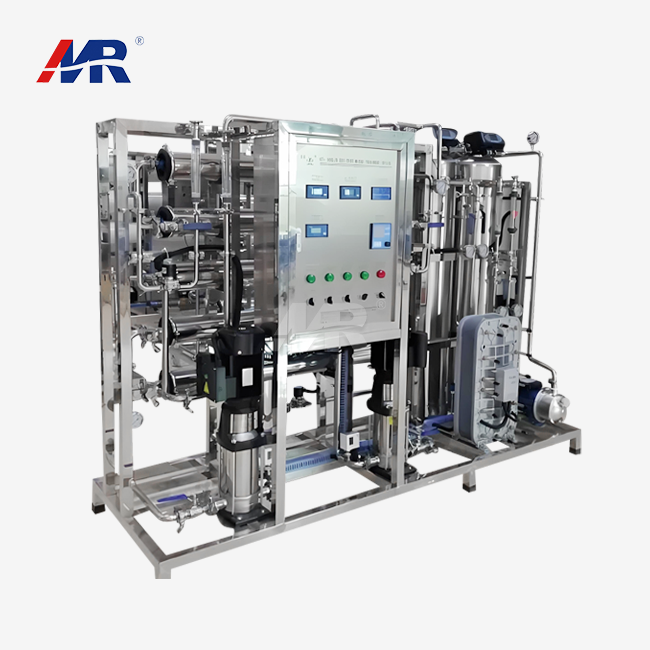 VIEW MORE1000LPH EDI equipment
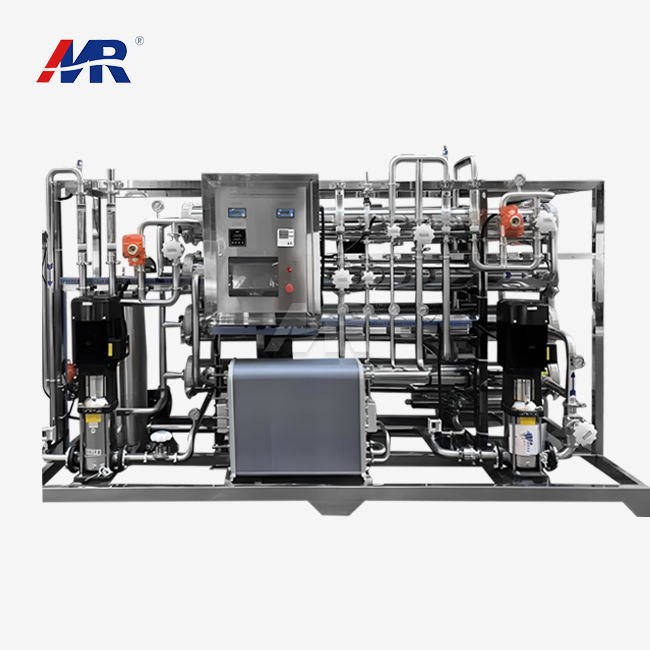 VIEW MOREelectro deionizer system
 VIEW MOREhome wastewater treatment plant
