

_1745823981883.webp)

Ultrafiltration Tips for Effective Water Purification?
To use ultrafiltration to clean water effectively, you need to plan ahead and carefully handle the system. Ultrafiltration uses semipermeable filters with pores that are between 0.01 and 0.1 microns wide to get rid of suspended solids, bacteria, viruses, and macromolecular contaminants while keeping minerals that the body needs. This membrane separation technology works at mild pressures and gets rid of more pathogens (4-6 logs) than thermal distillation or excessive chlorination without using as much energy or making as many chemicals. Choosing the right membrane, making sure the pretreatment is done right, and following strategic maintenance plans can all directly affect how well and how long a filtering system works in pharmaceutical, food processing, municipal water treatment, and industrial settings.
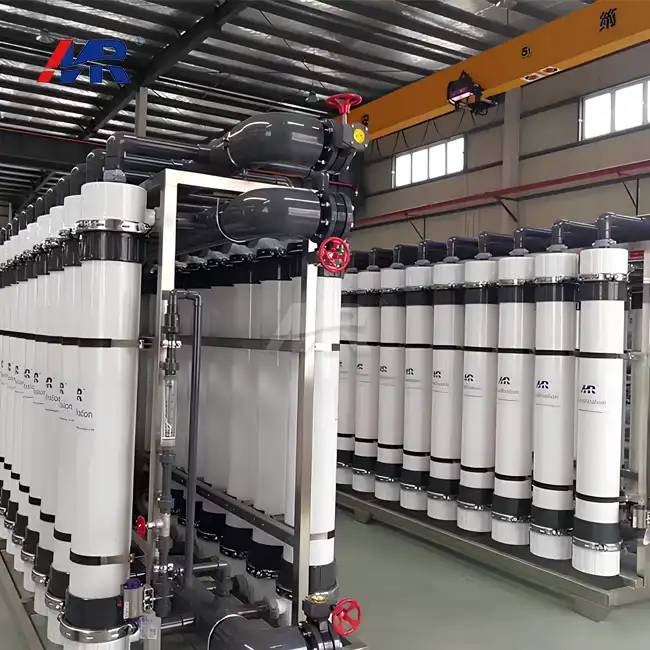
Understanding Ultrafiltration Technology and Its Benefits
Core Operating Principles of Membrane Filtration
The process of ultrafiltration works like a molecular sieve that sorts toxins based on their size. Food water is pushed against the membrane's surface by hydrostatic pressure. Molecules smaller than the membrane's hole width pass through as clean permeate. The concentration stream keeps the bigger particles, like colloidal matter, pathogenic bacteria, and high-molecular-weight proteins. The separation level is set by the Molecular Weight Cut-Off (MWCO), which is usually between 1,000 and 500,000 Daltons. This physical barrier works in a very different way than reverse osmosis, which works by diffusion and needs much higher working pressures to get rid of dissolved salts.
Comparative Advantages Over Traditional Filtration Methods
Comparing membrane-based filtering to traditional media filtration, it shows clear performance gains. When the quality of the water going into sand filters and cartridge systems changes, especially when there are yearly turbidity spikes or algae blooms, they have a hard time working. Ultrafiltration keeps the quality of the extract constant, even if the raw water changes. It does this by keeping the Silt Density Index (SDI) below 3, which is an important level for saving the reverse osmosis elements further downstream. Pathogens that are resistant to chlorine, such as Cryptosporidium and Giardia, can't be killed by chemicals. Since working pressures are usually between 10 and 100 psi, which is much lower than what RO systems need (150 to 1,200 psi), energy use stays low.
Industrial Applications Across Multiple Sectors
Membrane methods for treating water solve a wide range of practical problems in many fields. Ultrafiltration is used as a pretreatment step in seawater distillation plants to protect expensive spiral-wound membranes from biofouling that can't be removed during red tides or organic loading spikes. Pharmaceutical companies depend on UF to make GMP-compliant pure water that they can use to clean their equipment and make safe formulations. The technology is used by dairy makers to separate lactose and minerals from whey protein and keep heat-sensitive proteins safe by sterilizing them cold. In wastewater recycling plants, Membrane Bioreactor (MBR) designs combine biological treatment with ultrafiltration. This lets businesses meet zero-liquid-discharge rules and reuse treated effluent for things like cooling towers or watering plants.
Key Tips for Selecting the Right Ultrafiltration System
Assessing Feed Water Characteristics and Treatment Goals
Before buying something, the water quality must be thoroughly analyzed. The turbidity, total suspended solids (TSS), bacteria load, chemical oxygen demand (COD), and temperature ranges should all be tested. Different barrier chemicals are needed for surface water sources with different amounts of organic matter and salty groundwater with a lot of minerals. The goals of the treatment—whether they are to make drinkable water that meets EPA standards, purified water that is safe for medicinal use, or industrial process water that meets certain standards—directly affect the choice of membrane and the layout of the system. When municipal water plants increase their treatment capacity, they have to follow different rules than when food makers use cold sterilization methods.
Membrane Configuration and Material Selection
Three primary membrane configurations dominate commercial applications, each offering distinct operational characteristics:
Hollow Fiber Membranes are made up of thousands of thin tube fibers packed together inside cylinder-shaped shells. This form maximizes surface area per unit volume, making small footprints that work for places with limited room. The outside-in flow design makes backwashing work well to get rid of built-up foulants. The ability of this design to fight fouling and clean mechanically is helpful for factories that use high-turbidity feed water.
Flat Sheet Membranes set up in plate-and-frame or spiral-wound units can handle chemicals very well and are easy to clean. These setups are best for businesses like electronics and pharmaceuticals that need to clean their equipment often. The open channel design works with thick fluids and high solids levels that are common in biotech protein separation.
Tubular Membranes with bigger inner sizes (5–25 mm) can handle very dirty streams that have oils, fibers, and particles in them. Textile wastewater treatment and metal plating wastewater treatment use tube shapes to handle difficult feed waters while keeping the right flow rates.
Material chemistry is just as important. Polyvinylidene fluoride (PVDF) membranes can handle harsh chemicals and work in a pH range of 2 to 12, which makes them good for use in industrial wastewater applications. Polyethersulfone (PES) is hydrophilic, which means it doesn't let proteins stick to it when it's being used to process food and drinks. Ceramic screens can handle high heat and rough particles, but they cost more to buy.
Evaluating System Capacity and Operational Parameters
When figuring out the size of a system, it's important to think about peak demand rather than normal flow needs. When it comes to intermittent high-volume needs, pharmaceutical batch processing processes are different from city treatment flows that happen all the time. Transmembrane pressure specs affect how much energy is used and how long the membrane lasts. Operating close to the manufacturer's suggested limits maximizes flux while reducing damage from compaction. Recovery rates, which show how much of the feed water is turned into permeate, affect how much it costs to get rid of concentrate and how efficiently water is used overall. Industrial clients who want recovery rates above 90% need improved preparation and cleaning of the membranes on a regular basis to keep them working well in ultrafiltration.
Best Practices for Ultrafiltration System Installation and Maintenance
Professional Installation and System Integration
Preparing the spot correctly sets the stage for effective long-term operation. The placement of equipment needs to allow for the replacement of membrane modules, access to the chemical dosing system, and testing of instruments, all while keeping the workflow uninterrupted. Controlling the ambient temperature keeps the permeate quality stable and stops membrane breakdown. For new equipment to work with current infrastructure like feed pumps, backwash systems, and automation controls, equipment suppliers and facility tech teams need to work together. Professional installation by skilled techs makes sure that the hydraulic connections, instrument calibration, and startup processes are done correctly, which keeps the membrane from breaking too soon.
Proactive Maintenance Protocols and Fouling Management
Membrane fouling is the main operating problem that lowers the efficiency of the system. Using regular backwashing cycles—every 30 to 60 minutes, on average—gets rid of particles that have built up before they harden into cake layers. Chemical Enhanced Backwashing (CEB) uses oxidants to stop biological growth and alkaline liquids to get rid of organic waste. Acid cleaners are used in Clean-in-Place (CIP) processes that happen every three or six months to remove mineral scales and recover flux capacity. Monitoring important performance signs, such as transmembrane pressure differential, permeate flow rates, and water quality measurements, can help find fouling trends early, before they get worse and cause performance problems.
Operational staff should keep thorough logs that show how often they clean, how much chemical they use, and the system pressures. When you compare present performance to data from when the system was first set up, you can see trends of gradual degradation. Testing the stability of the membrane using the pressure decay or bubble point methods finds fiber breaks that need to be fixed by replacing the module. Scheduling preventive maintenance cuts down on unplanned downtime and, in well-run systems, makes membranes last longer than 5–7 years.
Troubleshooting Common Operational Issues
Several types of fouling lower the performance of membranes in different ways. Particulate clogging happens when solids that are floating in liquid build up on the surface of a membrane, usually when the membrane hasn't been treated properly first. Putting in media filters or clotting systems upstream lowers the amount of particles that get into the system. Scaling happens when dissolved minerals reach their saturation point and form crystalline layers. Calcium and magnesium Products are especially hard to work with. Antiscalant doses and acidifying the feed water stop scale from forming in streams with a lot of hardness. When bacteria live on membrane surfaces and make biofilm layers that block holes, this is called biological fouling. Microbes can't grow when chlorine or ultraviolet light is used to kill them, but the suitability of the membrane materials needs to be checked to make sure they don't break down.
Evaluating Cost and Supplier Options in Ultrafiltration Procurement
Total Cost of Ownership Analysis
When making a full procurement choice, costs that go beyond the initial cash investment must be taken into account. The costs of equipment include pressure tanks, membrane modules, skid-mounted systems, and instruments. The costs of installation include electricity work, changes to pipes, and improvements to the building itself. Costs of operations include the amount of energy used, the chemicals needed for cleaning and preparation, the number of times the membrane needs to be replaced, and the work that needs to be done. Chemical costs are higher at a pharmaceutical facility that needs clean CIP cycles more often than at a city plant that uses stable feed water quality. The cost of energy goes up as the system's capacity and working pressure go up. Variable frequency drives help make pumps more efficient when they're only partially loaded, which is good for bigger installations.
Membrane replacement usually happens every 5 to 7 years, but this can change a lot depending on the quality of the feed water and how well the system is maintained. Comparing different supplier offers directly is possible by figuring out the cost-per-gallon measures for each one. In complicated installations, the risk is lower when there are warranties that cover ultrafiltration membrane performance promises and maker help during commissioning.
Supplier Evaluation and Partnership Considerations
Finding a good provider isn't just about how much the equipment costs; it's also about how skilled they are and how long they can provide service. Compliance of equipment is proven by certification from industry standards groups, such as NSF/ANSI 61 for drinkable water uses or FDA/3-A clean standards for food and drug use. OEM agreements with well-known membrane makers like Toray, DuPont, or Pentair protect warranties and make sure that legitimate parts are used. Suppliers who offer "turnkey" solutions that include engineering design, buying equipment, supervising installation, and teaching operators make it easier to carry out projects and keep track of who is responsible for what.
In competitive markets, the level of after-sales service is what sets one provider apart from another. Long periods of downtime can be avoided by having quick expert help for fixing operational problems. Having a local inventory of spare parts lets you quickly change the membrane without having to wait for foreign shipping. Performance promises that are tied to specific water quality goals protect buyers from systems that don't work as expected. Asking for detailed technical offers with process flow diagrams, equipment specs, and estimated running costs lets you compare different providers in a smart way.
Conclusion
Ultrafiltration technology cleans water reliably and efficiently, and it can be used in a wide range of commercial and urban settings. For the application to work well, membrane configurations and materials must be matched to the features of the feed water and the treatment goals. The best way to get the most out of a system while keeping costs low over its lifetime is to install it correctly, follow proactive maintenance practices, and form strategic relationships with suppliers. Making good purchasing choices requires knowing the total costs of ownership, which include tools, operation, and membrane replacement. Long-term practical success is guaranteed by judging providers based on their Certifications, service skills, and technical know-how. These key factors help purchasing managers and facility engineers put in place ultrafiltration systems that regularly meet water quality standards and get the best return on investment.
Frequently Asked Questions
1. What is the typical lifespan of ultrafiltration membranes?
If everything is done right, a membrane should last between 5 and 7 years. However, the real service life varies a lot depending on the quality of the feed water, how well it is maintained, and how stressful the operation is. Systems that process drinking water from cities usually last longer than 7 years, as long as they keep the water's quality uniform and clean it regularly. In industrial settings that deal with difficult garbage that has a lot of organic matter or rough bits, the filters may need to be replaced every three to five years. When replacement is needed, it can be seen by keeping an eye on transmembrane pressure trends and ultrafiltration permeate quality degradation.
2. How does ultrafiltration compare to reverse osmosis for industrial applications?
Ultrafiltration gets rid of particles, bacteria, and large molecules, but it lets salts and minerals through that have been dissolved through. Through reverse osmosis, dissolved ions and smaller molecules are removed, leaving behind demineralized water. A lot of industrial sites use UF as a RO pretreatment. This keeps expensive RO filters from getting clogged and lowers the amount of energy used overall. Pharmaceutical companies often use both technologies together, using UF for the first step of cleaning and RO for the last step of removing all ions that meet USP standards.
3. What cleaning methods most effectively preserve membrane performance?
Regular backwashing and chemically improved backwashing work together to protect against dirt buildup. Acid cleaners get rid of mineral scales and organic matter, while alkaline cleaners get rid of biological films and organic matter. Oxidizing agents stop the growth of microbes between cleaning processes. Setting up clean-in-place processes every three or six months, following the manufacturer's instructions, restores membrane flux capacity and increases operating life. Avoiding cleaning too often or using too many strong chemicals stops membrane breakdown.
Partner with Morui for Comprehensive Ultrafiltration Solutions
Guangdong Morui Environmental Technology designs and builds water treatment systems and has a lot of technical know-how to back them up. Our ultrafiltration systems solve difficult cleaning problems in the food and drug industries, the technology industry, and the public water sector. We control quality throughout the whole duration of the equipment because we make membranes in-house and work with top component providers like Shimge Water Pumps and Runxin Valves. Our 20-person engineering team creates unique solutions that fit the properties of your feed water and your treatment goals. We also offer full installation and commissioning services to make sure the best performance at startup. Our 14 regional offices and 500 dedicated professionals offer responsive local support, whether you need small systems for lab use or big setups for treating wastewater from factories. Please email our sourcing experts at benson@guangdongmorui.com to talk about your ultrafiltration needs with experienced providers who are dedicated to providing reliable, low-cost water purification technology.
References
1. American Water Works Association (2018). Membrane Technology for Water Treatment: Principles and Applications, AWWA Manual M53, Denver, Colorado.
2. Crittenden, J.C., Trussell, R.R., Hand, D.W., Howe, K.J., and Tchobanoglous, G. (2012). MWH's Water Treatment: Principles and Design, Third Edition, John Wiley & Sons, Hoboken, New Jersey.
3. Judd, S. and Jefferson, B. (2003). Membranes for Industrial Wastewater Recovery and Re-use, Elsevier Advanced Technology, Oxford, United Kingdom.
4. Membrane Technology Research Inc. (2020). Global Assessment of Membrane Filtration Markets: Ultrafiltration, Microfiltration and Nanofiltration, MTR Industry Report, Menlo Park, California.
5. National Research Council (2008). Desalination: A National Perspective, National Academies Press, Washington, DC.
6. Singh, R. (2015). Membrane Technology and Engineering for Water Purification: Application, Systems Design and Operation, Second Edition, Butterworth-Heinemann, Oxford, United Kingdom.
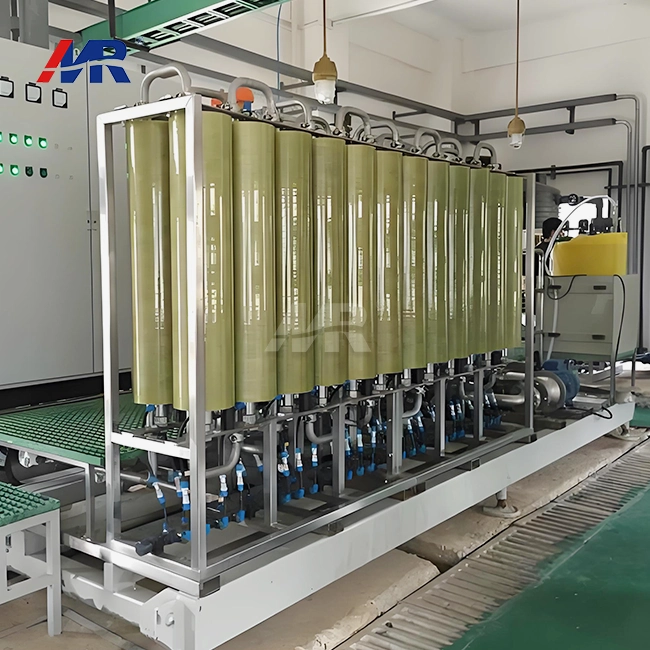 VIEW MOREDisc Tube Reverse Osmosis
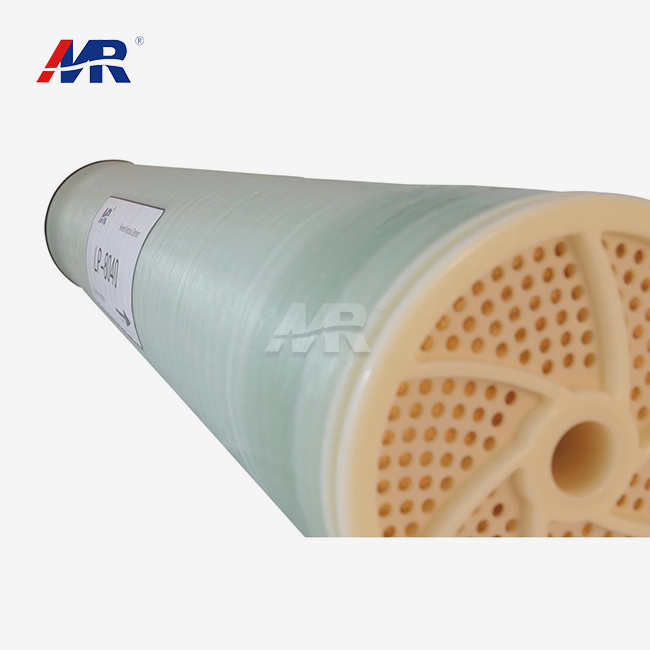 VIEW MOREmembrane used for reverse osmosis
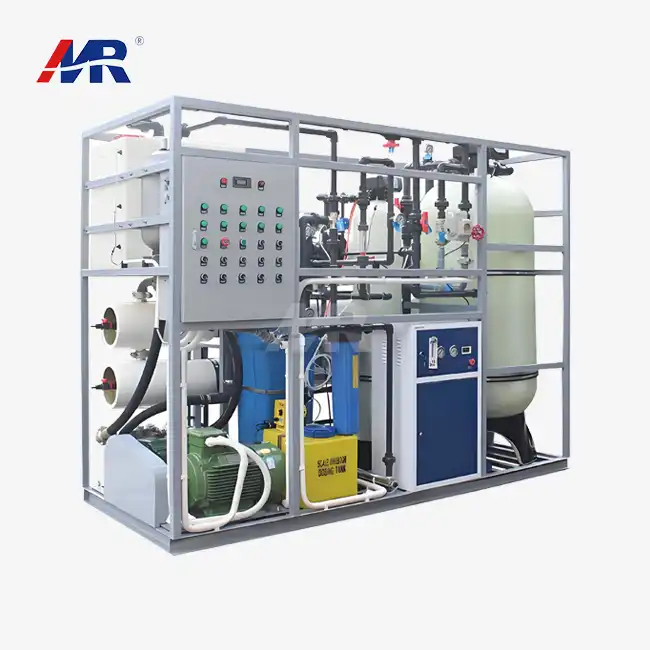 VIEW MORE2T/H seawater desalination plant
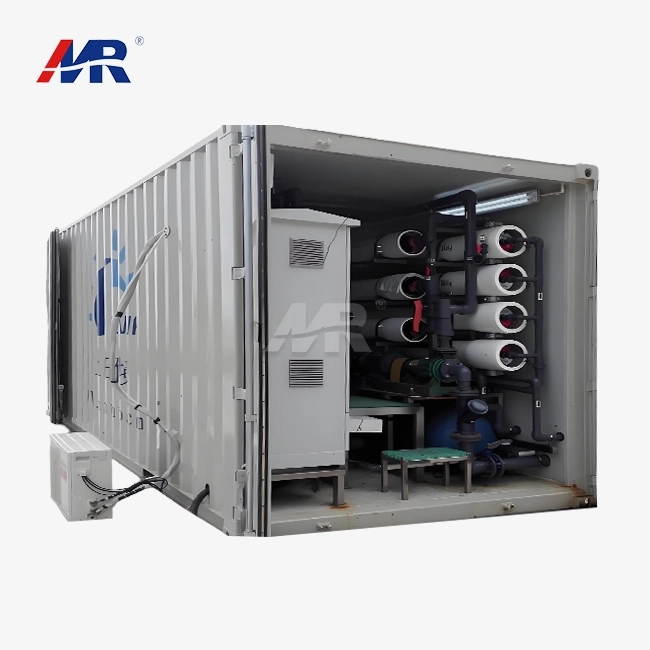 VIEW MOREcontainerized ro systems
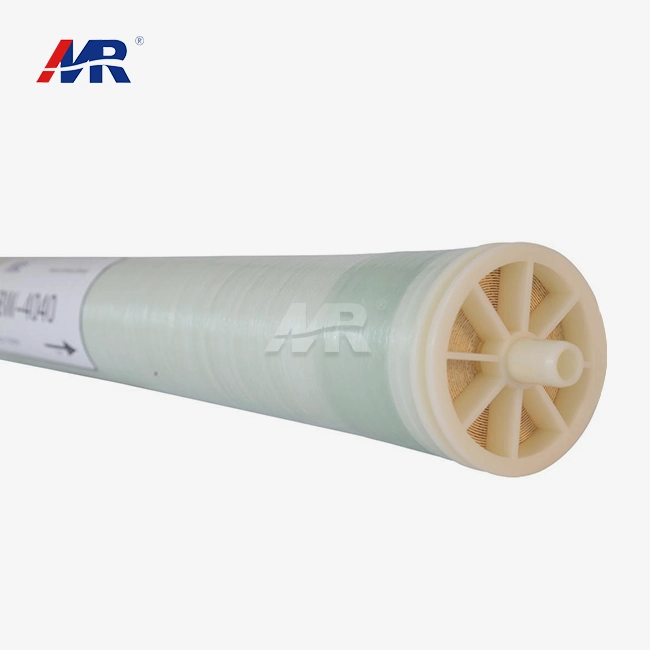 VIEW MOREro membrane
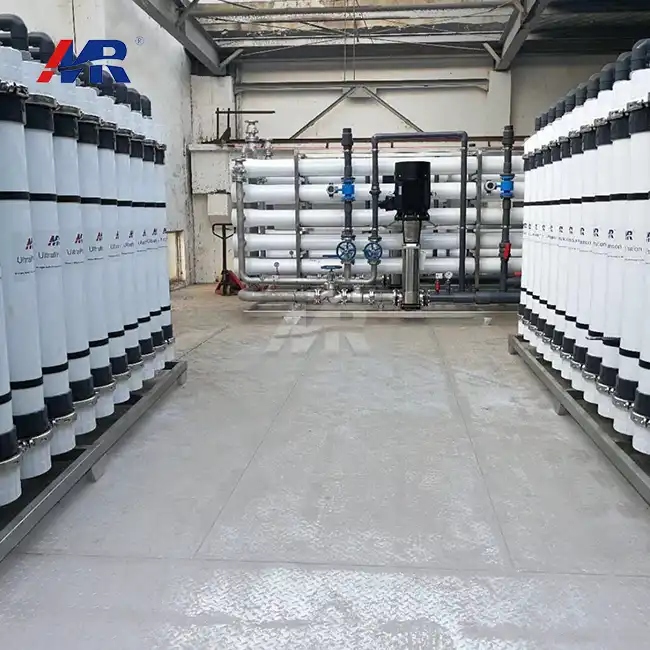 VIEW MORE2000m3/day ultrafiltration equipment
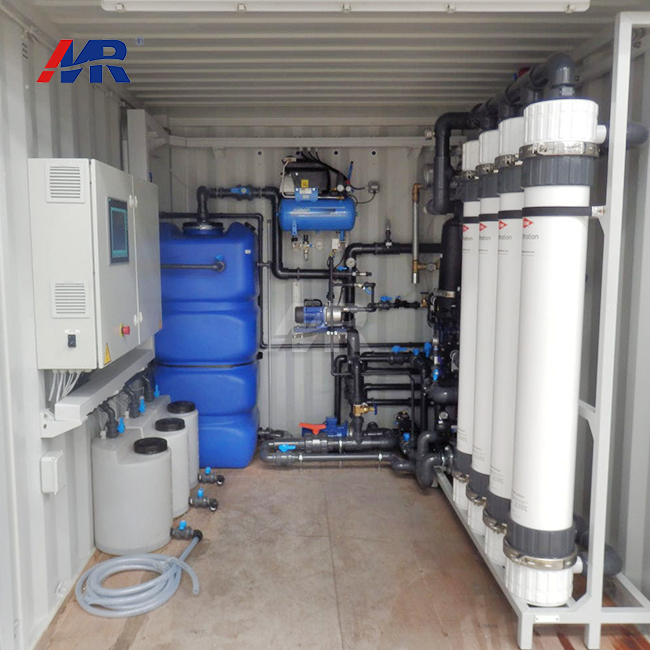 VIEW MOREcontainerized ultrafiltration equipment
 VIEW MOREedi water purification system
