

_1745823981883.webp)

Where to Buy Ultrafiltration Units: Trusted Suppliers Guide
If you can find trusted sources for ultrafiltration units, your water cleaning work will go from being hard to being easy. People who are looking for membrane filter systems often have questions about how real they are, what their technical specs are, and how they can get help after the sale. Trusted providers offer more than just tools. They also offer engineered solutions that are backed by licenses, large service networks, and a history of success in fields like pharmaceuticals, food preparation, and public water treatment. Finding manufacturers and distributors with low prices and technical know-how is key to making sure your investment gives you steady performance and follows all the rules.
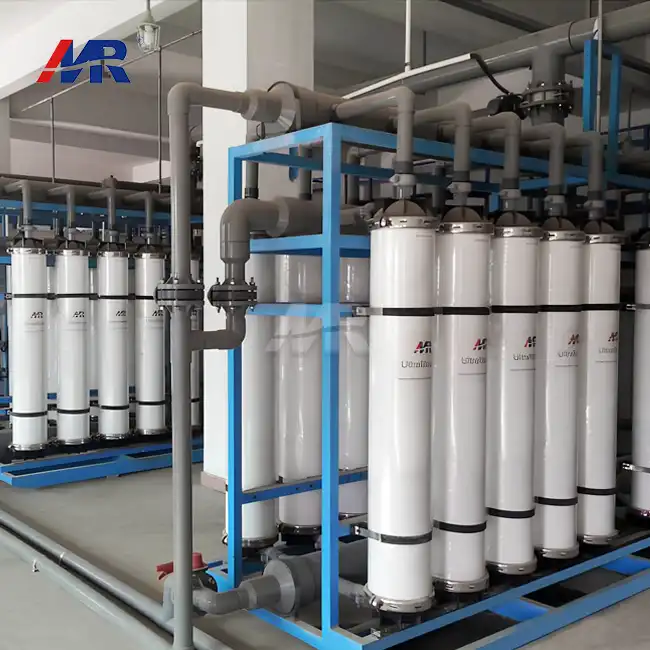
Understanding Ultrafiltration Units and Market Needs
What Makes Ultrafiltration Technology Essential
Ultrafiltration is a membrane separation method that is driven by pressure and works in a screening range of 0.001 to 0.1 microns. This technology works like a molecular screen by pushing liquid against a layer that lets some things through but not others. Water and low-molecular-weight solutes, such as salts and sugars, can pass through the membrane without any problems. However, the membrane does a good job of blocking floating solids, colloids, bacteria, viruses, and proteins.
Critical Pain Points Solved by UF Systems
From my work with corporate clients, I know that ultrafiltration systems solve three main problems. The technology keeps downstream reverse osmosis systems safe by lowering the Silt Density Index to below 3 all the time, even when the feed water's turbidity changes. This stops expensive ro membrane fouling that slows down production and raises the cost of upkeep.
uf membranes create a physical barrier that reduces pathogens like Cryptosporidium and Giardia by 4 to 6 logs. This is a lot better than regular media filtration, which has trouble getting rid of these pathogens fully. In science and food preparation, UF systems let heat-sensitive proteins and enzymes be concentrated and sterilized without breaking down, which can happen with thermal evaporation methods.
Industries Driving UF Demand
The pharmaceutical and laboratory industries depend on UF equipment to make clean water that meets GMP standards. These systems are needed by companies that make food and drinks to make sure that the water used to make bottled water and drinks is clean. Ultrapure water machinery that combines RO and EDI is used in the electronics and semiconductor businesses to do precise manufacturing chores like cleaning chips.
UF and RO are added to municipal water plants to improve the cleaning of drinking water, and membrane technology is used for deep treatment in wastewater treatment plants. Reliable ultrafiltration systems are needed for projects that remove salt from saltwater along the coast, for thermal and nuclear power plants that need ultrapure boiler feed water, and for medical facilities that need dialysis-grade water.
How to Choose the Right Ultrafiltration Unit for Your Business
Assessing Your Operational Requirements
To choose the best membrane filtration system, you must first know how much water you need to filter every day, what quality standards the water must meet, and how much room you have available. The amount of production determines the membrane surface area needed. The features of the feed water, such as turbidity, Total Dissolved Solids, and organic loading, decide the membrane material to use and the pre-treatment steps that need to be taken.
Key Evaluation Metrics
A number of technical factors help people make good decisions about what to buy. The pores are usually between 0.01 µm and 0.05 µm in size, and their Molecular Weight Cut-Off numbers are between 1,000 and 500,000 Daltons. The chemistry of the membrane is very important. Polyvinylidene Fluoride is strong and resistant to oxidants, and Polyethersulfone is water-friendly and has high flow rates.
Configuration choices have a huge effect on speed. Hollow fiber designs have a high packing density and can be back-washed, making them good for treating water. On the other hand, spiral wound or tube designs are better for heavy industrial and food uses with a lot of solids. Transmembrane Pressure should be between 0.5 and 2.0 bar, and pH levels should be between 2 and 11, based on the type of material used.
Comparing Filtration Technologies
Figuring out how UF systems stack up against other technologies can help you make better investment choices. Reverse osmosis works at much higher pressures (10–80 bar) and gets rid of dissolved salts. This makes it good for desalination, but it uses a lot more energy. Nanofiltration is between UF and RO. It removes divalent ions while letting monovalent salts pass.
An ultrafiltration unit offers advantages such as near-complete removal of suspended solids (turbidity <0.1 NTU), chemical resistance (modern PVDF membranes can tolerate up to 2,000 ppm-hours of chlorine exposure), and lower energy consumption compared to NF or RO. These factors reduce operating costs for pumping while maintaining consistent water quality.
Balancing Cost and Performance
The starting cost of cash must be weighed against the total cost of ownership by procurement teams. Even though superior membrane materials cost more up front, they last longer and are less likely to break down chemically, so they don't need to be replaced as often. Because energy economy has a direct effect on running costs, low-pressure UF systems are a good choice for high-volume uses. Downtime costs are affected by how reliable a supplier is. Vendors who offer quick technical help and spare parts keep production breaks to a minimum.
Where to Buy Ultrafiltration Units: Trusted Suppliers and Marketplaces
Leading Manufacturers and Their Strengths
The global water treatment equipment market includes several established manufacturers recognized for innovation and quality. Specialized companies that make membranes usually have full product lines with a wide range of sizes and shapes. When looking at possible providers, you should think about their R&D skills, factory Certifications, and the number of customers in your business.
With more than 14 locations and more than 500 workers, including 20 expert engineers, Guangdong Morui Environmental Technology is a great example of an integrated supplier. Their vertical integration includes factories that make their own membranes and factories that process a lot of different kinds of equipment. This structure lets you make unique solutions while keeping an eye on quality throughout the whole manufacturing process. Partnerships with part names like Shimge Water Pumps, Runxin Valves, and Createc Instruments also make sure that the subsystems work well together.
Importance of Authorized Distribution Channels
When you buy from approved distributors and qualified dealers, you can be sure that the product is real and that you will get good customer service after the sale. Genuine substitute parts can only be bought through authorized outlets. This makes sure that membrane modules and seals meet the requirements of the original equipment. If you follow the manufacturer's instructions for fitting, your warranty will still be valid. This will keep your investment from failing before it should.
Certified sellers usually have expert staff that has been trained by the makers and can properly set up and fix problems. This knowledge is very helpful during the beginning phase, when optimizing parameters determines how well the system will work in the long run. Regional wholesalers often keep important extra parts in stock close to home. This cuts down on lead times when repair plans call for replacing parts.
Navigating B2B Marketplaces
Online sites for buying things are convenient and offer good prices, but they need to be carefully checked out. Verified seller programs on well-known B2B markets give buyers some peace of mind about the legitimacy of a supplier. Technical specifications, on the other hand, need to be thoroughly checked. Ask for third-party test results that back up promises about membrane performance and material certifications.
It's easier to judge a seller's technical skills and customer service response when you talk to them directly. Ask specific questions about how long the membrane will last under your working conditions, how well it will work with the chemicals in your process streams, and what customization choices are available. Long-term value is usually higher for suppliers who show they have a lot of technical understanding and are happy to talk about application problems.
Considerations for Refurbished Equipment
Businesses that are trying to stick to a budget can save money by buying used or refurbished ultrafiltration units. Because membrane units have limited useful lives based on total working hours and chemical exposure, it is important to know how much time is left. Reputable refurbishers test the whole thing, repair any worn parts, and offer restricted guarantees that cover certain performance factors.
Buyers should ask for thorough repair histories that show how the membrane has been used in the past, how it was cleaned, and if it has been replaced at any point. Checking for compatibility makes sure that rebuilt skids work well with current systems. Even though the original savings may seem appealing, you should add up all of your total ownership costs, which could include replacing the membrane too soon and not having as much technical help as with new equipment.
Maintenance, Support, and Service Considerations When Purchasing Ultrafiltration Units
Essential Maintenance Practices
Keeping membranes from getting clogged up keeps them working well and increases their usefulness. Backwashing regularly gets rid of particles that have built up on membrane surfaces, and backwashing with chemicals breaks down organic matter and biological growth. Monitoring changes in Transmembrane Pressure shows how fouling is progressing before a drop in flow affects production capacity.
When regular backwashing isn't enough, Clean-In-Place methods that use acids, alkalis, and oxidants can fix membrane leakage. How often and how hard CIP processes are done depend on the characteristics of the feed water and the operating pressures. When suppliers give you detailed maintenance routines that are made to fit your needs, you don't have to go through as many trial-and-error improvement times.
Warranty Terms and Spare Parts Availability
A full warranty shows that the maker is confident in the product's longevity. Standard warranties usually cover flaws in the materials and work for 12 to 24 months. Performance promises for membranes may last longer if you keep track of the right upkeep. Make it clear what actions will cancel the guarantee. Usually, claims are denied when the warranty is violated by illegal changes, operation outside of the stated limits, or the use of chemicals that aren't allowed.
The supply of spare parts has a direct effect on the continuation of operations. Important parts like membrane modules, closing elements, and control valves should be easy to get by either stocking them locally or setting up fast shipping. Maintaining regional service centers by suppliers cuts down on downtime during emergency fixes, keeping production plans from being interrupted for long periods of time.
Supplier Responsiveness and Technical Support
Respondent expert help is what sets exceptional providers apart from average ones. During commissioning, experienced field engineers adjust the control settings so that they fit the properties of your feed water and the quality goals you set for the product. Support that lasts through remote tracking, helps with fixing problems, and regular performance checks keep the system running smoothly.
Training programs that give your workers and repair staff a deep understanding of the system make it less necessary to call outside for help. Documentation that includes Piping and Instrumentation Diagrams, Standard Operating Procedures, and troubleshooting guides gives internal teams the tools they need to easily run normal tasks while also knowing when they need help from an expert.
Pricing and Procurement Tips for Ultrafiltration Units
Understanding Cost Drivers
The main factor that affects cost is the quality of the membrane. High-end materials that are made to be resistant to chemicals and last a long time mechanically cost more but last longer. Filtration capacity goes up as the membrane surface area goes up. This means that systems that treat larger amounts need more modules, which means they cost more to buy.
The image of a brand affects its prices, with well-known companies using their track records to support charging more. Total project costs are affected by how hard the installation is. For example, skid-mounted ultrafiltration units that can be set up with just a plug-and-play cable require less on-site work than field-erected systems that need a lot of plumbing and instrumentation integration.
Effective Negotiation Strategies
When you buy in bulk, you can get savings and better payment terms. Buyers who want to do more than one installation or a phased growth should talk to sellers about framework deals that set unit prices for future orders. When you buy tools along with service contracts, extra parts packages, and operator training, you often get a better deal overall than when you negotiate for each part separately.
Customized contract deals that meet the needs of a business improve relationships with suppliers. Performance promises linked to payment goals, flexible delivery schedules that work with building schedules, or sale inventory arrangements for important extra parts are some of the options. Talking openly about budget limits and practical goals helps reputable suppliers build bids that get the most value for the money.
Value of Professional Installation Services
The performance and life of a system are greatly affected by how well it is installed. If the pipes are not set up properly, they can cause hydraulic problems that load the membrane unevenly and cause it to fail early. When electrical links or computer programming are done wrong, it can slow down operations and put people in danger. Professional installation teams bring specialized knowledge to make sure that systems work as planned from the very first start-up.
Packages from vendors that include installation and finishing services make it easier to carry out projects. When problems happen, single-source responsibility stops equipment sellers and installation contractors from blaming each other. Performance verification testing, operator training, and record turnover are all common parts of full packages. These set clear standards for future performance tracking.
Conclusion
To find the right ultrafiltration unit, you have to weigh the technical specs, the reliability of the provider, and the total cost of ownership. Suppliers you can trust offer high-quality Products and strong customer service networks, so you can be sure that your investment will work well for many years. Whether you're making drugs, treating water for cities, or using industrial processes, choosing vendors who understand your business hurdles and legal requirements changes buying from a transactional to a strategic process. There are many choices in the market, such as direct makers, approved wholesalers, and online platforms. Each has its own benefits. To be successful, you need to carefully consider your needs, make sure you communicate them clearly, and work together with sellers who are dedicated to your long-term business success.
Frequently Asked Questions
1. What capacity range should my business consider?
The system's capacity is based on the maximum flow needed and the safety buffer that is wanted. Small businesses, like labs, need 500 to 5,000 liters of water per hour. Large corporate and city plants, on the other hand, may need 100,000 to 500,000 liters per hour or more. Find your peak demand at the same time, then add 20 to 30 percent to your capacity to account for future growth and repair breaks. Suppliers can "right-size" setups so that neither too small systems slow down production nor too large systems waste money.
2. How often do membranes need to be changed?
How long a membrane lasts depends on the quality of the feed water, the working pressure, and how well it is maintained. If you keep your systems in good shape, they can clean pre-filtered city water for 5 to 7 years. But in tough situations with a lot of organic matter or rough particles, they might need to be replaced every 2 to 4 years. Monitoring normalized flux and pressure trends on a regular basis can help you figure out when to replace something before a major failure stops activities.
3. Can UF systems handle variable feed water quality?
Good ultrafiltration systems can handle small changes in the feed water by making tweaks to the controls automatically. Extreme changes in density, temperature, or chemical makeup, on the other hand, put stress on membranes and shorten their useful life. Pre-treatment with coagulation, sedimentation, or media filtration keeps the conditions at the entrance stable, which protects the investment in the membrane. Talk to your sources about the worst-case scenarios for your feed water to make sure you get the right system specifications.
Partner with Morui for Comprehensive Ultrafiltration Solutions
Guangdong Morui Environmental Technology can meet your membrane filtration needs with custom-designed systems backed by manufacturing know-how and stability that has been tested in the field. Our 20 expert engineers work with clients in a wide range of fields, from desalinating seawater and making drinking water to treating industrial wastewater and cleaning process water. We offer custom solutions that are made to fit your exact needs as a seller of ultrafiltration units with our own production and processing facilities for membranes. Our national service network of 14 branches makes sure that technical help is quick to respond and that spare parts are always available. This keeps downtime to a minimum and keeps production plans safe. You can talk about your water treatment problems with benson@guangdongmorui.com and find out how our integrated method provides operational excellence and a measurable return on investment.
References
1. American Water Works Association. (2021). Ultrafiltration Membranes for Water and Wastewater Treatment: Manual of Water Supply Practices M53. Denver: AWWA Publications.
2. Baker, R.W. (2020). Membrane Technology and Applications (4th Edition). Hoboken: John Wiley & Sons, Inc.
3. Environmental Protection Agency. (2019). Membrane Filtration Guidance Manual. Washington, D.C.: EPA Office of Water.
4. International Desalination Association. (2022). Membrane Technology in Water Treatment: Industry Best Practices. Topsfield: IDA Publications.
5. Mulder, M. (2018). Basic Principles of Membrane Technology (3rd Edition). Dordrecht: Kluwer Academic Publishers.
6. World Health Organization. (2020). Water Treatment and Pathogen Control: Process Efficiency in Achieving Safe Drinking Water. Geneva: WHO Press.
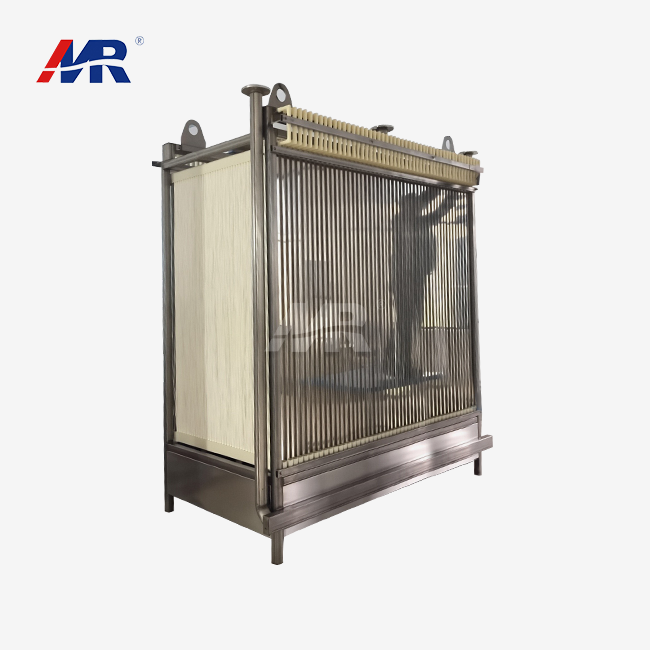 VIEW MOREsubmerged membrane bioreactor
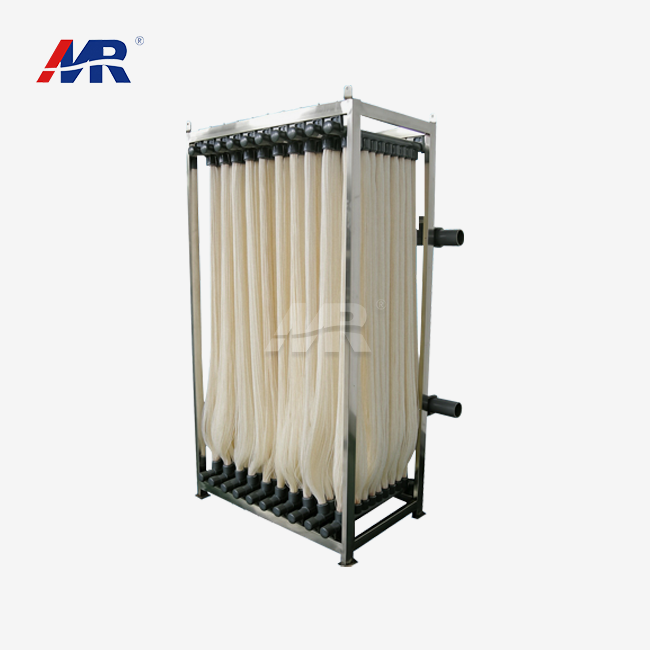 VIEW MOREbiological reactor wastewater treatment
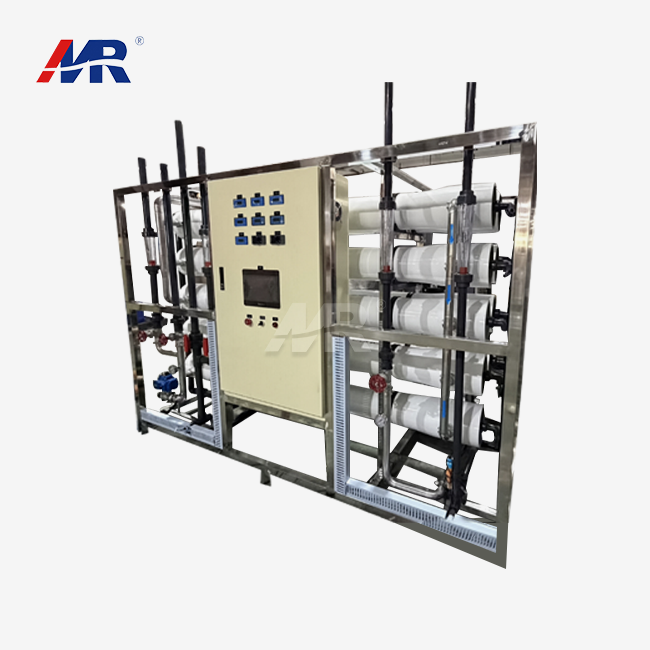 VIEW MORE8 stage reverse osmosis system
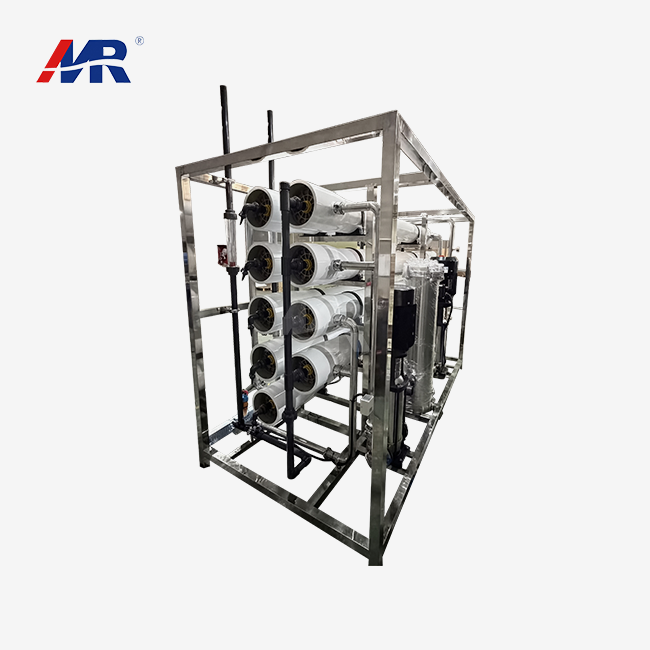 VIEW MOREro reverse osmosis water filter
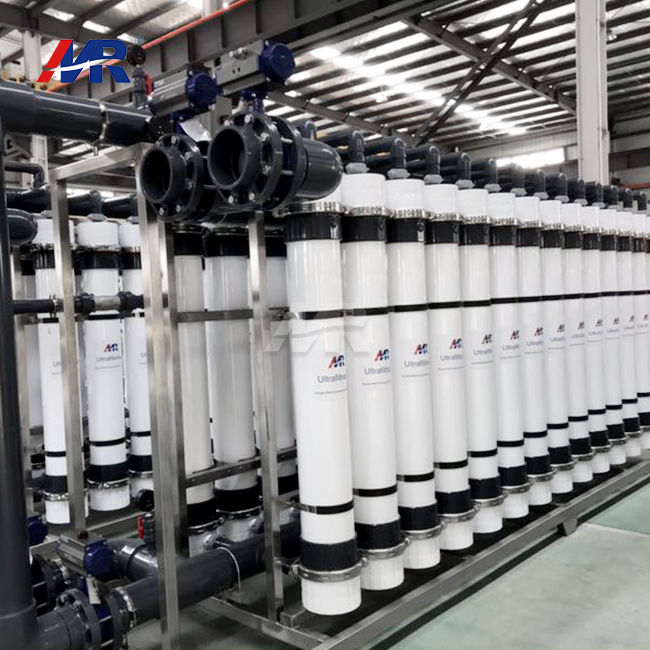 VIEW MOREultrafiltration machine
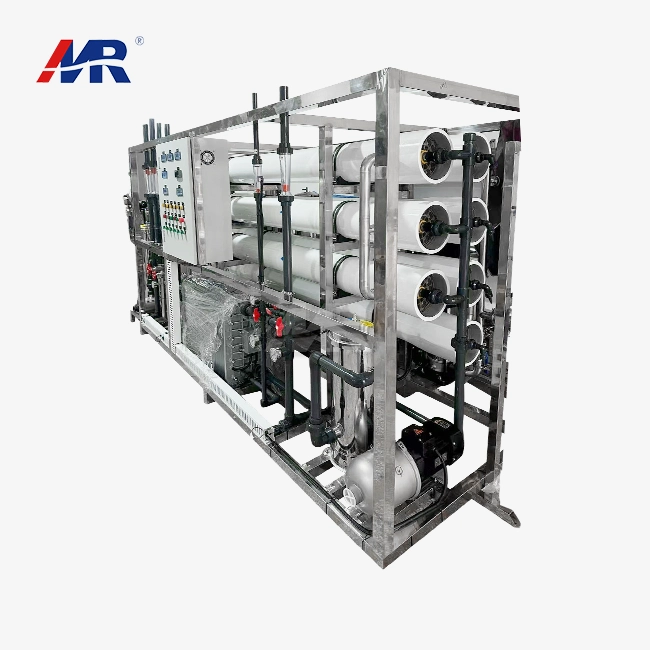 VIEW MOREedi module water treatment
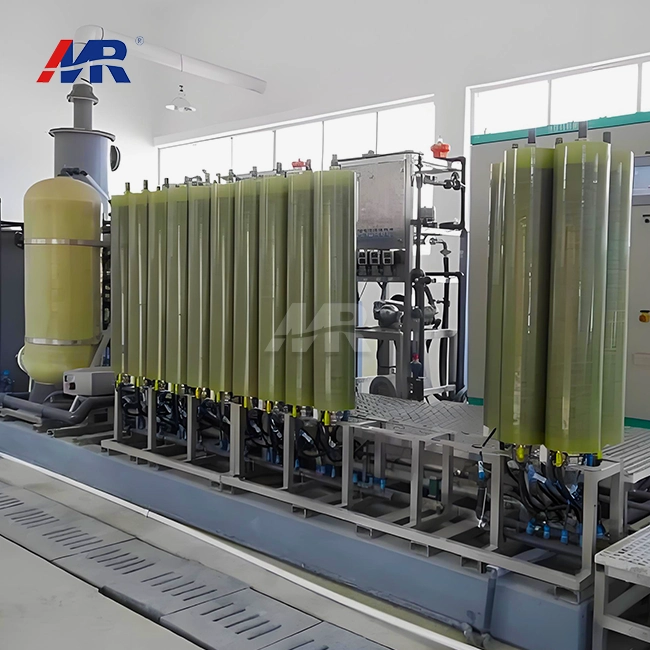 VIEW MOREDTRO Landfill Leachate Treatment
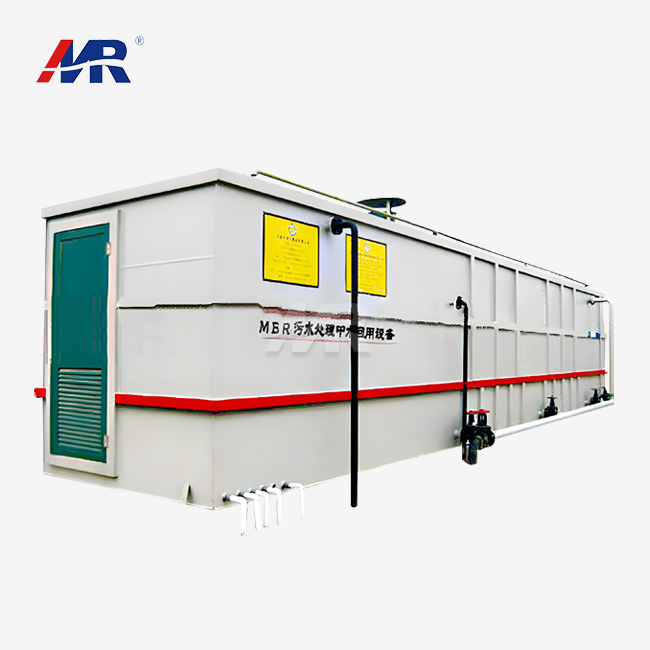 VIEW MOREsewage treatment plant MBR system
