

_1745823981883.webp)

Compact 100 GPD RO Systems for Aquariums: Features & Benefits
A 100 gpd RO system can remove 99% of dissolved solids, chlorine, and other impurities from 100 gallons of water daily. The compact size of these units makes them ideal for aquariums, where marine life and coral ecosystems need clean water. These systems fulfil the demanding water quality standards of commercial aquaculture operations, research laboratories, and public tanks without requiring much floor space or infrastructural improvements. This is done via multi-stage filtering and space-efficient architecture.
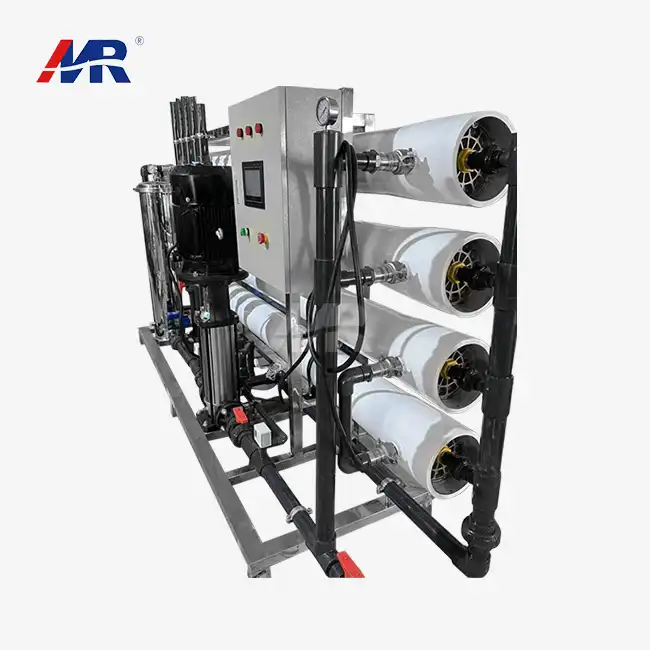
Understanding Compact 100 GPD RO Systems and Their Core Features
A tiny aquarium reverse osmosis system features precision-engineered elements that fit nicely and are compact. Understanding how these elements fit helps purchasing teams assess whether the technology fulfils company goals and budget.
System Capacity and Compact Design Advantages
These systems generate 100 gallons of water daily, the ideal output-to-size ratio. The tiny design, 18 to 24 inches tall and 12 to 15 inches broad, may be fitted in machinery rooms, lab corners, or aquarium maintenance areas. This size is ideal for medium-sized aquariums, 200- to 500-gallon coral development tanks, and areas that require daily water changes without industrial gear.
Essential Components That Ensure Filtration Efficiency
Modern 100-gpd RO systems contain sediment pre-filters that collect 5 microns. This prevents downstream clogging. Next are carbon block filters, which remove chlorine and volatile chemicals that damage membranes. ro membranes, mainly thin-film hybrids, remove dissolved salts, heavy metals, and nitrates using semi-permeable barrier technology. A booster pump maintains 60–80 PSI over the membrane surface, increasing rejection rates and membrane life. Automatic shut-off valves save water when holding tanks are full, improving efficiency.
The Multi-Stage Filtration Process Explained
Sediment screens remove rust, sand, and other particles from municipal or well water during pre-filtration. Surface adsorption by activated carbon screens absorbs chlorine and organic contaminants. The RO membrane receives compressed water. Osmotic pressure drives only water molecules through microscopic pores, leaving 95–99% of dissolved solids. Adding carbon to filtered water removes any remaining tastes or odours before it reaches storage tanks. This step-by-step procedure maintains water quality variables for coral to build calcium carbonate, fish to maintain osmotic balance, and closed aquarium systems to maintain pH.
Benefits of Using Compact 100 GPD RO Systems for Aquariums
Choosing the correct water filtration method influences water quality, costs, and maintenance. Technical decision-makers and site managers benefit from these technologies in many operational areas.
Superior Water Quality for Sensitive Aquatic Life
Reef tanks always include phosphates, silicates, and nitrates that encourage algae growth. Reverse osmosis removes them. Total dissolved solids are reduced to 10 ppm by these methods, cleaning the water. This helps each species get calcium, magnesium, and trace elements as needed. Research in aquaculture journals demonstrates that fish grown in RO-purified water had fewer stress indicators and better immune system responses than tap water fish. Coral polyp extension rates increase 15–20% in heavy metal-free water. This results in quicker development and better colours in commercial breeding.
Space Efficiency and Energy Conservation
When functioning, compact 100 gpd RO system units utilize 40–60 watts, like a light bulb. This is less than larger or earlier deionization sets. Due to its smaller size, it may use existing infrastructure, saving money on improvements. An energy analysis found that these devices require $8–12 a month to operate constantly. This makes them affordable for small to medium-sized organizations with restricted operational budgets. Avoiding ion exchange resin chemical recycling eliminates the need to handle hazardous Products and their expenses.
Simplified Maintenance and Long-Term Reliability
Pre-filter tubes should be changed every 6–12 months, depending on water quality. When used properly, RO membranes last 24–36 months. This maintenance timetable reduces unnecessary downtime and helps you stockpile replacement parts. Pressure gauges reveal when filters need servicing, and TDS meters display real-time system performance, making troubleshooting straightforward. Instead of paying skilled technicians, institutions might train their workers to do routine repairs, reducing their requirement for service contracts.
These practical advantages match crucial purchase criteria: a known total cost of ownership, minimum facility adjustments, and steady performance that preserves livestock investments.
Comparison: Compact 100 GPD RO Systems vs Other Solutions
Technical decision-makers should compare tiny reverse osmosis systems to tank-based water treatment solutions. Measurable success metrics are more important than marketing promises in this investigation.
Performance Against Lower Capacity 50 GPD Units
Initially $50 to $80 cheaper, 50 GPD systems can't keep up with water changes in tanks beyond 150 gallons. Running a 50 GPD unit constantly to fulfil demand halves membrane lifetime due to component wear. The 100 gpd RO system architecture allows for operational flexibility. Daily water changes may be done with adequate capacity for disease outbreaks that need speedy tank turnover. Peak demand shows that a 50 GPD system generates 2 gallons of water per hour, whereas a 100 GPD RO system produces 4 or more. This affects labour scheduling and water supply during critical repairs.
UV Purification and Chemical Treatment Limitations
UV sterilizers destroy pathogens but not heavy metals, liquid solids, or chlorine compounds. Facilities that blend UV light with unclean tap water still have algae, pH, and trace metal accumulation that strain animals. Chemical dechlorinators add sodium or sulphur to tank water. This raises the ionic burden. Reverse osmosis physically removes pollutants to isolate the issue. It provides a full solution that UV and chemical treatments cannot. Many contemporary aquariums purify the water with RO first and then destroy bacteria with UV. These aquariums cleverly blend technology instead of considering them as opposites.
Whole-House Systems: Overkill for Targeted Applications
Home whole-house RO systems produce 300 to 500 GPD but cost $2,000 to $4,000 to install and consume more water and energy. Aquarium-specific demands seldom need this much area, unless they're feeding numerous large display tanks. The modest 100 gpd RO system targets the actual usage to avoid treating water for sanitation or landscaping. Capital expenditure analysis usually favours the right-sized equipment over too-large choices, which boosts both the purchase price and company expenses.
Famous water treatment companies that have used their products in aquaculture provide trustworthy 100 gpd RO system models. Warranty periods for parts are normally one to three years, and membrane performance claims specify the lowest failure rates. To reduce inventory expenses, procurement teams should evaluate whether suppliers provide professional assistance, replacement parts, and on-time delivery networks.
Installation and Maintenance Guide for B2B Clients
Installing small reverse osmosis systems requires careful site conditions, proper connections, and easy-to-follow maintenance methods for technical teams. This section offers practical application suggestions from real-world experience in various building types.
Site Assessment and Preparation Requirements
Check source water pressure between 40 and 60 PSI before installation. Many systems include additional pumps, but if pressure is low, you may need more. Place it fewer than 10 feet from the tank system to shorten the product water line and reduce contamination. Make sure there are adequate wastewater drains since 3–4 gallons of cleansed water are produced. To maintain membrane integrity and rejectivity, work between 40°F and 100°F. Facilities in seasonal climates may require climate-controlled building spaces.
Connection to Water Supply and Distribution
Most feed water lines utilize 3/8-inch tubes with push-connect connections for easy installation without equipment. Install a cold water line instead of hot, which accelerates membrane degradation. Product water may flow directly into aquarium sump systems using float valves to replenish evaporation losses or into pressure holding tanks (4-5 gallons) for hand-changes. Drain rejected water to authorized waste systems. Some municipalities allow drain dumping, while others require high-TDS wastewater treatment. While designing, check local laws to prevent compliance issues after installation.
Routine Maintenance Protocols and Troubleshooting
Setting up a maintenance schedule extends machine life. Sediment filters should be examined monthly and changed when flow rates decline dramatically or pressure differences exceed manufacturer recommendations. Carbon filters last 6–12 months, depending on chlorine levels. The membrane is nearing its end if the product water TDS is more than 10% of the source water TDS. To remove bacterial fouling, clean annually with hydrogen peroxide or RO cleansers. Low flow (clogged pre-filters), excessive product TDS (membrane repair), and unstoppable drain flow are frequent operational issues. Monitoring pressure gauges and flow meters enables you to spot performance issues before they impair tank water quality.
Engineering teams may fulfil frequent servicing requirements without waiting for orders by stocking sediment filters, carbon cartridges and check valves. Technical aid from suppliers is crucial for fixing complex issues like premature membrane fouling, which may indicate source water chemistry concerns that need extra pre-treatment.
Procurement Insights: Choosing the Right 100 GPD RO System Supplier
Buyers and sellers of water cleaning products have relationships that go beyond the original sale. When making a purchase choice, you should look at more than just the product specs. You should also see how well the seller can support long-term operating success through technical know-how, parts availability, and quick service.
Quality Assurance and Performance Verification
Reliable sellers offer third-party testing approvals that prove the rate of contaminant rejection and the durability of the parts. The NSF/ANSI Standard 58 certification shows that the system meets standards for treating drinking water. This is a useful standard even for aquariums that don't treat drinking water because it shows that the system has been tested thoroughly. Instead of taking marketing numbers as fact, ask for proof of real membrane rejection rates for contaminants that are important to your source water profile. Performance promises should say what kind of water quality is expected and how long systems should last under certain situations. This way, if systems don't work as expected, someone can be held responsible.
Total Cost Analysis Beyond Purchase Price
To evaluate offers, you need to figure out the total cost of ownership over three to five years. Include how much a new filter costs, how often the membrane needs to be replaced, how much water and power are expected to be used, and any service contracts that are needed. Some sellers have plans where you can buy a lot of filters at once and save 20 to 30 percent on each one compared to buying a cartridge at a time. There are a lot of different types of warranties, and plans that cover everything, including membranes, are worth more than plans that only cover wear parts. Costs and lead times for transportation are important, especially for sites that need to be set up quickly or are in areas with few delivery networks.
Technical Support and Partnership Approach
Good suppliers see sales not as the end of a deal but as the start of a relationship. Check how quickly they are during the question phase. Delays or generic answers are often signs of bad customer service after the sale. Technical support should include help with installation, fixing, and application engineering to make sure the system is set up in the best way for each water chemistry problem. Staff at a facility can do regular jobs on their own with the help of training materials like operation guides, video tutorials, and maintenance checklists. For global operations to work, providers must have foreign shipping and service networks. If replacement parts don't arrive on time, the water quality in aquariums will suffer, and animals may die.
Conclusion
A small 100 gpd RO system cleans the water that is needed to keep aquariums healthy. They do this by using multistage filter technology to get rid of dissolved solids, contaminants, and chemicals that are bad for aquatic species. These units make good use of the room while still being able to produce enough each day. They also have reasonable construction needs and reasonable running costs. When you compare reverse osmosis to other treatment methods, you can see that it cleans everything better than UV sterilization or chemical treatments. Also, making sure the system is the right size prevents it from being inefficient when it's too big. To have a successful implementation, the site must be properly prepared, regular upkeep must be carried out, and suppliers must offer expert help after the sale. Instead of just looking at upfront equipment prices, when comparing choices, give more weight to confirmed performance data, clear total cost analyses, and provider capabilities that support long-term operating success.
Frequently Asked Questions
1. How long do 100 GPD RO system membranes last?
Under normal working conditions and with the right pre-filtration, a membrane will usually last between 24 and 36 months. Longevity is affected by things like the quality of the source water, the stability of the working pressure, and whether or not regular cleaning procedures are followed. High amounts of chlorine or particulate contamination speed up the breakdown process. Regular upkeep of the sediment and carbon filters saves the membrane investment. Checking the TDS of the product water once a month lets you know right away when rejection rates start to drop.
2. Can I connect a 100 GPD system directly to my aquarium sump?
Float valves that automatically refill water lost through evaporation and keep levels stable make the direct link work well. This setup gets rid of the need for regular tracking and makes sure that clean water is always available. Setting up the system means making sure the float valve is at the right height and that the product water line stays clean so that pollution doesn't get in.
3. What source water pressure is required for optimal operation?
Most small 100 gpd RO systems have booster pumps that are made to work with source pressures of 40 to 60 PSI. This is usually the range for municipal water sources, but well systems or buildings where the pressure changes may need extra pumping or pressure control. When the pressure is below the minimum level, production rates and membrane efficiency go down. When the pressure is above the maximum level, seals and fittings can be damaged.
4. How much wastewater do these systems produce?
Usually, 3:1 to 4:1 amounts of reject water are produced by reverse osmosis. This means that 3 to 4 gallons of water are released for every gallon of cleaned water that is made. This concentrate stream has toxins that have been removed and needs to drain properly. Some facilities reuse wastewater for non-essential tasks like watering plants or making up cooling towers, which makes the general use of water more efficient.
Partner with Morui for Reliable 100 GPD RO System Solutions
Guangdong Morui Environmental Technology has 14 offices, over 500 workers, and 20 skilled engineers who help clients all over the world with their water treatment needs. Our small 100 gpd RO system for sale blends tried-and-true reverse osmosis technology with design improvements made possible by years of experience treating water for farming and industry. We make our own membrane parts in special factories, so we can keep an eye on quality all the way through the supply chain. We also keep our prices low, which saves your investment. Our engineering team can help you set up your aquarium so that it works best for your specific water chemistry and flow needs, whether you're in charge of a study tank, a commercial coral propagation business, or a public aquatic show. We sell top component names like Shimge Water Pumps and Runxin Valves. We put the best parts into systems that need little upkeep and are up all the time. Contact our technical experts at benson@guangdongmorui.com to talk about your aquarium water purification needs. We'll give you full product details, performance estimates based on a study of your source water, and clear cost breakdowns that will help you make smart purchasing choices.
References
1. Timmons, M.B. & Ebeling, J.M. (2021). Recirculating Aquaculture Systems, 4th Edition. Ithaca Publishing Company.
2. Spotte, S. (2019). Captive Seawater Fishes: Science and Technology. Marine Science Institute Press.
3. American Water Works Association. (2020). Reverse Osmosis and Nanofiltration: Manual of Water Supply Practices M46, 3rd Edition.
4. Colt, J. & Watten, B. (2018). "Applications of Pure Oxygen in Aquaculture Systems," Aquacultural Engineering, Volume 63, Pages 18-31.
5. Diaz, V., et al. (2022). "Water Quality Parameters in Marine Ornamental Fish Culture," Journal of the World Aquaculture Society, Volume 53, Issue 2, Pages 245-267.
6. National Sanitation Foundation International. (2023). NSF/ANSI Standard 58: Reverse Osmosis Drinking Water Treatment Systems - Certification Requirements.
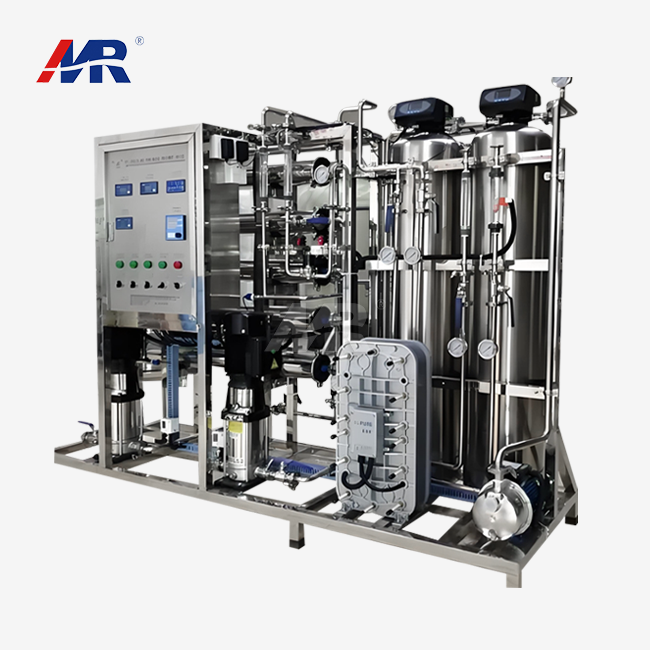 VIEW MOREEDI plant
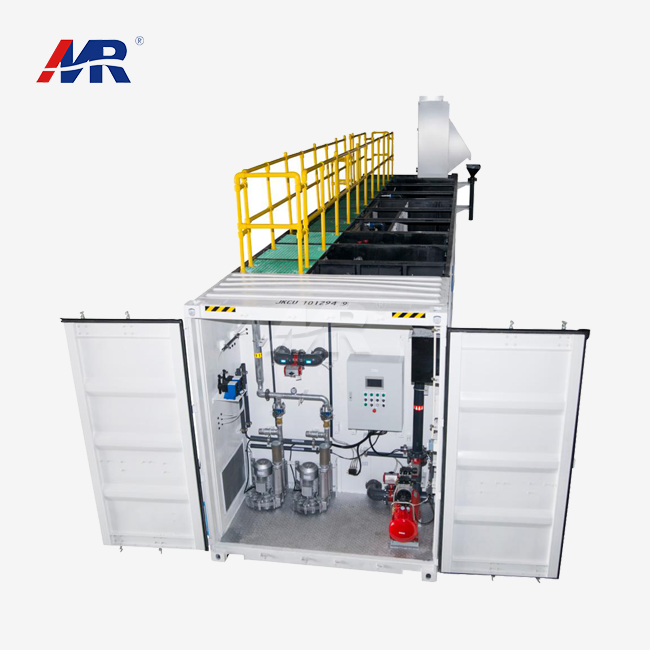 VIEW MOREhome sewage treatment plant
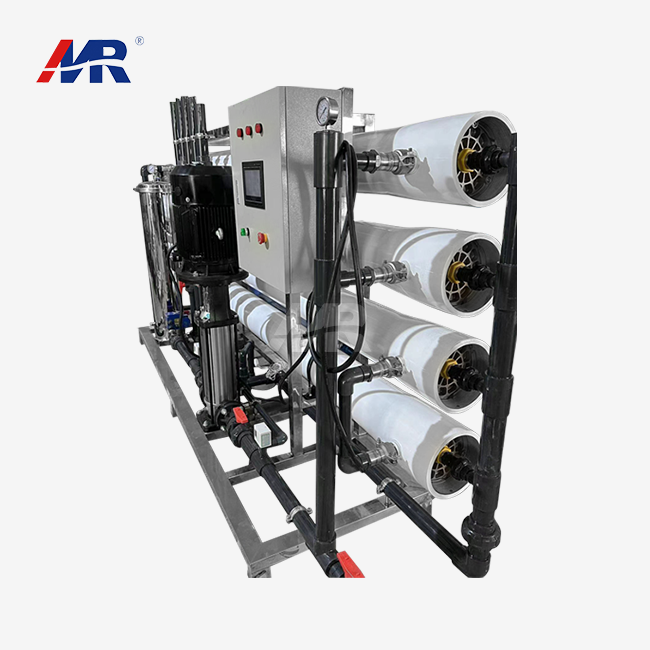 VIEW MOREunder counter reverse osmosis water system
 VIEW MOREbrackish water reverse osmosis systems
 VIEW MORE3T/H reverse osmosis equipment
 VIEW MORE70m3/hour ultrafiltration plant
 VIEW MOREreverse osmosis membrane
 VIEW MOREdomestic wastewater treatment plant
