_1745823981883.webp)

The Cost-Effectiveness of Ultrafiltration in Industrial Water Purification
When industry leaders look at different water treatment methods, they need to know the ultrafiltration cost in order to make smart investment decisions. When compared to reverse osmosis, ultrafiltration systems are very cost-effective because they use less energy, chemicals, and have longer membrane lifespans, all of which directly affect your bottom line. The initial investment ranges from $50,000 to $500,000, depending on the capacity and configuration. Ongoing costs are usually between $0.10 and $0.40 per thousand gallons treated, which makes ultrafiltration a cost-effective solution for use in manufacturing, pharmaceutical, and municipal settings.
Understanding Ultrafiltration Costs in Industrial Applications
Breaking Down Capital Expenditures
Putting money into ultrafiltration systems is more than just buying tools. Procurement managers have to think about membrane modules, pressure tanks, feed pumps, automatic control systems, and solid skid frames when they look at the big picture of money. A medium-sized ultrafiltration plant that processes 100,000 gallons of water every day usually needs to pay between $150,000 and $250,000 for its equipment up front. Installation costs add another 15–25% to this amount, and they vary a lot depending on how the site needs to be prepared, the power infrastructure that is available, and how well it fits in with the current treatment processes.
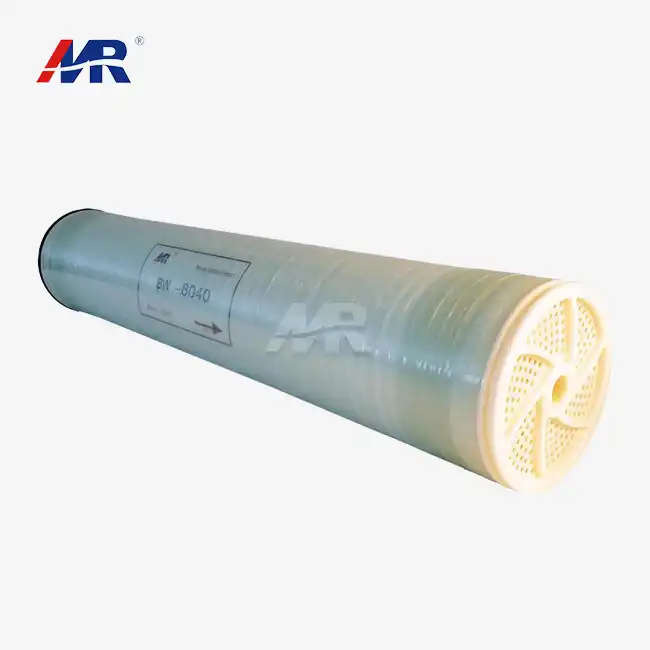
The choice of membrane material has a big effect on both the original cost and the value in the long run. Polyvinylidene fluoride (PVDF) membranes cost more than polyethersulfone options, but their better chemical protection and ability to handle fouling make them more cost-effective over their entire lifecycle. PVDF setups work well in pH ranges from 2 to 11, and they can handle harsh cleaning methods that make them last longer before they need to be replaced.
Operational Expenses That Shape Total Ownership
Energy use is the cost area where ultrafiltration processes have the most recurring costs. When these systems are set to 2 to 5 bar of pressure, they use 60 to 70% less power than reverse osmosis systems. For medium-capacity installations, this means yearly savings of $15,000 to $40,000. This efficiency edge is especially helpful for pharmaceutical centers that run nonstop.
Schedules for replacing membranes have a direct effect on running costs. If you follow the upkeep instructions, high-quality PVDF membranes should last for 5 to 7 years, while lower-grade materials may need to be replaced every 3 to 4 years. If you spread this difference out over ten years, it means that you will not have to pay $80,000 to $120,000 to update a 200,000 GPD machine. Chemical cleaning costs add $5,000 to $15,000 a year, based on the type of water used and how often it needs to be cleaned.
Factors Influencing System Economics
The quality of the feed water turns out to be the most important factor affecting the ultrafiltration cost. High levels of sediment, high levels of organic matter, and biological activity all make membrane clogging more likely, which means they need to be cleaned more often and replaced earlier. Investing in pre-treatment to improve the quality of feed water usually pays off because the membranes last longer.
System size factors balance the use of capital efficiently with the ability to adapt to changing conditions. Modular designs let you gradually increase capacity, which lowers the amount of cash you need at the start while keeping the room for future growth. A company that makes drinks and processes 50,000 gallons of product every day might install a 75,000 GPD system to give them working headroom and support without having to spend a lot of money up front.
Comparing Ultrafiltration Costs with Other Filtration Technologies
Capital Investment Analysis Across Technologies
Ultrafiltration is a good middle ground between regular filtration and more intensive ways of cleaning. Compared to multimodal filtration systems that need about the same amount of money to set up, ultrafiltration removes more contaminants and keeps the wastewater quality stable even when the feed water changes. The extra cost compared to sand filtration is usually between 40 and 60%, but it gets rid of the fouling issues that hurt reverse osmosis systems further down the line.
When put up against reverse osmosis, ultrafiltration systems require 30–50% less capital investment for the same flow rates. A semiconductor plant that needs 300,000 gallons of water every day might spend $400,000 on Ultrafiltration Equipment instead of $600,000 to $750,000 on RO systems. Ultrafiltration, on the other hand, cannot remove minerals like RO can. This means that choosing a technology should be based on water quality goals rather than ultrafiltration cost alone.
Operating Cost Comparisons
A study of operational expenses shows that ultrafiltration can save money in some situations. The energy needed for ultrafiltration is about a third of what is needed for reverse osmosis at the same flow rates. When used for boiler feed water pre-treatment, ultrafiltration uses 0.15 to 0.25 kWh per thousand gallons, while RO systems use 0.45 to 0.75 kWh.
Different technologies have very different maintenance needs. Ultrafiltration systems use automated backwashing that doesn't need much help from an operator. This saves money on labor costs compared to multimedia filters that need to be regenerated by hand. The cleaning chemicals used are about $0.03-0.08 per thousand gallons cleaned, which is a lot less than the chemicals needed for conditioning in regular clearing systems.
Return on Investment Considerations
To figure out ROI, you have to look at lifecycle costs over a normal 15–20-year planning horizon for a building. Ultrafiltration systems that protect RO devices further downstream increase membrane life by 50–80%, which creates measured value by avoiding the need to replace the membrane. If a food processing plant spends $200,000 on ultrafiltration pre-treatment, it could save $100,000 in earlier ro membrane failures over the next five years. This is because cleaning the membranes less often would also mean less downtime.
Dependability in performance directly translates to economic value in fields where production interruptions cost a lot. Pharmaceutical companies with 98% or more of their ultrafiltration systems up and running don't lose validation batches because of changes in water quality, which saves them a lot of money that more than covers the cost of the filtration system.
Procuring Ultrafiltration Systems: Costs and Supplier Insights
Essential Information for Accurate Pricing
To get useful quotes from ultrafiltration providers, you need to give them full technical details. The procurement teams should give a study of the feed water that includes turbidity, total dissolved solids, temperature range, pH, and an estimate of the organic content as a function of chemical oxygen demand. The right system size is based on the flow rate needs, which include both normal and peak demands. Details about the operating plan help providers set up automation that works with the number of workers they have.
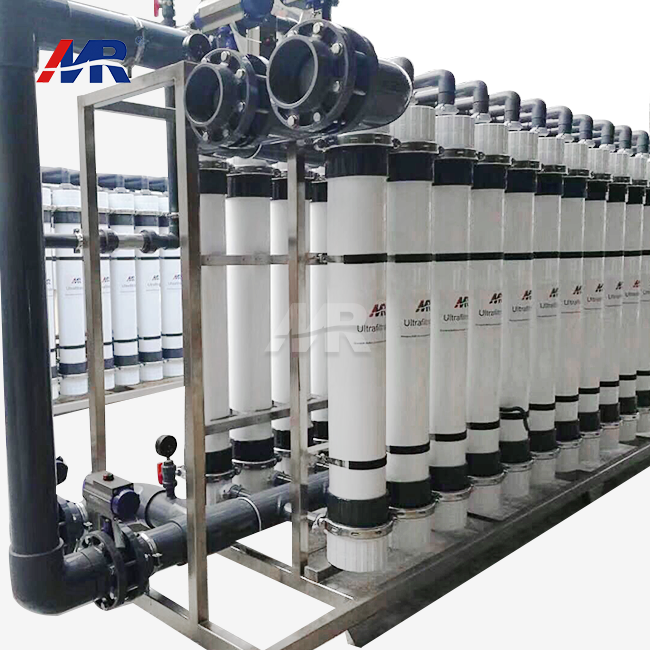
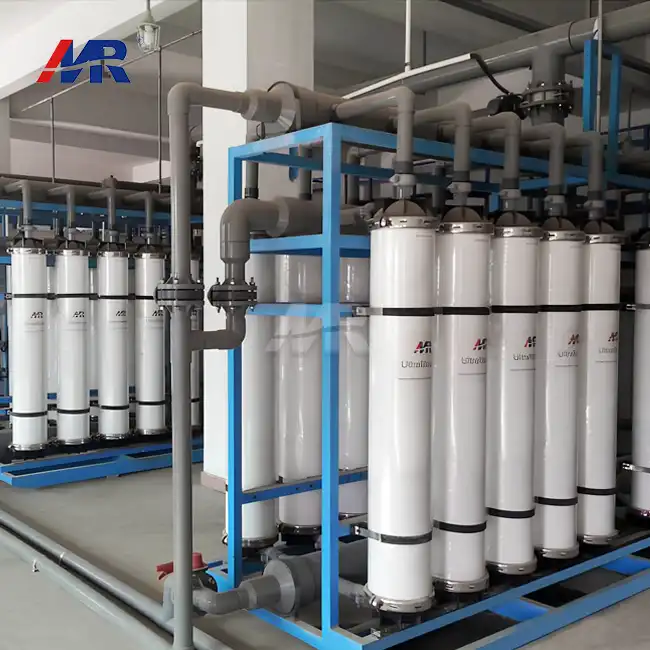
Membrane configuration preferences affect how prices are set. Compared to tube designs, hollow-fiber membrane systems have the most surface area per module, which means they take up less space and cost less to build. In facilities with limited room, a 150,000 GPD hollow-fiber system might take up 120 square feet, while a similar tubular system would take up 200 square feet. This can save space and money.
Evaluating Supplier Pricing Structures
Equipment prices, installation services, operational support, and ongoing upkeep agreements are all separated by clear pricing from reputable providers. Quotes for base equipment usually include pumps, control panels, membrane modules, and pressure tanks. Civil works, piping, electrical hookups, and starting services should all be included in the installation price. Some suppliers offer "turnkey" pricing, which includes delivering the whole job. This makes it easier to buy things, but it might make it harder to see the different costs.
Total cost of ownership is greatly affected by care issues that happen after the sale. Suppliers who give expert help 24 hours a day, seven days a week, quick membrane repair, and performance guarantees reduce risk in a way that is worth a lot of money. A pharmaceutical company that has to follow GMP rules might be able to justify 10-15% price premiums for supplies from companies that show they know about regulations and can provide good paperwork.
Brand Considerations and Cost-Quality Balance
Leading membrane makers can charge higher prices because their Products have worked well in the past. These well-known brands usually have better resistance to fouling, compatibility with chemicals, and mechanical strength, which has been proven by vast industry installations. Most of the time, mid-tier sellers offer competitive alternatives that work well enough for less demanding uses while saving 20–30% on the cost.
Morui uses its ties with several membrane providers to get the best prices without lowering the quality of its products. Our research team chooses membranes based on the needs of each application, rather than automatically choosing high-end options when cheaper ones work just as well. This method has helped clients in the food processing and local water treatment industries cut their capital costs by 15 to 25 percent while still meeting high performance standards.
Strategies to Maximize Ultrafiltration Cost-Effectiveness
Installation Optimization Approaches
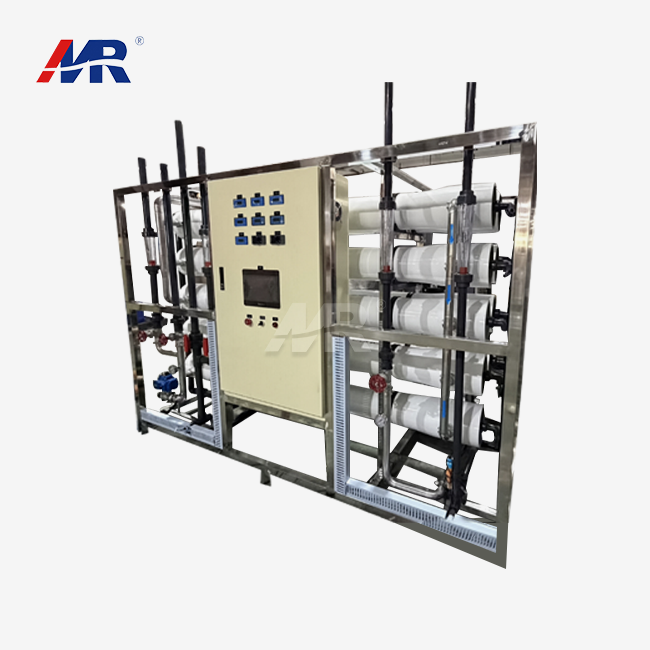
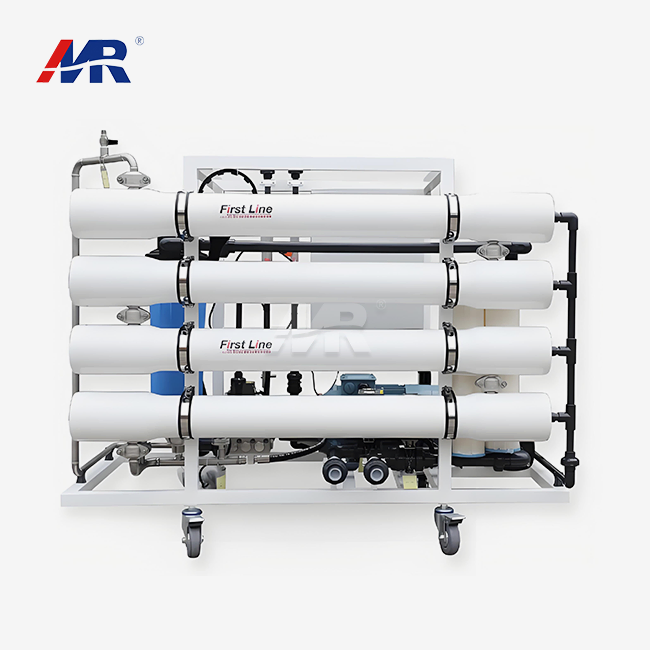
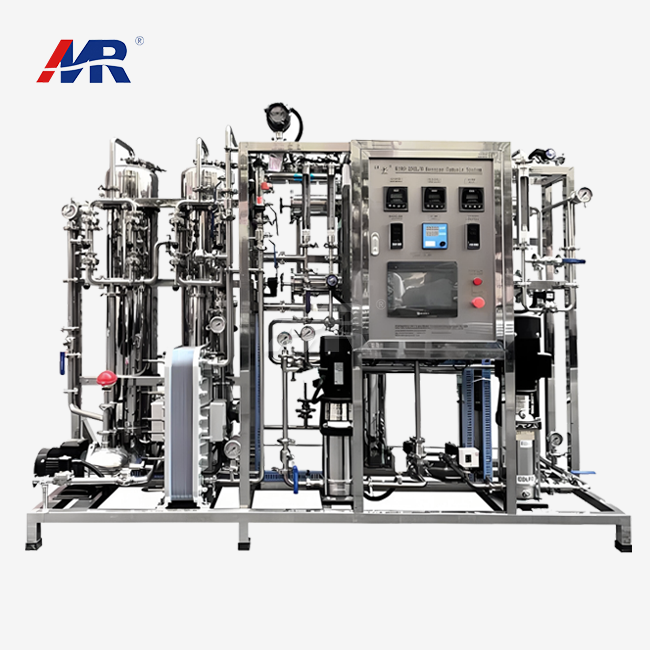
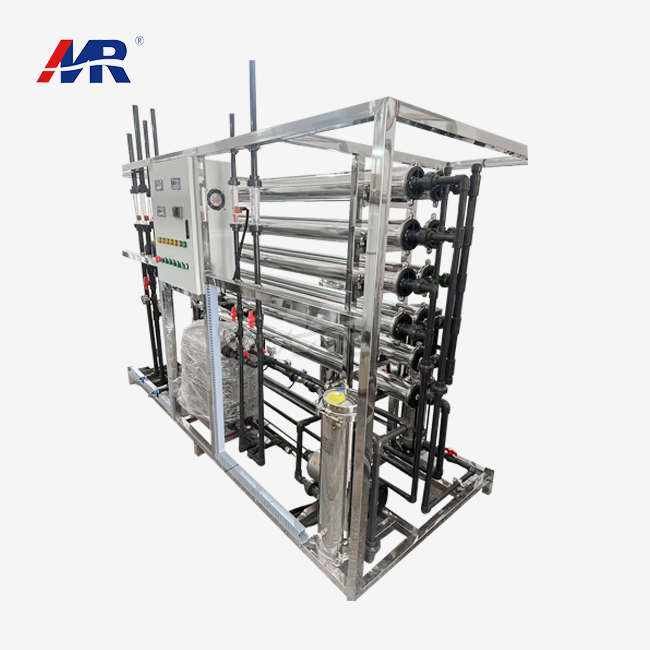
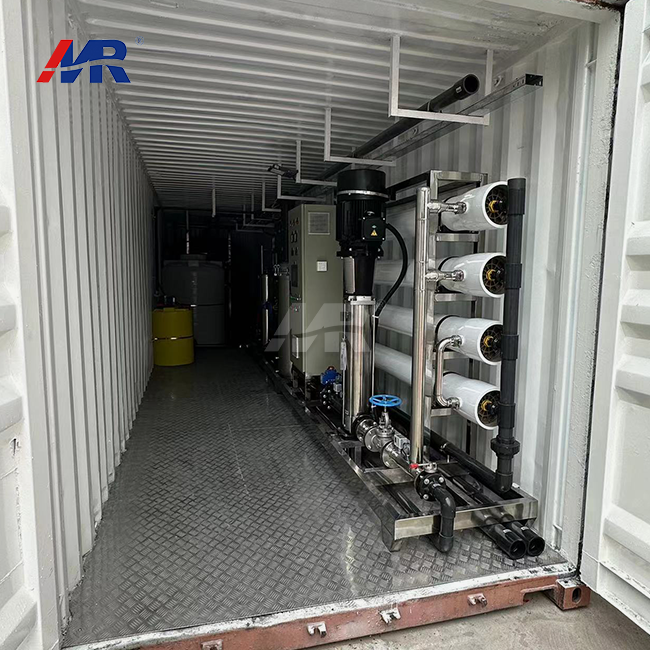
For most industrial uses, modular skid-mounted designs are the most cost-effective way to deploy a system. Pre-engineered ultrafiltration technology skids come with all components pre-installed on sturdy frames. This reduces on-site work significantly. Compared to custom-built setups, this approach can cut installation time by 40–60%, which lowers labor expenses and shortens project timelines. By streamlining installation, companies can reduce overall ultrafiltration cost while maintaining high system performance.
The following installation methods improve business success in a range of industrial settings:
Strategic Pre-treatment Integration: Using the right pre-filtration gets rid of bigger particles that speed up membrane fouling. A 200-micron automatic strainer that costs between $8,000 and $12,000 can add 18 to 24 months to the life of an ultrafiltration membrane, saving money on repair costs for three years. Chemical coagulation systems lower the amount of organic matter even more. These are especially useful in open water uses where feed quality changes with the seasons.
Capacity Planning Flexibility: Building systems with 20–30% extra capacity makes them more reliable during times of high demand and lets the membrane be rotated for repair without stopping the process. This method requires 15-20% more original capital, but it keeps you from having to buy expensive membranes in an emergency and keeps your production running smoothly, which is worth a lot more than the extra capital.
Energy Recovery Implementation: Feed pumps with variable frequency drives change the amount of power they use based on the flow rate. This cuts energy costs by 15–25% compared to fixed-speed operation. Investing between $4,000 and $8,000 in VFD technology usually pays for itself in 18 to 24 months by saving money on utilities in buildings that are always running.
These installation-related thoughts work together as a plan, not as separate methods. When an electronics company used all three methods, the total cost of ownership was 31% lower than with basic ultrafiltration economics, showing that systematic optimization adds benefits across multiple cost categories.
Maintenance Best Practices
Preventative maintenance plans keep you from having to pay for expensive fixes in an emergency and also make membranes last longer. Setting up regular cleaning plans based on watching transmembrane pressure keeps flux rates steady and stops fouling that cannot be fixed. Automated cleaning-in-place systems get rid of the need for human variation, making sure that the membrane is always properly conditioned, which keeps its long-term performance.
Testing for membrane integrity should be done every three months to find fiber breaks before they affect the quality of the waste or cause unplanned shutdowns. Early spotting lets you repair only the modules that need it, which costs $3,000 to $8,000 instead of fixing the whole system, which could cost over $40,000 in lost production and emergency services.
Automation and Digital Monitoring
Modern control systems make ultrafiltration work better by changing parameters in real time based on the feed water and the output needs. Automated backwashing that starts based on differential pressure instead of set time intervals cuts down on cleaning processes that aren't needed. This cuts chemical use by 20–35% and increases membrane life by lowering mechanical stress.
With the ability to watch from a distance, predictive maintenance methods can be used to stop problems before they happen. Systems that are linked to the cloud can keep an eye on performance trends and let workers know about problems before they affect production. When a city's water plant used predictive analytics, it cut repair costs by 28% and raised system uptime from 94% to 99.2%.
Conclusion
Alternative technologies are more expensive than ultrafiltration cost technology because they use more energy, need more chemicals, and break down more often. Ultrafiltration technology is much more cost-effective in industrial water treatment uses. Procurement managers can make choices that meet both technical and financial needs when they have a full picture of the economy, including everything from capital costs to routine costs and lifecycle cost optimization. These methods explain how to get the most out of your ultrafiltration investments while also making sure that the water quality is stable so that you can meet your production goals and follow the rules.
Frequently Asked Questions
Alternative technologies are more expensive than ultrafiltration technology because they use more energy, need more chemicals, and break down more often. Ultrafiltration technology is much more cost-effective in industrial water treatment uses.
1. What is the typical lifespan of industrial ultrafiltration membranes?
If you follow the right upkeep and working conditions, industrial ultrafiltration membranes made from high-quality PVDF materials should last between 5 and 7 years. How long a membrane lasts varies a lot depending on the qualities of the feed water, how it is cleaned, and how it is used. Facilities that deal with difficult water sources that have a lot of organic matter or biological activity may have a service life of 4 to 5 years. On the other hand, systems that use well-conditioned feed water can last longer than 7 to 8 years. Regular integrity tests and following the manufacturer's cleaning instructions will extend the membrane's useful life and protect the investment.
2. How does ultrafiltration pricing compare per gallon treated versus other methods?
Ultrafiltration cost usually ranges between $0.10 and $0.40 per thousand gallons of water that is cleaned, which is less than reverse osmosis, which costs between $0.30 and $0.80 per thousand gallons. Conventional multimedia filtration seems cheaper at $0.05 to $0.15 per thousand gallons, but the quality of the waste isn't constant, so it needs more steps to polish it. When looking at whole treatment chains instead of individual technologies, ultrafiltration often offers better total costs by protecting downstream equipment and using fewer chemicals.
Partner with Morui for Optimized Ultrafiltration Solutions
Guangdong Morui Environmental Technology has more than 14 branches and more than 500 committed professionals who can help you clean water for businesses. Our unified method combines making membranes in-house with working with Shimge Water Pumps, Runxin Valves, and Createc Instruments to provide full ultrafiltration systems that are designed to be as cost-effective as possible. We assist ultrafiltration cost-conscious buyers in the pharmaceutical, food processing, electronics, and city sectors in achieving measured ROI. Our 20 engineers provide technical knowledge, and our multiple equipment processing sites ensure quick delivery. If you email our procurement experts at benson@guangdongmorui.com, you can get full system quotes, lifetime cost analyses, and application-specific advice from a trusted ultrafiltration provider that is committed to clear pricing and great long-term value.
References
1. Cheryan, M. (2021). Ultrafiltration and Microfiltration Handbook: Membrane Science and Technology Applications in Industrial Water Treatment. CRC Press.
2. American Water Works Association. (2020). Membrane Technology Economics and Performance Benchmarks for Municipal Water Systems. AWWA Research Foundation Technical Report.
3. Singh, R. & Hankins, N.P. (2019). Cost Analysis of Membrane Technologies for Industrial Water Purification: Comparative Assessment Framework. Journal of Membrane Science, 584, 245-263.
4. Water Environment Federation. (2022). Industrial Wastewater Treatment Technology Cost Evaluation: Ultrafiltration Systems Performance and Economics. WEF Technical Practice Committee Report.
5. Liu, C., Caothien, S., Hayes, J., Caothuy, T., Otoyo, T., & Ogawa, T. (2020). Membrane Chemical Cleaning and Lifecycle Cost Optimization in Industrial Applications. Water Research Foundation Publication.
6. International Desalination Association. (2023). Membrane Technology Procurement Guide: Cost Structures and Supplier Evaluation Criteria for Industrial Buyers. IDA Technical Standards Committee.