_1745823981883.webp)

Integrating Ultrafiltration with RO Pre-Treatment for Cleaner Water
An ultrafiltration unit installed before reverse osmosis (RO) systems is an innovative approach to industrial water treatment. Positioned upstream of RO membranes, this combination removes germs, colloidal particles, and suspended solids, addressing key operational challenges. Pharmaceutical plants and municipal water systems benefit from reduced membrane fouling, extended equipment lifespan, and lower maintenance costs. Morui has observed how this two-barrier system, featuring an ultrafiltration unit, consistently maintains water quality and protects expensive downstream equipment, delivering measurable value across multiple industries.
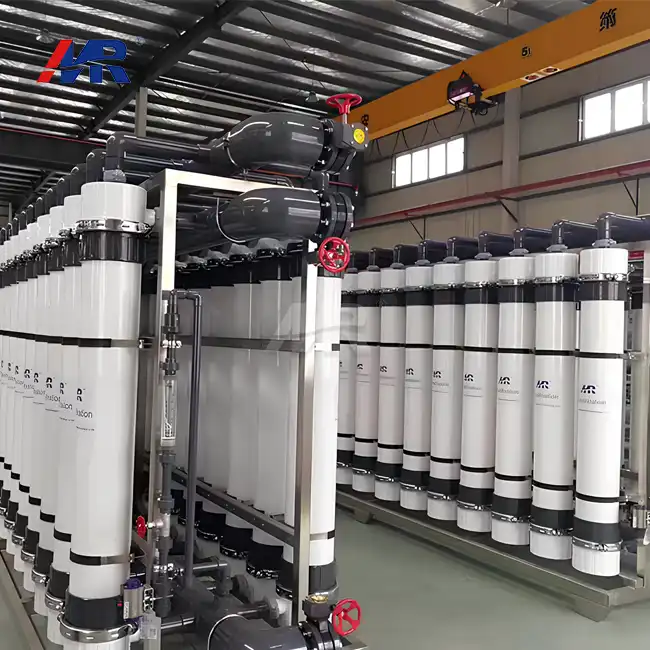
Understanding Ultrafiltration and Its Role in Water Treatment
How Ultrafiltration Technology Works
Ultrafiltration removes 0.001–0.1 micron impurities using membrane separation and pressure. Despite modest operating pressures (2–5 bar), the technique filters well. Like molecular sieves, uf membranes allow water and dissolved salts to pass but not larger molecules, viruses, or particles. This physical barrier repeatedly cleans without chemicals, making it beneficial in delicate industries like food processing and medication manufacturing.
Membrane pores vary from other filters in structure. Microfiltration is for particles larger than 0.1 microns, while nanofiltration is for dissolved organic molecules. Ultrafiltration strikes a crucial balance. Because of its location, UF is ideal for removing bacteria (4–6 log reduction), viruses, and other haze-causing substances that would ordinarily harm ro membranes.
Why Pre-Treatment Matters for RO Systems
Reverse osmosis screens are continually threatened by raw water fouling. Without proper pre-treatment, these sensitive membranes degrade fast and must be cleaned and replaced often. The Silt Density Index (SDI) matters here. RO manufacturers require feed water SDI below 3.0 for warranties and efficient operations.
Ultrafiltration always lowers SDI levels below this threshold, regardless of season or source water. Instead of decreasing fouling precursor concentration, UF's physical filter method eliminates them, making it dependable. The use of UF pre-treatment extends RO membrane life to 3–10 years, saving money on repairs and manufacturing time.
Industry Applications Driving Adoption
The pharmaceutical sector relies on this unified process to manufacture WFI and USP-compliant clean water. Because even minor pollutants may create significant difficulties, semiconductor makers require clean water to make chips. While maintaining output quality, UF-RO provides the purity you require.
Municipal water providers are increasingly employing ultrafiltration to remove germs. This is notably effective at removing chlorine-resistant pathogens like Cryptosporidium and Giardia that sand filtration can't. This technique helps food and drink companies keep their goods safe and last longer without heating them, which might ruin their flavour. Each application uses fewer chemicals and is more stable than standard pre-treatment approaches.
Integrating Ultrafiltration with RO Pre-Treatment: Process and Advantages
The Sequential Treatment Process
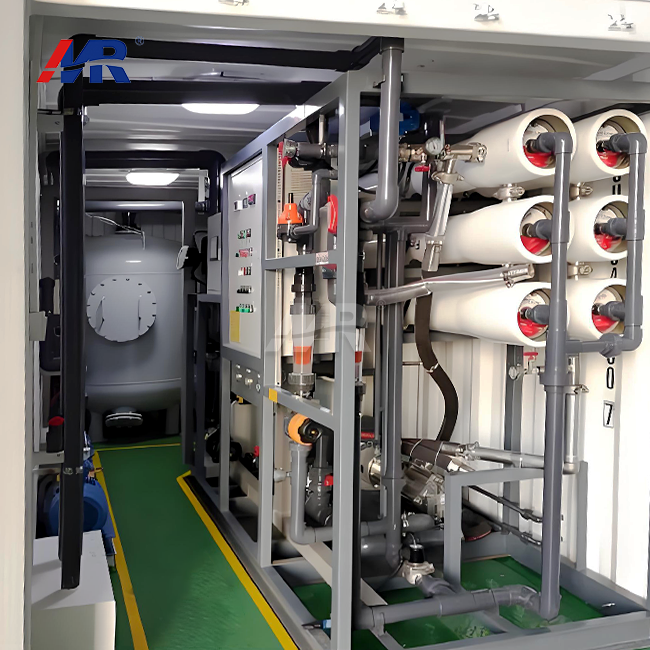
A well-thought-out UF-RO system moves logically through several steps of treatment. The raw water goes into the ultrafiltration skid, and feed pumps make sure that the cross-flow speed across the membrane surfaces is just right. The UF filtrate, which is now free of microbes and suspended solids, moves to intermediate storage before it is processed by RO. This timing makes it possible to balance the flow and gives operators more options during repair periods.
Through PLC automation, control systems keep an eye on pressure differences, flow rates, and factors of water quality to make sure that both treatment steps work together smoothly. When transmembrane pressure goes above certain levels, automatic Clean-In-Place (CIP) processes start, recovering UF membrane flux without any help from a person. By combining these two systems, a self-regulating treatment train is made that requires less human input and works more efficiently.
Measurable Performance Improvements
When facilities use UF pre-treatment, they always see measurable results. Cleaning the RO membranes less often, every three or six months instead of once a month. As RO membranes keep up their original flux rates without resistance going up because of fouling, less energy is used per gallon of cleaned water. The quality of the product water doesn't change with the seasons, which is an improvement over older treatment methods that relied on media filters.
One of our pharmacy clients cut the cost of replacing their membranes every year by 60% after adding an ultrafiltration unit before their RO system. Their upkeep records showed that the RO had to be cleaned every 30 to 180 days, but the product water's conductivity didn't change. These data from real life show that strategic integration changes operational costs in more ways than just buying equipment.
Key Performance Indicators to Monitor
When judging the success of a system, technical decision-makers should keep an eye on a number of measures. Transmembrane pressure (TMP) trends show how fast membranes are fouling; steady TMP means that pre-treatment and CIP methods are working well. Recovery rates show how much of the feed water is turned into product water, which has a direct effect on the costs of running the business. Differential pressure across a membrane shows problems with flow distribution that need to be fixed before performance goes down.
Costs can be compared between different system setups using energy-specific measures such as kilowatt-hours per thousand gallons processed. Using automatic data collection to keep track of these KPIs gives procurement managers objective proof for budget reasons and efforts to keep improving. Our installations come with remote tracking features that let our clients compare performance to plan specs and find ways to make things better.
Comparing Ultrafiltration with Other Pre-Treatment Technologies
Advantages Over Conventional Methods
Traditional multimedia filtration needs careful planning for backwashing and replacing media, and the level of performance depends on how skilled the user is and the features of the feedwater. Ultrafiltration gets rid of this variation by consistently excluding pores of a certain size. This means that the results are always the same, even if the source water changes. Chemical coagulation and flocculation are important parts of traditional treatment, but they add to the cost of running the system and make getting rid of the sludge harder, which membrane systems don't have to do as much.
Cartridge filters are easy to use, but they create a lot of waste and require a lot of work. A medium-sized industrial plant could use thousands of cartridge filters every year, which would be expensive and bad for the environment. When cleaned on a regular basis, UF membranes last for years, which greatly lowers the cost of consumables while also improving sustainability metrics that are becoming more important for corporate responsibility reporting.
Recognizing Technology Limitations
Ultrafiltration has a lot of great benefits, but it can't get rid of dissolved salts. For full demineralization, RO is needed. The initial cost of capital for membrane systems is higher than for regular equipment, but lifetime cost analysis usually shows that membrane technology is cheaper after three to five years of use. Membrane fouling is still a problem when the feedwater has a lot of organic matter or scaling ions, which means that the right pre-filtration and chemical dosing methods are needed.
Temperature sensitivity affects how well a membrane works. Higher temperatures boost flow but may shorten the life of the membrane. When choosing a material, pH differences are important to think about because some membrane polymers break down in acidic or alkaline circumstances. These problems don't mean that ultrafiltration can't be used, but they do mean that engineers need to be involved in the system design process to make sure that the technology can meet the needs of the application.
Complementary Technologies in Treatment Trains
Nanofiltration is in the middle ground between UF and RO. It removes divalent ions while letting monovalent salts pass. This choice helps with some tasks, like softening water without completely removing minerals. When the water is very cloudy, microfiltration is used before UF, which keeps the UF filters from getting clogged up too quickly. In ultrapure water systems, electrodeionization (EDI) comes after RO, so there is no need for chemical renewal in the final steps of polishing.
The best way to create a system is to know how each tool fits into a larger treatment plan. We look at the characteristics of the feedwater, the requirements for the output, and the limitations of the business to find the best and most cost-effective technology mix. This all-around method stops people from over-specificating while also making sure that regulations are followed and production is reliable.
Practical Considerations for Procurement and Maintenance
Selecting the Right Ultrafiltration Unit
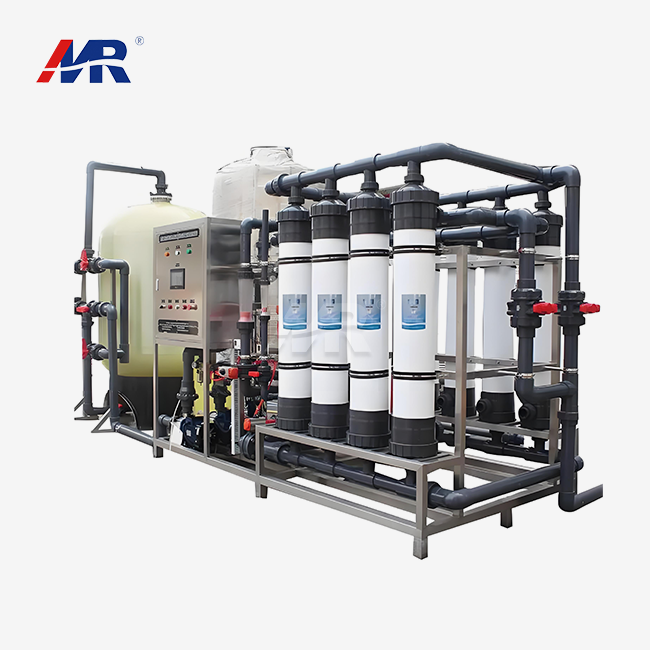
When sizing an ultrafiltration unit, flow rate and water quality objectives come first. Membrane area is calculated based on projected flux rates, which for UF applications are typically between 40 and 80 liters per square meter per hour, with safety factors included to account for variations in feedwater quality. Membrane material selection depends on fouling resistance, temperature tolerance, and chemical compatibility. Polyvinylidene fluoride (PVDF) membranes handle chlorine effectively, while polyethersulfone (PES) membranes are more hydrophilic, reducing the likelihood of fouling.
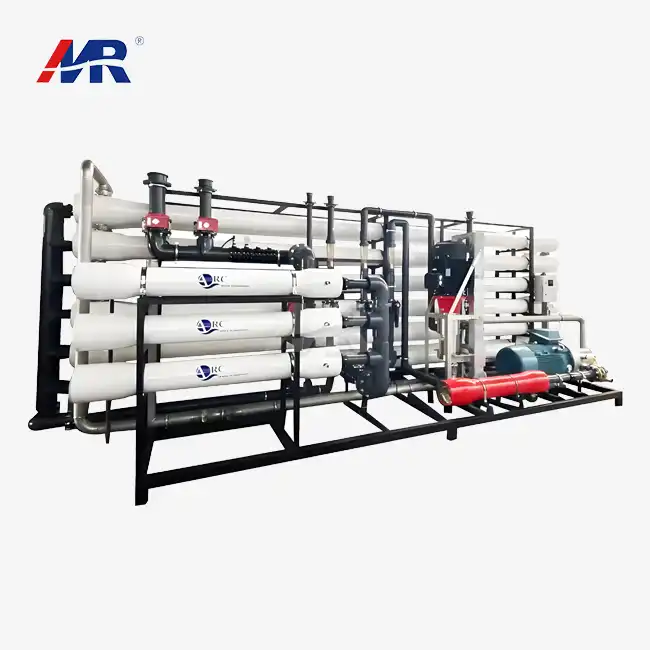
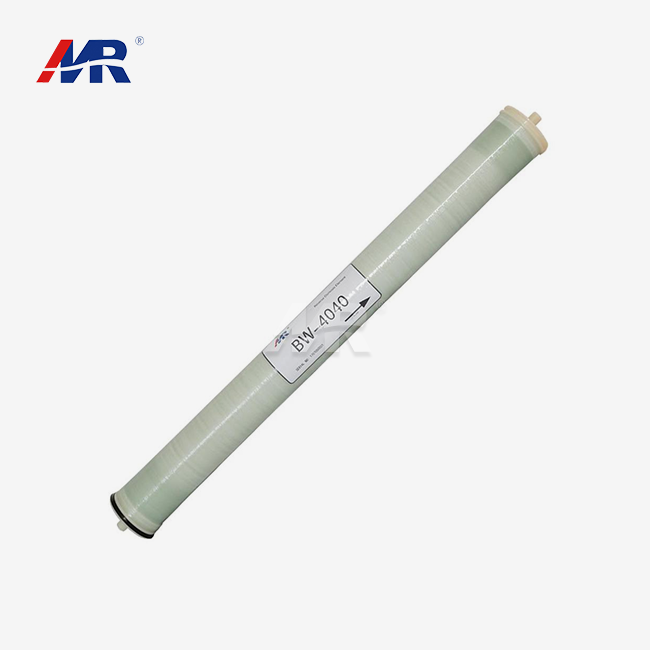
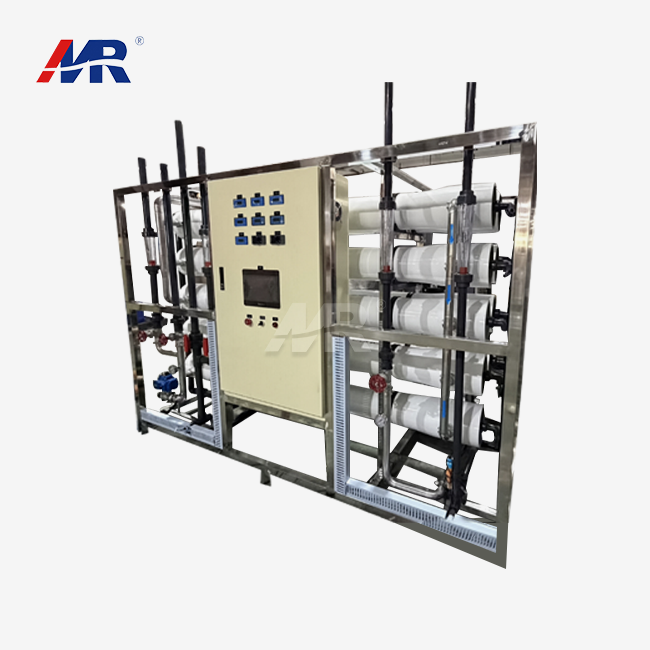
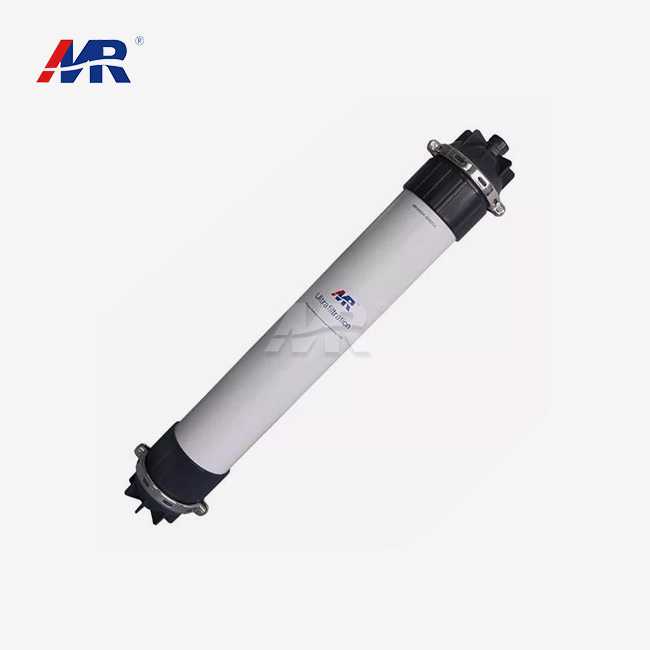
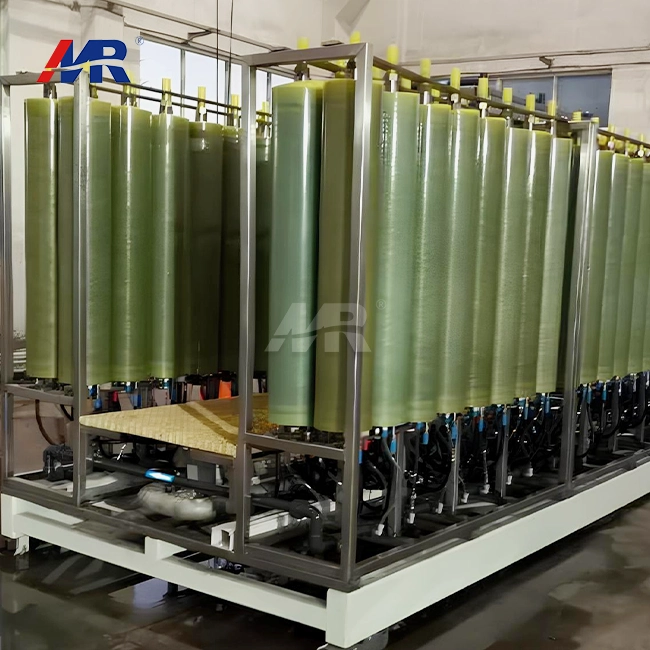
The shape of a pressure tank affects its size and how well it works hydraulically. Spiral-wound modules are popular for big setups because they have the most membrane area per unit volume. Hollow-fiber designs are better at handling solids and are packed more densely, so they are chosen in situations where there is a lot of turbidity. Skid-mounted systems put all of the pumps, valves, sensors, and controls on one frame. This makes installation and testing easier than with field-fabricated systems.
Evaluating Suppliers and Service Capabilities
Beyond equipment specs, seller selection should stress Technical support depth and service network accessibility. Twenty of our engineers help with application-specific design, which means they can solve problems that are special to treating wastewater, desalinating seawater, and making ultrapure water. Manufacturing skills are important. Our membrane production plant makes sure that quality control is always in place and that extra parts are available quickly, which reduces the risk of downtime caused by problems in the supply chain.
Expertise in installation and testing keeps costly start-up problems from happening. We offer full turnkey services that include civil planning, electricity integration, and training for operators to make sure systems work as planned from the start. After-sales support becomes critical during the operational phase—responsive technical assistance resolves issues before they impact production, protecting the substantial investment represented by industrial water treatment systems.
Maintenance Protocols for Longevity
The first step in routine maintenance is to check for leaks and other strange conditions and keep an eye on the working settings every day. Pressure and flow data that are trended once a week can spot problems before they set off alarms. Integrity testing is done once a month to make sure that the membrane is working as it should and to find any problems that need fixing. Every three months, alkaline and acidic cleaners are used in CIP processes to get rid of organic and inorganic foulants that have built up. This restores the design flow rates.
Every year, full checkups are done that check the stability of the membrane, make sure the valves work, and calibrate the control system. With detailed repair logs, predictive analytics can find trends that can be used to plan ahead and take action. We provide detailed O&M guides that include step-by-step instructions for each installation. This helps facilities decide whether they keep systems themselves or hire outside help. This paperwork is very helpful when changing operators or when the government does checks.
Future Trends and Innovations in Ultrafiltration and RO Pre-Treatment
Advanced Membrane Materials and Designs
Through hydrophilic coats and antimicrobial surface treatments, research into surface-modified membranes offers better fouling resistance. These improvements increase the time between cleanings and lower the amount of chemicals used, which is better for the earth and the bottom line. Ceramic barriers are very long-lasting and don't react with chemicals, but their high cost means they can only be used in certain situations. As production volumes rise, ceramic UF may be able to be used in more industries without breaking the bank.
The next version of membrane modules has better flow distribution and fewer dead zones where fouling happens more quickly. Computational fluid dynamics modeling improves the internal shape, which makes the most of the active membrane. These improvements mean smaller footprints and less energy use per unit of production, which are very important in buildings with limited space and for uses that need a lot of energy.
Smart Monitoring and Predictive Maintenance
Internet of Things (IoT) connectivity lets treatment tools that are spread out be monitored continuously from afar. Cloud-based systems collect data from many sources and use machine learning techniques to find performance issues that need to be fixed. Time-based routines are replaced by condition-based interventions in predictive maintenance scheduling. This cuts down on maintenance that isn't needed and stops unexpected breakdowns.
Automated dosing systems change the amounts of chemicals added based on real-time measurements of the water quality. This makes the treatment work better while using the least amount of chemicals. This flexible control cuts down on running costs and worries about pollution. We're using these technologies in all of our setups so that clients can get mobile app access to system state and performance trends. This makes things more open and quick to respond.
Sustainability and Regulatory Compliance
Concerns about running out of water and stricter rules on runoff are pushing people to use high-recovery treatment setups. UF-RO systems get 75–85% of the wastewater back, which means a lot less needs to be thrown away or treated again. Energy recovery devices on RO concentrate streams collect hydraulic energy that would have been wasted otherwise. This can cut the net amount of energy used for desalination by up to 60%.
Chemical-free operations are appealing to businesses that want to get green Certifications and leave less of an impact on the earth. Concerns about coagulants, flocculants, and disinfectant byProducts that come with chlorination are not present in membrane systems. As companies are put under more and more pressure to show they care about the environment, these benefits make combined membrane cleaning a great choice that fits with their environmental goals.
Conclusion
When an ultrafiltration unit is used together with reverse osmosis (RO) in a smart configuration, it can transform the way commercial water is treated. This combination extends the lifespan of RO membranes, reduces operating costs, and ensures consistent product water quality that is difficult to achieve with other pre-treatment methods. As membrane technologies advance and smart monitoring systems provide real-time operational insights, early adopters gain a competitive advantage by optimizing resource use and ensuring regulatory compliance. Whether for pharmaceutical-grade water purification, public drinking water safety, or industrial process water requirements, the UF-RO combination featuring an ultrafiltration unit offers reliable, cost-effective solutions proven across a wide range of applications.
FAQ
1. How does ultrafiltration improve reverse osmosis efficiency?
Ultrafiltration gets rid of the bacteria, colloids, and floating solids that block RO membranes. By keeping the feed water SDI below 3.0, UF pre-treatment cuts down on how often the membrane needs to be cleaned and raises its useful life from 3 to 10 years. This safety keeps RO flux rates close to the design specs. This lowers the amount of energy needed per gallon made and raises the stability of the product water even when the source water conditions change.
2. What maintenance does an ultrafiltration unit require?
Monitoring parameters every day, looking at data trends every week, checking integrity every month, and CIP cleaning cycles every three months are all part of regular upkeep. A full checkup once a year checks the working of the valves, the accuracy of the controls, and the condition of the membranes. Automated tracking systems make these jobs easier by letting workers know about problems that need to be fixed before they get worse. When repair procedures are followed correctly, membranes usually last longer than five years in well-designed systems.
3. Can ultrafiltration handle variable water quality?
Ultrafiltration's physical screening process keeps working even when the turbidity or source water changes during the seasons, which can make other cleaning methods less effective. Even if the concentration changes, UF membranes will still reject particles and germs at the same rate. However, if the solids loading is very high, the backwash frequency may need to be raised. Because it is so flexible, membrane pre-treatment is especially useful for open water uses where quality changes because of storms.
Partner with a Trusted Ultrafiltration Unit Manufacturer for Superior Water Solutions
Achieving optimal water treatment performance requires more than equipment—it demands experienced partnership from design through ongoing operation. Guangdong Morui Environmental Technology offers comprehensive solutions backed by fourteen branches, over 500 dedicated professionals, and manufacturing capabilities, including our own membrane production facility. Our engineering team designs customized ultrafiltration unit models matched precisely to your application requirements, whether pharmaceutical purification, food processing, or municipal supply. We serve as authorized distributors for industry-leading brands, including Shimge Water Pumps and Runxin Valves, ensuring integrated system reliability. From initial consultation through installation, commissioning, and lifecycle support, our turnkey services minimize project risks while maximizing treatment efficiency. Contact Our Team at benson@guangdongmorui.com to discuss how our ultrafiltration unit supplier expertise can address your specific water treatment challenges with proven, cost-effective solutions.
References
1. American Water Works Association. (2021). Membrane Technology Research Committee Report: Ultrafiltration Applications in Drinking Water Treatment. Denver, CO: AWWA Publishing.
2. Baker, R.W. (2020). Membrane Technology and Applications (4th ed.). Hoboken, NJ: John Wiley & Sons.
3. Environmental Protection Agency. (2019). Membrane Filtration Guidance Manual for Public Water Systems. Washington, DC: EPA Office of Water.
4. International Desalination Association. (2022). Membrane Pre-Treatment Best Practices for Reverse Osmosis Systems. Topsfield, MA: IDA Publishing.
5. Water Quality Association. (2023). Technical Application Brief: Ultrafiltration Integration with High-Pressure Membrane Systems. Lisle, IL: WQA Technical Services.
6. Crittenden, J.C., Trussell, R.R., Hand, D.W., Howe, K.J., & Tchobanoglous, G. (2022). MWH's Water Treatment: Principles and Design (4th ed.). Hoboken, NJ: John Wiley & Sons.