_1745823981883.webp)

Optimizing Ultrafiltration System: Design & Maintenance Tips
Strategic planning and regular repair are key to getting the most out of your UF water treatment system. Ultrafiltration technology removes germs, viruses, and dissolved solids as small as 0.001 microns, while keeping minerals that are needed for life. From working with companies in the pharmaceutical, food processing, and municipal sectors, we know that well-designed systems regularly recover 95% of the water they use and lower running costs by 30% compared to options that aren't well taken care of. When you choose the right membranes, follow the right backwashing routines, and do preventative upkeep, you can build systems that work reliably for decades.
Introduction
Industry water quality issues need robust solutions. Ultrafiltration systems separate molecules at the molecular level, protecting product quality in many situations, from GMP-compliant drug manufacturing to city water system upgrades. Design integration and maintenance create the difference between a good system and a great one.
Declining permeate quality, increased energy costs, and premature membrane replacement have plagued several plants. These concerns are mainly caused by planning errors or negligence during maintenance. However, regularly updated systems perform better than predicted, surpassing manufacturer life criteria and filtering efficiency.
The energy, public utility, and industrial sectors have used ultrafiltration systems for decades; this book contains important recommendations. Whether you're new to ultrafiltration or want to improve your present system, this article will help you maximise your water treatment investment.
Understanding Ultrafiltration System Design Principles
Core Components and Integration Architecture
Pressure drives ultrafiltration, a membrane separation process for 0.001 to 0.1 micron screening. The system forces feed water against semipermeable molecular sieves that allow water and low-molecular-weight solutes to pass but not colloids, microorganisms, or big molecules.
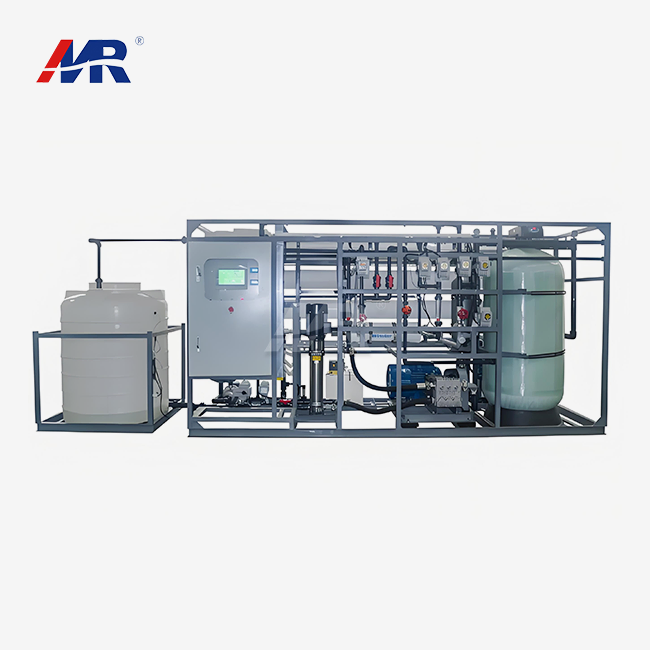
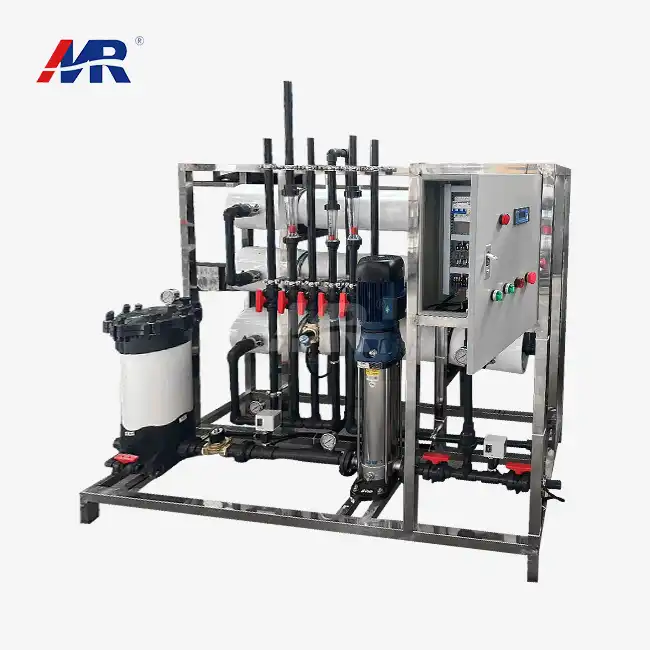
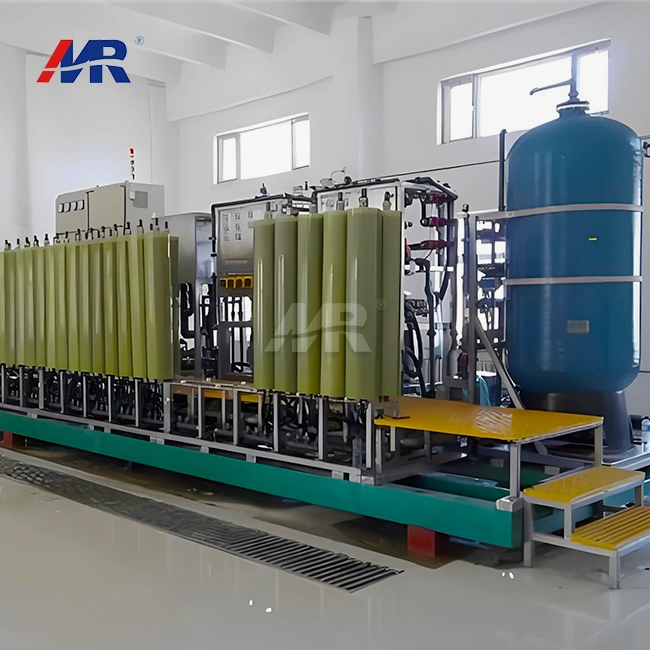
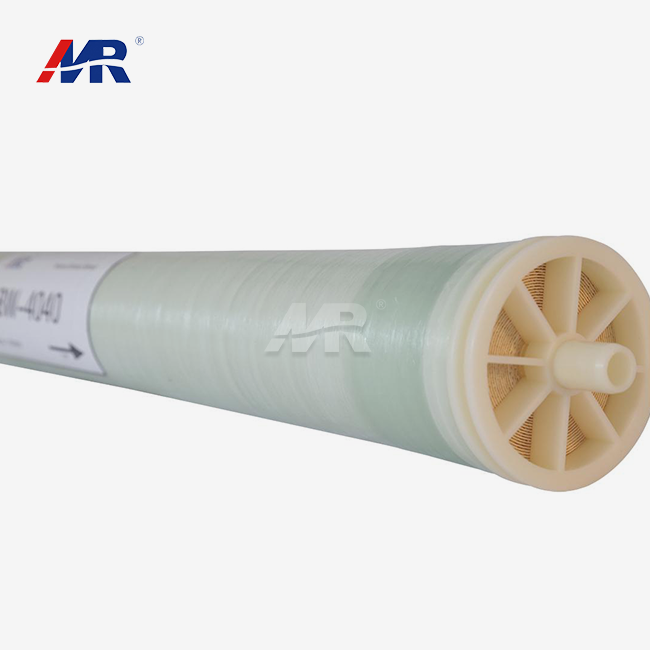
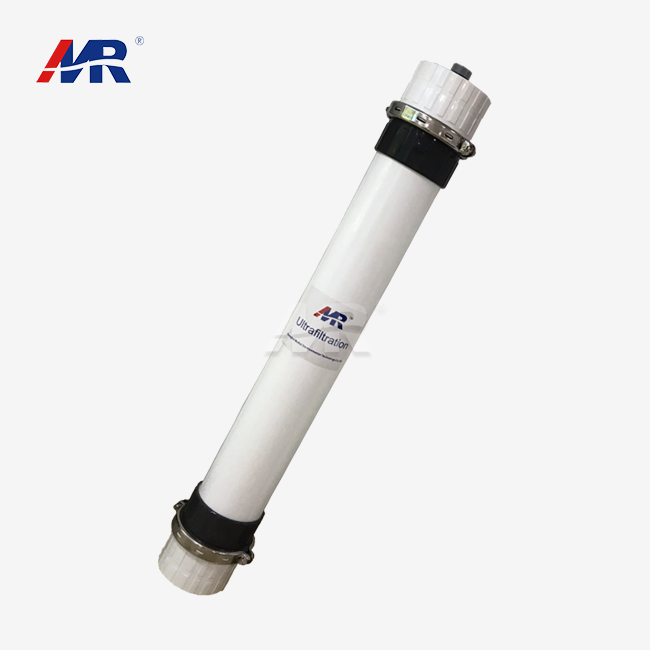
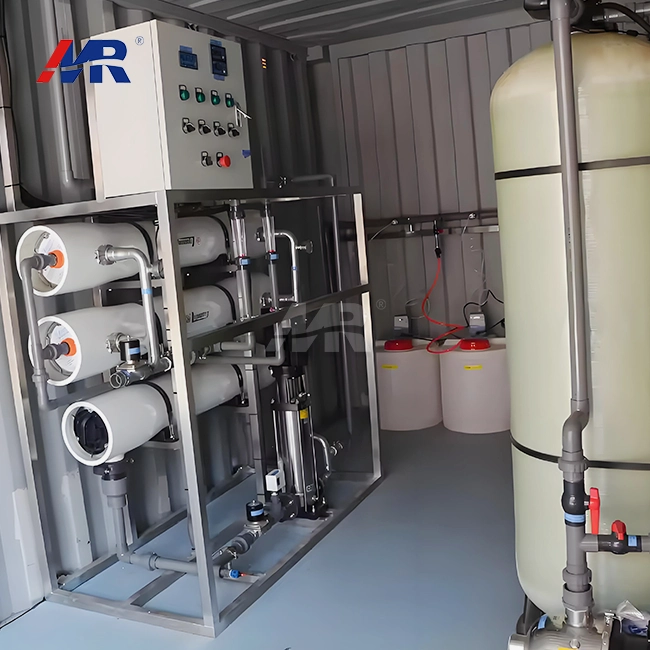
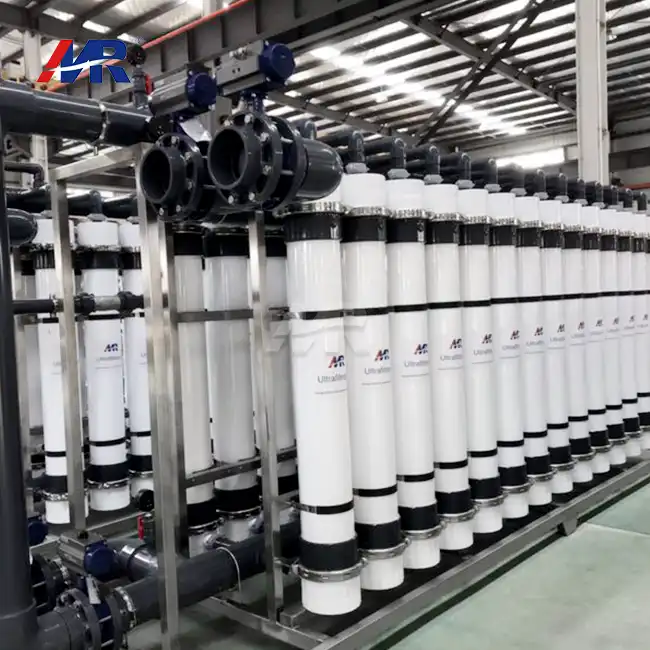
Modern UF systems have interconnected pieces. Membrane modules contain the separating hollow fibre or spiral-wound membranes. Feed pumps maintain transmembrane pressure between 10 and 100 psi, depending on the application. Pre-treatment removes large membrane-damaging particles. Post-treatment may involve cleaning or remineralisation, depending on end-use.
Strategic Design Considerations for Industrial Applications
Long-term success results depend on how well the system is sized. Undersized systems keep running at full capacity all the time, which speeds up membrane breakdown and makes it harder to adjust operations when demand changes. Installations that are too big lose money and energy without needing to.
To figure out how much capacity is needed, you have to look at times of high demand, take yearly changes into account, and include plans for future growth. Analyzing the water quality of feed sources shows how likely they are to become dirty, which helps choose the right barrier material. For waters with a lot of organic matter, you need hydrophilic membranes that are resistant to biological fouling. For waters with a lot of minerals, you need membranes that are more resistant to scaling.
Performance Benefits Through Optimized Design
Ultrafiltration systems that are carefully planned and built have measured benefits. Systems that are built with the right flux rates—usually between 40 and 80 liters per square meter per hour—achieve a balance between output and membrane life. When the pre-treatment is done right, the Silt Density Index drops below 3. This protects the reverse osmosis equipment further down the line in multi-stage cleaning trains.
If you choose variable frequency drives, which change pump speeds to match immediate demand instead of slowing valves that waste energy, you'll save energy. Recovery rate optimization, in which 90–98% of the feed water turns into useful permeate, lowers the costs of trash discharge while increasing the use of resources.
Effective Maintenance Strategies to Prolong UF System Lifespan
Diagnostic Techniques for System Health Monitoring
Preventing issues in UF water treatment systems is far more cost-effective than repairing damage after it occurs. Establishing baseline performance metrics during commissioning provides a reference point for ongoing monitoring. Measuring the transmembrane pressure (TMP) helps detect the early stages of membrane fouling before it significantly impacts water quality or output volume. Tracking permeate flow rates identifies gradual capacity losses, signaling when cleaning procedures should be performed.
With modern instruments, it is possible to keep an eye on important factors all the time. Conductivity monitors find holes in membranes that let dissolved solids pass through. Turbidity meters on filtrate streams find breaks in the membrane fibers that make the filtering less effective. Pressure sensors all over the system show when there are blockages or equipment problems that need to be fixed right away.
Chemical Cleaning Protocols and Scheduling
Even with the best pre-treatment, membrane fouling will still happen. Alkaline cleaners mixed with oxidizing agents are needed to get rid of organic waste caused by bacterial growth, protein buildup, or natural organic matter. Scales made of inorganic materials like calcium carbonate, silica, or metal hydroxides can be removed with acidic cleaners that break down mineral layers.
How often you clean depends on the quality of the feed water and the conditions of the operation. Systems that deal with highly polluted industrial wastewater might need to be cleaned once a week, while systems that handle drinking water from cities might need to be cleaned once every month or three months. Setting cleaning prompts based on an increase in transmembrane pressure—usually when the difference pressure rises 15-20% above baseline—gives precise timing instead of making up random calendar dates.
Cleaning-in-place systems do the work automatically by moving chemical solutions through membrane modules at set temperatures and contact times. Protocols are improved over time by keeping accurate records of how well they clean, including tracking pressure recovery and flux repair.
Replacement Cycles and Cost Management
Membranes are used-up parts that have limited useful lives. Most ultrafiltration membranes can be used for 3 to 7 years before they stop working properly and need to be replaced. Instead of just looking at the age, tracking normalized permeability (flux rate adjusted for changes in temperature and pressure) gives objective criteria for replacement choices.
Keeping important extra parts on hand cuts down on downtime when a part fails. O-rings, gaskets, and valve seals wear out over time, so they need to be replaced during regular repair times. Keeping in touch with membrane sources makes it easy to get new parts quickly when performance drops for no reason.
Comparative Insights: UF vs Other Water Treatment Technologies
Filtration Efficiency and Application Suitability
Knowing where ultrafiltration really shines in the range of technologies used to treat water lets you make an informed choice. Ultrafiltration is completely effective at getting rid of bacteria and protozoan cysts, and it can get rid of pathogens like Cryptosporidium and Giardia that chlorine can't kill. Because of this, UF is very useful for uses involving drinking water that must protect against microbes.
Reverse osmosis (RO) is needed to desalinate water or make ultrapure water because it gets rid of dissolved salts and smaller molecules that pass through ultrafiltration membranes. A lot of sites use UF as a pre-treatment to keep particles from getting into RO systems further down the line. Nanofiltration is in the middle. It gets rid of multivalent ions and small organic molecules while letting some monovalent salts pass through.
Microorganisms are killed by ultraviolet treatment because it damages their DNA, but it doesn't protect against particles or dissolved contaminants. Ultrafiltration and UV systems work well together. Ultrafiltration gets rid of physical contaminants, and UV deals with dissolved germs that might get through membrane flaws.
Energy Consumption and Operational Complexity
The amount of operating pressure has a direct effect on the cost of energy. Ultrafiltration systems work at 10 to 100 psi, while reverse osmosis systems work at 150 to 1,200 psi. When you don't need to remove dissolved solids, lower pressure means less pumping energy. Compared to RO, this can save you 40 to 60 percent of the energy needed.
The level of difficulty of maintenance changes a lot. For the media filter to work, the media needs to be backwashed and replaced every so often. The mechanical methods used are simple. More complex tracking and chemical cleaning methods are needed for membrane technologies. This means that workers need to be trained and know how membranes work and how to fix problems.
Lifecycle Cost Analysis
The total cost of ownership includes more than just the original investment in cash. Replacement of membranes is a constant cost that changes based on the quality of the water and how well the system is run. Energy costs add up over many years of use, so it's important to think about how to be as efficient as possible. Chemicals used for cleaning and pre-treatment add to the ongoing costs of running and maintaining the system, as does labor.
When you look at the costs over the course of 15 to 20 years, you can see situations where spending more on better equipment can pay off in a big way. This is because the equipment will last longer, have lower running costs, and be more reliable, which will mean fewer production interruptions.
Procurement and Installation Best Practices for UF Systems
Supplier Selection Criteria
Choosing the right suppliers for UF water treatment membranes and system developers has a significant impact on long-term satisfaction. Reputable brands with a wide range of applications have proven their Products in diverse conditions. Strong Technical support—including troubleshooting assistance and on-site training—prevents minor issues from escalating into costly problems.
Specifications for membrane performance need to be carefully looked over. The flux rates that manufacturers list are often based on perfect lab settings instead of real-world circumstances. Realistic performance goals can be set by asking for references from facilities that handle similar water quality under similar working conditions. Warranty terms, especially those that say how long the membrane will last and what defects are covered, keep things from breaking down too soon.
Installation and Commissioning Excellence
An installation that is done right sets the stage for effective functioning. Membrane modules need to be kept clean while they are being stored and installed, because putting dry membranes in dirty water causes fouling that can't be fixed. Before putting membranes to use, pre-operational flushing gets rid of factory residues and building waste.
Commissioning means checking each part in a planned way to make sure it works right. Testing for leaks at working levels proves that the pipes are solid. Validation of the control system makes sure that the scheduled backwashing, chemical dosing, and stop procedures work as planned. Setting up standard performance data during approval makes it easier to track performance in the future.
Customization for Industry-Specific Requirements
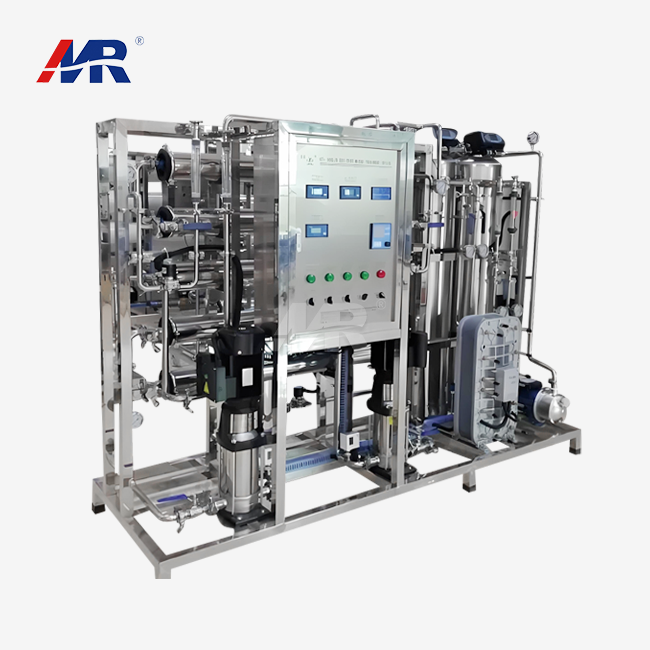
Ultrafiltration devices have to meet different needs in different fields. For pharmaceutical uses, you need proof that the performance is reliable and meets regulatory standards. When preparing food and drinks, the equipment needs to be clean and have surfaces that can be cleaned to keep germs from growing. When making electronics, the particle matter needs to be very low, which means that special filtering grades are needed.
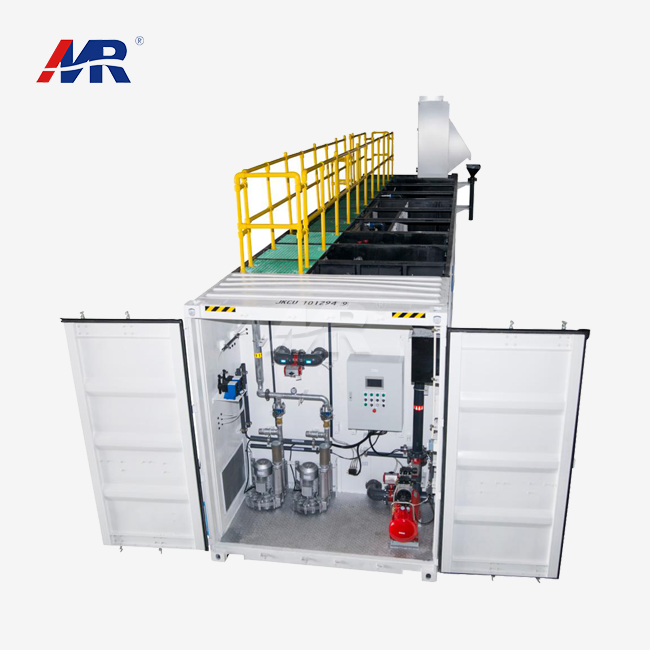
Modular designs allow for future growth, so you can add more capacity without having to replace whole systems. Skid-mounted assemblies make installation easier in facilities with limited room and make it possible to move them if the plan of the production line changes. Customized automation connections connect UF systems to existing control networks in the building. This lets multiple treatment processes be monitored from one place.
Enhancing UF System Performance: Advanced Optimization Techniques
Performance Monitoring Through Key Indicators
Setting up useful measures is the first step in data-driven optimization. How well membranes work is shown by specific flow, which is permeate creation per unit membrane area. By following the trends in flow, you can see how fouling builds up over time or see quick changes that point to serious problems. Monitoring the pressure across the membrane shows that flow resistance is rising due to the buildup of fouling or scale.
Recovery rate, which is the amount of feed water that is turned into useful permeate, affects both output and trash volume. By optimizing healing, the life of the membrane is balanced against the efficient use of resources. Too high recovery rates concentrate contaminants in the retentate stream, which speeds up fouling and could damage membranes.
Operational Parameter Optimization
Fouling growth is affected by crossflow velocity, which is the speed at which feed water moves perpendicularly across membrane surfaces. Higher speeds cause shear forces that push particles away, which lowers the rate of fouling. The best way to improve operating effectiveness is to balance the crossflow velocity with the cost of pumping energy. Most systems work at 1-3 meters per second, but this can be changed depending on the feed water.
Backwashing methods get rid of solids that have built up on membrane surfaces before they form fouling layers that are hard to get rid of. Getting the right backwash regularity, length, and intensity can make it longer between chemical cleanings. Backwashing too often loses water and energy and doesn't do much good. When there isn't enough backwashing, fouling forms that can't be removed and needs harsh chemical treatments.
Automation and Remote Monitoring Integration
Modern control systems let you use more complex tactics. Automated flux-stepping routines slowly change the working flux based on real-time fouling rates. This increases production when the water quality is good and protects the membranes when conditions get tough. Predictive algorithms look at performance trends and plan cleaning tasks to be done before fouling has a big effect on output.
Experts can keep an eye on several sites from one central spot thanks to remote monitoring. Cloud-based data platforms collect information about performance, finding trends in how things work, and letting you compare similar setups. Alert systems let workers know right away when parameters go beyond what is considered normal. This lets them act quickly, limiting the damage that can come from abnormal conditions.
Conclusion
To maximize the performance of UF water treatment systems, it is essential to strike a balance between effective design and proper maintenance. Selecting the right components, ensuring correct sizing, and precise assembly all contribute to optimal system performance. Systematic monitoring, routine cleaning, and operational adjustments based on real-time data help maintain equipment at peak efficiency for as long as possible. Industries such as pharmaceuticals, food processing, electronics manufacturing, and public utilities rely on consistently clean water. These sectors gain a competitive advantage by using optimized UF water treatment systems that reduce costs, enhance product quality, and ensure full regulatory compliance.
FAQ
1. How frequently should UF membranes be replaced in industrial applications?
When to replace the membrane relies on the quality of the feed water, the working conditions, and how well the maintenance is done. There are no set plans for this. Facilities that treat clean city water with good pre-treatment and strict upkeep rules usually get 5 to 7 years of service from their membranes. When the feed water is hard to handle, industrial uses may need to be replaced every three to four years. By checking the standardized permeability, you can set objective standards for replacement. If membranes can't get back 85% of their original flux after being cleaned well, it's time to replace them because it's better for business.
2. What cleaning agents work most effectively for different fouling types?
Alkaline cleaners (pH 11–12) with sodium hydroxide and detergents that break up proteins and spread biofilms are effective at getting rid of organic fouling. Oxidizing products, such as sodium hypochlorite, make it easier to get rid of bacterial fouling that is hard to remove. For inorganic scaling, you need acidic liquids (pH 2-3) like citric acid, hydrochloric acid, or special formulas for descaling that break down mineral layers. A lot of places are cleaned with rounds of acidic and alkaline solutions, which get rid of both organic and artificial dirt.
3. Can ultrafiltration get rid of all germs in drinking water?
Ultrafiltration is a very good way to keep pathogens out. It can get rid of 4-6 logs (99.99–99.999%) of bacteria, protozoan cysts, and most viruses by physically blocking them. Some small viruses get close to the hole sizes of uf membranes and may be removed at slightly lower rates. When you combine UF with purification, like chlorine or UV treatment, you make multiple walls that keep the water microbiologically safe, which goes beyond what the law requires.
Partner With Morui for Superior Ultrafiltration Solutions
Guangdong Morui Environmental Technology specializes in engineered water treatment systems delivering measurable performance improvements across industrial, municipal, and commercial applications. Our integrated approach combines proprietary membrane technology from our manufacturing facility with proven components from industry-leading brands, including Shimge Water Pumps, Runxin Valves, and Createc Instruments. With over 500 dedicated professionals, including 20 specialized engineers across 14 regional branches, we provide comprehensive support from initial system design through installation, commissioning, and ongoing optimization services. Our portfolio spans pharmaceutical GMP water systems, food-grade purification, seawater desalination, and industrial wastewater treatment. Contact Our Team at benson@guangdongmorui.com to discuss customized UF water treatment solutions addressing your specific requirements. Whether you need a turnkey ultrafiltration supplier or expert guidance optimizing existing installations, Morui delivers proven technologies and responsive service, ensuring your water treatment investment generates maximum returns.
References
1. American Water Works Association. (2021). Microfiltration and Ultrafiltration Membranes for Drinking Water: Manual of Water Supply Practices M53. Denver: AWWA Publications.
2. Baker, R.W. (2020). Membrane Technology and Applications, Fourth Edition. Hoboken: John Wiley & Sons.
3. Crittenden, J.C., et al. (2019). MWH's Water Treatment: Principles and Design, Third Edition. Hoboken: John Wiley & Sons.
4. Singh, R. (2022). Membrane Technology and Engineering for Water Purification: Application, Systems Design and Operation, Third Edition. Oxford: Butterworth-Heinemann.
5. Strathmann, H. (2021). Introduction to Membrane Science and Technology. Weinheim: Wiley-VCH.
6. World Health Organization. (2020). Water Safety Plan Manual: Step-by-step Risk Management for Drinking-water Suppliers. Geneva: WHO Press.