_1745823981883.webp)

Industrial RO System Applications: Enhancing Water Quality at Scale
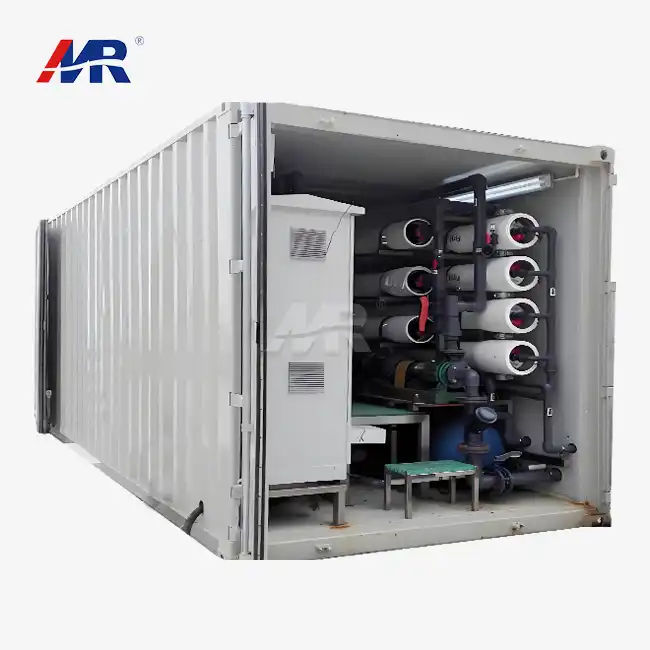
The need for clean water in industry has never been more important. Today, reverse osmosis technology is the main way that high-quality water is made in a huge range of industries, from making medicines to making electricity. The containerized RO plant is one of the most important new ideas in this field. It is a flexible, modular system that can provide industrial-grade purification in almost any place in the world. These pre-designed systems come in normal shipping containers and include advanced membrane filters, automation controls, and pretreatment steps. They can be set up quickly and work very well. Containerized systems are a big change in how businesses treat large amounts of water, whether they're used to deal with brackish water on remote building sites or to meet strict pharmaceutical water standards.
Understanding Modular Reverse Osmosis Systems and Their Industrial Role
Modern water treatment needs the freedom that old buildings made of concrete just can't provide. Morui has seen how flexible reverse osmosis systems change the time it takes to complete projects and the tools that can be used in many different fields.
The Engineering Foundation of Container-Based Purification
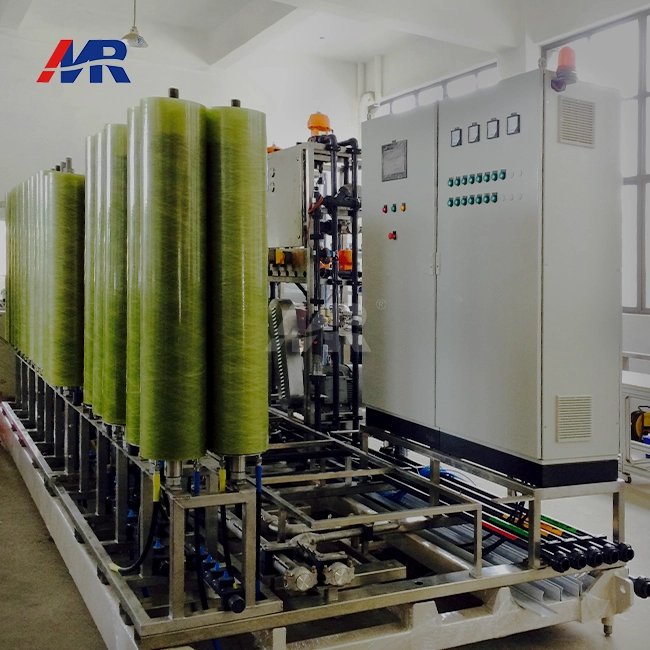
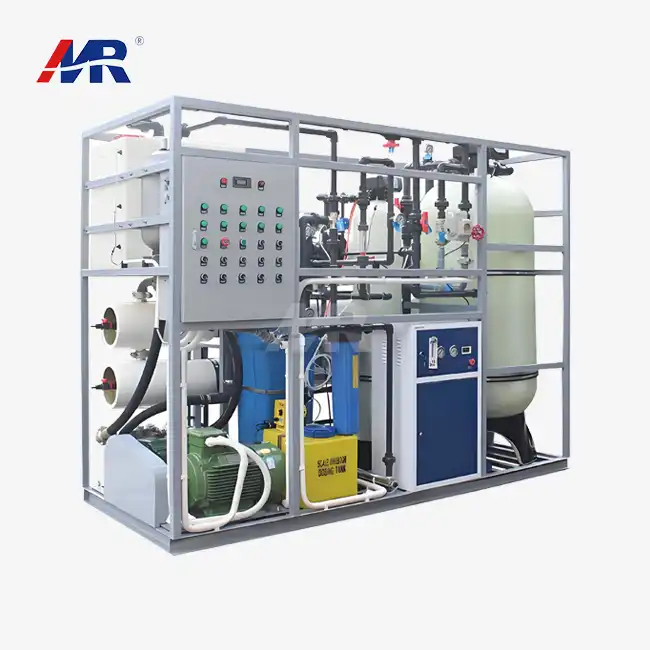
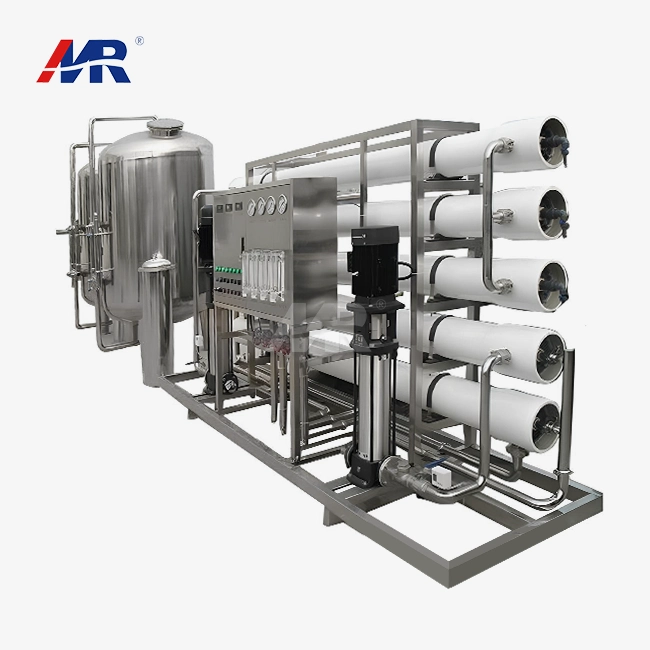
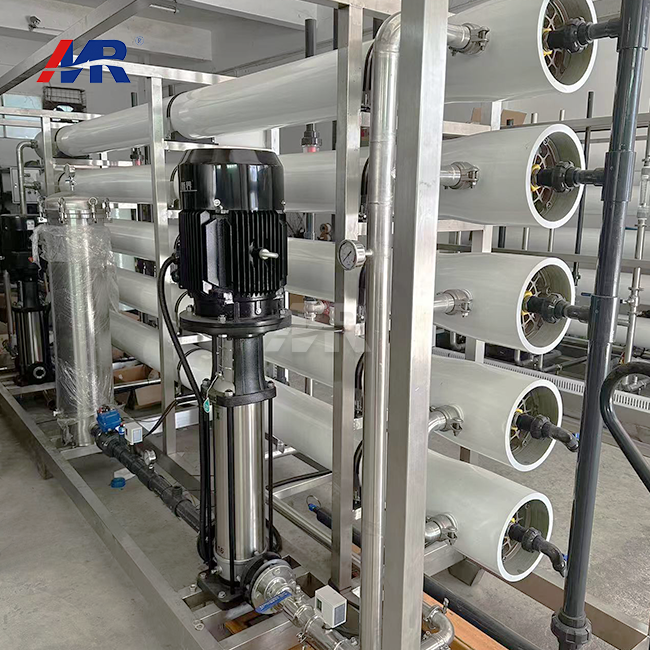
Complete treatment trains are housed in modular reverse osmosis units that are in strengthened ISO containers that are usually 20 to 40 feet long. These "turnkey" systems come to your facility already put together, wired, and tested by the maker, so you don't have to spend months building them. Each unit has high-pressure pumps that can give 15 to 25 bar, multi-stage membrane arrays that can reject more than 99.5% of the input, and advanced pre-filtration systems with multimedia filters, activated carbon units, and capsule filters rated at 5 microns or less. The combined design keeps sensitive parts from being exposed to the environment, which makes the equipment last a lot longer than when it was installed outside.
Weather-Resistant Design for Demanding Environments
Container housings have marine-grade corrosion protection that is needed for desalination projects along the coast and industrial areas where the weather is tough. We build with strengthened steel and special finishes that can handle UV rays, salt spray, and temperature changes from -20°C to +50°C. This longevity is very useful in places like petroleum plants, offshore platforms, and desert mines where equipment needs to work reliably without being tampered with often.
Integration Capabilities with Existing Infrastructure
Standardized interfaces let mobile RO systems easily connect to water supply networks, power grids, and control systems that are already in place. Our engineering teams create connection points that work with a range of voltages (380V to 480V, 3-phase) and automation protocols, such as Modbus, Profibus, and OPC UA. This makes the system easier to set up and lowers the costs of integration, which is especially helpful when upgrading water treatment plants or increasing the production of drugs.
Comparing Mobile Purification Solutions with Fixed Installations
Procurement managers and expert decision-makers have to look at more than just the initial capital costs when deciding whether to spend on water treatment.
Space Utilization and Footprint Reduction
For traditional RO plants to work, they need special buildings, deep concrete supports, and different areas for the electrical equipment. A 40-foot containerized RO plant, on the other hand, only takes up 32 square meters of space but can produce up to 100 cubic meters of goods every day. This 70–80% smaller size is very important for factories that make electronics, since every square meter could be used to add on to a clean room. We've helped clients in the semiconductor industry keep up with their production plans by putting portable containerized RO plants in parking lots while the permanent facilities were being fixed up.
Deployment Speed and Project Timeline Impact
For most standard treatment plants, it takes 8 to 14 months of civil building before the equipment is put into service. This time frame is cut down by a huge amount for mobile units. Setting up the site only takes two to three weeks for utility lines and footing pads, and then the system needs to be set up and tested for five to seven days. Food and drink companies that are putting out new lines of Products can't afford water system delays that last a whole year. Our fast rollout method has helped breweries and bottled water businesses meet tight deadlines for entering new markets.
Operational Flexibility Through Automation
Modern containerized systems use PLC-based control design to automatically clean the membranes, change the recovery rates based on changes in the quality of the feed water, and keep thorough performance logs for legal reasons. Compared to systems that are controlled by hand, this amount of automation cuts down on human involvement by about 60%. Power companies that need ultrapure water for boiler feed like how consistent it is, which means that mistakes can't happen during important recycling steps.
Key Advantages for Industrial and Municipal Decision-Makers
Understanding the real benefits helps make investment choices more logical and ensures that strategies for treating water are in line with larger business goals.
Rapid Commissioning for Time-Sensitive Projects
Construction areas, emergency aid efforts, and seasonal facilities all need to be able to get water right away. This need is met by plug-and-play flexibility in mobile RO technology. Within 48 to 72 hours of placing the container and connecting the utilities, the systems are fully operational. We sent saltwater desalination units to a resort on a Caribbean island that needed potable water before storm season. It only took six weeks from placing the order to producing potable water.
Scalable Capacity Matching Business Growth
The growth of manufacturing doesn't always happen in expected ways. Adding parallel container units to a modular design lets you increase capacity without stopping processes that are already going on. A chemical company we work with started out with one 50 m³/day unit. As production doubled over three years, they added two more containers. This method of making small investments over time kept cash for core business activities and maintained water protection.
Adaptability Across Diverse Source Waters
Different types of feedwater can be a problem for industrial sites, such as salty groundwater with 3,000 to 8,000 ppm TDS, seawater with 35,000 ppm saltiness, or industrial process water that needs to be polished. Mobile systems can handle this variety by having membrane configurations that can be changed. Our engineers choose array designs (single-pass or two-pass) and membrane types (brackish water, seawater, or nanofiltration) based on the chemistry of the water. This customization makes sure that the best performance, whether it's cleaning produced water from the fields or making injection-grade water for lyophilization in the pharmaceutical industry.
Selecting the Optimal System for Your Specific Requirements
Before making a purchase choice, technical specs, supplier skills, and long-term support infrastructure for containerized RO plants must be carefully examined.
Assessing Feedwater Characteristics and Treatment Objectives
Start by doing a full study of the water, which should include pH, TDS, hardness, silica, iron, manganese, and the number of microbes present. These factors determine the preparation steps that need to be taken and the material that should be used. When looking for USP-grade water, a pharmaceutical company has different problems to solve than a power plant that needs to make boiler feedwater. We offer detailed feedwater analysis services that find possible fouling risks and suggest the best cleaning trains.
Capacity Planning Aligned with Production Demands
You should figure out both the peak and average daily water needs. A lot of facilities have big changes in flow. For example, food processing plants may need 200% of their normal capacity during CIP cycles, while electroplating operations need a steady flow throughout shifts. Oversizing by 20–30% gives you a buffer for operations and extends the life of the membrane by lowering stress during busy times. Our tools for planning capacity help you find the right mix between investment and real output needs.
Material Selection for Longevity and Regulatory Compliance
Materials for parts in containerized RO plants must be able to handle the conditions of the process and meet standards in the business. For pharmaceutical uses, areas that come into contact with the product must be made of 316L stainless steel and have an electropolished finish with a Ra value of less than 0.8μm. Parts of municipal drinking water systems must be NSF/ANSI 61 approved. When working with chemicals, you might need duplex stainless steel or special metals made for harsh conditions. We keep our Certifications up to date for all major legal systems, such as FDA 21 CFR, ASME BPE, and GMP standards for containerized RO plants.
Automation, Sophistication, and Remote Monitoring
Advanced control systems let you see performance in real time, get maintenance tips ahead of time, and fix problems from afar. Engineers can keep an eye on multiple sites from a central control room using cloud-connected SCADA tools. This lets them spot problems with speed before they happen. Hospitals that use water systems for dialysis really appreciate remote tracking that works around the clock and makes sure that strict water quality standards are always met.
Best Practices for Installation, Operation, and Long-Term Performance
To get the best return on investment, you need to pay close attention to the details of execution and follow proactive maintenance practices.
Site Preparation and Infrastructure Integration
Preparing the site and integrating the infrastructure
Getting the base ready correctly stops earthquake problems and makes sure water drains away. Level concrete pads that can hold the right amount of weight (usually 5 to 7 metric tons per container) and drainage paths that slope downwards keep floods from happening. The power source needs to be able to handle the starting currents of high-pressure pumps, which are usually 1.5 to 2 times the working load. Before the equipment comes, our installation teams do site checks to look for any problems that might happen.
Commissioning Procedures and Performance Validation
Professional starting methods follow the manufacturer's instructions for removing the membrane protection layer, cleaning the system, and slowly raising the pressure. Baseline permeate flow rates, rejection percentages, and pressure differences are recorded during the initial performance tests. These will be used as standards for future reviews. For pharmaceutical and food-grade uses, validation methods must show that the water quality stays the same across multiple production runs.
Routine Maintenance Schedules: Preventing Unexpected Downtime
How often the membrane is cleaned depends on the quality of the feedwater and how the system is being used. Typical plans include cleaning once a month for hard water sources and care every three months for good feeds. Reliability is maintained by replacing the pre-filter cartridge at certain pressure differences, checking the high-pressure pump seals every 6 to 12 months, and calibrating the instruments once a year. We offer maintenance plans that include regular repair, emergency help, and control of your spare parts inventory.
Energy Monitoring for Operational Efficiency
Performance trends can be seen by keeping track of specific energy consumption (kWh per cubic meter created). Gradual rises are often a sign that the membrane is getting dirty and needs to be cleaned or replaced. Energy recovery devices in marine systems should keep saving 30 to 35 percent of the energy they use. If they start to work less well, it could mean that parts are wearing out. Our control systems automatically record energy measures and make monthly reports that help us make choices about how to best use energy.
Conclusion
Industrial water treatment has moved on from fixed buildings that cost a lot of money and take a long time to build. Mobile reverse osmosis technology comes in small, portable units that can purify water to pharmaceutical standards, handle large amounts of water for cities, and be reliable in the industrial world. Applications include all fields that need stable water quality, from making semiconductors, which need ultrapure water with a resistivity of more than 18 M³-cm, to making potable water from seawater on offshore bases. When technical leaders look at treatment choices, they should think about more than just the current output needs. They should also think about how the business can grow in the future, any site limitations, and how flexible it is to run. As the lack of water gets worse and government rules get stricter, modular purification systems allow businesses to change quickly while keeping their economic edge by managing water quality better.
FAQ
1. What production capacities do mobile treatment systems offer?
Mobile reverse osmosis units can process anywhere from 5 to 500 cubic meters of water every day, depending on the size of the facility. Multiple containers can hold more than 2,000 cubic meters of water per day, which meets the needs of the city's water supply. When choosing capacity, it's more important to look at trends of peak demand than average consumption. For example, food processors that need long CIP cycles need more instantaneous flow than continuous industrial processes. Our engineering teams look at usage patterns to suggest the right size that balances the need for capital investment with operational needs.
2. How does energy consumption compare with traditional installations?
With energy recovery, modern mobile systems use 2.5 to 6 kWh per cubic meter of brackish water and 3 to 5 kWh per cubic meter of saltwater. This is as efficient as or more efficient than fixed buildings because the parts were chosen more carefully, and automation was built in. Variable frequency drives change the speed of the pump based on demand instead of always running at full capacity. This saves 15 to 25 percent of the energy that would have been wasted. The energy economy is especially important for pharmaceutical clients because making ultrapure water has high running costs in large-scale production.
3. Can systems handle variable feedwater quality?
Changes in TDS, yearly temperature changes, and occasional spikes in contaminants can all be handled by advanced membrane configurations and automatic control systems. Membranes are kept clean by preparation steps like coagulation, media filtering, and antiscalant doses. Real-time tracking changes operational settings to keep the quality of the permeate constant, even if the feedwater changes. We've set up systems that treat river water with TDS levels that change with the seasons and keep the pharmaceutical-grade output fixed with smart process control.
Partner with Morui for Customized Industrial Water Treatment Solutions
With 14 regional offices, 500 committed professionals, and 20 specialized engineers, Guangdong Morui Environmental Technology offers a wide range of water purification services. We can do everything from the initial water study and system design to making the equipment, installing it, commissioning it, and providing ongoing upkeep support. As a company that both builds containerized RO plants and is an approved dealer for top-of-the-line parts, we can offer complete solutions for treating industrial wastewater, making drinking water, desalinating seawater, and specific pharmaceutical needs. Our membrane production sites and equipment processing plants make sure that quality control is done at every step of the manufacturing process. Get in touch with our expert team at benson@guangdongmorui.com to talk about your specific water quality problems and find out how modular reverse osmosis technology can help you meet strict legal requirements while also making your operations more efficient.
References
1. American Water Works Association. (2021). Reverse Osmosis and Nanofiltration: Manual of Water Supply Practices M46. Denver: AWWA Press.
2. Greenlee, L. F., Lawler, D. F., Freeman, B. D., Marrot, B., & Moulin, P. (2019). Reverse osmosis desalination: Water sources, technology, and today's challenges. Water Research, 43(9), 2317-2348.
3. National Research Council. (2020). Desalination: A National Perspective. Washington: National Academies Press.
4. World Health Organization. (2022). Guidelines for Drinking-Water Quality: Fourth Edition Incorporating the First and Second Addenda. Geneva: WHO Press.
5. Wilf, M., & Bartels, C. (2018). Optimization of Seawater RO Systems Design. Desalination Journal Publications.
6. International Desalination Association. (2023). IDA Desalination Yearbook 2022-2023: Global Water Intelligence Market Profile and Directory. Oxford: Media Analytics Ltd.