

_1745823981883.webp)

Ultrafiltration Size Range Explained for Industrial Membranes
When factories need to separate fluids very precisely, knowing the ultrafiltration size is very important. The ultrafiltration size is the range of pore sizes and the molecular weight cut-off (MWCO) of semi-permeable membranes. It is usually between 0.001 and 0.1 micrometers (10 to 1,000 Ångströms). This range selectively holds macromolecules, colloids, bacteria, and suspended solids while letting salts and smaller molecules pass through freely. This makes it an essential tool for making medicines, treating municipal water, processing food, and other advanced industrial tasks where accuracy is key.
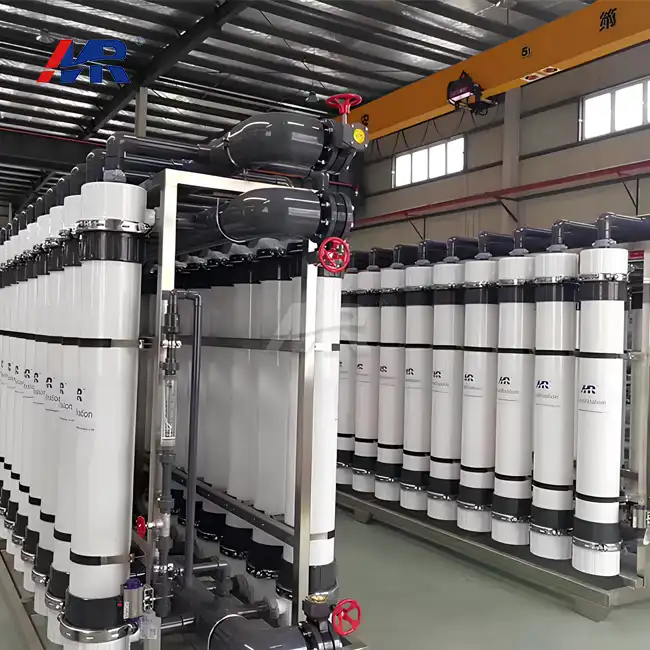
Understanding Ultrafiltration Size and Its Importance
Defining Pore Size and MWCO Parameters
What contaminants get caught and what useful substances pass through ultrafiltration membranes are determined by the size of their pores. These gaps are measured in micrometers or by Molecular Weight Cut-Off, which is given in kilodaltons (kDa). A 30kDa barrier, which is common in protein concentration uses, stops molecules bigger than 30,000 Daltons from passing through but lets smaller species pass. This accuracy solves a very important problem in the industrial world: getting a sharp separation without lowering the performance of the flux or losing product because of poor retention.
Why Pore Size Distribution Matters
A small range of pore sizes is very important for manufacturing stability. Uneven pore structures in membranes make separation results uncertain, which can cause dirty permeate or valuable product to escape into trash streams. To make regular pore networks, companies that make industrial membranes use advanced polymer extrusion and phase reversal methods. Different materials, such as polyethersulfone (PES), polyvinylidene fluoride (PVDF), and polyacrylonitrile (PAN), have different benefits when it comes to chemical protection and temperature tolerance. All of them keep their pore sizes fixed through many cleaning-in-place (CIP) cycles.
Impact on Operational Efficiency
Choosing the right membrane hole sizes has a direct effect on how well the system works. When pores are too small, they require too much transmembrane pressure and foul up quickly. When openings are too big, they make rejection rates worse. We've seen pharmaceutical clients get rid of 99.9% of germs using 0.02-micron membranes working at just 2–4 bar, which shows that the right size matches energy use with purification goals. This optimization cuts down on running costs and greatly increases the membrane's useful life compared to setups that aren't properly matched.
Ultrafiltration Size Compared to Other Membrane Technologies
Positioning Within Membrane Filtration Spectrum
There is a range of membrane technologies based on the size of the pores and their ability to separate substances. Buying teams can choose the right technology when they know where ultrafiltration size fits in:
- Microfiltration works to get rid of floating solids, protozoa, and some bacteria at 0.1 to 10 micrometers, but it lets viruses and dissolved organics pass through. Microfiltration is used in industries to remove large particles before moving on to more fine-grained steps of cleaning.
- Ultrafiltration fills in the space between 0.001 and 0.11 micrometers, catching bacteria, most viruses, colloids, and proteins. This makes it very useful for tasks that need to get rid of pathogens without taking away good minerals, like cleaning drinking water for cities and concentrating dairy proteins.
- Nanofiltration (NF) starts to reject divalent ions and small organic molecules at a size of 0.0001 to 0.001 micrometers. NF removes only certain ions, which makes it better for cooling water and partially desalinating it while keeping pressures lower than reverse osmosis.
- Reverse osmosis (RO) is the best way to separate things because it removes monovalent ions and makes water that is very low in minerals. RO's near-complete dissolved solids rejection is needed for making semiconductors and cleaning boiler feedwater.
When to Choose Ultrafiltration Over Alternatives
Technical decision-makers can make better choices when they know about the specific benefits of an application. Ultrafiltration works best when the contaminants to be removed are colloidal or macromolecular, which means they are usually between 1,000 and 500,000 Daltons in size. Ultrafiltration is used to clarify beverages by getting rid of proteins that cause haze while keeping taste ingredients and natural sugars that reverse osmosis would remove. In the same way, ultrafiltration is used to lower the Silt Density Index (SDI) below 3. This keeps downstream ro membranes safe from particle fouling that regular media filtration can't handle well. Because it only needs a low working pressure (1–10 bar vs. 15–70 bar for RO), large-scale systems can save a lot of energy.
How to Choose the Right Ultrafiltration Membrane Size for Your Industrial Needs
Assessing Your Separation Objectives
To choose the right membrane, you must first be clear about what you need to remove and what you need to keep in the process stream. To concentrate medicinal proteins while getting rid of salts and small molecules that aren't needed, pharmaceutical buffer exchange usually needs membranes that are 10 to 30 kDa. On the other hand, public water plants that treat surface water sources often use 100kDa (about 0.02-micron) screens to get rid of all Cryptosporidium and Giardia while keeping flow rates above 80 liters per square meter per hour.
Balancing Performance Parameters
Tuning three interconnected things is important. The flux rate determines system size and capital cost. Higher permeate flow reduces the membrane modules. For FDA or GMP-regulated food and pharmaceutical usage, rejection performance must safeguard product quality and regulatory compliance. Fouling resistance limits operating frequency and duration. Organic debris and biofilms grow on membrane holes depending on their chemistry and structure.
Pilot tests are recommended for complex feed streams with several foulants. The molecular weights of the target dyes determined the 50kDa membranes used in a textile wastewater treatment project. However, initial testing indicated that surfactant interactions rapidly blocked membranes. Switching to 100kDa membranes with modified hydrophilic surface chemistry increased cleaning intervals from 8 hours to 72 hours while maintaining adequate color removal.
Regulatory and Quality Standards Compliance
Different businesses have different purity standards that determine the specs of membranes. Pharmaceutical water systems that make Water for Injection (WFI) must consistently keep germs away, as required by ASTM F838-05 standards. Usually, this means using membranes with absolute rates below 0.05 micrometers, so the ultrafiltration size is critical. For drinking water system parts, food and drink makers need membranes that are approved to NSF/ANSI 61. In order to make electronics, membranes that don't let ionic contaminants into ultrapure water streams are needed. This means that materials must be documented and have low Total Organic Carbon (TOC) levels.
Market Availability and Procurement Guide for Ultrafiltration Membrane Sizes
Navigating Global Supply Channels
Finding trusted membranes means judging makers based on their technical know-how, quality Certifications, and customer service. North American suppliers like Koch Membrane Systems and Pall Corporation have well-known product lines and a lot of application engineering tools that can help with complicated pharmaceutical and semiconductor applications that need validation support. European companies like Pentair X-Flow make new hollow fiber designs that work well for small applications. Asian makers offer standard designs at reasonable prices, which makes them a good choice for industry and municipal projects with simple separation needs.
Evaluating Supplier Capabilities
Check to see if possible partners offer more than just product listings. They should also offer full system design help. The success of a membrane depends a lot on which modules are used, how the system works, and how the preparation is designed. Reliable providers offer trial testing, computational fluid dynamics modeling for module optimization, and site-specific advice to help you deal with your water chemistry problems. We have relationships with some of the best membrane and component suppliers, such as specialized pump and instrumentation providers. This lets us offer complete system options instead of just selling parts.
Cost Considerations and Total Ownership Analysis
Prices for membranes vary a lot depending on the material, the shape, and the amount. In most Cases, hollow fiber modules cost 30 to 50 percent less per square meter than their spiral-wound counterparts, but they may need to be replaced more often in places where fouling is a problem. Special membrane mixtures cost more, but they work better and last longer, so the extra money spent on them is worth it because they don't need to be cleaned as often. To get a better idea of how much something costs, don't just look at the price of the capital equipment. You should also think about how often it needs to be replaced, how many cleaning chemicals it uses, how much energy it needs for transmembrane pressure, and how much work it takes to do upkeep.
Practical Applications and Case Studies of Ultrafiltration Membrane Sizes
Municipal Drinking Water Purification
A regional water authority that serves 250,000 people had problems with seasonal algae blooms that made people worry about the taste and smell of the water, even after standard cleaning. We replaced old sand filters with 0.02-micron hollow fiber ultrafiltration size. The installation consistently lowered the turbidity to less than 0.05 NTU and completely removed all pathogens, as shown by challenge tests. This got rid of the need for boil water warnings that were issued during storms. The membrane pore size choice matched high flux rates (averaging 95 LMH at 20°C) with the complete retention of Cryptosporidium oocysts measuring 4-6 micrometers. This created a strong barrier that wasn't affected by mistakes made by the user or changes in chemical dosing.
Pharmaceutical Protein Concentration
A biomedical company that makes monoclonal antibodies had to get the product concentration from 1 g/L to 50 g/L while taking out parts of the cell growth media. Tangential flow filtration (TFF) with 30kDa polyethersulfone (PES) membranes kept 99.2% of the antibodies (molecular weight 150kDa) while getting rid of 98.7% of the remaining bovine serum albumin and all endotoxins and DNA pieces. The sixfold difference in molecular weight between the membrane cutoff and target molecule ensured that there was a clear separation. The pH stability (2–12) of the membrane also allowed for active cleaning, and it kept its validity status through 200 processing cycles.
Industrial Wastewater Resource Recovery
A place that electroplated cars made 15,000 gallons of rinse water every day, which had metal hydroxides, oils, and solids floating in it. The allowed limits for direct release were exceeded, and standard treatment created too much sludge. We created a two-stage device that uses 0.05-micron tube ceramic membranes for the first stage of separation and 10kDa polymeric membranes for the final polishing. The ceramic membranes' big pores were able to handle the heavy particulate load without needing to be cleaned often. On the other hand, the tighter polymeric stage focused on the dissolved metals, which allowed 85% of the water to be recovered for reuse in the process. Compared to traditional settling, the volume of metal-rich concentrate dropped by 94%. This turned the costs of dumping into a possible source of recovery income.
Conclusion
To choose the best membrane pore sizes, you have to balance technical performance, running costs, and the needs of your individual application. From making sure public water is safe to making sure pharmaceuticals are made precisely, the range from 0.001 to 0.1 micrometers has a lot of uses. The ability to understand how pore size impacts rejection, flux performance, and fouling behavior gives procurement workers and plant engineers the power to choose systems that work reliably for a long time. Whether you're upgrading current treatment equipment or planning new production facilities, working with experienced suppliers who offer full expert support is the best way to make sure the project goes smoothly and get the most out of your investments in membrane technology.
FAQ
1. What pore size range is typically used for drinking water applications?
Membranes with a rating of 0.01 to 0.02 micrometers (about 100kDa to 200kDa MWCO) are often used in municipal drinking water systems. While keeping affordable flow rates above 80 LMH, this range completely blocks Cryptosporidium, Giardia, bacteria, and most viruses. Compared to virus-rated membranes, these have slightly larger pores, which means they use less energy and need to be cleaned less often. This balances microbial safety with operating efficiency for high-volume city installations.
2. How does membrane pore size affect cleaning frequency and maintenance costs?
Smaller holes make it easier for particles to get stuck, which speeds up fouling and makes chemical cleaning more necessary more often. A 10kDa membrane that works with surface water might need to be cleaned every 24 to 48 hours, while a 100kDa membrane that works with the same feed might go 5 to 7 days without needing to be cleaned. The tighter barrier, on the other hand, removes contaminants better. Getting the right hole size for your feed reduces the amount of cleaning chemicals you need, the amount of work you have to do, and the time your system is down. Using the right preparation to get rid of bigger particles before ultrafiltration greatly increases the time between cleanings for all membrane grades, no matter the size of the pores.
3. Can I order custom membrane pore sizes for specialized applications?
Reputable membrane makers give special formulas that are made to solve specific separation problems. Custom development usually has minimum order quantities and longer wait times. This makes it a good choice for big installations or unique uses where standard Products don't work well. We work closely with production partners to create membranes that are perfect for specific uses. Most recently, we worked together on a 45kDa formulation for a special enzyme purification process that needs precise molecular weight separation that isn't available in catalog goods.
Partner With Expert Ultrafiltration Size Suppliers for Optimal Industrial Performance
To choose membrane systems that perfectly fit your process needs, you need to be technically skilled and be able to depend on your production skills. Morui has over 14 branches, over 500 dedicated workers, and 20 specialized engineers with deep application knowledge in the pharmaceutical, food processing, municipal, and industry sectors. They offer complete water treatment solutions. Our in-house membrane production facility makes quality-certified goods at reasonable prices, and our equipment processing plants provide full systems that include installation and start-up services.
If you need ultrafiltration size requirements for cleaning drinking water, recovering wastewater, or specific bioprocessing uses, our technical team can make suggestions based on your unique contaminant profile and operational limitations. We work with reliable part makers like Shimge water pumps and Runxin valves to make sure the whole system works well, from preparing the feed to washing the permeate.
Email our application tech team at benson@guangdongmorui.com to talk about the needs of your project. For both standard and custom ultrafiltration membrane configurations, we'll give you detailed technical proposals, help with pilot testing if needed, and clear pricing information. We'll also back up your purchasing decisions with data-driven suggestions that lower both the initial investment and the total cost of ownership over the life of the membrane.
References
1. Cheryan, M. (1998). Ultrafiltration and Microfiltration Handbook. CRC Press, Boca Raton, Florida.
2. Singh, R. (2015). Membrane Technology and Engineering for Water Purification: Application, Systems Design and Operation. Butterworth-Heinemann, Oxford, United Kingdom.
3. Van Reis, R. and Zydney, A. (2007). "Bioprocess Membrane Technology." Journal of Membrane Science, Volume 297, Issues 1-2, Pages 16-50.
4. Strathmann, H. (2011). Introduction to Membrane Science and Technology. Wiley-VCH, Weinheim, Germany.
5. Crittenden, J.C., Trussell, R.R., Hand, D.W., Howe, K.J., and Tchobanoglous, G. (2012). MWH's Water Treatment: Principles and Design, Third Edition. John Wiley & Sons, Hoboken, New Jersey.
6. Baker, R.W. (2012). Membrane Technology and Applications, Third Edition. John Wiley & Sons, Chichester, United Kingdom.
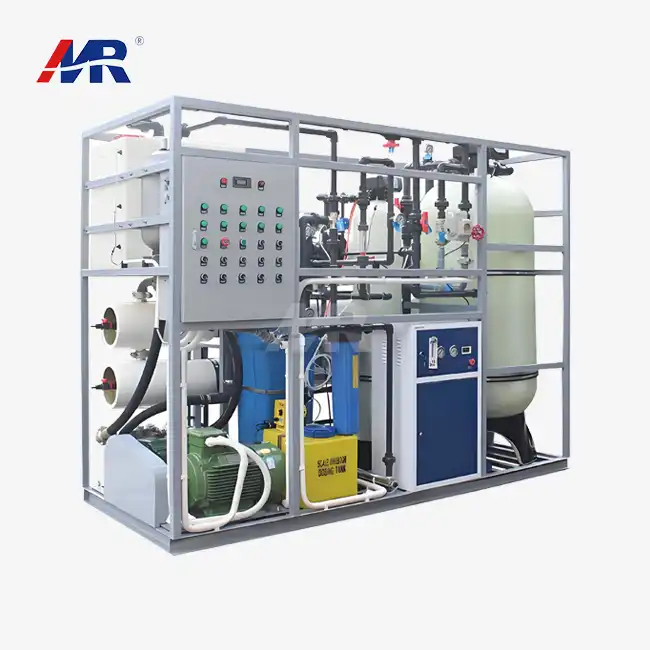 VIEW MORE2T/H seawater desalination plant
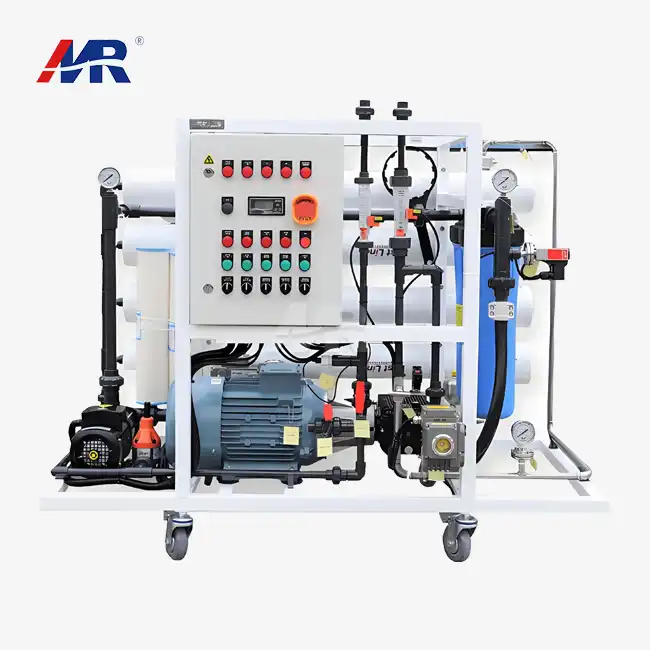 VIEW MORE2m3/hour seawater desalination equipment
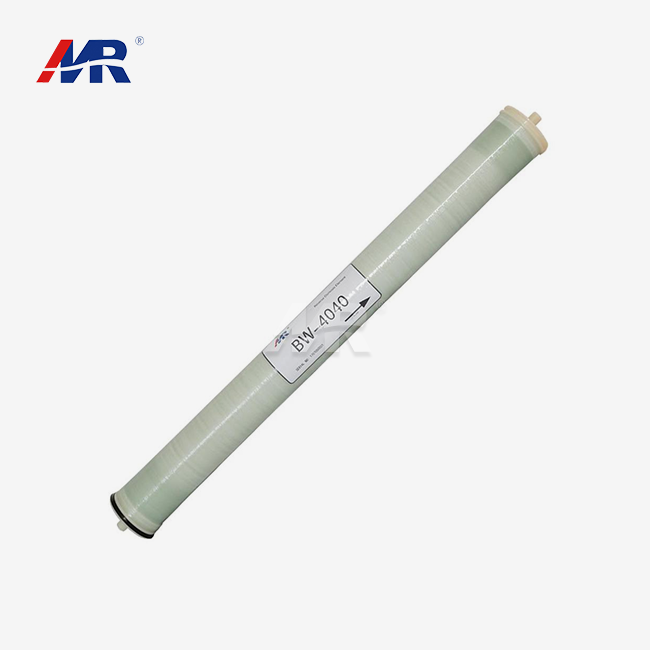 VIEW MOREindustrial ro membrane
 VIEW MOREdomestic wastewater treatment plant
 VIEW MOREcontainerized ultrafiltration equipment
 VIEW MORE25m3/hour reverse osmosis equipment
 VIEW MOREadvanced wastewater treatment system
 VIEW MORE5m3/hour seawater desalination equipment
