

_1745823981883.webp)

Can the EDI Water Treatment Process Handle Variable Feed TDS?
The EDI water treatment process can handle variable feed TDS, but its effectiveness depends significantly on proper system design and strategic pretreatment protocols. EDI modules are engineered to tolerate feedwater conductivity fluctuations typically between 15 and 40 μS/cm after reverse osmosis pretreatment. When upstream RO systems deliver consistent performance and protective monitoring catches sudden TDS spikes, electrodeionization maintains stable output resistivity between 10 and 18.2 MΩ·cm. Managing variable TDS successfully requires intelligent system integration, real-time monitoring, and proactive maintenance to prevent resin exhaustion and membrane scaling.
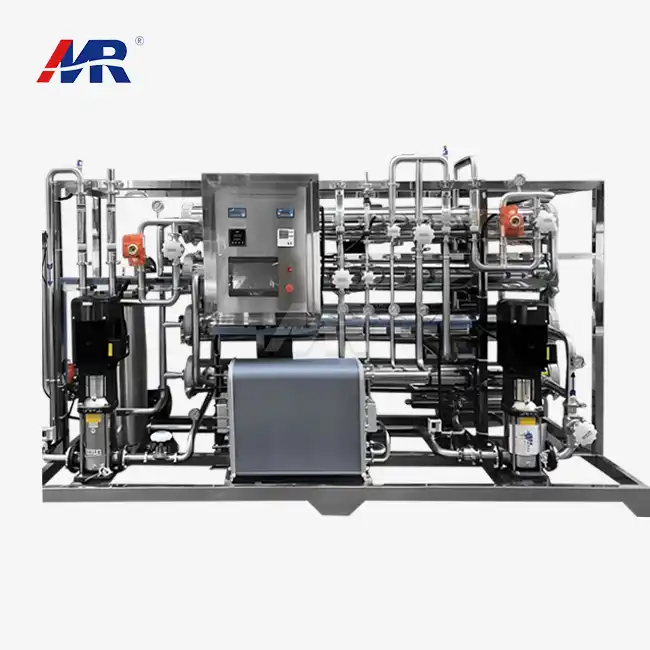
Understanding the EDI Water Treatment Process and Variable Feed TDS Challenges
Electrodeionization is a revolutionary way to clean water for commercial use. It combines ion-exchange resins, ion-selective membranes, and a direct current (DC) electrical field to constantly remove dissolved ions. Instead of using dangerous chemicals like traditional batch regeneration systems do, this technology regenerates resin beds on-site using only electricity. Because of this, very clean water is made that meets the exact requirements needed to make semiconductors, medicines, and high-pressure boilers.
Figuring out how the EDI water treatment process and the problems that come up with variable feed TDS work involves knowing what causes quality changes. The quality of source water changes with the seasons because of runoff from farms, changes in how cities treat wastewater, or rounds of industrial release. Process loops bring contaminants into factories at different rates based on the plans for output. These changes cause TDS swings that test the limits of resin capacity and stress the speed at which ions move.
What Defines Variable Feed TDS in Industrial Settings?
Total Dissolved Solids measure how many inorganic salts, biological matter, and other things that dissolve in water there are. Industrial processes often have to deal with changes in the TDS of the feedwater that can be as small as one day or as big as a season. During storm waves, brackish water may get into pharmaceutical plants on the coast, and electronics makers in farming areas have to deal with peaks of fertilizer pollution. Finding out how the TDS changes in your building lets you make specific changes to the system design.
Core Components That Influence TDS Tolerance
The design of the EDI water treatment process includes concentrate chambers that get rid of unwanted ions and dilute chambers that contain mixed-bed resins. There are cation-exchange or anion-exchange membranes between these sections. DC voltage moves ions through membranes while breaking water molecules to make plastics stronger. Changes in TDS have different effects on each component. Higher ionic loads raise the current demand and speed up the absorption of the resin. When contamination amounts rise above the design limits, the membrane fouling potential also rises.
Why Industries Need Consistent Ultrapure Water Despite TDS Variability?
Ionic contamination is not allowed in semiconductor chip washing because even parts-per-billion impurities cause output drops. Pharmaceutical companies that make water for injection have to follow USP and EP rules, even if the source water changes with the seasons. In nuclear power plants, the boiler feed water can't be less pure without putting the turbine blades at risk of rusting. Managing varying feed TDS is not just a nice-to-have because of these strict quality standards that can't be lowered.
Evaluating the Capability of EDI Systems to Handle Variable Feed TDS
Modern electrodeionization units are very flexible when they are backed by strong infrastructure for pretreatment and constant tracking. Installed systems in the real world show that they can keep producing ultrapure water even when the conductivity of the feedwater changes. However, buyers need to be aware of the limits of their performance.
We saw pharmaceutical plants keep the stability of their product water at 17.5 MΩ·cm while the yearly TDS of groundwater changed by 30%. For the project to work, upstream RO systems had to provide stable permeate quality, and automatic controls had to change the DC voltage based on conductivity sensors. Electronics companies get the same level of steadiness by putting the EDI water treatment process—EDI modules—in line. This way, the lead module can handle changes in TDS while the polishing stage makes sure that the specifications are met.
Performance Boundaries and Pre-Treatment Requirements
When water goes into electrodeionization stacks, it usually needs to have a conductivity of less than 40 μS/cm, a hardness of less than 1 ppm as CaCO₃, and free chlorine levels of less than 0.05 ppm. When changing TDS makes the RO permeate upstream get close to these limits, EDI efficiency goes down significantly. In their technical documents, membrane makers spell out the maximum TDS of the feedwater. If you go beyond these limits, membrane growth, glue fouling, and early module replacement could happen. By figuring out your worst-case feedwater scenario, you can tell if standard units are enough or if you need custom-engineered solutions.
Monitoring Protocols That Ensure Stable Operation
Continuous tracking of resistivity at the EDI outlet gives instant feedback on performance. When this is combined with conductivity monitors upstream, an early warning system for changes in feedwater quality is made. Tracking the DC current draw shows that the ionic load is going up before the quality of the product water starts to get worse. Facilities that deal with large changes in TDS can benefit from programmable logic controls that can change working settings automatically, keeping the best ion removal efficiency even when conditions change. Adding a datalogger makes predicted maintenance possible by finding patterns of slowly declining performance.
Comparison: EDI vs. Other Water Treatment Technologies under Variable Feed TDS
To choose the best purification technology for settings with changeable TDS, you need to look at how different methods handle changes in the quality of the feedwater. Each technology has its own pros and cons that affect the total cost of ownership and the ability to keep running.
Reverse osmosis is very good at lowering average TDS and removing 95–99% of dissolved solids, even if the feedwater isn't always the same. RO systems can handle a wide range of TDS levels, but the membranes need to be cleaned often when the quality of the feedwater drops. Ion exchange beds polish water to a very high standard, but they need chemical regeneration processes that stop output and produce dangerous waste. The cost and regularity of renewal go up in the same way that TDS load changes. Distillation is always pure, even when the TDS is very high or very low, but it uses 10 to 50 times more energy than membrane technologies.
The EDI water treatment process fills a valuable need by cleaning water without using chemicals after RO pretreatment. This combination setup uses RO's ability to remove large amounts of material while also using electrodeionization's ability to provide steady ultrapure output. EDI units work nonstop for months without needing to be serviced, while mixed-bed ion exchange needs to be regenerated every 8–72 hours based on the TDS load. The small size of the area means that it takes up 50% less floor room than regular deionization systems, and it only uses 0.1 to 0.5 kWh/m³ of energy.
Cost-Efficiency Analysis Across Technologies
When you only look at the capital cost of a technology, you miss the operational costs that make up most of lifetime spending. When changing TDS raises the renewal frequency, the chemical costs for ion exchange go up. Feedwater quality changes put stress on materials, which shortens the time between membrane replacement rounds. The EDI water treatment process gets rid of the need to buy chemicals and get rid of hazardous waste. However, it uses more power depending on the amount of ionic load. The real cost comparison can be found by adding up all of your facility's costs, such as downtime, upkeep labor, and following all the rules. Many sites find that the higher costs of EDI capital are paid for by practical savings within 18 to 36 months.
Optimizing EDI System Design and Operation for Variable Feed TDS
By making electrodeionization systems adaptable to changing feedwater, possible weaknesses are turned into manageable operational factors. Strategic design choices made during project definition have a big effect on how well the building works and how often it needs to be maintained in the future.
It is imperative to include the right preparation. Softening gets rid of the roughness that leads to scaling, and multimedia filtration gets rid of the particles that clog membranes. Reverse osmosis systems need to be carefully made so that they can keep working even if the quality of the feedwater drops. Putting variable frequency drives on RO pumps lets you change the flow, which keeps the permeate conductivity stable even when the TDS changes. Degasification removes dissolved CO₂ that would have used up EDI capacity, which makes the module last longer.
Modular Configurations That Enhance Flexibility
For variable TDS uses, these are the main benefits of flexible EDI architectures:
- Scalable Capacity: Adding or removing units lets you change the treatment capacity to meet production needs without making the fixed infrastructure too big. When factories have seasonal production cycles, turning on more units during busy times can help them save money on running costs during slower months.
- Redundancy Protection: Setting up modules in parallel lets them keep working even when there are repairs or unplanned problems. When one section needs to be cleaned or a membrane replaced, others keep the production water supply going, which keeps expensive shutdowns from happening.
- Staged Polishing: In series setups, a lead module takes on the most ionic load, and a secondary stage makes sure that the finished product meets the water requirements. This setup makes the polishing modules last longer and offers relief when the TDS of the feedwater rises.
Maintenance Practices That Prevent Performance Degradation
How well systems can handle changing TDS conditions is directly affected by the repair plans that are used. Setting cleaning plans based on watching the quality of the feedwater instead of random time intervals makes the modules last longer. By keeping an eye on resistance trends, you can spot slowing downs in performance that mean maintenance is about to happen. This way, you can plan for downtime instead of having to act quickly. Verification of sensor calibration makes sure that tracking data stays correct, which stops fake alarms or missed warnings.
When fouling happens despite taking precautions in the EDI water treatment process, chemical cleaning methods recover the performance of the membrane and resin. Mineral scaling can be removed with citric acid solutions, and organic or bacterial gunk can be removed with cleaners made just for that purpose. Facilities where TDS changes a lot do better with cleaning processes that happen every three months instead of once a year. This keeps them running at their best during all working times.
Conclusion
In conclusion, when systems are properly set up with strong pretreatment, constant tracking, and proactive maintenance plans, the EDI water treatment process can handle varying feed TDS. While electrodeionization units have clear limits on what they can do, combining them with reverse osmosis and smart technology makes it possible to consistently produce ultrapure water even when the quality of the feedwater changes. Manufacturing semiconductors, making medicines, and making electricity are all industries that need water that is very pure. They depend on EDI technology to keep specifications met in changing working conditions. If you choose providers with a lot of knowledge, full expert support, and a track record of success in various TDS applications, you can be sure that your purchases will be reliable for a long time and have a low total cost of ownership.
FAQ
1. What maximum feed TDS can standard EDI modules tolerate?
Standard electrodeionization units need feedwater with a conductivity below 40 μS/cm, which is equal to 20 to 25 ppm TDS after reverse osmosis preparation. Specialized high-capacity units can handle conductivity up to 100 μS/cm, but they become less efficient and need to be serviced more often. The exact tolerance is based on the ionic makeup. At the same TDS levels, hardness and silica are worse than sodium chloride.
2. How do hybrid RO plus EDI configurations improve TDS variability management?
Reverse osmosis is the main hurdle for lowering TDS; it takes in most changes in the quality of the feedwater before it gets to the EDI modules. This step-by-step method lets ro membranes handle big changes in contamination, while electrodeionization works on cleaning the water to very high purity standards. The mixture is more reliable than either technology working by itself, especially when automated controls change the running settings of the RO system to keep the permeate conductivity stable.
3. What maintenance frequency should facilities expect with variable feed TDS?
How often maintenance needs to be done directly depends on how variable the feedwater quality is and how well the preparation works. Every year, big cleanings are done at facilities that get steady, well-treated feedwater. If an operation has big changes in TDS or poor preparation performance, it may need to be cleaned every three months. Condition-based repair scheduling is possible with continuous tracking, which extends the life of modules and stops them from breaking down without warning.
Partner with Morui for Reliable EDI Water Treatment Process Solutions.
Customized electrodeionization systems are made by Guangdong Morui Environmental Technology for tough industry uses where changing feed TDS makes standard technologies less useful. Twenty experienced engineers on Our Team come up with combined solutions that use our own membrane technology and tried-and-true prep parts to make sure that the output of ultrapure water is always the same. As a well-known EDI water treatment process provider, we work with the pharmaceutical, semiconductor, and power generation industries on several continents. We offer full support from the initial system design phase through installation, testing, and ongoing expert support.
Electrodeionization is the best technology for forward-thinking procurement teams because it has a small size and doesn't use chemicals. Our modular designs can easily adapt to your facility's unique feedwater variability patterns. We promise quick service and real replacement parts for as long as your system works because we have 14 locations and smart partnerships with top component makers like Shimge Water Pumps and Runxin Valves. Get in touch with our technical team at benson@guangdongmorui.com to talk about your unique water quality problems and get a full analysis along with equipment specs that are made to fit your production needs.
References
1. American Society for Testing and Materials. (2021). ASTM D5127-21: Standard Guide for Ultra-Pure Water Used in the Electronics and Semiconductor Industries. West Conshohocken, PA: ASTM International.
2. United States Pharmacopeial Convention. (2023). USP <1231> Water for Pharmaceutical Purposes: Purified Water and Water for Injection Production Standards. Rockville, MD: USP.
3. Ganzi, G.C., Wood, J.H., and Jha, A.D. (2019). Electrodeionization: Theory and Practice in Continuous Electrochemical Water Treatment. Water Treatment Technologies Journal, 15(3), 447-462.
4. International Desalination Association. (2022). Hybrid Membrane Systems for Variable Feedwater Quality Management in Industrial Applications. IDA Technical Report Series, Topsfield, MA.
5. Semiconductor Equipment and Materials International. (2020). SEMI F63-0320: Guide for Ultrapure Water System Design and Operation in Semiconductor Manufacturing. Milpitas, CA: SEMI.
6. Wilf, M. and Schierach, M. (2021). Improved Performance of Hybrid RO-edi systems Under Variable Total Dissolved Solids Conditions. Desalination and Water Treatment, 209, 118-134.
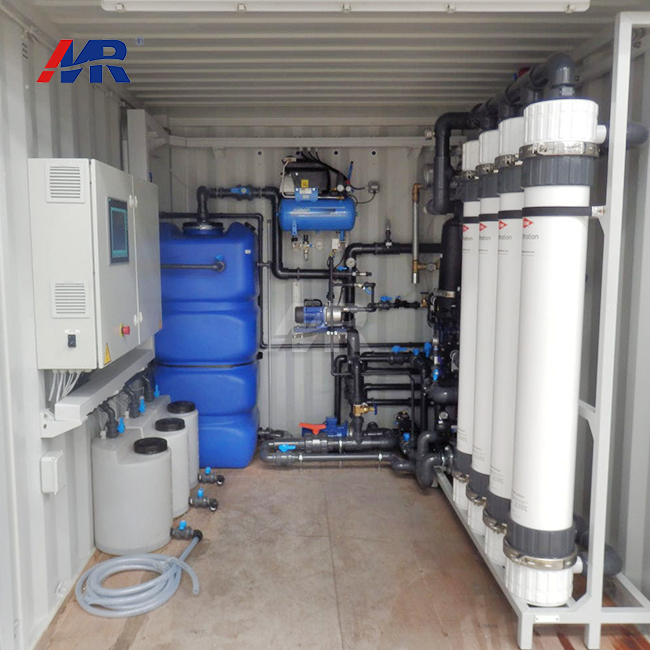 VIEW MOREcontainerized ultrafiltration equipment
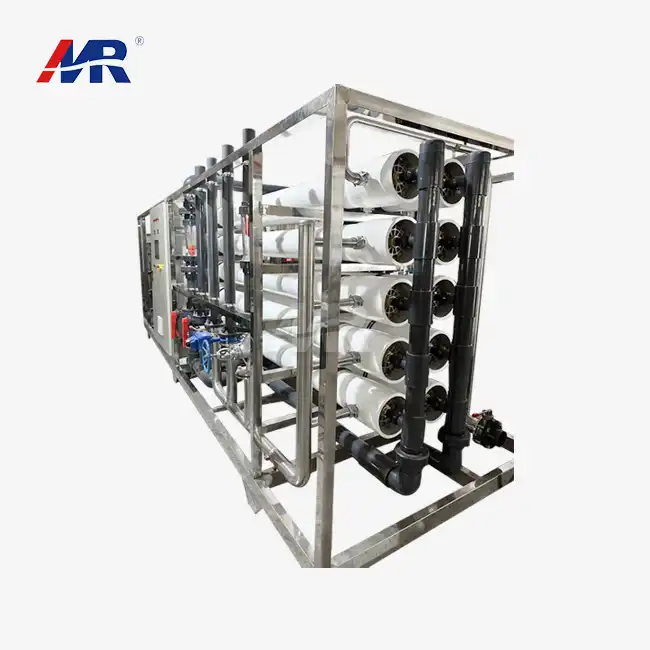 VIEW MORE50m3/hour reverse osmosis equipment
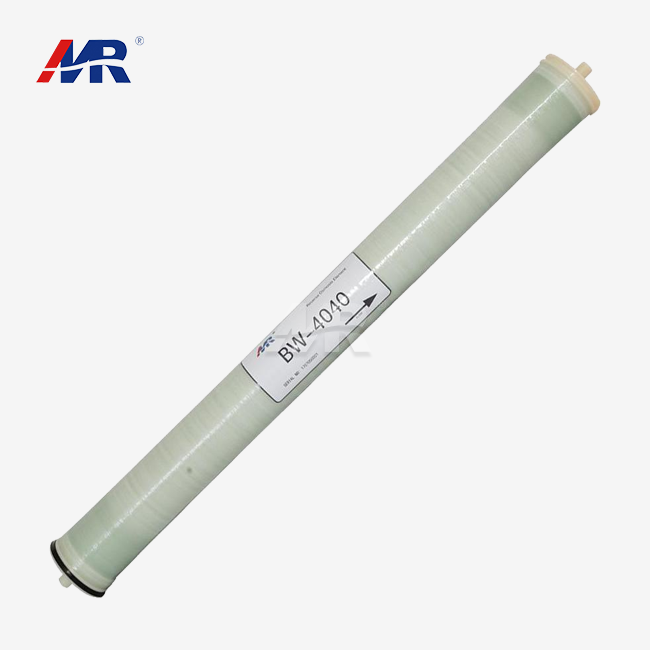 VIEW MORE4040 reverse osmosis membrane
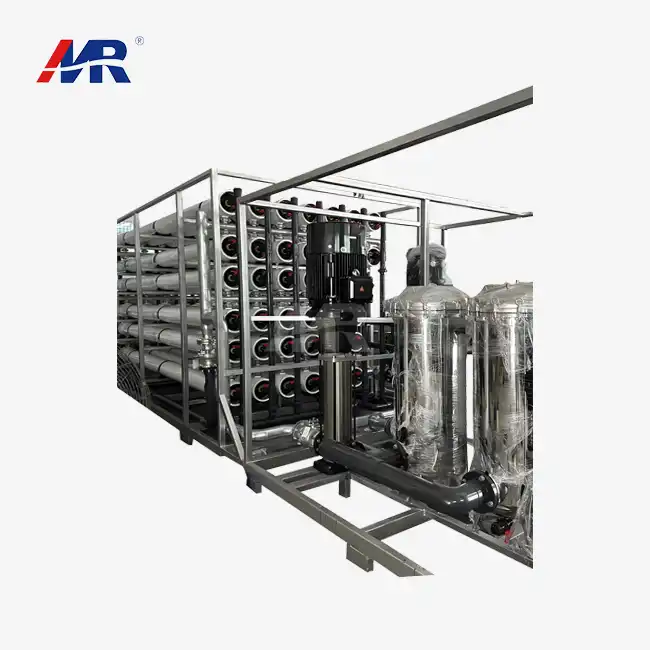 VIEW MORE150m3/hour reverse osmosis plant
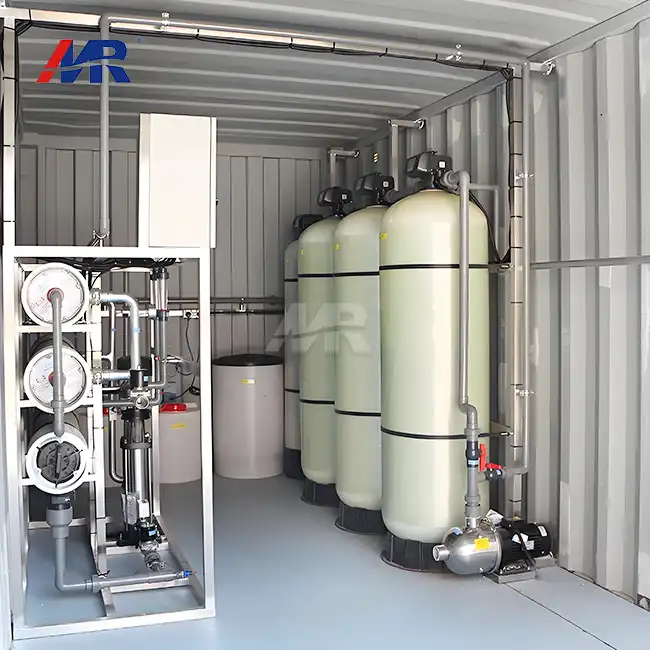 VIEW MOREcontainer type 3m3/hour RO equipment
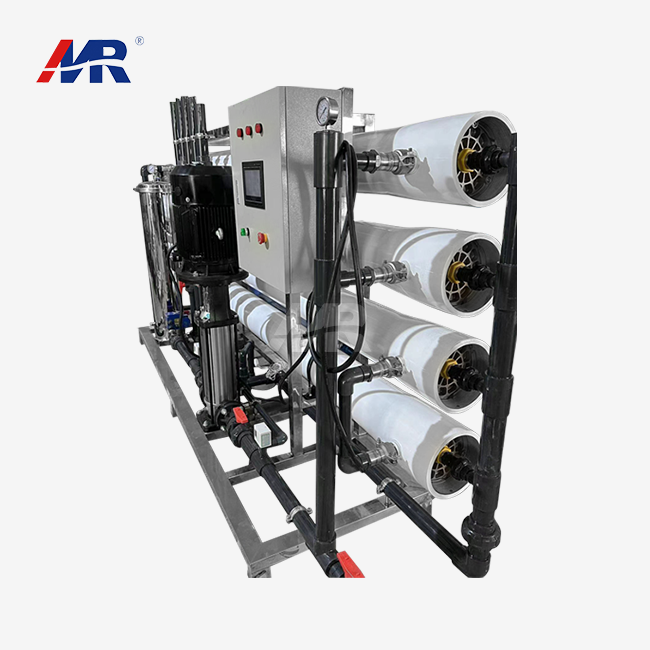 VIEW MOREunder counter reverse osmosis water system
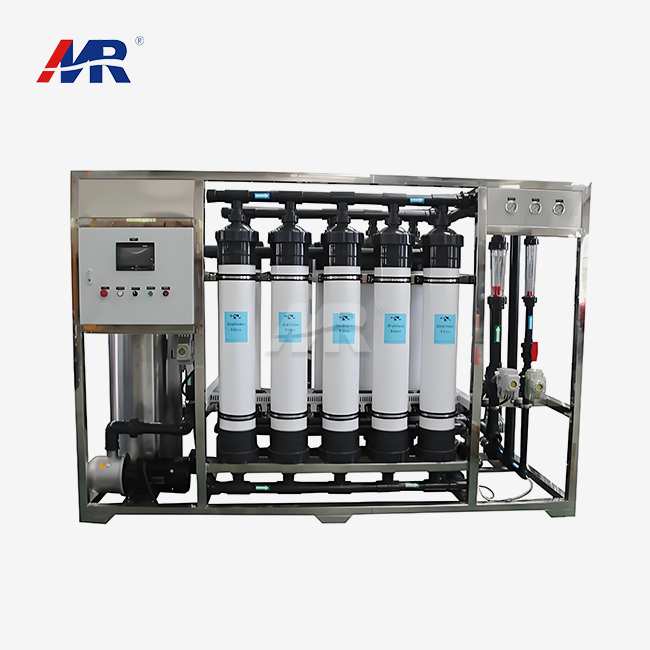 VIEW MOREultrafiltration skid
 VIEW MOREhome wastewater treatment plant
