_1745823981883.webp)

Reverse Osmosis for Well Water: Common Problems and Solutions
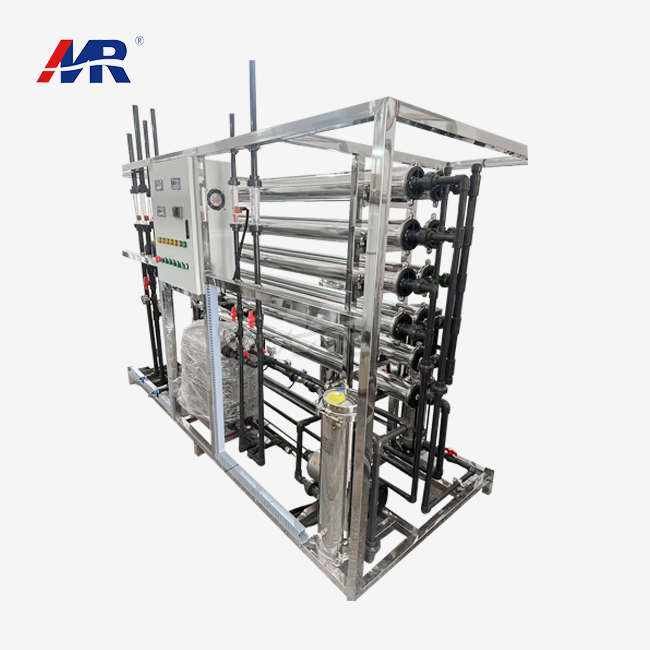
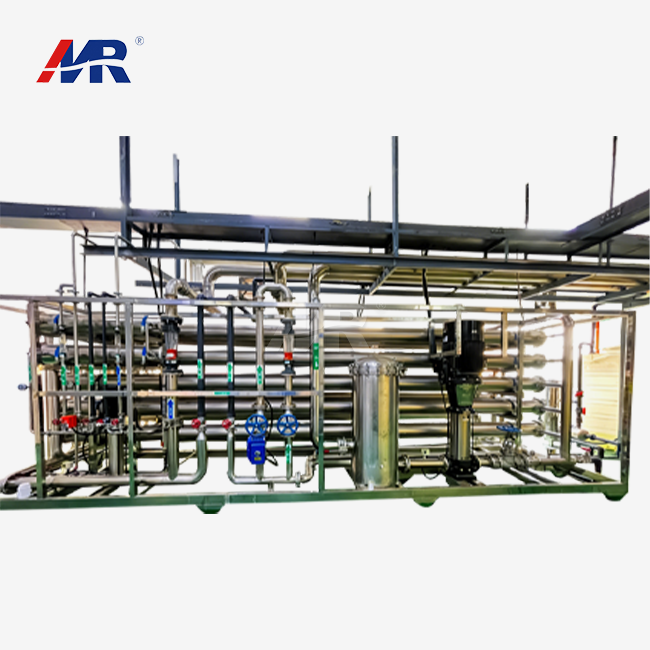
Millions of businesses and homes in the US depend on well water, but it comes with its own problems that public water sources don't have to deal with. With its advanced membrane filter technology, a reverse osmosis system for well water gets rid of up to 99% of dissolved solids, heavy metals, nitrates, and microbes that are bad for the water. This unique way of cleaning water deals with the unpredictable chemical profiles that come from groundwater sources. It makes sure that the water quality stays the same and meets EPA standards and operating needs in a wide range of industry settings.
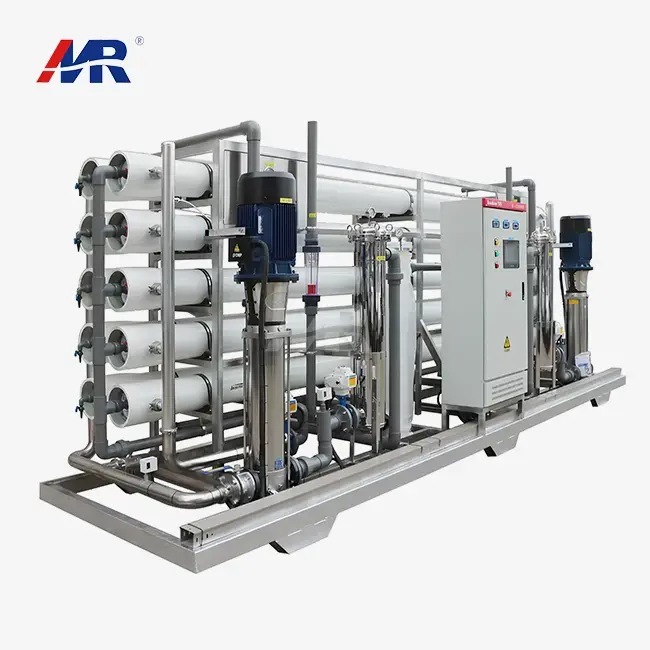
Understanding Common Problems in Reverse Osmosis Systems for Well Water
Groundwater has its own problems that can have a big effect on how well a system works and how much it costs to run. Purchasing managers and building engineers can avoid expensive downtime and keep water quality stable by noticing these problems early on.
Iron and Sediment Contamination
High amounts of iron are typical in well water, which shows up as reddish-brown stains and a metallic taste. When the iron level goes above 0.3 mg/L, the membrane starts to get clogged up early, which makes the system 30–50% less efficient. Without proper pre-filtration, sediment particles like sand and fine silt build up quickly. This causes backpressure, which puts stress on pumps and shortens the life of membranes. These particles scratch the surfaces of membranes and make holes in them that allow contaminants to get through without being filtered.
Membrane Fouling and Scaling
When groundwater hardness is higher than 200 mg/L, calcium carbonate and magnesium deposits form hard scale on the sides of membranes. This scale effect lowers the absorption flow rates and raises the rejection ratios, which leads to more water waste and energy use. Biological pollution happens when groups of bacteria settle on membrane surfaces and make biofilms that are hard to clean with normal methods. Both situations require more frequent chemical cleanings and membrane replacements earlier, which raises the total cost of ownership.
Compromised Water Flow and Pressure Fluctuations
Source pressure in well water systems changes based on the conditions of the groundwater and how well the pump works. When the feed pressure drops below 40 psi, the production of permeate drops by a lot. On the other hand, pressures above 80 psi can damage the membrane. The permeability of membranes is affected by changes in groundwater temperature. For example, cold water in the winter lowers output by up to 25% compared to summer temperatures. These changes make it harder to plan for capacity and make output more irregular.
How Reverse Osmosis Works to Overcome Well Water Issues
Engineers and procurement specialists can better understand how well a reverse osmosis system for well water deals with groundwater problems when they know about the science behind membrane filtration.
Membrane Technology and Contaminant Removal
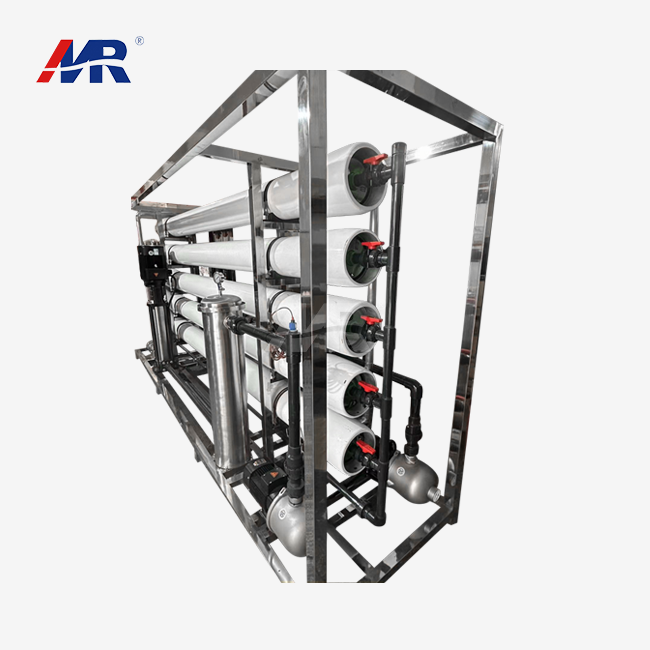
With pores that are between 0.0001 and 0.001 microns wide, Thin Film Composite (TFC) membranes make a physical barrier that stops dissolved salts, heavy metals like arsenic and lead, nitrates from farming waste, and microbiological threats like E. coli and cryptosporidium. At pressures of 60 to 80 psi, these semi-permeable barriers let water molecules pass through but block contaminants based on their electrical charge and molecular size. Total Dissolved Solids (TDS) levels in well water can drop from 500 to 1500 mg/L to 50 mg/L or less with this technology. This makes the water clean enough for demanding uses.
Integrated Pre-Treatment Systems
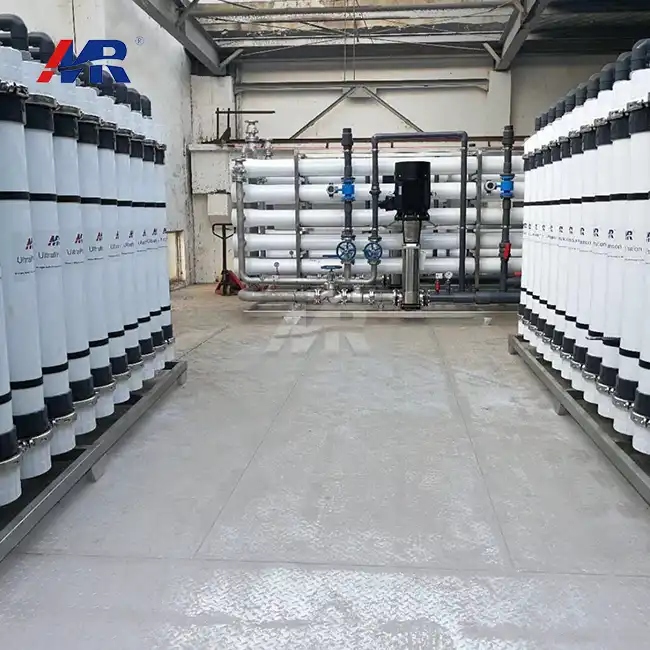
In high-sediment settings, sediment filters with ratings from 5 to 20 microns can catch suspended particles before they hit the membranes. This makes them last longer, from 2 to 7 years. Activated carbon blocks get rid of chlorine, organic molecules, and volatile chemicals that break down membrane proteins. They also make the water taste and smell better. Water softeners or polyphosphate injection systems keep scale from forming by removing hardness minerals, which means that cleaning needs are cut down from once a month to three times a year. UV sterilization at 30–40 mJ/cm² protects against microbes even more, making sure that the water used in sensitive processes is free of pathogens.
Real-World Performance Data
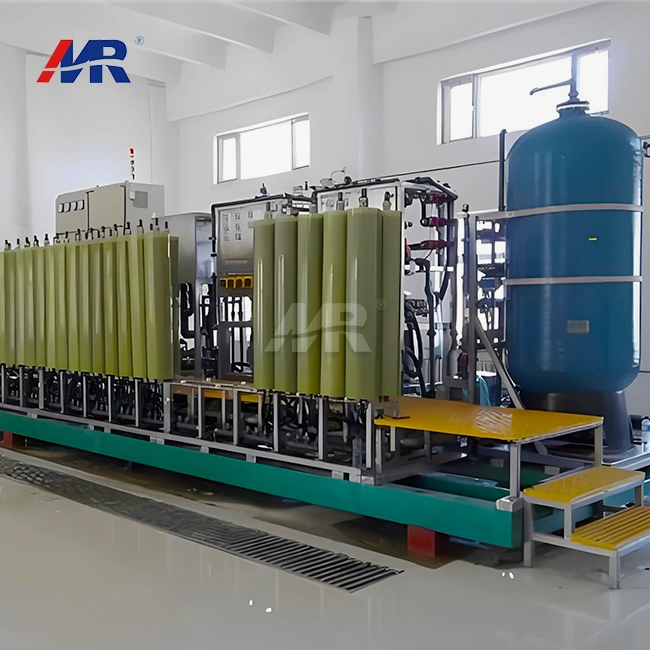
A food processing plant in the area used a stepped system that included oxidation filters, softening membranes, and ro membranes to treat well water that had 850 mg/L TDS and 4.2 mg/L iron. The installation rejected 98.5% of the TDS, got rid of iron to amounts that couldn't be found, and kept production steady at 15,000 gallons per day for three years with regular upkeep. A pharmaceutical factory that used groundwater that had 12 mg/L of nitrates in it used multi-stage RO with remineralization to get water with less than 2 mg/L of nitrates that met USP standards for use in injections.
Best Practices and Maintenance Guidelines for RO Systems in Well Water Applications
Systematic repair routines keep systems running well and help business and industrial users get the most out of their investments.
Filter and Membrane Replacement Schedules
Depending on the amount of particulate matter, sediment pre-filters need to be replaced every three to six months. Pressure difference gauges show when resistance goes beyond what is reasonable. After 6 to 12 months, carbon filters stop working because their adsorption capacity is full. If you take good care of your RO membrane, it should last between 3 and 5 years. However, if there is a lot of fouling, it may only last 2 to 3 years. Tracking standardized permeate flow and salt rejection rates helps figure out when to replace something so that it stops working poorly and affects the quality of the product.
Early Warning Signs
Low permeate output despite stable feed pressure is a sign of membrane growth or fouling in a reverse osmosis system for well water. More reject water means that the membrane is breaking down or the seal is leaking. Strange tastes or smells can mean that the carbon filter is full or that bugs are growing. If the TDS in the product water goes up, it means that the membrane or O-ring has been damaged. By checking these factors by hand or using automatic sensors once a week, you can catch small problems early, before they become system failures.
Routine Maintenance Protocols
Concentration polarization and deposits can be avoided by flushing membranes for 30 to 60 seconds after they are turned off. Cleaning once a month with food-safe hydrogen peroxide or peracetic acid stops germs from growing. Using citric acid to remove mineral scale and sodium hydroxide to remove organic fouling every three months keeps the flow rates at their best. Every year, the system is inspected to make sure the pumps are working properly, the valves are working, and the pressure tank is intact. Keeping records of all maintenance tasks makes people responsible and helps find problems that keep happening that need to be fixed by changing the design.
Choosing the Right Reverse Osmosis System for Well Water: A Practical Guide
To choose the right tools, you need to carefully look at the water's properties, your working needs, and your integration needs.
Contaminant Profile Assessment
Before choosing the right tools, lab tests on well water should check for TDS, hardness, iron, manganese, sulfates, nitrates, pH, and microbial markers. Testing at different times of the year shows how the makeup of groundwater changes over time. When engineers know the exact amounts of contaminants, they can choose pre-treatment parts and membrane types that work best in real-world situations instead of using standard setups. Chemical research costs $150 to $400, but it keeps things from being mis-specified, which could lead to equipment replacements that cost thousands of dollars.
Capacity Planning and System Sizing
Find the highest amount of water that is needed each day, taking into account process needs, cleaning tasks, and emergency supplies. For small businesses, commercial systems can handle 500 gallons per day, while for large factories, they can handle 50,000 gallons or more per day. How much feed water turns into useful permeate versus concentrate output is based on recovery rates between 50 and 75%. Undersized systems keep running at full capacity all the time, which speeds up wear and tear. Oversized equipment, on the other hand, costs more to buy and runs less efficiently when demand is low.
Configuration Options
Point-of-use systems, which are put on certain pieces of process equipment, clean specific areas that need it, like lab tools or equipment used to mix drinks. Centralized whole-facility systems use transport pipes to bring clean water to all areas of the business. This saves money and makes upkeep easier. For very sensitive uses, hybrid methods combine pre-treatment in the center with polishing at the place of use. When operations grow, modular designs let you add more space without having to replace whole systems.
Cost Considerations and Procurement Advice for Well Water RO Systems
Strategic buying balances the initial investment in a reverse osmosis system for well water with the costs over the product's lifetime and the dependability of its operations.
Capital Investment Structure
For small businesses, the cost of equipment for commercial well water systems ranges from $3,000 to $15,000. For large businesses, the cost ranges from $50,000 to more than $200,000. Professional installation can add 20–40% to the cost of the equipment, based on how complicated the site is, how much electricity is needed, and how well it fits in with the current infrastructure. Set aside different amounts of money for pre-treatment parts like iron removal systems ($2,000 to $8,000) and post-treatment parts like remineralization or UV cleaning ($500 to $3,000).
Operating Cost Analysis
For small systems, replacing the filter and membrane every year costs $500 to $2,000, and for big setups, it costs $5,000 to $20,000. At $0.12 per kWh, devices that process 5,000 to 30,000 gallons of water every day use an average of $300 to $1,500 per year in energy. Chemicals used for cleaning cost between $200 and $800 a year. If 25–50% of the feed amount is wasted as water, sewage fees may be due. Figuring out the five-year total cost of ownership helps you make reasonable budgets and compare vendors fairly beyond the initial purchase price.
Supplier Qualification Criteria
Check for standards like ISO 9001 for manufacturing quality and NSF/ANSI 58 for drinking water systems. Ask for examples from people who work in related fields and check the claims directly with those people. Check the warranty coverage—full plans that last 3–5 years show that the maker is confident in their Products. Check the availability of expert help, the stock of spare parts, and the reaction time for service. Reliable providers give thorough information like performance data, repair manuals, and troubleshooting guides that give internal teams the tools they need to do their jobs.
Conclusion
Understanding the specific problems that groundwater causes and choosing systems that are made to deal with those problems well are necessary for the successful implementation of reverse osmosis for well water treatment. By using the right pre-treatment, membranes of the right size, and strict upkeep procedures, you can be sure of reliable performance that meets both regulatory standards and practical needs. The money spent on good tools and a thorough water study pays off in lower downtime, lower running costs, and stable product quality. As rules about water quality get stricter and output needs rise, it becomes more and more important for long-term success to work with skilled suppliers who can provide full support.
FAQ
1. Can reverse osmosis remove iron from well water effectively?
RO membranes effectively remove dissolved ferrous iron, reducing it by 95–98%. But oxidized ferric iron and iron bugs need to be cleaned up first by oxidation filters or water softeners so that they don't foul and stain RO membranes.
2. How often should membranes be replaced in well water applications?
Under normal conditions, a membrane will last between 3 and 5 years, but this can vary a lot depending on the quality of the feed water and how well it is maintained. Lifespan can be cut to two to three years if there is a lot of iron, bacterial activity, or not enough pre-filtration. Regularly checking the performance shows the best time to change something.
3. What are the signs that my system needs repair right away?
Keep an eye out for less water being made, more reject water, strange tastes or smells, changes in color, or rising TDS levels in the product water. Changes in pressure and strange noises coming from the pump are also signs of problems that need to be fixed right away. Success with a reverse osmosis for well water system depends on monitoring these indicators proactively.
Partner with Morui for Reliable Well Water Treatment Solutions
Guangdong Morui Environmental Technology is an expert in designing and manufacturing water treatment systems that deal with the tough problems of cleaning up groundwater for use in businesses, homes, and cities. Our many years of experience include more than 500 successful installations, backed by 20 committed experts who know how to treat well water. We offer complete solutions and have our own membrane production plant. We are both makers and approved distributors of high-quality parts like Shimge pumps and Runxin control valves.
Our Team creates custom setups that meet your specific water chemistry and capacity needs, whether you need a small system for use in the lab or a big installation for use in manufacturing. We provide full package services that include providing equipment, installing it professionally, activating the system, and providing ongoing Technical support. Email our tech team at benson@guangdongmorui.com to talk about how to treat your well water and get a full inspection. With 14 service branches across our network, we're a trusted reverse osmosis system for well water source that can help your business with quick service and real replacement parts that keep the system running smoothly.
References
1. American Water Works Association (2020). "Reverse Osmosis and Nanofiltration: Manual of Water Supply Practices M46." AWWA Publications, Denver, Colorado.
2. Bergman, R. A. (2019). "Membrane Softening versus Conventional Lime Softening: A Comparative Analysis for Well Water Treatment." Journal of Water Process Engineering, Vol. 31, pp. 45-58.
3. National Ground Water Association (2021). "Private Well Water Quality: Testing, Treatment, and Maintenance Guidelines." NGWA Press, Westerville, Ohio.
4. Schaefer, J. K. and Collins, M. R. (2020). "Iron and Manganese Removal from Groundwater Using Membrane Filtration Technologies." Environmental Engineering Science, Vol. 37, No. 4, pp. 287-301.
5. U.S. Environmental Protection Agency (2021). "Drinking Water Treatment Technology Unit Cost Models and Overview of Technologies." EPA 816-R-21-003, Office of Water, Washington, DC.
6. World Health Organization (2022). "Guidelines for Drinking-water Quality: Fourth Edition Incorporating the First and Second Addenda." WHO Press, Geneva, Switzerland.