

_1745823981883.webp)

Osmosis Water Machine Benefits for Homes and Businesses
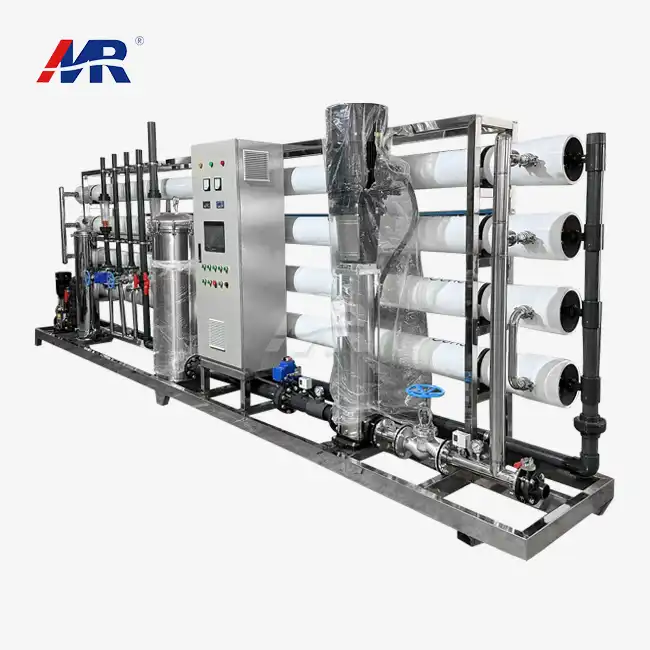
An osmosis water machine delivers transformative water purification for both residential and commercial applications by removing up to 99% of dissolved solids, heavy metals, and chemical contaminants through advanced reverse osmosis technology. This system provides safe drinking water, protects equipment from scaling, and meets stringent quality standards across industries—from food processing to pharmaceutical manufacturing. The benefits extend beyond health protection to include significant cost savings, operational reliability, and compliance with regulatory requirements that modern businesses and homeowners demand.
Why Choosing the Right Water Purification System Matters
No longer is clean water just about how it tastes. The quality of the water you drink has a direct effect on your health and the efficiency of your business, whether you're in charge of a restaurant, a factory, or just your family's drinking at home.
I've worked at Guangdong Morui Environmental Technology for years on water treatment solutions, and I've seen how the right osmosis water machine can change how things are done. Our customers always say that their equipment breaks down less often, the quality of their Products is better, and they have real peace of mind knowing that their water meets safety standards.
A lot of people have trouble figuring out which water filter technology will really help them. Municipal water is very different from one area to another. When you use well water, it can be tricky. That's why reverse osmosis technology is so important—it's the safest way to get rid of contaminants that carbon filters can't reach.
Core Benefits That Matter Most
Health Protection Through Advanced Filtration
An osmosis water machine has a semi-permeable RO membrane that works at 0.0001 microns. This is very small, but it's still big enough to stop dissolved salts, arsenic, lead, nitrates, and new threats like PFAS chemicals. This isn't marketing speak; it's performance that can be measured and proven by NSF/ANSI 58 approval.
Plumbing systems in older homes will benefit right away. It's no longer a problem for old pipes to leak lead. Families with people who don't have strong immune systems get an extra defence against watery pathogens.
The accuracy of making drinks gets better in commercial kitchens. When coffee shops use treated water, the mineral content stays the same from batch to batch, which makes extraction more predictable and improves flavour profiles.
Economic Advantages for Businesses
Industry studies show that using an osmosis water machine in factories cuts down on equipment repair costs by 40 to 60 per cent. Scale and material buildup hurt industrial equipment, cooling towers, and boilers. These pricey problems are solved by the water filtering system.
When businesses install point-of-use systems, they no longer have to pay for bottled water. A medium-sized office that pays $3,000 a year for delivered water usually gets its money back in 18 months.
Agricultural activities in areas with salty water turn the irrigation water that can't be used into useful resources. Modern systems can collect up to 75% of the water they use, which means less waste and lower water bills.
Compliance and Quality Assurance
Facilities that work with drugs and science must make water that meets GMP standards. Our osmosis water machine setups that include TDS tracking and automatic paperwork make sure that all of our customers always follow the rules. Audit trails become easy to follow instead of being hard to understand.
Food and drink makers are also closely watched by regulators. Validated water treatment methods protect the image of a brand and prevent expensive refunds from happening. Buying the right filter equipment is an investment that pays off by lowering risk.
For dialysis and sterilisation, medical facilities need Type II or Type III water. The levels of conductivity that can be reached with RO technology regularly meet these strict requirements.
Key Performance Parameters You Should Understand
Salt Rejection Rate and TDS Reduction
Quality systems achieve 97-99% salt rejection. This metric tells you how effectively the ro membrane removes dissolved solids. Feed water entering at 500 ppm TDS should produce permeate water below 15 ppm.
Testing your output water regularly ensures membrane integrity. We recommend monthly TDS checks using calibrated meters. Declining performance indicates maintenance needs before complete failure occurs.
Flow Capacity Matching Your Needs
Residential applications typically require 50-100 gallons per day (GPD). Commercial kitchens need 400-800 GPD, depending on volume. Industrial processes may demand 10,000+ GPD through multiple parallel systems.
Undersizing creates operational bottlenecks. Oversizing wastes energy and increases unnecessary flush cycles. Proper system design starts with accurate demand calculations, including peak usage periods.
Recovery Ratio and Water Efficiency
Standard systems recover 50-75% of feed water as purified product. The remaining concentrate carries rejected contaminants to the drain. Higher recovery ratios reduce waste but require careful management to prevent membrane fouling.
Coastal facilities treating brackish water often prioritise recovery ratios because source water carries higher costs. Concentration management becomes critical as recovery increases beyond 75% in an osmosis water machine.
Morui's Osmosis Water Machine vs. Standard Market Options
Integrated Manufacturing Advantages
Having our own membrane production factory gives us quality control that resellers simply cannot match. We test every membrane for flux rate, rejection performance, and structural integrity before assembly. This vertical integration translates to longer equipment life and more predictable performance.
Our equipment processing facilities allow custom configurations without the delays typical when coordinating multiple suppliers. Need a hybrid UF+RO system with specific pre-treatment stages? We design and build it in-house with a faster turnaround.
The partnership with established component manufacturers like Shimge Water Pumps and Runxin Valves ensures reliable parts sourcing. These aren't generic components—they're selected for compatibility and durability in demanding water treatment applications.
Comprehensive Support Infrastructure
Twenty dedicated engineers provide Technical support throughout the system lifecycle. Pre-installation water analysis identifies potential challenges before equipment arrives. Commissioning services ensure optimal startup parameters.
Ongoing support matters more than the initial purchase price. Our 14 branches across the region mean technician response times measured in hours, not days. When production depends on water quality, downtime costs exceed service contracts many times over.
Training programs help yOur Team understand basic maintenance procedures—filter changes, membrane cleaning protocols, and troubleshooting common issues. Empowering your staff reduces dependency while maintaining performance.
Application-Specific Design Experience
We've installed systems across dramatically different environments—from high-salinity coastal regions to agricultural settings with heavy sediment loads. This experience informs better recommendations.
A pharmaceutical client needed validation documentation for FDA inspection. We provided complete IQ/OQ/PQ protocols and supported their audit. That specialised knowledge separates true partners from equipment vendors.
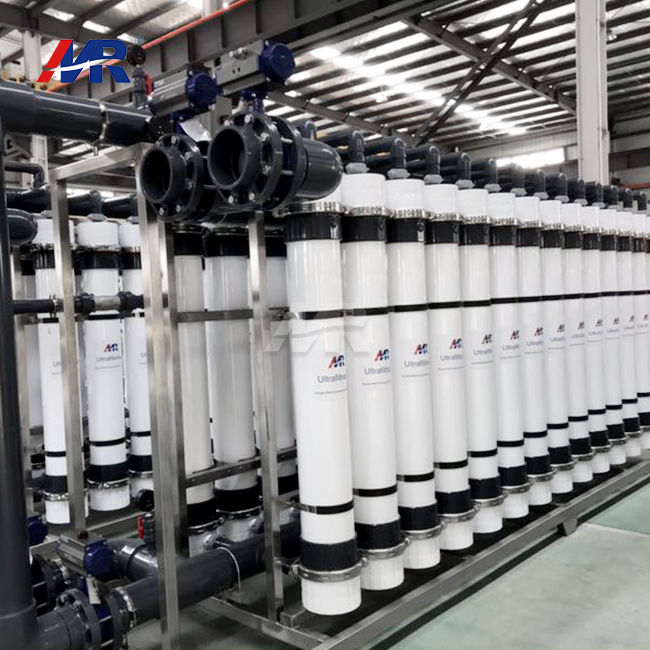
Aquaculture operations require consistent water parameters for sensitive species. Our Ultrafiltration Equipment configurations maintain stability even with variable source water quality, reducing mortality events.
Maximising Benefits Through Proper Implementation
Pre-Treatment Requirements
Source water analysis determines necessary pre-treatment stages. High turbidity requires sediment filtration before reaching the RO membrane. Chlorinated municipal water needs carbon filtration to prevent membrane oxidation damage.
Hardness above 200 ppm typically justifies water softener installation upstream. Calcium and magnesium scaling shortens membrane life dramatically. The modest softener investment extends RO membrane service by years.
Iron and manganese require oxidation and filtration before RO processing. These metals foul membranes rapidly and prove difficult to clean once established.
Maintenance Schedules That Preserve Performance
Pre-filters need replacement every 3-6 months, depending on source water quality. Pressure differential monitoring across filter housings indicates when a change is due. Exceeding 15 PSI differential risks membrane damage from particulate breakthrough.
RO membranes last 2-5 years with proper care. Regular CIP (Clean-In-Place) procedures using appropriate chemicals remove foulants before permanent damage occurs. Acidic cleaners address mineral scaling; alkaline solutions tackle organic and biological fouling.
Storage tank sanitisation prevents bacterial growth in holding systems. Quarterly sanitisation cycles maintain water quality between the purification system and the point of use.
Monitoring and Adjustment
Smart systems with continuous TDS monitoring provide early warning of performance degradation. Sudden increases in permeate conductivity signal membrane compromise requiring investigation.
Feed pressure impacts both rejection rate and membrane life. Operating significantly above design pressure increases energy costs without proportional benefits. Below-spec pressure reduces output and allows contaminant passage.
Temperature affects system performance predictably. Cold feed water reduces flux rate; adjustment of operational parameters compensates for seasonal variation.
Important Considerations Before Purchase
Sizing Based on Actual Demand
Calculate peak demand periods, not just average consumption. Restaurant morning prep and lunch rush create demand spikes that undersized systems cannot meet. Buffer capacity through storage tanks bridges the production rate and consumption patterns.
Future expansion plans should influence current sizing decisions. Adding capacity later often costs more than initial proper sizing. Modular designs allow staged implementation, matching growth.
Site-Specific Requirements
Available space dictates osmosis water machine configuration. Compact under-sink models suit residential applications. Commercial installations might require dedicated mechanical rooms with proper drainage and electrical service.
Feed water pressure below 40 PSI necessitates booster pumps. Municipal pressure varies throughout the day; consistent RO performance requires stable input pressure through regulation or pumping.
Drain line sizing and accessibility affect concentrate disposal. Local regulations may require special handling of high-TDS reject water rather than direct sewer discharge.
Total Cost of Ownership Analysis
Initial purchase price represents only 30-40% of lifetime costs. Energy consumption, replacement filters, membrane changes, and service visits comprise the majority of expenses over a 10-year period.
Energy-efficient pumps and optimised recovery ratios reduce operating costs. Variable frequency drives adjust pump speed to actual demand rather than running full power continuously.
Extended warranties and service contracts provide cost predictability. Budgeting for maintenance proves easier than managing unexpected repair expenses.
Industry-Specific Applications
Food and Beverage Processing
Product consistency depends on water quality consistency. Brewing operations achieve repeatable results when mineral profiles remain stable. The osmosis water machine provides that foundational control.
Ingredient hydration, equipment cleaning, and final product formulation all benefit from purified water. Removing chlorine prevents off-flavours. Controlling hardness prevents processing equipment scaling.
Healthcare and Laboratory Settings
Dialysis requires water purity standards that only RO technology reliably achieves. Bacterial endotoxin removal protects patient safety. Continuous quality monitoring with automated alarms ensures compliance.
Research laboratories preparing reagents and buffers need low-conductivity water. Type II water from RO systems meets these requirements without the expense of more elaborate deionisation equipment for many applications.
Manufacturing and Industrial Processes
Electronics manufacturing depends on ultrapure water for wafer cleaning and component processing. Combined RO and EDI (Electrodeionization) systems achieve the sub-1 microsiemens conductivity these processes demand.
Power generation facilities use purified water for boiler feed, preventing scale formation that reduces heat transfer efficiency and causes expensive tube failures.
Electroplating operations reclaim process water through treatment, reducing both water purchases and wastewater disposal costs while maintaining consistent plating quality.
FAQ
Q1: How often should I replace the RO membrane in my osmosis water machine?
A: RO membranes typically last 2-5 years, depending on source water quality and maintenance practices. Regular monitoring of permeate TDS and flow rate indicates when replacement becomes necessary. Proper pre-treatment and scheduled membrane cleaning extend service life toward the upper range. Declining performance—evidenced by rising TDS or falling output—signals approaching replacement needs even if time-based schedules haven't elapsed.
Q2: Can reverse osmosis systems handle well water with high iron content?
A: Standard RO membranes struggle with significant iron concentrations because the metal rapidly fouls membrane surfaces. Effective treatment requires oxidation and filtration pre-treatment stages that convert dissolved iron to particulate form for mechanical removal before reaching the RO membrane. This additional processing protects the membrane investment and maintains long-term performance. We design complete systems addressing specific well water challenges identified through initial water testing.
Q3: What's the difference between residential and commercial osmosis water machines?
A: Capacity represents the primary distinction—residential systems produce 50-100 gallons daily while commercial units range from 400 to several thousand GPD. Commercial equipment features more robust components designed for continuous operation, integrated monitoring systems for quality assurance, and service-friendly designs enabling faster maintenance. The fundamental filtration technology remains similar, but commercial applications demand higher reliability and often require compliance documentation that residential users don't need.
Q4: Does the water purification system remove beneficial minerals?
A: RO technology removes most dissolved minerals along with contaminants—this is unavoidable given the 0.0001-micron filtration level. Some people prefer remineralisation through post-treatment cartridges that add back specific minerals for taste. The health significance of minerals from water versus diet remains debated among nutritionists. The primary benefit is contaminant removal; mineral content becomes a secondary consideration, addressable through various approaches if desired.
Conclusion
The benefits of osmosis water machines extend across health protection, cost reduction, and operational reliability for both homes and businesses. Proper system selection requires understanding your specific water quality challenges, accurate capacity planning, and realistic total cost analysis. Working with experienced manufacturers like Morui provides access to proven technology, application-specific expertise, and ongoing support that protects your investment. Whether addressing regulatory compliance in pharmaceutical manufacturing or simply ensuring safe drinking water for your family, reverse osmosis technology delivers measurable, dependable results that justify the investment through years of reliable service.
Partner With Morui for Your Osmosis Water Machine Needs
Guangdong Morui Environmental Technology delivers complete water treatment solutions backed by manufacturing expertise and comprehensive support infrastructure. As an established osmosis water machine supplier with our own membrane production facilities and 20-plus engineers, we provide equipment that meets demanding applications from pharmaceutical compliance to agricultural irrigation. Contact our team at benson@guangdongmorui.com to discuss your specific water quality challenges and receive customised system recommendations that match your operational requirements and budget parameters.
References
1. World Health Organisation. (2017). Guidelines for Drinking-Water Quality: Fourth Edition Incorporating the First Addendum. Geneva: WHO Press.
2. Greenlee, L.F., Lawler, D.F., Freeman, B.D., Marrot, B., & Moulin, P. (2009). Reverse osmosis desalination: Water sources, technology, and today's challenges. Water Research, 43(9), 2317-2348.
3. American Water Works Association. (2018). Reverse Osmosis and Nanofiltration (M46). Denver: AWWA Publications.
4. National Sanitation Foundation International. (2019). NSF/ANSI Standard 58: Reverse Osmosis Drinking Water Treatment Systems. Ann Arbour: NSF International.
5. Fritzmann, C., Löwenberg, J., Wintgens, T., & Melin, T. (2007). State-of-the-art of reverse osmosis desalination. Desalination, 216(1-3), 1-76.
6. United States Environmental Protection Agency. (2020). Drinking Water Treatment Technology Unit Cost Models. Washington, D.C.: EPA Office of Water.
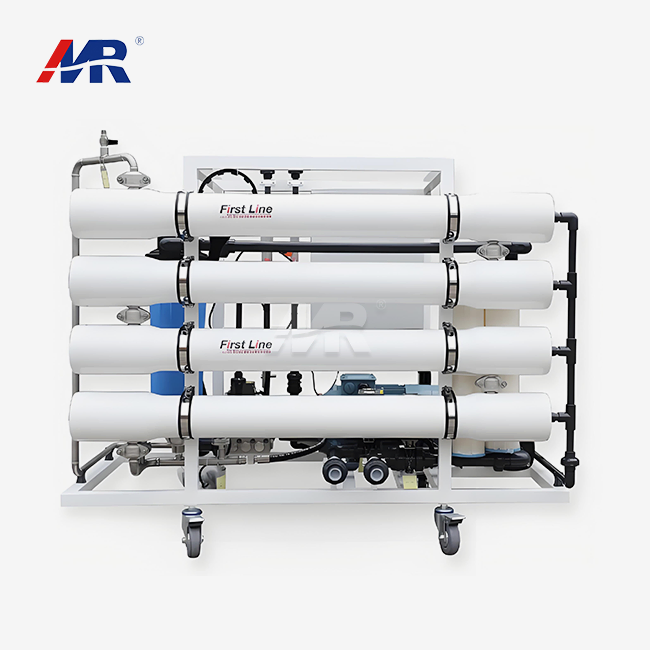 VIEW MOREseawater desalination equipment
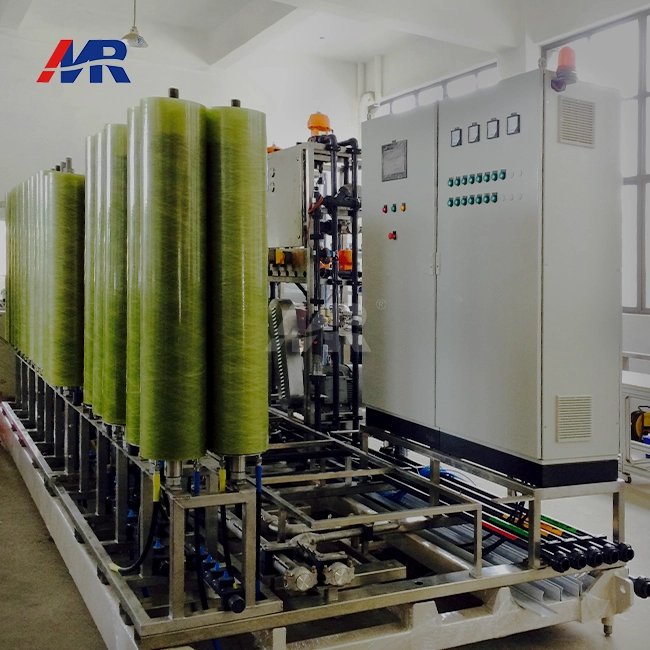 VIEW MOREDTRO Elements
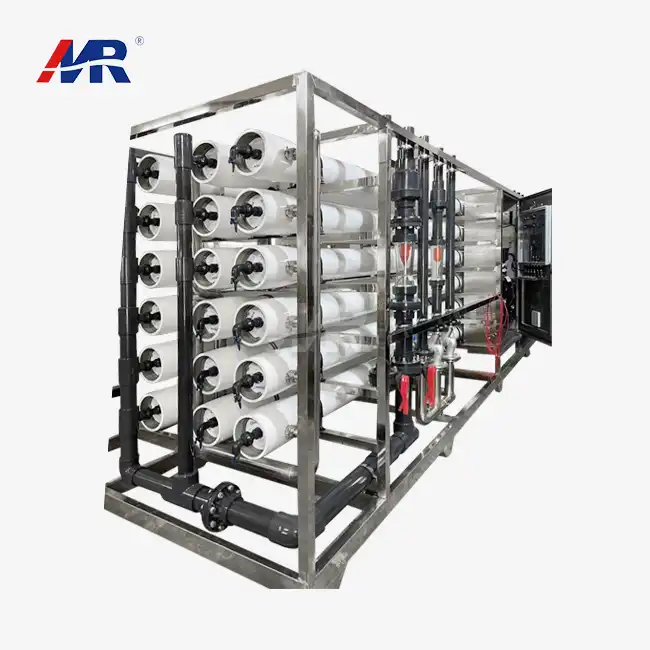 VIEW MORE100m3/hour reverse osmosis equipment
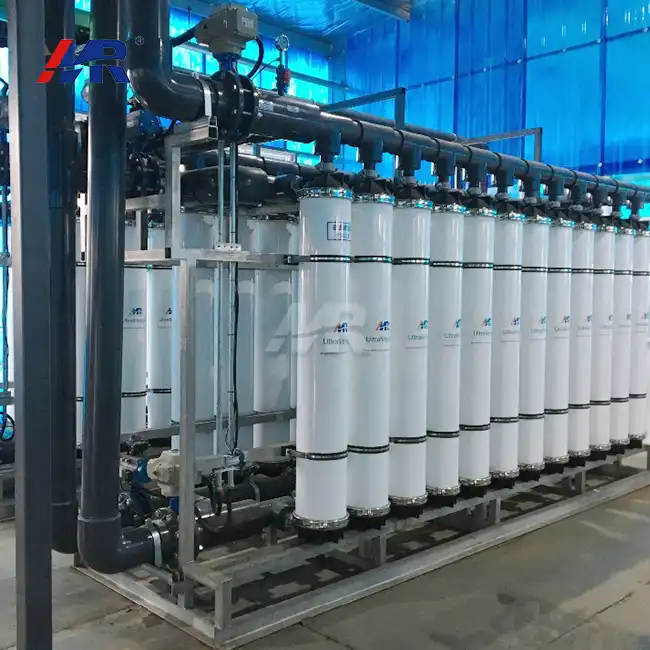 VIEW MORE50m3/hour ultrafiltration plant
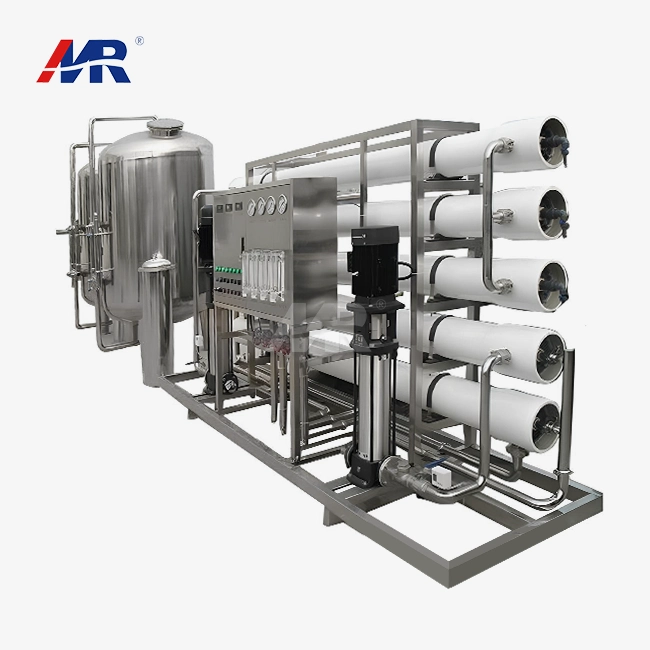 VIEW MOREbrackish water reverse osmosis
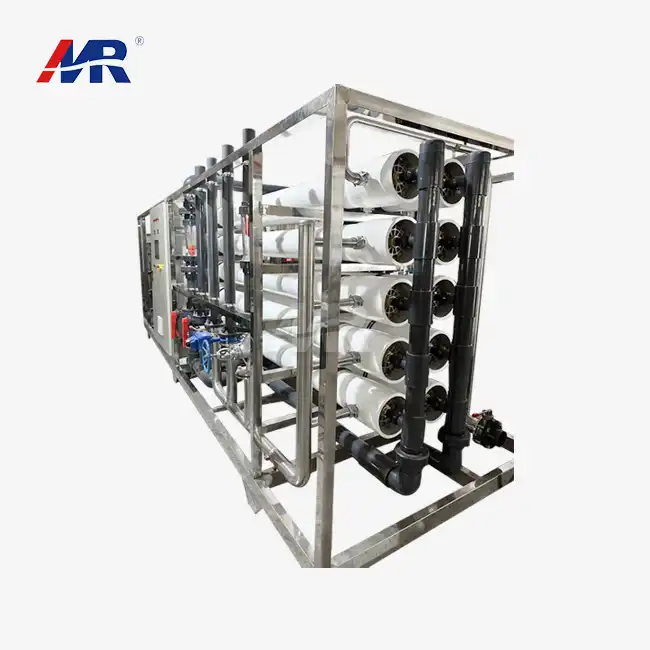 VIEW MORE50m3/hour reverse osmosis equipment
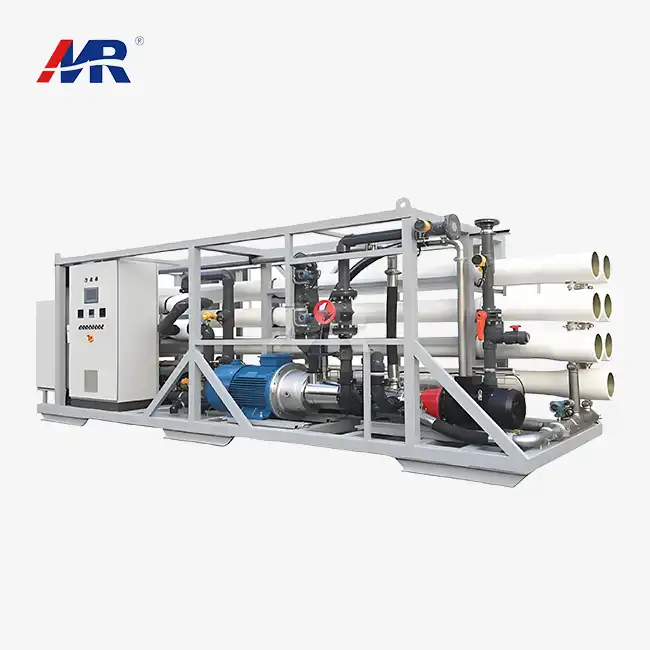 VIEW MORE20m3/hour seawater desalination equipment
 VIEW MOREultrafiltration machine
