

_1745823981883.webp)

Reverse Osmosis Membrane Selection Guide for Water Professionals
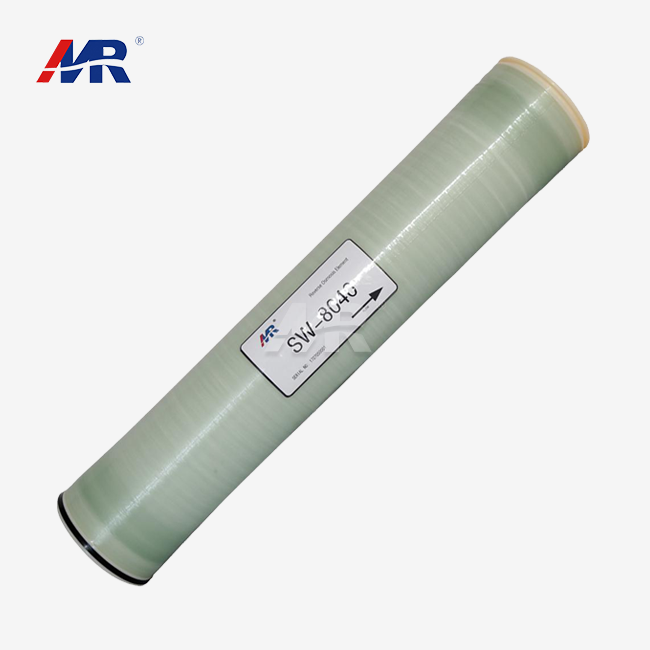
Selecting the right membrane/8040-reverse-osmosis-membrane">reverse osmosis membrane requires understanding your specific water quality challenges, operational demands, and performance expectations. Water professionals must balance rejection efficiency, energy consumption, lifespan, and compatibility with feed water characteristics to achieve optimal purification results. This guide walks you through the critical factors that separate adequate membrane performance from exceptional system reliability across diverse industrial applications.
Why Membrane Selection Matters More Than You Think
Many water treatment professionals underestimate how dramatically membrane choice impacts their operational costs. A poorly matched membrane can increase energy bills by 30-40% while delivering inconsistent permeate quality. The semiconductor manufacturer that needs ultrapure water faces entirely different challenges than the food processing plant treating brackish groundwater.
Your membrane becomes the heart of your entire water treatment system. When it fails prematurely or underperforms, the ripple effects touch everything from production schedules to product quality. Smart selection upfront prevents expensive retrofits and unexpected downtime later.
Understanding Your Feed Water Profile
You need to do a full study of your source water before you look at any membrane technology. The amount of dissolved solids is not the whole story. The level of hardness, the amount of silica, the amount of organic matter, and the presence of microbes all affect which barrier will work best in your situation.
Most municipal water sources have between 200 and 500 mg/L of TDS and a modest amount of hardness. The amount of iron or manganese in brackish groundwater can be anywhere from 1,500 to 10,000 mg/L. At 35,000 mg/L TDS or higher, seawater is the toughest case and needs special high-rejection membranes.
Changes in temperature are also important to pay attention to. Cold feed water makes membranes less permeable, and too much heat speeds up breakdown. Seasonal changes in farming areas or seaside areas require membranes that are strong enough to handle these changes without losing their effectiveness.
Decoding Membrane Performance Specifications
Rejection rates show how well reverse osmosis membranes get rid of dissolved contaminants. Most standard membranes for brackish water can reject 96 to 98% of salt, while membranes for seawater can reject 99.4 to 99.8%. When your product needs steady low conductivity, these numbers are very important.
From 10,000 mg/L of feed water, a filter with a rejection rate of 97% makes permeate with 300 mg/L TDS. But the same source only gives 100 mg/L TDS through a 99% rejection membrane. That difference tells you whether your water meets GMP standards for pharmaceuticals or needs more cleaning.
The permeate flow tells you how much water moves through the membrane per unit surface when a certain pressure is applied. With higher flux membranes, less membrane area is needed, which lowers the cost of capital. However, high flow rates can speed up fouling in difficult feed waters. To find the right balance between output and life, you need to know a lot about the nature of your water.
Matching Membrane Types to Industrial Applications
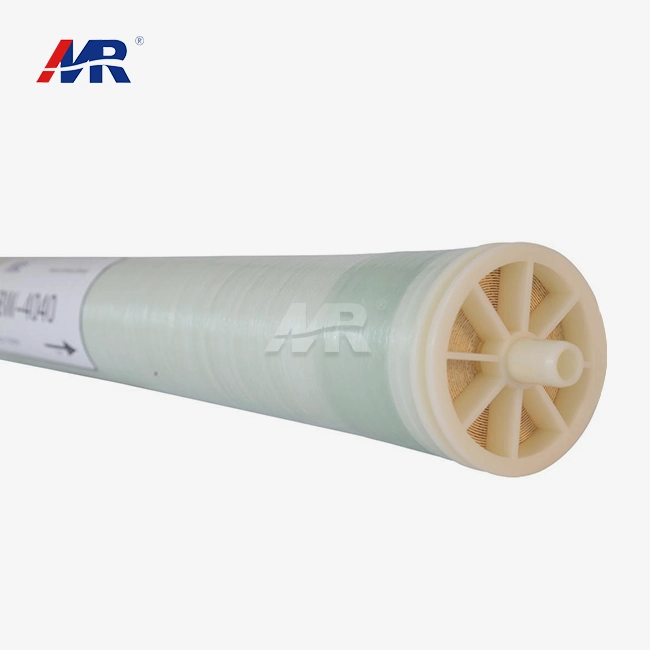
Most industrial systems today use thin-film composite screens. The nylon buffer layer they use blocks better while still letting some things through. The polyester backing keeps the support layer from expanding when pressure is put on it, and the polysulfone layer gives it mechanical strength.
Low-energy membranes are good for situations where the cost of power is a big part of the budget. These systems are good for power plants and big city centers that handle relatively clean feed water. At lower working pressures, they get enough rejection, which lowers their specific energy use to less than 3.0 kWh/m³.
When working with desalinating seawater or making ultrapure water, high-rejection screens become very important. Electronics factories can't have any boron or silicon in their process water, not even a small amount. These specific membranes use changed polymer formulas to target certain toxins.
Fouling-resistant coverings have changes made to their surfaces that keep biological growth and organic waste away. When food and drink makers use high-organic feed water, cleaning times get a lot longer. The pharmaceutical business really likes these designs because they keep their approval status stable.
Calculating True System Efficiency
Energy use includes more than just the membrane itself; it also includes the pump and making the best use of recharge. A membrane that works at 800 psi needs a lot more energy to do the same job as one that works at 600 psi. When handling millions of gallons of water every year, these differences lead to big changes in costs.
Recovery rates show what portion of the feed water changes into useful condensate. Most of the time, 75–85% recovery is achieved in brackish water systems, while 35–50% recovery is achieved in seawater systems. When you push healing too far, you concentrate scale chemicals beyond their solubility limits, which can damage membranes.
It's important to look closely at the connection between recovery and concentrate dumping prices for reverse osmosis membranes. Agricultural activities in areas with limited water might focus on maximum recovery, even if it means more preparation is needed. Facilities on the coast that can release into the ocean may try to save energy instead of water.
Extending Membrane Lifespan Through Strategic Selection
The total cost of ownership is directly related to how long the reverse osmosis membrane lasts. When properly matched to the conditions of the feed water and the working settings, membranes usually give steady service for 4 to 5 years. When membranes aren't matched, they fail between 18 and 24 months, ruining your return on investment.
Facilities that use city water that still has disinfectants in it need to know how to handle chlorine. When standard polyamide membranes are exposed to even small amounts of chlorine, they break down very quickly. In these situations, chlorine-tolerant designs or strong preparation are a must.
When choosing a membrane for thermal power plants or industrial cooling, temperature limits come into play. Feed water that is hotter than 45°C speeds up the chemical breakdown and pressure of the membrane. High-temperature-tolerant membranes keep structures together when regular designs break down too soon.
When working with strong chemicals in petroleum and electroplating processes, chemical compatibility is very important. Normal membrane materials are damaged by some organic chemicals, very high or very low pH levels, or oxidising agents. Specialised layers that are immune to chemicals keep things from breaking down too soon in these tough conditions.
Pretreatment Integration and Membrane Protection
No membrane performs optimally without appropriate pretreatment. Suspended solids, colloidal matter, and biological growth all accelerate fouling. Multimedia filtration, cartridge filters, or ultrafiltration protect your membrane investment by removing particles before they reach the semi-permeable barrier.
Scaling prevention through water softening or antiscalant dosing extends cleaning intervals substantially. Calcium carbonate, calcium sulfate, and silica precipitation damage membranes permanently when allowed to form. The relatively minor pretreatment expense prevents major replacement costs downstream.
Biological fouling poses particular challenges in warm climates or surface water applications. Bacteria and algae form biofilms that choke membrane channels and reduce permeability. Effective biocide programs or upstream disinfection become essential components of your overall system design.
Real-World Application Scenarios
For product quality, a beverage company that processes 50,000 litres of water every day needs to make sure that the TDS stays low. Their city feed has 400 mg/L TDS, and the hardness changes with the seasons. A normal membrane for brackish water with mild fouling resistance rejects 98% of the water, making the permeate below 10 mg/L TDS. If you spend money on softening preparation, the membrane will last for 4 or more years, even if the source water is hard.
An offshore platform needs a small treatment of saltwater to make 100 m³/day of drinkable water. Due to limited space, high-flux reverse osmosis membranes with a small size are needed. Seawater membranes that can reject 99.6% of the feed can handle 35,000 mg/L of it and make permeate with a TDS level of less than 200 mg/L. Energy recovery devices lower the amount of power used to a level that is acceptable for the ship's power production ability.
A pharmaceutical plant that makes intravenous drugs needs ultrapure water that meets USP standards. After a lot of preparation, their multistage method uses screens that don't collect dirt. The reverse osmosis unit sends water to an electrodeionization device, which makes the final resistance more than 18 M©·cm. When choosing a membrane, uniform quality is more important than raw output.
Evaluating Total Cost of Ownership
Initial membrane pricing represents just one component of your investment. A premium membrane costing 40% more than standard alternatives often delivers superior value through extended lifespan and reduced energy consumption. Calculate your costs over the expected service life rather than focusing solely on purchase price.
Cleaning frequency and chemical costs accumulate quickly. Fouling-prone membranes requiring monthly cleaning consume substantial labor and materials. A properly selected membrane might need cleaning quarterly, cutting annual maintenance expenses by 60-70%.
Production downtime during cleaning or premature replacement disrupts operations in ways that exceed direct costs. Pharmaceutical manufacturers face validation expenses. Food processors risk missing production quotas. These hidden costs make robust membrane selection even more valuable.
Navigating Supplier Relationships and Support
Technical support quality varies dramatically across membrane suppliers. Access to application engineers who understand your specific industry challenges proves invaluable during system optimization. Suppliers offering performance guarantees demonstrate confidence in their product recommendations.
Delivery reliability and inventory availability prevent costly project delays. Global supply chains face disruptions; suppliers maintaining regional stock serve customers more responsively. Established manufacturers with multiple production facilities provide greater supply security.
Post-installation support, including performance monitoring and troubleshooting assistance, extends beyond the initial sale. Suppliers investing in customer success help you maximize membrane lifespan and system efficiency. This partnership approach delivers better outcomes than transactional relationships.
Conclusion
Selecting the optimal reverse osmosis membrane demands thorough analysis of your feed water characteristics, performance requirements, and operational priorities. Water professionals who invest time understanding membrane specifications, matching technology to applications, and calculating total ownership costs achieve superior treatment outcomes. The membrane becomes more than a component—it transforms into a strategic asset driving operational efficiency, product quality, and cost management. Your selection today determines whether your water treatment system merely functions or truly excels.
Partner with Morui for Expert Reverse Osmosis Membrane Solutions
Guangdong Morui Environmental Technology combines 20 experienced engineers with our own membrane production facility to deliver perfectly matched reverse osmosis membrane systems. As an established manufacturer and supplier, we guide water professionals through selection, installation, and optimization across all industries. Contact Our Team at benson@guangdongmorui.com to discuss your specific water treatment challenges today.
References
1. Greenlee, L.F., Lawler, D.F., Freeman, B.D., Marrot, B., & Moulin, P. (2009). "Reverse Osmosis Desalination: Water Sources, Technology, and Today's Challenges." Water Research, 43(9), 2317-2348.
2. Elimelech, M. & Phillip, W.A. (2011). "The Future of Seawater Desalination: Energy, Technology, and the Environment." Science, 333(6043), 712-717.
3. Fritzmann, C., Löwenberg, J., Wintgens, T., & Melin, T. (2007). "State-of-the-Art of Reverse Osmosis Desalination." Desalination, 216(1-3), 1-76.
4. Baker, R.W. (2012). "Membrane Technology and Applications." Third Edition, John Wiley & Sons, Chichester, UK.
5. Wilf, M. & Bartels, C. (2005). "Optimization of Seawater RO Systems Design." Desalination, 173(1), 1-12.
6. Petersen, R.J. (1993). "Composite Reverse Osmosis and Nanofiltration Membranes." Journal of Membrane Science, 83(1), 81-150.
 VIEW MOREro membrane
 VIEW MOREreverse osmosis membrane
 VIEW MOREindustrial sewage treatment plant
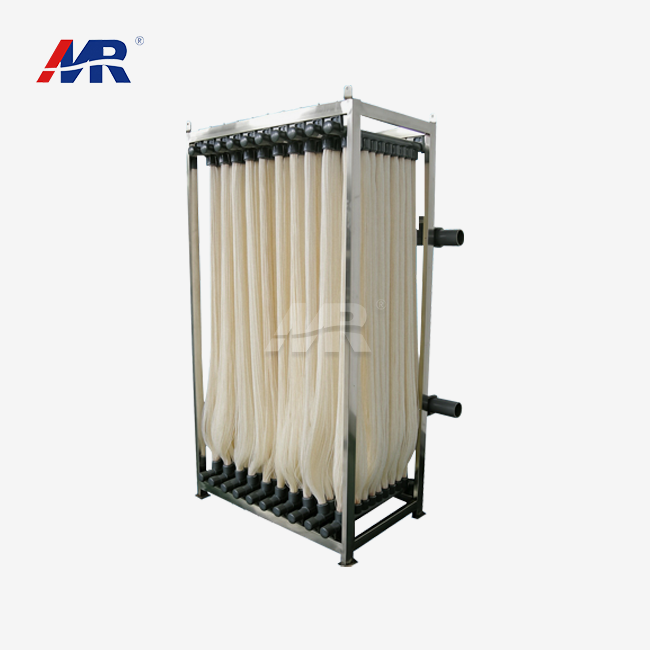 VIEW MOREbiological reactor wastewater treatment
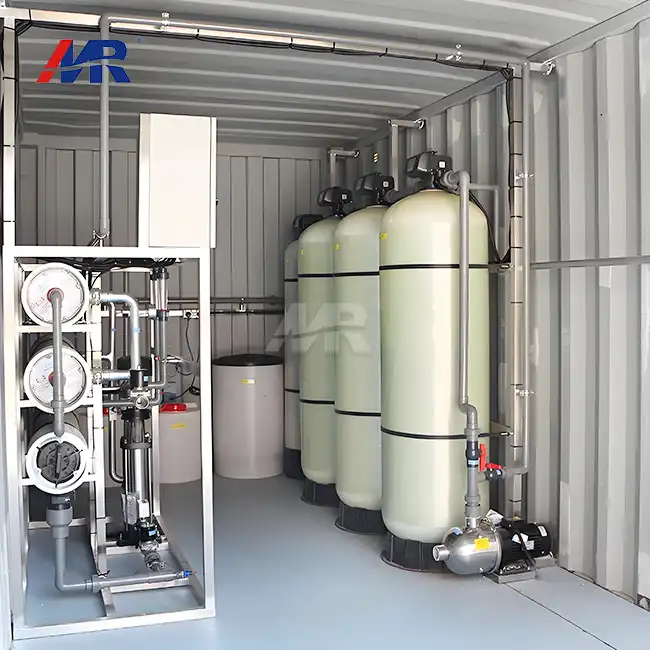 VIEW MOREcontainer type 3m3/hour RO equipment
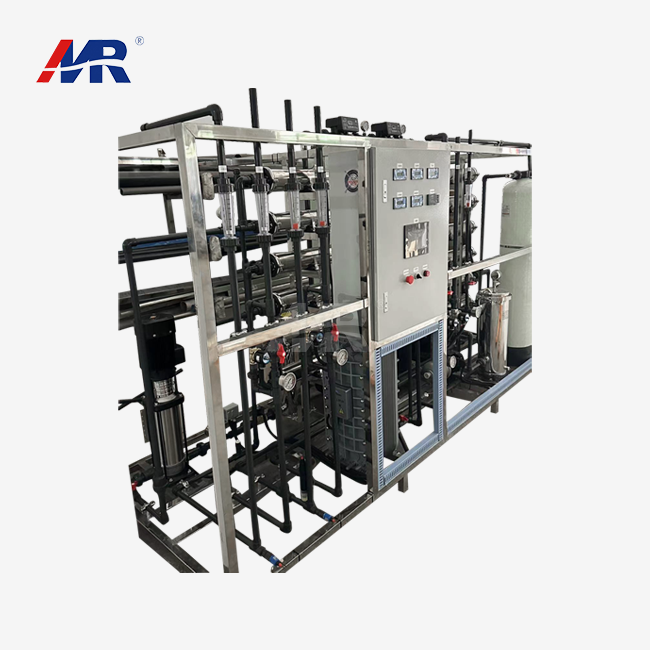 VIEW MOREedi water treatment system
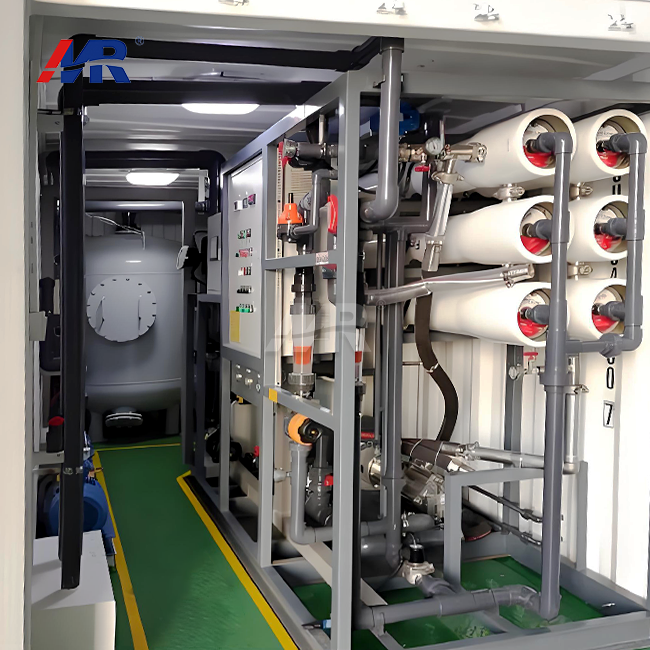 VIEW MOREcontainerized RO equipment
 VIEW MOREportable wastewater treatment plant
