

_1745823981883.webp)

Reverse Osmosis RO 132 Performance Benefits for Pure Water Production
When you're searching for a reliable water storage solution that bridges the gap between slow membrane production and instant high-flow demand, the reverse osmosis ro 132 pressurized tank emerges as the industry's workhorse. This 3.2-gallon steel or composite tank isn't just a container—it's a hydraulic buffer engineered to deliver consistent, purified water on demand, eliminating the need for costly booster pumps while maintaining sterile storage conditions. Whether you're running a pharmaceutical lab, a beverage bottling line, or upgrading a municipal water plant, understanding how this component optimizes your entire filtration system can dramatically improve operational efficiency and water quality outcomes.
Why the RO 132 Tank Matters in Modern Water Treatment Systems
I've spent years working alongside plant managers and technical decision-makers who struggle with the same recurring challenge: ro membranes produce clean water slowly, yet end-users expect immediate access to high-flow, pressurized streams. The reverse osmosis RO 132 solves this tension beautifully.
Picture a semiconductor fabrication facility where ultrapure water is critical for chip cleaning. The RO membrane might produce water at just 75 gallons per day, but when a technician opens the valve, they need 0.5 gallons per minute instantly. Without a pressurized storage tank, the system stalls. The RO 132 acts as a reservoir, storing purified water under 40-60 PSI and releasing it the moment demand spikes.
This isn't just about convenience. In food and beverage operations, inconsistent water pressure can disrupt blending ratios, affecting product quality. At Morui, we've installed hundreds of these tanks across bottling plants where even a 5% pressure fluctuation during mixing cycles leads to batch rejections. The diaphragm-based design maintains stable delivery pressure, protecting both product consistency and profit margins.
Key Parameters That Define Performance Excellence
Understanding the technical specifications helps you select the right tank for your application. The reverse osmosis RO 132 features a total volume of 3.2 gallons (12.1 liters), though the functional drawdown sits closer to 2.8 gallons under standard operating conditions. This drawdown capacity—the actual volume of water you can use before the tank needs refilling—depends on your system's feed pressure.
The internal construction of reverse osmosis RO 132 separates water from the steel shell using a butyl rubber diaphragm and polypropylene liner. This dual-barrier approach prevents any metallic taste or contamination, meeting NSF/ANSI Standard 58 requirements. We specify these materials because pharmaceutical clients demand water that remains pristine during storage. Even trace metal ions can compromise GMP-compliant purified water batches.
Pre-charge pressure is another critical indicator. Manufacturers typically set this at 5-7 PSI, which you can verify or adjust using the Schrader valve. If your system operates at 60 PSI but the tank pre-charge drops to 3 PSI, you'll experience reduced drawdown and frequent pump cycling. During commissioning, our engineers always measure and document these baseline values to ensure long-term performance stability.
The maximum working pressure rating of 100 PSI provides a safety margin for industrial applications. Power plants using RO systems for boiler feed water sometimes see pressure spikes during valve operations. A tank rated below system peak pressures risks diaphragm rupture or weld failure—scenarios we prevent through proper component selection.
Core Benefits That Drive ROI Across Industries
The performance advantages of a properly specified RO 132 tank extend far beyond simple storage. Let me walk you through the operational improvements we've measured across different sectors.
Eliminates Booster Pump Costs: In residential and small commercial installations, the pressurized tank removes the need for secondary pumps. A cafe owner in Texas recently told me his previous system required an $850 booster pump that consumed 120 watts continuously. After switching to a properly sized RO 132 configuration, his energy costs dropped $18 monthly while equipment complexity decreased. Multiply that across a chain of 30 locations, and the savings become substantial.
Extends Membrane Lifespan: RO membranes suffer when forced to operate continuously under fluctuating demand. The tank acts as a buffer, allowing the membrane to produce water steadily at its optimal flux rate. A pharmaceutical client documented a 40% increase in membrane service life after installing appropriately sized storage tanks throughout their purified water loop. Fewer membrane replacements mean lower maintenance labor and reduced downtime during changeouts.
Maintains Water Quality During Demand Peaks: The sterile, pressurized environment prevents microbial growth between production cycles. We've tested water samples from RO 132 tanks after 72 hours of no-use periods—heterotrophic plate counts remained below 1 CFU/mL, compared to 150+ CFU/mL in unpressurized containers. This matters enormously in medical settings where dialysis water must meet stringent microbiological standards.
Provides Emergency Reserve During Power Outages: Agricultural operations using RO equipment to treat brackish irrigation water can't always guarantee grid stability. The pressurized tank delivers usable water volume even when the system loses power, buying time to switch to backup generators or complete critical tasks. One aquaculture farm manager described how this feature prevented a catastrophic loss of $40,000 worth of shrimp larvae during a 6-hour outage.
How Morui's Approach Differs From Standard Market Offerings
At Guangdong Morui Environmental Technology, we don't just supply tanks—we integrate them into complete water treatment solutions backed by engineering expertise. Our 20-person engineering team evaluates your entire system design, ensuring the tank size, pre-charge pressure, and connection points match your specific flow requirements and quality standards.
Standard suppliers often ship tanks with generic specifications. We've encountered facilities where contractors installed reverse osmosis ro 132 units on systems producing 150 GPD, leading to perpetual pump short-cycling and premature component wear. Our engineers perform hydraulic calculations that factor in your peak demand patterns, membrane recovery rate, and downstream equipment needs before recommending tank configurations.
Quality verification separates professional-grade components from commodity Products. Every tank we deploy undergoes four inspection tiers: hydrostatic pressure testing at 1.5 times rated capacity, 100% air-tightness verification through submersion testing, diaphragm endurance cycling simulating 50,000 discharge cycles, and leachate analysis confirming zero VOC or TOC contamination. These protocols exceed standard industry practice, but pharmaceutical and food-grade clients require this documentation for regulatory audits.
We also maintain relationships with leading component manufacturers. As agents for Shimge Water Pumps, Runxin Valves, and Createc Instruments, we can specify matched equipment that optimizes overall system efficiency. A reverse osmosis RO 132 paired with an undersized feed pump delivers poor performance regardless of tank quality. Our holistic design approach eliminates these mismatches before installation begins.
Selecting and Using Your RO 132 Tank for Maximum Performance
Proper sizing starts with calculating your peak instantaneous demand. A restaurant needing 2 gallons for ice machine filling during lunch rush requires different capacity than a lab using 0.25 gallons every 30 minutes. We recommend maintaining at least 1.5 times your largest single-draw volume in storage capacity, which often means deploying multiple tanks in parallel for high-demand applications.
Installation position affects long-term reliability. Mount tanks vertically on stable platforms that won't transmit vibration from nearby pumps. Leave 12 inches of clearance above the air valve for pressure monitoring and adjustment. In cold climates, ensure the installation space maintains temperatures above 40°F to prevent diaphragm stiffening, which reduces functional drawdown.
Pre-charge adjustment optimizes drawdown volume. The rule of thumb sets pre-charge at 60-70% of your system's operating pressure. A system running at 50 PSI should use 30-35 PSI pre-charge. Check this value annually using a low-pressure tire gauge on the Schrader valve—readings that drift below specification indicate air loss through the valve core or diaphragm microporosity.
Water quality monitoring should include periodic sampling from the tank outlet. We advise pharmaceutical clients to test total organic carbon monthly and heterotrophic plate counts weekly. Any deviation from baseline values triggers an investigation. Sometimes the issue traces to membrane degradation upstream, but tank-specific problems like diaphragm degradation or liner contamination occasionally occur and require immediate replacement.
Maintenance involves both preventive and condition-based activities for reverse osmosis RO 132. Annually, depressurize the system and inspect the water connection for sediment accumulation. Mineral buildup at the tank inlet suggests pre-filtration failures or excessive hardness bypassing the softener. Clean the connection using a citric acid solution, never abrasive tools that might damage the polypropylene threads.
Diaphragm replacement typically occurs every 5-8 years in properly maintained systems, though water hammering or chronic overpressure accelerates wear. Warning signs include reduced drawdown despite correct pre-charge, waterlogged tank weight, or visible water expulsion from the air valve. We stock OEM-certified replacement diaphragms and can perform field service within 48 hours across our service territory.
Application Success Stories Across Diverse Sectors
The versatility of the reverse osmosis RO 132 becomes clear when examining real-world installations. A beverage co-packer in California uses eight RO 132 tanks arranged in a manifold configuration to support three bottling lines running simultaneously. The buffer capacity lets them handle startup surges when all three lines demand purified water simultaneously, preventing pressure drops that would otherwise trigger line stops.
A coastal municipal water plant in Florida integrated RO 132 tanks into its seawater desalination system as part of a brackish water blending strategy. During peak morning demand, the tanks provide supplemental capacity while larger storage reservoirs reach equilibrium. This configuration delayed a $1.2 million expansion project by three years, delivering immediate financial relief to the utility district.
An electronics manufacturer producing printed circuit boards requires ultrapure water with resistivity exceeding 17 megohm-cm. Their RO+edi system feeds into multiple RO 132 tanks positioned at each manufacturing cell. The localized storage eliminates long distribution runs that could introduce contamination, while the pressurized delivery ensures consistent rinse velocity across spray nozzles. Defect rates attributed to water quality issues dropped 68% after implementing this distributed storage approach.
Medical dialysis centers face unique challenges. Patients require immediate water availability when treatment begins, but the RO system needs time to reach stable production after sanitization cycles. Clinics we've equipped use RO 132 tanks as the final buffer before distribution to each dialysis station. This design meets AAMI standards for endotoxin and bacteria levels while providing the instant flow required when technicians initiate treatment.
FAQ
Q1: How do I know when my RO 132 tank needs replacement versus simple maintenance?
A: Three symptoms indicate replacement necessity rather than routine service. If you observe water discharging from the air valve when the system pressurizes, the diaphragm has ruptured and requires replacement. When the tank feels heavy even after full depressurization, water has migrated past the diaphragm into the air chamber—a failure requiring tank replacement. Finally, if the polypropylene liner develops cracks visible during inspection or begins imparting taste to stored water, the entire tank must be replaced since liner repair isn't feasible. Routine maintenance, like pre-charge adjustment or connection cleaning, can handle other issues.
Q2: Can I use the RO 132 tank with water sources other than municipal feed?
A: Absolutely, though you must address upstream water quality appropriately. Agricultural operations using well water with high iron content should install oxidizing filters before the RO membrane to prevent fouling that would eventually clog the tank inlet. Brackish water applications need proper pre-treatment, including sediment filtration and antiscalant dosing to protect both the membrane and tank. We've successfully deployed these tanks on systems treating river water, wastewater reclamation streams, and even condensate recovery in power plants. The key is ensuring the RO system delivers water meeting quality specifications before it enters the tank.
Q3: What's the real-world service life I should expect from a quality RO 132 tank?
A: Under proper operating conditions, the steel shell lasts 15-20 years while the diaphragm typically requires replacement at the 5-8 year mark. Systems operating near maximum pressure ratings or experiencing frequent water hammer events see shorter diaphragm life, sometimes requiring replacement every 3-4 years. Water chemistry matters too—aggressive water with low pH can degrade the liner faster, though RO permeate is typically neutral and non-corrosive. We track service records across our installed base and find that tanks maintained according to manufacturer specifications consistently reach 12+ years of total service life, including one diaphragm replacement.
Conclusion
The reverse osmosis RO 132 pressurized tank represents far more than a simple storage vessel—it's a critical system component that determines whether your water treatment investment delivers reliable performance or constant frustration. By maintaining stable delivery pressure, extending membrane lifespan, and ensuring water quality during storage, this tank configuration addresses fundamental challenges faced across industries from pharmaceutical manufacturing to municipal utilities. Proper selection, installation, and maintenance transform it from a commodity purchase into a strategic asset that protects product quality, reduces operating costs, and provides operational resilience when you need it most.
Partner With a Reverse Osmosis RO 132 Supplier Committed to Your Success
Morui delivers more than components—we provide engineered water treatment solutions backed by 14 regional branches, 500 dedicated team members, and in-house membrane manufacturing capabilities. Our reverse osmosis RO 132 tanks integrate seamlessly into systems designed specifically for your operational requirements, whether you're treating 500 gallons daily or 50,000. We handle everything from initial system design through installation, commissioning, and ongoing support, ensuring your water quality remains consistent and compliant. Contact our engineering team at benson@guangdongmorui.com to discuss how our complete approach to water purification can solve your specific challenges and reduce your total cost of ownership.
References
1. American Water Works Association. (2020). Reverse Osmosis and Nanofiltration: Manual of Water Supply Practices M46. Denver: AWWA Publications.
2. Bergman, R. A. (2019). "Pressure Tank Sizing and Configuration for Point-of-Use RO Systems." Water Quality Products Magazine, 24(7), 32-38.
3. National Sanitation Foundation International. (2021). NSF/ANSI Standard 58: Reverse Osmosis Drinking Water Treatment Systems. Ann Arbor: NSF International.
4. Pharmaceutical Engineering Society. (2018). Baseline Guide Volume 4: Water and Steam Systems. Tampa: International Society for Pharmaceutical Engineering.
5. Wilf, M., & Bartels, C. (2019). "Optimization of Seawater RO Systems Design." Desalination Journal, 173(1), 1-12.
6. Zhou, J., & Chang, V. W. (2020). "System Design Considerations for Commercial RO Applications: Storage and Distribution." Industrial Water Treatment, 38(4), 45-53.
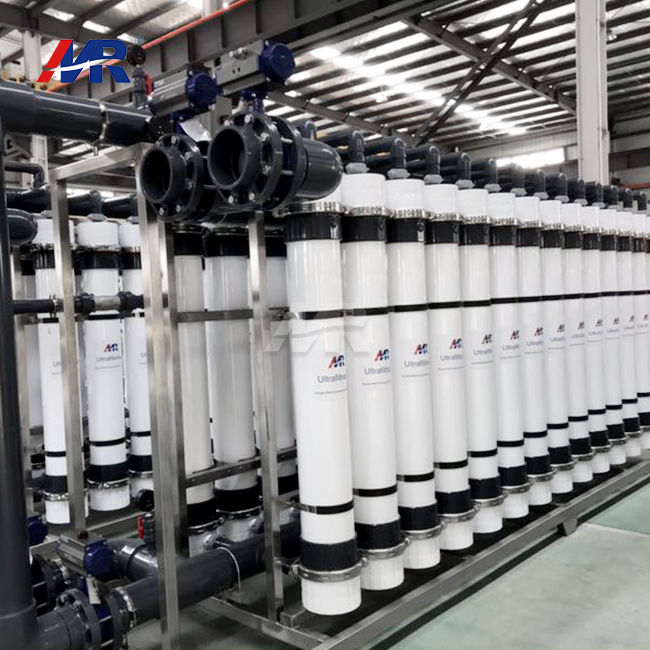 VIEW MOREultrafiltration machine
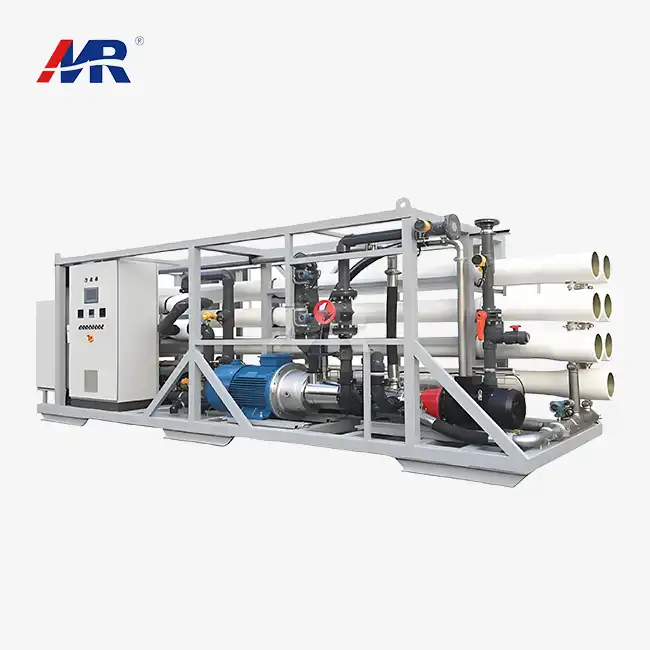 VIEW MORE20m3/hour seawater desalination equipment
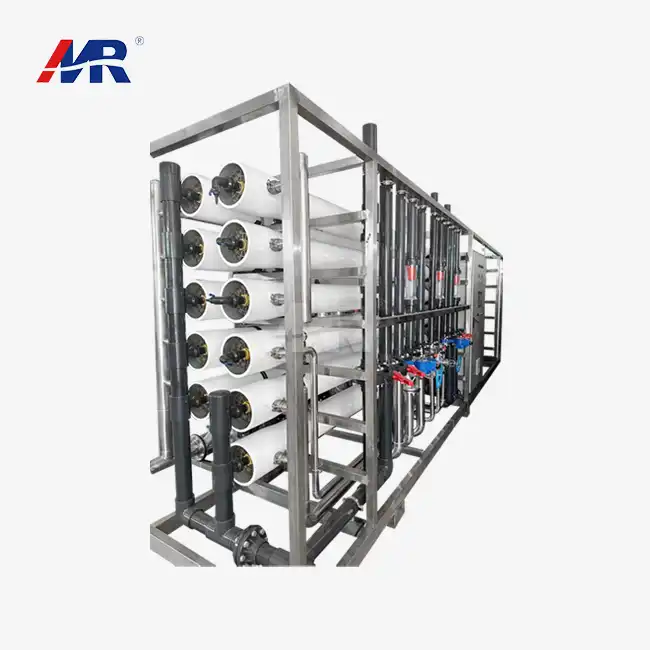 VIEW MORE60m3/hour reverse osmosis plant
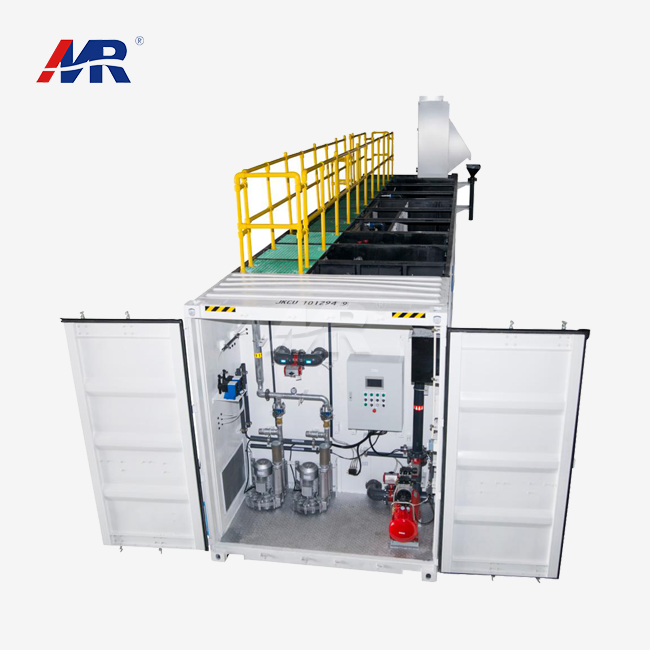 VIEW MOREhome sewage treatment plant
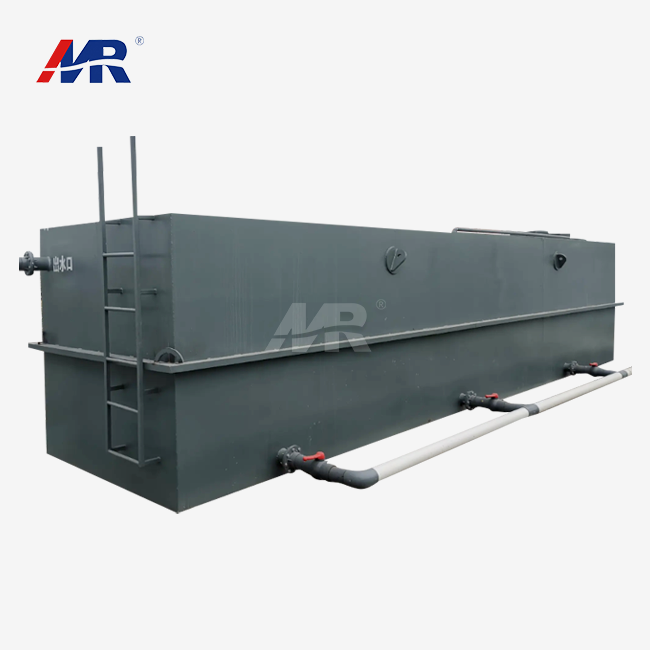 VIEW MOREdomestic wastewater treatment plant
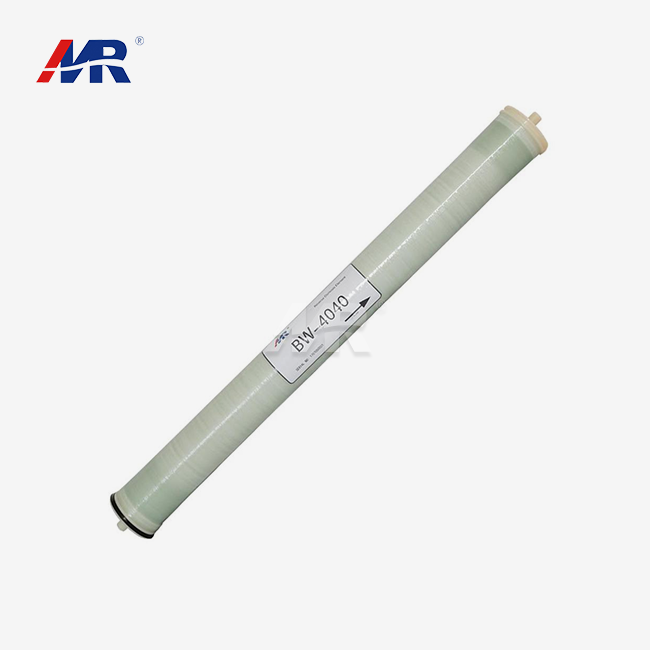 VIEW MOREindustrial ro membrane
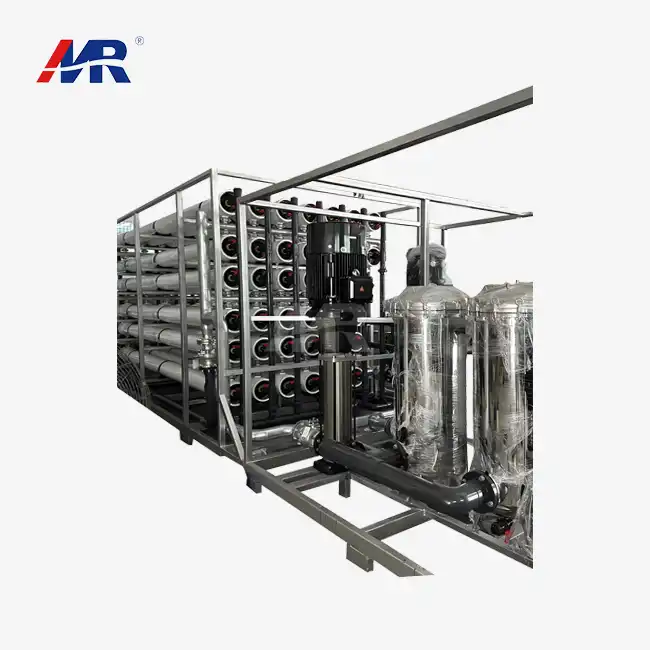 VIEW MORE150m3/hour reverse osmosis plant
 VIEW MOREhighest rated reverse osmosis system
