

_1745823981883.webp)

Portable Desalination Machine Buying Factors for Project Managers
Choosing the right portable desalination machine is more than just a technical matter for project managers in many different industries who are in charge of difficult water treatment projects. It affects the project's ability to stay operating, stay within budget, and last for a long time. Small and portable, these systems can turn saltwater or brackish water into drinkable water that meets WHO standards. They give project managers more freedom than traditional centralized infrastructure. If you know what makes a system good—from membrane technology and energy profiles to maintenance protocols—you can make sure that the equipment you buy fits the needs of your project, the rules that apply, and your long-term operating goals in tough conditions.
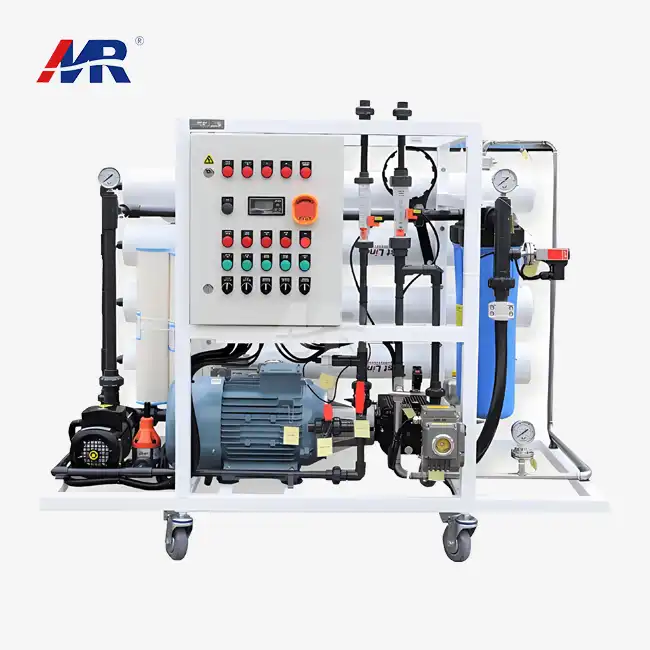
Understanding Portable Desalination Machines: Technology and Benefits
Portable desalination machines have reverse osmosis membranes, high-pressure pumps, and multiple stages of filtering built into a flexible design that makes it easy to move. Most of the time, these units use thin-film composite membranes that can reject more than 99.4% of salt, turning high-salinity feedwater into safe drinking water within hours of being set up. New energy recovery devices use up to 30% less power, so they can be powered by DC 12/24V batteries or solar panels, which is important for uses that are not connected to the grid. Stationary plants need a lot of building work and months of installation, but portable desalination machines come already put together, so they can be set up quickly on construction sites, disaster zones, or ships where the cost of transporting water is higher than the cost of treating it locally.
How Reverse Osmosis Delivers Consistent Water Quality
Semipermeable membrane technology is at the heart of current portable desalination machines. High-pressure pumps push salty water through tiny holes, removing dissolved salts but letting water molecules pass. This physical barrier gets rid of germs, viruses, and heavy metals, too. The water that comes out of it meets strict standards without any chemical additions. Automated TDS sensors keep an eye on the quality of the output in real time and send alerts if any of the parameters move out of acceptable ranges. This is a safety measure that is necessary for industries like pharmaceuticals, food processing, and medical applications, where water purity directly affects product safety and regulatory compliance.
Mobility Advantages in Dynamic Project Environments
Transportability changes how projects are planned. Units made with duplex stainless steel housings that don't rust can handle tough sea environments, and carbon fiber frames make them lighter so they can be flown to remote areas. This ability to move around is very helpful in emergency situations where the current infrastructure doesn't work or for short-term industrial operations like mine camps and offshore platforms, where permanent sites would be too expensive. Deployment flexibility lets project managers move equipment around as the needs of the site change. This makes the best use of assets across multiple stages or places over the course of long project lifecycles.
Core Buying Factors Project Managers Must Evaluate
To choose the right solution, you have to weigh the technical ability against the practicalities of operation. The daily production capacity, which should be between 100 and 3,000 liters, needs to match the highest demand while also taking into account weather changes and emergency supplies. Energy efficiency has a direct effect on running costs. Systems that use pressure exchanges or multistage pumps use 40–60% less power than older designs, which means they use less fuel or need less battery capacity. Recovery ratios, which are usually between 25 and 45% for saltwater uses, show how much feedwater is turned into product and how much is released as brine. This affects both the amount of water that is wasted and the permits needed to operate in areas that are sensitive to the environment. Choosing a portable desalination machine requires a balanced assessment of these variables.
Durability and the details of the material are important.
How long something lasts in acidic or rough conditions depends on how well it was built. Biofouling and scaling are common failure modes that hurt membrane performance. High-grade materials don't allow these to happen. Using 5-micron and 20-micron filters in integrated pre-filtration stages protects later parts from suspended solids. This makes the membrane last longer, from two to three years in badly designed systems to five years or more when proper pre-treatment is done. Project managers should make sure that the company follows ISO 9001 quality standards and has CE certification. This will ensure consistent production and give them access to performance data that was recorded under certain working conditions. This data can be used to support warranty claims and technical solutions.
The total cost of ownership goes down when maintenance is easy to get to.
Operational ease cuts down on the need for training and downtime. Systems with clear service signs, quick-disconnect fittings, and easy-to-reach filter housings allow non-specialized staff to do maintenance in the field. Automated freshwater cleaning processes keep the membrane from drying out between uses, which keeps expensive replacements from having to be made too soon. Project managers should check to see if parts are available and how quickly suppliers can respond. This is especially important in rural areas where broken equipment can stop activities. Using food-grade additives in membrane pickling processes during storage protects the value of investments. This means that systems can sit idle for months without losing value when projects stop or move from one phase to the next.
Power management and compatibility with energy sources
Power needs limit the types of deployments that can be done. DC systems work well with natural energy sources, while AC systems need generators or links to the power grid. Start-up current spikes need enough battery buffers or generator capacity. Power systems that are too small cause voltage drops that hurt pumps and control electronics. More and more solar-compatible designs have Maximum Power Point Tracking controls, which make the best use of changing sunlight to get the most energy. When working on projects in places where energy isn't always stable, project managers should look for units that have two power inputs and low standby consumption. This way, the machines can keep running even when there are problems with the infrastructure, which can happen in growing markets and disaster-affected areas.
Comparing Portable Desalination Machines: Market Options and Pricing
On the market, you can find simple hand systems that can make 50 liters of water a day all the way up to complex automatic units that can make more than 2,000 liters. Entry-level models that cost between $3,000 and $8,000 are good for emergency kits or small boats. On the other hand, industrial-grade portable desalination machines that have tracking screens, automatic backwashing, and redundant parts cost between $25,000 and $80,000, based on the features and throughput. Rental programs let people use modern technologies without having to buy them. This is especially useful for emergency relief groups or short-term projects where owning an asset doesn't give them a strategic edge. The total cost study needs to include the $500 to $2,000 cost of replacing the membrane every three to five years, the $50 to $150 cost of filter tubes every year, and the amount of energy used over the expected service life.
How to Judge Technological Differentiators
Premium systems are different because they come with built-in remote tracking via cellular or satellite connectivity. This lets operators keep an eye on performance measures from faraway control centers, which is helpful when handling infrastructure that is spread out across multiple sites. By connecting more membrane stages in parallel, modular designs make it possible to increase capacity and meet rising demand without having to replace whole systems. Advanced types have anti-scalant dose pumps that add inhibitors to high-hardness feedwater to protect membranes. This lowers the number of times the system needs to be cleaned and increases the time it can be used between cleanings. These features support higher purchase prices when the size, complexity, or risk of the project calls for higher reliability and operating visibility beyond just producing water.
The Economics of Buying vs. Renting
When hiring fees add up to more than the purchase price within 18 to 24 months, it makes financial sense to own the business and run it continuously for more than one year. Maintenance services and improvements are often included in rental agreements. This shifts the risk of equipment becoming obsolete to the suppliers, which is helpful when technology changes quickly or project timelines are unclear. Rental-to-own hybrid types give you options during the early stages of deployment, when you don't know how much water will be needed. When project managers figure out when the project is over, they should take into account not only the rental rates but also the avoided capital costs, upkeep costs, and the value of the tools that can be used on other projects after the project is over.
Matching Portable Desalination Solutions to Project Needs
System choice is based on the needs of the application. Maritime boats need small footprints and mounting that doesn't shake, while aid operations need controls that are easy for people with little training to use. For industrial process water needs that are very clean, polishing deionization may be needed later on. On the other hand, irrigation projects can handle higher TDS levels, which allows cheaper designs with fewer membrane steps. Material choices are affected by where the portable desalination machines are used. For example, in tropical regions, the housing needs to be more resistant to UV light, and in the Arctic, operations need heated containers to keep pumps and membranes from freezing during storage times below zero.
How to Figure Out the Right Capacity for Different Use Cases
If you can accurately predict demand, you can avoid systems that are too small and slow down processes or systems that are too big and waste money and energy. Figures should be based on the highest amount of water used in a day, plus 20 to 30 percent as a safety limit, taking into account that membrane fouling lowers output over time. Disaster rescue teams with 50 to 100 people might need 200 to 500 liters of water every day, but remote platforms with 200 people and the need for a kitchen, toilets, and washing tools need 2,000 liters or more. Seasonal projects should think about modular growth, which lets them temporarily increase capacity during times of high demand without permanently making infrastructure too big for normal loads. This is an optimization technique that increases the return on spent capital.
Following the rules and meeting quality standards
The standards for water cleanliness are very different depending on the use. For processing food and drinks, the water must have a TDS level below 50 ppm and not contain any microbes. For pharmaceutical operations, the water must be USP-grade and meet even tighter standards. On the other hand, for building sites, the water must only meet WHO drinking standards. Systems that are certified by NSF/ANSI 58 or an equal show proven performance through independent testing. This is proof that meets the needs of health officials and speeds up the project clearance process. When buying equipment for industries with strict rules, project managers need to make sure that the paperwork is correct. This is because installing systems that aren't legal can cause delays and damage to the company's image if production has to stop during inspections.
Practical Tips for Procurement and Long-Term Use
Evaluation of suppliers goes beyond just looking at equipment specs. Manufacturing qualifications are important. Companies that make their own membranes have better control over quality than middlemen who buy parts from different suppliers. When technology problems happen, after-sales networks decide how long it will take to fix them. When compared to makers far away that need weeks to ship parts, suppliers with regional service centers and locally stocked spare parts have less downtime. Warranty structures should cover membrane performance degradation, not just catastrophic failures. There should be clear replacement criteria based on measured output decline instead of random time limits that make it harder for operators to keep up with good pre-treatment routines. Selecting a portable desalination machine is as much about the partner as it is the product.
Help with planning and starting up the installation
Getting a professional installation stops common starting problems. When valves are not set up correctly, cleaning methods are not followed properly, or membrane housing parts become contaminated, they cause rapid performance problems that hide poor equipment quality. Reliable providers offer on-site training, during which experts check all parameters in real-world working conditions, set standard performance measures, and teach workers how to do regular tasks. This service is especially helpful when putting together multiple units in different places. Standardized installation methods make sure that all of the units work the same way, and comparing operating data between sites makes troubleshooting easier. Project managers should include installation help in their budgets as a necessary cost, not as an extra that they can choose not to use.
Preventive maintenance extends the life of equipment.
Lifecycle costs are cut by a huge amount with regular repair plans. Replacing the pre-filter cartridge every 500 to 1,000 hours of use keeps the membrane from getting clogged too soon, and cleaning it every so often with citric acid or special treatments brings back flux rates that were slowed down by mineral scaling. Keeping thorough service logs that record TDS values, pressure differentials, and flow rates lets you look at trends and see how performance is slowly going down before it breaks down completely. Every day, operators should visually check for leaks, keep an eye on the pressure gauges, and make sure that the automatic flush processes work properly. These simple steps will keep small problems from getting worse and costing a lot to fix, like replacing the membrane or rebuilding the pump.
Conclusion
To choose the best portable desalination machine, you need to carefully look at its technical specs, how it will be used, and the supplier's abilities. When project managers carefully look at things like capacity needs, energy profiles, accessibility for upkeep, and legal compliance, they set their projects up for long-term success. There are a lot of different kinds of options on the market, from simple manual systems to complex automated platforms. Each one is best for a different set of needs and funds. By putting reliability first, checking the credentials of suppliers, and following strict repair procedures, companies can get the most out of their equipment while also making sure that water security is reliable in even the toughest deployment settings.
FAQ
1. What is the typical capacity range for portable desalination machines?
The daily production ranges from 100 liters for individuals or small groups to 3,000 liters or more for big ships or corporate use. Mid-range units that can make 500 to 1,500 liters of water are good for small boats, remote construction sites, and emergency aid teams. The number of users, how much water they use, and whether the system is the main source or an emergency plan all affect the capacity choice.
2. How do portable desalination machines impact the environment compared to stationary units?
Portable desalination machines make less brine because they can handle less, which makes discharge control easier in environments that are sensitive. Compared to older technologies, designs that use only 3 to 5 kWh per cubic meter use less energy and leave smaller carbon footprints. Because they are flexible, they can be precisely matched to capacity needs. This keeps them from being overbuilt, which happens when systems are built for peak demand instead of normal loads in fixed infrastructure.
3. Can portable desalination machines be rented for short-term projects?
Rental programs give people flexible access to resources without having to buy new ones. This makes them perfect for responding to disasters, short-term building projects, or trying out tools before buying them. Maintenance and expert help are usually covered by agreements, but renting for a longer time may cost more than buying for two to three years.
Partner with Morui for Reliable Portable Desalination Machine Solutions
Guangdong Morui Environmental Technology has been treating water for over ten years and works with companies in the marine, industrial, pharmaceutical, and local sectors around the world. Our large collection of portable desalination machines includes systems with daily capacities ranging from 100 to 3,000 liters, all of which are designed to be set up quickly in tough conditions. With 14 regional offices, 20 expert engineers, and our own membrane production plant, we don't just sell equipment; we also provide full turnkey solutions that include installation, commissioning, user training, and ongoing support for maintenance. Because we work with top component makers like Shimge Water Pumps and Runxin Valves, we can get proven, reliable parts that are backed by global supply chains. Morui offers clear prices, helpful technical advice, and after-sales service that protects your investment, whether you need a single unit for disaster planning or a large-scale industrial operation with integrated systems. Get in touch with Our Team at benson@guangdongmorui.com to talk about your project needs and get full specs from our network of portable desalination machine suppliers that are tailored to your budget and operational limitations.
References
1. World Health Organization. (2022). Guidelines for Drinking-Water Quality: Fourth Edition Incorporating the First and Second Addenda. Geneva: WHO Press.
2. Greenlee, L.F., Lawler, D.F., Freeman, B.D., Marrot, B., & Moulin, P. (2009). Reverse osmosis desalination: Water sources, technology, and today's challenges. Water Research, 43(9), 2317-2348.
3. American Water Works Association. (2021). Reverse Osmosis and Nanofiltration Manual of Water Supply Practices (M46, Third Edition). Denver: AWWA.
4. International Desalination Association. (2023). Desalination by the Numbers: Global Industry Statistics and Market Analysis. Topsfield: IDA Publications.
5. National Research Council. (2008). Desalination: A National Perspective. Washington, DC: The National Academies Press.
6. Elimelech, M., & Phillip, W.A. (2011). The future of seawater desalination: Energy, technology, and the environment. Science, 333(6043), 712-717.
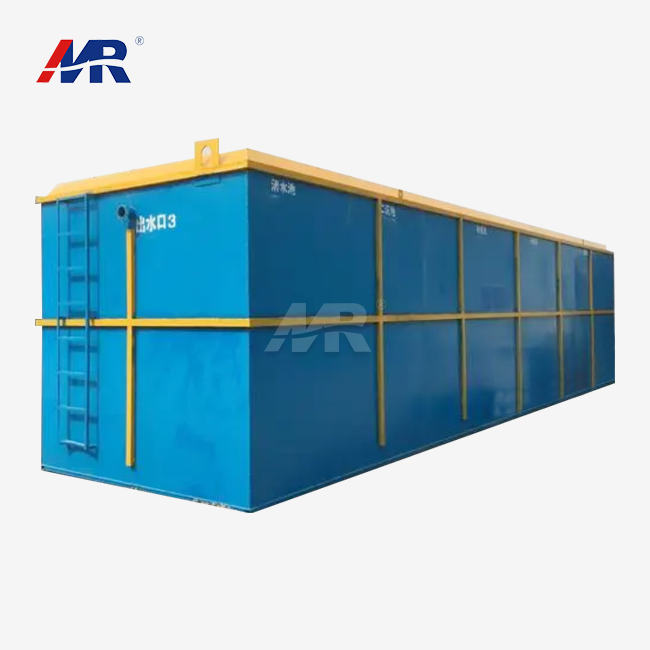 VIEW MOREwaste water treatment plant
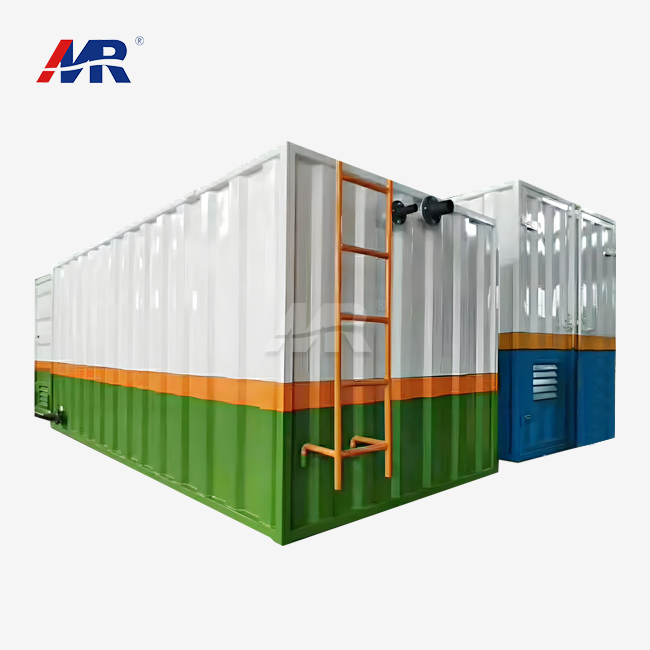 VIEW MOREindustrial sewage treatment plant
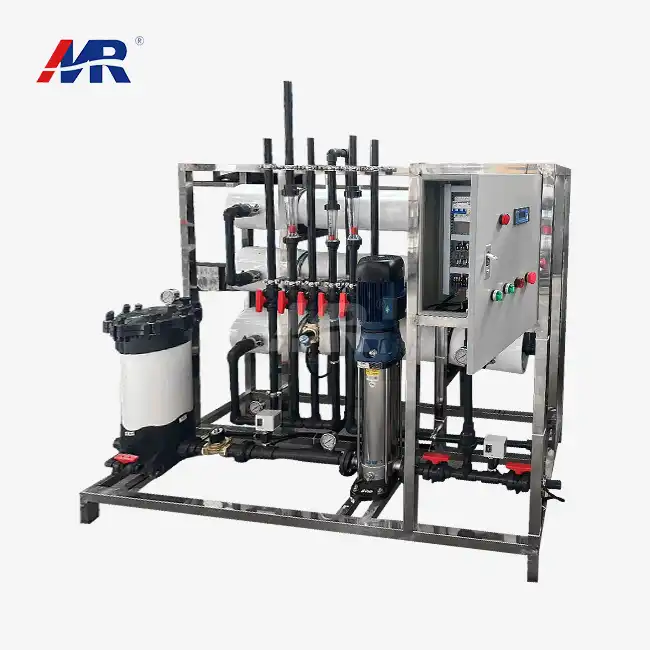 VIEW MORE3T/H reverse osmosis equipment
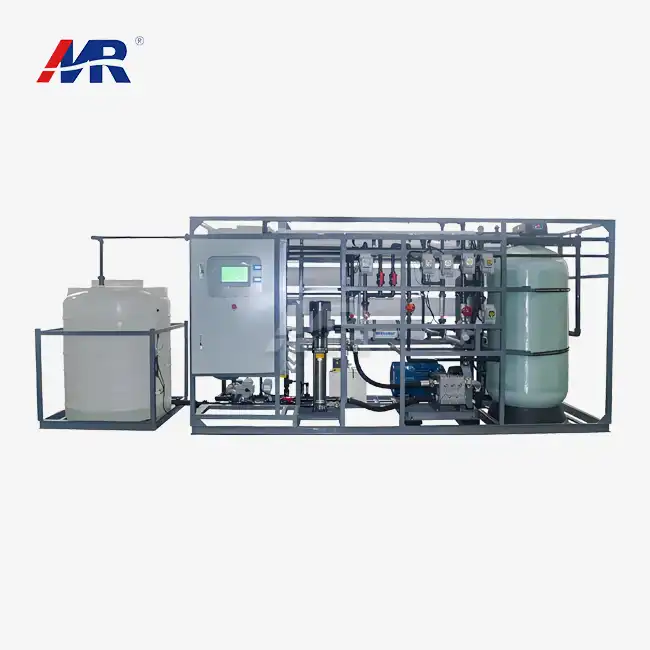 VIEW MORE5m3/hour seawater desalination equipment
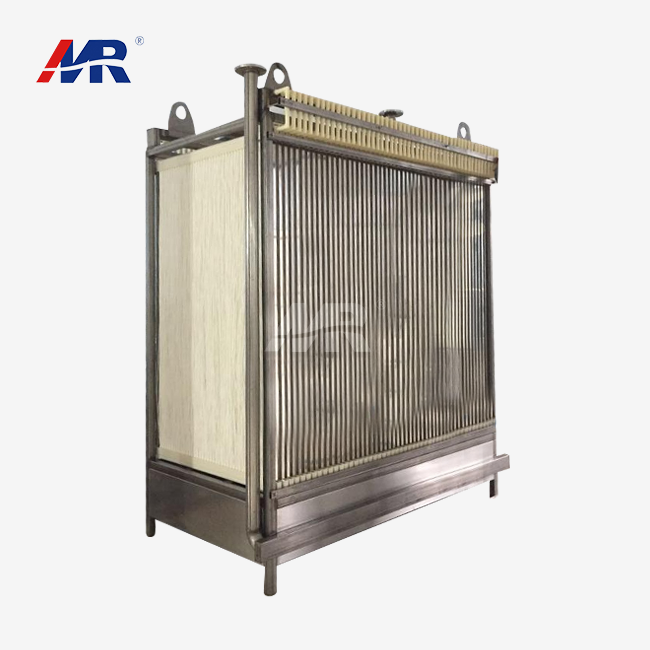 VIEW MOREmembrane bioreactor mbr
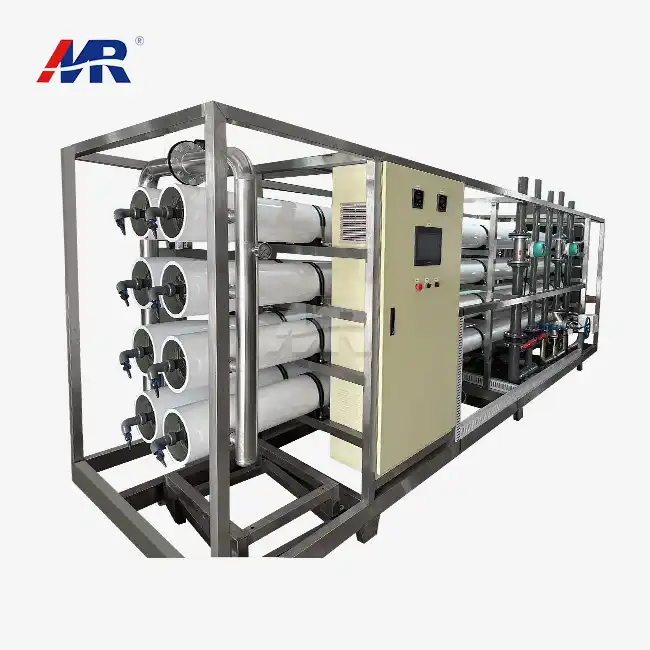 VIEW MORE8m3/hour two pass reverse osmosis system
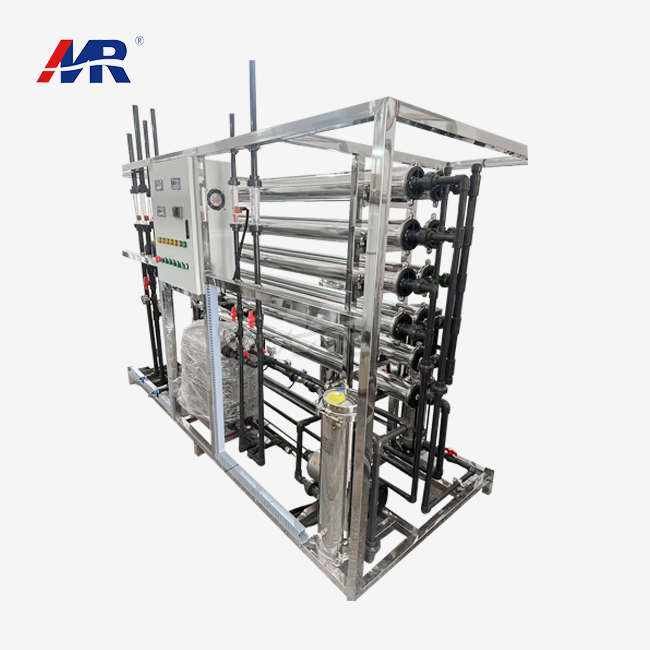 VIEW MOREedi system in water treatment
 VIEW MOREwastewater treatment plant units
