

_1745823981883.webp)

Reverse Osmosis Membrane vs Nanofiltration: Key Differences
When choosing between membrane technologies, your goals for the quality of the water and the limits of how they can be used often play a big part. A reverse osmosis membrane is a very thin wall that keeps out the most dangerous dissolved solids, chemical molecules, and bacteria. Most of the time, pressure-driven separation gets rid of 99.8% of the solutes. There are bigger holes in nanofiltration membranes that let single-valent ions pass through but catch divalent salts and bigger organic molecules. The system works better or worse depending on this difference. It also needs more or less energy and might not be suitable for places with different water cleanliness standards, such as towns, semiconductors, medicines, or food processing.
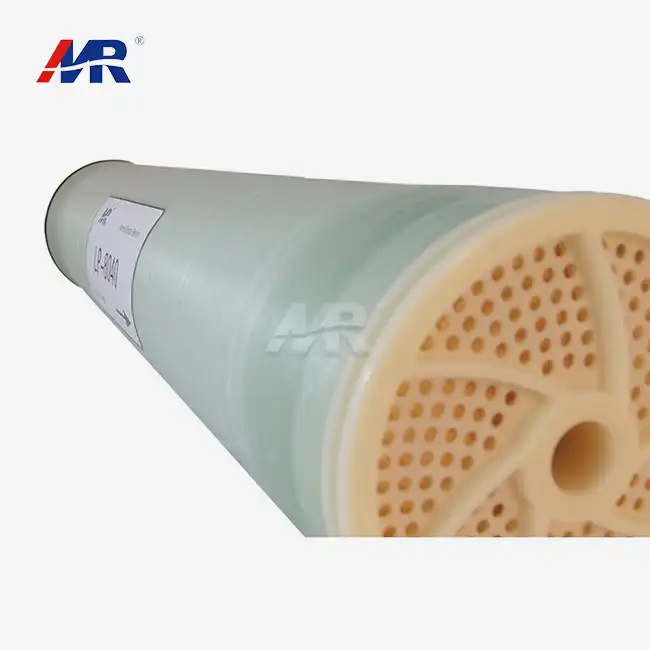
Understanding Membrane Technologies: Reverse Osmosis vs Nanofiltration
There are big changes between these two membrane systems that affect your choice of which to buy. Both are driven by pressure, but they are very different in how they are built and how they separate.
How Reverse Osmosis Works
There needs to be a difference between the hydraulic pressure and the natural osmotic pressure of the feed water for the solution-diffusion process to work. The thin-film composite structure is made up of three different layers: a polyester support web that makes it strong, a polysulfone microporous interlayer that holds the structure together, and a very important polyamide barrier layer that is about 0.2 microns thick. The pores in this very thin active layer are less than 0.0001 microns wide. It works well for these holes to block ions, viruses, and organic molecules while letting water molecules pass through. Some saltwater desalination plants take in water that has more than 35,000 mg/L of total dissolved solids. Reverse osmosis systems reject more than 99.5% of that water, making permeate that has a conductivity of less than 500 microsiemens per centimeter.
Nanofiltration Operating Principles
Ultrafiltration and reverse osmosis are two different types of technology. Nanofiltration membranes are in the middle. These membranes can sort things based on size and charge because their holes are only 0.0005 to 0.002 microns wide. Some ions, like calcium, magnesium, and sulfate, are pushed away by the negatively charged surface of the membrane. However, sodium and chloride can pass through. It works with 50 to 150 psi of pressure, which is a lot less than the 150 to 1,000 psi needed for reverse osmosis uses. It helps to calm the water and get rid of some contaminants without losing all the minerals because of this selective permeability.
Structural and Performance Distinctions
When you compare these different types of membranes, you can see how well they screen and how you should use them. Reverse osmosis membranes get rid of all impurities, which makes them useful for making ultrapure water for fields like electronics and medicines, where even small impurities can hurt the quality of the end product. If you only need to keep a few minerals, NF membranes are great for you. One use for them is to treat drinking water, where good minerals need to stay but hardness and biological contaminants need to go. Reverse osmosis stops when the molecular weight is less than 100 Daltons, while nanofiltration stops when the molecular weight is between 200 and 1,000 Daltons. This leads to various contaminant rejection rates that help choose the appropriate method.
Performance and Efficiency Comparison of RO and NF Membranes
If you know how each technology works, you can accurately guess how well a system will work, how much maintenance it will need, and how much it will cost to own in different work environments.
Rejection Efficiency and Water Quality Outcomes
These technologies can get rid of different kinds of pollution based on the membrane type and how it is used. Most of the time, reverse osmosis systems get rid of 98–99.8% of dissolved salts. This means that they get rid of almost all medicinal drugs, arsenic, lead, and fluoride. If you keep your reverse osmosis system in good shape, the permeate should have less than 50 mg/L of total dissolved solids and less than 100 microsiemens per centimeter of conductivity. Nanofiltration gets rid of 40–80% of salts with only one charge, 90–98% of ions with two charges, and organic molecules bigger than 300 Daltons. Because full demineralization changes the taste profiles and requires more mixing steps, this pattern of selective removal makes permeate with a mineral content that is in the middle. This is often what is needed in the beverage business.
Energy Consumption and Operating Pressure Requirements
How energy efficient a membrane system is has a direct effect on how much it costs to maintain over its lifetime. Modern reverse osmosis membranes work with 150 to 250 psi of pressure to clean brackish water, but they need 800 to 1,000 psi of pressure to work with seawater. Modern desalination plants only need 2.5 to 3.5 kWh of energy per cubic meter because they have devices that recycle energy and filters that let a lot of water through. The pressures at which nanofiltration systems work are 50–150 psi, which is 30–50% lower than the pressures at which reverse osmosis systems treat the same amount of feed water. A big city's treatment plants process 10 million gallons of water every day. This difference in energy use saves a lot of money while still getting rid of enough contaminants to meet rules.
Membrane Lifespan and Maintenance Considerations
The feed water, how well the preparation works, and how the system is used all have a big impact on how long a membrane lasts. Most reverse osmosis membranes last between two and five years before they need to be changed. From then on, they work less well because of buildup of gunk, scale, or chemical breakdown. Facilities that handle high-salinity food or water that hasn't been properly prepared have membranes that don't last as long, and they may need to be changed after 18 months. Nanofiltration membranes usually last between 3 and 6 years, which is about the same or a little longer than other membranes. Because they work at lower speeds, there is less stress on the machines. Both types of membranes last longer when they are cleaned with chemicals, checked for integrity, and their performance is closely monitored on a regular basis. When you use the right pretreatment methods, such as multimedia filtration, activated carbon adsorption, and antiscalant dose, membrane surfaces don't get permanently clogged, which raises the ROI.
Procurement Considerations for Reverse Osmosis and Nanofiltration Membranes
So that you can pick the right reverse osmosis membrane technology, you need to think about what the application needs, what the rules are, and what the long-term goals are for that area.
Industry-Specific Application Requirements
The types of membranes used depend on the water quality standards of the different businesses. Pharmaceutical and study firms need ultrapure water that meets USP standards to make drugs that are injected. In other words, they need reverse osmosis systems that can get rid of endotoxins and other organic pollutants to levels lower than ppb. Semiconductor makers need even more purity, so they use reverse osmosis along with electrodeionization to clean and cut plates with a specific resistance of 18.2 megohm-cm. More and more, local water treatment plants are replacing old equipment with nanofiltration to get rid of disinfectant-leftover precursors, pesticides, and hardness. The new equipment keeps alkalinity and helpful minerals that keep the water chemistry stable in the distribution system. Both technologies are looked at by people who make food and drinks based on what the product needs. For instance, reverse osmosis is often used to get uniform low-TDS profiles for bottled water production, while NF may be preferred by dairy companies to specifically concentrate lactose.
Supplier Selection and Quality Assurance
Working with well-known membrane makers ensures stable product performance and reliable professional support for the whole thing that the equipment is used for. Dow Water & Process Solutions, DuPont FilmTec, and Hydranautics are just a few of the big names that have performance data from decades of many different uses. They have full lines of Products that are made for different types of feed water and different cleaning goals. When buying things, people in charge should make sure that the sellers have Certifications from third parties that say the products have been tested. They should also look at case studies that use similar products and read the guarantee terms to make sure that they cover problems and early performance loss. A supplier's speedy replacement orders, on-site troubleshooting help, and system improvement services are very important for the security of a business. This is especially true for mission-critical applications where downtime costs a lot of money.
Cost Analysis and Total Ownership Projections
How much it costs to buy the membrane is only a small part of how much it will cost to keep up over time. An in-depth study looks at things like how much new equipment costs, how much energy and chemicals are used, how often the membrane needs to be changed, and how much work is needed to keep it running. The price of a reverse osmosis membrane element for business use ranges from $800 to $2,500 per element, based on its design and specifications. Full systems need between 20 and 200 parts, depending on how much space they need. The prices of nanofiltration membranes are about the same, but the whole system may be less expensive because there aren't as many pressure tanks to buy and it's easy to use high-pressure pumping systems. Costs for membranes can be cut by 15–30% if groups agree to buy in bulk. Supply deals that last more than one year make this possible because they keep budgets stable and make it easy to keep track of inventory.
Real-World Applications and Case Studies Highlighting RO vs NF Decisions
A look at how technical features affect operations in different business settings through examples from real life is helpful for people making decisions about the reverse osmosis membrane.
Municipal Drinking Water Treatment: California Case Study
A water authority in an area that serves 150,000 people was becoming more worried about pollution such as hexavalent chromium, nitrates, and new chemicals. They looked at both methods and decided that reverse osmosis treatment would be best for two well fields with mixed contamination, and NF treatment would be best for a third spot with problems with hardness and natural organic matter. The reverse osmosis system got rid of 97% of the nitrates and 95% of the chromium-6, leaving behind water that was always below the limits of testing. Every day, the machine cleans 3 million gallons of water, and 75% of that water is reused. It has two steps and works at 180 psi. The NF system works at 90 psi at the other site. It gets rid of 85% of the hardness and 70% of the dissolved organic carbon while keeping the alkalinity. This lowers the cost of controlling rust. The NF plant used 25% less energy per gallon of cleaned water than the reverse osmosis systems after three years of use. This showed that the method for choosing technologies based on the site worked.
Pharmaceutical Manufacturing: GMP-Compliant Water Systems
A biotechnology business that makes meds to be injected needed water systems that were allowed by the US Pharmacopeia for Water for Injection and met their standards. As the first step in the process, dual-pass reverse osmosis was set up at the plant. This was followed by electrodeionization and finally ultrafiltration. Most of the time, the thin-film hybrid reverse osmosis membranes remove 99.7% of the salt. In the extract, the conductivity drops from 450 microsiemens in the feed water to less than 10 microsiemens. The system stays in good shape for 18 months before it needs to be cleaned again. It runs at 165 psi and uses automatic cleaning-in-place methods every 72 hours. Total organic carbon levels are still less than 50 ppb, and tests for bacterial endotoxin show that none of the sampling sites have it. Nanofiltration wouldn't be able to get rid of enough contaminants to meet government standards in a drugstore setting like this one, but reverse osmosis can.
Industrial Process Water: Zero Liquid Discharge Implementation
Because of rules in the area that don't allow industrial wastewater flow, a cloth dyeing business used zero liquid discharge technology. As the first step in the treatment plan, nanofiltration was used to make the fluid more concentrated. After that, reverse osmosis was used to lower the amount even more, and precipitation was used to get the salt back. At 120 psi, NF membranes gathered concentrated dye molecules and multivalent salts, and they were able to get back 85% of the water for use in coloring processes again. Reverse osmosis was used at 300 psi on the rest of the concentrate to make a very concentrated brine stream. An extra 50% of this water was then used as process water. NF's selective separation was used in this mixed method to cut by 40% the area of the reverse osmosis membrane that was needed. Plans that only used one technology would have used more money and energy, but this plan used less of both. The building got rid of all of its trash and used 90% less fresh water during its two years of service. In the real world, this shows that mixing membrane technologies in a smart way can be useful.
Conclusion
If you want to choose between reverse osmosis and nanofiltration membranes, you need to carefully consider how well each technology fits your needs and goals. Reverse osmosis systems get rid of all the impurities in water, which is needed to make drugs, electronics, and desalinate seawater. Higher pressures and more energy are needed to make ultrapure water. Nanofiltration is a cheap way to remove organic matter, soften water, and separate some ions in places like food preparation, municipal treatment, and industry, where the water doesn't need to be fully demineralized. There are smart ways to buy things that will improve system performance and earnings in many industry settings. These include looking at the chemistry of the feed water, your legal obligations, the cost of energy, and the total cost of ownership.
FAQ
1. Which membrane technology provides better fluoride removal?
In clean water, reverse osmosis membranes can get rid of 93–95% of fluoride by limiting its size and repelling ions. This lowers the concentrations from 4-6 mg/L to below 0.5 mg/L. Based on the chemistry of the membrane and the makeup of the feed water, nanofiltration can remove anywhere from 40% to 75% of fluoride. Performance can also be affected by competing ions and pH levels. Reverse osmosis technology is generally needed to control fluoride well in places that need to meet standards for drinking water.
2. How do maintenance requirements differ between RO and NF systems?
Both technologies need similar maintenance, such as regular checks to see how well they're working, cleaning with chemicals to get rid of fouling deposits, and changing capsule filters in preparation systems. When reverse osmosis membranes are used at higher pressures, they may need to be checked for safety more often because they are under more mechanical stress. Cleaning is done every one to three months, but it depends on how much the permeate quality drops and the pressure difference goes up. What kind of barrier it is and how often it needs to be cleaned have less to do with each other.
3. Can nanofiltration systems be upgraded to reverse osmosis?
After changing the high-pressure pumping equipment and maybe even making the pressure tanks stronger so they can handle higher working pressures, you can turn an NF system into a reverse osmosis system. Both NF (50–150 psi) and reverse osmosis (150–1,000 psi) can use membrane housings, but because of the big difference in pressure, systems often need to be changed instead of just getting better over time. To plan for long-term operations, this makes picking the right technology at the start is very important.
Partner with Morui for Customized Membrane Solutions
Guangdong Morui Environmental Technology has planned, bought, and set up membrane systems for many different types of industrial uses for many years. Using tried-and-true reverse osmosis membrane technology from top names like Dow, FilmTec, and Hydranautics, our study team looks at your specific water quality issues and figures out the best ways to fix them. The company is well-known for making its own reverse osmosis membranes. We can offer you cheap prices when you buy in bulk, full installation services, and ongoing Technical support from 20 experienced engineers spread across 14 regional offices. You can email Our Team at benson@guangdongmorui.com to talk about your water treatment needs and get detailed offers based on your business goals, legal requirements, and available funds.
References
1. American Water Works Association (2020). Membrane Technology Research Committee Report on Reverse Osmosis and Nanofiltration Performance Standards in Municipal Applications. Journal of Water Supply Research and Technology.
2. Greenlee, L.F., Lawler, D.F., Freeman, B.D., Marrot, B., and Moulin, P. (2019). Reverse Osmosis Desalination: Water Sources, Technology, and Today's Challenges. Water Research, 43(9), 2317-2348.
3. International Desalination Association (2021). Membrane System Design and Optimization Guidelines: Technical Manual for Industrial Water Treatment Professionals.
4. Schäfer, A.I., Fane, A.G., and Waite, T.D. (2018). Nanofiltration: Principles, Applications, and New Materials. Advanced Membrane Technology Series, Wiley-VCH.
5. United States Environmental Protection Agency (2020). Membrane Filtration Guidance Manual for Compliance with the Long Term 2 Enhanced Surface Water Treatment Rule.
6. Van der Bruggen, B., Vandecasteele, C., Van Gestel, T., Doyen, W., and Leysen, R. (2019). Review of Pressure-Driven Membrane Processes: Performance Comparison Between Nanofiltration and Reverse Osmosis in Industrial Applications. Environmental Progress & Sustainable Energy, 28(1), 50-59.
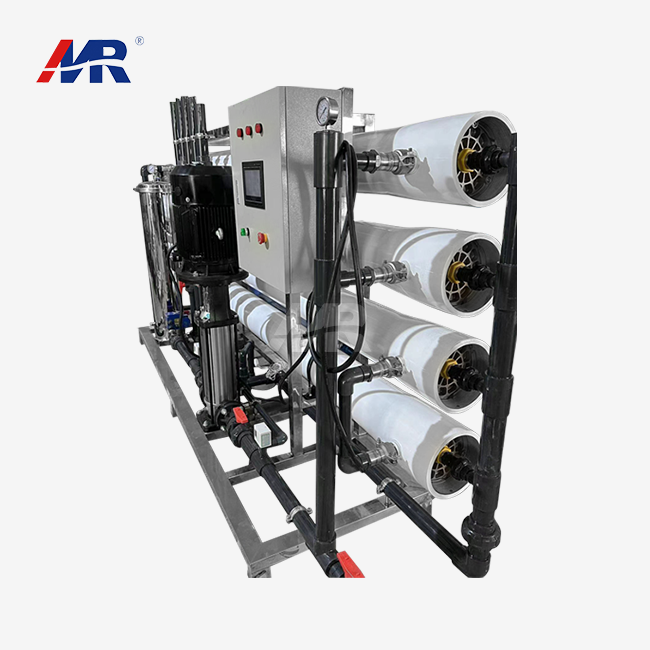 VIEW MOREunder counter reverse osmosis water system
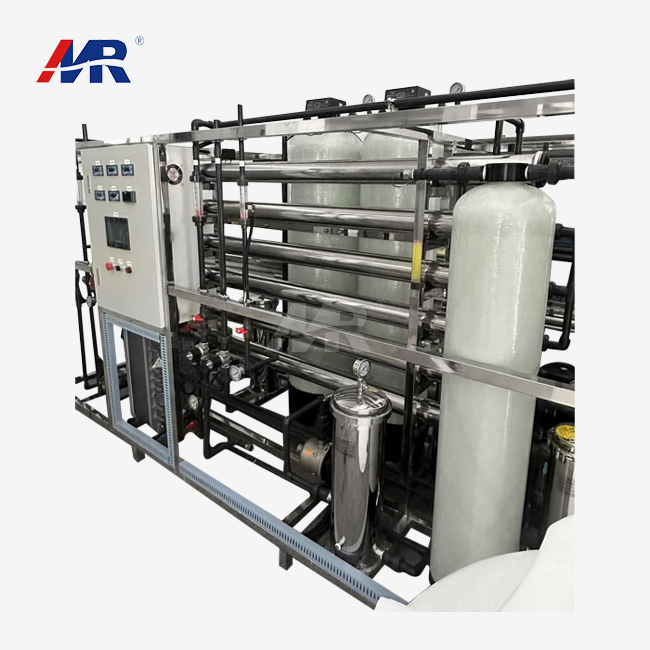 VIEW MOREelectrodeionization edi system
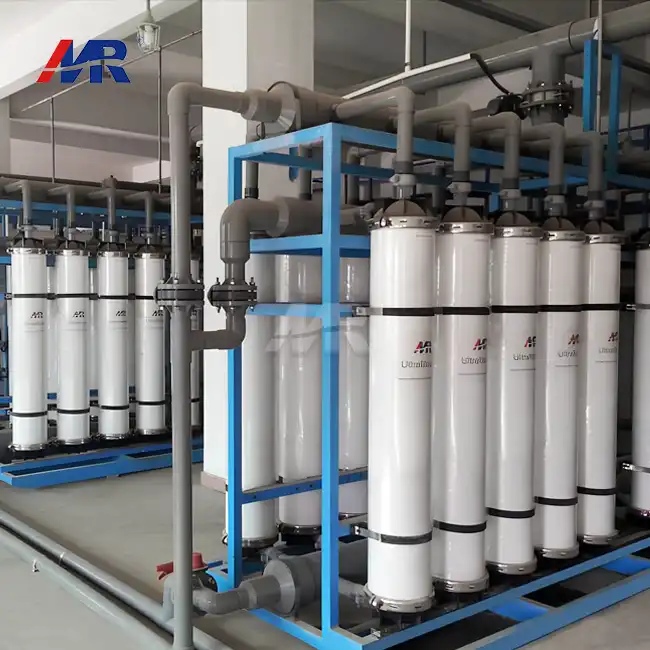 VIEW MORE20m3/hour ultrafiltration equipment
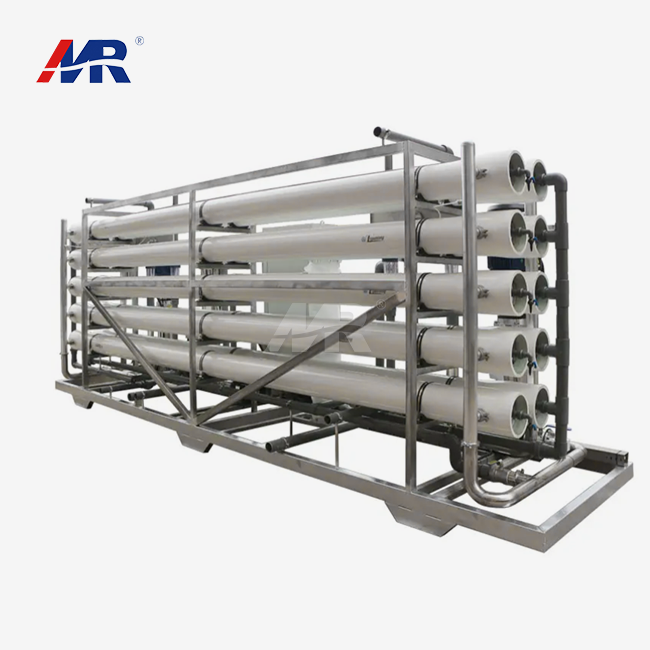 VIEW MOREbrackish water reverse osmosis systems
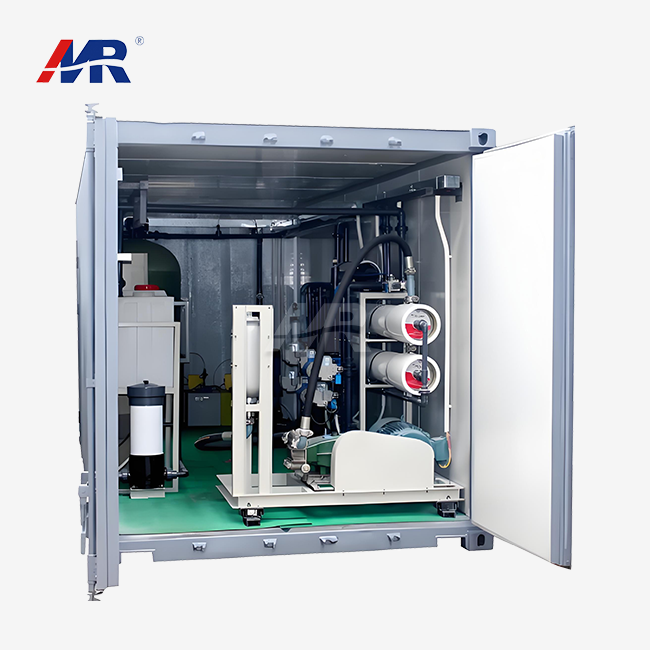 VIEW MOREcontainerized UF+RO system
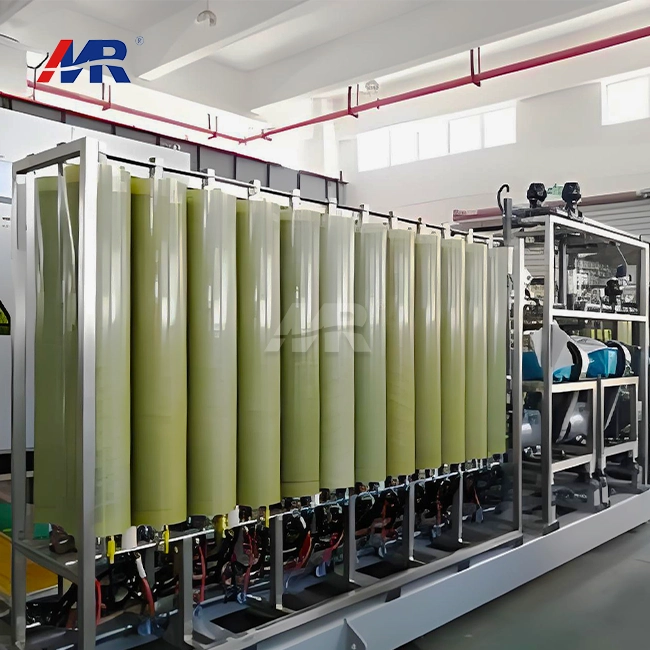 VIEW MOREDTRO plant
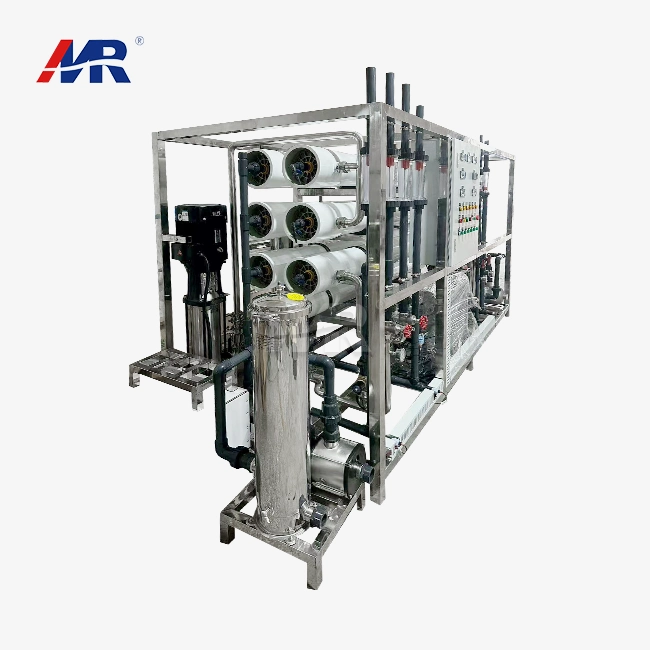 VIEW MOREedi module
 VIEW MORE12m3/hour seawater desalination equipment
