_1745823981883.webp)

Large Reverse Osmosis System Buying Guide for Industrial Users
Selecting a large reverse osmosis system represents a critical investment that directly impacts production efficiency, regulatory compliance, and long-term operational costs. Industrial decision-makers face complex choices involving capacity planning, membrane technology selection, energy consumption analysis, and vendor reliability assessment. This comprehensive buying guide walks through the essential considerations—from understanding your specific water quality requirements and calculating true cost of ownership, to evaluating system scalability and after-sales support—ensuring you make an informed decision that aligns with both your immediate purification needs and future expansion goals.
Understanding Your Industrial Water Purification Requirements
Before looking at equipment specs, you should carefully figure out how much water your building requires. First, look at how much water you use every day, both now and in the future. This can be done by measuring it in gallons per day (GPD) or cubic meters per hour. The amount of water needed by a medicine production plant, a city water treatment plant, and a food-making business is very different.
System creation starts with analysing the quality of the feed water. Get a full report on the water study that lists the Total Dissolved Solids (TDS), pH levels, silica content, iron, manganese, and bacterial counts. These numbers tell us what pre-treatment steps we need to take and how the membranes should be set up. Some parts of the world have a lot of high-silica feed water, which needs special anti-scalant dosing methods to keep membranes from getting clogged.
Think about the quality standards you want for the seep water. Companies that make electronics need conductivity levels below 0.1 µS/cm, while companies that make drinks may be able to handle slightly higher levels. Regulatory standards are different for each industry. For example, pharmaceutical operations need to use USP-grade filtered water, while boiler feed tries to keep scale and rust from forming.
The need for production stability also affects the design of the system. Redundant membrane trains and automatic switchover make operations that run 24 hours a day, seven days a week more efficient. Seasonal businesses may value being able to change their capacity more than keeping their output at a good level all the time.
Key Technical Specifications That Impact Performance
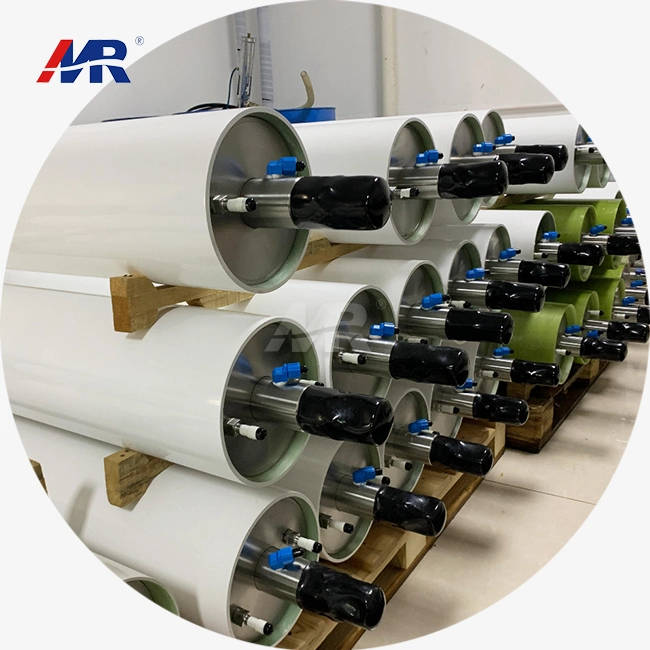
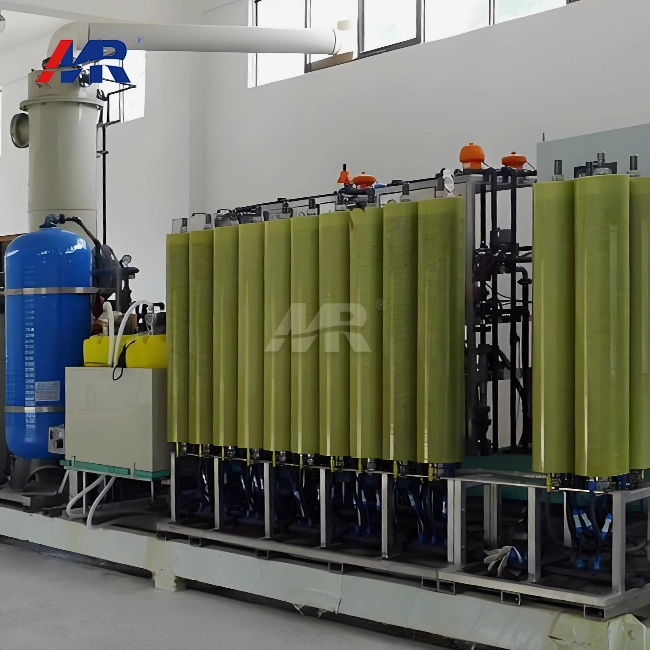
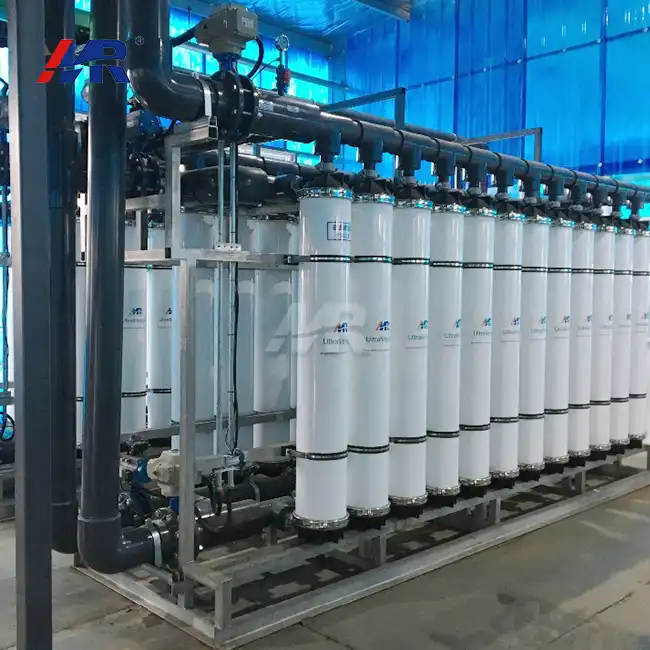
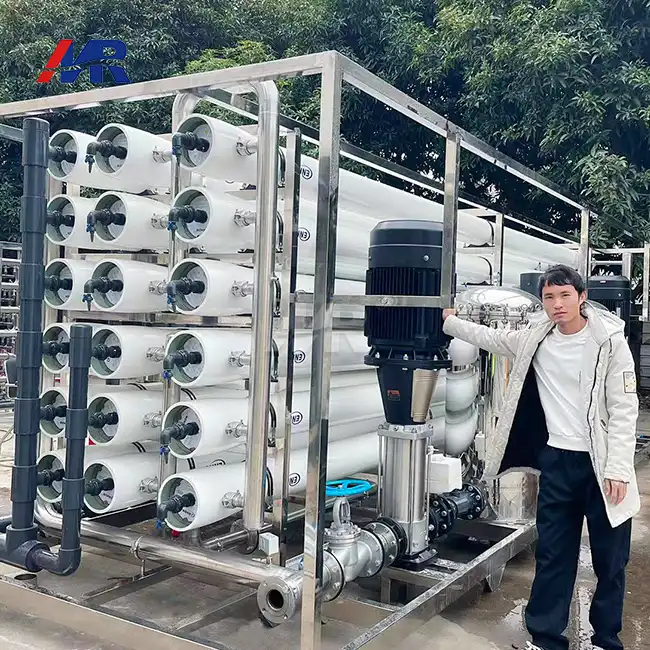
The membrane parts and pressure tanks are what make up the heart of any industrial reverse osmosis system. Thin-film hybrid membranes are used in modern industrial RO systems, and they reject salt at rates higher than 99.5%. The size, cleanability, and resistance to changes in feed water are all affected by the type of membrane (spiral-wound vs. hollow fibre).
The operating costs are directly affected by the rate of water collection. Standard industrial systems can collect 50 to 75% of the water that they process. This means that for every 100 gallons that are handled, 50 to 75 gallons become pure permeate. Advanced designs with concentrate recycling loops raise recovery rates to 80–85%, which greatly lowers the cost of getting rid of garbage and the amount of raw water needed in a large reverse osmosis system.
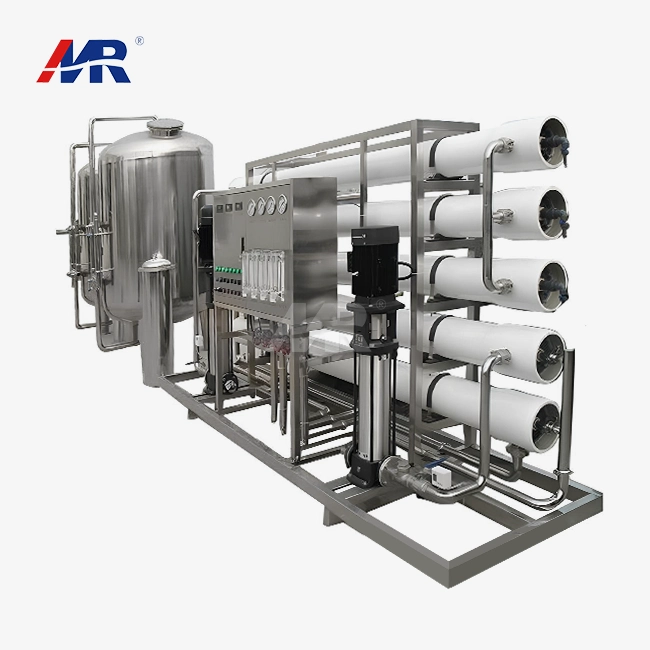
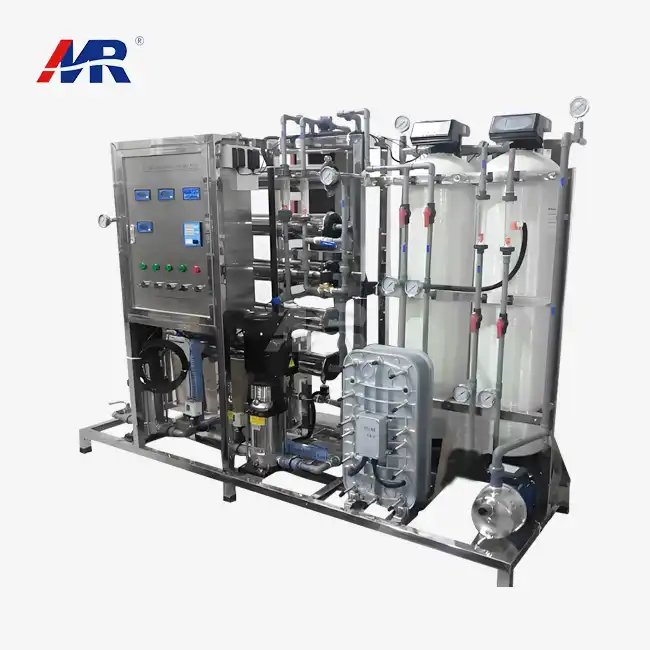
Pumps with high pressure make up the second main part. Variable Frequency Drives (VFD) make the best use of energy by changing the speed of the pump based on how dirty the membrane is and how much pressure is needed at the feed. Energy recovery devices, which are mostly used for desalination, take hydraulic energy from the concentrate stream and use it to lower the total amount of power used by 30 to 40 per cent.
Basic filter equipment is different from more advanced water treatment setups because it doesn't have system tracking capabilities. Integrated PLC controls keep an eye on important factors like pH, differential pressure, flow rates, conductivity, and the oxidation-reduction potential. Predictive maintenance is possible with real-time data logging, which finds membrane breakdown before it affects the quality of the product.
Material building is very important for durability. Frames made of stainless steel 304 or 316 don't rust in damp places. Pressure tanks, especially those used for levels above 150 PSI, must meet ASME approval standards. To keep heavy metals from getting into clean water, all wet parts should show that they meet NSF/ANSI 61 standards.
Pre-Treatment Systems: The Unsung Heroes of RO Longevity
How well the pre-treatment works has a big impact on how long the membrane lasts and how well it works. When fed with conditions that aren't right, even the most powerful membrane technology breaks early. First, coarse silt filters get rid of particles bigger than 25 microns. Next, activated carbon filters get rid of chlorine and chemical compounds that break down thin-film membranes.
When feed hardness goes above 100 ppm, water softener equipment is needed. Ion exchange softeners stop calcium and magnesium from scaling, which is what makes membranes get foul. As an additional or extra method, some sites use anti-scalant chemical injection, which involves adding polyacrylic acid or phosphonate-based inhibitors to keep mineral formation stable.
Ultraviolet sterilisation gets rid of biological pollution, which is especially important for food- and drug-grade uses. UV systems with a wavelength of 254 nanometres kill bacteria, viruses, and other germs without leaving behind any chemicals.
The Silt Density Index (SDI) test measures the amount of particulate fouling that could happen. If the SDI value of the feed water is higher than 3.0, it needs extra steps to be made clear, like multimedia filtering or ultrafiltration pre-treatment. Ignoring this setting causes the membrane to get clogged quickly, need to be cleaned more often, and have a shorter useful life.
Evaluating Total Cost of Ownership Beyond Initial Investment
The purchase price is only a small part of what the machine will cost over its lifetime. Smart buyers figure out the Total Cost of Ownership (TCO) over the planned service life, which for commercial projects is usually between 15 and 20 years. In high-capacity systems, the main cost of running them is the energy they use. A 100,000 GPD device that runs all the time uses 50 to 80 kW, which means big monthly energy bills.
Schedules for replacing membranes have a big effect on spending. When used properly, good membranes from reputable makers last three to five years, while bad parts need to be replaced every eighteen to twenty-four months. To get a good idea of how much it will cost to change the membrane elements, multiply the cost by the number of vessels.
Chemicals that are used up include antiscalants, disinfectants, cleaning agents for Clean-in-Place (CIP) processes, and cleaning agents. Automated dosing systems save time and money compared to human ones, but they need to be bought up front. Fees for getting rid of waste from concentrate streams depend on the town and environmental rules, which is something that is often forgotten when planning for a large reverse osmosis system.
Another high cost is the labour used for maintenance. Technical teams that work for companies need to be taught how to diagnose problems and do regular maintenance. On the other hand, service contracts with equipment sellers offer fixed costs but might come with higher prices. When considering service agreements, look at how quickly they respond, how many extra parts are available, and how skilled the technicians are.
RO systems that use less energy and include ERDs, variable speed drives, and better flow rates save money that can be seen. Compare the standard energy use to the improved setups to figure out the payback times for efficiency improvements.
Scalability and Future Expansion Considerations
Business growth shouldn't necessitate a complete system replacement. Modular designs accommodate capacity increases through additional membrane trains operating in parallel. Verify whether the manufacturer offers standardised expansion kits compatible with your initial installation.
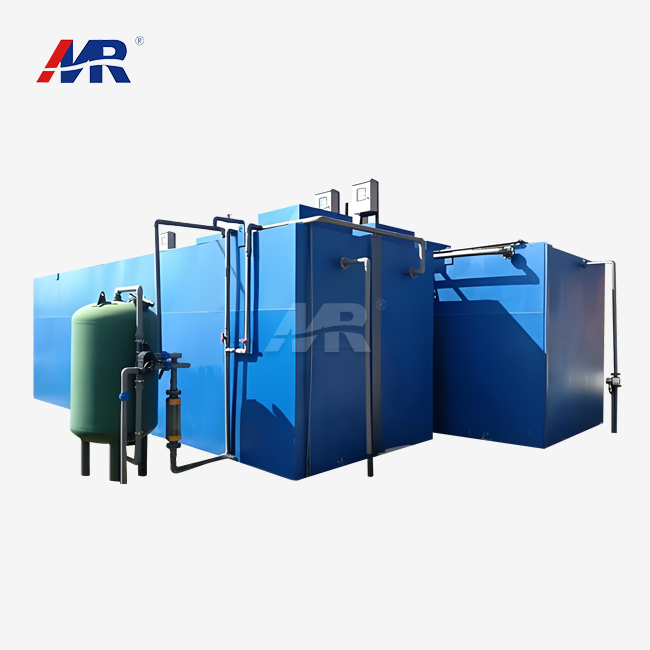
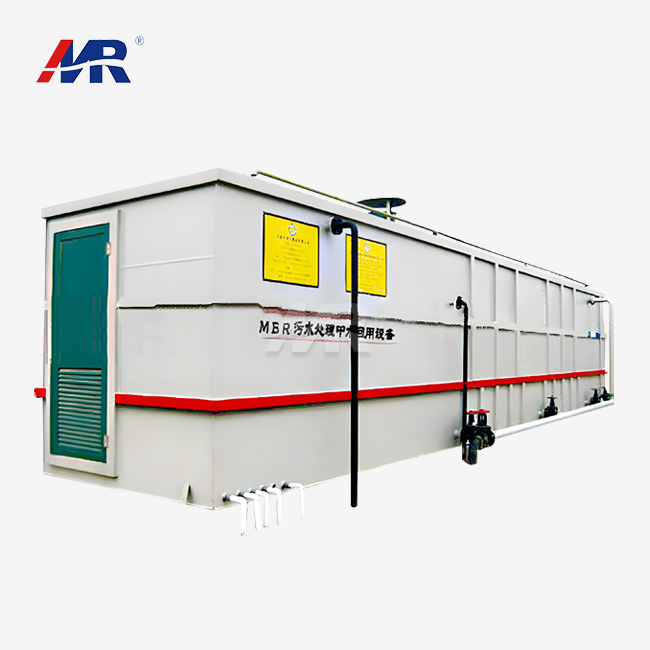
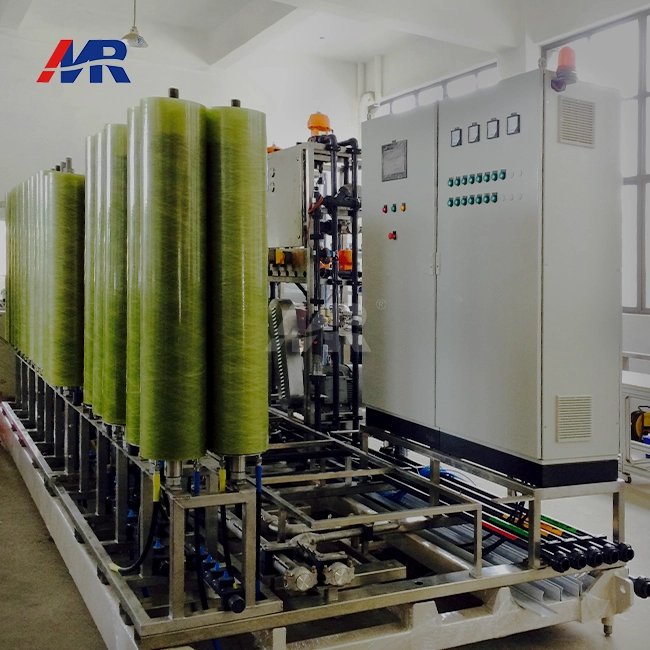
Skid-mounted configurations simplify relocation and reconfiguration compared to field-fabricated systems. Pre-assembled, pre-tested units arrive ready for connection to utilities, reducing installation time and commissioning complications. This approach particularly benefits multi-site operations seeking standardisation across facilities using a large reverse osmosis system.
Control system architecture determines upgrade flexibility. Open-protocol PLCs allow integration with enterprise SCADA systems and remote monitoring platforms. Proprietary controllers may limit third-party integration and long-term adaptability as technology evolves.
Consider seasonal demand fluctuations. Variable capacity operation through staging multiple smaller membrane arrays provides better part-load efficiency than oversizing a single train. Three 50,000 GPD trains offer greater operational flexibility than one 150,000 GPD unit when demand varies.
Vendor Selection: Beyond Equipment Specifications
Technical skills aren't enough to ensure that a project will be successful. Vendor experience in your business gives you important application knowledge. A seller with names from pharmaceutical projects knows what kind of proof paperwork is needed in ways that people who work in the drinks business might not.
Quality, stability and wait times are affected by how well a company can make things. When it comes to standards, integrated makers who control membrane production, tank construction, and skid assembly are better than assemblers who get their parts from different sources. Factory acceptance testing (FAT) procedures make sure that performance meets specs before the product is shipped. This lowers the risks of commissioning.
Long-term relationship value is based on the framework for after-sales service. When unexpected downtime happens, local service shops with trained techs and parts on hand make sure that help is on the way quickly. When servicing problems happen, international providers who don't have a presence in the area leave you open to risk with a large reverse osmosis system.
The level of an organisation's documentation shows how skilled it is. Full O&M instructions, wiring plans, P&ID sketches, and repair guides give internal teams the tools they need to do their jobs. Certification paperwork shows that the product meets the requirements of relevant standards, such as ISO 9001 for quality management, NSF/ANSI for component safety, and licenses specific to the business.
Reference sites give direct proof of success. Ask for the chance to visit the site and see how systems with similar capacities work in similar situations. Talking to current customers can show how quickly vendors are, how reliable the equipment is, and any secret operating problems.
Regulatory Compliance and Industry-Specific Requirements
Different sectors face distinct regulatory landscapes. Pharmaceutical manufacturers must design systems validatable under cGMP guidelines, requiring sanitary construction, biofilm-resistant materials, and extensive documentation trails. FDA audits scrutinise water system validation protocols, demanding ongoing monitoring and periodic revalidation.
Food and beverage processors follow HACCP principles and the FDA Food Safety Modernisation Act requirements. Water contact surfaces need 3-A Sanitary Standards compliance, with CIP capabilities preventing bacterial harbouring. Organic certification adds restrictions on acceptable treatment chemicals and cleaning agents.
Municipal drinking water applications must meet EPA Safe Drinking Water Act standards and state-specific regulations. Third-party testing verifies contaminant removal performance, particularly for emerging pollutants like PFAS compounds requiring specialised membrane formulations.
Environmental permits govern concentrate disposal methods. Zero Liquid Discharge (ZLD) facilities eliminate wastewater streams through evaporation and crystallisation, adding complexity and cost but ensuring compliance in water-scarce regions or environmentally sensitive areas.
Partner with Morui: Your Trusted Large Reverse Osmosis System Manufacturer
Guangdong Morui Environmental Technology delivers turnkey industrial water treatment solutions backed by 14 regional branches and 20 specialised engineers. As an established large reverse osmosis system supplier, we control membrane manufacturing and maintain multiple equipment processing facilities, ensuring quality consistency and competitive pricing. Our comprehensive services span design consultation, installation, commissioning, and ongoing Technical support. Contact our engineering team at benson@guangdongmorui.com to discuss your specific purification requirements and receive a customised system proposal.
References
1. American Water Works Association. (2021). Reverse Osmosis and Nanofiltration Manual of Water Supply Practices (M46). Denver, CO: AWWA Publications.
2. Fritzmann, C., Löwenberg, J., Wintgens, T., & Melin, T. (2019). State-of-the-art of reverse osmosis desalination technology. Industrial Engineering Chemistry Research, 48(17), 6335-6367.
3. Baker, R.W. (2020). Membrane Technology and Applications (4th ed.). Hoboken, NJ: John Wiley & Sons.
4. World Health Organization. (2022). Desalination for Safe Water Supply: Guidance for the Health and Environmental Aspects Applicable to Desalination. Geneva: WHO Press.
5. Greenlee, L.F., Lawler, D.F., Freeman, B.D., Marrot, B., & Moulin, P. (2018). Reverse osmosis desalination: Water sources, technology, and today's challenges. Water Research, 43(9), 2317-2348.
6. National Institute of Standards and Technology. (2021). Industrial Water Treatment Systems: Performance Assessment and Optimization Strategies. Gaithersburg, MD: NIST Technical Publications.