_1745823981883.webp)

Containerized RO Systems Buying Guide for Industrial Projects
Selecting the right water treatment solution for industrial applications demands careful evaluation of cost, operational flexibility, and long-term reliability. Containerized RO systems represent a breakthrough for companies facing space constraints, remote site challenges, or rapid deployment needs. This buying guide walks you through essential considerations—from capacity planning and membrane selection to regulatory compliance and total cost of ownership—helping technical managers, financial decision-makers, and plant owners make informed purchasing decisions that align with production demands and budget realities.
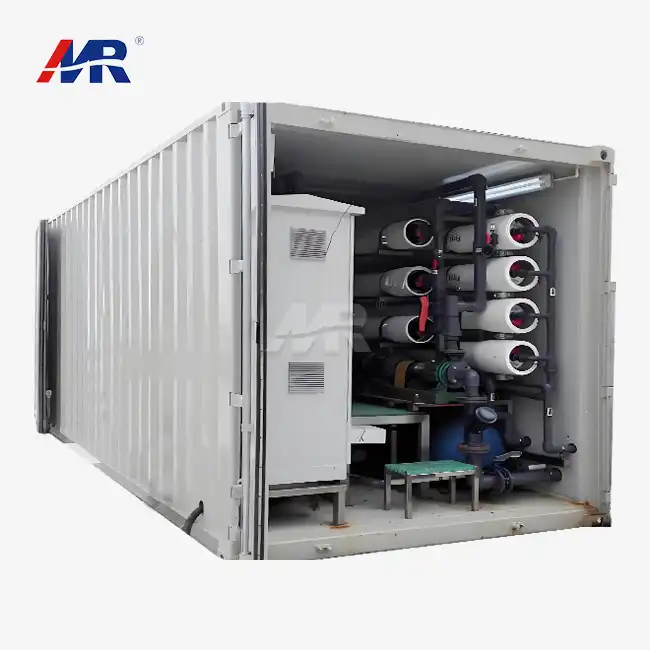
Understanding What Makes Containerized Solutions Different
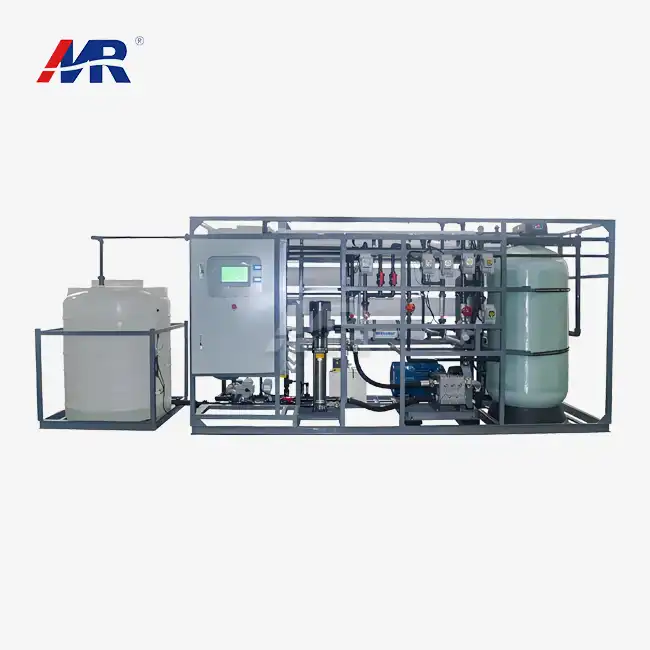
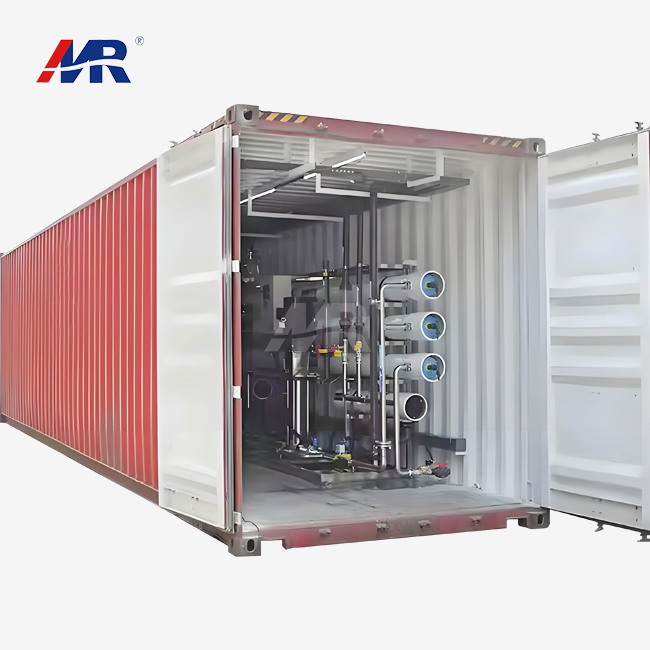
Traditional water purification infrastructure needs civil engineering, solid foundations, and months of construction. This equation changes completely with containerised reverse osmosis. These complete water treatment facilities are packaged in 20- or 40-foot ISO shipping containers. A climate-controlled structure houses pre-treatment filters, high-pressure pumps, membrane vessels, and control panels.
Even experts are impressed with engineering density. Manufacturers pack multimodal filtering, chemical dosing, and innovative membrane technologies into tiny spaces. Depending on configuration and feed supply, a well-designed portable RO machine may generate 10–3,000 cubic meters of filtered water every day.
The difference between these systems goes beyond portability. Pharmaceutical facilities may grow capacity by adding parallel units without disturbing manufacturing lines due to modularity. Commissioning is fast for electronics manufacturers—some systems are operational within 48 hours. Petrochemical plants welcome migration to new well locations or processing regions throughout project stages.
Identifying Your Project's Actual Water Quality Requirements
This is the first step where buying choices often go wrong. Many buyers only care about the amount of water that is produced and don't realise how important the water quality standards are. A facility that makes drinks needs very different conditions than a clean room for semiconductors or a hospital dialysis center.
The basics of system design are shaped by the properties of the feed water. When desalinating seawater (35,000 ppm salt), the membranes need to be set up differently than when desalinating brackish groundwater (3,000 ppm total dissolved solids). Industrial RO systems that treat water that is injected back into the ground need strong pre-treatment steps that irrigation projects in agriculture might skip.
Get a full study of the feed water that includes TDS as well as hardness, iron content, calcium levels, pH, and biological oxygen demand. This information tells us which membranes to use, how fast they heal, and what steps need to be taken before treatment. If you don't do a proper feed analysis when designing a water filter system, you could end up with long-term fouling, premature membrane failure, and unexpected operating costs.
Product water standards are just as important for containerized RO systems. For pharmaceutical processes, pure water that meets USP guidelines must have a conductivity of less than 1.3 µS/cm. Power companies need boiler feedwater with silica levels below 20 parts per billion (ppb). Plants that process food have to find a balance between keeping microbes safe and adding minerals that change the way foods taste. Before hiring providers, make sure these factors are clearly defined. Unclear needs can lead to expensive design mismatches.
Evaluating Technical Specifications That Actually Matter
A lot of scientific information is given to buyers in sales material, but some factors have a direct effect on long-term performance and running costs. The recovery rate shows how much of the feed water is turned into useful permeate versus concentrate output. Systems that treat salt water usually get 70–85% of their money back, but systems that treat seawater only get 40–50% because of osmotic pressure limits.
While higher recovery rates cut down on water waste, they also raise the risk of scaling and use more energy. The best mix relies on the feed and the rules for release in the area. Facilities in areas with limited water use the highest recovery rate, while facilities with cheap feed sources and easy release permits may be willing to accept lower rates in exchange for lower energy costs.
How well cleansing works depends on how well it can reject salt. Good membrane technology can get rid of 99.5 to 99.8% of dissolved salts, but this number drops as the membrane wears out. Find out how often certain toxins are rejected if they are important for your application, like boron removal for farming, nitrate reduction for drinking water, or heavy metal removal for industry processes.
In high-pressure processes like distillation, energy recovery devices have a big effect on running costs. These parts use hydraulic energy from concentrate streams to cut power use by 30 to 60 percent. For sites that process more than 100 cubic meters of material every day, this function saves a lot of money, which makes the higher initial investment worth it.
How advanced the automation is changes the number of workers needed and how quickly they can respond. Modern sustainable water solutions use PLC-based controls that can be monitored from afar and include automatic changes to chemical doses and maintenance alerts that can be set up ahead of time. Smaller businesses might be able to get by with human controls, but businesses with multiple locations can gain a lot from centralised tracking systems.
Matching System Capacity to Current and Future Needs
Capacity planning requires an honest assessment of present requirements while anticipating growth trajectories. Undersized systems operate continuously at maximum output, accelerating component wear and eliminating maintenance windows. Oversized units waste capital and operate inefficiently at partial load.
Calculate peak demand periods rather than average consumption. A bottled water plant might average 50 cubic meters daily, but requires 80 cubic meters during seasonal production surges. Design for peak capacity with 15-20% buffer to accommodate membrane fouling between cleaning cycles and unexpected demand spikes.
The modular nature of containerized RO systems offers strategic advantages here. Companies uncertain about expansion timelines can deploy a single unit meeting immediate needs, then add parallel containers as demand grows. This staged investment approach preserves capital while maintaining operational flexibility.
Consider redundancy requirements based on criticality. Pharmaceutical manufacturers cannot tolerate production interruptions due to water system failures. These facilities often specify dual systems providing 60% capacity each, ensuring continuous operation during maintenance or equipment faults. Agricultural operations with seasonal demand patterns might accept higher risk profiles with single units and emergency backup plans.
Navigating Pre-treatment and Post-treatment Configurations
Raw water rarely comes in a state that makes it suitable for membrane processing. Pre-treatment methods keep expensive membranes from getting clogged, scaling, and breaking down chemically. The steps that need to be taken depend on the feed and the working conditions.
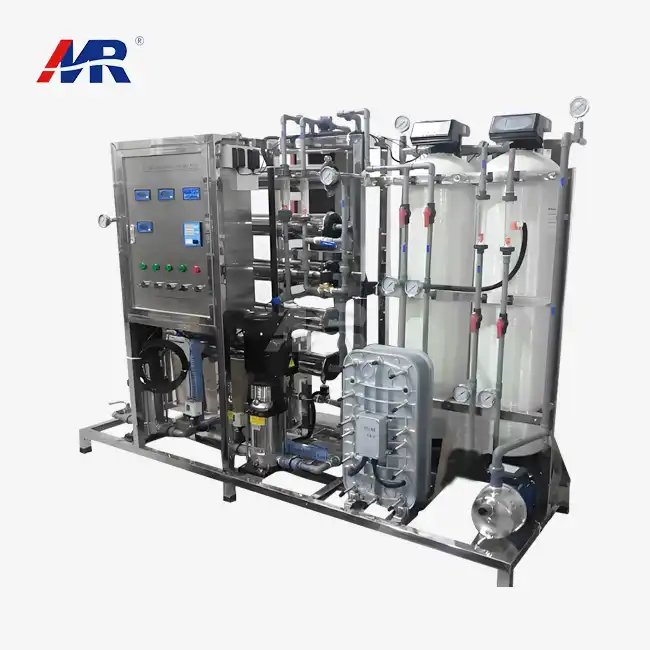
Using layers of anthracite, sand, and garnet, multimedia filtering gets rid of haze and dissolved solids. Before water gets to the membrane surfaces, cartridge filters get rid of the last few particles. Chemical treatment systems add antiscalants to stop minerals from precipitating, change the pH to get the best performance from the membrane, and add coagulants to help remove particles.
Chlorination or UV cleaning is needed in places that process outdoor water or biologically active sources for containerized ro systems. This is followed by activated carbon filtration to get rid of any chlorine that is left over and hurts polyamide membranes. Ion exchange is how softening equipment deals with high amounts of hardness, which stops calcium carbonate scaling.
Customisation after treatment meets the needs of the end use. Hospitals use UV sterilisation to make sure that microbes are safe. Electrodeionization is used by electronics makers to make ultrapure water with a resistance of more than 18 megohm-cm. Food makers might add minerals to demineralised product water to make it taste better.
Check to see if the job can be done with combined pre-treatment inside the container, or if different processes outside the container would be better. Compact RO systems that have all of their processes built in make installation easier, but make it harder to make changes. Hybrid methods that use external pre-treatment feeding containers with membrane steps give you more options for feed sources that are hard to work with.
Assessing Build Quality and Component Reliability
Not all containerised systems last as long or work the same way every time. The quality of the construction is what sets professional-grade systems apart from cheap ones that are a pain to keep up.
Pressure tank approval is very important. Reliable makers only use tanks that have been stamped by ASME and can handle operating pressures with enough safety gaps. Housings for membranes made of 304 or 316L stainless steel don't rust in harsh chemical conditions. Fibreglass tanks are cheaper for less harsh uses, but you need to carefully check the pressure values and chemical compatibility.
The choice of membrane has a huge impact on both running costs and output quality. Well-known names like Dow, Hydranautics, and Toray consistently perform, with cleaning procedures and fouling resistance that have been proven. At first, cheaper options may look good, but they usually don't last as long and have less reliable rejection rates.
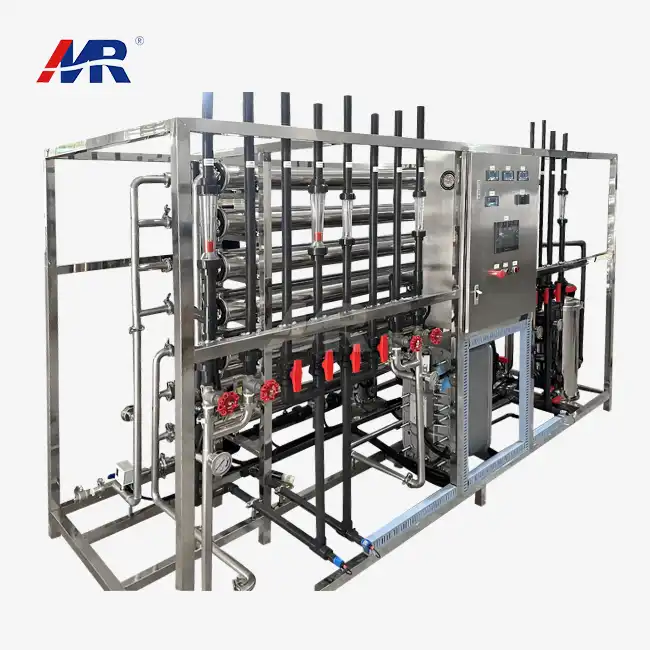
Another important part that needs to be looked at closely is the pump system in containerized RO systems. High-pressure centrifugal pumps from well-known brands work reliably and have spare parts and repair networks that are easy to get. Motors that use less energy and have variable-frequency drives use the least amount of power when the load changes.
Industrial-grade PLCs should be used in control systems instead of consumer-level computer devices. Touchscreen HMIs make it easier for operators to work with the system, and the ability to log data helps with legal compliance and troubleshooting. Expert Technical support can be provided without having to visit the site, which is especially helpful for setups that are far away.
The building of containers itself is interesting. Insulation and climate control that work right keep working temperatures fixed, which protects sensitive equipment and allows it to work all year in harsh settings. Enough airflow keeps humidity from building up and parts from rusting. The safety features, electricity systems, and lighting should all meet the appropriate industry codes.
Understanding Total Cost of Ownership Beyond Purchase Price
Initial acquisition cost represents only one element of long-term economic impact. Comprehensive analysis includes installation expenses, operational costs, maintenance requirements, and replacement cycles.
Energy consumption dominates operational expenses for most applications. High-pressure pumps driving reverse osmosis separation consume substantial power, particularly in desalination or high-recovery configurations. Request detailed power consumption specifications at design flow rates and calculate annual energy costs using local utility rates. Energy recovery devices and variable frequency drives significantly reduce consumption but add upfront costs requiring payback analysis.
Membrane replacement cycles typically range from three to seven years, depending on feed quality, pre-treatment effectiveness, and cleaning protocols. Budget for complete membrane replacement at realistic intervals based on manufacturer guidelines and application severity. Pre-treatment consumables, including filters, cartridges, and treatment chemicals, create ongoing expenses varying with water quality and processing volume.
Maintenance labor requirements depend heavily on automation sophistication and operational complexity. Fully automated systems with remote monitoring might require only periodic technician visits, while manual operations demand daily operator attention. Consider local labor availability and technical expertise when evaluating systems with different automation levels.
Regulatory compliance costs affect certain industries significantly. Pharmaceutical facilities face validation expenses, ensuring systems meet GMP standards. Municipal water plants require operator certification and regular testing protocols. Discharge permits for concentrate streams may mandate treatment or disposal arrangements, adding operational complexity.
Warranty terms and post-sale support availability protect long-term investment value. Comprehensive warranties covering major components for two to three years provide peace of mind. Local service networks offering rapid response for critical failures minimize downtime risk. Availability of training programs helps internal staff manage routine maintenance and basic troubleshooting.
Conclusion
Investing in containerized reverse osmosis technology requires balancing immediate project needs against long-term operational realities. Technical specifications must align with actual water quality requirements and production volumes. Component quality, automation capabilities, and total ownership costs deserve equal consideration alongside purchase price. The modular flexibility and rapid deployment advantages make these systems compelling solutions for diverse industrial applications—from emergency drinking water supply to precision manufacturing processes. Thorough evaluation using this framework positions your organization to select equipment delivering reliable performance and sustainable value throughout its operational lifetime.
Partner with Morui for Your Containerized RO Systems Needs
Guangdong Morui Environmental Technology brings over a decade of water treatment expertise to your industrial project. As an established containerized RO systems manufacturer with 14 branches and 500 dedicated professionals, we deliver turnkey solutions from initial consultation through installation and commissioning. Our in-house membrane production facility and multiple equipment processing plants ensure quality control at every stage. Whether you need portable desalination for offshore platforms or pharmaceutical-grade water purification, our engineering team designs systems matching your exact specifications. Contact our technical specialists at benson@guangdongmorui.com for customized proposals addressing your unique water challenges.
References
1. "Industrial Reverse Osmosis Systems: Engineering Design and Application Guidelines" - American Water Works Association, 2021
2. "Membrane Technology for Water Treatment: Technical Standards and Best Practices" - International Desalination Association, 2020
3. "Containerized Water Treatment Solutions for Remote and Mobile Applications" - Journal of Environmental Engineering, Vol. 147, 2022
4. "Total Cost of Ownership Analysis for Industrial Water Purification Systems" - Water Research Foundation, 2021
5. "Pre-treatment Requirements for Reverse Osmosis Membrane Protection" - Membrane Technology Handbook, Third Edition, 2023
6. "Regulatory Compliance Standards for Pharmaceutical Water Systems" - International Society for Pharmaceutical Engineering, 2022