

_1745823981883.webp)

Membrane Bioreactor Technology vs Conventional Treatment Systems
When selecting between membrane/bioreactor-wastewater-treatment">membrane bioreactor technology and other types of treatment systems, it depends on your unique needs for wastewater quality, available space, and operating budget. Modern membrane bioreactor technology combines biological treatment with physical membrane filtering. This makes it better at getting rid of contaminants and taking up less space than older activated sludge methods. When building managers and expert decision-makers understand these basic differences, they can choose solutions that meet legal requirements, practical efficiency goals, and long-term financial planning.
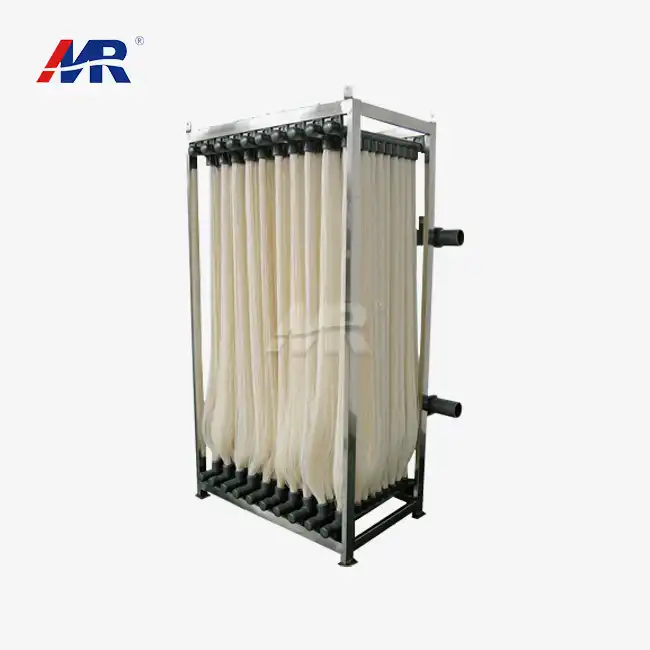
Understanding the Core Differences Between MBR and Conventional Systems
The ways that wastewater is treated have changed a lot in the last twenty years. In traditional systems, solids and liquids are separated by gravity. In membrane bioreactors, on the other hand, cleaned water and biomass are directly separated by ultrafiltration or microfiltration membranes.
Three Core Operational Differences:
- Separation mechanism - Conventional systems depend on clarifier tanks where sludge settles naturally, whereas membrane systems use pressurized or submerged membranes with pore sizes typically ranging from 0.04 to 0.4 microns.
- Biomass concentration - Mixed liquor suspended solids in MBR systems reach 8,000-12,000 mg/L, substantially higher than the 2,000-4,000 mg/L typical of conventional plants. This concentration advantage directly translates to reduced tank volumes.
- Effluent consistency - Membrane filtration produces consistently high-quality permeate with turbidity below 0.2 NTU and virtually complete pathogen removal, regardless of upstream biological process variations.
If you operate a pharmaceutical manufacturing facility requiring GMP-compliant water reuse, membrane bioreactor technology provides the reliable effluent quality necessary to meet stringent regulatory standards. Conversely, municipal wastewater treatment plants with ample land and less stringent discharge requirements might find conventional systems more cost-effective.
Space Requirements and Footprint Comparison
Availability of land is often the deciding factor in system choice, especially for sites in cities or redeveloping brownfields.
Usually, conventional treatment trains need two to three times as much space as MBR systems with the same capacity. A normal, ordinary plant that handles 10,000 m³/day takes up between 8,000 and 10,000 m² and has primary clarifiers, ventilation tanks, secondary clarifiers, and cleaning units. A similar MBR plant works well in areas between 3,000 and 4,000 m², so there is no need for any extra clarifiers.
New application data from electroplating plants makes this benefit very clear. When a metal finishing plant in Guangdong Province switched to membrane bioreactor technology, it cut its treatment area from 1,200 m³ to 420 m². This freed up important manufacturing space and made the wastewater better for reuse.
Spatial Efficiency Factors:
- Elimination of secondary clarification infrastructure
- Vertical tank configurations reduce horizontal spread
- Compact membrane module design allowing modular expansion
- Reduced buffer and emergency storage requirements due to process stability
If your facility faces land constraints or operates in high-value real estate zones, the spatial efficiency of membrane systems delivers tangible economic benefits beyond treatment performance alone.
Effluent Quality and Treatment Performance Analysis
The organic nutrition removal and disease reduction skills of these devices are very different.
In lab tests on food processing uses, membrane systems regularly remove more than 99% of BOD, lowering the concentrations of inputs from 800 to 1,200 mg/L to less than 5 mg/L in the end waste. Using traditional methods to treat the same wastewater streams usually results in effluent with a BOD level of 15 to 30 mg/L. This level of effluent still meets many release standards, but can't be used directly again.
Another important difference is the amount of total suspended solids. The permeability of membranes ensures that there are almost no solids in treated water. On the other hand, traditional clearing lets 10–30 mg/L TSS happen in ideal conditions, with spikes happening when the organic or hydraulic loading changes.
Performance Metrics Comparison:
| Parameter | MBR Systems | Conventional Systems |
|---|---|---|
| BOD₅ removal | >99% | 85-95% |
| TSS in effluent | <1 mg/L | 10-30 mg/L |
| Ammonia-N removal | 95-98% | 80-90% |
| Total coliform removal | >6 log reduction | 2-3 log reduction |
| Turbidity | <0.2 NTU | 2-8 NTU |
Beverage manufacturing operations demanding water reuse for CIP systems or ingredient preparation benefit substantially from the enhanced effluent quality membrane systems provide. If your production standards require microbiologically safe water approaching potable quality, membrane bioreactor technology eliminates the need for extensive tertiary treatment.
Operational Complexity and Maintenance Considerations
Daily operational requirements and maintenance protocols vary considerably between these treatment approaches.
Conventional systems involve routine monitoring of sludge settling characteristics, return activated sludge rates, and clarifier performance. Operators manually adjust wasting rates, aeration intensity, and chemical addition based on microscopic examination and laboratory testing. This operational approach requires experienced personnel with biological treatment expertise.
Membrane bioreactor technology introduces additional monitoring parameters, including transmembrane pressure, permeate flux, and membrane integrity testing. Fouling control becomes central to operations, necessitating regular chemical cleaning cycles. A typical maintenance schedule includes:
- Daily membrane backwashing (automated, 30-60 second cycles every 10-30 minutes)
- Weekly chemically enhanced backwashing with sodium hypochlorite solution
- Monthly maintenance cleaning with citric acid or specialized membrane cleanants
- Annual intensive cleaning and membrane integrity verification
Automation levels differ substantially. Modern MBR installations incorporate sophisticated process control systems managing membrane operation, aeration cycles, and cleaning sequences with minimal operator intervention. Conventional systems, while simpler mechanically, demand more frequent manual adjustments to maintain stable performance.
If your facility operates with limited specialized technical staff, highly automated membrane systems might reduce operational burden despite their mechanical complexity. Conversely, operations with experienced wastewater treatment personnel may leverage conventional systems effectively with lower technology investment.
Energy Consumption and Operating Cost Analysis
The aeration system and pumping requirements directly impact operational expenses, representing 40-60% of total treatment costs.
Energy consumption data from comparable installations reveals nuanced differences. Membrane bioreactor technology typically consumes 0.8-1.5 kWh per cubic meter treated, compared to 0.4-0.7 kWh/m³ for conventional activated sludge systems. This differential primarily stems from:
- Membrane scouring air requirements (submerged membrane configurations)
- Higher biomass concentrations require additional oxygen transfer
- Permeate extraction pumping through the membrane resistance
However, this direct energy comparison overlooks system-level efficiencies. MBR systems eliminate secondary clarifiers, disinfection equipment, and often tertiary filtration, reducing total infrastructure energy consumption. The higher sludge retention time characteristic of membrane systems also improves volatile solids destruction, reducing excess sludge production by 30-50% compared to conventional processes.
Long-term Cost Considerations:
- Membrane replacement costs (typically 7-10 year lifespan)
- Reduced chemical consumption for disinfection
- Lower sludge disposal expenses
- Potential water reuse revenue or utility cost avoidance
- Smaller footprint, reducing construction and land costs
Pharmaceutical and electronics manufacturing operations frequently find that, despite higher operational energy costs, the water quality enabling direct reuse generates substantial cost savings. If your industrial process consumes significant freshwater volumes priced above $2-3 per cubic meter, membrane system economics become increasingly favorable.
Selecting the Right Technology for Your Application
Decision matrices incorporating multiple criteria provide structured evaluation frameworks addressing technical, financial, and strategic considerations.
Technology Selection Criteria:
Choose membrane bioreactor technology when:
- Effluent reuse or stringent discharge limits drive quality requirements
- Space constraints limit the available treatment area
- Future capacity expansion requires modular scalability
- Process stability and automated operation reduce staffing availability concerns
- Pathogen removal for public health protection represents a priority
Choose Conventional Systems When:
- Land availability allows generous spatial allocation
- Discharge standards accommodate moderate effluent quality (BOD₅ 20-30 mg/L, TSS 30 mg/L)
- Capital budget constraints prioritize the lowest initial investment
- Experienced operational staff can manage biological process variations
- Energy costs significantly impact operational viability
Municipal wastewater treatment facilities serving populations under 50,000 often find conventional extended aeration systems economically optimal. Conversely, industrial operations, including petrochemical refineries, power generation facilities, and medical institutions, increasingly adopt membrane bioreactor technology for its reliability and water recovery potential.
Mariculture operations present an interesting hybrid scenario. Ultrafiltration Equipment provides excellent biofilm and pathogen control for recirculating aquaculture systems, while the biological loading characteristics might not justify full MBR implementation versus conventional biofilters with membrane polishing.
Morui's Membrane Bioreactor Technology Advantages
Proven Performance Across Diverse Industries:
- Successful installations treating wastewater from pharmaceutical GMP facilities, ensuring consistent compliance with stringent regulatory requirements
- Food and beverage applications achieving water quality suitable for direct process reuse, reducing freshwater consumption by 60-70%
- Electroplating and chemical industry implementations are recovering valuable resources while meeting zero-liquid discharge objectives
- Municipal upgrades transforming aging conventional plants into compact, high-performance facilities without site expansion
Technical Superiority and Integrated Solutions:
- Proprietary membrane module design optimizing energy efficiency and fouling resistance through advanced flow distribution
- Self-manufactured membrane production ensures quality control and cost competitiveness versus imported alternatives
- Integration with established brands, including Shimge water pumps and Runxin valves, providing reliable auxiliary equipment
- Customized aeration system design balancing oxygen transfer efficiency with membrane scouring requirements
Comprehensive Engineering and Support Capabilities:
- 20 experienced engineers providing application-specific process design and optimization
- Complete installation and commissioning services, eliminating coordination challenges across multiple contractors
- 14 regional branches and 500 employees, ensuring responsive technical support and spare parts availability
- In-house testing facilities validating membrane performance before deployment
- Extended warranty coverage backed by manufacturing capabilities for rapid replacement if needed
Economic Value and Operational Reliability:
- Lifecycle cost analysis demonstrating 15-25% savings versus conventional systems in high-value water applications
- Automated control systems reduce labor requirements by 40-60% compared to conventional operations
- Demonstrated energy consumption below industry averages through process optimization expertise
- Membrane cleaning protocols extending operational lifespan and reducing replacement frequency
- Scalable configurations supporting phased capacity expansion as production demands increase
Strategic Partnership Approach:
- Collaborative needs assessment identifying optimal technology selection for specific applications
- Pilot testing capabilities for complex industrial wastewaters, validating treatability before full-scale investment
- Training programs transferring operational knowledge to client personnel
- Performance guarantees provide financial security and operational confidence
- Ongoing process optimization support, maximizing treatment efficiency and minimizing operating costs
Conclusion
When deciding between membrane bioreactor technology and other types of treatment systems, it is important to think about the cost, the amount of space available, the quality of the wastewater that needs to be treated, and the operating skills. Conventional systems are easier to use and require less money to get started, but membrane bioreactors work better, take up less space, and can reuse water, which is becoming more and more important across many industries. In the end, the choice of technology will depend on what's most important to your facility: following the rules, being efficient, or using water in a way that helps your business grow in the long term.
Partner With a Trusted Membrane Bioreactor Technology Manufacturer
Guangdong Morui Environmental Technology stands ready to transform your wastewater challenges into competitive advantages through proven membrane bioreactor technology solutions. Our engineering team brings deep expertise across industrial and municipal applications, backed by manufacturing capabilities ensuring quality and value. Whether you're evaluating system upgrades, planning new facilities, or seeking reliable equipment suppliers, our comprehensive approach delivers results. Contact our technical specialists at benson@guangdongmorui.com to discuss your specific requirements and discover how advanced membrane systems can enhance your operations while meeting environmental objectives.
References
1. Judd, S. (2011). The MBR Book: Principles and Applications of Membrane Bioreactors for Water and Wastewater Treatment. Elsevier Science.
2. Meng, F., Chae, S.R., Drews, A., Kraume, M., Shin, H.S., & Yang, F. (2009). Recent advances in membrane bioreactors: membrane fouling and membrane material. Water Research, 43(6), 1489-1512.
3. Stephenson, T., Judd, S., Jefferson, B., & Brindle, K. (2000). Membrane Bioreactors for Wastewater Treatment. IWA Publishing.
4. Yang, W., Cicek, N., & Ilg, J. (2006). State-of-the-art of membrane bioreactors: Worldwide research and commercial applications in North America. Journal of Membrane Science, 270(1-2), 201-211.
5. Le-Clech, P., Chen, V., & Fane, T.A.G. (2006). Fouling in membrane bioreactors used in wastewater treatment. Journal of Membrane Science, 284(1-2), 17-53.
6. Metcalf & Eddy, Inc., Tchobanoglous, G., Burton, F.L., & Stensel, H.D. (2003). Wastewater Engineering: Treatment and Reuse. McGraw-Hill Education.
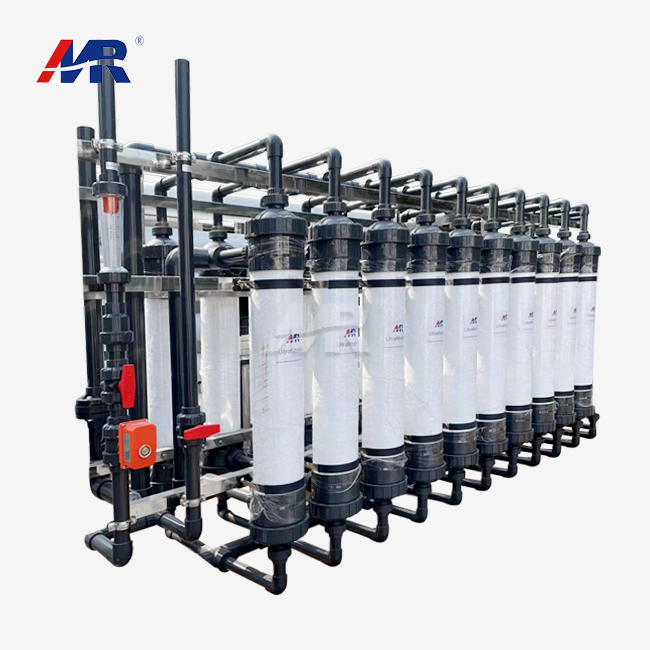 VIEW MOREultrafiltration drinking water system
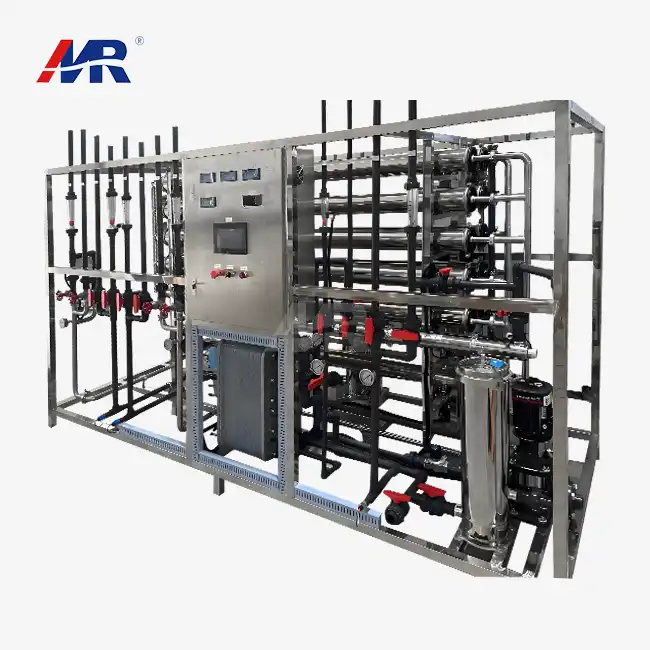 VIEW MORE2000 liters/hour EDI system
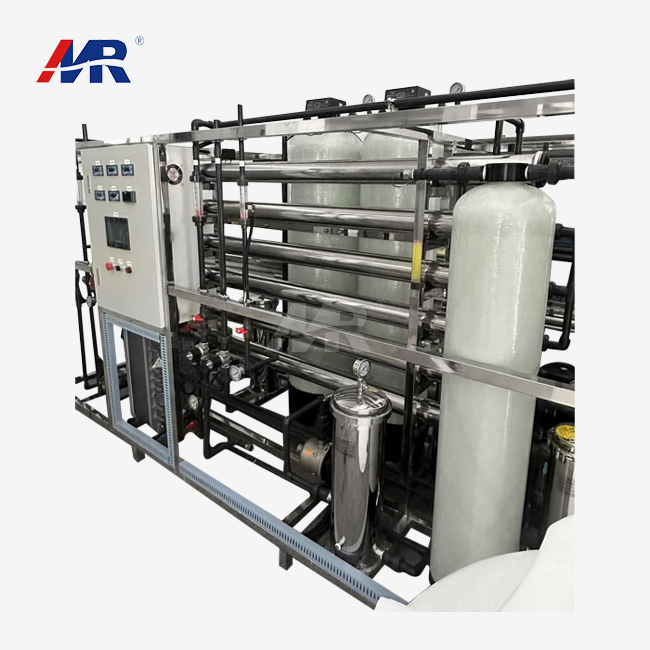 VIEW MOREelectrodeionization edi system
 VIEW MORE15m3/hour seawater desalination system
 VIEW MORE25m3/hour reverse osmosis equipment
 VIEW MOREDTRO plant
 VIEW MORE8 stage reverse osmosis system
 VIEW MOREhighest rated reverse osmosis system
