

_1745823981883.webp)

Best Reverse Osmosis System for Well Water for High Iron Removal
When searching for the best reverse osmosis system for well water, homeowners and facility managers facing high iron concentrations need specialized equipment that goes beyond standard municipal water filtration. These premium systems integrate multi-stage pre-filtration with high-rejection membranes, addressing the unique challenge of iron oxidation, sediment buildup, and secondary contaminants like manganese and sulfur. The right solution combines robust iron removal technology with efficient RO purification to deliver crystal-clear, safe drinking water from even the most challenging groundwater sources.
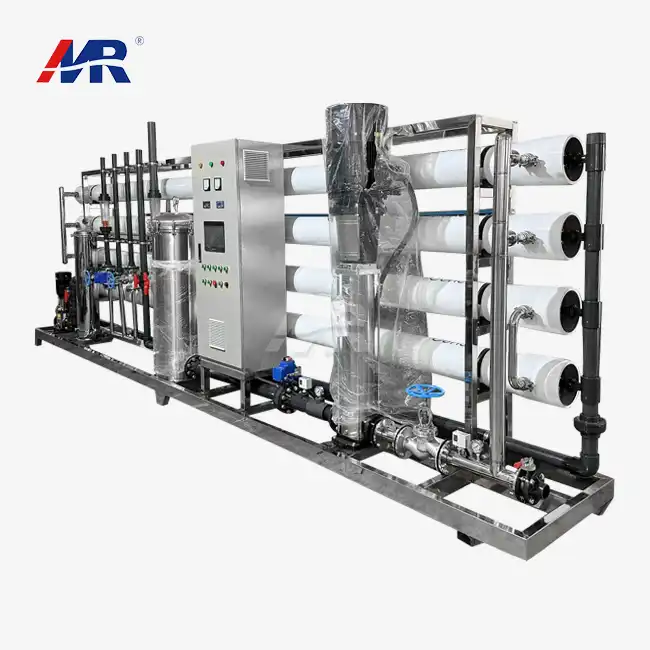
Why High Iron Content Demands Specialized Well Water Treatment
In farming areas of Asia, rural towns in South America, and remote areas of Africa, private well water sources often have iron amounts above 0.3 mg/L, which is the level at which discolouration and a rusty taste become noticeable. When standard filtration is used, I've seen a lot of sites have problems with equipment rust, stained fittings, and membrane fouling. A chain reaction of problems happens when there is a lot of iron in the water: bugs build up iron, pressure drops in distribution systems, and reverse osmosis filters fail before they should.
In contrast to cleaned city sources, the chemistry of well water changes a lot depending on the time of year, the geology, and the water table. Because iron comes in both ferrous (dissolved) and ferric (particulate) types, it needs to be removed in stages. It's even harder to deal with iron pollution in labs, food processing plants, and pharmaceutical factories, where even small amounts can ruin the quality of a product or mess up an experiment.
These problems can be fixed by modern well water RO systems that have built-in oxidation chambers, sediment filters that are made to handle iron particles, and sequencing valves that protect membranes further downstream. The investment avoids expensive breaks, increases the life of equipment, and makes sure that drinking water standards are met in a variety of legal settings.
Selection Criteria for Premium Iron Removal RO Systems
There are a lot of technical and useful things to think about when choosing the best RO system for well water. I give more weight to systems that can pre-oxidize ferrous iron into filterable ferric particles. This can be done by injecting air or using chemical oxidisers. To keep the cartridge from needing to be changed too often, the sediment filter stage must have at least 5-micron minimum filtration and a high dirt-holding capacity.
The specs of the membrane are very important. Look for Thin Film Composite (TFC) membranes that can handle high iron levels without quickly getting clogged up and rejecting more than 97% of the total dissolved solids. The flow rate should meet how much you use. For example, 50 to 100 gallons per day are usually enough for a home, while 200 to 500 GPD systems are needed for a small business.
When you look at cost-effectiveness, you compare the initial payment to the ongoing costs. Compared to older 4:1 ratio models, systems with 1:1 wastewater ratios are better for the earth and cost less to run. Accessibility for maintenance is also very important. Clear pressure gauges and quick-change filter housings make it possible for building managers to do regular maintenance without the need for special tools.
It is very important for businesses in developing areas to be able to get new parts from nearby suppliers. I focus on systems from companies that already have established distribution networks in the target areas. This way, I can be sure that membranes, cartridges, and technical help will be available when I need them.
Top-Performing Systems for High Iron Well Water Applications
Commercial-Grade Multi-Stage Iron Filtration with RO Integration
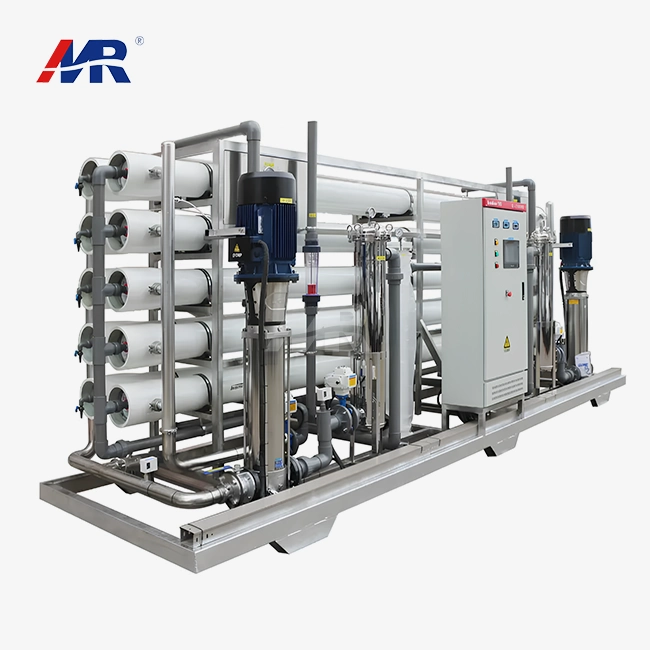
This heavy-duty design of the best reverse osmosis system for well water is for medium- to large-sized businesses that need 200 to 800 gallons of water every day. The method starts with a catalytic carbon filter that gets rid of chlorine and chemical molecules while oxidising iron that has been dissolved in water. The next step is a special iron reduction filter that uses manganese-coated media to pick up oxidised particles as small as submicrons.
The reverse osmosis stage uses a high-flux membrane that can handle more iron, so it doesn't need to be serviced as often as regular household membranes. A combined booster pump keeps the right pressure even when the well pump output changes. This is very important for sites where the source pressure changes with the seasons. After filtration, there is a calcite remineralisation tank that adds minerals and keeps the pH stable. This keeps the ultra-pure RO water from corroding the pipes that carry the water.
Technical specifications include:
- Flow capacity: 300 GPD continuous operation
- Iron removal efficiency: Up to 15 mg/L pre-treatment capacity
- TDS rejection: 98.5% with stabilized membranes
- Pre-filter life: 6-12 months, depending on iron load
- Membrane life: 3-5 years with proper pre-treatment
This configuration suits electroplating facilities, aquaculture operations, and food processing plants where both iron removal and high-purity water production are non-negotiable. The modular design allows capacity expansion through parallel membrane housing additions.
Compact Residential System with Sequential Iron Management
This under-sink type is made for homes and small businesses that use wells with a lot of iron. It saves room and filters well. The first stage has a wound polypropylene sediment filter with a gradient density of 5 microns at the core and 20 microns at the outside. This makes it better at holding dirt while also protecting the parts further downstream.
In the second step, solid activated carbon is used. This carbon has catalytic qualities that make iron combustion easier without the need for chemicals. This new idea solves the problem of keeping track small while still doing good pre-treatment. The ro membrane system uses a 75 GPD membrane with strengthened gaps that keep the membrane from getting packed down when iron particles build up.
The built-in permeate pump is one of a kind because it recovers energy from wastewater. This raises the water recovery ratio to 1:1 and keeps production rates fixed even as the quality of the source water drops. The storage tank has an FDA-approved filter that keeps the water from getting contaminated again, and the designer tap has TDS tracking built right in.
Performance characteristics:
- Daily output: 75 gallons with stable quality
- Iron handling: Effective up to 5 mg/L with regular maintenance
- Footprint: Fits standard 24-inch cabinet depth
- Filter replacement cycle: 6 months for carbon stages, 12 months for membrane
- Warranty: 5-year leak protection, 2-year component coverage
This system matches the needs of rural medical clinics, laboratory startups, and hospitality businesses where space constraints meet demanding water quality requirements.
Industrial Whole-House Iron Removal and RO Combination
Large facilities, including hospitals, power plants, and manufacturing operations, require point-of-entry treatment that addresses iron before water distribution. This configuration starts with a backwashing iron filter that uses air injection to oxidize iron, followed by automatic media regeneration cycles that prevent media exhaustion.
The well water treatment system RO module processes water post-iron removal, enabling the use of standard high-efficiency membranes rather than specialized iron-tolerant versions. This approach reduces membrane costs and extends service intervals. Multiple membrane vessels in parallel ensure uninterrupted production during maintenance cycles—a critical feature for operations that cannot tolerate downtime.
Advanced controls in best reverse osmosis system for well water include programmable logic controllers (PLCs) that monitor inlet iron levels, adjust backwash frequency dynamically, and alert operators to membrane performance degradation before quality issues arise. The system integrates with building management systems common in larger facilities, providing remote monitoring capabilities.
System specifications:
- Capacity range: 1,000-10,000 GPD, scalable
- Iron removal: Up to 25 mg/L through oxidation pre-treatment
- Membrane configuration: Parallel 4-vessel minimum
- Automation level: Fully automatic with manual override
- Compliance: Meets GMP, FDA, and regional pharmaceutical water standards
This professional installation suits wastewater treatment plants upgrading discharge quality, seawater desalination facilities with brackish source water, and agricultural operations requiring high-volume irrigation water treatment.
Regional Market Considerations Across Target Geographies
Asia Market Dynamics
Across Southeast Asia and South Asia, groundwater iron contamination stems from volcanic geology and intensive agricultural runoff. Buyers prioritize systems with low electrical consumption due to higher energy costs in rural areas. Installation support and local-language technical documentation significantly influence purchasing decisions.
Regulatory frameworks vary widely—countries like India emphasize Bureau of Indian Standards (BIS) certification, while Indonesian buyers look for SNI compliance markings. The growing pharmaceutical sector in Vietnam and Thailand drives demand for reverse osmosis systems with UV for well water that meets international manufacturing standards.
South American Preferences
Agricultural regions in Brazil, Argentina, and Colombia face seasonal iron fluctuations tied to rainfall patterns. Buyers value systems with easy seasonal adjustment capabilities and robust pre-filtration that handles turbidity spikes during rainy periods. Cost sensitivity remains high, with a preference for systems offering modular upgrades rather than full replacement as operations scale.
Local distribution networks for replacement parts are less developed in rural areas, making systems with longer service intervals and multi-brand component compatibility more attractive. The beverage industry's expansion creates opportunities for high-capacity RO systems for well water installations in bottling facilities.
African Market Characteristics
Water scarcity across Sub-Saharan Africa and North African coastal regions positions seawater and brackish water treatment as critical infrastructure. High iron content in aquifer water complicates efforts to expand access to safe drinking water. Buyers—often government agencies or NGO-funded projects—emphasize durability and minimal maintenance requirements.
Solar-powered system options address unreliable electrical grids. Training and local capacity building are essential purchase considerations, with preference given to suppliers offering extended on-site commissioning and operator certification programs. The mining sector's water recycling initiatives drive demand for heavy metal removal RO system well water configurations.
Purchasing Recommendations and Critical Considerations
When specifying a best reverse osmosis system for well water, begin with comprehensive water testing that identifies not just iron levels but also pH, hardness, manganese, sulfur, and biological contamination. This baseline data determines pre-treatment requirements and prevents under-specifying system capacity.
Match system scale to actual consumption plus 20% capacity buffer for peak demand and future growth. Oversizing by more than 30% increases initial costs without proportional benefits, while undersizing leads to water shortages during high-use periods and accelerated component wear.
Evaluate the total cost of ownership over a 5-year period, including replacement filters, membrane changes, electrical consumption, and wastewater disposal. The best affordable RO system for well water balances upfront investment against predictable operating expenses rather than minimizing purchase price alone.
Verify supplier credentials through references from similar applications in your industry and region. Request documentation of successful installations, availability of local service technicians, and typical response times for Technical support inquiries. Suppliers with established reverse osmosis systems with iron filter installations demonstrate proven expertise.
Plan for water quality monitoring equipment—TDS meters, iron test kits, and pressure gauges—that enable proactive maintenance. Schedule filter changes based on actual performance metrics rather than arbitrary time intervals, optimizing cartridge life while protecting membrane integrity.
Industry Trends and Future Developments
The water treatment sector increasingly embraces smart monitoring technology that predicts maintenance needs through machine learning algorithms analyzing pressure differentials and water quality trends. Membrane manufacturers develop iron-resistant materials that extend service life in challenging groundwater applications. Energy recovery devices previously limited to large desalination plants now appear in commercial well water RO system installations, reducing operational costs and environmental impact. Regulatory harmonization across regional trade blocs will likely standardize well water reverse osmosis system price structures and performance Certifications, simplifying procurement for multinational operations.
Conclusion
Selecting the best reverse osmosis system for well water with high iron content requires matching treatment technology to your specific groundwater chemistry and operational scale. Effective solutions integrate oxidation, sediment filtration, and high-rejection membranes in configurations ranging from compact residential units to industrial-scale installations. Regional market characteristics across Asia, South America, and Africa influence purchasing decisions through infrastructure availability, regulatory requirements, and cost structures. Partnering with experienced suppliers who provide comprehensive support—from water analysis through ongoing maintenance—ensures long-term performance and return on investment in safe, high-quality water production.
FAQ
1. How often should I replace filters in a high-iron well water system?
Filter replacement frequency depends on your specific iron concentration and water consumption volume. Sediment pre-filters handling 5-10 mg/L iron typically require changing every 3-6 months, while carbon stages may last 6-12 months. The RO membrane itself, when properly protected by effective pre-treatment, serves 2-4 years before performance degradation necessitates replacement. Monitor pressure gauges and TDS readings rather than relying solely on time intervals—sudden pressure drops or rising output TDS indicate filter exhaustion.
2. Can reverse osmosis remove all types of iron from well water?
Reverse osmosis membranes effectively remove dissolved ferrous iron and ferric iron particles, but pre-oxidation significantly improves results. Systems handling high iron loads require upstream treatment that converts dissolved iron to filterable particles. Bacterial iron—iron-fixing bacteria that form slimy deposits—needs chlorination or UV disinfection before RO treatment. Well water RO system troubleshooting often reveals that iron breakthrough results from inadequate pre-treatment rather than membrane failure.
3. What's the difference between water softeners and RO for iron removal?
Water softeners target hardness minerals like calcium and magnesium through ion exchange, but handle only low iron levels (under 1-2 mg/L) and don't remove dissolved solids or contaminants. The best water filtration for well water combines softening for scale prevention with reverse osmosis for comprehensive purification. In heavy iron applications, sequenced treatment—iron removal filter, then softener, then RO—delivers optimal results for both equipment protection and water quality.
4. Do I need professional installation, or can I install a well water RO system myself?
Under-sink residential units with standard plumbing connections suit confident DIY installers following manufacturer instructions. Whole-house RO systems for well water installations and commercial-scale equipment require professional well water RO system installation to ensure proper pre-treatment integration, pressure management, and electrical connections. Incorrect installation voids warranties and can cause water damage or system failure. Professional installation includes startup testing that verifies iron removal performance and membrane function.
Partner with Morui for Proven Well Water RO Solutions
Guangdong Morui Environmental Technology stands out among the best reverse osmosis system for well water manufacturers with 14 regional branches providing localized support across Asia, South America, and Africa. Our engineering team of 20 specialists designs custom well water treatment systems addressing your specific iron contamination challenges, backed by our proprietary membrane production facility and equipment processing plants.
We deliver complete turnkey installations—from initial water analysis through commissioning and operator training—ensuring your best reverse osmosis system for well water performs optimally from day one. Our partnerships with Shimge Water Pumps, Runxin Valves, and Createc Instruments enable integrated solutions that match precisely to your groundwater chemistry and operational requirements. Contact our technical team at benson@guangdongmorui.com to discuss your iron removal needs and receive a customized system specification.
References
1. Smith, J. R., & Patel, K. (2022). Advanced Membrane Technologies for Groundwater Treatment: Iron and Manganese Removal Strategies. International Water Treatment Association Press.
2. Environmental Protection Agency. (2021). Drinking Water Standards and Health Advisories: Well Water Contaminant Guide. Office of Water, EPA Publications.
3. Chen, L., Rodriguez, M., & Abdallah, H. (2023). Reverse Osmosis System Design for Variable Source Water Quality in Emerging Markets. Journal of Water Process Engineering, Volume 47.
4. National Groundwater Association. (2020). Private Well Water Treatment: A Comprehensive Guide for Homeowners and Small Systems. NGWA Publishing Division.
5. Kumar, A., & Osei-Bonsu, K. (2023). Pre-Treatment Optimization for Membrane Systems in High-Iron Well Water Applications. Desalination and Water Treatment, Volume 283.
6. International Desalination Association. (2022). Small-Scale Reverse Osmosis Systems: Selection, Operation and Maintenance for Challenging Feed Waters. IDA Technical Proceedings, Singapore Conference Edition.
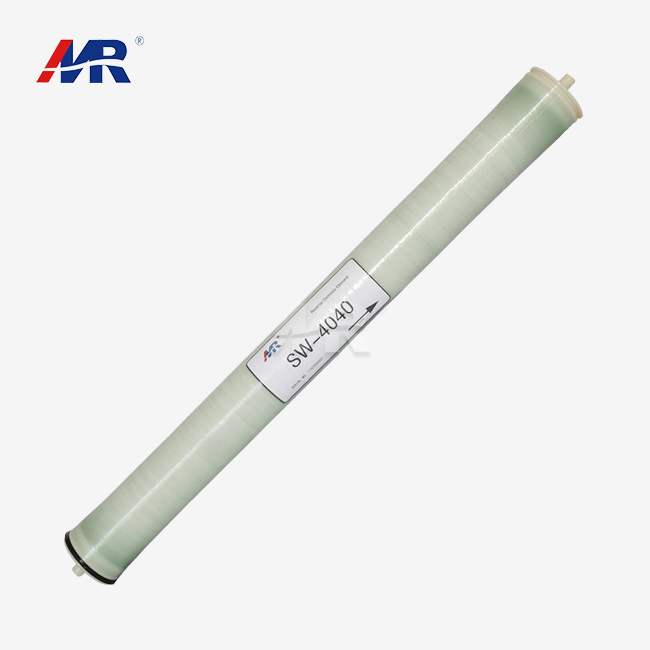 VIEW MORE4040 seawater reverse osmosis membrane
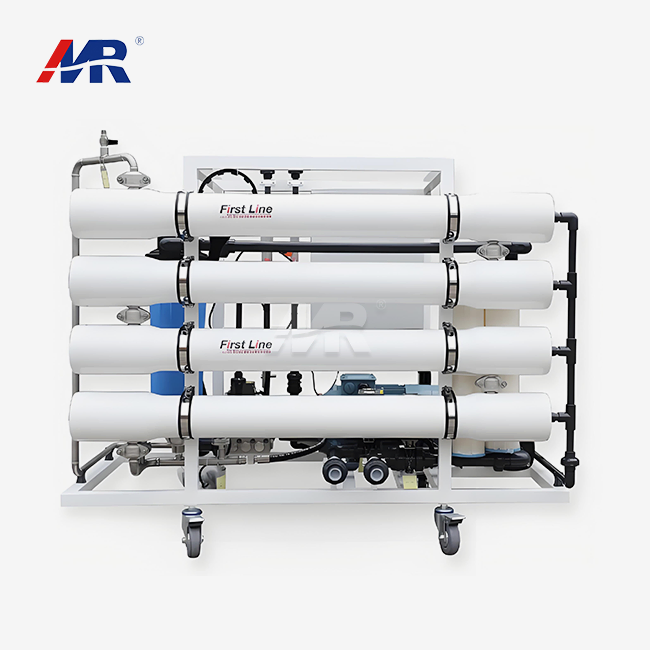 VIEW MOREseawater desalination equipment
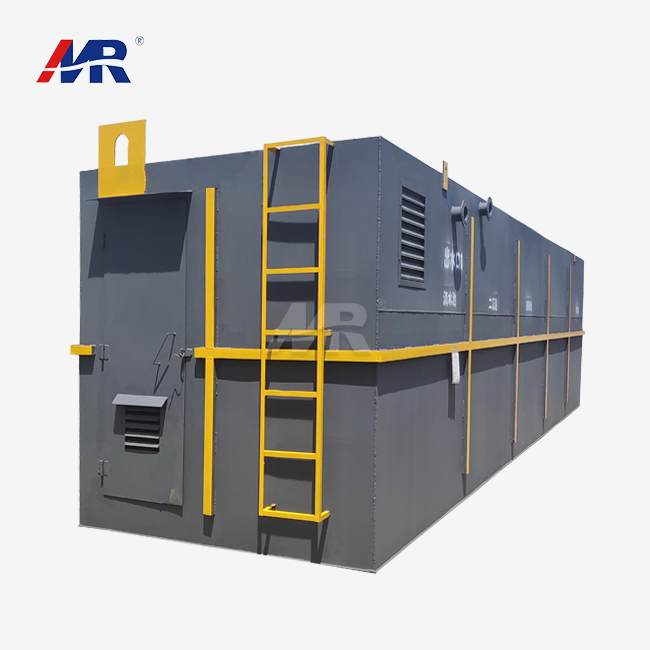 VIEW MOREhome wastewater treatment plant
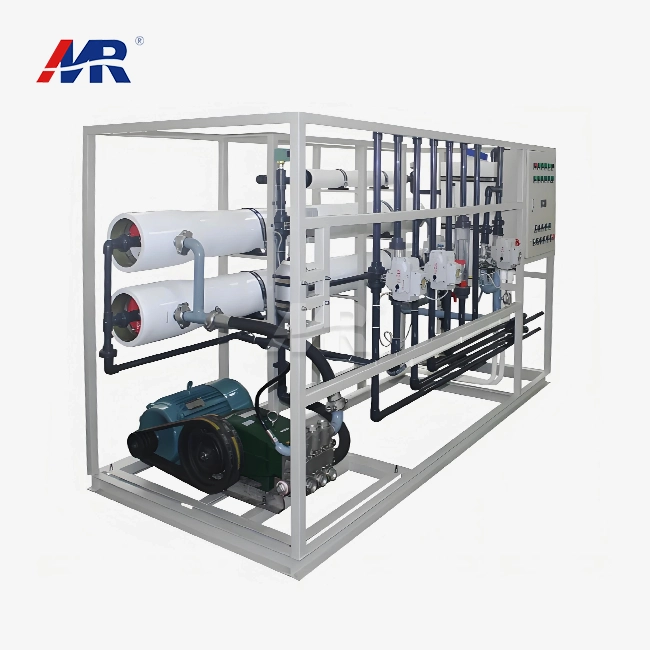 VIEW MOREseawater desalination pre-treatment
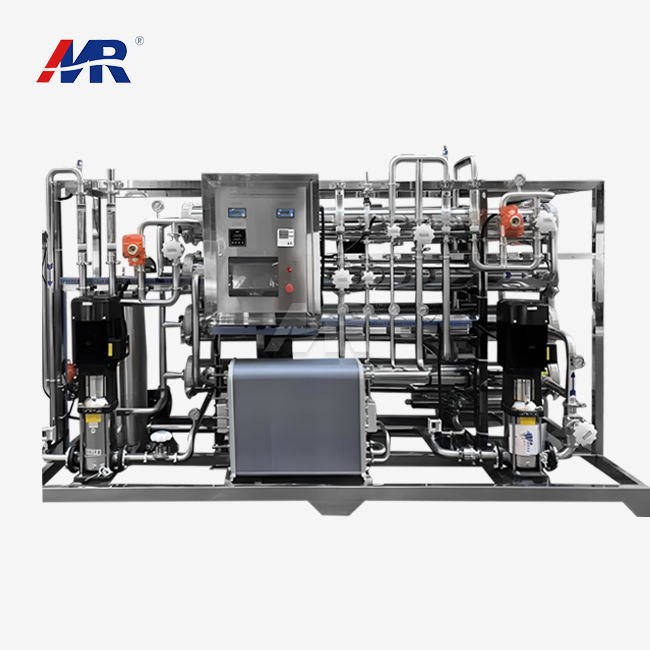 VIEW MOREelectro deionizer system
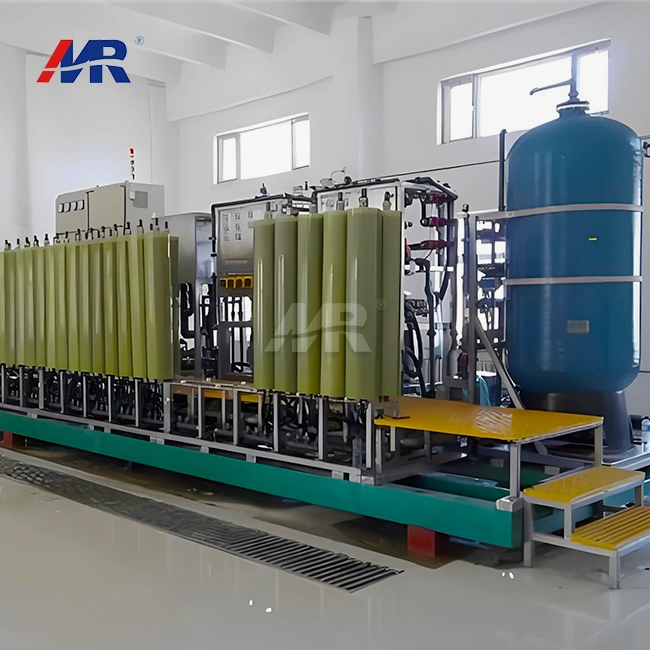 VIEW MOREDTRO system
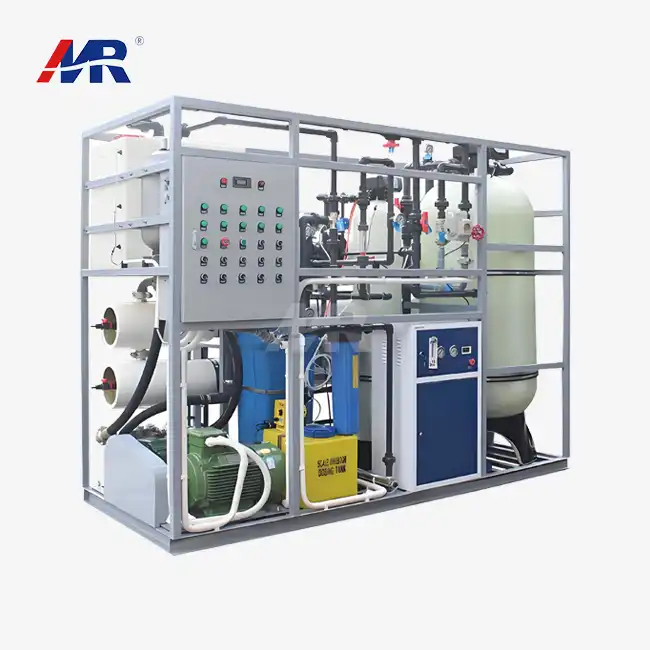 VIEW MORE2T/H seawater desalination plant
 VIEW MOREreverse osmosis water purification plant
