

_1745823981883.webp)

Reverse Osmosis for Well Water vs Traditional Filtration Methods
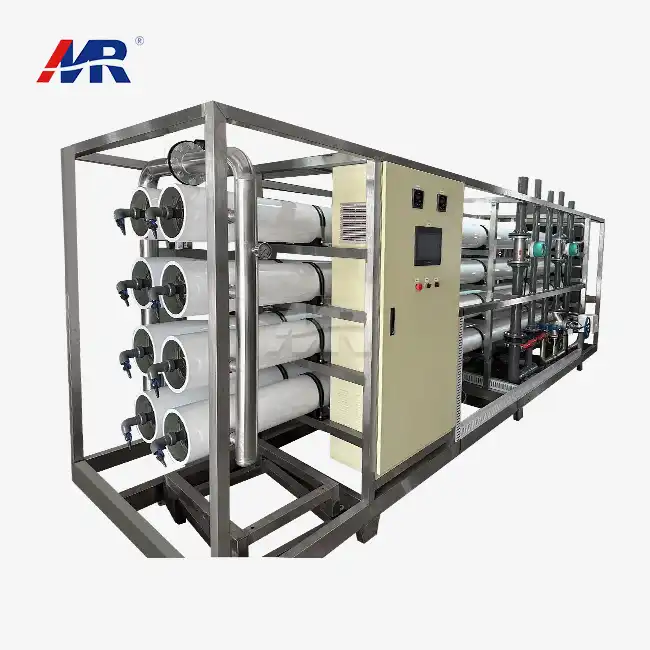
When you have problems with well water, picking the right way to clean it is very important for both how well it works and how clean it is. By pushing water through semi-permeable filters at the molecular level, reverse osmosis for well water gets rid of all kinds of contaminants, such as dissolved solids, heavy metals, and germs. Traditional filtration methods, such as sand filters and carbon systems, are good at getting rid of bigger bits, but they aren't always good at getting rid of dissolved impurities. Long-term success depends on figuring out which technology fits your needs for water quality and the size of your business.
Understanding Well Water Contamination Challenges
Well water sources have their own problems with cleaning that businesses and industries need to deal with in a planned way. While city sources are cleaned before they are used, groundwater can be contaminated in different ways based on the geology and land use in the area.
Some common toxins in well water are iron and manganese, which can stain equipment; high TDS levels, which can lower the quality of Products; bad smells; bugs that could make people sick; and nitrates and pesticides from farm waste. Manufacturing facilities that make drugs or drinks have to follow extra strict rules because even small amounts of contaminants can ruin a batch.
Testing the quality of the water shows the level of pollution, that decides the best way to fix it. Lab tests that measure TDS, pH, hardness, bacteria numbers, and certain heavy metals give the basic information that is used to choose the right tools. Without thorough testing, sites run the risk of buying systems that can't solve their real water problems.
Three critical factors in contamination assessment:
- Seasonal variation patterns affecting contamination levels
- Regulatory compliance standards for your specific industry
- Downstream equipment sensitivity to particular contaminants
If you need to protect sensitive manufacturing processes like semiconductor production or pharmaceutical formulation, understanding your complete contamination profile becomes non-negotiable.
How Reverse Osmosis Systems Work for Well Water
Pressure is used in reverse osmosis to push water molecules through membranes that are only partially porous and have pores about 0.0001 microns wide. Up to 99% of dissolved solids, heavy metals, and bacteria can be removed at the molecular level, which is something that regular mechanical filtering can't do.
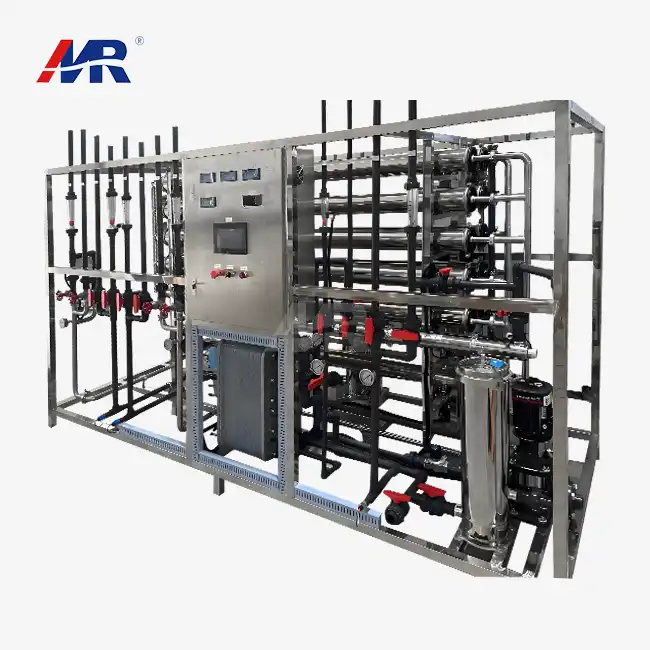
A normal RO system has several cleaning steps that work one after the other. Pre-filtration gets rid of soil and bigger particles that could damage screens further downstream. The ro membrane does most of the cleaning, blocking contaminants while letting clean water pass through. After cleaning with carbon filters or remineralisation, the end water's properties can be changed to suit different uses.
The pressure needs to change depending on the TDS levels in the feed water and the recovery rates that are wanted. Well water uses reverse osmosis for well water usually requires 150 to 300 PSI, and water pressure pumps make up for low source pressure. The system always makes two types of water: cleaned permeate water and concentrated reject water that needs to be thrown away or recycled properly.
The precision and longevity of modern RO membrane materials are truly impressive. Thin-film hybrid membranes handle large amounts of material while keeping energy use low. They do this by balancing high rejection rates with acceptable flow rates. If the right conditions are met before surgery, the membrane can last an extra 3 to 5 years.
RO system advantages for industrial well water treatment:
- TDS reduction from 1000+ ppm to below 50 ppm consistently
- Removal of dissolved iron, manganese, and heavy metals
- Bacterial and viral elimination without chemical disinfectants
- Scalable configurations from 1,000 to 100,000+ gallons daily
- Automated operation minimizing labor requirements
If you need consistent water purity meeting GMP standards or ultrapure specifications, reverse osmosis provides the reliable solution that traditional methods cannot match.
Traditional Filtration Methods Explained
Usually, well water is cleaned using chemical and mechanical methods that target specific types of contaminants. These well-known technologies have been shown to work well in certain situations, but they also have some built-in problems.
Physical barriers in sediment screens catch particles in the fluid that is passing through them. Sand, silt, and rust particles are removed by cartridge filters with 5–50 micron grades. This protects equipment further downstream. These systems work efficiently and don't cost much, but they can't get rid of dissolved pollutants or bacteria.
Activated carbon's adsorption qualities are used by carbon filters to get rid of chlorine, chemical compounds, and smells. Granular activated carbon (GAC) or carbon block arrangements make things taste better and get rid of many chemical residues. Carbon filtering is not enough to get rid of dissolved minerals, heavy metals, or all microbes.
Ion exchange resins in water softening devices trade the calcium and magnesium ions that make water hard for sodium ions. Softeners stop scale from building up in lines and other equipment, which makes them last longer. This technology only works on hardness and doesn't deal with other types of pollution.
UV water filters use 254 nanometres of ultraviolet light to kill microorganisms by damaging their DNA and stopping them from reproducing. UV decontamination kills bacteria without using chemicals, but it needs to be preceded by filters to get rid of the haze that protects germs from UV light.
Through chemical or air oxidation, iron removal methods turn dissolved ferrous iron into ferric bits that can be filtered. The oxidised iron is then caught by special media screens. These specialised systems deal with certain problems that come up with well water, but they are not complete treatments.
If you only need to treat certain pollutants, like hardness or grit, and don't want to spend a lot of money on it, standard ways work well in certain situations.
Performance Comparison: RO vs Traditional Methods
Quantitative performance data reveal distinct capability differences between reverse osmosis for well water and conventional filtration approaches across critical parameters.
Contaminant removal effectiveness (laboratory-verified data):
| Contaminant Category | RO System Performance | Traditional Methods Performance |
|---|---|---|
| TDS Reduction | 95-99% removal | 0-10% removal |
| Heavy Metals (Lead, Arsenic) | 96-99% removal | 15-30% removal (carbon only) |
| Bacteria & Viruses | 99.9%+ removal | 90-99.9% (UV only, pre-filtration required) |
| Hardness Minerals | 95-98% removal | 95%+ removal (softeners only) |
| Iron & Manganese | 98%+ removal | 85-95% removal (specialized systems) |
| Organic Chemicals | 85-95% removal | 60-85% removal (carbon filters) |
Operational cost analysis shows the total ownership view, which goes beyond the original investment in capital. RO systems cost more up front ($3,000 to $50,000 or more, based on volume), but they cost less per gallon cleaned over time. Every three to five years, the membrane is replaced, and every three months, the pre-filter is changed. Depending on the TDS of the feed water, 3 to 10 kWh of energy are used for every 1,000 gallons.
Traditional methods have lower start-up costs (usually $500 to $5,000), but their ongoing costs can change. Every 6 to 12 months, the carbon filter needs to be replaced. The salt in the softener needs to be added all the time, and the media in iron removal systems needs to be changed every so often. Energy needs are still very low, except for systems that need to add air.
The rates of water return have different effects on the efficiency of operations. RO systems usually get 50–75% of the water back, which means that 25–50% turns into concentrate that needs to be thrown away. Most traditional filter methods get 95% or more of the water back with very little waste.
Different technologies have very different maintenance needs. Regularly cleaning the membrane, replacing the pre-filter, and checking the pressure are all things that RO systems need. Automated settings make things easier to use, but you need to know how they work technically. Traditional methods need regular media replacement, backwashing plans, and upkeep procedures that are specific to the system. Most of the time, building staff can handle these tasks without any special training.
RO technology has real benefits if you need to get rid of all kinds of contaminants, and the better performance justifies a higher capital investment. Traditional ways may also work for businesses that need to deal with specific toxins but don't have a lot of money.
Industry-Specific Application Recommendations
Operational cost analysis shows the full picture of ownership, which includes more than just the cash input. Based on the amount, RO systems cost more up front ($3,000 to $50,000 or more), but over time, they cost less per gallon cleaned. The membrane needs to be changed every three to five years, and the pre-filter needs to be changed every three months. For every 1,000 gallons of water, 3 to 10 kWh of energy are used, depending on the TDS of the water that comes in.
The costs to start using traditional methods are usually $500 to $5,000, but the costs to keep using them can change over time. The carbon filter needs to be changed every six to twelve months. In iron removal devices, the media needs to be changed every so often, and salt needs to be put into the softener all the time. Except for systems that need to add air, very little energy is still needed.
Different rates of water return affect how well processes work in different ways. Most RO systems get back 50–75% of the water that goes through them. This means that 25–50% of the water is turned into concentrate that needs to be thrown away. Most of the time, standard filtering gets back 95% or more of the water with very little waste.
Taking care of different tools is very different. RO systems need to have the membrane cleaned, the pre-filter changed, and the pressure checked on a regular basis. It's easier to use things when settings are automated, but you need to know how they work. With traditional ways, you have to change the media on a daily basis and follow specific maintenance and backwashing plans. A lot of the time, the people who work in the building can do these jobs without any extra training.
RO technology is very useful for getting rid of many types of pollution, and the higher cost is worth it because it works better. If a business needs to get rid of certain toxins but doesn't have a lot of money, the old ways may also work.
Total Cost of Ownership Analysis
When judging investments in water treatment, it's important to look at costs over the whole working lifetime, not just the original buy price.
There are big differences in how much capital each technology needs. For small homes, the most basic standard filtering devices cost between $500 and $2,000. Depending on the level of pollution, commercial standard systems that can handle 10 to 50 GPM cost between $5,000 and $15,000. Commercial RO systems that handle similar amounts of water usually cost between $8,000 and $30,000. Industrial-scale systems cost more than $50,000.
Different technologies have different ways of accumulating operating costs. RO systems use energy for high-pressure pumps, which costs $50 to $200 a month for business systems. The membranes need to be replaced every 3 to 5 years, which costs $1,000 to $5,000, and the pre-filters need to be changed every year, which costs $200 to $500. In places where sewer fees are charged, getting rid of wastewater costs more.
Using traditional ways has different running costs. Depending on how much you use it, replacing a carbon filter costs $100 to $400 a year. For water softeners to work, you have to keep buying salt, which costs $10 to $30 a month. For iron removal methods to work, the media needs to be replaced every two to three years, which costs $300 to $800. Backwash water costs extra.
For bigger businesses, automatic RO systems are better than standard systems that are run by hand because they require less work. Automated controls for RO tracking cut down on human involvement to once-a-week checks. Backwashing, cleaning, and filter changes are common tasks that need to be done every day on traditional systems.
The costs of downtime caused by broken equipment or repair have different effects on production. When they are maintained on a regular basis, RO systems that have been properly pre-treated show that they are very reliable. When traditional systems fail without warning, they may need emergency help.
Regulatory compliance costs have a big effect on some businesses. Validated reverse osmosis for well water systems for medicinal uses comes with paperwork and testing fees that range from $5,000 to $20,000 at first, but they offer a legal guarantee that other ways can't.
A study of the total costs over 10 years shows that RO systems often have lower treatment costs per gallon, even though they cost more at first, when the technology is needed to improve water quality. For tasks with less strict needs, traditional ways are still the most cost-effective option.
If you need to make a detailed cost model that takes into account your water volume, pollution profile, and operating needs, a thorough analysis will keep your budget from being surprised during implementation.
Why Morui's Reverse Osmosis Solutions Deliver Superior Well Water Treatment
Guangdong Morui Environmental Technology combines decades of water treatment expertise with comprehensive manufacturing capabilities, addressing the complete spectrum of industrial well water challenges. Our integrated approach encompasses equipment design, membrane production, installation services, and ongoing Technical support.
Core advantages distinguishing Morui RO systems:
- Customized engineering: Our 20-person engineering team designs systems matching your specific well water contamination profile and capacity requirements, rather than forcing standardized solutions that underperform
- Vertical integration: Operating our own membrane production factory ensures quality control and competitive pricing that equipment assemblers relying on third-party suppliers cannot match
- Comprehensive pre-treatment optimization: Decades of well water experience inform our pre-filtration designs, protecting RO membranes from premature fouling, extending operational lifespan beyond industry averages
- Multi-brand component selection: As authorized agents for Shimge Water Pumps, Runxin Valves, and Createc Instruments, we specify optimal components for each application rather than limiting designs to single-source suppliers
- Turnkey implementation: Our one-stop installation and commissioning services eliminate coordination headaches between equipment suppliers and installation contractors, accelerating project timelines
- Technical accessibility: Supporting clients across 14 branch locations with 500 employees means responsive service and rapid parts availability that overseas suppliers struggle to provide
- Application breadth: Successfully implementing solutions across pharmaceutical GMP systems, beverage production, electronics manufacturing, seawater desalination, and municipal treatment demonstrates our capability in handling diverse requirements
- Performance validation: Our systems routinely achieve 98%+ TDS rejection rates with 3-5 year membrane lifespans under proper operation, backed by comprehensive testing documentation
- Cost transparency: Detailed proposals itemizing equipment, installation, commissioning, and operational costs prevent budget surprises during implementation phases
- Scalability planning: Modular system architectures accommodate future capacity expansion without complete system replacement as your operations grow
Selecting water treatment partners involves evaluating not just equipment specifications but the complete support infrastructure, ensuring long-term operational success. Morui's integrated capabilities address the common pain points—inconsistent quality, poor technical support, and hidden costs—that plague water treatment projects.
Our well water RO installations across manufacturing, food processing, and municipal sectors demonstrate consistent performance meeting stringent quality standards while minimizing operational disruptions. The combination of proprietary membrane technology, optimized system design, and responsive technical support delivers the reliability that production operations demand.
Conclusion
When the need for high-quality well water makes the investment worthwhile, reverse osmosis systems get rid of all kinds of contaminants that regular cleaning methods can't. RO technology is great at getting rid of dissolved solids, heavy metals, and germs, which is important for uses that need to keep quality high, like pharmaceuticals, food processing, electronics, and more. Traditional ways can still be used for specific treatments, like lowering the hardness or getting rid of sediment, when full demineralisation is not needed. The best method for performance and cost-effectiveness over the lifetime of your equipment will depend on your unique pollution profile, legal standards, and operating scale.
Partner with a Trusted Reverse Osmosis for Well Water Manufacturer
Morui Environmental Technology stands ready to evaluate your specific well water treatment challenges and design optimized reverse osmosis for well water solutions, delivering the purity, reliability, and efficiency your operations require. Our engineering team brings proven expertise across diverse industries and contamination scenarios.
Contact our technical specialists at benson@guangdongmorui.com to discuss your water quality requirements and receive preliminary system recommendations. We provide comprehensive water analysis services, detailed equipment proposals, and transparent total cost projections, enabling informed decisions.
Whether you're addressing TDS concerns in beverage production, meeting pharmaceutical water standards, or solving agricultural irrigation challenges, our reverse osmosis for well water supplier capabilities deliver customized solutions backed by manufacturing expertise and responsive support.
References
1. Bergman, R. A. "Membrane Technologies for Industrial Water Treatment: Performance Comparison and Selection Criteria." Journal of Water Process Engineering, vol. 38, 2020.
2. Chen, L. and Williams, K. T. "Reverse Osmosis System Design for Groundwater Applications: A Comprehensive Guide." Industrial Water Treatment Handbook, 3rd edition, McGraw-Hill Professional, 2019.
3. Environmental Protection Agency. "Groundwater Contamination Assessment and Treatment Technologies." EPA Technical Document Series, 2021.
4. Morrison, J. P. "Cost-Benefit Analysis of Water Purification Technologies in Manufacturing Environments." International Journal of Environmental Science and Technology, vol. 17, no. 4, 2020.
5. National Water Quality Association. "Water Treatment Fundamentals: Comparing Filtration Technologies for Well Water Sources." NWQA Professional Development Series, 2022.
6. Zhang, H., Kumar, S., and Patterson, D. "Performance Evaluation of Membrane-Based Water Treatment Systems: A Ten-Year Operational Study." Desalination and Water Treatment, vol. 195, 2021.
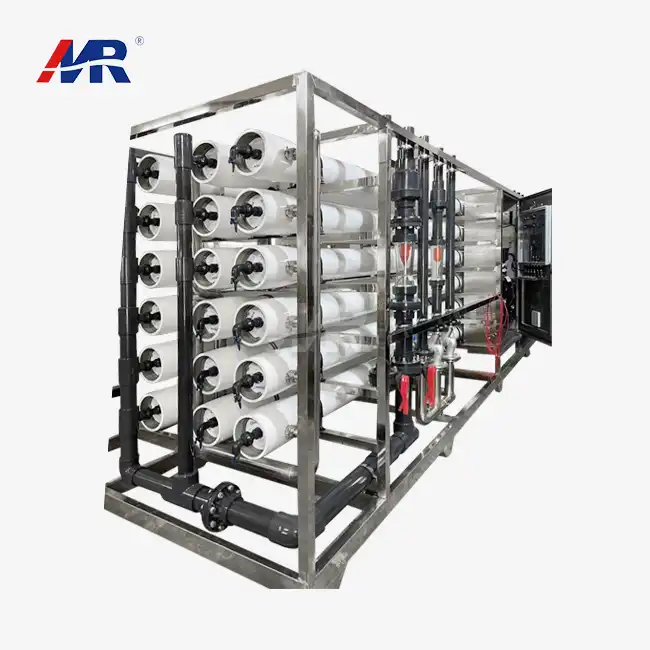 VIEW MORE100m3/hour reverse osmosis equipment
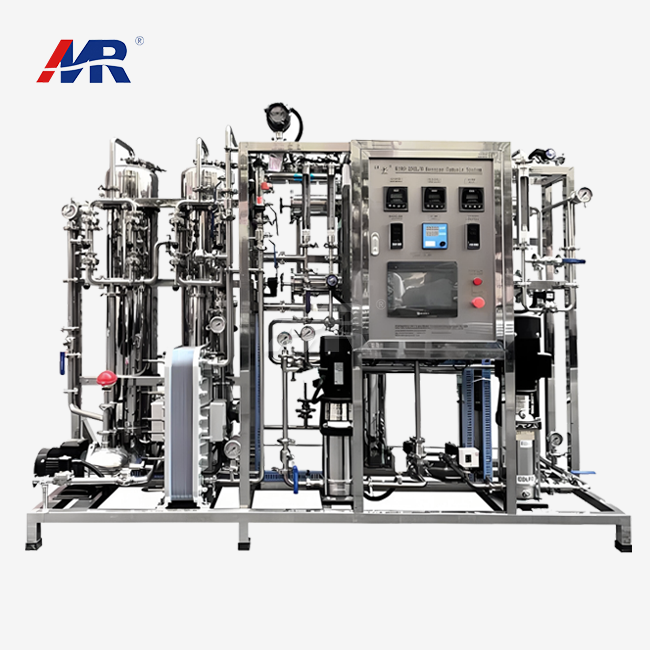 VIEW MORE1000LPH EDI plant
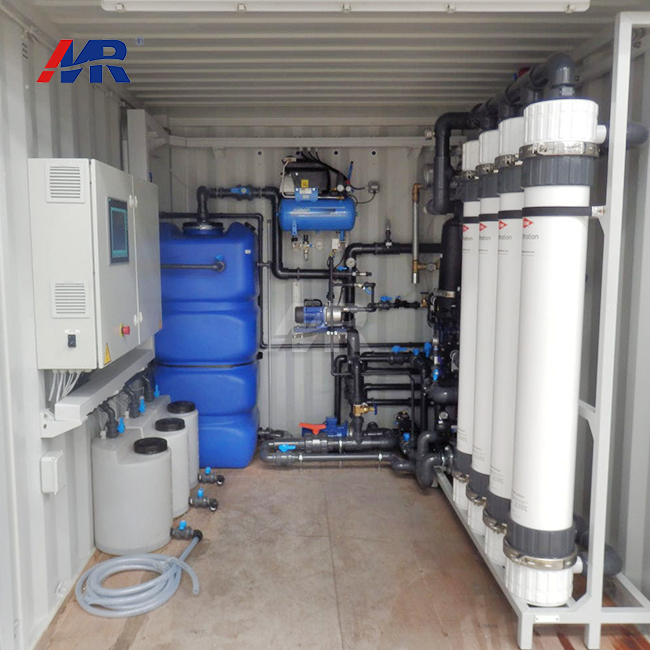 VIEW MOREcontainerized ultrafiltration equipment
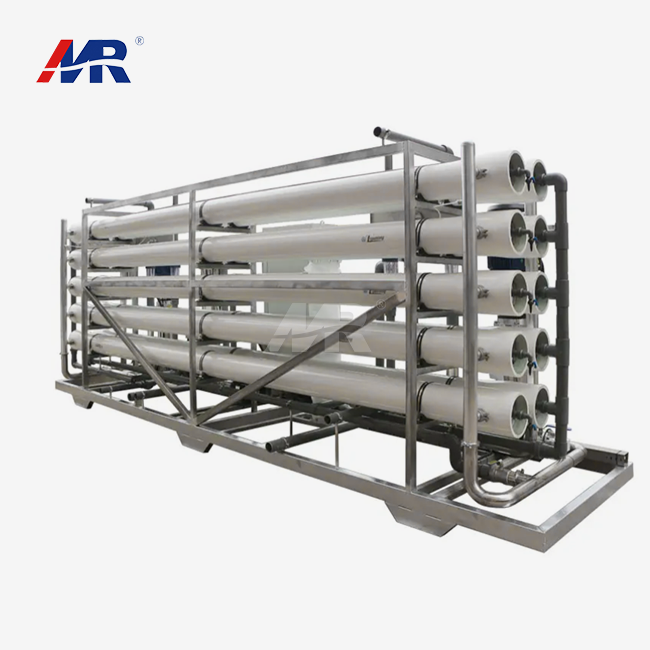 VIEW MOREbrackish water reverse osmosis systems
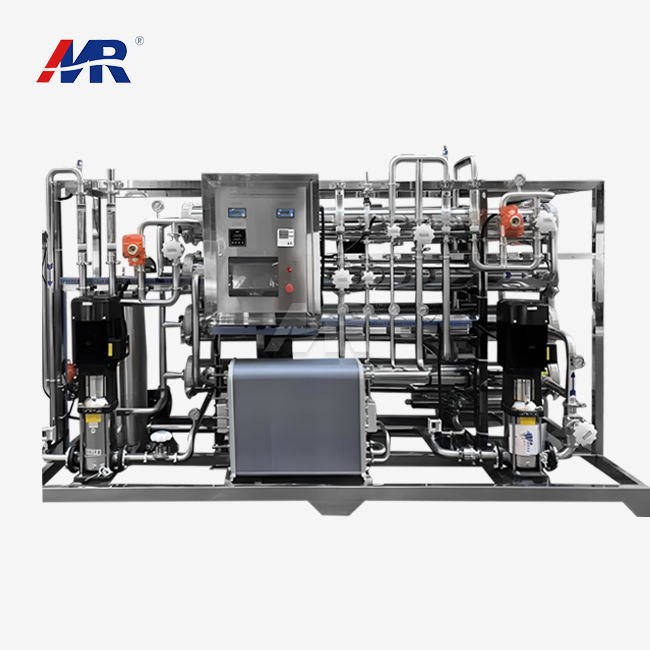 VIEW MOREelectro deionizer system
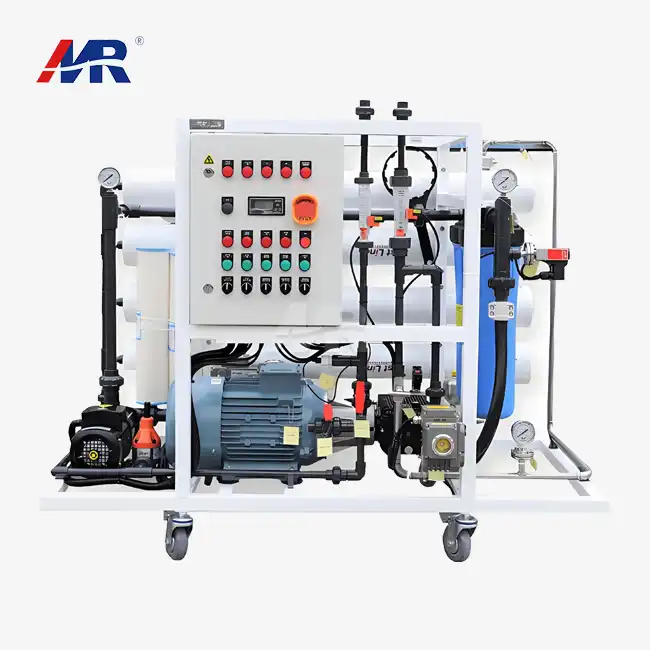 VIEW MORE2m3/hour seawater desalination equipment
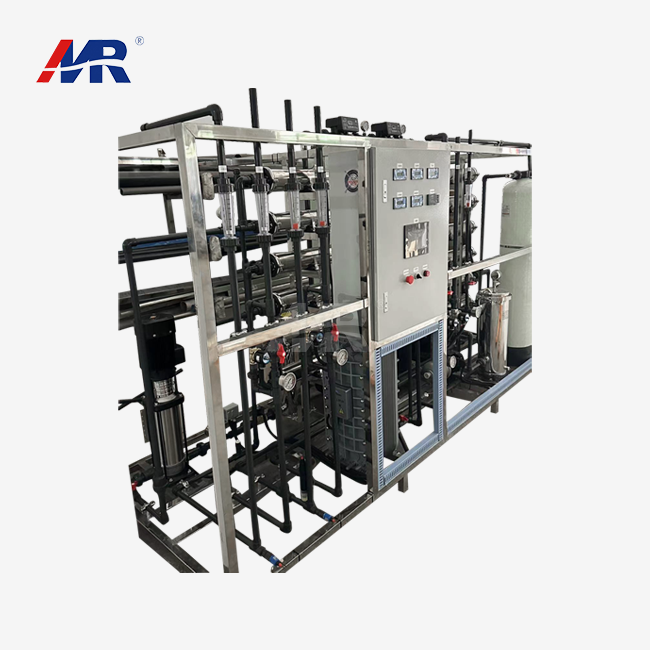 VIEW MOREedi water treatment system
 VIEW MORE2000 liters/hour EDI system
