

_1745823981883.webp)

7 Stage Water Filter System vs 5 Stage Systems: Which Is Better?
When looking at different water treatment options, the answer rests on what you need them for. A 7-stage water filter system removes more contaminants and improves the quality of the water better than a 5-stage system. This is why it is the best choice for businesses like pharmaceuticals, electronics, and food processing, where strict cleanliness standards must be met. 5-stage systems, on the other hand, work well enough for less challenging tasks and cost less to run. It's important to make sure that the level of difficulty of the filter matches your water quality goals and safety needs.
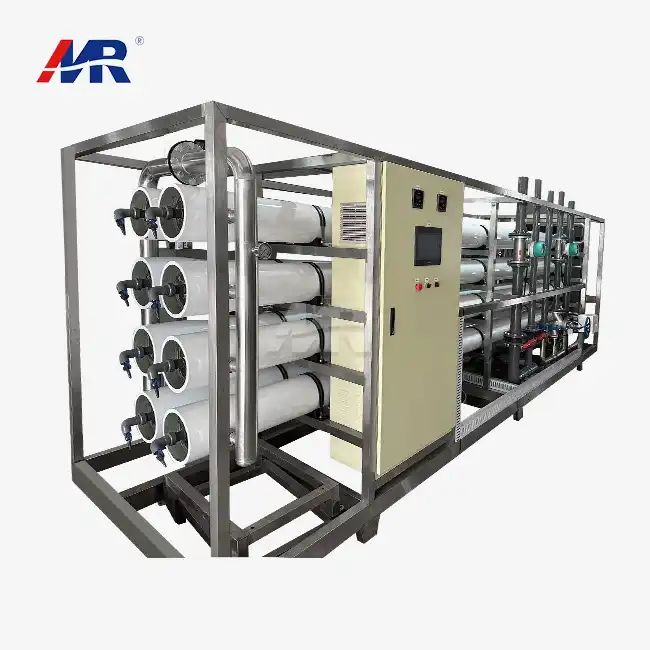
Understanding Multi-Stage Filtration Technology
Multi-stage water cleansing is a method where different filters are used one after the other to get rid of different contaminants. This process improves the effectiveness of removal while keeping later parts from breaking down too soon.
A common 5-stage setup includes sediment pre-filtration, two carbon blocks that get rid of chlorine and organic matter, a reverse osmosis membrane treatment, and cleaning after the carbon blocks. This setup works well for local water sources with modest amounts of pollution.
Most advanced 7-stage setups include extra treatment layers, like alkaline improvement stages, remineralisation capsules, or ultraviolet sterilisation stages. These additives get rid of microbes that are harmful, bring back minerals that are good for the water, or change the pH level for specific industry processes.
Pathogen-free water is needed in a beverage production plant, so a 7-stage system with UV is better. On the other hand, 5-stage reverse osmosis systems may be all that's needed for small-scale farming irrigation projects that need to treat salty water.
The choice of design affects working costs, repair plans, and the ability to meet legal requirements. By understanding these trade-offs, you can avoid expensive problems where tool skills don't match up with practical needs.
Three Core Differences Between 5-Stage and 7-Stage Systems
Contaminant Removal Spectrum
Five-stage systems excel at eliminating:
- Sediment particles (5-50 microns)
- Chlorine compounds (95-98% removal)
- Dissolved solids (RO membranes reject 90-97%)
- Heavy metals like lead and copper (85-95% reduction)
Seven-stage configurations extend protection against:
- Bacterial contamination (UV stages achieve 99.99% inactivation)
- Volatile organic compounds (enhanced carbon stages remove 99%+)
- Trace pharmaceuticals (additional adsorption media capture residual compounds)
- Microbial cysts (supplementary ultrafiltration provides absolute barriers)
Laboratory testing data shows a 7-stage water filter system achieves total dissolved solids (TDS) levels below 10 ppm, compared to 15-25 ppm for well-maintained 5-stage units treating similar source water.
Operational Cost Considerations
Initial investment differences range from 40-60% higher for 7-stage industrial units. A 500 LPH pharmaceutical-grade system costs approximately $8,500-$12,000, while comparable 5-stage configurations range from $5,000-$7,500.
Annual maintenance expenses follow similar patterns:
5-Stage System Maintenance:
- Filter replacement cycles: 6-12 months
- Membrane lifespan: 2-3 years
- Average annual consumables: $850-$1,200
7-Stage System Maintenance:
- Filter replacement cycles: 4-10 months (varies by stage)
- Membrane lifespan: 2-3 years
- UV lamp replacement: 12-18 months
- Average annual consumables: $1,400-$2,100
If your budget prioritizes lower upfront capital expenditure and your application tolerates moderate purity levels, then a 5-stage system is more suitable.
Compliance and Certification Requirements
Pharmaceutical and food industry businesses are closely watched by regulators. Facilities that follow GMP and make injection Products need water that meets USP standards. Standards for Purified Water—requirements that are most frequently met by 7-stage setups with multiple proof points.
For precise cleaning tasks in electronics manufacturing, resistance values must be higher than 15 megohm-cm. Seven-stage systems with improved deionisation stages always achieve 16–18 megohm-cm resistance, which gives the process the room it needs.
Seven-stage systems are helpful for municipal water treatment plants that are improving to meet new EPA drinking water standards because they add more treatment hurdles. This is especially true for new toxins that regular treatment alone can't get rid of.
Performance Comparison: Real-World Applications
Food and Beverage Manufacturing
A regional bottled water producer in Southeast Asia upgraded from 5-stage to 7-stage filtration after detecting intermittent bacterial spikes during monsoon seasons. Post-installation testing revealed:
- Total coliform reduction: 99.8% to 99.99%
- Turbidity improvement: 0.3 NTU to 0.08 NTU
- Production line downtime: Reduced by 35% annually
- Customer quality complaints: Decreased 89%
The UV sterilization stage in a 7-stage water filter system eliminated seasonal contamination risks without requiring chemical disinfection that affected taste profiles.
Pharmaceutical Production
A biotechnology laboratory producing parenteral solutions compared the water quality from both configurations. The 7-stage system incorporating electrodeionization (EDI) delivered:
- Endotoxin levels: <0.03 EU/mL (vs. 0.08 EU/mL for 5-stage)
- Microbial counts: Zero detection over 12-month monitoring
- Resistivity consistency: ±0.3 megohm-cm variance (vs. ±1.8 megohm-cm)
- Validation test pass rate: 100% (vs. 94% for the 5-stage during peak demand)
If your operation faces regulatory audits requiring documented water quality consistency, then investing in 7-stage systems minimizes compliance risks.
Electronics Manufacturing
Semiconductor fabrication facilities cleaning silicon wafers, conducted comparative trials. Results demonstrated:
- Particle contamination (>0.2 micron): 7-stage systems reduced levels by an additional 73%
- Metallic ion concentrations: Decreased below detection limits (<1 ppb)
- Product yield rates: Improved 4.2% when using 7-stage purified water
- Equipment maintenance cycles: Extended 28% due to reduced scaling
The enhanced purification justified higher operational costs through improved manufacturing outcomes and reduced defect rates.
Industry-Specific Recommendations
Power Generation and Heavy Industry
To keep scale and rust from happening, thermal power plants need boiler feedwater that is very pure. For secondary uses, five-stage systems clean city sources well enough, but for important boiler feed, seven-stage setups with mixed-bed deionisation are needed. If your building has high-pressure boilers (>150 bar), then 7-stage systems with conductivity tracking are better to keep turbines from getting damaged, which can be very expensive.
Projects for Seawater Desalination
Coastal cities and marine sites have special problems to deal with when their source water is very salty. Standard 5-stage reverse osmosis systems can get 300–500 ppm TDS from saltwater, which is enough for most uses that aren't drinking. Enhanced 7-stage distillation systems with energy recovery devices and remineralisation stages make drinking water that meets WHO standards at 50–150 ppm TDS while adding minerals in a controlled way to improve the taste.
Agricultural and Aquaculture Operations
Biological stability is good for places that clean water from recirculating aquaculture systems (RAS). Five-stage ultrafiltration systems are good at getting rid of some bacteria and dissolved solids. However, 7-stage systems that add UV sterilisation make a huge difference in prawn or fish farms that are having disease breakouts. In controlled studies at Asian aquaculture sites after the change was made, the death rate dropped by 43%. If your business keeps having problems with bacteria or parasites even after normal filtering, then 7-stage systems with pathogen-specific walls are better.
Medical and Laboratory Settings
Water safety rules that can't be changed apply to hospital dialysis centers. The Association for the Advancement of Medical Instrumentation (AAMI) sets guidelines that say the amount of bacteria must be less than 200 CFU/mL and the amount of endotoxin must be less than 2 EU/mL. Five-stage RO systems can meet basic needs, but seven-stage systems are much better because they have extra safety obstacles that are very important. If equipment breaks down or gets contaminated, it directly threatens the safety of patients and needs more protection. For trace analysis, research labs need water that is very pure and doesn't have any biological matter in it. Seven-stage devices with Type I filtering (18.2 megohm-cm resistance) make it possible for sensitive diagnostic methods like HPLC and mass spectrometry to work.
Maintenance and Operational Considerations
Maintenance complexity scales with system sophistication. Five-stage configurations typically require quarterly filter inspections and annual membrane replacement—manageable for facilities with limited technical staff using a 7-stage water filter system.
Seven-stage systems demand more rigorous maintenance protocols:
- Weekly UV lamp intensity monitoring
- Bi-weekly conductivity and pH verification
- Monthly sterilization of post-filtration plumbing
- Quarterly comprehensive performance validation
If your facility lacks dedicated water treatment personnel or 24/7 Technical support, then well-designed 5-stage systems with automated monitoring are more suitable.
Modern systems from reputable manufacturers incorporate remote diagnostics and predictive maintenance alerts. These features minimize unexpected downtime regardless of configuration complexity.
Component availability affects operational continuity. Standardized 5-stage replacement filters enjoy widespread availability and competitive pricing. Specialized 7-stage components—particularly proprietary UV lamps or electrodeionization modules—may require longer procurement lead times.
Smart procurement strategies include maintaining critical spare parts inventory and establishing relationships with responsive suppliers offering expedited shipping for emergency replacements.
Making the Right Investment Decision
Technical decision-makers should conduct comprehensive needs assessments before specifying equipment:
- Evaluate source water characteristics: Complete laboratory analysis reveals specific contaminants requiring targeted removal strategies.
- Define quality objectives: Establish numeric targets for TDS, conductivity, microbial limits, and application-specific parameters.
- Calculate total cost of ownership: Project 5-year expenses including capital, installation, consumables, labor, and downtime costs.
- Assess regulatory landscape: Identify applicable standards and documentation requirements for your industry sector.
- Consider scalability: Determine whether future expansion or process changes might necessitate enhanced purification capabilities.
Financial decision-makers benefit from lifecycle cost modeling. While 7-stage systems present higher initial capital requirements, superior water quality may reduce downstream expenses through:
- Decreased product rejection rates
- Extended equipment lifespan (reduced scaling/corrosion)
- Lower chemical consumption in dependent processes
- Reduced regulatory compliance risks and audit costs
A Southeast Asian pharmaceutical manufacturer calculated 18-month payback periods for their 7-stage investment through eliminated batch failures and reduced validation testing frequency.
Conclusion
Ultimately, the choice between 5-stage and 7-stage water filter systems comes down to your specific needs for cleanliness, your legal responsibilities, and your working limitations. Seven-stage setups work best in tough situations where water quality has a direct effect on the health of the product, compliance with regulations, or the efficiency of the process. Five-stage methods are a cheap way to clean up less important tasks that have mild contamination problems. For execution to go well, the features of the source water must be carefully studied, clear quality goals must be set, and a full total cost analysis must be done. Working with skilled water treatment experts guarantees the best system configuration and long-term success.
Partner With Industry-Leading Water Treatment Specialists
Choosing the right water purification technology requires balancing performance requirements against operational realities. Morui brings over two decades of specialized expertise in helping industrial clients optimize their water treatment infrastructure.
As a comprehensive 7-stage water filter system manufacturer, we deliver tailored solutions spanning equipment supply, installation, commissioning, and ongoing technical support. Our engineering team includes 20 specialists with deep experience across pharmaceutical, electronics, food processing, and municipal applications.
Our integrated capabilities set industry benchmarks. With proprietary membrane production facilities and multiple equipment processing plants, we control quality at every manufacturing stage. Strategic partnerships with leading component suppliers—Shimge Water Pumps, Runxin Valves, and Createc Instruments—ensure a reliable, high-performance 7-stage water filter system.
Operating through 14 regional branches with 500 dedicated professionals, we provide responsive local support backed by enterprise-scale resources. Whether you need a compact under-sink system or large-scale industrial purification infrastructure, Our Team delivers solutions matching your exact specifications.
Connect with our applications engineers to discuss your water treatment challenges. Reach out to benson@guangdongmorui.com to schedule a consultation and receive detailed technical proposals for your specific requirements.
References
1. American Water Works Association. "Water Quality and Treatment: A Handbook on Drinking Water." Sixth Edition, McGraw-Hill Professional, 2011.
2. World Health Organization. "Guidelines for Drinking-water Quality: Fourth Edition Incorporating the First Addendum." WHO Press, 2017.
3. United States Pharmacopeial Convention. "USP-NF General Chapter Water for Pharmaceutical Purposes." USP 43-NF 38, 2020.
4. Crittenden, John C. et al. "MWH's Water Treatment: Principles and Design." Third Edition, John Wiley & Sons, 2012.
5. Association for the Advancement of Medical Instrumentation. "Dialysate for Hemodialysis ANSI/AAMI/ISO 13959." AAMI Standards, 2019.
6. SEMICONDUCTOR Equipment and Materials International. "SEMI Standards: Specifications for Reagent Water and Water for Semiconductor Processing." SEMI F63-0706, 2018.
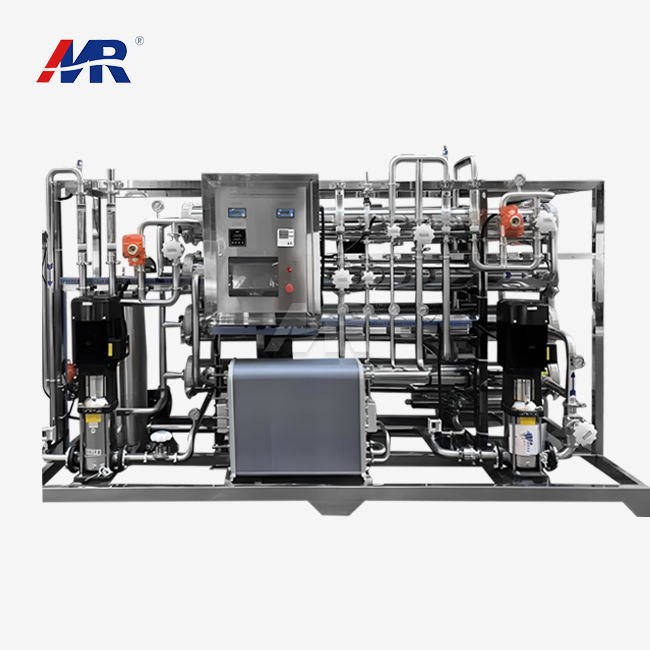 VIEW MOREelectro deionizer system
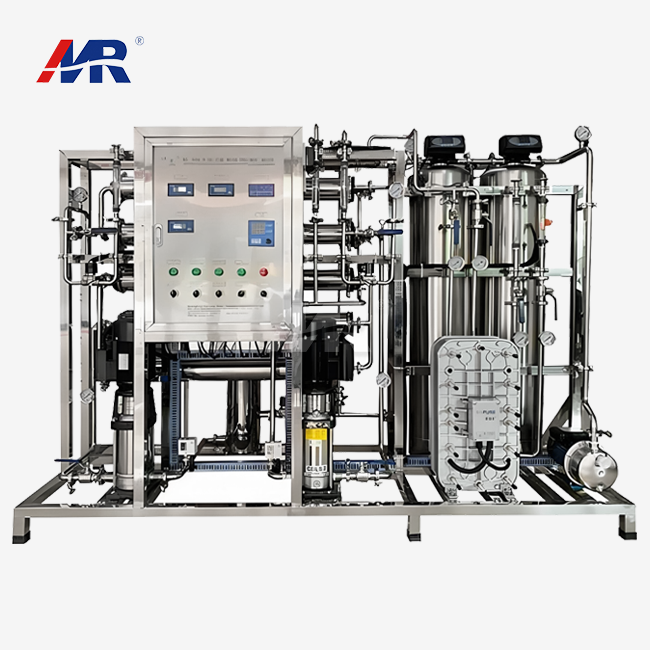 VIEW MOREElectrodeionization system
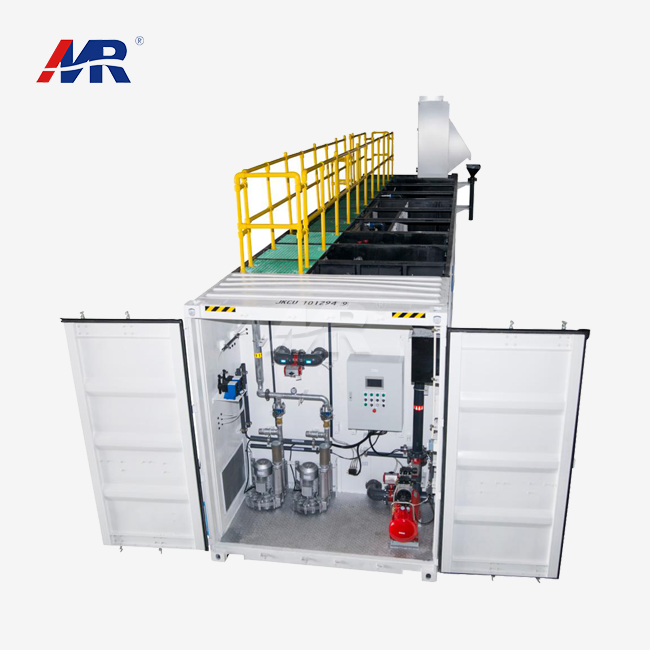 VIEW MOREhome sewage treatment plant
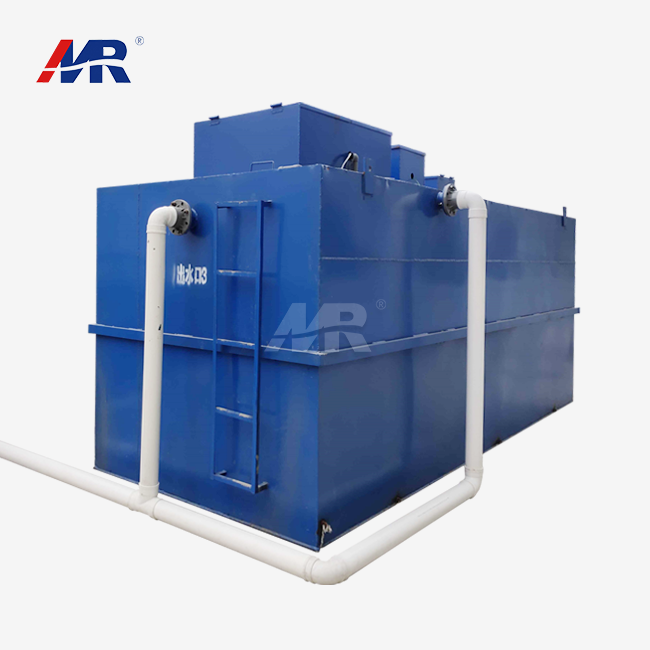 VIEW MOREMBR wastewater treatment plant
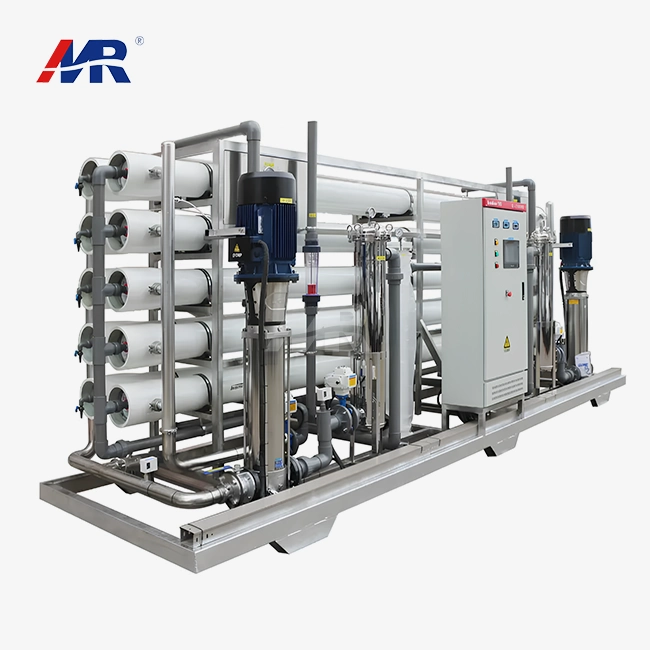 VIEW MOREreverse osmosis water purification plant
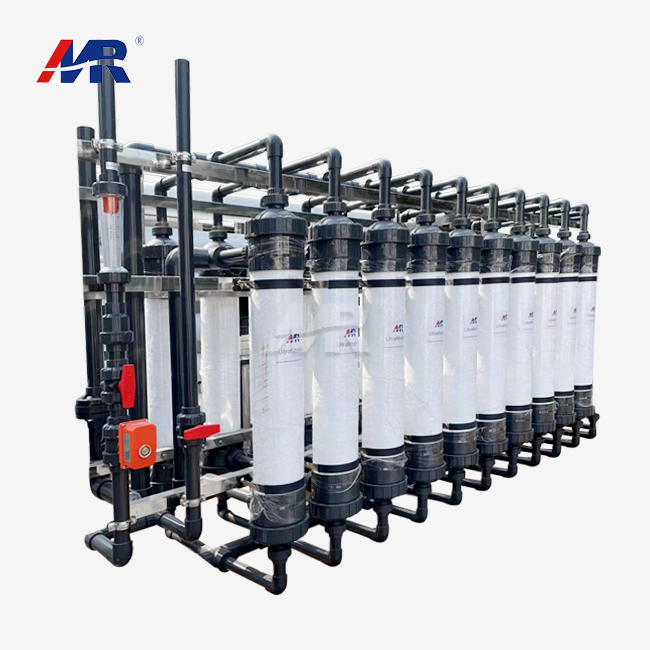 VIEW MOREultrafiltration drinking water system
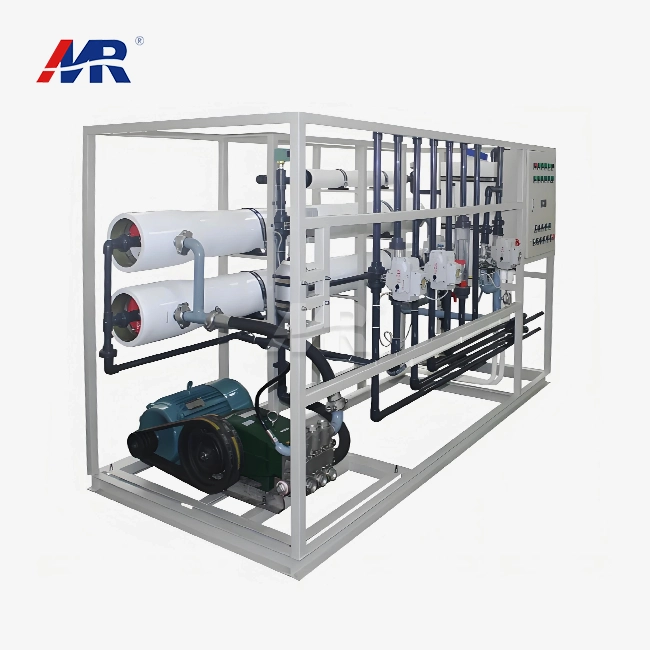 VIEW MOREseawater desalination pre-treatment
 VIEW MORE2000LPH EDI system
