_1745823981883.webp)

MBR Membrane Selection Criteria for Industrial Applications
To choose the right membrane/bioreactor-wastewater-treatment">mbr membrane for industrial wastewater, you need to carefully consider the material's make-up, pore size, flux capacity, and operating stability. The right membrane bioreactor technology strikes a balance between how well it filters and how much energy it uses, while also dealing with the fouling problems that come with different types of contaminants. Knowing the technical details, how reliable the provider is, and the overall costs over the product's lifetime is important for making sure that the choices you make about purchasing lead to the best treatment performance and long-term cost savings in industrial, pharmaceutical, food processing, and city settings.
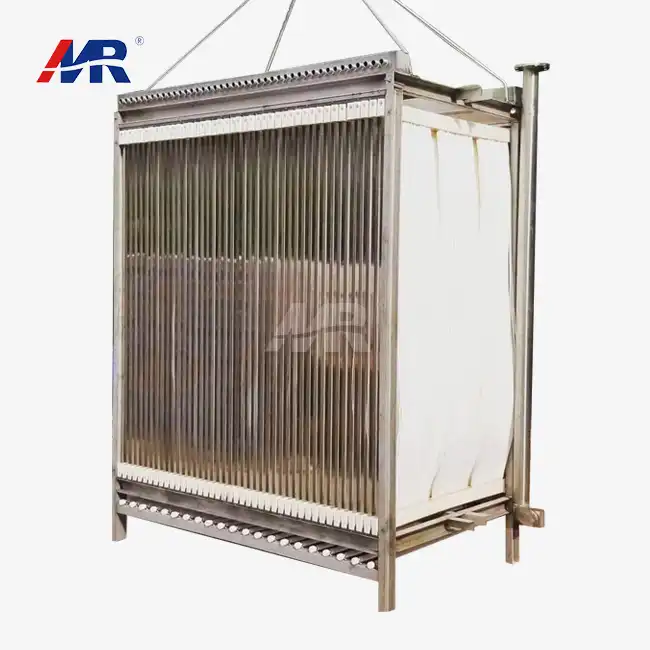
Understanding MBR Membrane Technology for Industrial Use
Membrane bioreactor systems combine biological wastewater treatment with physical filter barriers to make a powerful combination method that gets around the problems with regular activated sludge processes. This combination gets rid of all extra clarifiers, which saves a lot of room and improves the quality of the effluent at the same time.
How Membrane Bioreactors Function in Industrial Settings
When rainwater goes into a bioreactor, bacteria start to break down the organic pollutants. Normal systems depend on gravity to settle the solids, but membrane filtering makes a barrier that keeps all the solids and waste inside the reactor. With this sorting method, plants can work with Mixed Liquor Suspended Solids levels between 8,000 and 15,000 mg/L, which is a lot higher than the normal 2,000 to 4,000 mg/L levels found in standard systems. More microorganisms are available to break down pollutants when there are higher MLSS amounts. This means that pollutants can be treated faster while leaving less of a mark.
Membrane Configuration Types and Their Industrial Applications
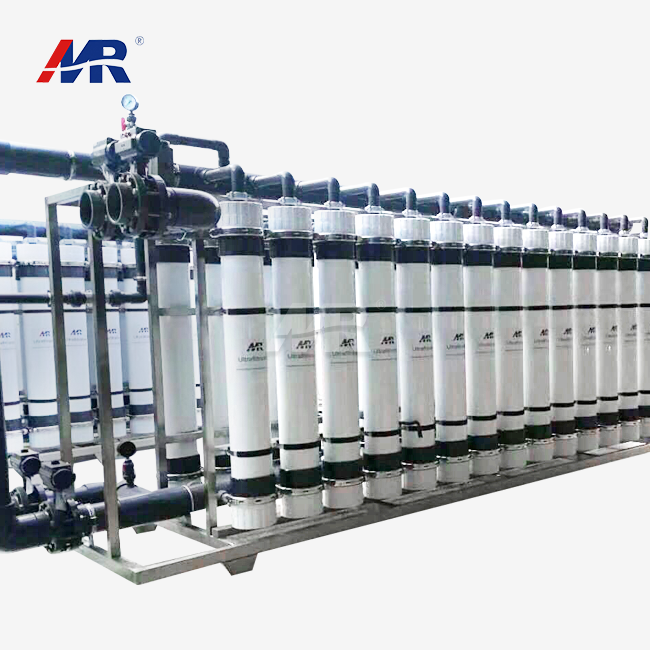
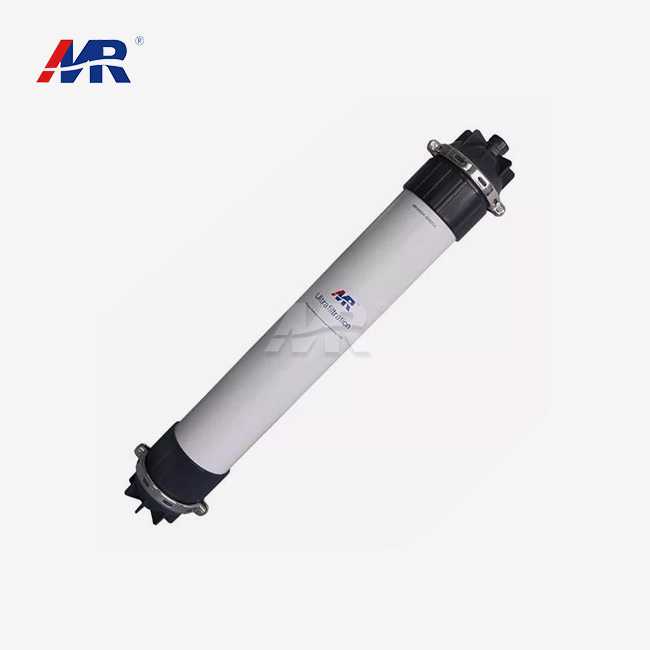
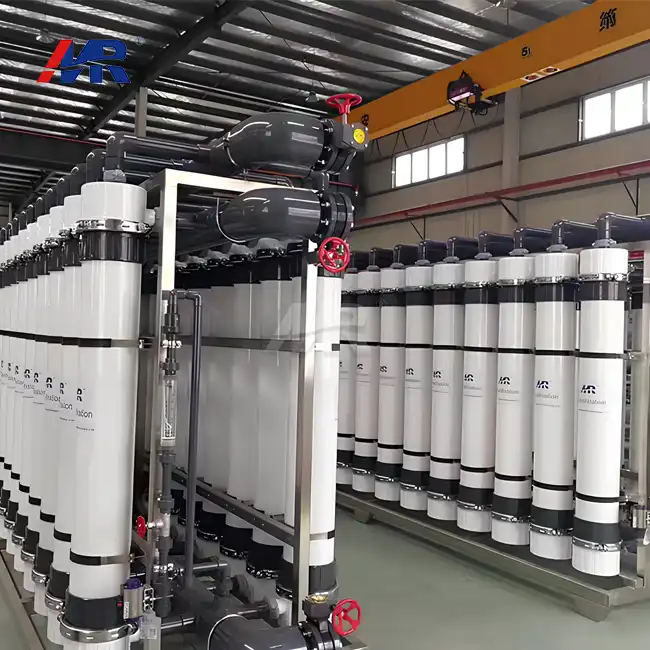
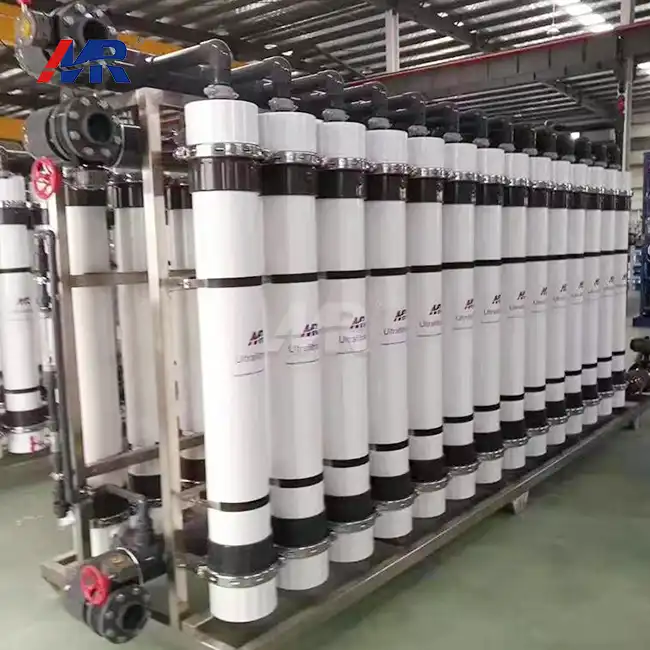
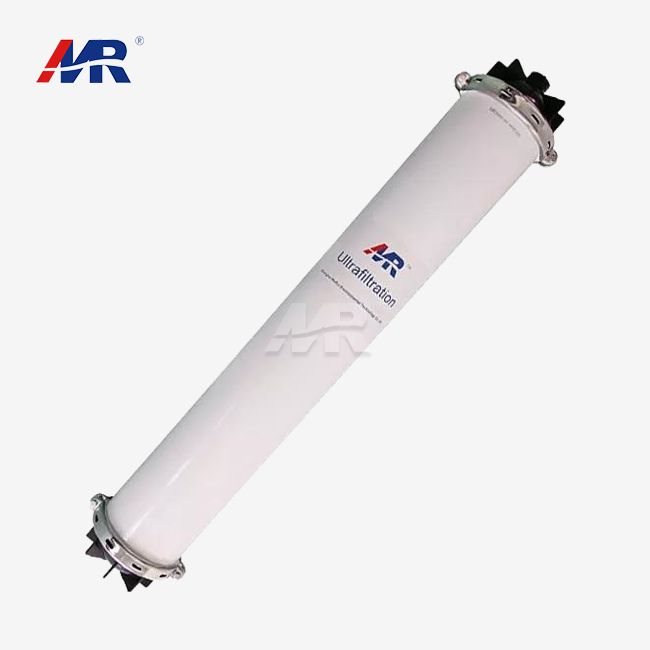
There are three main types of membrane structures used in industrial settings: hollow fiber, flat sheet, and tube. Treatment facilities can put a lot of membrane surface area into small vessels because hollow fiber modules have a high packing density. When design choices are limited by room, these layouts work great, especially in urban municipal plants and retrofit projects. Flat sheet membranes are strong mechanically and are easy to maintain, so they can handle industrial wastewater streams that contain fibrous materials or rough particles. Tubular membranes are less common because they are more expensive, but they are better at keeping out fouling in harsh environments like treating leachate from landfills or wastewater from food processing plants that is high in fat.
Documented Performance Benefits Across Industrial Sectors
Pharmaceutical companies that use membrane bioreactors always get wastewater quality that meets strict GMP standards for reusing water in ways that don't involve the product. Food and drink makers who deal with high-strength wastewater that has a high biochemical oxygen demand have reported BOD decrease rates of 85 to 95%. The technology helps chemical factories because it can handle shock loads and harmful chemicals that would make normal biological systems unstable. Pathogen-free wastewater is kept safe by membranes, which allow direct water recovery for watering plants, making up water for cooling towers, or using as pretreated feed for reverse osmosis systems that make ultrapure water.
Critical Selection Criteria for MBR Membranes in Industrial Applications
Finding the right membrane properties for the type of wastewater decides how reliable the system is, how much it costs to run, and how well it treats the wastewater. When making a purchase choice, you need to think about both the current installation needs and the long-term operational realities.
Material Selection: Polymeric Versus Ceramic Membranes
Polyvinylidene fluoride (PVDF) is the most common type of material used in industrial settings because it is highly resistant to chemicals, lasts a long time, and is inexpensive. This fluoropolymer can handle pH levels from 2 to 11, and it can handle the harsh chemical cleaning methods needed to get flux back to normal after fouling. MBR membranes made of PVDF can withstand chlorine up to 2,000 ppm, which means they can be disinfected effectively during clean-in-place processes without losing their structure. Polyethersulfone (PES) has similar performance traits but is a little more hydrophilic, which lowers the initial fouling rates in some situations. Ceramic membranes, which are made of aluminum oxide or silicon carbide, are the most durable and resistant to fouling, but they are also much more expensive to buy. Extreme situations with rough solids, big changes in pH, or high working temperatures above 40°C are the only times when it makes economic sense to use them.
Pore Size Optimization and Flux Rate Considerations
The pores in a membrane are usually between 0.03 and 0.4 μm, which is in the microfiltration range. Smaller holes make it easier for contaminants to pass through, but they also raise the transmembrane pressure needed and make clogging more likely. In industrial settings, pores with sizes between 0.1 and 0.4 μm are usually used because they can successfully hold bacteria, dissolved solids, and colloidal matter while still allowing for acceptable flux rates. Design flux rates of 10 to 25 liters per square meter per hour (LMH) are the best way to combine the ability to treat with the need to control fouling. Conservative flux design increases the membrane's life and lowers the number of times it needs to be cleaned. Aggressive flux goals increase treatment capacity in installations with limited room but require more thorough maintenance procedures.
Operational Parameters Affecting Membrane Durability
Membrane life expectancy is usually between five and eight years if everything works right. However, aggressive garbage or poor preparation can greatly shorten this time frame. Operating temperature has a direct effect on flux rates through viscosity effects. Lower temperatures make water less permeable, so bigger membrane areas are needed to keep flow the same. A key working measure is the transmembrane pressure threshold, which is usually kept below 0.6 bar. Too much pressure speeds up membrane compaction and fouling that can't be fixed, so it needs to be replaced too soon. When working with industrial streams that have acids, oils, or very high or low pH levels that could break down polymeric membrane materials, chemical compatibility is still very important.
Energy Efficiency and Total Cost of Ownership Analysis
In membrane bioreactor setups, aeration systems that use scouring flows to keep fouling under control usually use 60–70% of all the energy. The shape of the membrane directly affects how much airflow is needed. For example, because they are hollow, fiber modules usually need more airflow than flat sheet forms. Variable frequency drives on blowers, improved air distribution systems, and operating strategies that cycle membrane modules to lower ongoing aeration needs are all parts of energy-efficient setups. The total cost of ownership includes replacing the membrane, using chemical cleaners, using energy, and hiring people to do the work. Even though premium membrane materials cost more up front, facilities with a stable power source and skilled repair staff often have cheaper lifecycle costs.
Comparing MBR Membranes with Alternative Wastewater Treatment Technologies
Knowing what membrane bioreactors do better than other technologies helps with choosing the right application and setting fair goals for performance.
MBR Systems Versus Conventional Activated Sludge Treatment
For gravity settling, traditional activated sludge plants need extra clarifiers that take up a lot of land. When there are hydraulic spikes, when it's cold outside, and the settling properties change, or when handling industrial wastewater that has biomass that doesn't settle well, these clarifiers stop working. By physically separating them, MBR membranes get rid of this weakness completely. When facilities replace old systems with membrane technology, they usually cut their footprint by 40 to 50 percent while also improving the quality of the waste. By getting rid of the settling process, a big operational uncertainty is taken away. This makes process control easier and increases the predictability of discharge compliance.
Performance Comparison with Ultrafiltration and Nanofiltration
Standalone ultrafiltration devices separate things physically in a way that is similar to MBR bioreactors, but they don't have a biological treatment component built in. This difference is very important because biological breakdown greatly lowers the amount of organic matter that is loaded onto the membrane before it filters it. This keeps the membrane from getting clogged and increases the time between cleaning processes. Nanofiltration has pores that are 0.001-0.01 μm in size and rejects liquid salts and small organic molecules that get through microfiltration membranes. Nanofiltration, on the other hand, needs much higher working pressures because its holes are much smaller. It also fouls more easily when used directly on wastewater. MBR bioreactors are a great way to treat wastewater before it goes through nanofiltration or reverse osmosis, which is needed for uses that need to recover water.
Economic Considerations and Application Suitability
While sand filtering is the least expensive way to filter water, it can't produce high-quality effluent for strict release limits or water reuse uses. MBR bioreactors cost more up front, but they are easier to use, work consistently, and take up less room, which often makes them worth the extra cost in situations where land is limited or when handling difficult wastewater compositions. A lifecycle cost study needs to look at the value of the land, the risk of not following the rules for a release permit, and the possible income from reusing water. Even though membrane systems are more expensive up front, projects that need high-quality effluent for recycling or that have to pay high release fees often show good economics.
Leading MBR Membrane Brands and Supplier Insights for Bulk Procurement
When choosing a supplier, it's not just about the membrane specs; technical help, shipping reliability, and the ability to work together for a long time are also important.
Evaluating Manufacturer Credentials and Technical Capabilities
Reliable MBR membrane suppliers keep a number of quality standards, such as ISO 9001 for manufacturing methods and NSF/ANSI 61 for drinking water system parts when they apply. Technical data sheets should have detailed information about how the product works, such as how to test the flow rate, the chemicals that it can react with, and the mechanical strength factors. Manufacturers with sample testing programs let buyers check the system's success with real wastewater before committing to a full-scale purchase. This lowers the risk and is especially helpful when handling complicated industrial wastewater whose makeup changes or whose membrane fouling potential is unknown.
Geographic Availability and Logistical Considerations
When you buy something internationally, you have to think about more than just the product specs. The lead time for membrane modules is usually between 6 and 16 weeks, but it depends on how many are ordered and what customizations are needed. When you buy in bulk, you can often get better prices, but the minimum order sizes may be higher than what you need for quick installation, so you may need to make storage plans. Shipping membrane modules requires careful handling to keep them from getting damaged. Hollow fiber bundles are especially vulnerable to damage during transport. Established sellers keep regional delivery networks and spare parts inventories up to date. This lowers the risk of downtime when new modules are needed for regular maintenance or when something unexpected breaks down.
Strategic Procurement Practices for Industrial Installations
Professionals in charge of buying things should ask for warranties that cover everything from flaws in the manufacturing process to the integrity of the membrane and performance promises under certain working conditions. In addition to the membrane hardware itself, service agreements that offer expert help during setup, operating, troubleshooting, and cleaning optimization are very valuable. Long-term supply deals with set prices protect against changes in the market and make sure that customers get what they want when demand is high. Custom membrane configurations that work with certain installation limitations, like changing the module's size, needing special header connections, or needing better chemical resistance, often support longer supply partnerships that go beyond transactional ones.
Optimizing MBR Membrane Performance and Longevity in Industrial Settings
Maintaining performance needs proactive fouling management, regular maintenance routines, and operating discipline that is in line with what the MBR membrane can and can't do.
Understanding and Controlling Membrane Fouling Mechanisms
There are three types of fouling that have different effects on MBR bioreactors. Biological fouling happens when bacteria make extracellular polymeric substances that build up on membrane surfaces and form a gel layer that makes the membrane less permeable to water. Chemical fouling happens when inorganic materials like calcium carbonate, struvite, or metal hydroxides settle down in membrane holes or on their surfaces. Physical fouling happens when fibers, colloidal particles, or other particles that block flow paths build up. Keeping the right balance of food to microorganisms to reduce EPS production, improving the mixed liquor properties through selector zones or aerobic/anoxic cycling, and using pretreatment steps like dissolved air flotation to get rid of oils and greases before biological treatment are all good ways to stop fouling.
Chemical Cleaning Protocols and Frequency Optimization
Chemically improved backwashes are usually used once a week or twice a week for routine maintenance cleaning. During these steps, cleaning solutions are pumped through membrane modules for 30 to 60 minutes. Sodium hypochlorite is usually used for biological fouling, and citric acid is used for artificial scaling. Clean-in-place methods are more thorough processes that are done every three or six months and use higher chemical concentrations and longer contact times. Monitoring changes in transmembrane pressure lets you plan maintenance in advance. For example, you can start cleaning when pressure rises, which shows that fouling is starting to form, before the flux drop gets too bad. When cleaning methods are followed correctly, 90–95% of the original membrane permeability is restored. On the other hand, if cleaning is delayed or not done properly, fouling can form that can't be fixed, and the module has to be replaced too soon.
Operational Strategies Maximizing Membrane Lifespan
Running membranes below their highest design flow greatly increases their lifespan. When working at 12 LMH, facilities that were built for 15 LMH average flux have much lower fouling rates and longer cleaning times. Stress cycles, which break down membrane materials, can be avoided by keeping steady flow rates, controlled temperature, and stable feed makeup. The best sludge retention time combines the efficiency of treatment with the production of EPS. Most industry setups run for 15 to 30 days. It is important to use the right pretreatment steps for the type of wastewater you have. For example, screening gets rid of fibers and large particles, equalization tanks even out changes in hydraulic and organic loading, and oil-water separation stops fat buildup that can cause serious fouling in food industry settings.
Here are the main operational benefits that make a system reliable over time: proper air scouring keeps the membrane surface clean by using continuous shear forces that stop cake layers from forming; relaxation cycles stop permeate extraction while maintaining aeration, letting accumulated foulants separate; and automated monitoring systems keep an eye on key parameters like transmembrane pressure, flux rate, and permeate quality, letting problems be dealt with quickly before they affect treatment performance. These combined methods work well together, building operating resilience that keeps the quality of the effluent stable while reducing the need for upkeep and making membrane investments last much longer than expected.
Conclusion
In conclusion, when choosing the right MBR membrane technology, you need to look at a lot of things, like the material's qualities, how it works, and the supplier's skills in relation to the particular problems that industrial wastewater presents. PVDF membranes with pores that are 0.1 to 0.4 μm and design flux rates of 10 to 25 LMH work well for most industrial uses. Capital investment and operational efficiency must be balanced for projects to be successful. This is done by using the right pretreatment methods, following systematic upkeep routines, and using conservative running strategies. When making purchases, companies should give more weight to suppliers who offer expert help, on-time delivery, and a track record of success in similar situations. The technology's small size, high-quality effluent, and ease of use make it a good choice for businesses that have to follow strict release rules or are trying to recover water.
FAQ
1. What determines membrane bioreactor lifespan in industrial installations?
The main things that determine how long a membrane lasts are the types of garbage it deals with, how fast it works, how well it is maintained, and how much it is exposed to chemicals. Facilities that treat well-characterized urban wastewater with the right pretreatment and a modest flux design usually get a membrane life of 7 to 8 years. In industrial settings with oils, acids, or very high or low pH levels, the lifespan may be cut to 4 to 6 years, even with good upkeep. Cleaning regularly and working below the maximum design flow can greatly increase the useful life.
2. Can membrane systems handle variable industrial wastewater strength?
Because they can handle small changes in organic loads and flow rates better than other systems, MBR bioreactors can handle higher biomass concentrations and physical separation more reliably. Equalization tanks, on the other hand, are necessary for handling batch releases or processes that change a lot during the day. Extreme pH changes or sudden slug loads of toxic chemicals can stop biological activity. However, membrane filtration keeps making clear waste even when biological activity is interrupted.
3. How should facilities evaluate competing membrane suppliers?
When evaluating a purchase, technical specs, manufacturing quality Certifications, warranty terms, the availability of expert help, and references from similar users should all be taken into account. Ask for chances to do field tests with real garbage to back up claims of performance. Check to see if spare parts are available, how long the usual lead time is, and if the seller keeps repair staff in your area. A full cost analysis must take into account the price of the membrane, the cost of shipping, how often it is expected to need to be replaced, and the value of expert support services.
Partner with Morui for Advanced MBR Membrane Solutions
Guangdong Morui Environmental Technology offers complete solutions for treating wastewater. Our vertically integrated production skills and 20 years of experience in process engineering back this up. Our PVDF membrane modules have the best hole sizes (0.1–0.4 μm), can handle 10–25 LMH flux, and have great chemical protection that can handle pH levels from 2 to 11. We keep a large stock of membranes on hand so that they can be quickly used on projects in the business, industrial, and local sectors. Our engineering team offers a full package service, which includes designing the system, supplying the equipment, supervising the installation, and helping with the setup. Get in touch with benson@guangdongmorui.com to talk to our technical experts about your unique wastewater treatment needs. As a well-known MBR membrane supplier, we offer custom options that are best for your business needs and discharge goals.
References
1. Judd, S., & Judd, C. (2021). The MBR Book: Principles and Applications of Membrane Bioreactors for Water and Wastewater Treatment (3rd ed.). Butterworth-Heinemann.
2. Kraume, M., & Drews, A. (2020). Membrane Bioreactors in Waste Water Treatment – Status and Trends. Chemical Engineering & Technology, 43(8), 1340-1351.
3. Meng, F., Zhang, S., Oh, Y., Zhou, Z., Shin, H. S., & Chae, S. R. (2017). Fouling in Membrane Bioreactors: An Updated Review. Water Research, 114, 151-180.
4. Santos, A., Ma, W., & Judd, S. J. (2011). Membrane Bioreactors: Two Decades of Research and Implementation. Desalination, 273(1), 148-154.
5. Le-Clech, P., Chen, V., & Fane, T. A. G. (2006). Fouling in Membrane Bioreactors Used in Wastewater Treatment. Journal of Membrane Science, 284(1-2), 17-53.
6. Verrecht, B., Judd, S., Guglielmi, G., Brepols, C., & Mulder, J. W. (2008). An Aeration Energy Model for an Immersed Membrane Bioreactor. Water Research, 42(19), 4761-4770.